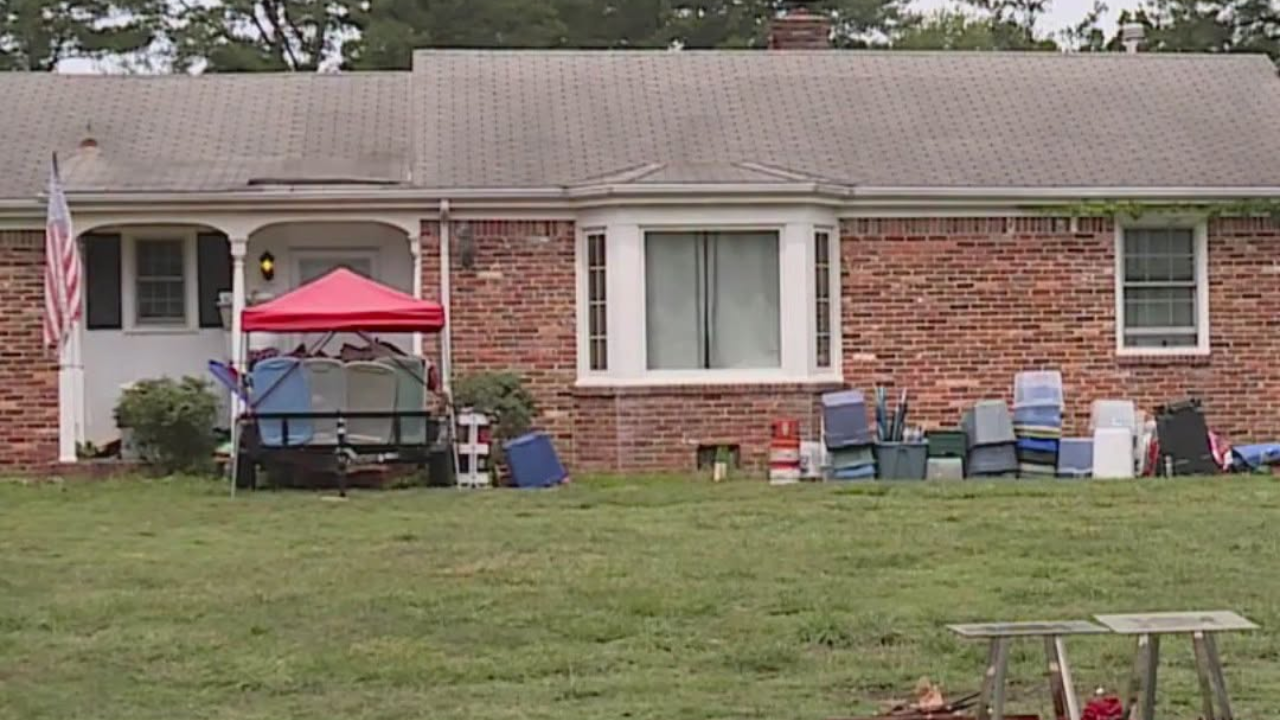
A Homeowner Was Fined Measley $50 After His Front Yard Filled With Furniture, Mattresses, and Bins
A Chesapeake, Virginia, homeowner was fined $50 after he failed to appear in court on July 8 to answer for a debris-filled yard that neighbors have called a junkyard, according to WAVY. Blair Hess now faces a civil charge of debris accumulation on his property on Tyre Neck Road. Now it’s up to the city to try and force a cleanup.
Neighbors near the 3300 block of Tyre Neck Road have complained that the yard has filled with furniture, mattresses, clothes, plastic bins, and other items spread across the front yard, driveway, and curb. The city has cited Hess under its debris accumulation code, section 62-2, and is now handling the matter as a civil violation. Residents told WAVY that the clutter has grown worse over the course of the last few months. Even fines have done nothing to change it.
Hess has offered his own account of how the property reached that state. He told WAVY earlier this year that he buys auctioned storage units and brings them home. Except this year, winter storms wrecked all of his goods before people could sift through the piles. He’s been working to clear the lot out on his own without the city’s input, however.
Frustrated neighbors are annoyed that the mess has, so far, outlasted their complaints, letters to the city, and court dates. One of them told WAVY the fines had been small enough that nothing changed, and asked the judge to set a penalty large enough to force a cleanup. City staff have said an order to clear a property is not granted early in the process and takes time under the law.
What a Debris Accumulation Violation Means in Chesapeake
Chesapeake treats properties with too much debris on them as a code enforcement issue instead of a criminal one. The city’s debris accumulation code covers the buildup of junk, trash, and discarded items on a residential lot, and a violation is handled as a civil charge that can carry fines. When a property owner does not comply, the city can take the case to court to seek penalties or an order to clean up the site.
Getting a court to order a city cleanup usually comes late in the process. City staff told WAVY that judges do not grant such an order early, because removing someone’s property is a serious action that the law spreads out over multiple hearings. In the meantime, the main tool is a fine, which is why the size of the penalty, and whether it is large enough to change behavior, has become the center of the dispute.
What Happens After a Missed Court Date?
Failing to appear at a scheduled hearing does not make a code case go away. A court can rule in the person’s absence, impose a fine, and set a new date, which keeps the matter moving whether or not the owner shows up. In this case, the missed July 8 hearing ended with a fine for Hess and left the underlying debris complaint unresolved.
Neighbors have said they want the yard cleaned up more than they want to watch fines accumulate, and at least one offered to help Hess clear it herself. The city has said it is following the legal process and cannot short-circuit it, even as residents push for faster action. It looks like Hess is essentially going to be forced to get the cleanup completed, even if he doesn’t want to — and it seems like it’s going to be a big job.