7 Mistakes Making Your Home a Wasp Magnet (And How to Fix Them)
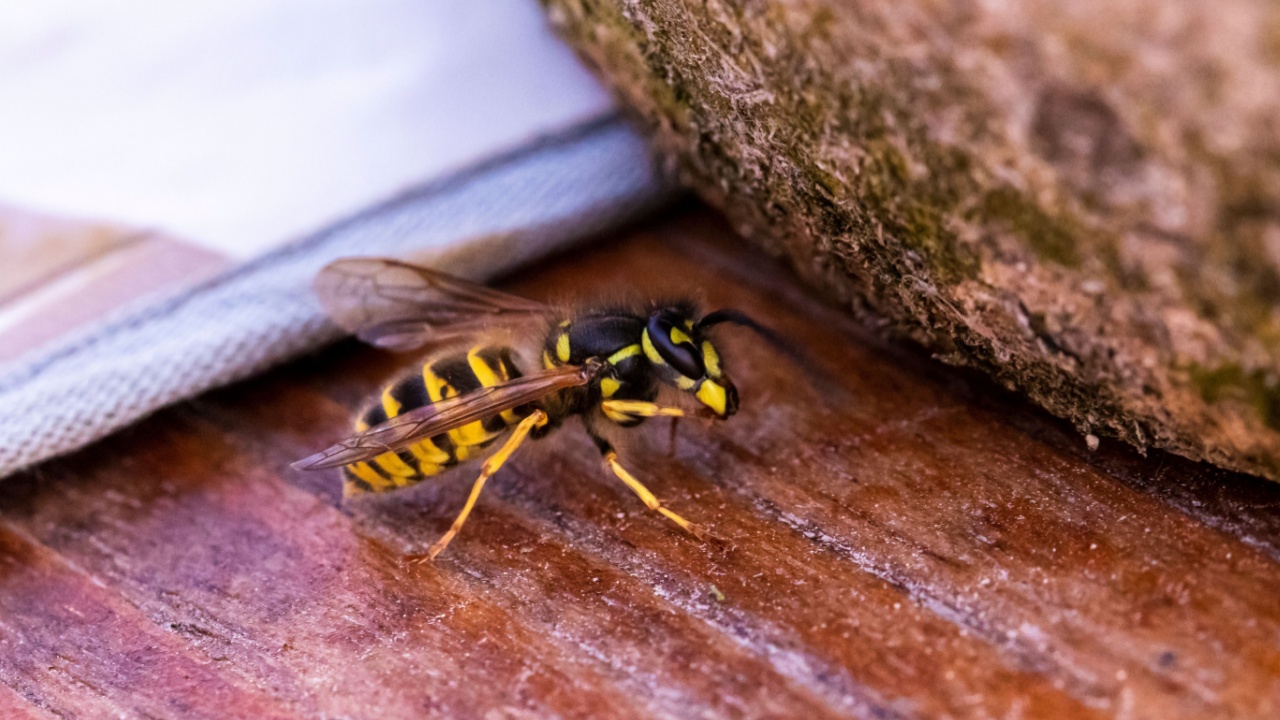
Spend any time in your yard during the warmer months, and you will likely encounter a few yellow jackets or paper wasps looking for a meal. These stinging insects naturally search for resources to support their growing colonies. When they find an abundant supply of food, water, and shelter, they tend to stick around and build their nests close by. This creates a stressful environment for anyone trying to enjoy a quiet afternoon outside.
Understanding the specific attractants that draw these insects to your property helps you reclaim your outdoor living space. Wasps rely heavily on their acute senses to locate everything from sweet nectar to protein sources for their larvae. Small habits and overlooked maintenance issues around the exterior of your house often provide the exact resources a queen needs to establish a thriving population.
This guide outlines seven common errors homeowners make that invite unwanted stingers onto their property, followed by seven actionable remedies you can implement immediately. Reading through these points will equip you with practical knowledge to make your yard much less appealing to flying pests.
Mistakes That Attract Wasps- 1. Allowing Standing Water to Accumulate
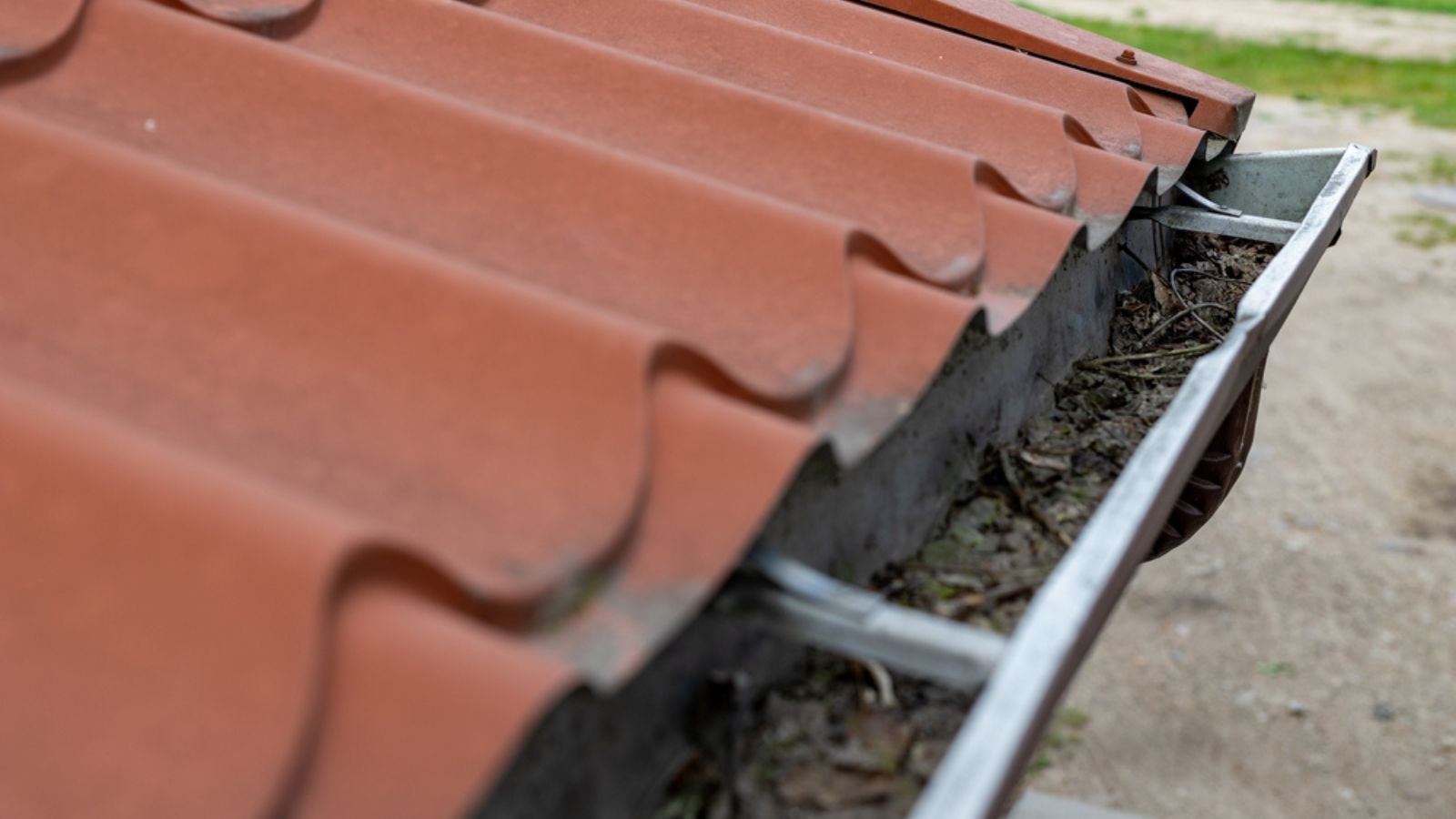
Many property owners fail to notice small pools of water gathering in uneven patio stones, clogged gutters, or poorly draining planters. Wasps require a constant supply of hydration to survive the hot summer days. Therefore, they actively seek out reliable water sources.
When you leave standing water undisturbed, you give wasps both drinking water and the moisture they need to break down wood fibers into paper for their nests. They will return daily to these accessible puddles, establishing flight paths right through your favorite seating areas. Ignoring poor drainage essentially invites an entire colony to set up a permanent residence nearby.
2. Decorating With Bright Floral Colors
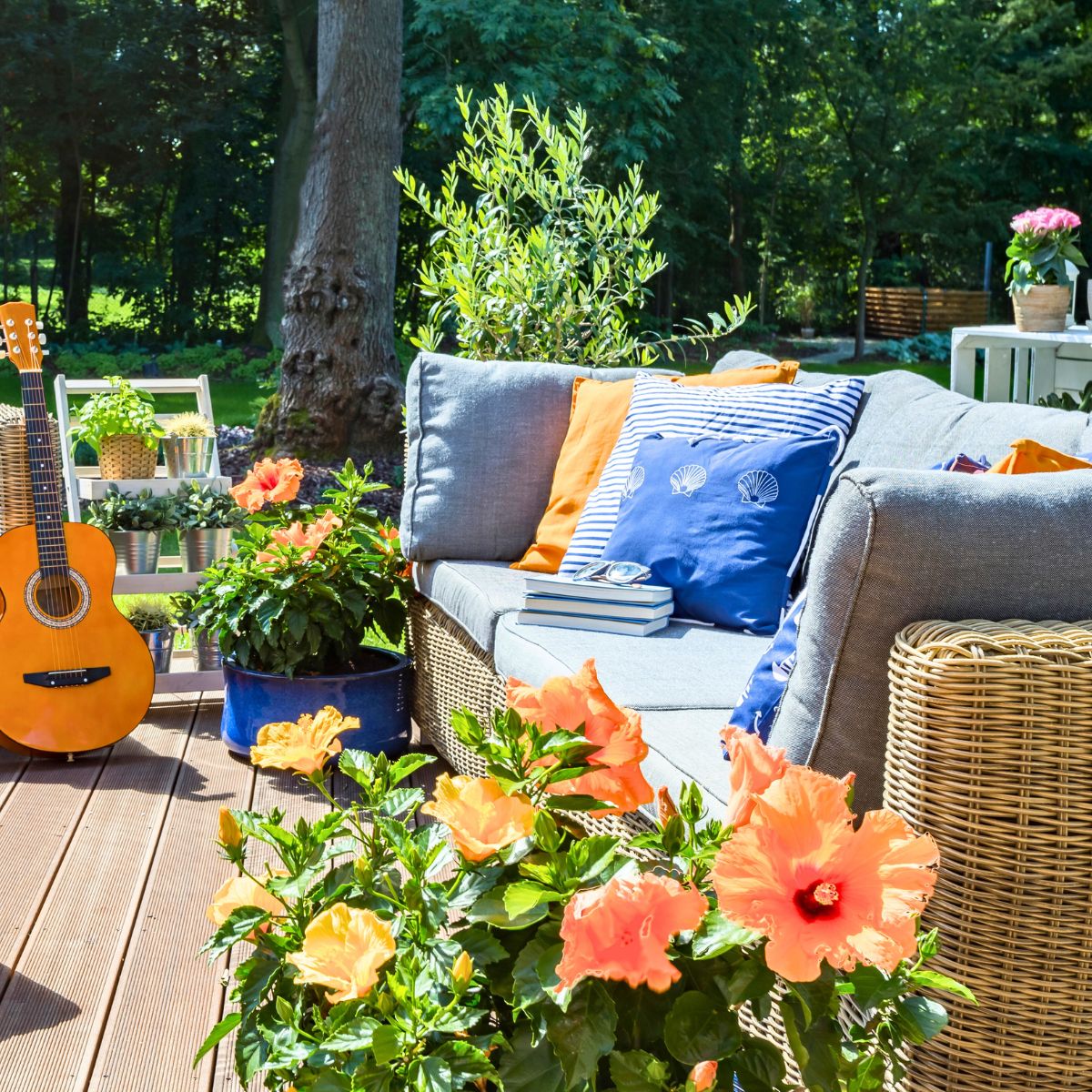
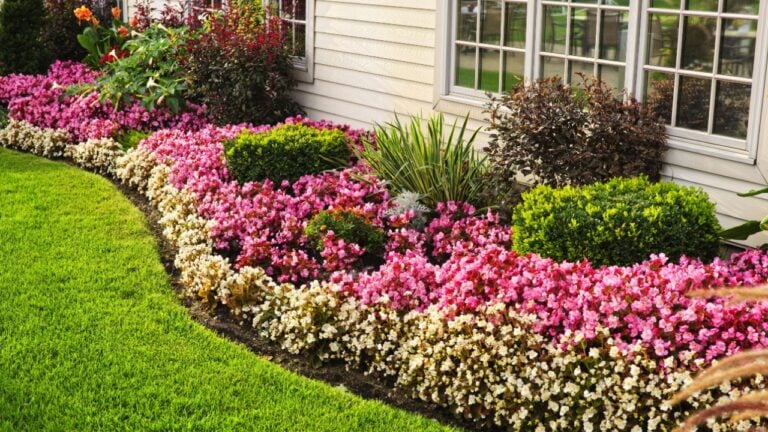
Choosing patio furniture, umbrellas, and outdoor cushions in bright yellows, blues, and whites looks beautiful. However, these colors directly mimic natural flower petals. Foraging wasps rely on their vision to spot blooming flowers from a distance.
When they see a bright yellow chair cushion, they swoop down expecting to find a rich source of sugary nectar. Continuing to use highly visible, floral-patterned accessories guarantees a steady stream of curious insects inspecting your deck.
3. Leaving Protein Sources Exposed
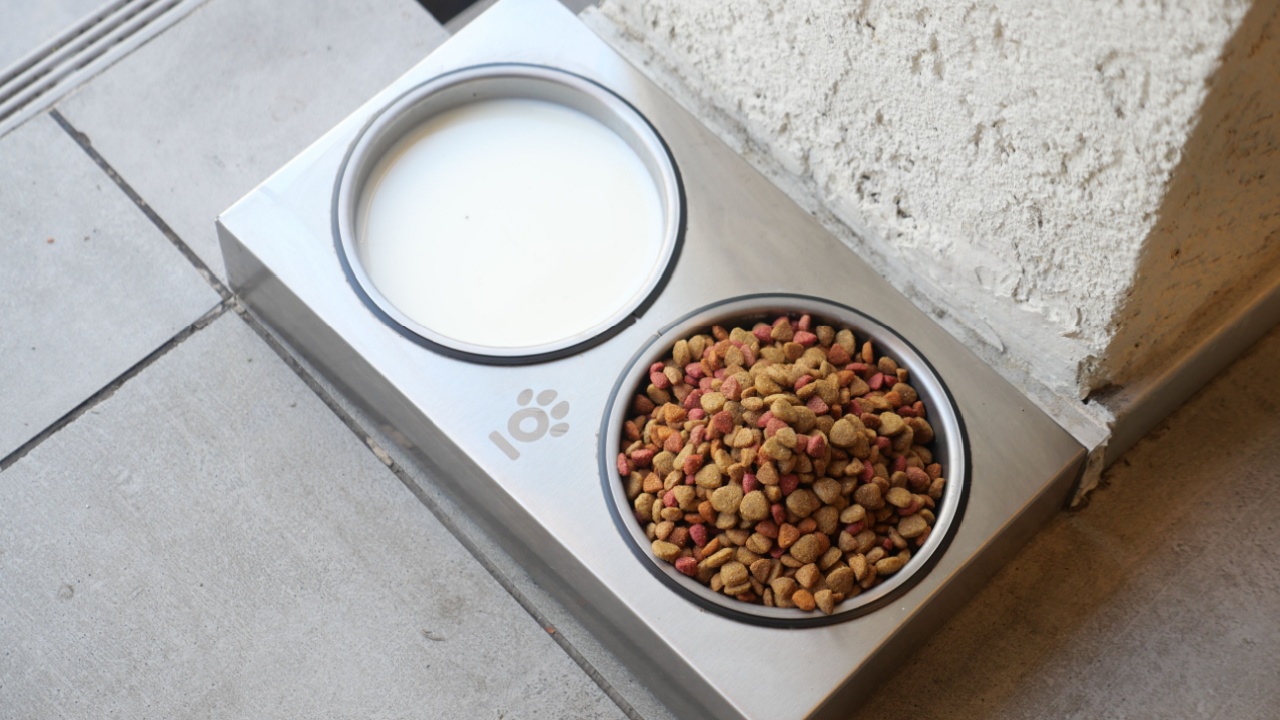
Some people frequently forget to clean up meat scraps, dropped pet food, or grease traps after cooking outside. Adult wasps hunt for protein-rich foods to carry back to their developing larvae inside the nest. A small chunk of hamburger or some leftover cat food sitting on the porch acts as a massive magnet for hungry workers.
The workers will quickly memorize the location of this free food and return multiple times a day. If they find protein regularly, they will inevitably build a nest nearby to shorten their commute.
4. Ignoring Accessible Nesting Spots
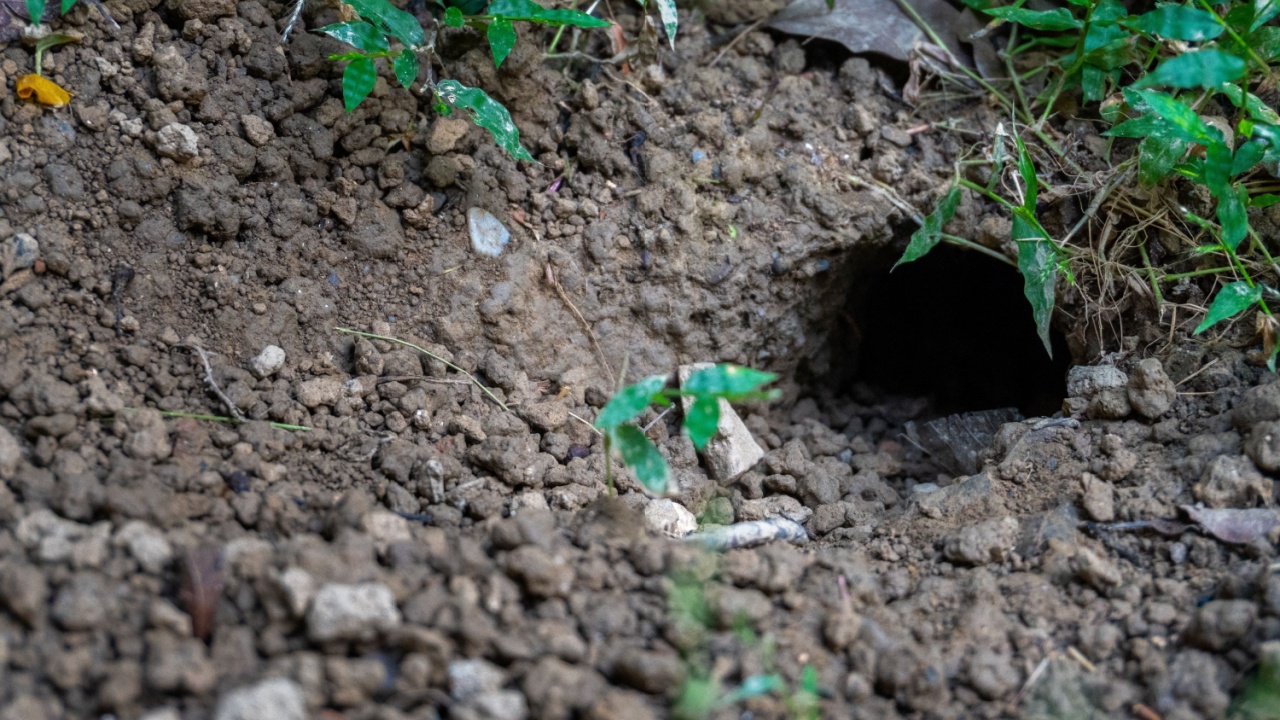
Small gaps under the siding, loose soffits, and abandoned rodent holes in the ground offer perfect protection for queens looking to build a new colony. People often ignore these minor structural issues, planning to fix them eventually. Wasps prefer completely sheltered, undisturbed cavities to protect their delicate paper nests from the wind and rain.
When you leave these entry points completely open, you provide a secure fortress for a growing population. Once a queen sets up shop inside your exterior walls or underneath your porch stairs, the problem becomes incredibly difficult to manage. Overlooking basic exterior maintenance directly leads to massive infestations hidden from view.
5. Keeping Sugary Foods Uncovered

Enjoying a meal outside often involves sweet tea, sodas, fruit salads, and desserts sitting on the picnic table. Wasps crave carbohydrates to fuel their energetic flights, and they can smell sugar from a significant distance. An open can of soda or an uncovered plate of sliced fruit draws them in almost instantly.
Leaving your drinks and desserts completely exposed turns your outdoor dining table into a free buffet. The insects will eagerly land on the rim of your glass or crawl directly onto your food, creating a dangerous situation for anyone taking a bite or a sip.
6. Using Uncovered Trash Bins

Placing garbage bags into outdoor bins without secure lids allows the smell of decomposing food to drift across your entire yard. Discarded food packaging, sticky wrappers, and fruit peels sitting in an open container create a powerful scent trail. Foraging workers rely heavily on scent, and a smelly trash can is impossible for them to ignore.
Leaving the lid off your garbage bins provides a constant, reliable food source for multiple colonies at once. They will swarm the trash area throughout the day, making it impossible for you to take out the garbage safely. Neglecting proper waste management creates a concentrated hotspot for aggressive feeding behavior.
7. Letting Fallen Fruit Rot on the Ground
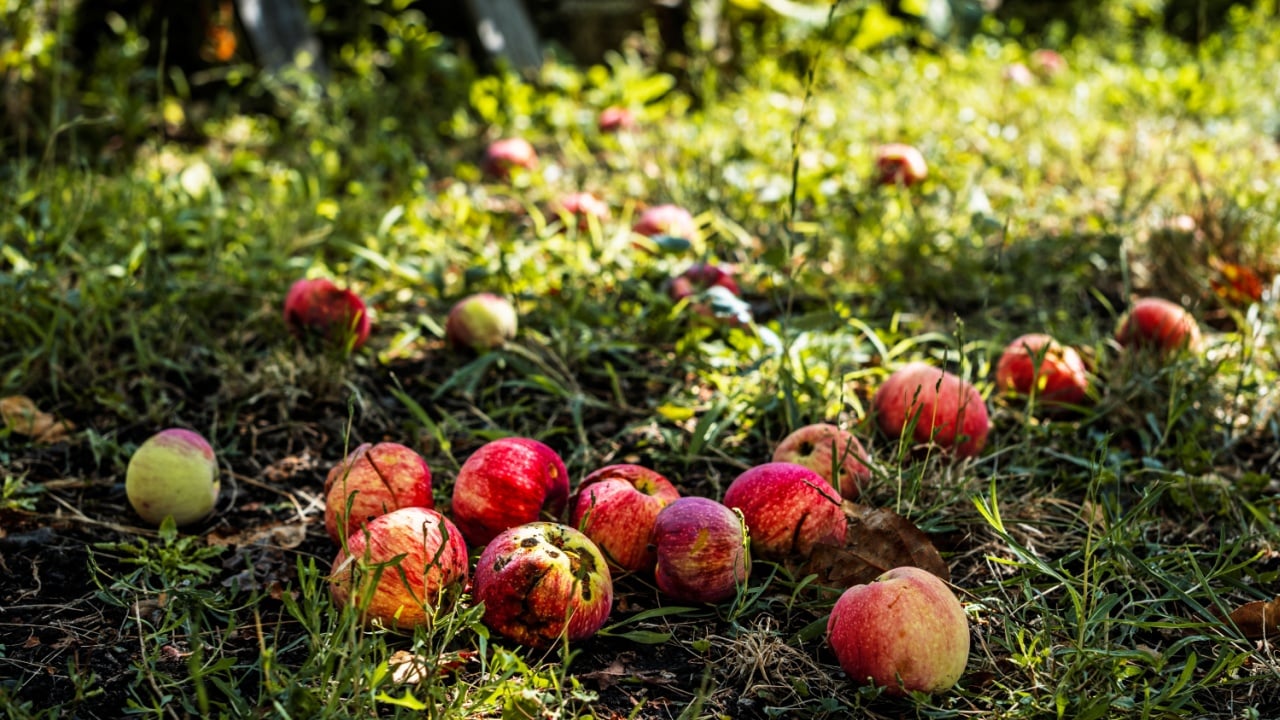
Having a fruit tree in the yard brings fresh produce, but failing to pick up fallen apples or peaches creates a massive problem. As the fruit drops to the ground and begins to ferment, it releases incredibly strong, sweet odors. Wasps flock to this rotting material, consuming the fermenting juices for energy.
Ignoring the fruit that falls beneath your trees leads to dozens of intoxicated, aggressive insects crawling through the grass. They hide under the leaves and decaying flesh, and may sting anyone who accidentally steps on them.
Remedies to Keep Wasps Away- 1. Eliminate Reliable Water Sources
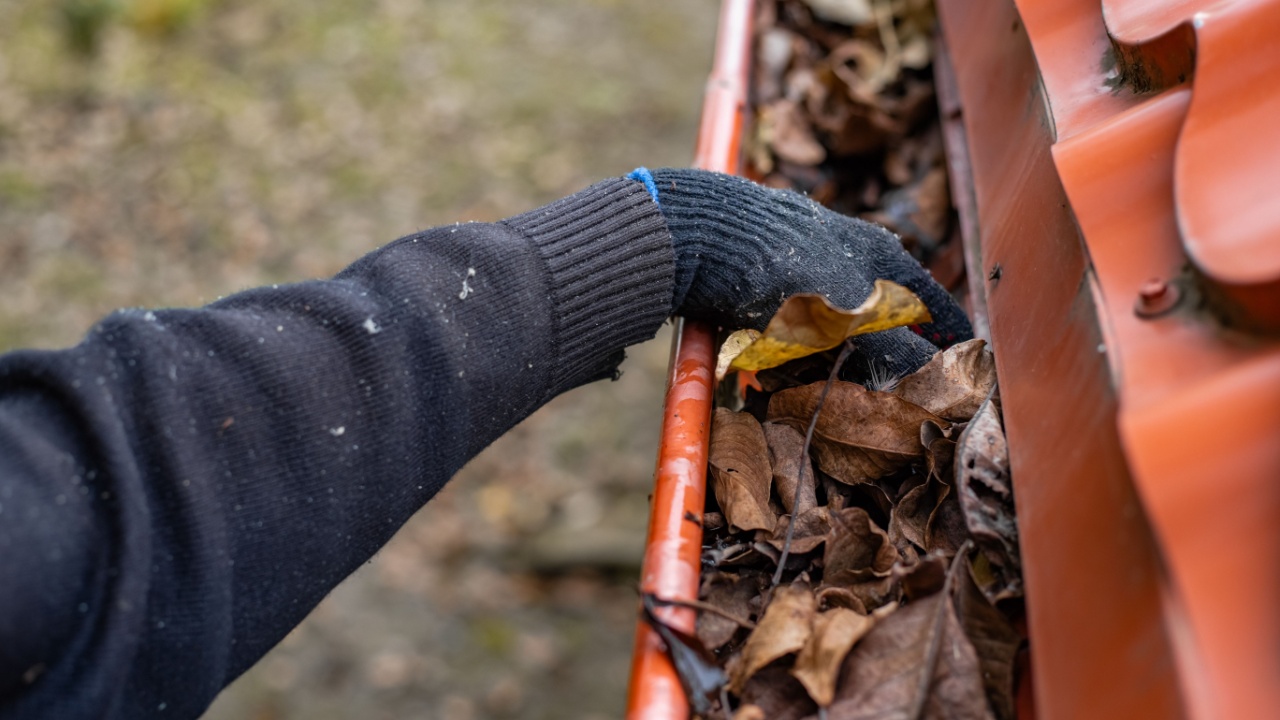
Take a walk around your property to identify and empty any containers collecting rainwater, such as old tires, empty flower pots, or birdbaths. Fix any leaky outdoor faucets and clean out your gutters so water flows freely away from the roofline. Removing these easy drinking spots forces local populations to look elsewhere for hydration.
By keeping your patios and yard items completely dry, you remove a critical resource that insects need to survive. Fill in low spots in your lawn where puddles form after heavy rain. Maintaining a well-drained yard discourages queens from selecting your property for their new nests.
2. Swap Decor for Muted Tones

Replace your brightly colored patio cushions and floral umbrellas with more neutral shades. Colors like tan, gray, brown, and dark green do not resemble the bright petals of nectar-producing flowers. When foragers fly over your yard, these muted tones completely blend into the background.
Updating your outdoor furniture colors reduces the number of visual cues drawing insects to your seating area. They will bypass your brown patio chairs and continue searching for actual blooming plants. This simple aesthetic change dramatically decreases the number of uninvited guests hovering around your deck.
3. Clean Up Food Spills Immediately
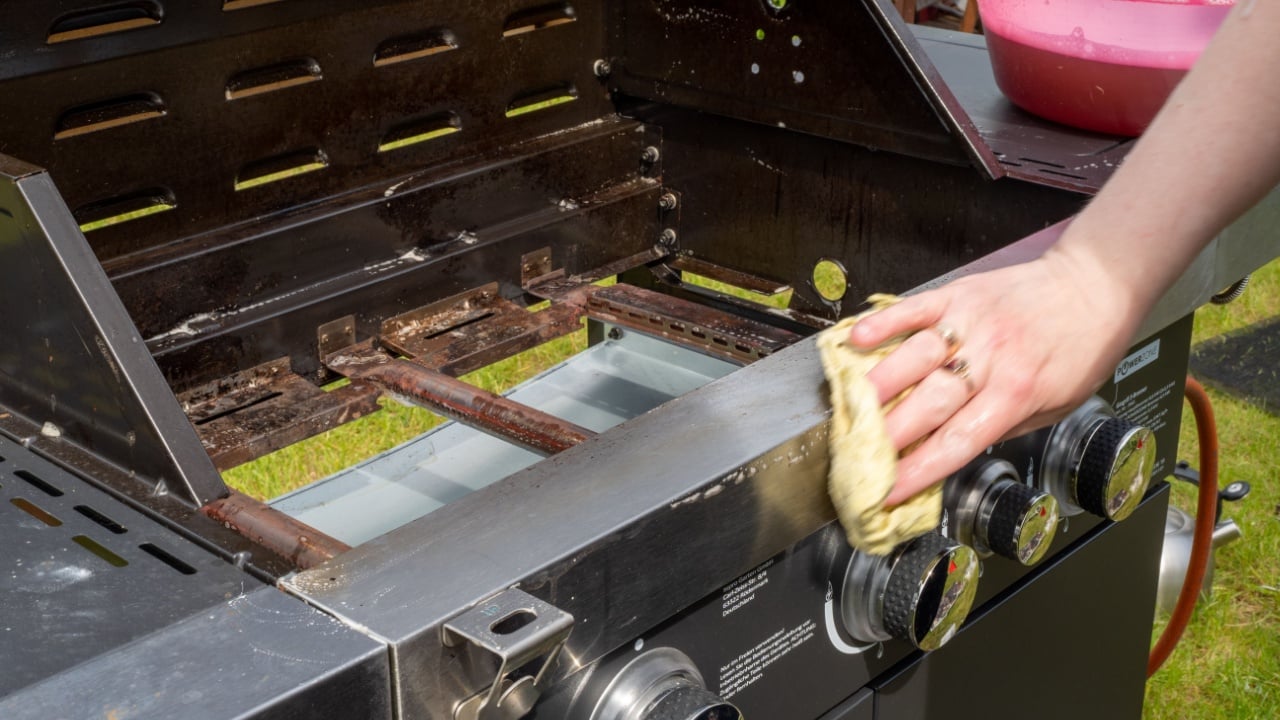
Make it a strict habit to scrub down your barbecue grill grates and empty the grease trap immediately after cooking. Bring your pet’s food bowls inside the house as soon as your dog or cat finishes eating. Wiping down outdoor tables to remove meat juices and grease spots eliminates the scents that draw them in.
Removing all traces of protein deprives the local workers of the food they need to feed their young. Without a reliable source of meat or pet food, they will abandon your patio and forage in other locations. Maintaining a spotless cooking and eating area keeps hungry insects far away from your family.
4. Seal Exterior Gaps and Cracks
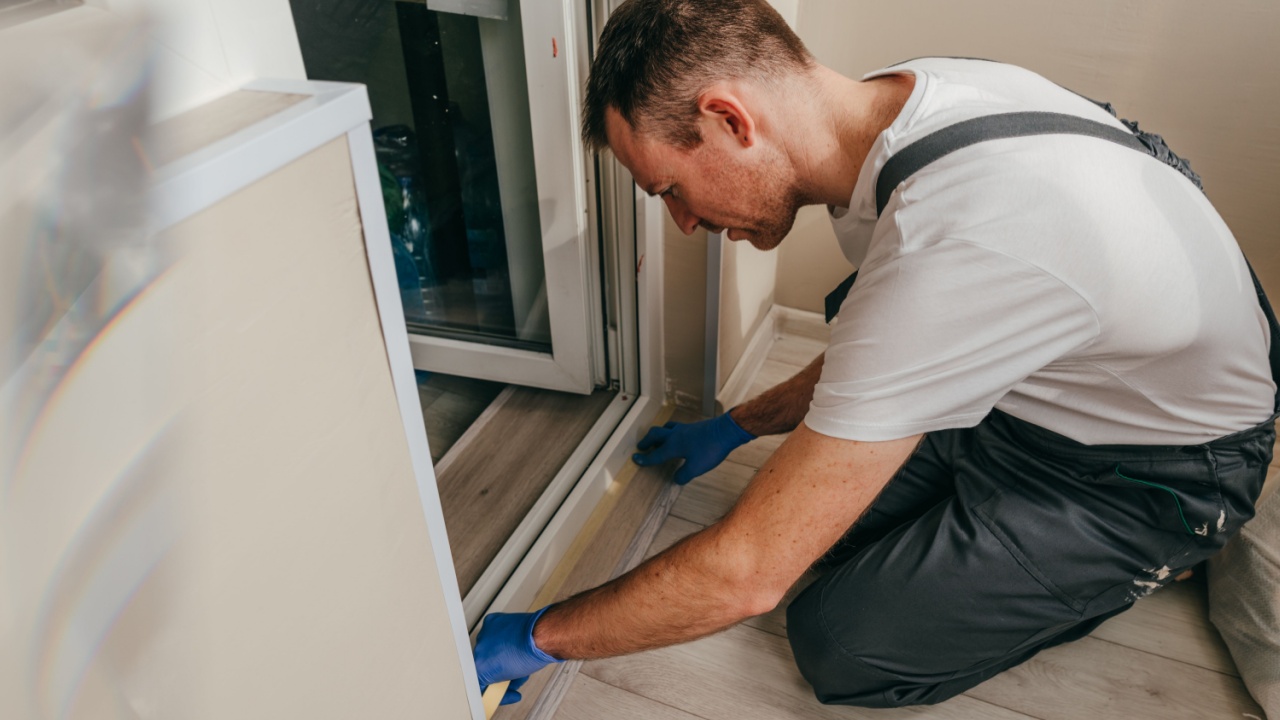
Carefully inspect the outside of your house for any loose siding, gaps around window frames, or open spaces beneath your deck. Use a high-quality silicone caulk to seal small cracks and attach fine wire mesh over larger vents. Fill in any abandoned animal burrows in your lawn with dirt to prevent ground-nesting varieties from moving in.
Securing these hidden cavities blocks off the safe shelters queens need to establish their colonies. If they cannot find a protected spot away from the weather, they will move on to another property. Proactive home maintenance actively prevents major infestations before they ever have a chance to begin.
5. Cover All Sweet Drinks and Desserts
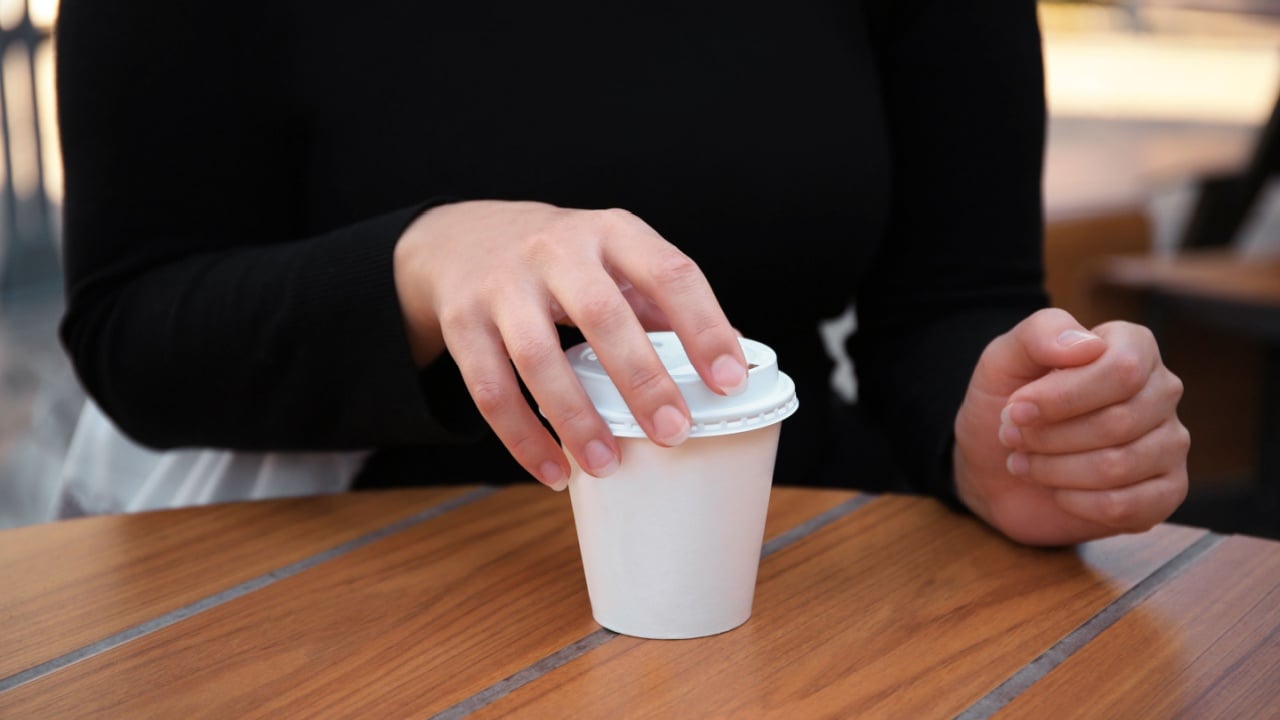
Always use lidded cups or mesh food covers when you serve meals and beverages on your patio. Pouring sodas into insulated tumblers with tight lids completely blocks the sweet aromas from drifting into the air. Keeping fruit and desserts inside sealed containers until you are completely ready to eat makes a massive difference.
Protecting your sweets stops flying pests from tracking down your lunch. They cannot detect the carbohydrates if you block the scent from traveling on the wind. Taking these precautions makes outdoor dining a peaceful experience rather than a constant battle for your food.
6. Secure Your Trash Receptacles
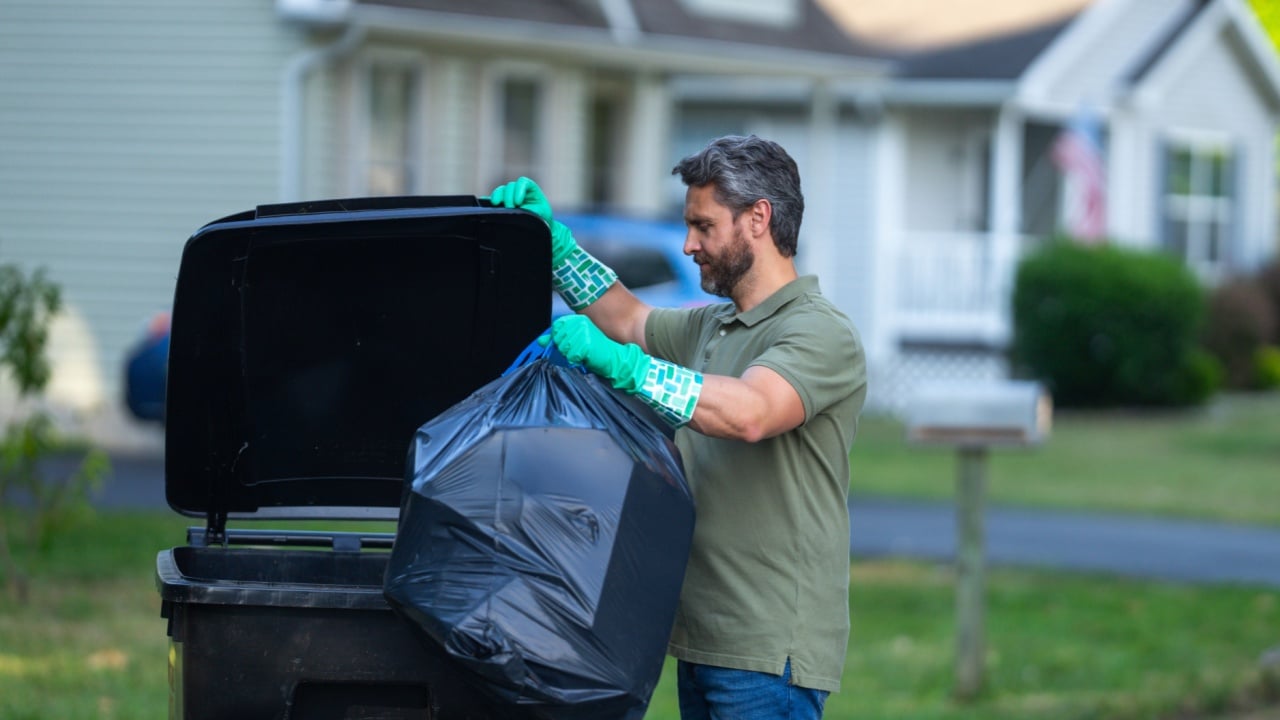
Purchase outdoor garbage bins with tight-fitting, locking lids to seal odors inside the container. Rinse out empty soda cans and food packaging before throwing them away to minimize the smells lingering in the bag. Wash the actual bins with soapy water once a month to remove any sticky residue stuck to the plastic.
Keeping your waste completely locked away cuts off one of the largest food sources available in a residential yard. Foragers will quickly learn that your bins offer no reward and will stop checking them entirely. Proper sanitation practices keep your driveway and side yard safe for your family.
7. Harvest Fruit Promptly and Rake the Yard
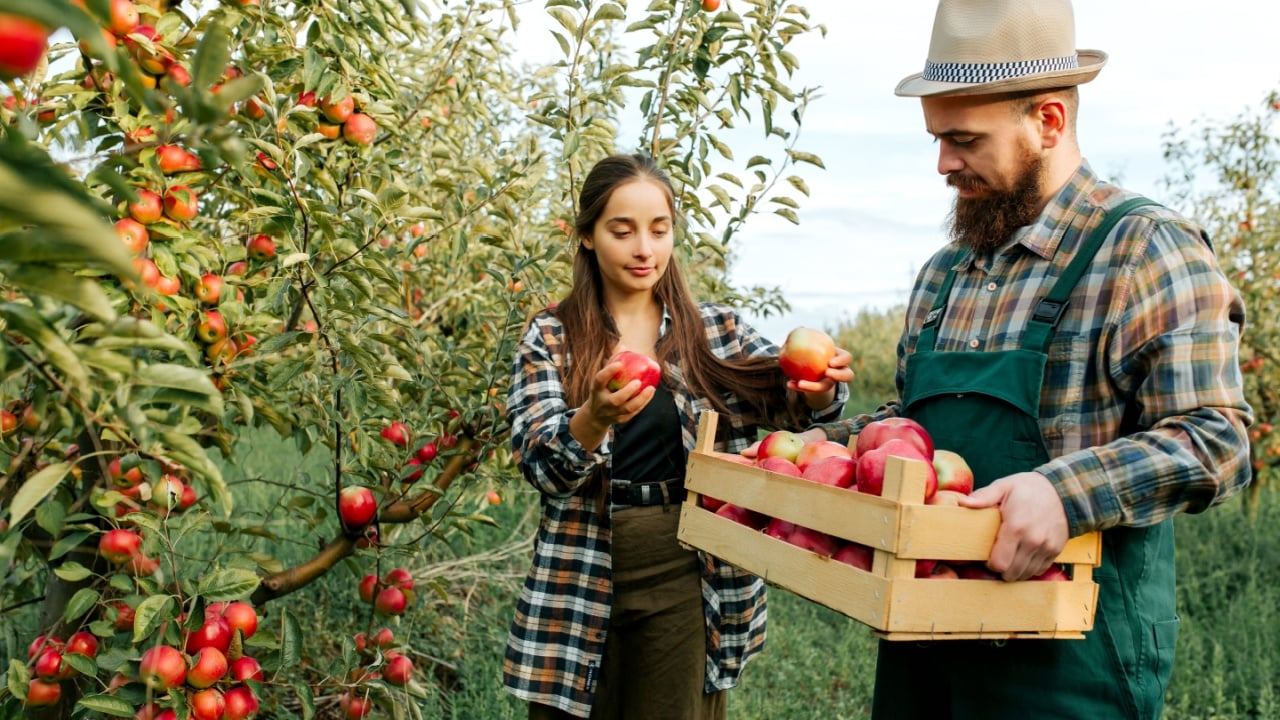
Pick ripe fruit straight from the branches before it has a chance to drop to the soil below. If a storm knocks down apples or berries, grab a rake and remove them from the grass the very same day. Dispose of the damaged produce in a sealed compost bin or a locked garbage can.
Keeping the ground clear of fermenting sugars eliminates a major late-summer attractant. You will protect your bare feet from unexpected stings while maintaining a much cleaner lawn. Diligent harvesting keeps the local pest population from viewing your garden as an all-you-can-eat buffet.
Reclaim Your Outdoor Space

Enjoying your backyard becomes much easier when you stop unintentionally providing room and board for stinging insects. By eliminating standing water, hiding your food, and sealing up hiding spots, you make your property significantly less appealing to passing foragers. Implement these straightforward adjustments this weekend to reclaim your outdoor space and protect your family from painful encounters.
Read More: