Nine Cars Have Crashed Into This Maryland Homeowner’s Yard in Just Two Years
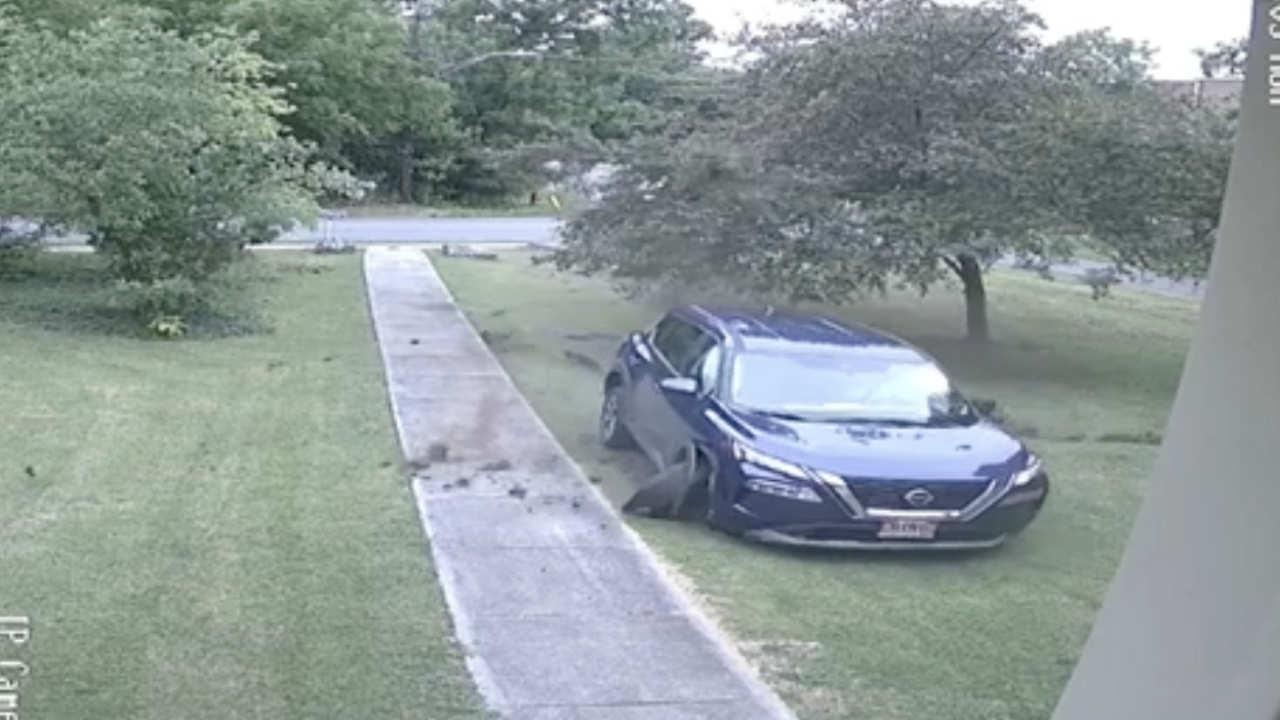
A ninth vehicle in two years has crashed into a Catonsville, Maryland homeowner’s front yard, just days after she went public with her concern about the repeated wrecks. Krista Cantafio said a vehicle left Kenwood Avenue and struck her property on July 6. This one came closer to her front door than any crash before it, according to WMAR-2 News. She’s counted nine crashes in total since moving into the home about two years ago.
The earlier crashes destroyed mailboxes, trees, bushes, and Cantafio’s landscaping, running up thousands of dollars in cleanup and repairs. She said she keeps her daughter away from the mailbox and watches the road out of worry that someone will eventually be hurt. In an earlier interview, she said she is “always looking over my shoulder.”
The crashes have drawn a response from Baltimore County. After WMAR’s first report, county officials said Kenwood Avenue now qualifies for speed humps, and the Department of Public Works and Transportation identified possible locations for the traffic calming devices. Officials said they would begin working with Cantafio on the next phase.
The county also looked into the July 6 crash. Officials said they reviewed Cantafio’s video and contacted Baltimore County Police to try and determine a cause and whether the road itself played a part. Police had not released a cause as of the report. There doesn’t appear to be a definitive reason for the overlapping crashes, however.
How Baltimore County’s Speed Hump Process Works
Getting speed humps or bumps installed in Baltimore County is not automatic once a road qualifies. Under the county’s Neighborhood Traffic Management Program, the neighbors who live next to the proposed speed humps have to sign a community petition first. At least 75% of those property owners must approve the project before it can move ahead.
Even with that approval, the timeline depends on money. The county schedules its new projects based on available funding, so a green light on the petition doesn’t guarantee an immediate installation. In Cantafio’s case, that means the speed humps her street now qualifies for could still be months of petitions and budgeting away.
The County Has Already Tried Several Fixes
The July 6 crash happened even though the county had already taken smaller steps along the curve. Officials had installed rumble strips and added pavement markings there to try to slow drivers and keep them on the road. Those measures did not stop the latest vehicle from leaving the roadway and reaching Cantafio’s yard.
Baltimore County Police haven’t confirmed exactly what caused the July 6 crash, and the county is still checking whether road conditions contributed. At the moment, the speed hump process depends on the neighborhood petition and county funding, and Cantafio is left watching the same curve that has sent nine vehicles into her yard.