
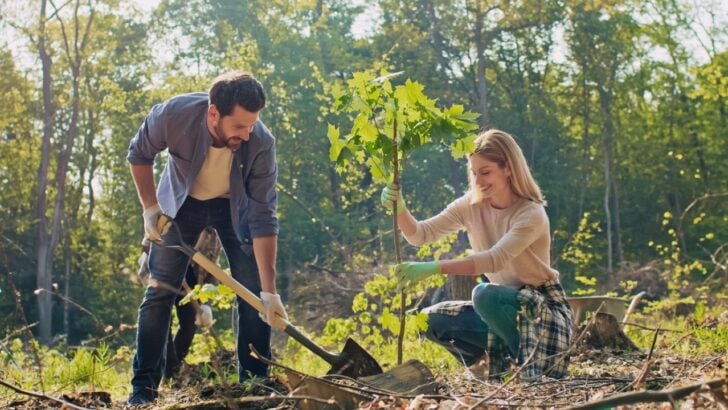
Every year on April 22nd, Earth Day reminds us that even the smallest actions can have a big impact on the planet—and if you’ve got a patch of soil (or even a few pots on the patio), you’re already in a great place to start.
As gardeners, we’re natural caretakers — of our plants, our pollinators, and the soil beneath our feet. And this Earth Day, there’s no better time to lean into those instincts. From planting native flowers to welcoming bees and butterflies, your garden can become a tiny oasis that supports the whole ecosystem. (Hint: You can also certify your yard as a wildlife habitat through organizations such as the National Wildlife Federation!)
Don’t worry if you’re new to all this—eco-friendly gardening isn’t about perfection. It’s about learning as you go, trying new things, and noticing the small shifts that make a big difference. Whether you’re starting a new veggie patch, conserving water with a drip system, or simply swapping chemical sprays for homemade compost, every effort matters.
So grab your gloves and let’s explore some simple, satisfying ways to celebrate Earth Day right in your own backyard.
1. Start a Garden for Earth Day
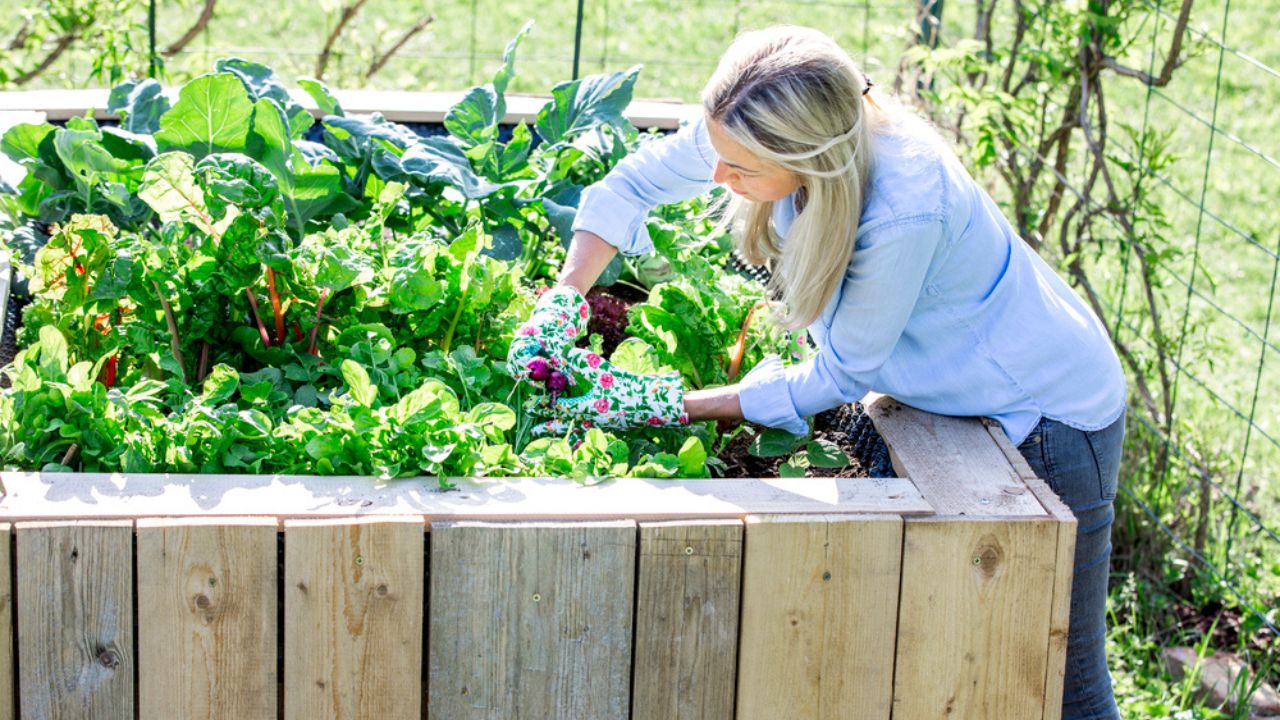
Image Credit: Deposit Photos.
Starting a garden is one of the best ways to celebrate Earth Day. Not only does it help reduce your carbon footprint, but it also provides fresh produce for your family and friends.
The first step in starting a garden is to choose the right location. This will depend on the amount of sunlight, soil quality, and water availability. Ideally, the location should receive at least 6 hours of sunlight per day. It should also have well-draining soil and access to a water source. Consider the size of the garden and the types of plants you want to grow when choosing a location.
2. Use Sustainable Soil and Compost
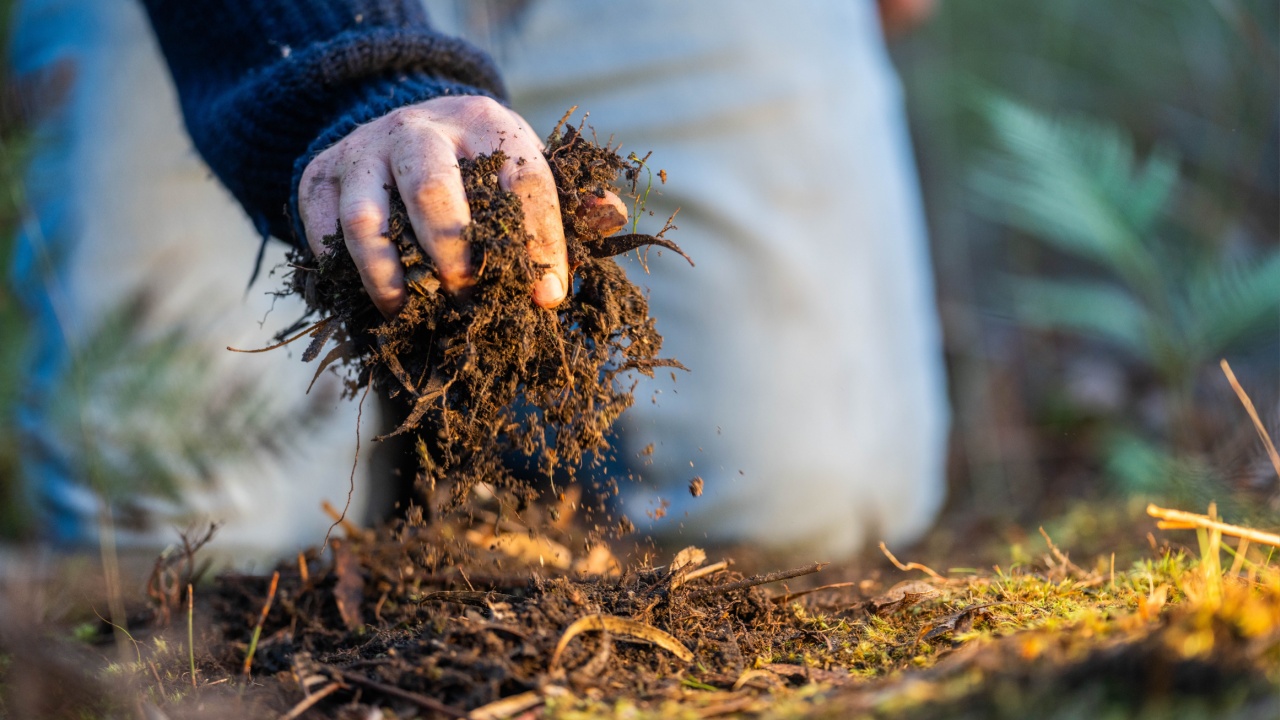
Image Credit: Shutterstock.
Sustainable soil and compost are essential for a healthy garden. Organic compost is a great way to improve soil fertility and structure. It also helps retain moisture and reduces the need for synthetic fertilizers.
Consider using compost made from kitchen scraps, grass clippings, and leaves. You can also use cover crops to improve soil health and reduce erosion.
3. Conserve Water in the Garden

Image Credit: Shutterstock.
Water conservation is an important aspect of sustainable gardening. By using water efficiently, gardeners can save money on their water bills and reduce the amount of water waste.
One option to consider is a rain barrel. It is a great way to collect and store rainwater for use in the garden. It is a simple and effective way to reduce water waste and save money on water bills.
A rain barrel can be installed under a downspout to collect rainwater from the roof. The collected rainwater can be used to water plants, wash cars, and perform other outdoor activities.
4. Add a Drip Irrigation System
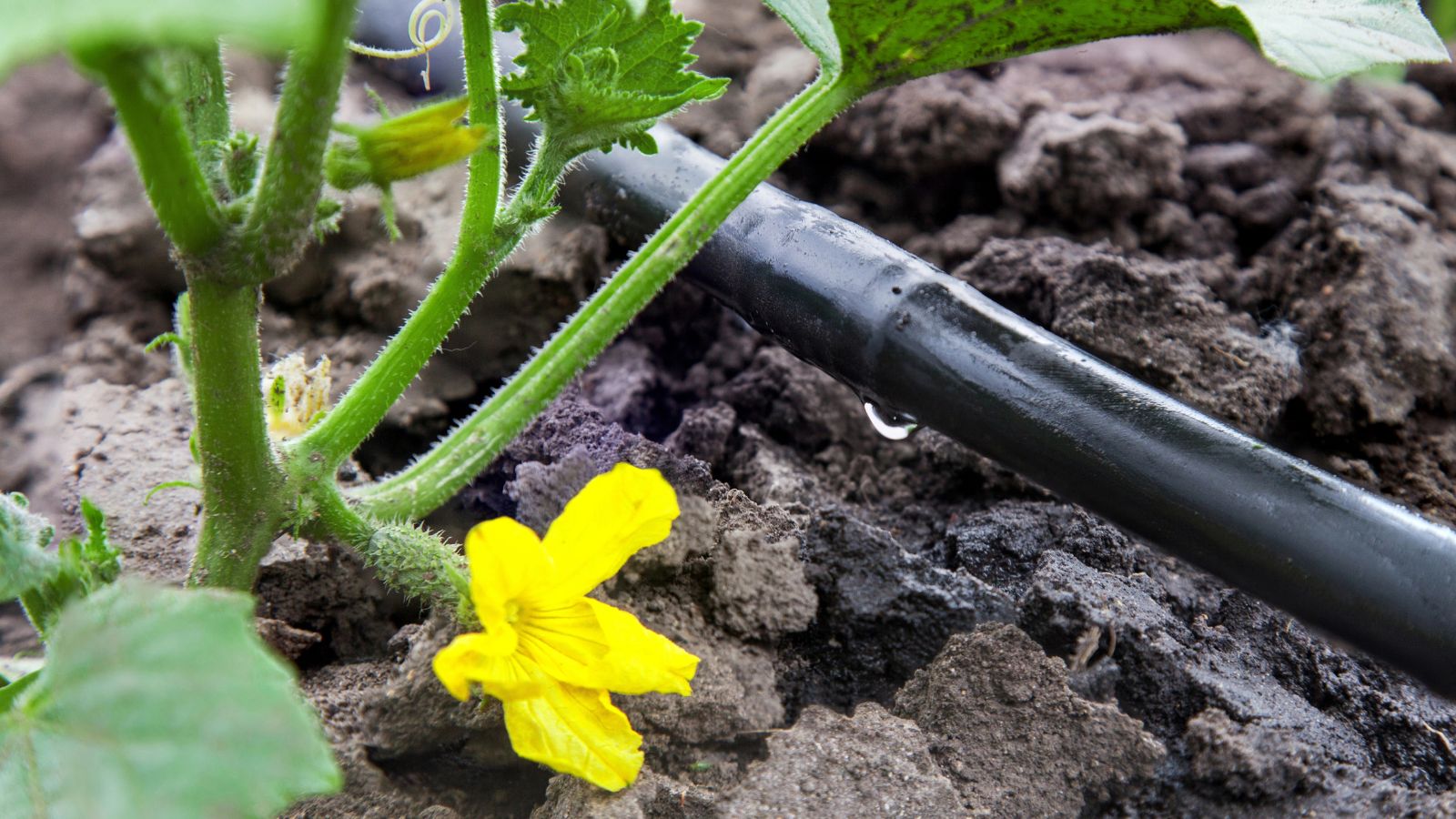
Image Credit: Deposit Photos.
Whether you use hose water or rain water, drip irrigation systems are a water-efficient way to water plants in the garden. They deliver water directly to the roots of plants, reducing water waste and evaporation.
Drip irrigation systems can be installed above or below ground and can be used in a variety of garden settings. They are easy to install and can be customized to meet the specific watering needs of plants.
5. Use Mulch to Retain Moisture
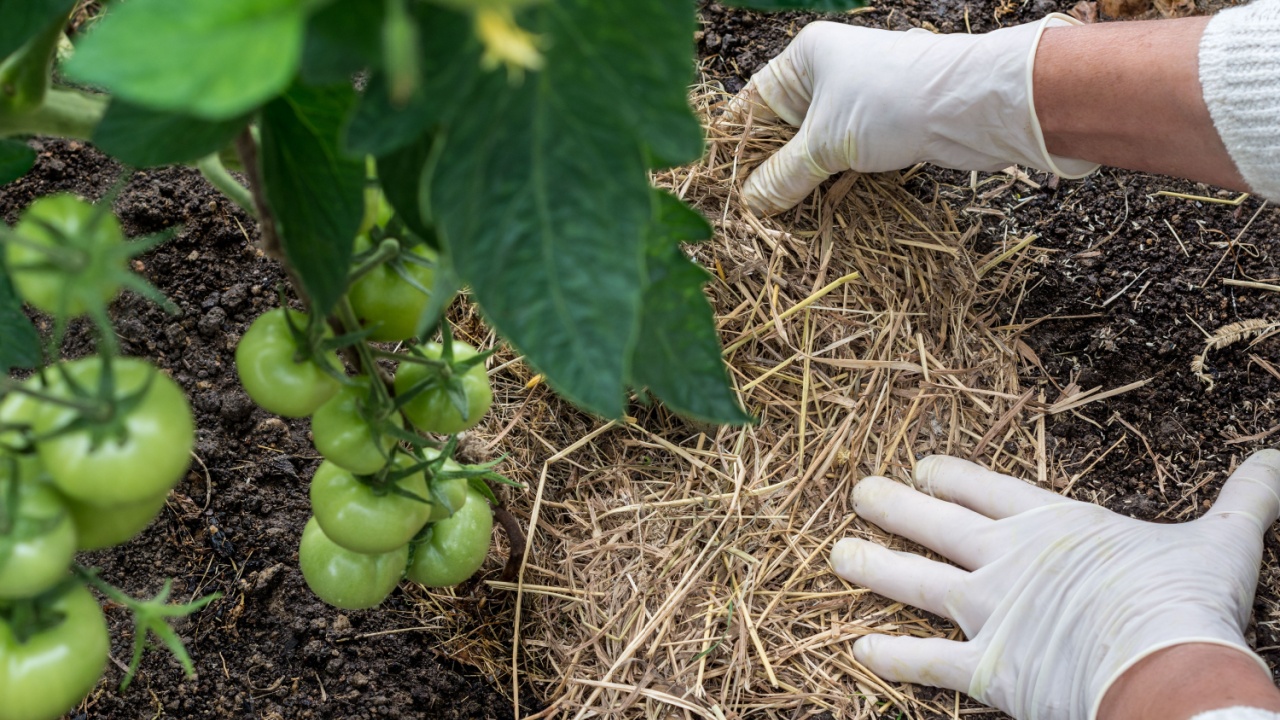
Image Credit: Shutterstock.
Saving water isn’t just about the water you use; helping the soil retain moisture also makes a big difference. Thus, mulching is another effective way to conserve water in the garden. Mulch is a layer of organic material that is placed on top of the soil around plants.
It helps to retain moisture in the soil by reducing evaporation. Mulch also helps to suppress weeds and improve soil health. Organic mulches such as straw, leaves, and grass clippings are recommended.
6. Encourage Biodiversity for Pollinators
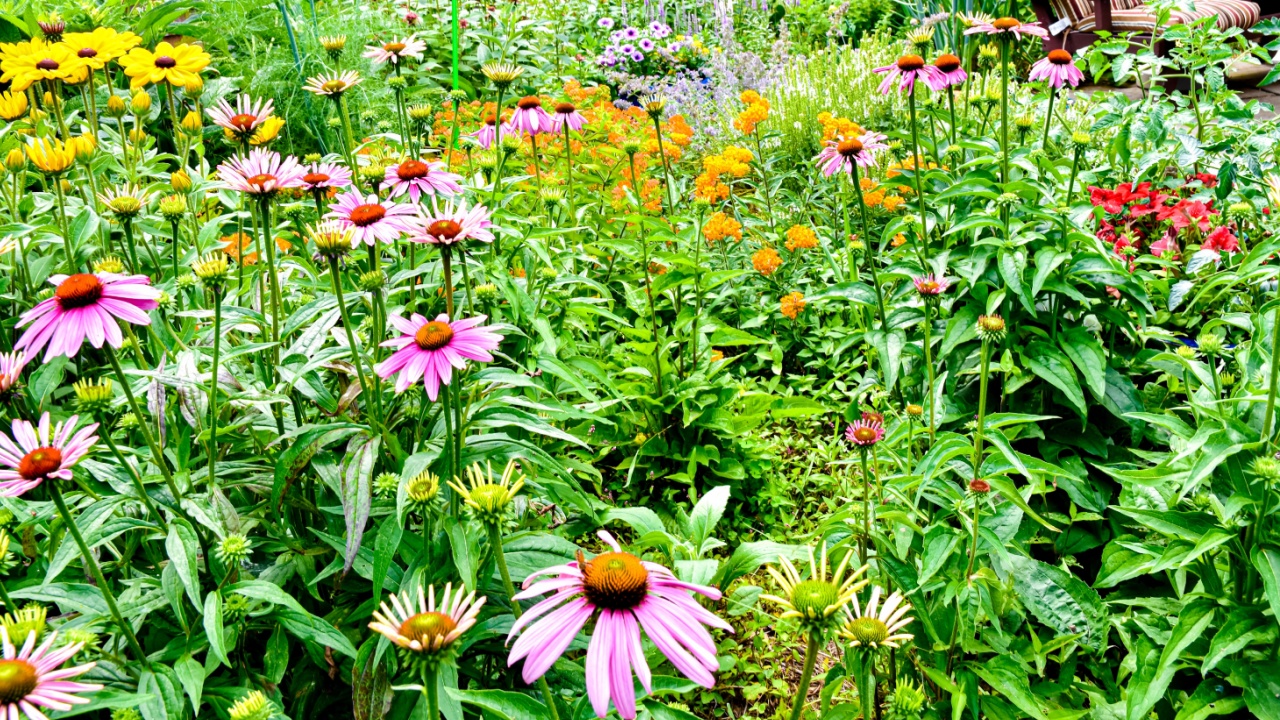
Image Credit: Shutterstock.
Encouraging biodiversity in the garden is an excellent way to celebrate Earth Day. Biodiversity refers to the variety of life in a particular ecosystem, including plants, animals (aka pollinators), and microorganisms. The more diverse an ecosystem is, the more stable and resilient it will be.
Pollinators such as bees, butterflies, and hummingbirds are essential for the health of our ecosystems and the production of food. Gardeners can help these creatures by creating habitats that provide food, shelter, and nesting sites.
Some ways to create habitats for pollinators include:
- Planting native flowering plants that provide nectar and pollen
- Providing a source of water, such as a birdbath or shallow dish
- Leaving dead plant material, such as hollow stems, to provide nesting sites
7. Introduce Earth-Friendly Native Species
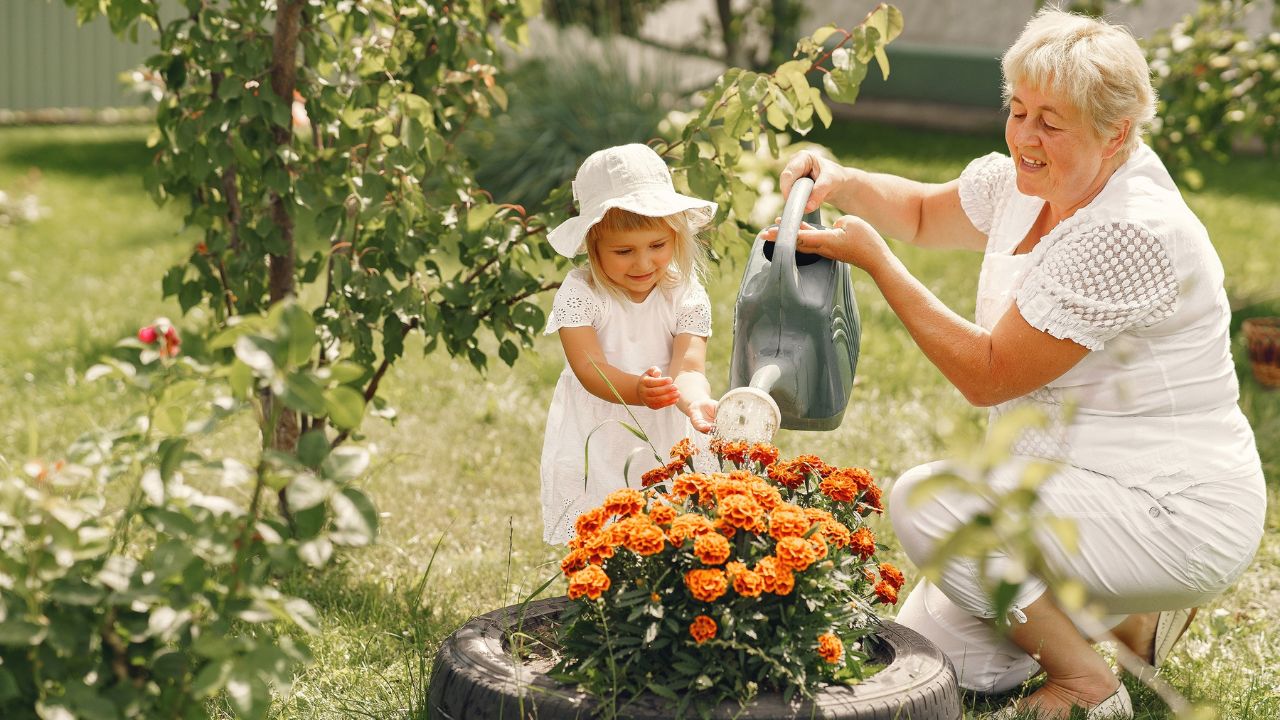
Image Credit: Shutterstock.
Introducing native species to your garden is another way to encourage biodiversity. Native plants are adapted to the local climate and soil conditions, making them more resistant to pests and diseases.
They also provide food and habitat for local wildlife. Some ways to introduce native species include:
- Researching which plants are native to your area and planting them in your garden
- Removing invasive species that can outcompete native plants
- Supporting local nurseries that specialize in native plants
8. Avoid Chemical Pesticides
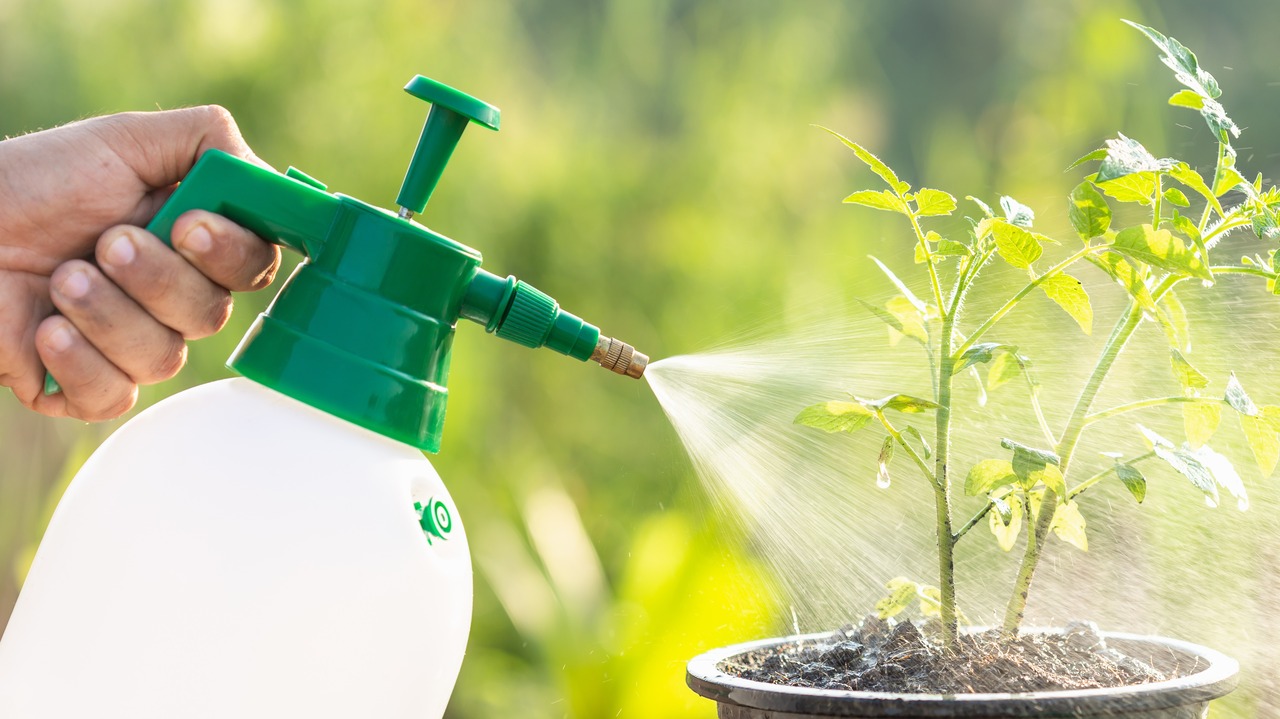
Image Credit: Shutterstock.
Chemical pesticides can harm beneficial insects such as pollinators and natural predators of pests. They can also contaminate soil and water, affecting the health of the entire ecosystem.
Gardeners can avoid chemical pesticides by:
- Using natural pest control methods such as companion planting and crop rotation
- Encouraging natural predators of pests, such as ladybugs and praying mantises
- Removing pests by hand or with a stream of water
9. Recycle and Upcycle in the Garden
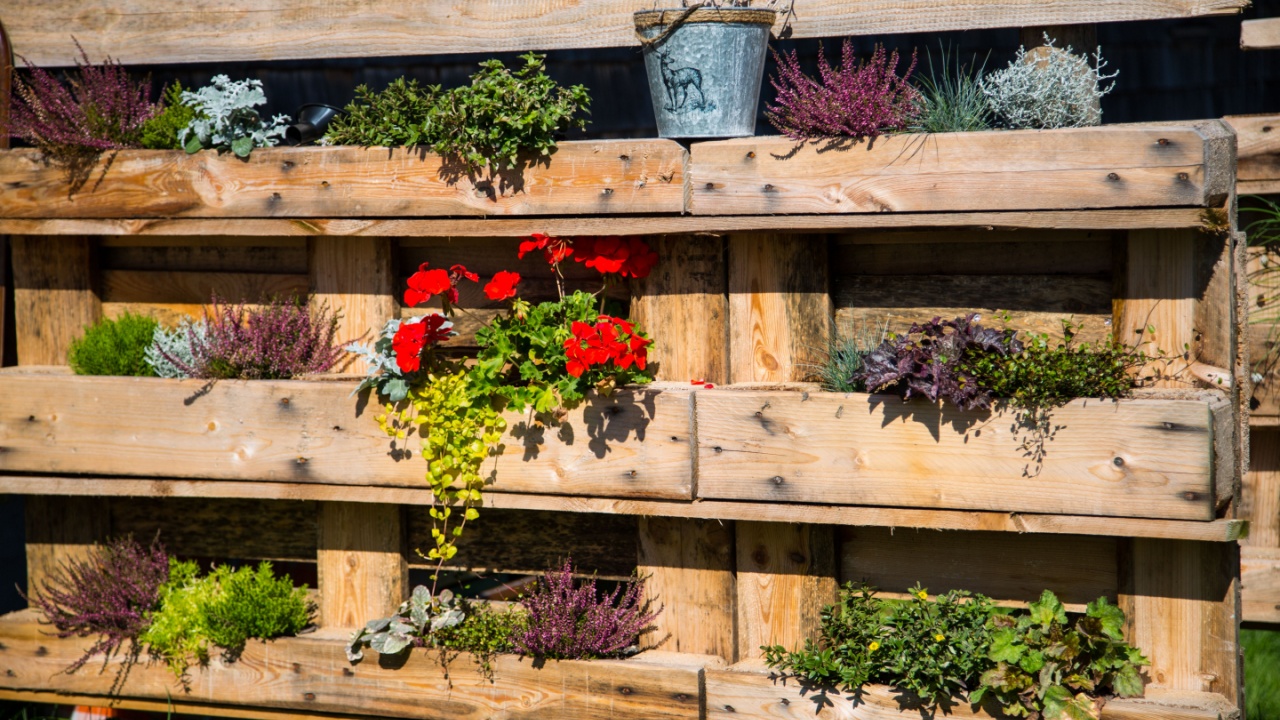
Image Credit: Shutterstock.
Gardening is a great way to celebrate Earth Day, and recycling and upcycling can make it even more eco-friendly. By using recycled materials, gardeners can reduce waste and give new life to items that might otherwise end up in a landfill.
Many items around the house can be turned into planters, from old tires to wooden pallets.
One idea is to use old tin cans as planters. Simply clean them out and drill a few drainage holes in the bottom. Then, fill them with soil and plant your favorite herbs or flowers. This is a great way to add a pop of color to your garden while reducing waste.
Another option is to use old wine bottles as planters. Cut off the bottom of the bottle and fill it with soil. Then, plant a succulent or other small plant on the top. This creates a unique and eye-catching planter that is sure to impress.
10. Compost Kitchen Scraps

Image Credit: Shutterstock.
Composting is a great way to reduce food waste and create nutrient-rich soil for your garden. Instead of throwing away kitchen scraps, such as fruit and vegetable peels, eggshells, and coffee grounds, add them to a compost bin.
To start a compost bin, simply find a container with a lid and start adding your kitchen scraps. Be sure to also add dry materials, such as leaves or shredded newspaper, to help balance the moisture level.
Turn the compost pile occasionally to help speed up the process. Once the compost has broken down, it can be added to your garden soil to provide nutrients for your plants. This is a great way to reduce waste and create a healthy, eco-friendly garden.
11. Share Educational Activities and Workshops
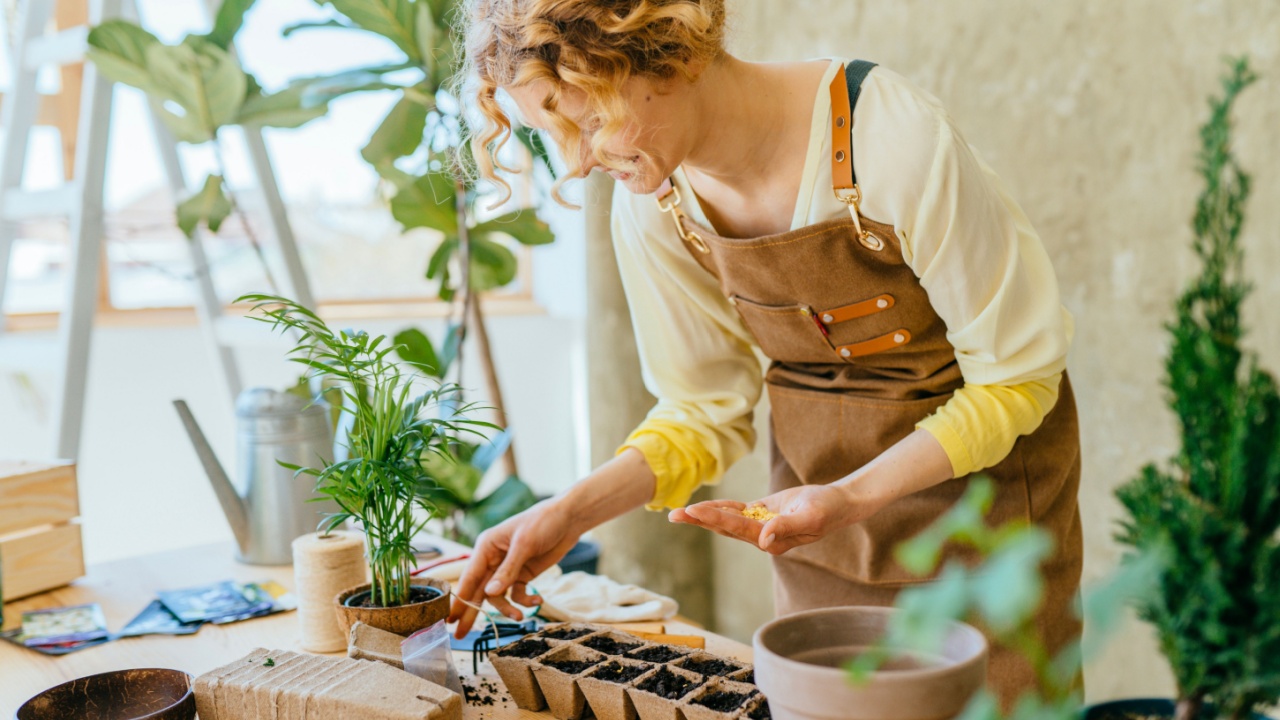
Image Credit: Shutterstock.
Gardening workshops and educational activities are a great way to celebrate Earth Day. They offer gardeners the opportunity to learn new skills, share knowledge, and connect with like-minded individuals. Have you ever considered hosting a gardening workshop?
Hosting a gardening workshop is a great way to share knowledge and skills with others. Gardeners can organize a workshop on a variety of topics, such as composting, seed starting, or organic pest control. Workshops can be held in a community garden, a local park, or even in someone’s backyard.
To organize a gardening workshop, gardeners should first decide on a topic and create an outline of the workshop. They should then find a location, invite participants, and gather any necessary supplies. During the workshop, the organizer should provide clear instructions and offer hands-on demonstrations. Participants should have the opportunity to ask questions and share their own experiences.
12. Organize a Seed Swap

Image Credit: Shutterstock.
Organizing a seed swap is another fun and educational activity for gardeners on Earth Day. A seed swap is a gathering where gardeners bring seeds to exchange with others. This allows gardeners to try new varieties and expand their gardens without spending money on new seeds.
To organize a seed swap, gardeners should first find a location, such as a community center or a local park. They should then invite participants and encourage them to bring their own seeds to exchange. Gardeners can also provide information on how to save seeds and offer tips on growing different varieties.
During the seed swap, gardeners should encourage participants to share their experiences and offer advice on growing different plants. They should also provide a space for participants to trade seeds and offer guidance on how to properly store and label seeds.
13. Embrace Community Gardening Initiatives and Volunteer
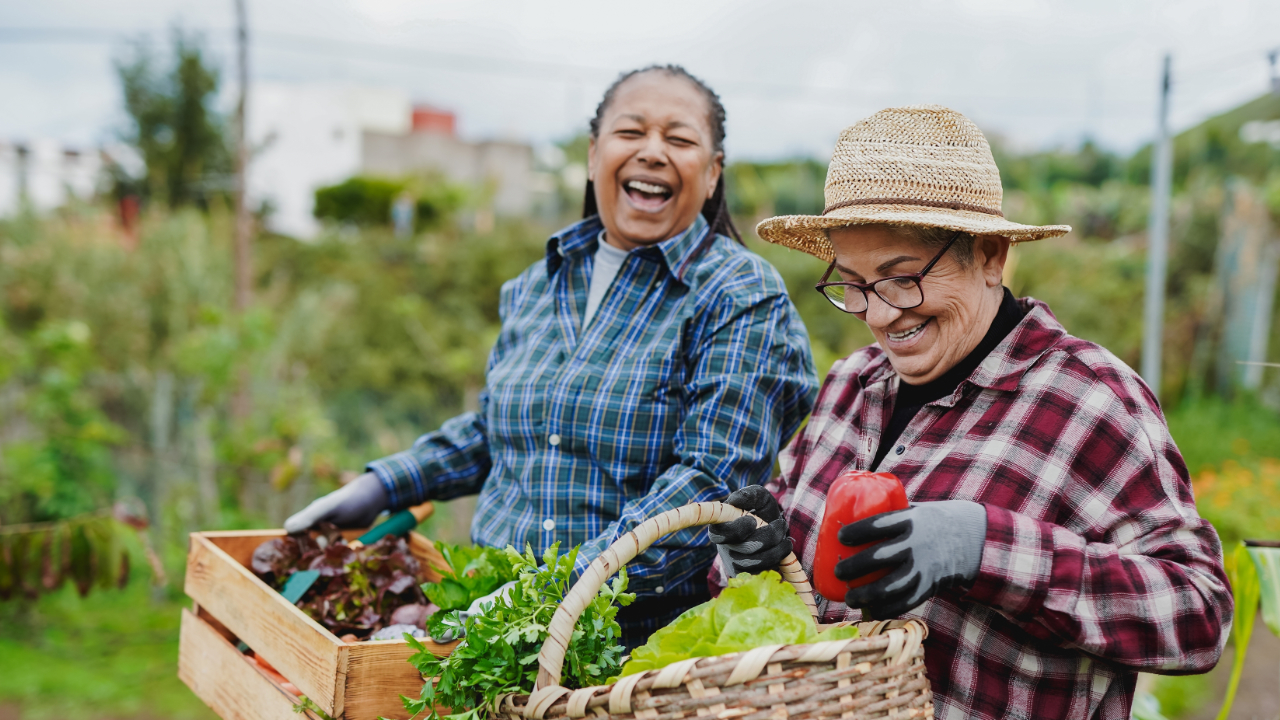
Image Credit: Shutterstock.
Gardening is not only a personal activity, but also a communal one, and community gardening initiatives are a great way to celebrate Earth Day. These initiatives help create a sense of community and promote environmental awareness. One of the best ways to get involved in volunteering.
Community gardens are often located in urban areas and provide a space for people to grow their own food. Volunteers can help maintain the garden, meet new people, and learn new gardening techniques. They can also contribute to the local community by providing fresh produce to those in need.
14. Start a Green Space Project
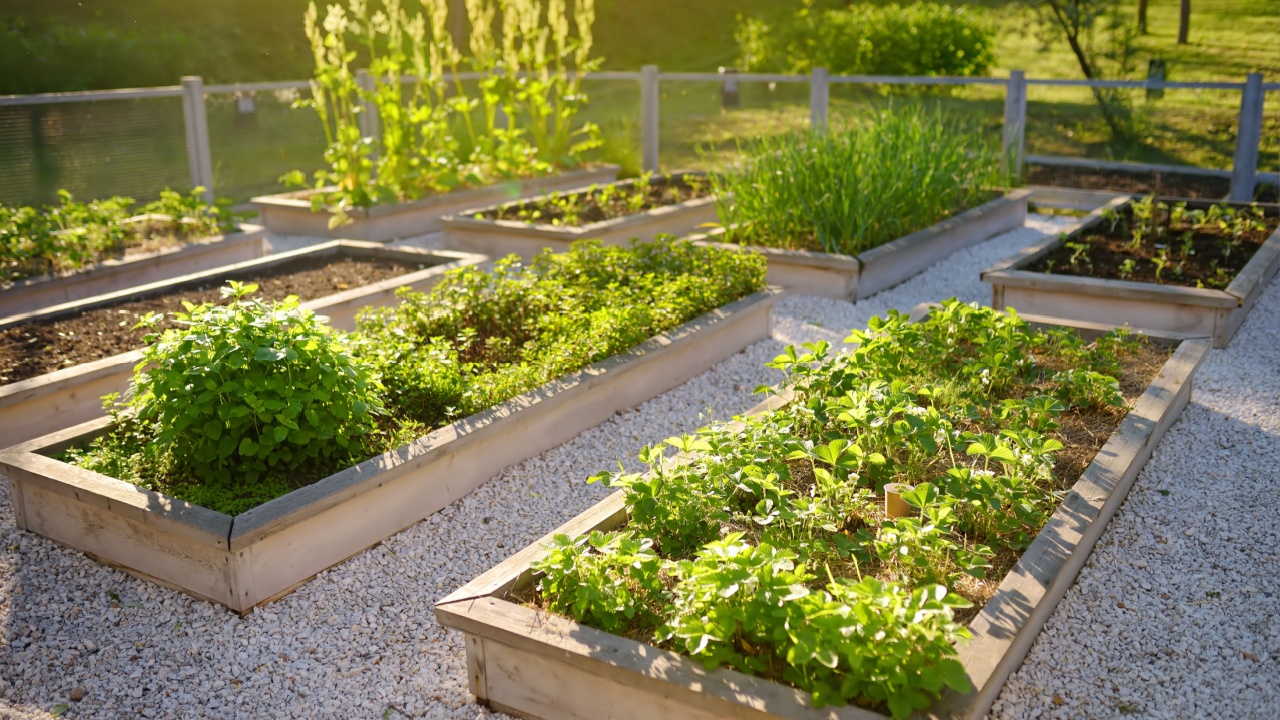
Image Credit: Shutterstock.
Another way to celebrate Earth Day is by starting a green space project. This could involve starting a community garden or planting trees in a local park. Gardeners can work with their local government or community organizations to identify areas that could benefit from a green space project.
By starting a project, gardeners can help improve the environment, beautify their community, and inspire others to get involved.
15. Host Garden-to-Table Celebrations
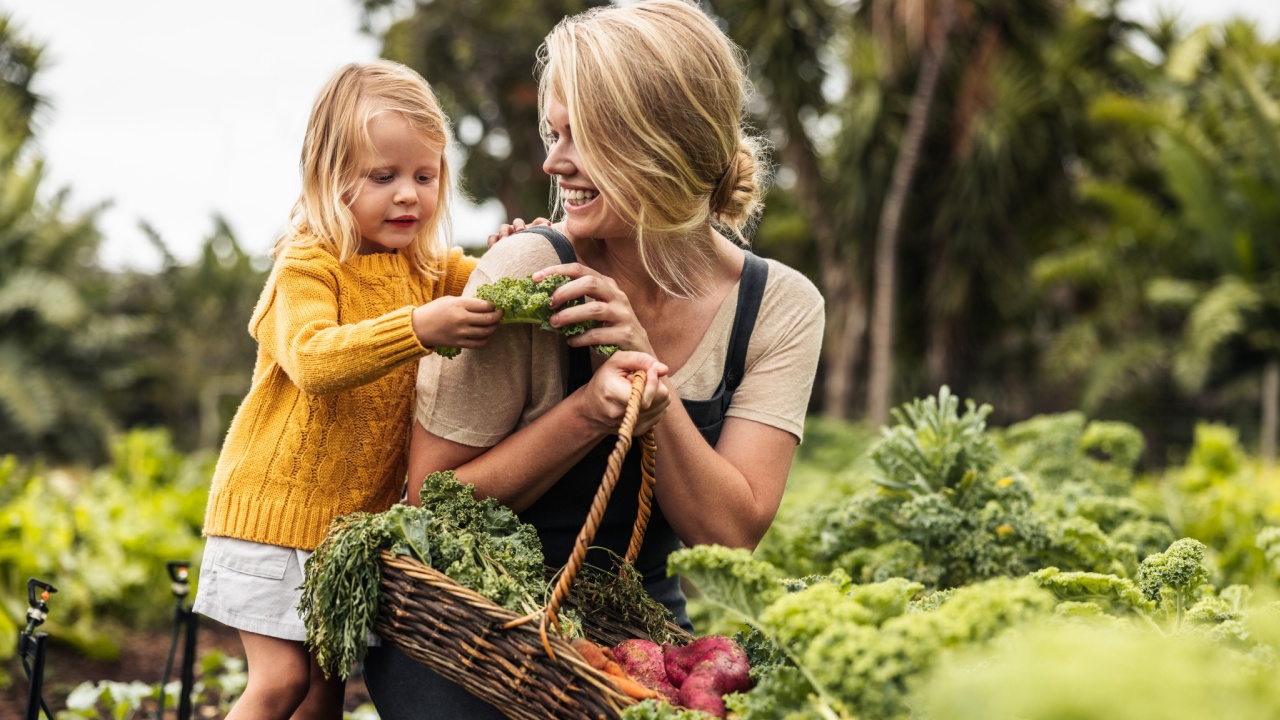
Image Credit: Shutterstock.
Garden-to-table celebrations are a great way to showcase the fruits of your labor. Whether you invite friends over for a garden potluck or cook with your homegrown produce, there are many ways to enjoy the bounty of your garden, such as planning a garden potluck.
Hosting a garden potluck is a fun way to share your garden’s harvest with others. Here are some tips for planning a successful garden potluck:
- Set a date and invite your guests: Choose a date that works for everyone and invite your guests at least a few weeks in advance.
- Assign dishes: To avoid duplicates, assign dishes to your guests. Encourage them to use ingredients from their own gardens, if possible.
- Plan for seating: Make sure you have enough seating for everyone. Consider setting up tables and chairs in your garden or on your patio.
- Provide drinks and utensils: Provide drinks and utensils for your guests. Consider using compostable plates and utensils to reduce waste.
16. Cook with Homegrown Produce

Image Credit: Shutterstock.
Cooking with homegrown produce is a great way to celebrate Earth Day and enjoy the flavors of your garden. Here are some ideas for using your homegrown produce in the kitchen (if you have anything growing this time of year, that is!):
- Make a salad: Use fresh lettuce, tomatoes, and cucumbers from your garden to make a delicious salad. Top with homemade dressing for an extra special touch.
- Grill vegetables: Grilling vegetables is a great way to bring out their natural flavors. Try grilling zucchini, eggplant, and peppers from your garden.
- Preserve your harvest: If you have a lot of produce from your garden, consider preserving it for later. You can freeze, can, or dehydrate your produce to enjoy it throughout the year.
- If nothing is growing yet in early spring, then grab a can of last year’s bounty from your pantry and pop it open to accompany a meal or snack.
17. Use Solar-Powered Garden Tools
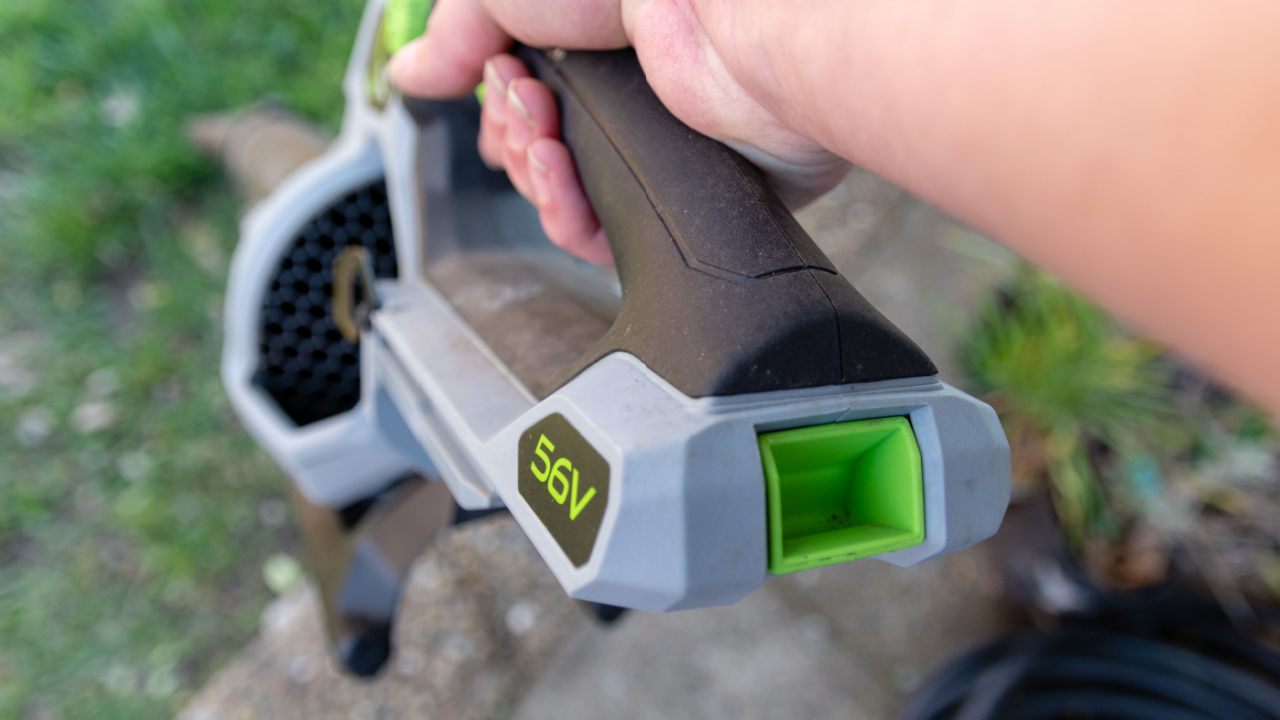
Image Credit: Shutterstock.
In honor of Earth Day, gardeners can take steps to make their gardening practices more energy-efficient.
One way to reduce energy consumption in the garden is by using solar-powered garden tools. These tools use the power of the sun to charge their batteries, which means they don’t require any electricity to operate.
Some popular solar-powered garden tools include solar-powered lawn mowers, hedge trimmers, and leaf blowers. Not only are these tools energy-efficient, but they also produce less noise and air pollution than traditional gas-powered tools.
18. Employ Energy-Saving Gardening Techniques

Image Credit: Deposit Photos.
In addition to using solar-powered tools, gardeners can also adopt energy-saving gardening techniques.
One such technique is companion planting, which involves planting different crops together that benefit each other. For example, planting marigolds with vegetables can help repel pests and reduce the need for chemical pesticides.
Another technique is mulching, which involves covering the soil with organic matter to retain moisture and suppress weeds (as mentioned above). This reduces the need for watering and weeding, which saves energy.
Gardeners can also reduce energy consumption by using manual gardening tools instead of electric or gas-powered ones. For example, using a hand-held pruning saw instead of an electric one can save energy and provide a good workout. Similarly, using a manual push mower instead of a gas-powered one can save energy and reduce air pollution.
19. Promote Earth Day Awareness

Image Credit: Deposit Photos.
Gardeners can promote Earth Day awareness by creating social media campaigns and displaying Earth Day signage in their gardens.
For example, they can share pictures and videos of their gardens on social media platforms with the hashtag #EarthDay. They can also share tips and tricks on how to create an eco-friendly garden.
Another way to promote Earth Day awareness is to share posts from environmental organizations. Gardeners can follow and share posts from organizations like the Sierra Club, Greenpeace, and the Nature Conservancy.
Gardeners can also display Earth Day signage in their gardens to promote awareness. They can create signs that promote eco-friendly practices like composting, using rain barrels, and planting native plants. They can also create signs that educate visitors on the importance of Earth Day and environmental conservation.
20. Reflect and Plan for the Future

Image Credit: Shutterstock.
Before planning for the next growing season, it’s important to take a step back and assess the environmental impact of the garden. Use a garden journal to remember all the details while they’re fresh in your mind.
Gardeners can use a simple checklist to evaluate their garden’s sustainability. This checklist can include questions such as:
- Did the garden use organic practices?
- Did the garden conserve water?
- Did the garden use compost or other organic soil amendments?
- Did the garden attract beneficial insects and wildlife?
Once gardeners have assessed their garden’s environmental impact, they can set eco-friendly goals for the next growing season.
These goals can include:
- Reducing water usage by installing a drip irrigation system or rain barrel.
- Incorporating more native plants to attract pollinators and beneficial insects.
- Using organic pest management techniques, such as companion planting or introducing beneficial insects.
- Starting a compost bin to reduce waste and improve soil health.
By setting these goals, gardeners can work towards a more sustainable and eco-friendly garden.
Remember, even small changes can make a big impact on the environment.
Read more
14 Common-Sense Gardening Tips for Beginners to Avoid Disaster