7 Ways to Feed Birds Without Adding More Feeders to the Yard
Watching wild birds visit your yard brings joy to any morning routine. Many people rely on plastic tubes filled with seeds to attract these beautiful creatures. However, how do you provide a feast for local wildlife without buying specialized equipment?
Wild birds naturally forage across diverse landscapes for seeds and insects. By mimicking natural food sources, you invite a wider variety of species to visit. Plus, creating a natural buffet provides better nutrition than a basic seed mix.
Birds spend most of their days searching for high-energy meals. They need proteins and fats to survive changing seasons and harsh weather. Supplying these essential nutrients naturally transforms your yard into a reliable feeding ground.
This article shares seven distinct methods to feed local birds naturally (no need for a feeder, or adding more if you already have one). Here are simple techniques to turn your outdoor space into a welcoming habitat.
1. Offer Peanut Butter and Oats
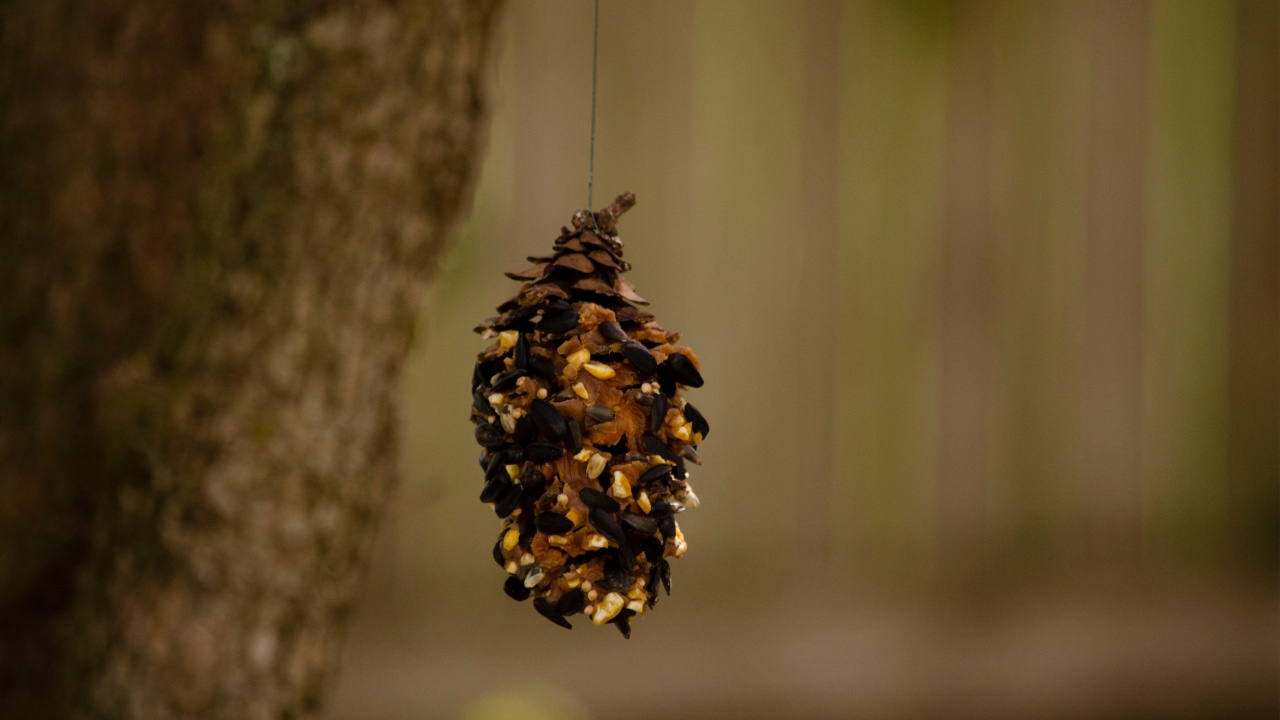
Spreading a mixture of peanut butter and raw oats onto pinecones creates a highly nutritious snack. Woodpeckers and nuthatches actively search for this type of dense calorie source during colder months.
The sticky texture holds up well outside and gives them energy to maintain their body heat.
You can press this mixture directly into the bark ridges of mature trees. Avoid using brands with added sugars or artificial sweeteners that harm wildlife. Hanging decorated pinecones from sturdy branches keeps the food accessible while keeping squirrels at a distance.
2. Reduce Chemical Treatments
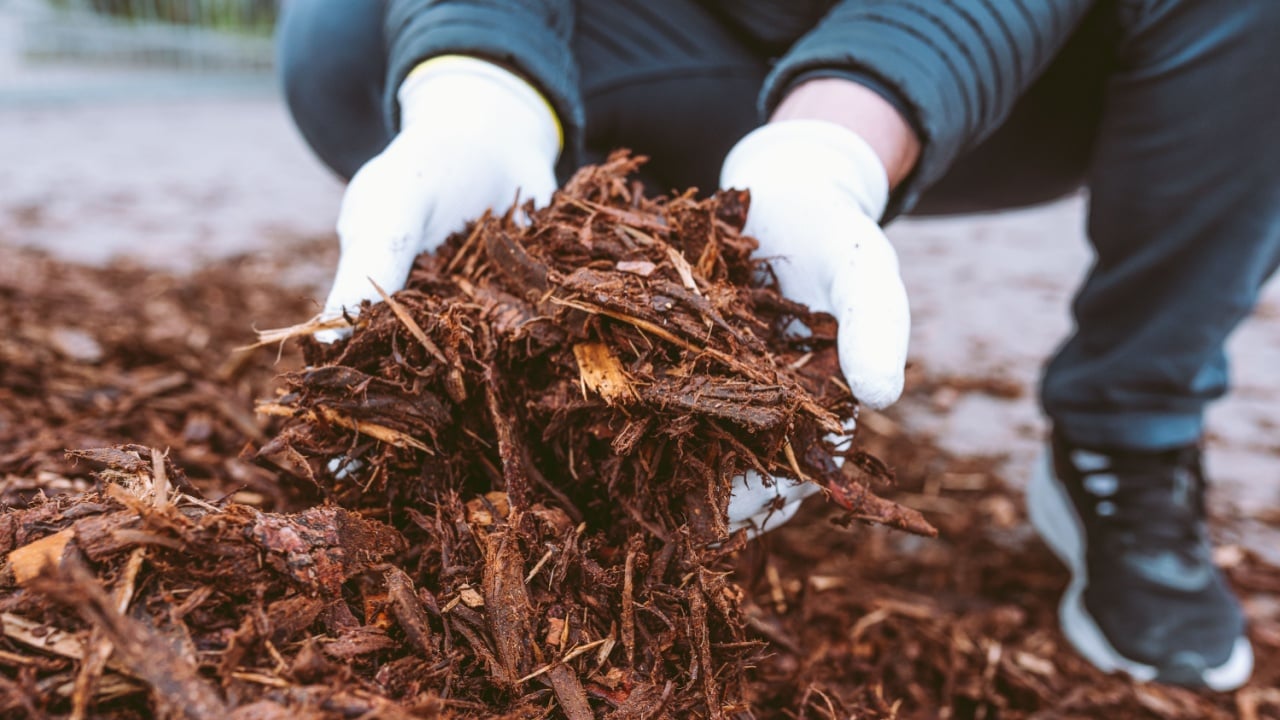
Research shows that eliminating chemical pesticides and using natural biological processes to manage gardens and lawns allows local insect populations to multiply rapidly. Sparrows and chickadees rely heavily on caterpillars and beetles to feed their young during the breeding season.
Providing an abundance of live protein keeps these wild birds healthy and well-fed.
A natural garden environment balances itself when predators arrive to eat the pests. You can tolerate minor damage to ornamental plants to support a thriving ecosystem. Leaving some areas completely untreated builds a reliable food chain for native birds.
3. Build a Brush and Log Pile
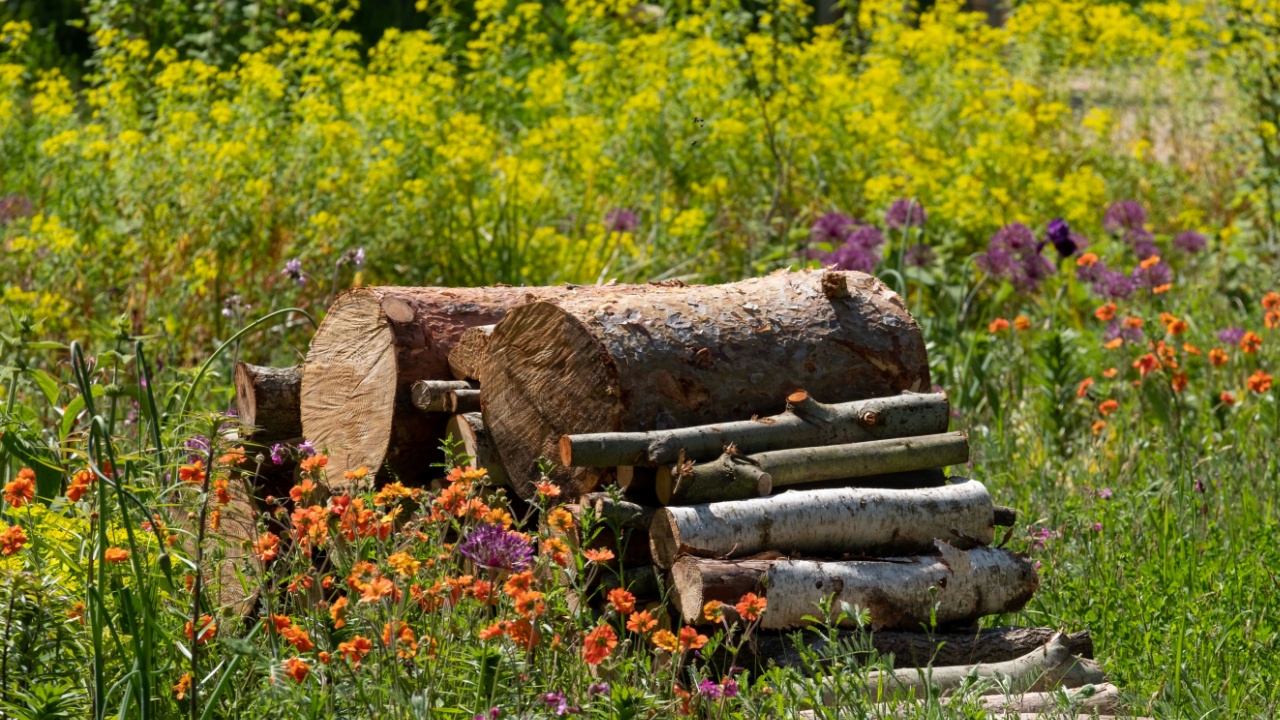
Stacking fallen branches and decaying logs in a quiet corner generates a constant supply of grubs. Wrens and robins quickly discover these decaying structures and hunt for hidden insects inside the wood. This decomposing material acts as a continuous natural buffet.
You should place this pile near existing shrubs to give birds quick cover from predators.
Adding fresh twigs to the top each season maintains the structure as lower layers rot away. This strategy builds a rich soil ecosystem while delivering easy meals to ground-feeding species.
4. Plant Berry Shrubs

Berried plants like winterberry holly and serviceberry grow colorful fruits that ripen just as insects disappear. Flocks of cedar waxwings and bluebirds eagerly strip these branches bare to consume the nutrient-dense berries.
Growing native fruit-bearing plants guarantees a reliable food source when food becomes scarce.
Research native species in your region to find bushes that survive local weather patterns. Grouping several shrubs together creates an attractive focal point and yields a heavier fruit crop. Prune them carefully to maximize flowering and berry production for the following year.
5. Delay Cutting Back Seedheads
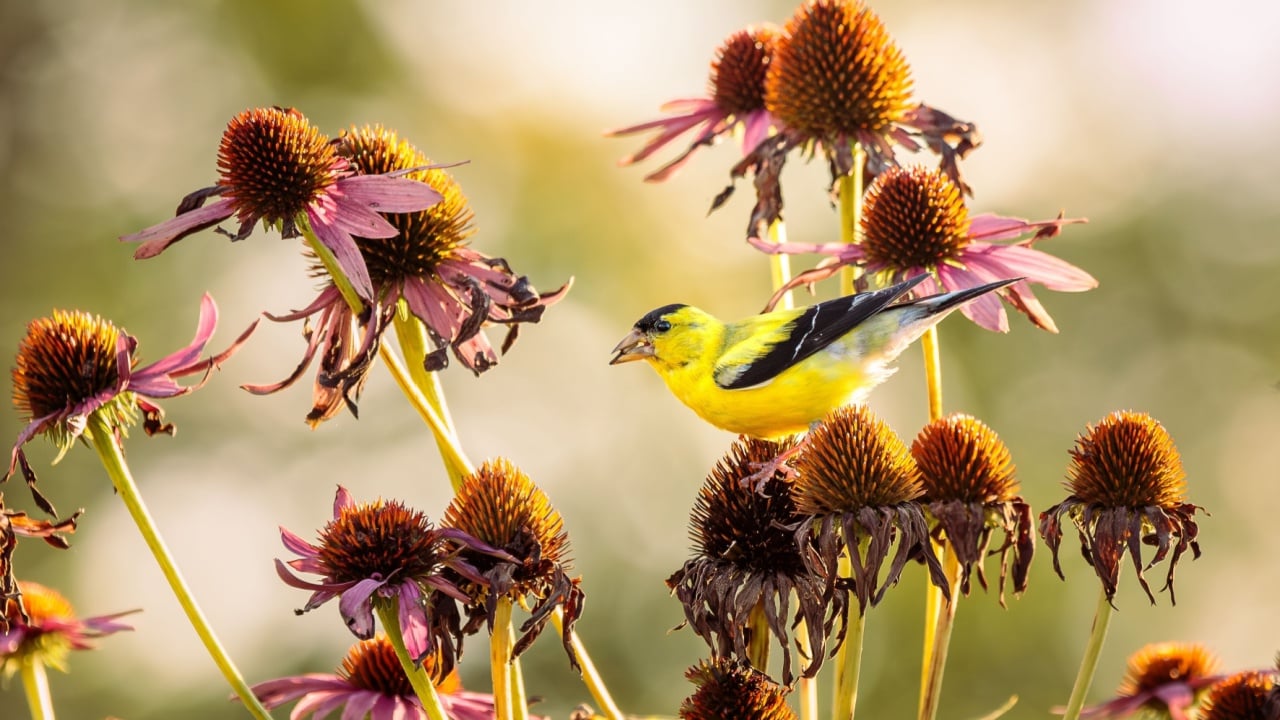
Leaving dried flower stalks on coneflowers and ornamental grasses provides an easy winter meal. Goldfinches and cardinals land directly on the stems to pick out the remaining seeds.
These standing stalks hold food well above snow levels for hungry visitors.
The hollow stems of these dead plants also offer shelter for overwintering insects. Wait until late spring to trim back the dead vegetation in your flower beds. This delayed maintenance gives birds every opportunity to extract both seeds and hidden bugs.
6. Provide Fresh Moving Water
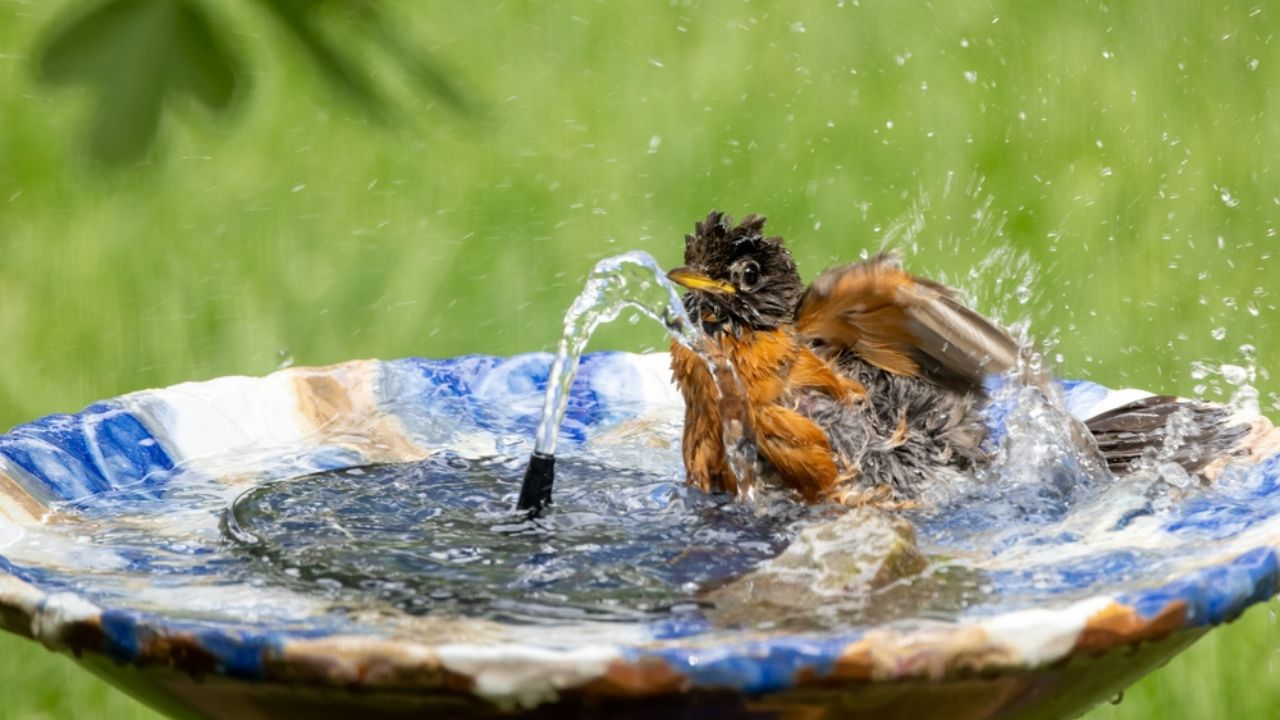
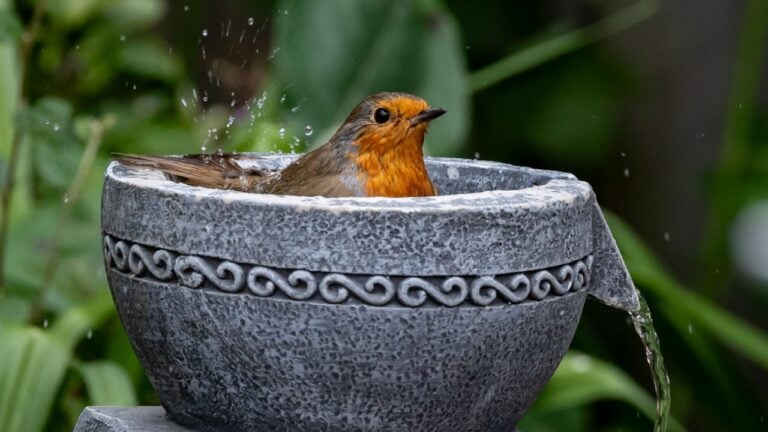
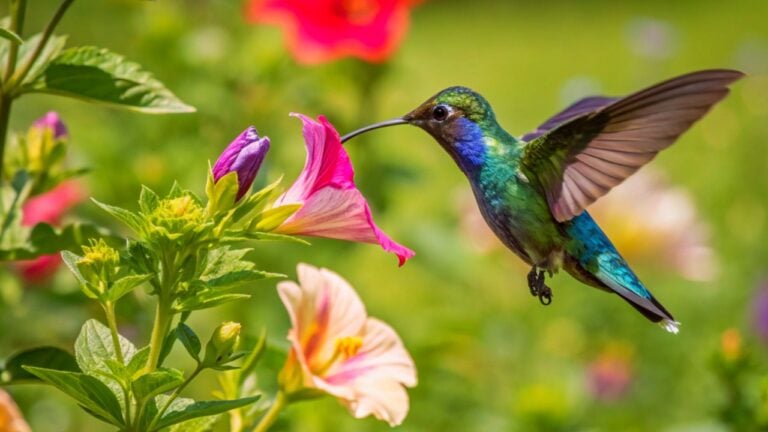
A shallow bird bath attracts numerous species looking for clean drinking water and a quick rinse. Adding a small solar fountain creates ripples that catch the attention of migrating hummingbirds.
Access to fresh water supports their digestion and helps them process dry seeds.
You should scrub the basin weekly with a stiff brush to prevent harmful bacteria growth. Floating a small plastic ball on the surface breaks up thin ice during freezing nights. Keep the water depth under two inches so smaller birds can wade safely.
7. Leave Fallen Leaves on the Ground
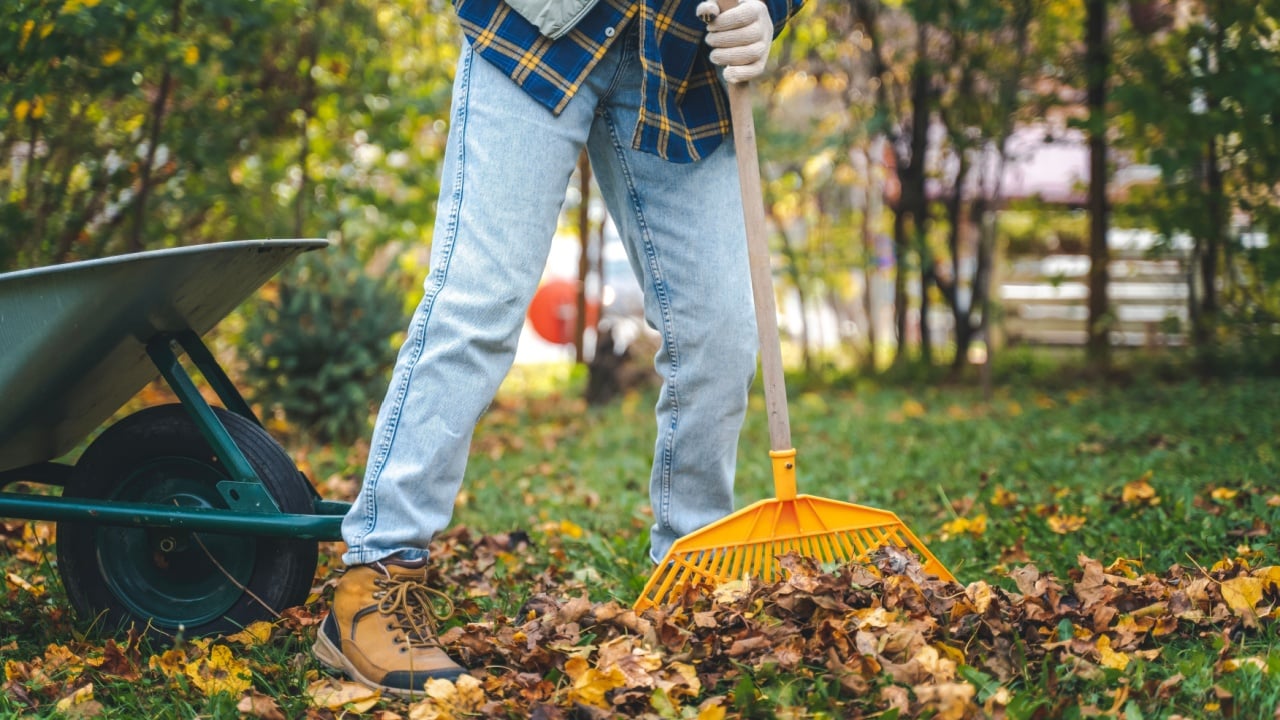
A thick layer of autumn leaves creates a damp habitat where worms and beetles thrive. Thrushes and sparrows spend hours scratching through the leaf litter to uncover hidden protein sources. This natural mulch acts as a massive dining table for ground-feeding birds.
Rake the debris into designated beds rather than bagging it up for the landfill.
Shredding some of the leaves speeds up decomposition while still offering plenty of hiding spots for bugs. The rich organic matter eventually feeds your plants while keeping your feathered guests satisfied.
Bringing Birds Home
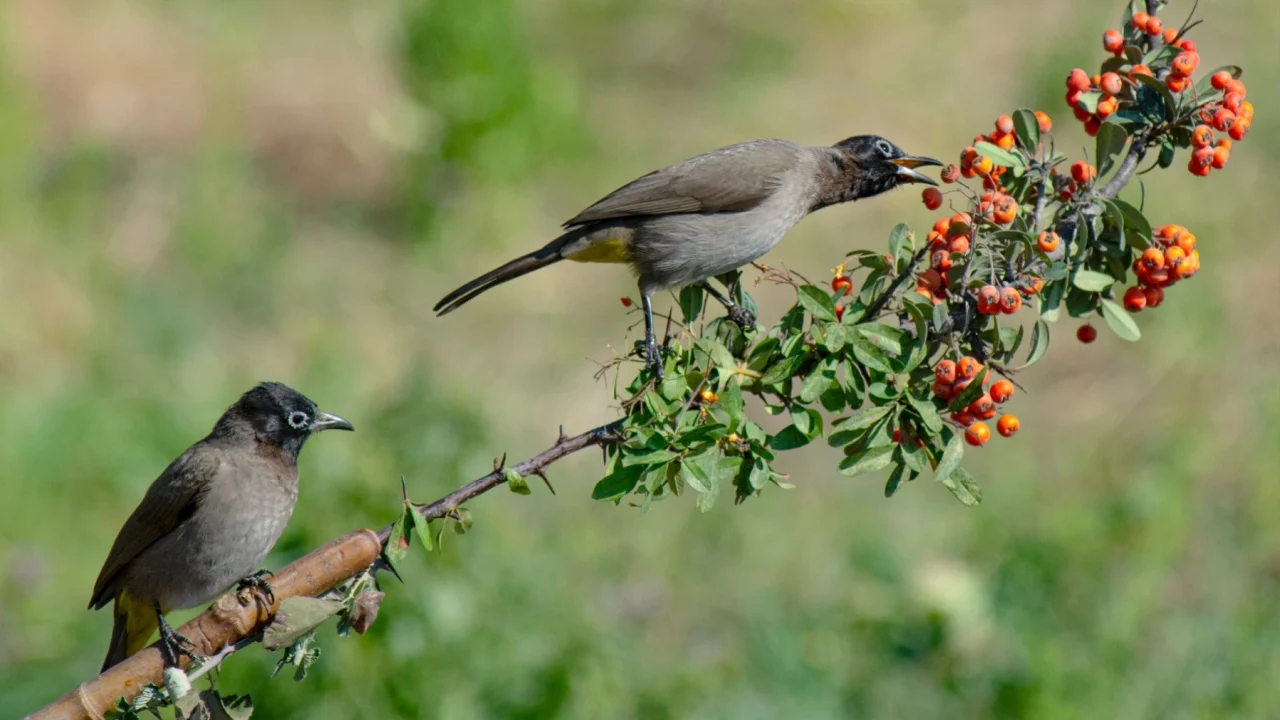
Feeding birds naturally transforms your yard into an active and balanced ecosystem. Providing native plants and natural insect habitats delivers better nutrition than bagged seeds ever could.
Your outdoor space will soon host a colorful variety of active wildlife.
Read More:
6 Birds’ Nests to Never Touch; Unless You Want Jail Time or Major Fines