6 Birds’ Nests to Never Touch; Unless You Want Jail Time or Major Fines
Finding a bird’s nest in your yard is exciting, but getting too close can trigger serious legal trouble. Many protected species build their homes in suburban trees or local parks, completely unaware of the strict federal laws guarding them. People often unknowingly cross the line from curious observer to federal lawbreaker.
The United States enforces strict wildlife acts to protect vulnerable bird populations from human interference. This includes birds during migration, protected species, and more.
Removing an active nest or directly disturbing the eggs violates federal law and carries severe consequences for anyone caught doing so. Federal wildlife officers aggressively monitor local environments to keep these animals safe.
This guide highlights six specific bird nests you must leave alone at all costs. You will discover the laws that shield these animals and the severe financial penalties awaiting those who break the rules. Keep reading to learn which local birds carry the highest legal risks.
1. Bald Eagle
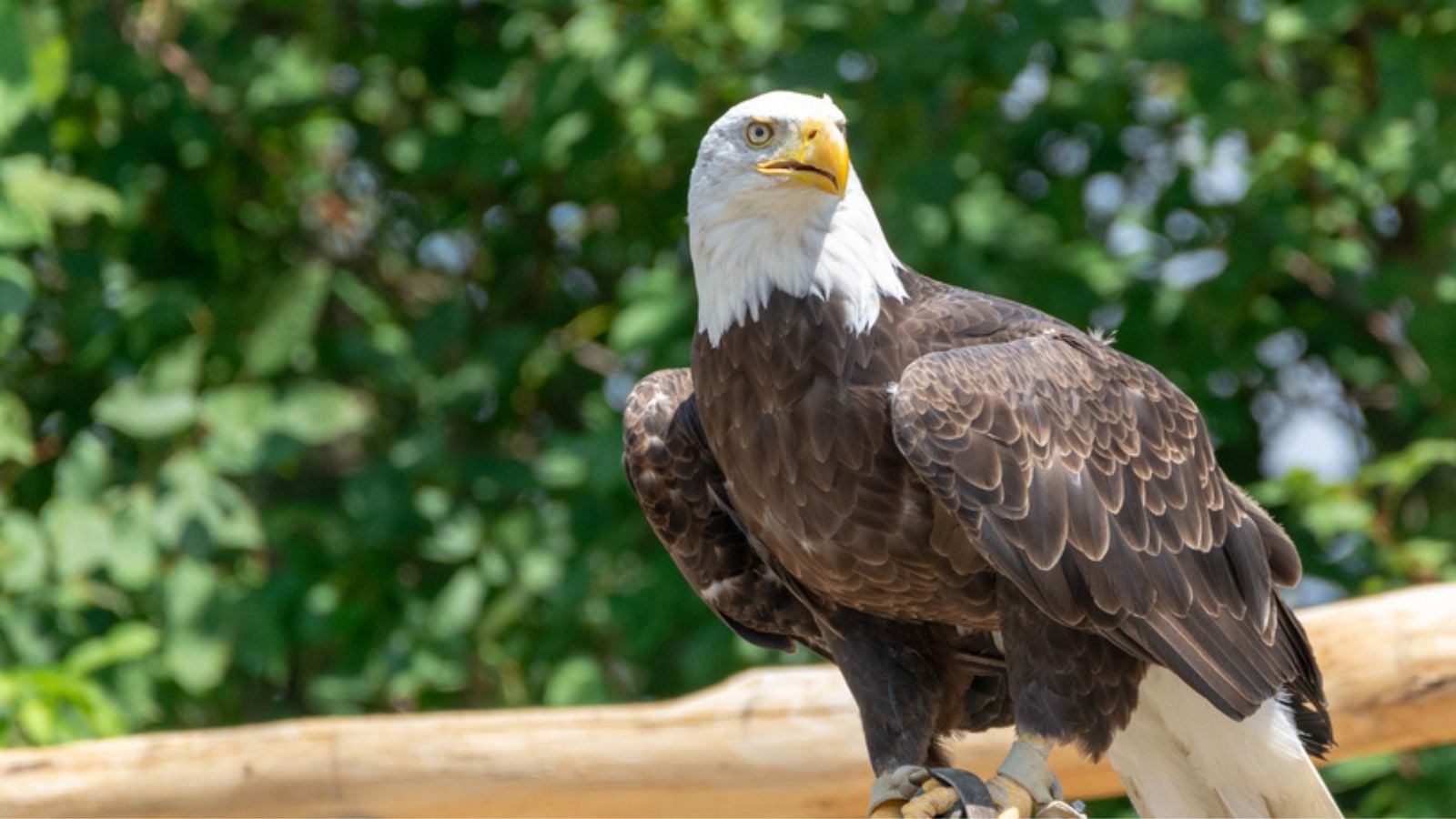
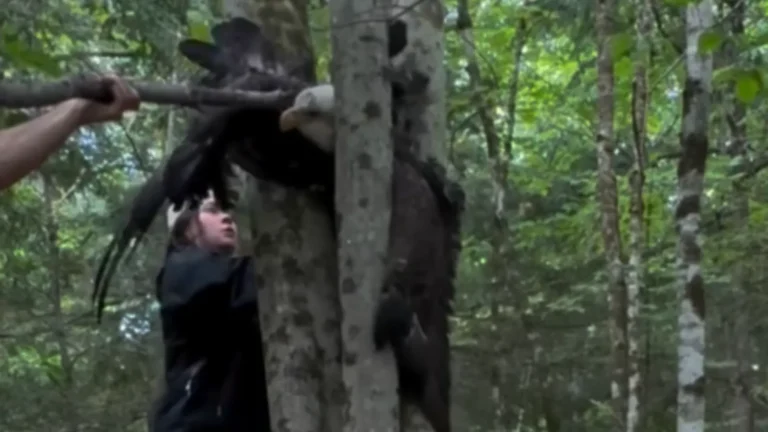
The bald eagle stands as the ultimate national symbol, and the federal government protects it fiercely under the Bald and Golden Eagle Protection Act. This legislation makes it entirely illegal to possess, sell, or transport any part of an eagle, including its nest and eggs. Law enforcement treats any violation of this act with the utmost severity.
Disturbing these massive structures brings incredible risks to anyone foolish enough to try. Violators face up to $250,000 in fines and serious prison time for harassing the birds or damaging their homes. Simply taking a feather from the ground near a nest can lead to significant legal trouble.
2. Golden Eagle
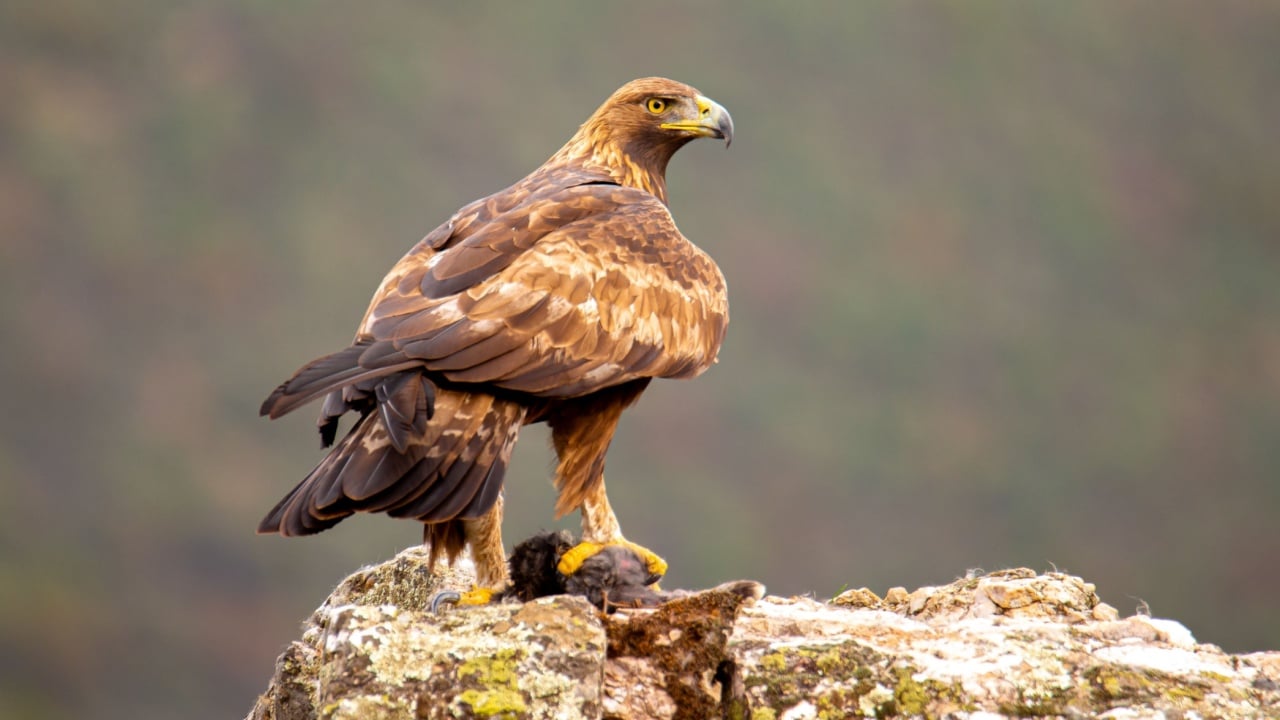
The golden eagle shares the same protective shield as its bald cousin under the Bald and Golden Eagle Protection Act. These impressive predators often build their homes on high cliffs or tall trees, and the law guards their nesting sites year-round against human interference. Federal agents aggressively pursue individuals who ignore these strict environmental laws.
The penalties for bothering a golden eagle nest mirror the extreme consequences established for bald eagles. Anyone caught moving or destroying these protected areas can expect massive financial fines and significant time in federal prison. You should never approach a golden eagle habitat without proper authorization.
3. Osprey
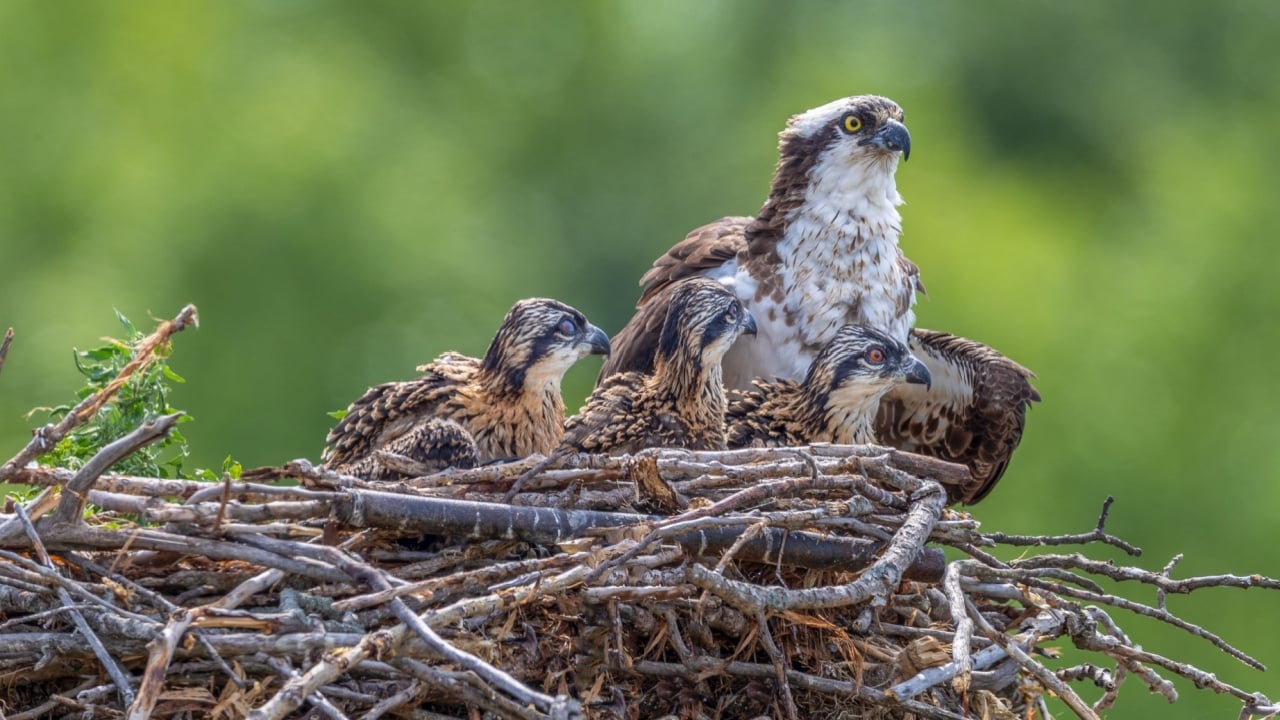
Ospreys are incredible fish-hunting raptors that often build bulky nests near lakes, rivers, and coastal areas. The Migratory Bird Treaty Act strictly protects these birds and makes it a federal crime to harm their eggs or dismantle their nesting materials. These fascinating birds require peaceful environments to raise their young safely.
Because ospreys return to the same nesting spot year after year, local authorities monitor these sites closely. Removing or damaging an active osprey home will quickly lead to federal charges and heavy fines from wildlife agencies. People living near water must learn to share the shoreline with these protected hunters.
4. Great Blue Heron
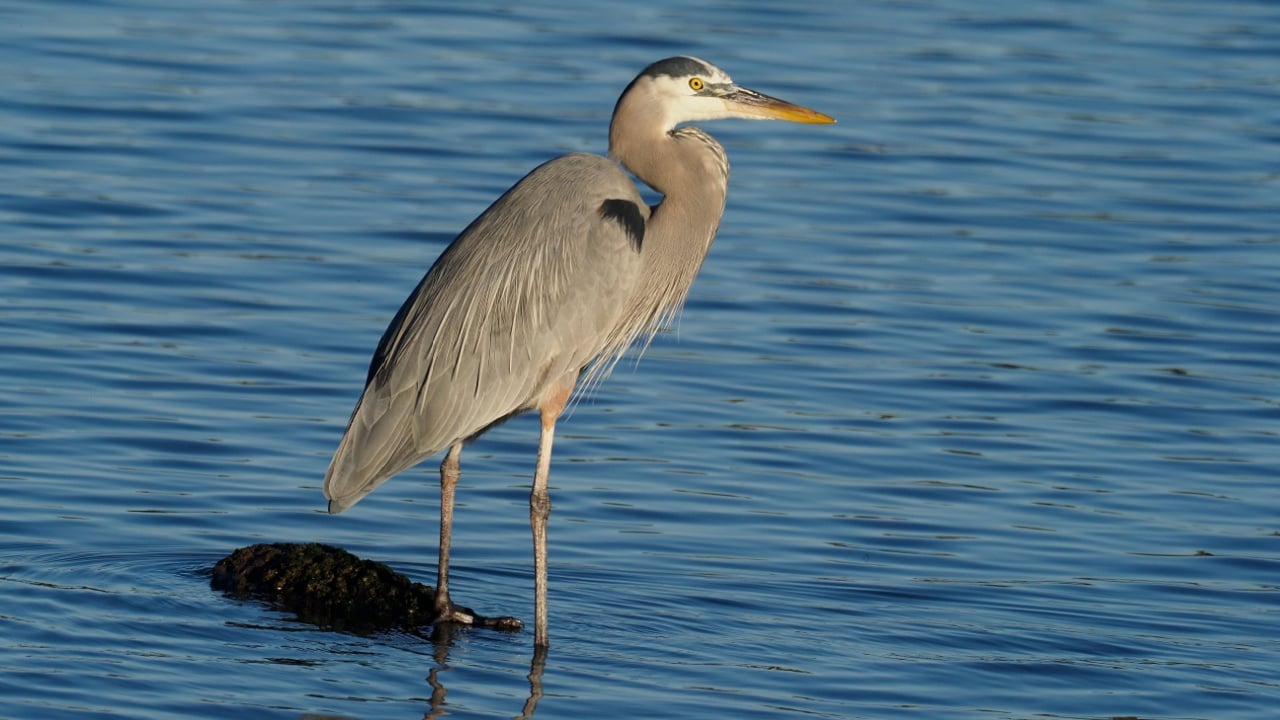
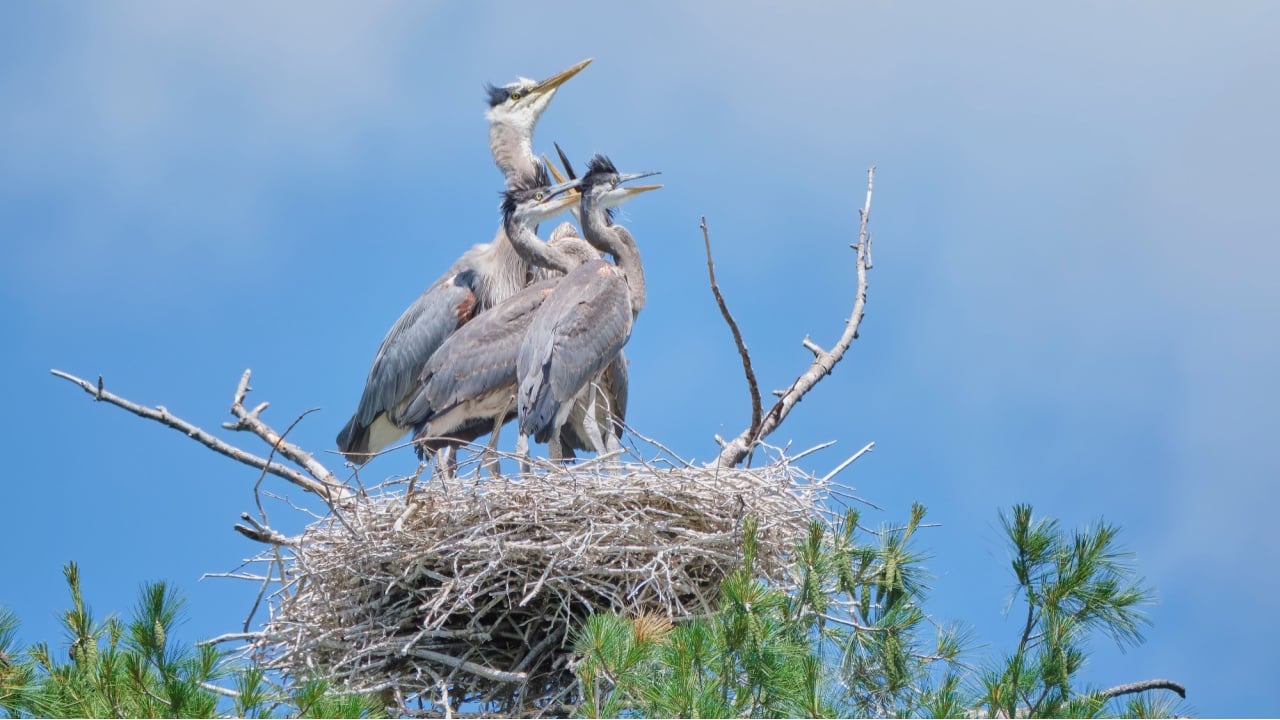
Great blue herons are colonial nesters, meaning they build their nests close together in large groups called rookeries. Bothering just one nest in the colony often disrupts the entire group, causing dozens of birds to abandon their young in fear. A single careless human action can devastate an entire local heron population.
Wildlife authorities take the protection of these rookeries extremely seriously due to their fragile nature. Causing harassment or destruction in a heron nesting area leads to heavy fines and strict legal action. Observers must use binoculars from a great distance to watch these magnificent birds safely.
5. Barn Owl
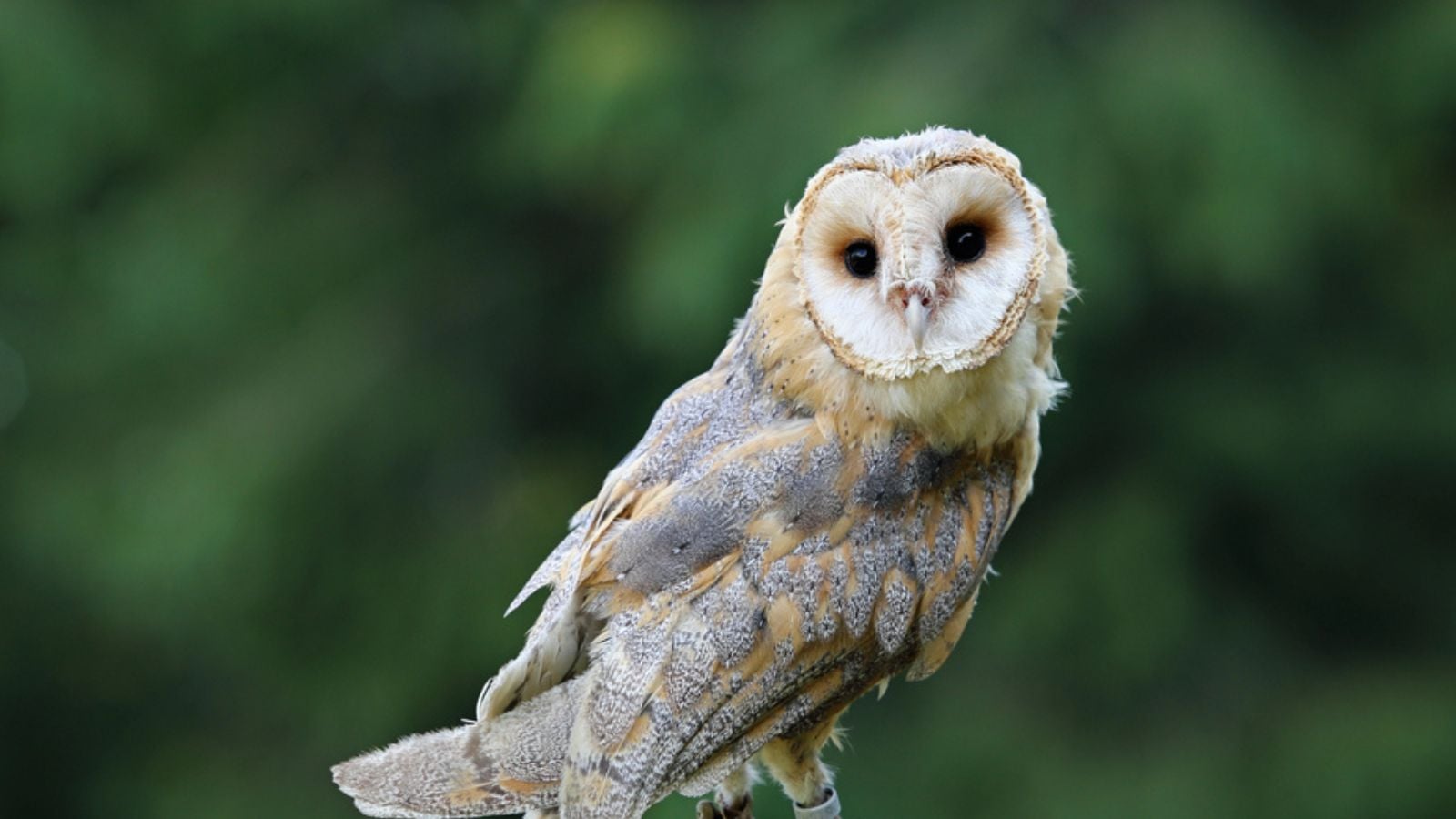
All native owls in the United States, including the distinctive barn owl, fall directly under the protection of the Migratory Bird Treaty Act. These nocturnal hunters frequently choose old farm buildings or quiet cavities as their homes, making them easy for people to stumble upon. Finding white fluffy chicks in your barn does not permit you to move them.
You cannot simply relocate a barn owl family because they chose an inconvenient spot on your property. Moving an active owl nest without a special federal permit immediately triggers severe legal penalties and criminal charges. Homeowners must wait for the young birds to grow up and leave on their own.
6. Canada Goose
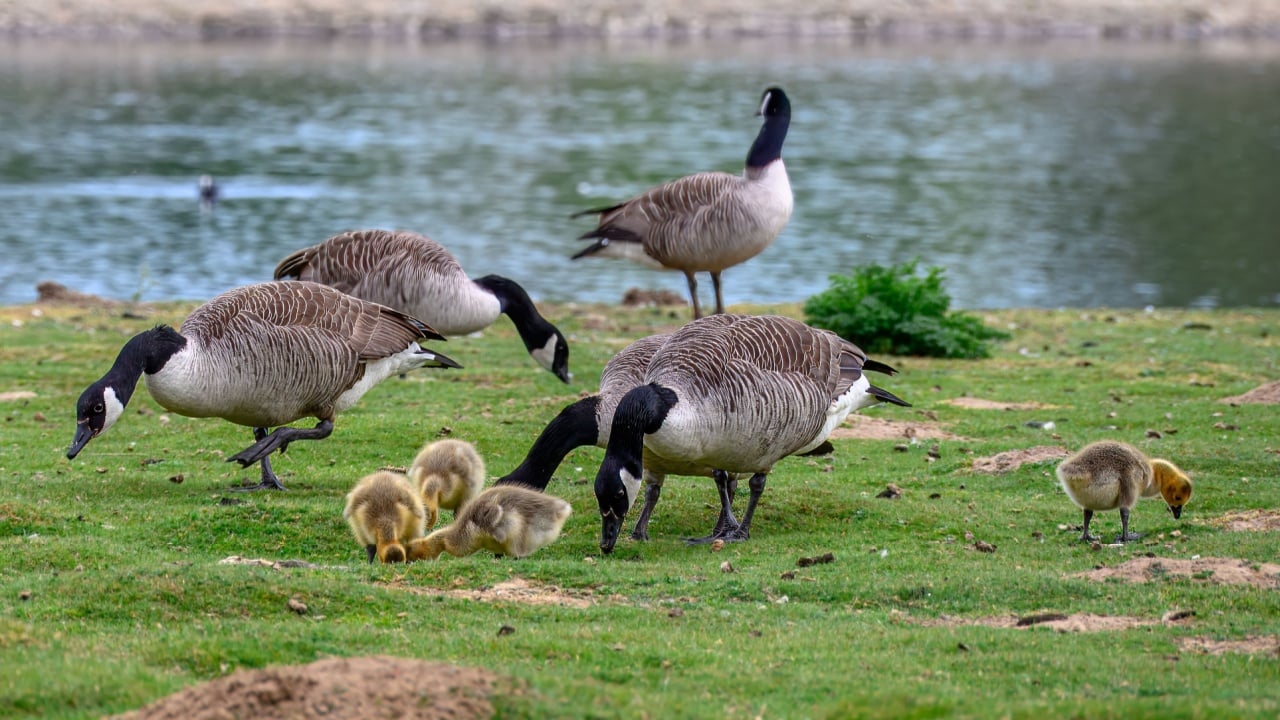
The Canada goose is fully covered under federal migratory bird laws, making their ground-level nests protected property. While they often build homes in highly inconvenient spots like walkways or near ponds, you cannot touch the eggs or nesting material without government approval. Aggressive geese defending their eggs only add to the danger of approaching these sites.
Limited exceptions exist allowing professionals to remove eggs or nests with the proper federal permits in hand. However, unauthorised removal by an average citizen will still result in heavy fines and potential federal prosecution. Property managers must hire licensed wildlife experts instead of handling the problem themselves.
Stay Safe, Stay Legal
Respecting wildlife laws protects both the delicate bird populations and your own bank account from massive hits. The legislation exists to preserve these magnificent creatures so future generations can continue to watch them thrive in their natural habitats. Leaving wildlife completely alone is always the safest strategy for everyone involved.
Always keep a safe distance when you spot wild birds building their homes nearby. Observing nature responsibly keeps the animals safe and eliminates your risk of facing unexpected legal trouble or heavy fines. Appreciate the wildlife in your area from afar and let nature take its natural course.
Read More:
18 States That Allow Trapping and Relocating Nuisance Animals