
13 Silent Signs of a Water Leak That Could Cost You Thousands
Coming home to a damp spot on your wall is never a good sign. While it may seem like a minor cosmetic blemish, water is a silent traveler that moves through your home’s internal structure. Often, the source of the leak is located far away from where the moisture actually surfaces, making it a tricky problem to track down.
These “quiet malfunctions” can slowly erode your home’s structural integrity. Long before a major pipe burst floods your basement, hidden moisture can rot wood, damage drywall, and weaken the very bones of your property.
The scale of the waste is also surprising. Even a tiny pinhole leak in a copper pipe can waste thousands of gallons of water every year. Most homeowners don’t realize there is an issue until they see a spiked utility bill or notice a musty odor that just won’t go away.
The following list details the common indicators that your system needs immediate attention, helping you avoid expensive restoration projects and protect your home’s foundation.
1. Unexplained Spikes in Utility Costs

A sudden jump in the monthly water bill is frequently the first indicator that water is escaping somewhere in the system. If daily habits remain the same but the meter continues to climb, a pipe may be leaking behind a wall or under the floor.
Small drips add up quickly, leading to significant financial waste over a billing cycle.
To verify this, record the meter reading and wait two hours without using any water. If the number changes, a leak is present. Monitoring these bills monthly allows for early detection before the damage becomes structural.
2. Audible Running Water Without Active Use

Hearing hissing, rushing, or dripping noises when the house is silent is a major red flag. These sounds often travel through the framing of the house, making it seem like the noise is coming from a wall or ceiling.
If the sound persists after turning off the main shut-off valve, the issue may even be on the street side of the meter.
Use a simple DIY method by placing a screwdriver handle against a pipe and your ear against the other end to listen for vibrations. If noises are constant, the next step involves professional acoustic equipment to find the exact point of failure. Ignoring these sounds can lead to a sudden pipe burst as the weakened area expands.
3. Discolored or Warped Interior Surfaces
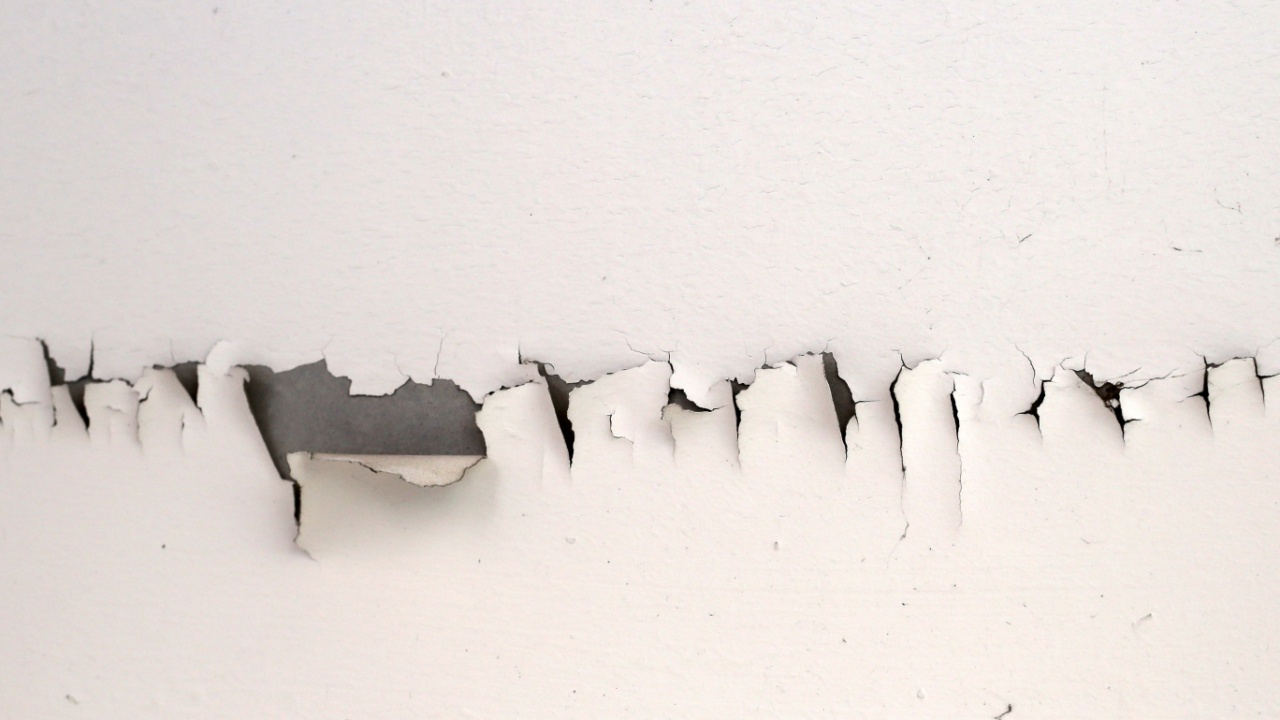
Moisture trapped behind drywall or under paint creates visible physical distortions. This might appear as bubbling paint, peeling wallpaper, or dark yellow staining on the ceiling. Because water follows the path of least resistance, the visible damage might be several feet away from the actual leak source.
If the surface feels soft or spongy to the touch, the internal structure is already saturated.
Cutting a small inspection hole in the affected area can reveal the condition of the pipes and the presence of any pooling water. Fast action prevents the drywall from collapsing under the weight of accumulated moisture.
4. Persistent Musty Smells
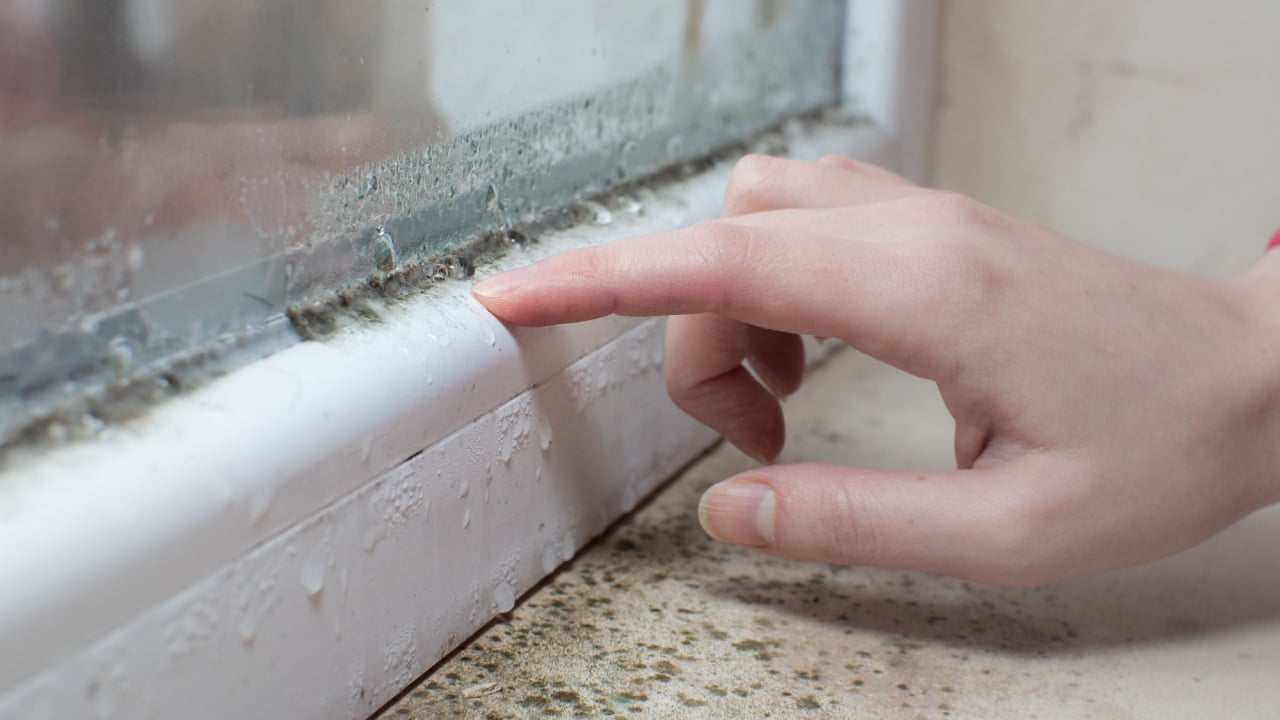
A damp, earthy smell that lingers in specific rooms usually indicates mold growth in a hidden cavity. Mold requires a constant source of moisture to thrive, which is frequently provided by a slow-leaking joint or a cracked drain line.
These odors are often strongest in basements, under sinks, or behind tiled walls.
Checking the humidity levels in the room can help confirm the suspicion. If the smell persists despite cleaning and ventilation, look for dark spots on the back of cabinets or along baseboards. Remediation involves stopping the water source before addressing the organic growth to ensure the smell does not return.
5. Significant Drop in Water Pressure
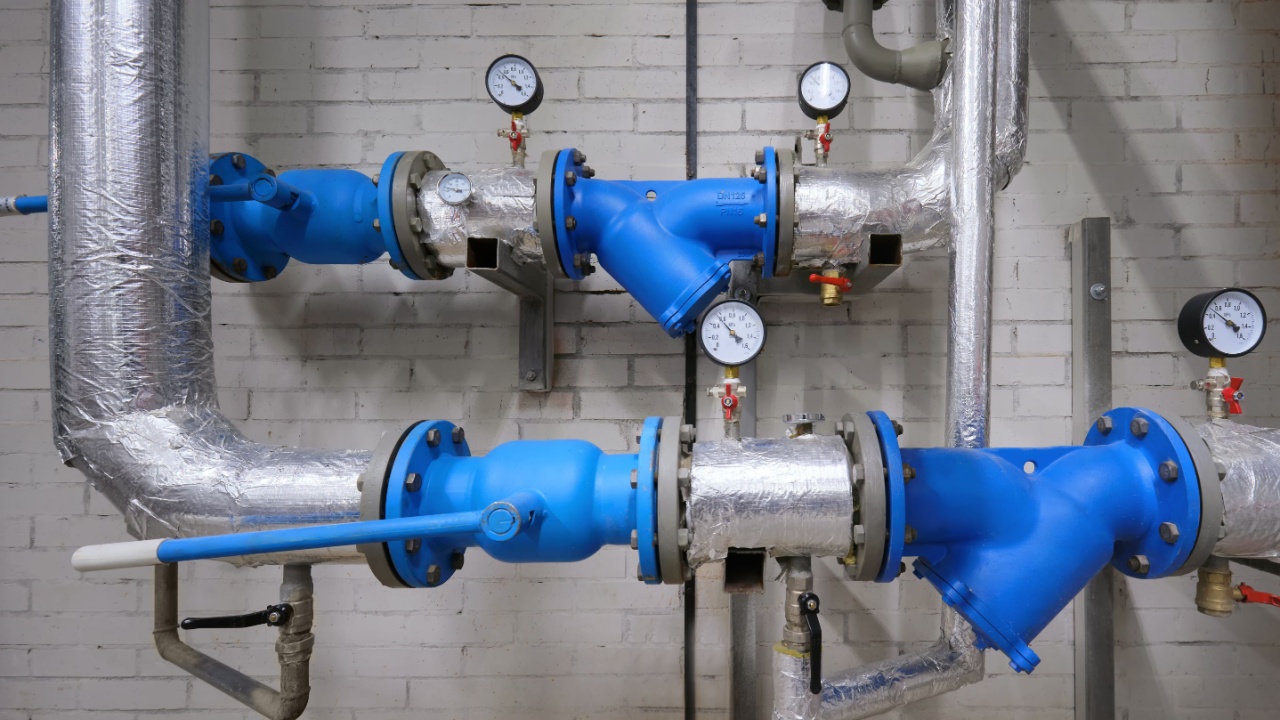
When a pipe develops a hole, the pressure that usually pushes water to the faucet is diverted through the leak. If the shower or kitchen sink suddenly feels weak, it could be a sign that the system is losing volume. This is especially true if the pressure drop is localized to one specific area of the house.
Test the pressure at different fixtures to see if the problem is isolated. If the entire house is affected, it may be a leak in the main line or a municipal issue.
6. Saturated Patches in the Landscape

Hidden leaks are not always inside the home; they can occur in the main line buried in the yard. Unusually lush green patches of grass or soft, muddy spots during dry weather indicate a subterranean pipe failure. This is often accompanied by sinkholes or leaning fence posts near the path of the water line.
Check for pooling water near the foundation or the sidewalk where the main line enters the property.
If the yard feels like a sponge, shut off the water at the meter to see if the area begins to dry. Underground leaks can erode the soil beneath walkways, leading to expensive concrete repairs if left unaddressed.
7. New Cracks in the Foundation
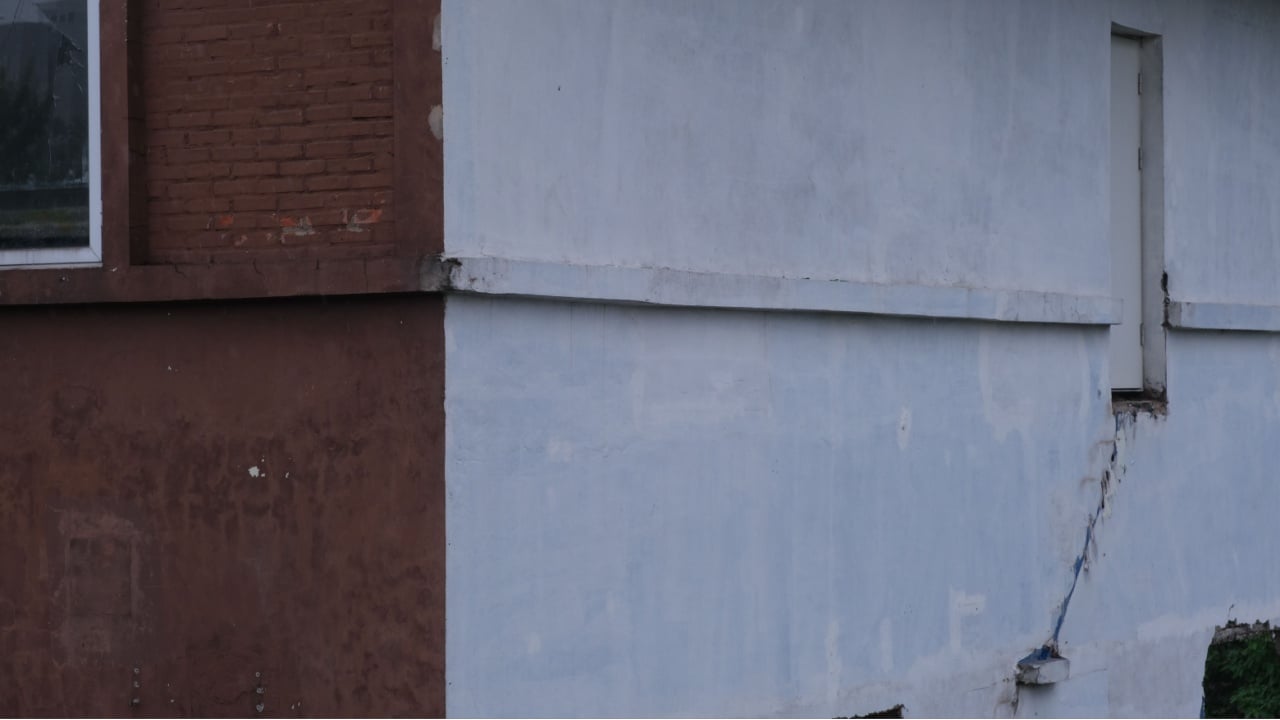
Continuous water exposure can cause the soil beneath a home to swell or erode. This movement puts immense pressure on the concrete slab, leading to cracks in the foundation or interior walls. This is a serious structural concern that often stems from a slab leak.
Monitor any new cracks by marking the ends with a pencil and dating them to see if they lengthen.
If the cracks are accompanied by doors that no longer latch or windows that stick, the structural integrity is being impacted. Foundation specialists and plumbers often work together to stabilize the ground and repair the source.
8. Isolated Warm Spots on the Floor

If a specific area of a tile or laminate floor feels warm underfoot, a hot water line beneath the surface may be leaking. This is a classic sign of a slab leak where the hot water saturates the concrete and radiates heat upward.
These spots are often found in kitchens, bathrooms, or laundry rooms.
To test this, feel the floor in different areas with bare feet or use an infrared thermometer. If a section is significantly warmer than the surrounding area, it indicates a constant flow of hot water. Turning off the water heater can confirm if the temperature drops, signaling a leak in the hot water distribution system.
9. Excessive Indoor Humidity

A hidden leak releases moisture into the air, which can cause windows to fog up or metal fixtures to corrode. High humidity levels make the home feel uncomfortable and can trigger allergies due to increased dust mites and mold spores.
If the air feels heavy or damp despite the air conditioning running, a leak may be the culprit.
Using a hygrometer to track indoor moisture levels can help identify fluctuations. Keeping the home between 30 and 50 percent humidity is ideal for both comfort and property preservation.
10. Visible Corrosion on Plumbing Fixtures
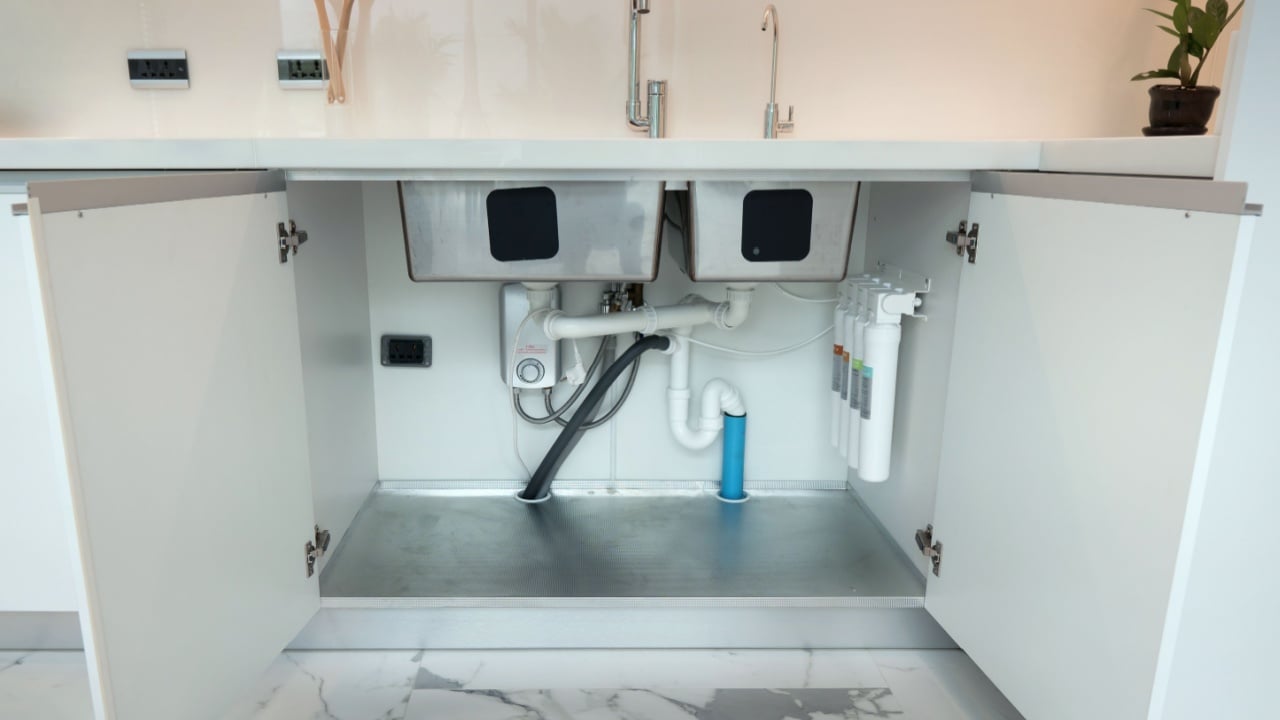
Small amounts of green or white crusty buildup on pipe joints suggest a slow, “weeping” leak. While it may not be a spray, this constant moisture eventually eats through the metal.
These small leaks often seal themselves temporarily with mineral deposits only to burst later under pressure.
Regularly opening cabinet doors under sinks to inspect the P-traps and supply valves can catch these issues early. If the metal looks pitted or discolored, the fitting likely needs replacement. Wiping the area dry and checking it again in 24 hours can reveal if the moisture is active.
11. Frequent Clogs or Slow Drains

While a clog is usually a blockage, persistent drainage issues can sometimes indicate a broken sewer line. Tree roots can enter small cracks in the pipe, creating a barrier that catches debris and slows down the flow.
If multiple drains are backing up at the same time, the problem is likely deep in the main line.
Avoid using harsh chemical cleaners, which can further damage aging pipes. A camera inspection is the most effective way to see if the pipe has collapsed or been invaded by roots.
12. Constant Water Heater Activity
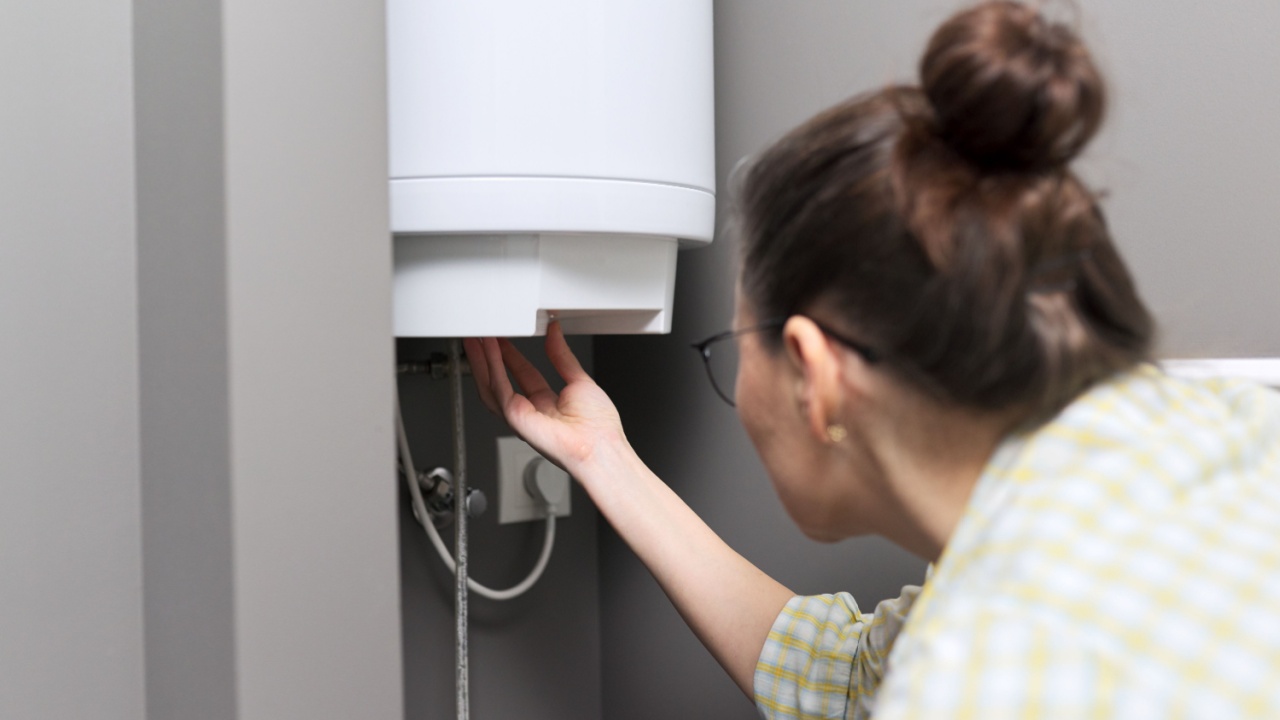
A water heater that seems to run nonstop even when no one is using hot water is a major red flag. This indicates that hot water is being drawn out of the tank by a leak elsewhere in the house. This not only wastes water but also significantly increases electricity or gas consumption.
Check the temperature and pressure relief valve on the heater for leaks. If the tank itself is dry but the unit is still running, the leak is likely in the distribution lines.
13. Movement in the Water Meter Dial
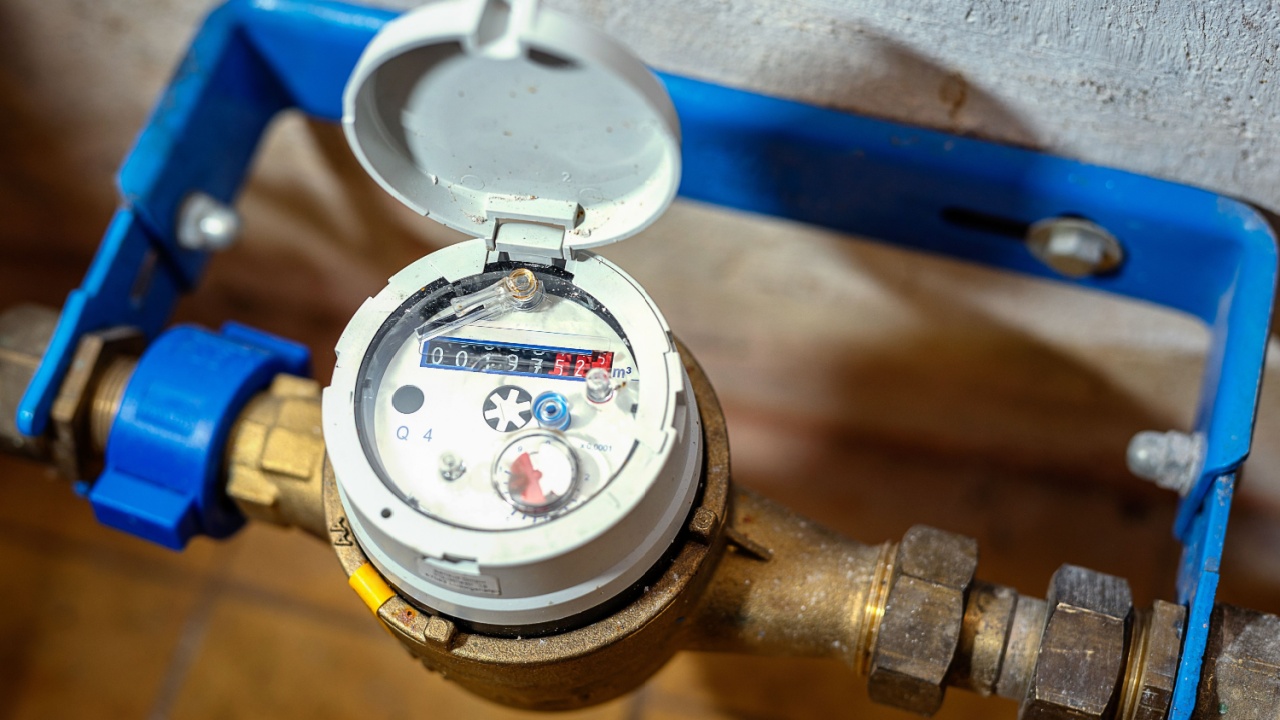
Most water meters have a small triangular or circular indicator known as a leak detector. If this dial is spinning even when the main shutoff valve inside the house is closed, the leak is located in the service line between the meter and the house. This is a critical discovery that helps narrow down the search area.
Knowing the location of the main shutoff valve is vital for every occupant. Testing this valve once a year ensures it will work during an actual plumbing emergency.
Quiet Clues, Costly Consequences

Monitoring these thirteen signs provides a strong defense against the high costs of water damage. Taking a proactive approach involves regular visual inspections of the attic, basement, and under sink cabinets.
If any of these indicators surface, turn off the water to the affected area and consult a professional to pinpoint the exact location of the break. Addressing a small drip today prevents a major restoration project tomorrow.
Read More:
From Small Leak to Major Repair: The Hidden Cycle of Household Damage
14 Home Renovations That Are Better Left to the Professionals