7 Tips to Reduce Water Waste in the Garden and Save
Most gardeners water on a gut feeling rather than a plan, setting a schedule and sticking to it regardless of what the soil actually needs. The plants survive, but the roots stay shallow, the water bills stay high, and the garden still looks stressed by midsummer. Watering less often doesn’t mean watering carelessly; it means being deliberate so each session does far more work.
How water is applied matters as much as how much is used. Deep, targeted watering encourages roots to grow downward into stable layers of soil where moisture lasts for days longer than it does near the surface. A plant with a deep root system can handle dry stretches far better than one kept alive on shallow daily sprinkles, and it asks for far less attention to stay that way.
The stakes here extend beyond garden health. The EPA estimates outdoor water use makes up nearly 30 percent of total household water consumption. Much of that is lost to evaporation, runoff, and misdirected watering.
Small, intentional changes to your routine can significantly reduce that waste without compromising how your plants look or perform. Here are seven practical tips to help any home gardener water smarter.
1. Test Soil Moisture Before You Water
Most gardeners water on a fixed schedule rather than in response to what the soil actually needs. This leads to overwatering in cool or cloudy periods and underwatering during stretches of intense heat.
Soil conditions vary widely depending on sun exposure, soil composition, recent rainfall, and how well your beds drain. Two plants growing just a few feet apart in different spots can have completely different moisture needs on the same day.
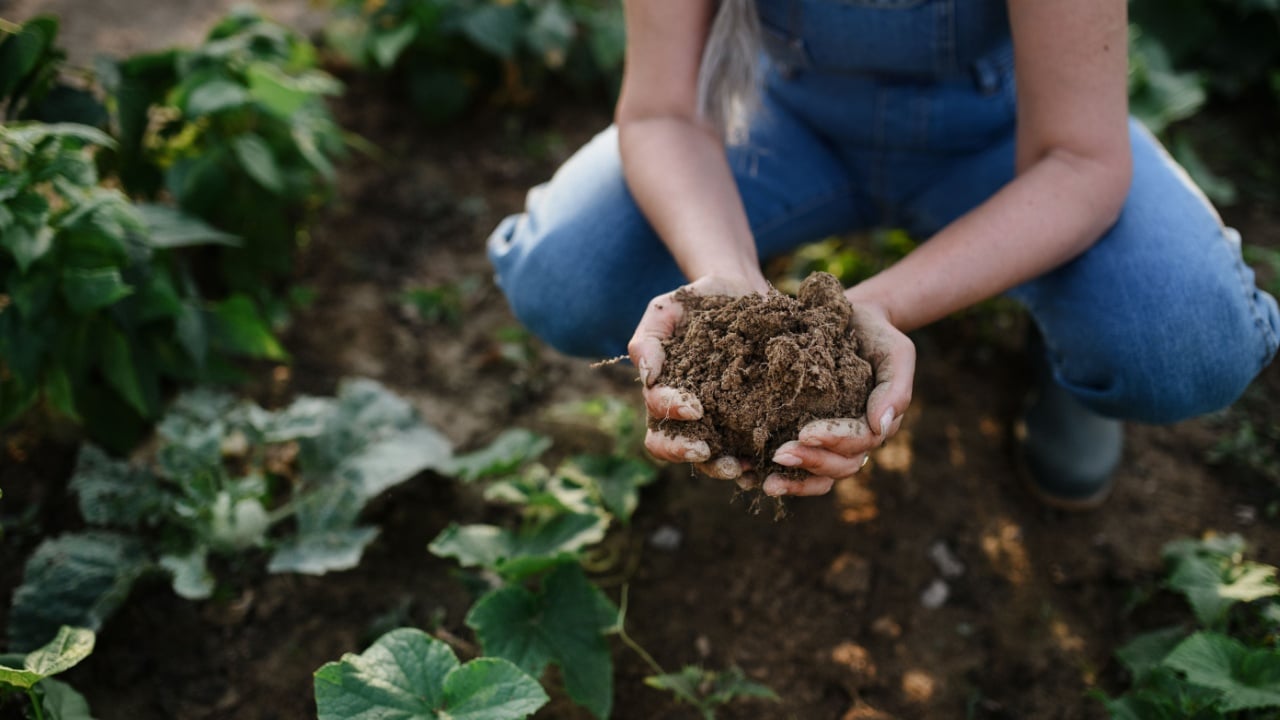
A simple test takes less than a minute and removes all the guessing. Push your finger two inches into the soil near the base of the plant. If it still feels damp at that depth, skip watering and check again tomorrow.
An unvarnished wooden chopstick works just as well; insert it a few inches, leave it for a minute, and check for any darkening from moisture when you pull it out. If you prefer a more precise read, inexpensive moisture meters are available at most nurseries for $10 to $15 and take the subjectivity out of the process entirely.
2. Water Early in the Morning
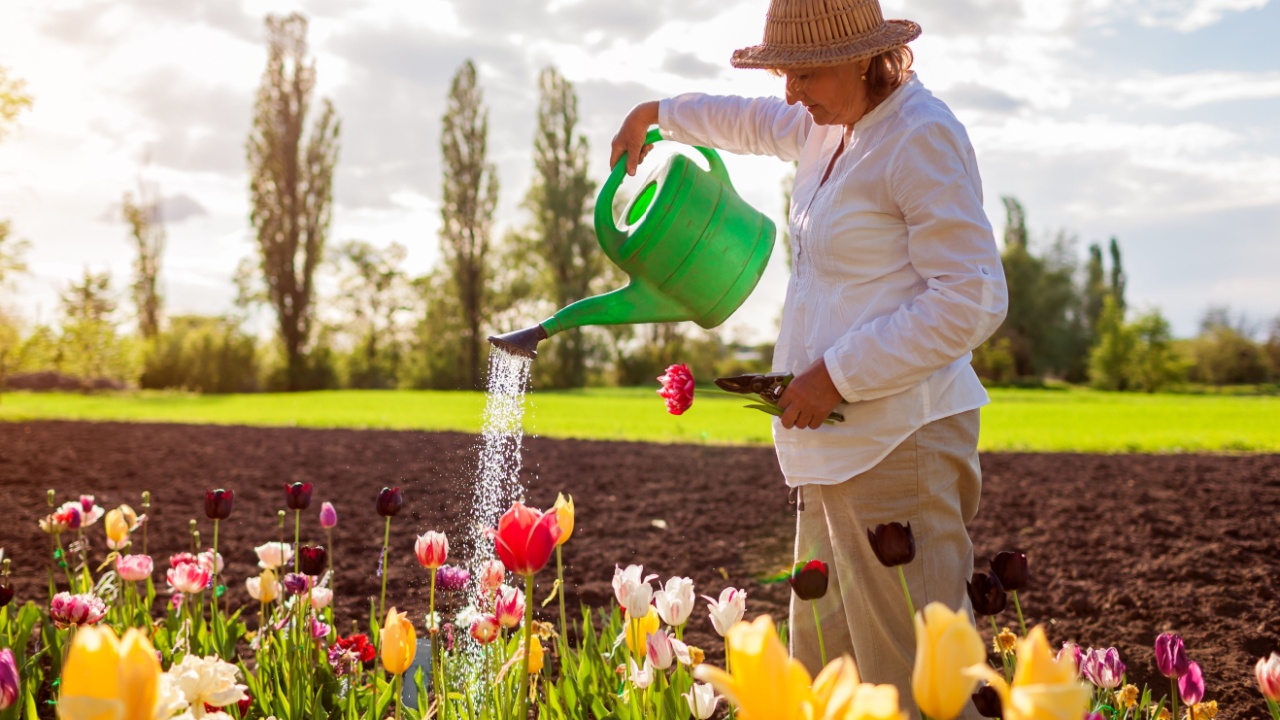
According to the Iowa State University, morning is the best time to water your garden, and the reasoning comes down to basic physics. Temperatures are lower, wind is minimal, and the soil hasn’t been heated by the day’s sun yet, which means water soaks in rather than evaporating off the surface.
There’s a plant health benefit to morning watering as well. Foliage that gets wet in the morning has several hours of sun and airflow to dry before nightfall.
This matters because prolonged leaf wetness is one of the main triggers for fungal diseases like powdery mildew and leaf spot.
Late afternoon is a workable second option if mornings aren’t realistic, as long as you finish a few hours before sunset. If your plants are wilting or showing other clear signs of drought stress, water them right away, regardless of the time.
3. Water Deeply Rather Than Often
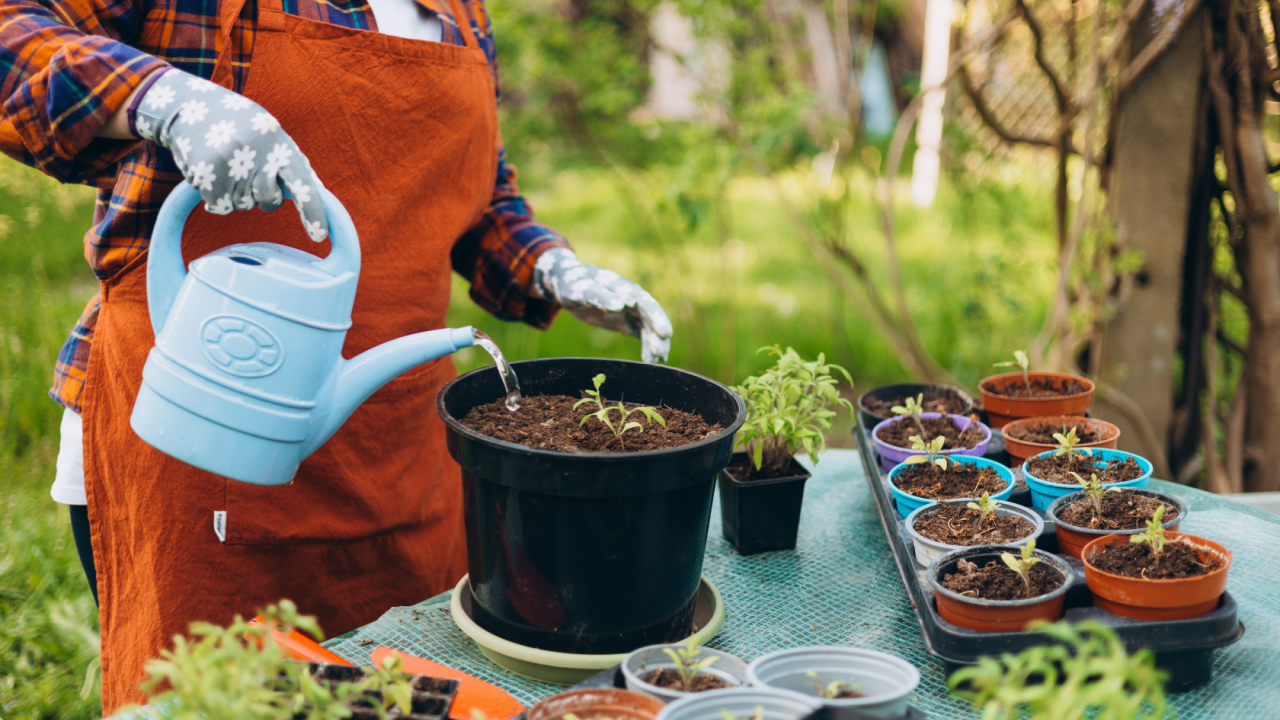
Frequent light watering keeps moisture concentrated in the top inch or two of soil, and plant roots follow it there. Those shallow roots have almost no buffer against dry conditions because the surface layer dries out within a day or two after each session.
Plants that develop this pattern become high-maintenance and fragile rather than resilient, and they demand your attention far more often than they should.
Experts recommend a slow, thorough soak that penetrates several inches into the ground. Established plants typically do well with one or two deep sessions per week rather than a light splash every day.
Young seedlings are an exception and need gentler, more frequent watering until their root systems are developed enough to handle longer dry periods. Once they’re established, you can transition them to the deeper, less frequent schedule that benefits mature plants.
4. Stop Using the Sprinkler
Sprinklers are designed to cover large surface areas, and that broad coverage is exactly the problem. In most backyard gardens, a significant portion of what an oscillating or rotary sprinkler hits is walkways, fence lines, bare patches of soil, and the spaces between beds, where weeds will happily take advantage of the moisture.
Only a fraction of the water lands at the base of your plants, which is the only place it’s actually needed.
Overhead watering also creates conditions that invite disease. Leaves left wet for extended periods are far more susceptible to powdery mildew, black spot, and other fungal infections that spread quickly in warm or humid environments.
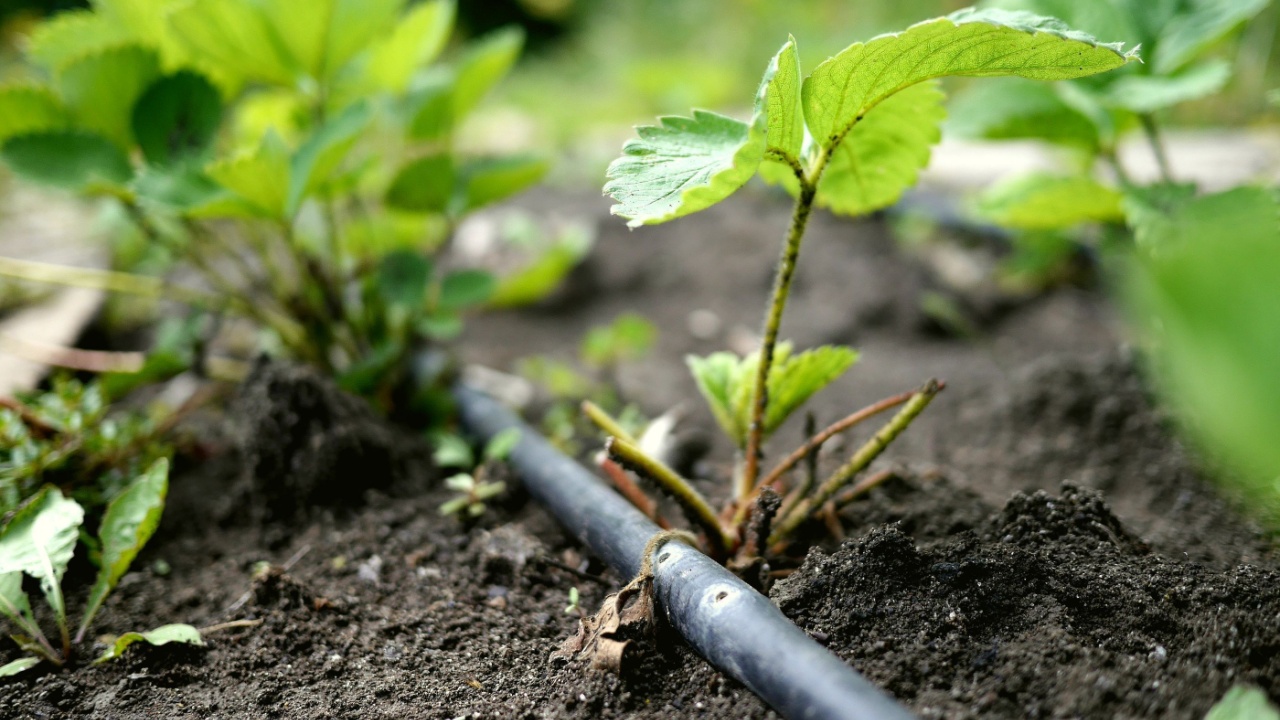
Switching to a soaker hose, drip line, or a hand-held wand delivers water directly to the root zone and keeps foliage dry throughout. Drip irrigation systems use up to 75% less water than overhead sprinklers, according to the University of Georgia Cooperative Extension.
5. Use a Watering Wand for Precision
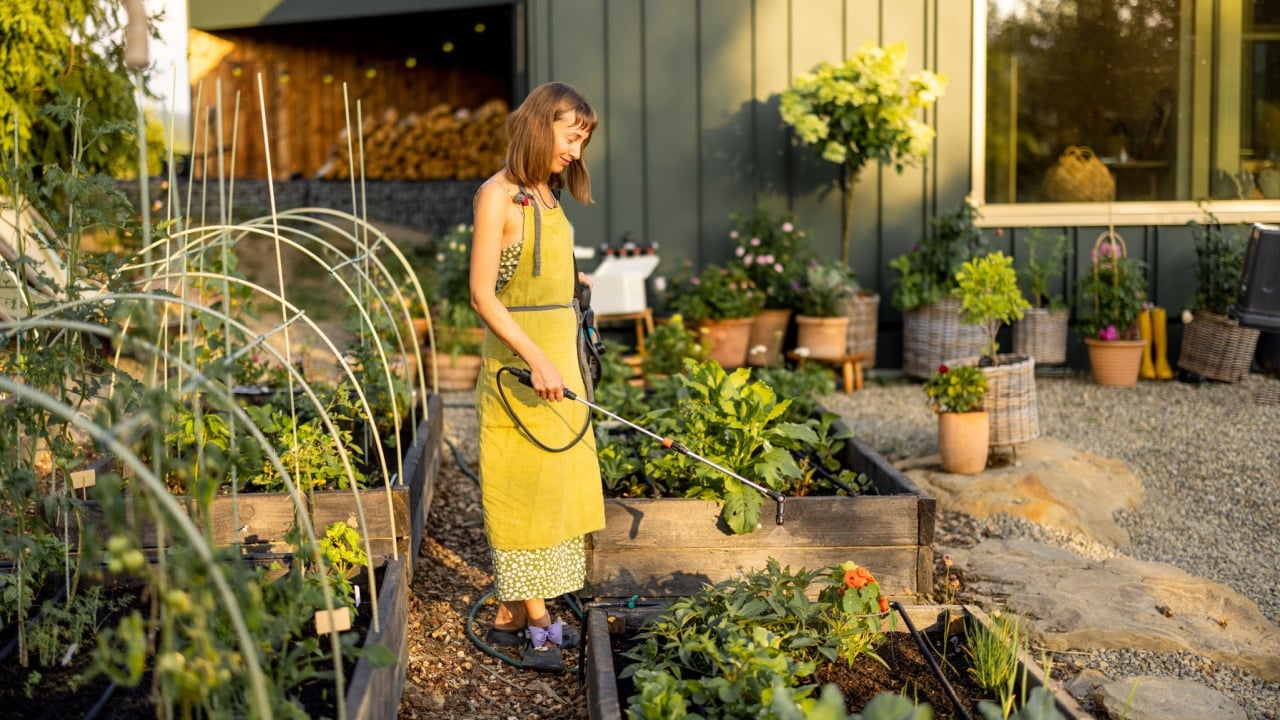
A watering wand is a long-handled hose attachment with a spray head at the end, and it changes how accurately you can deliver water across your garden. Most models come with adjustable spray settings that let you switch between a fine, gentle shower for seedlings and a stronger direct soak for established plants.
This prevents you from getting locked into a single setting for everything in the bed. The extended handle keeps you from having to crouch or bend awkwardly, which matters if you’re working a large plot or spending more than a few minutes watering each session.
The shut-off valve built into most quality wands lets you cut the water flow completely while moving between plants rather than leaving the hose running through every step and pause. That one adjustment alone can save multiple gallons per session without adding any effort to your routine.
A reliable wand typically costs between $20 and $50 and becomes a worthwhile investment when you consider the water savings and physical comfort it provides across a full season of use.
6. Reach for the Watering Can in Small Spaces
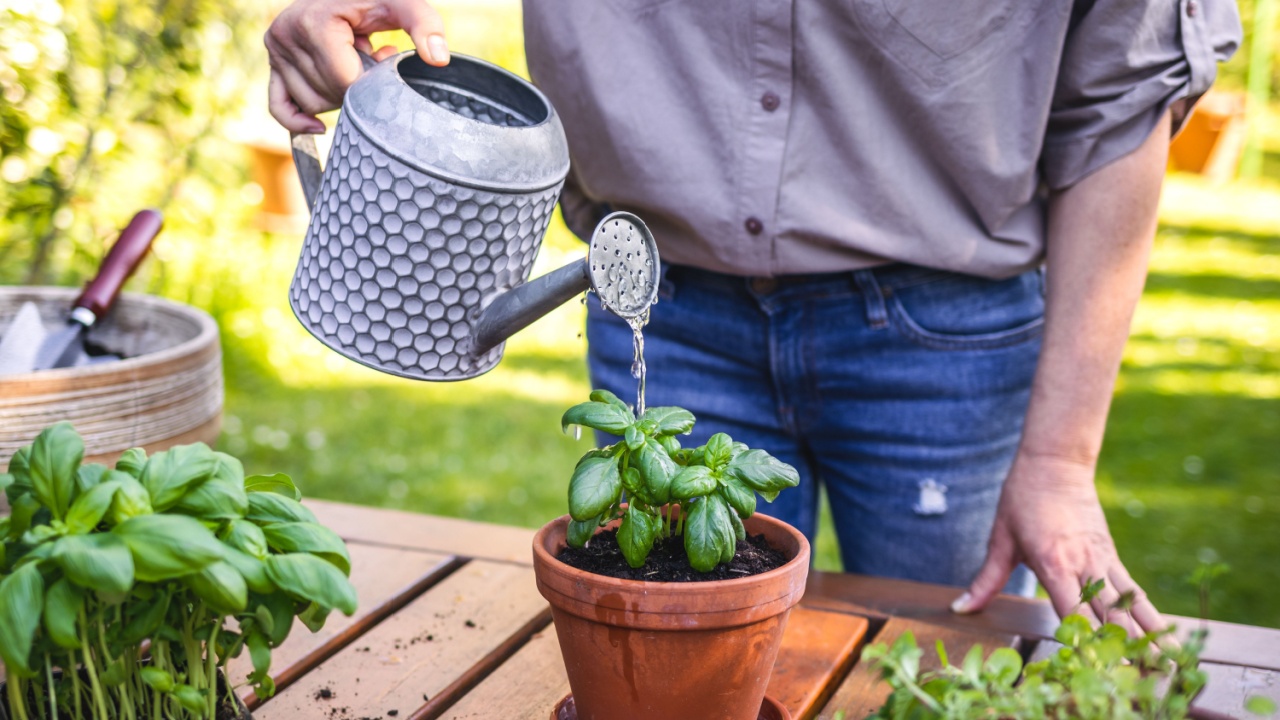
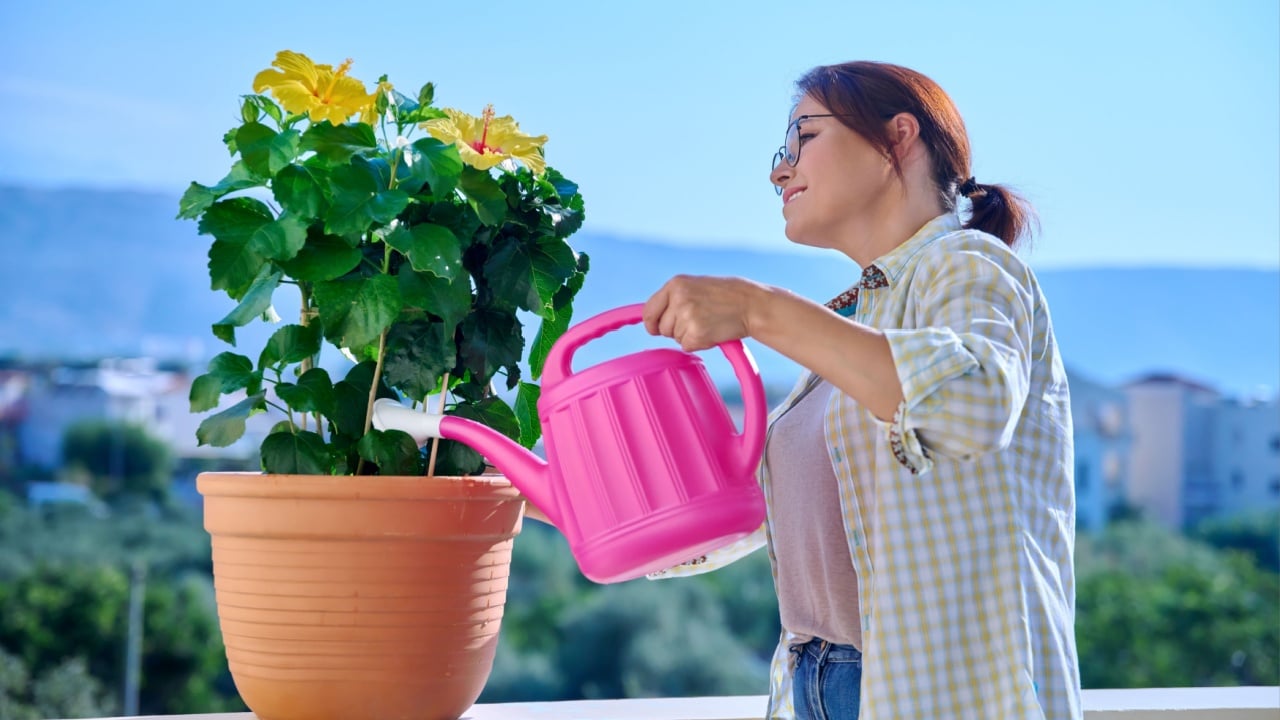
A traditional watering can is one of the most precise irrigation tools available, yet it often gets overlooked simply because it looks low-tech.
For container plants, window boxes, raised beds, or any spot where a hose creates more mess than control, a watering can lets you deliver exactly the right amount of water to the plant’s base.
Watering cans are also useful when incorporating liquid fertilizers directly into the root zone. A can fitted with a long, angled spout and a fine-holed rose head spreads water gently across the soil surface without compacting it or creating channels that send water running sideways before it can absorb.
For balconies, patios, or any area without easy access to a hose, a good watering can is often the most efficient and practical option for a home gardener.
7. Collect and Reuse Water from Around the House
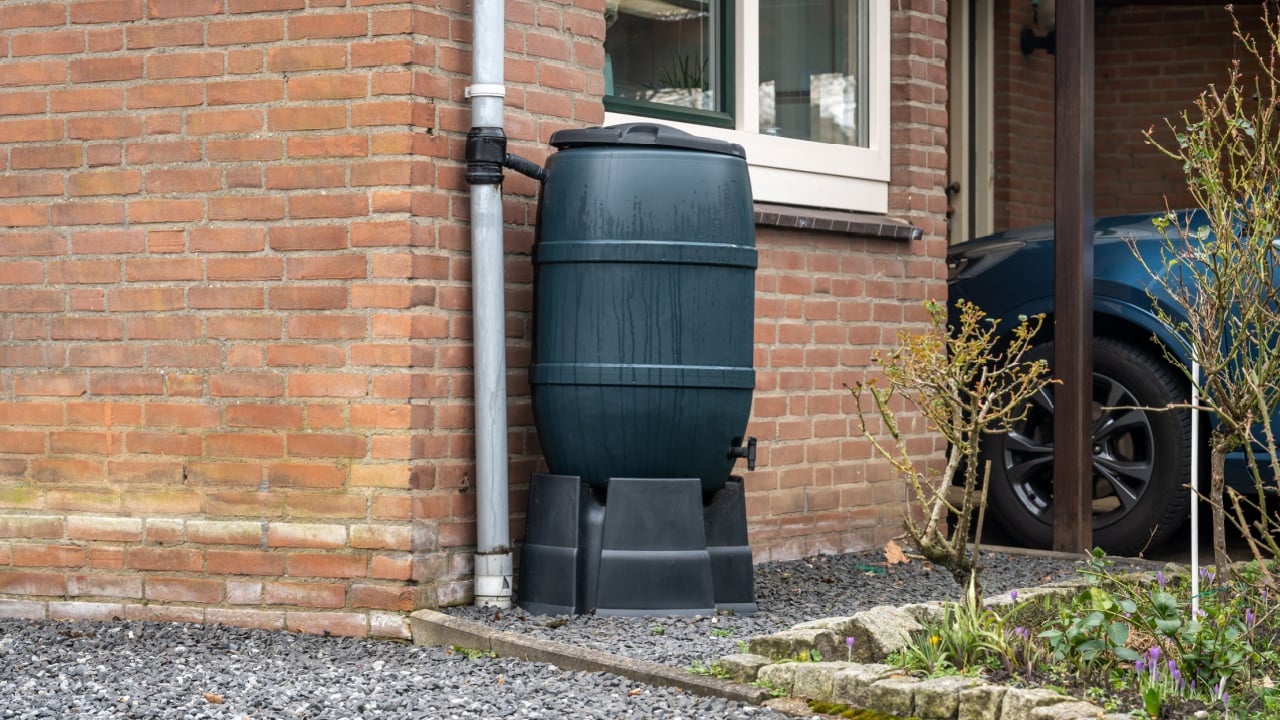
Tap water is convenient, but it isn’t the only useful water source available to a home gardener. A rain barrel installed beneath a downspout can capture hundreds of gallons during a single moderate rainfall, storing it at no ongoing cost for use during dry periods.
Rainwater is naturally soft and free of the chlorine and fluoride found in treated municipal supplies. Research suggests that rainwater is gentler on beneficial soil microbes and is generally well tolerated by most plants.
Household water recycling goes further than rain barrels, though. Water from boiling pasta or steaming vegetables is typically nutrient-rich and perfectly safe for outdoor plants once it cools to room temperature.
Rinsing produce over a shallow bucket rather than directly in the sink gives you a free source of irrigation water. Freshwater aquarium water is another resource worth redirecting to the garden, since it carries trace nutrients from fish waste that function as a mild natural fertilizer for the soil.
Smart Watering Is Your Garden’s Best Defense
Water is one of those resources that feels unlimited until it isn’t. Droughts are becoming longer and more frequent across many parts of the world, and home gardens are often the first place water restrictions hit.
The habits you build now around efficient watering aren’t just good for your water bill; they’re a form of future-proofing your garden against conditions that are already becoming more common.
A garden that thrives on less water is a garden that survives the hard summers, too.
Read More:
Cut Your Water Bill by Hundreds and Stop Overwatering These 8 Drought-Resistant Perennials
18 Plants that Thrive Without Watering, Even In A Drought Year