18 Plants that Thrive Without Watering, Even In A Drought Year
Some of the plants most commonly sold at garden centers in spring are also the thirstiest.
Impatiens, a staple of shady borders, need consistently moist soil and wilt dramatically in heat. Marigolds are sold as tough, no-fuss flowers, but they perform poorly in drought and require regular irrigation to stay full and blooming. Sweet corn is one of the thirstiest food crops you can plant; it is shallow-rooted, heat-sensitive, and can require more than an inch of water per week during tasseling. Lettuce bolts and turns bitter the moment the soil dries out. Cucumbers grown in containers need watering two to three times more often than the same plant in the ground, making them a hidden water drain during dry summers.
The pattern is worth noticing. Many of the plants most aggressively marketed to home gardeners in spring are also the ones that require the most consistent irrigation to survive. If you are heading into a drought year, the single most effective decision you can make is to choose differently at the nursery, before you ever turn on a hose.
Swapping even half of your thirstiest beds for drought-tolerant alternatives can cut your outdoor water use by 30 to 50 percent, and homeowners who have replaced their thirstiest plantings report saving $40 to $80 on their summer water bills every single month.
Here at 18 plants that thrive with limited water.
1. Lavender (Lavandula spp.)
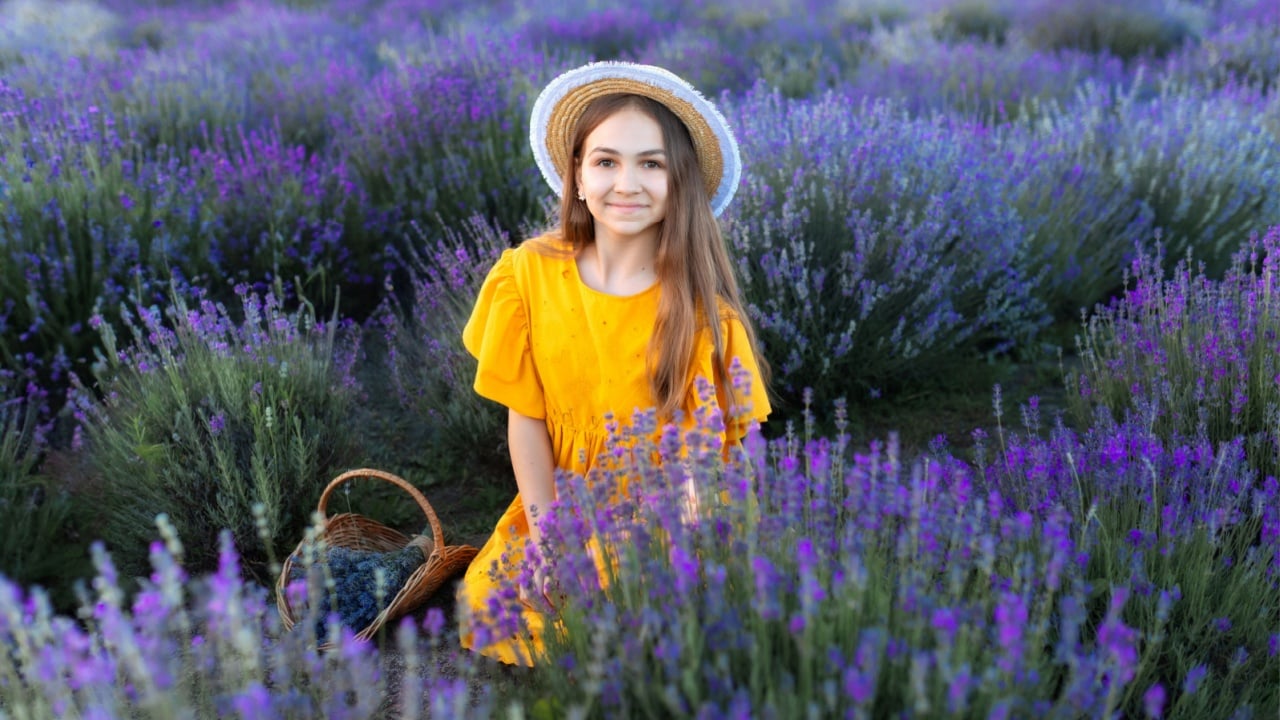
Native to the Mediterranean, lavender thrives in full sun and dry, well-draining soil. It blooms from late spring into summer, repels deer, and attracts pollinators continuously.
Plant in raised beds or gravelly soil in humid climates to ensure drainage.
2. Russian Sage (Salvia yangii)
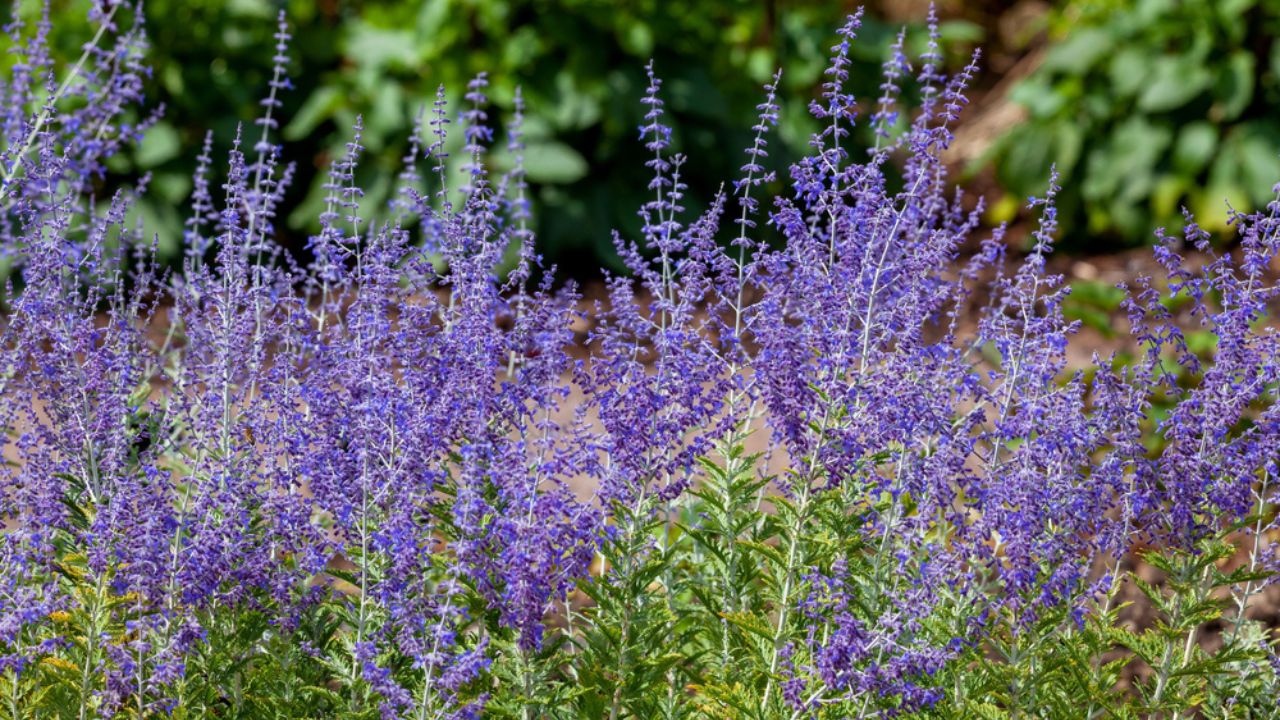
Often called the backbone of the summer garden, Russian sage produces sprays of small blue flowers from midsummer through fall.
It is deer-resistant, thrives on neglect, and pairs beautifully with coneflowers and blanket flower.
3. Purple Coneflower (Echinacea spp.)
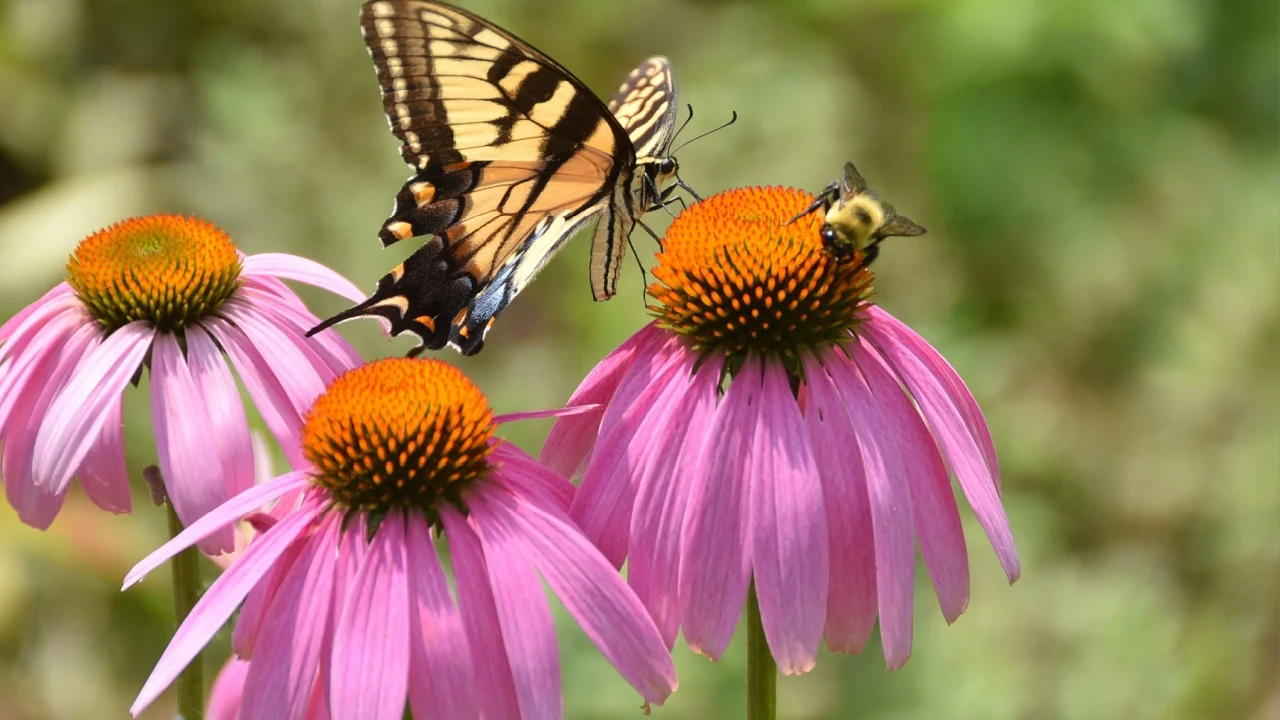
A tough prairie native, coneflower blooms on sturdy 3- to 4-foot stems regardless of heat or drought.
It self-seeds readily, feeds pollinators all summer, and provides songbirds with food through winter from its seed heads.
4. Yarrow (Achillea millefolium)
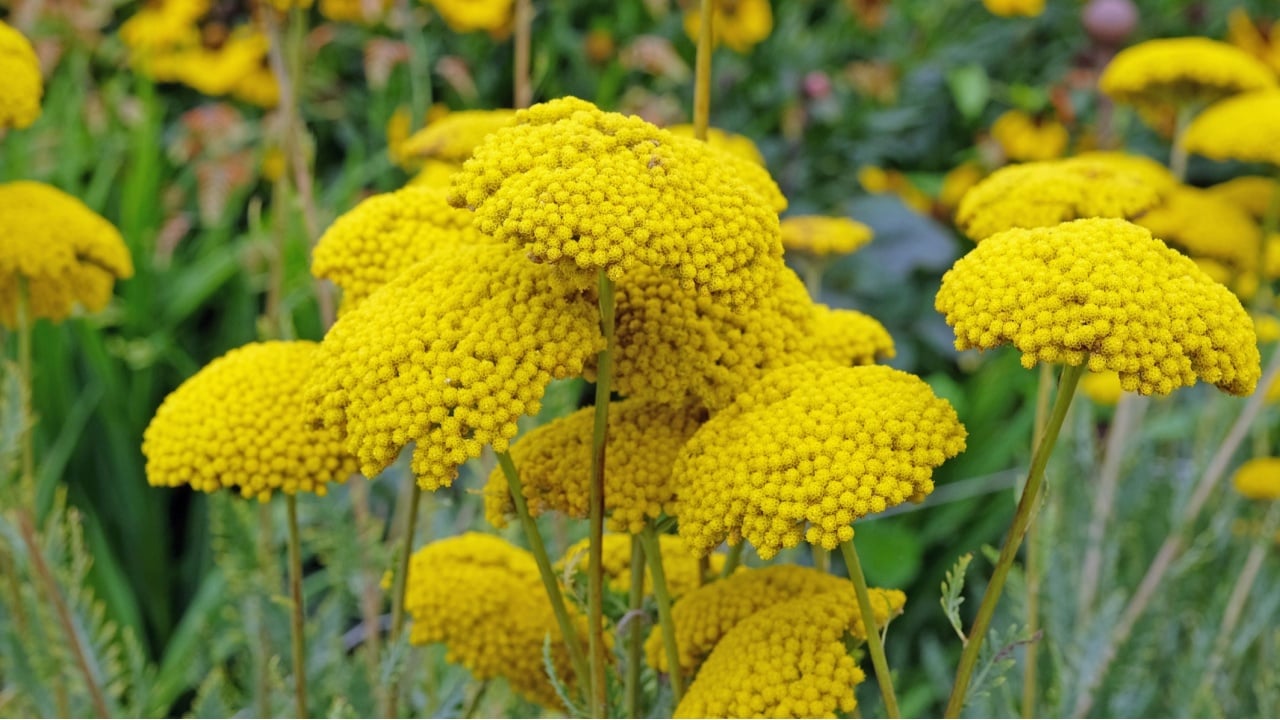
Yarrow’s deep root system reaches moisture that surface-rooted plants cannot access.
It grows as a wildflower along roadsides and is virtually carefree once established. Cultivars like ‘Moonshine’ and ‘Coronation Gold’ bring refined color to borders.
5. Catmint (Nepeta spp.)
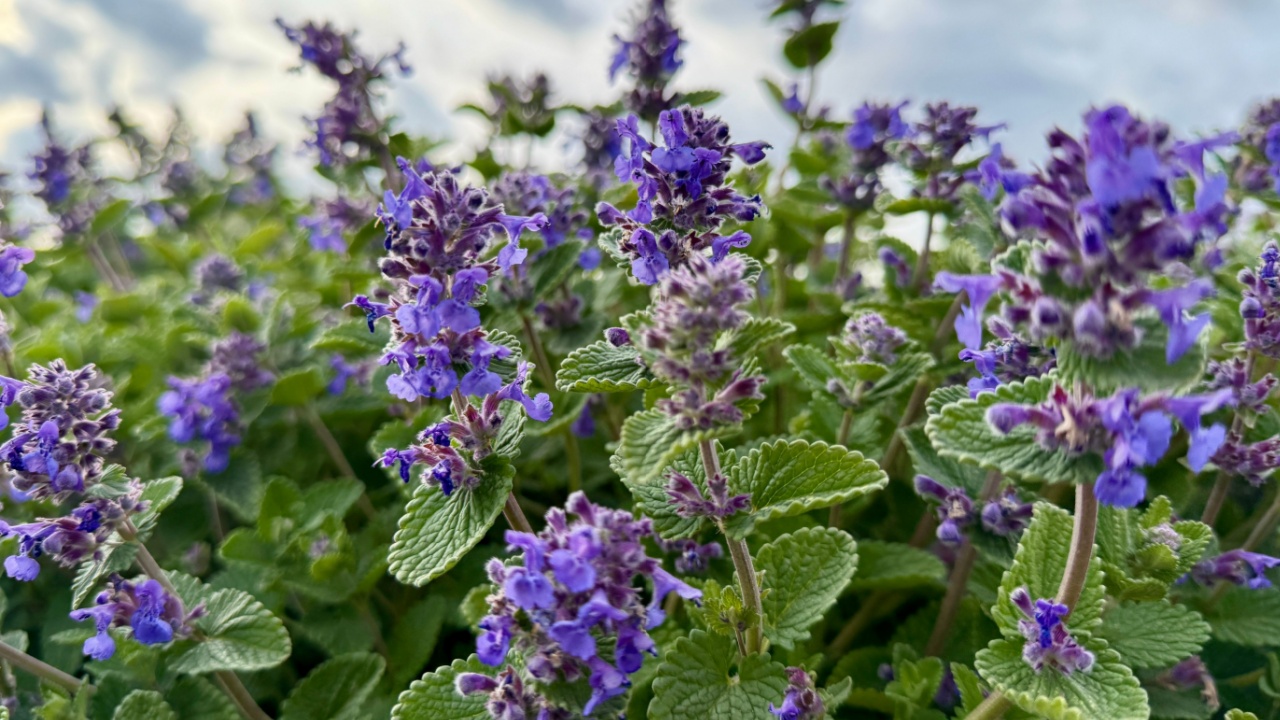
Here is the counterintuitive surprise: catmint actually produces more flowers in lean, dry soil. Extra water and rich amendments suppress its bloom.
It flowers from late spring through fall and is one of the most reliable long-blooming perennials available.
6. Black-eyed Susan (Rudbeckia hirta)
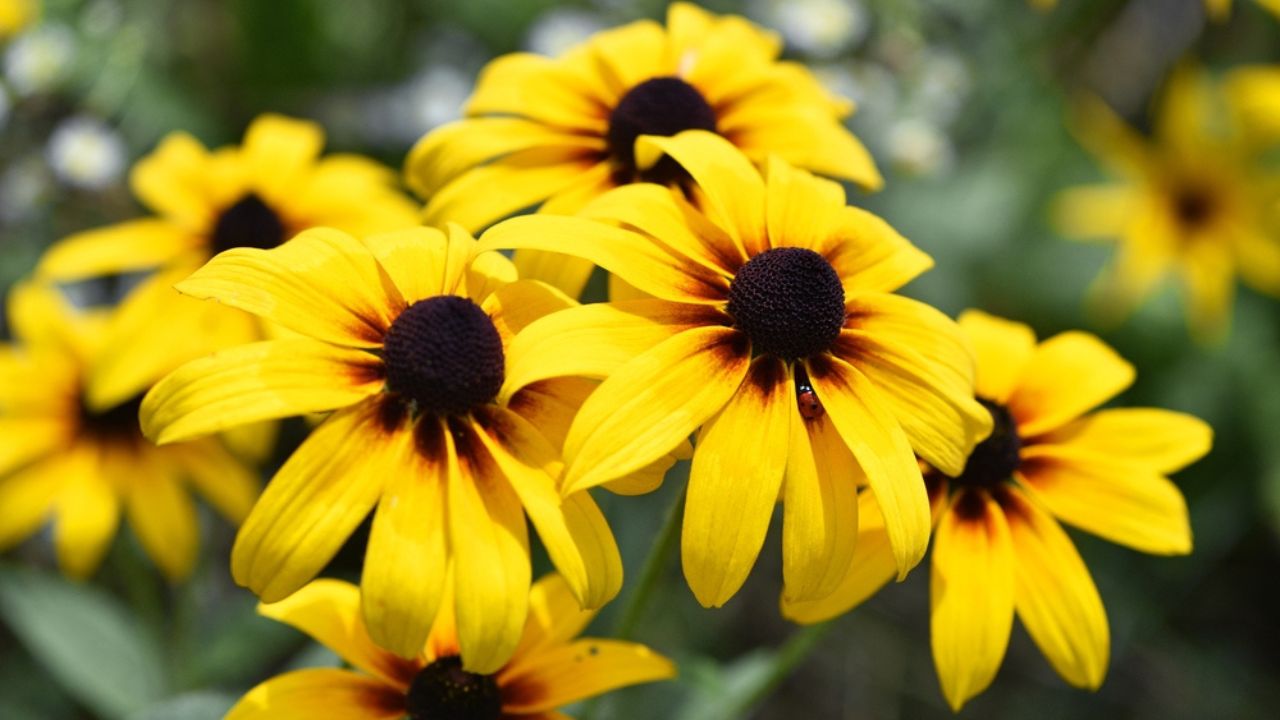
A top choice for mass plantings and meadow gardens, black-eyed Susan adds reliable summer-to-fall color with almost no supplemental water once established.
Allowing blooms to go to seed in autumn brings birds to the garden through winter.
7. Blanket Flower (Gaillardia spp.)
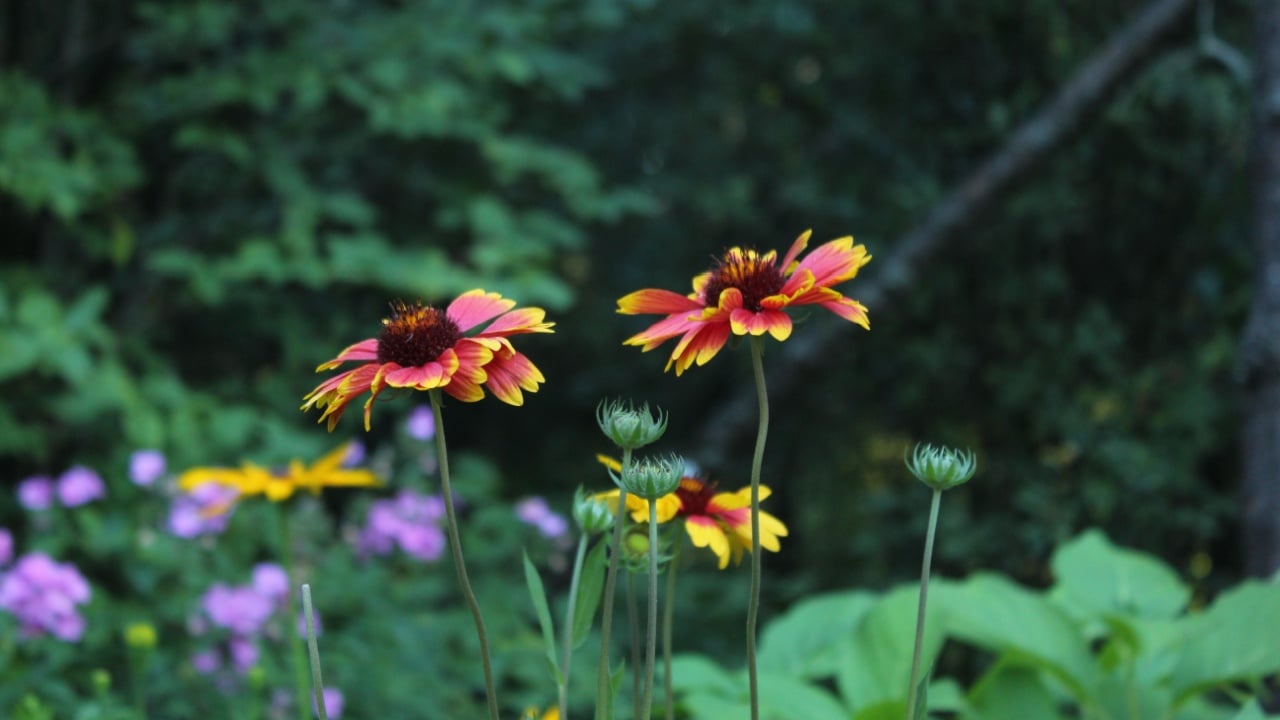
Native to western U.S. prairies and dry meadows, blanket flower earned its name by blanketing the earth with red and yellow blooms all summer.
It thrives in lean soil and full sun; wear gloves when deadheading as the sap can irritate skin.
8. Beardtongue (Penstemon spp.)
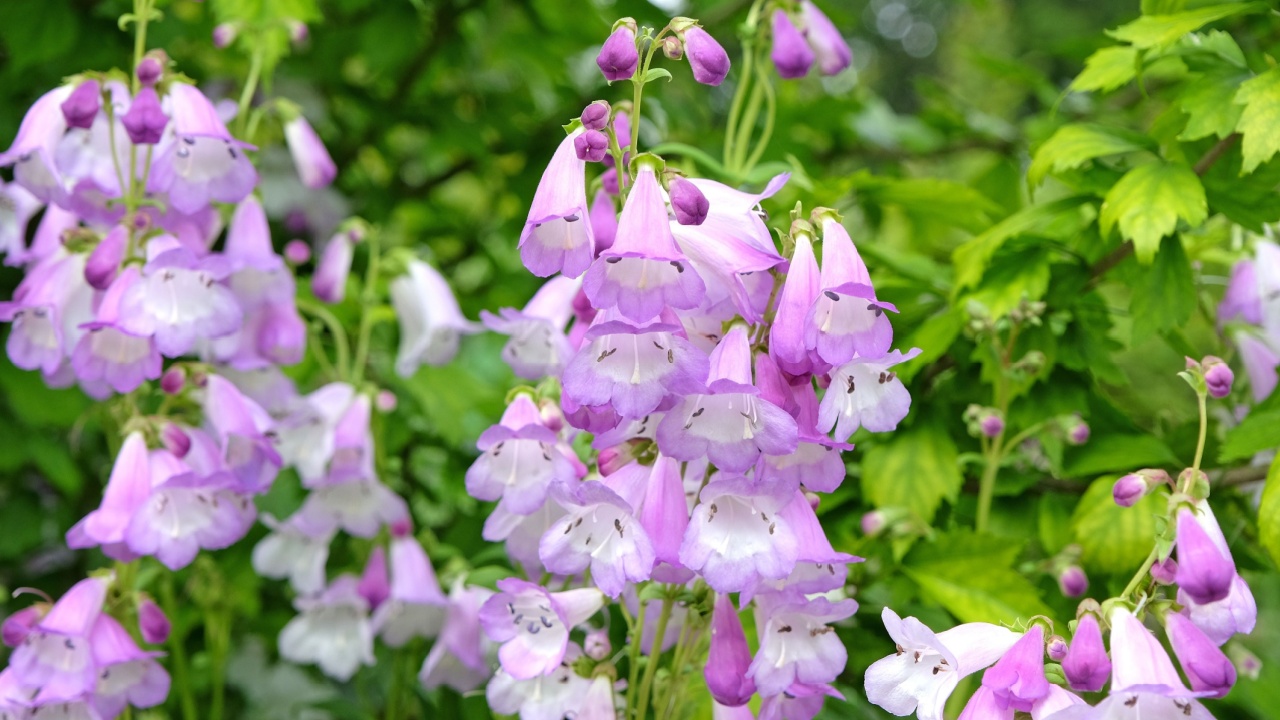
A diverse group of North American natives, beardtongue produces tube-shaped flowers that attract butterflies, bees, and hummingbirds. Low-growing varieties work in rock gardens; taller forms anchor cottage borders.
It is exceptionally reliable in the high-desert Front Range and Southwest.
9. Sedum / Stonecrop (Sedum spp.)
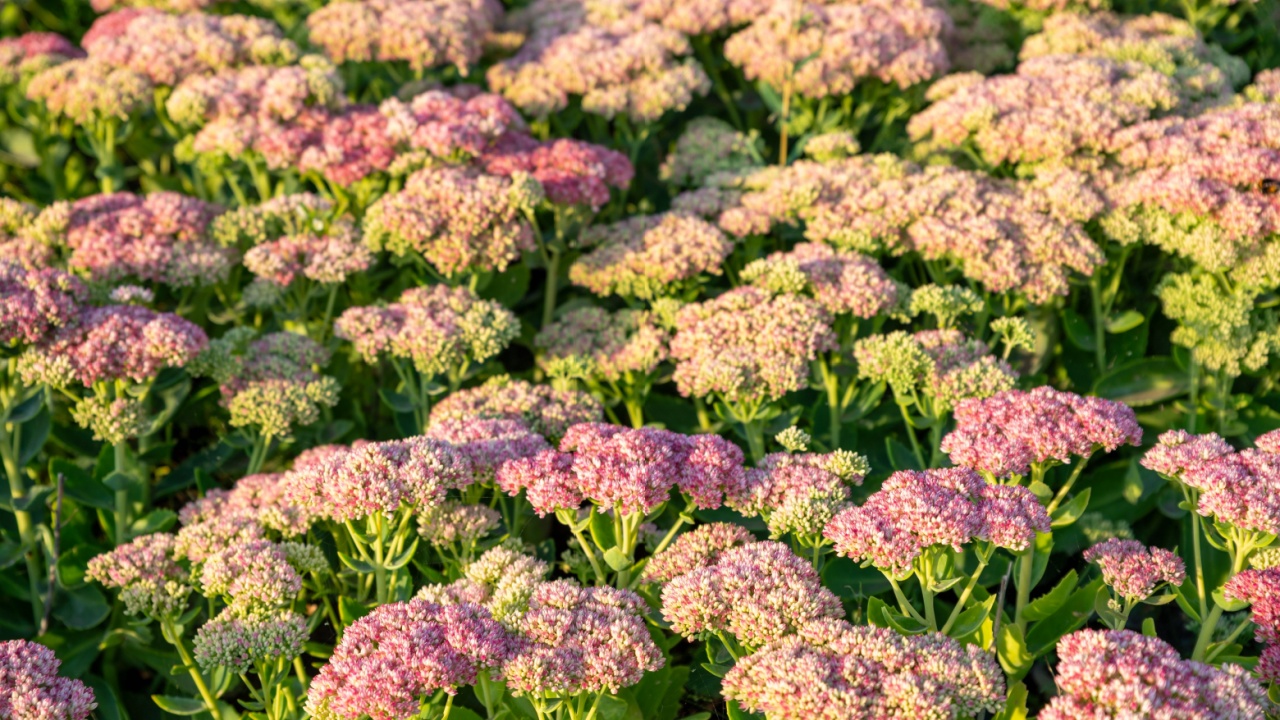
Sedum stores water in fleshy, succulent leaves and thrives in shallow, rocky soil where almost nothing else survives.
Tall varieties like ‘Autumn Joy’ work as focal points; low-growing types make a colorful living mulch that suppresses weeds.
10. Lamb’s Ear (Stachys byzantina)
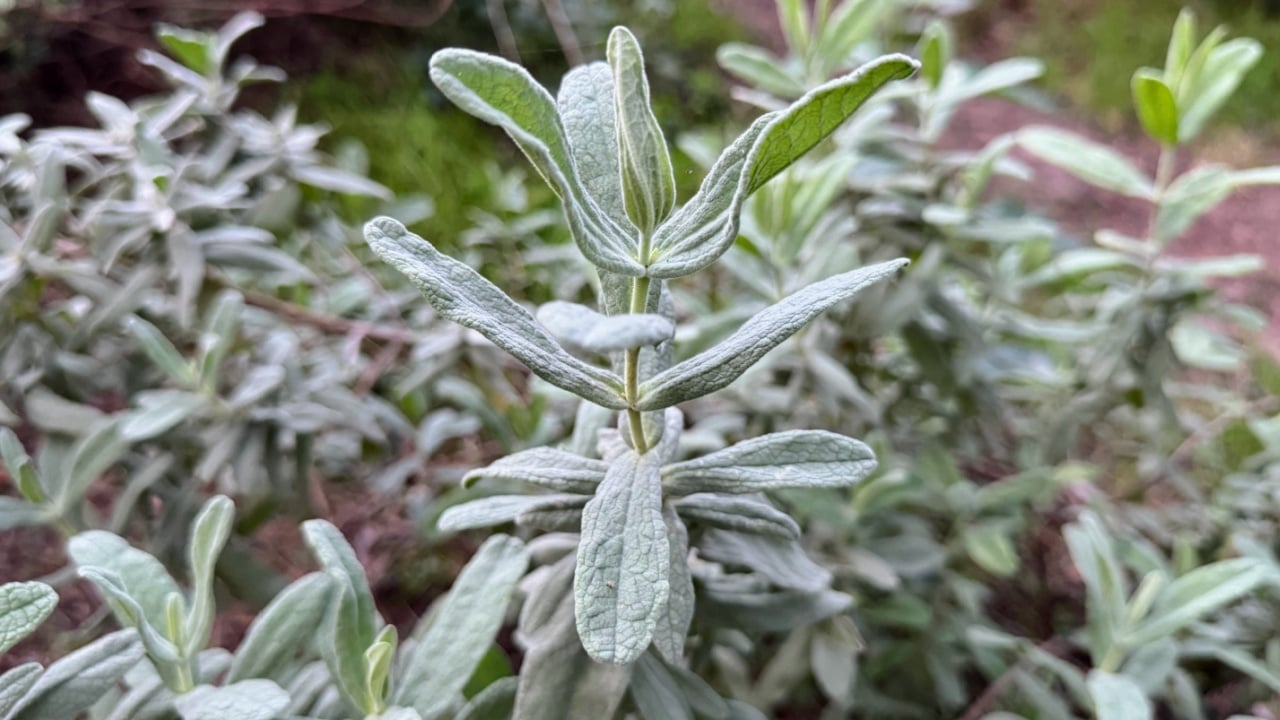
The soft, fuzzy leaves of lamb’s ear trap moisture and prevent evaporation, making it a low-maintenance xeriscaping workhorse.
It also attracts pollinators and is a favorite among children for its tactile appeal.
11. Hen and Chicks (Sempervivum tectorum)
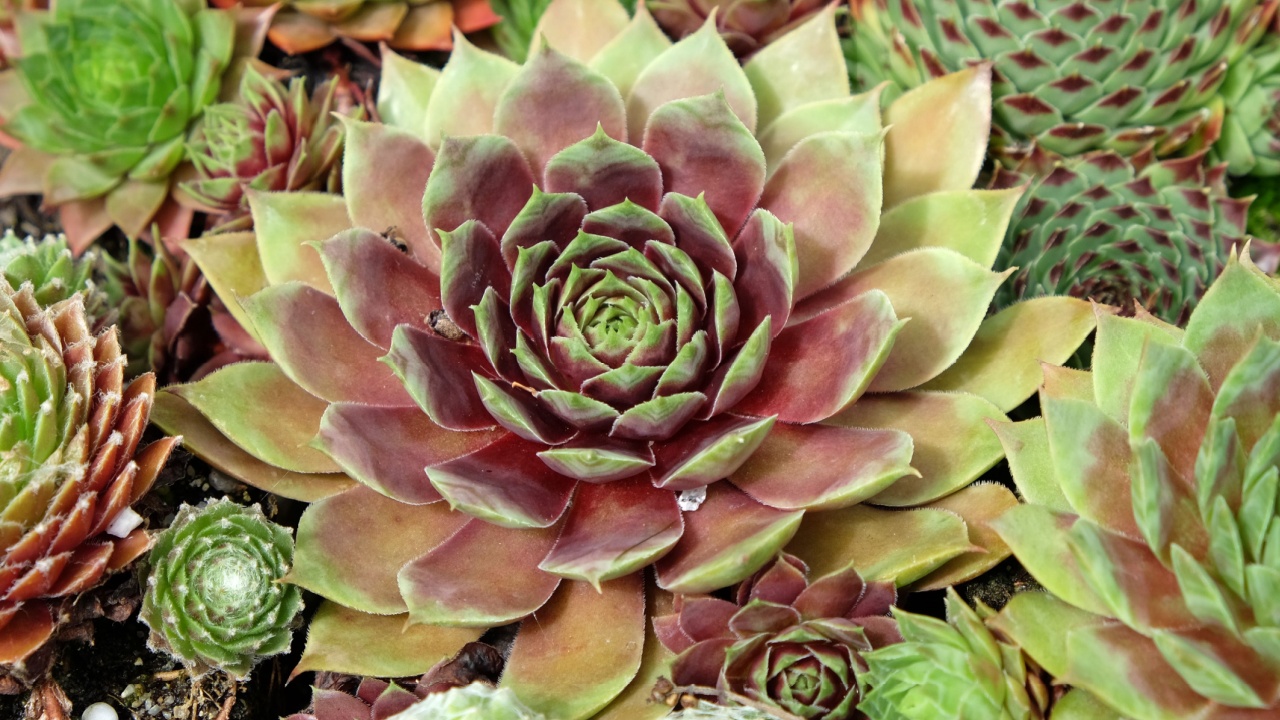
Among the most drought-proof plants you can grow, hen and chicks rot quickly if they receive too much water.
Use as a living groundcover in in-ground beds or in containers and rock gardens.
12. Creeping Thyme (Thymus spp.)
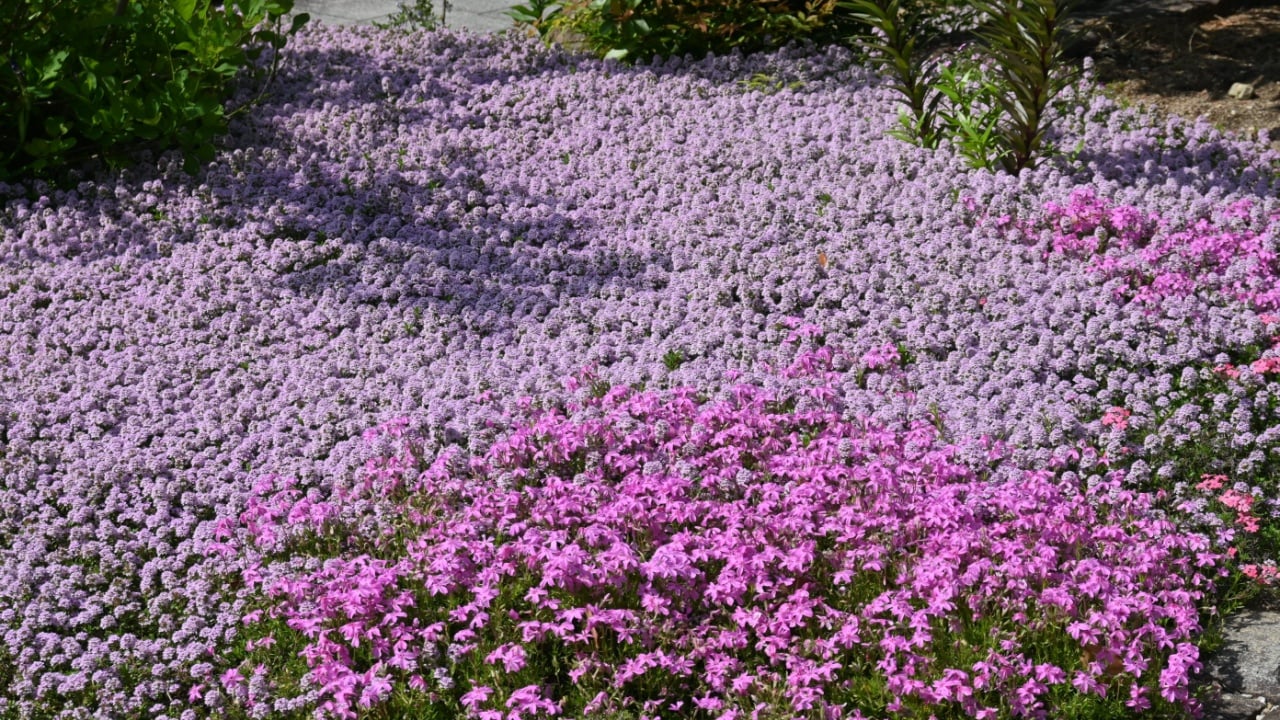
A fragrant, walkable groundcover for sunny spots, creeping thyme works as a lawn substitute in small areas and blooms with delicate spring flowers.
It handles foot traffic, requires no irrigation once established, and smells wonderful underfoot.
13. Little Bluestem (Schizachyrium scoparium)
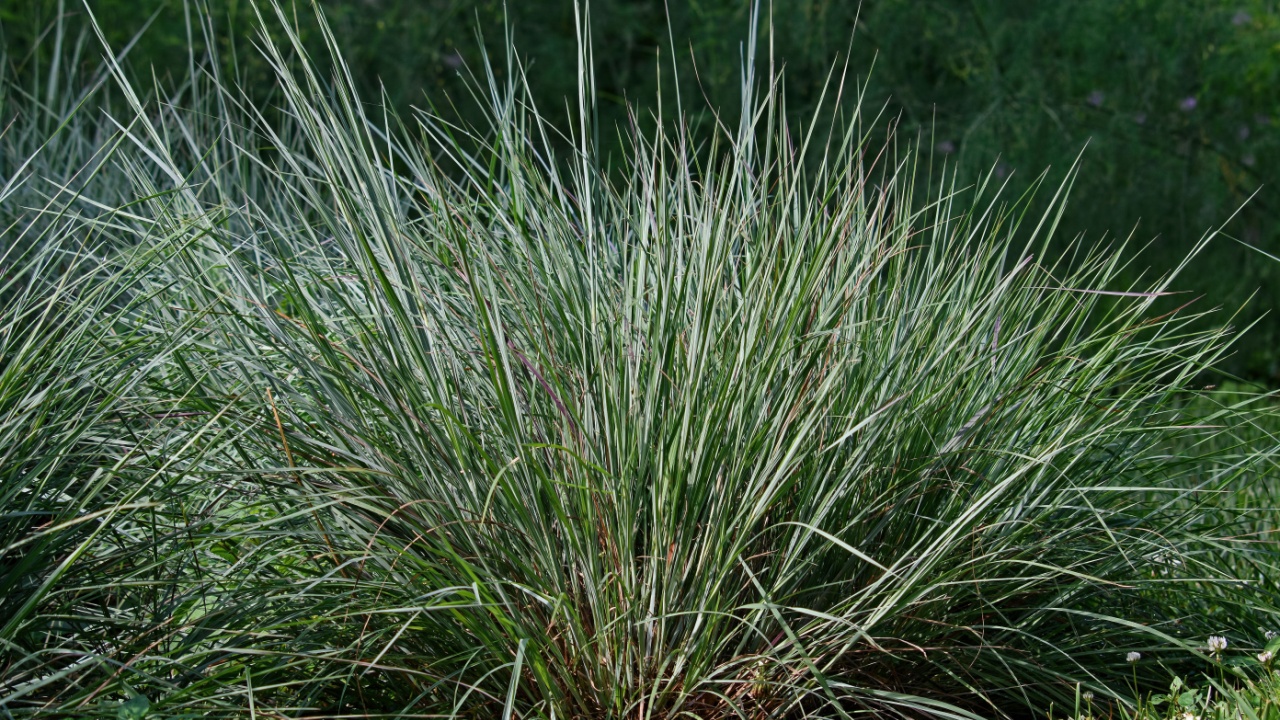
One of the best native grasses for dry soil, little bluestem provides multi-seasonal interest: green through summer, copper-red in fall, and architectural structure through winter.
It supports birds and insects throughout the year.
14. Agastache / Anise Hyssop (Agastache spp.)
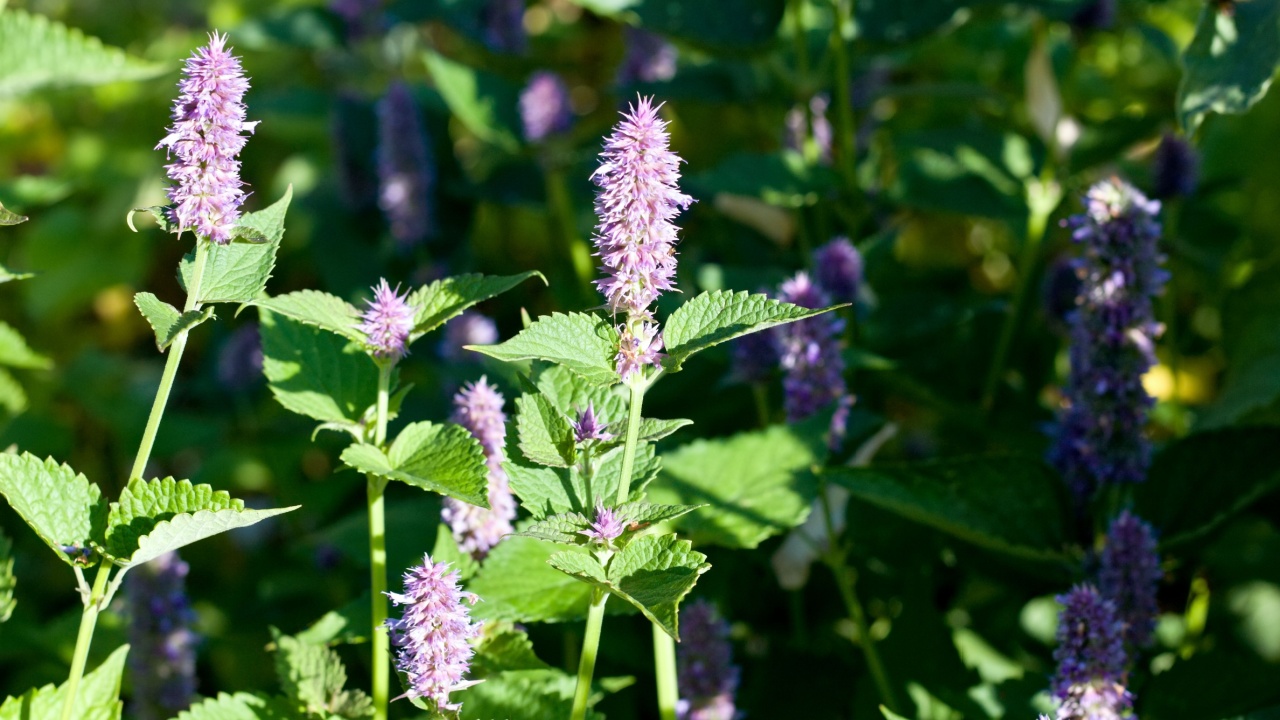
Tall spikes of pink, purple, and orange flowers from summer through fall make agastache a hummingbird magnet. Like catmint, it declines if overwatered once established.
Plant in full sun with well-draining soil and then leave it alone.
15. Goldenrod (Solidago spp.)
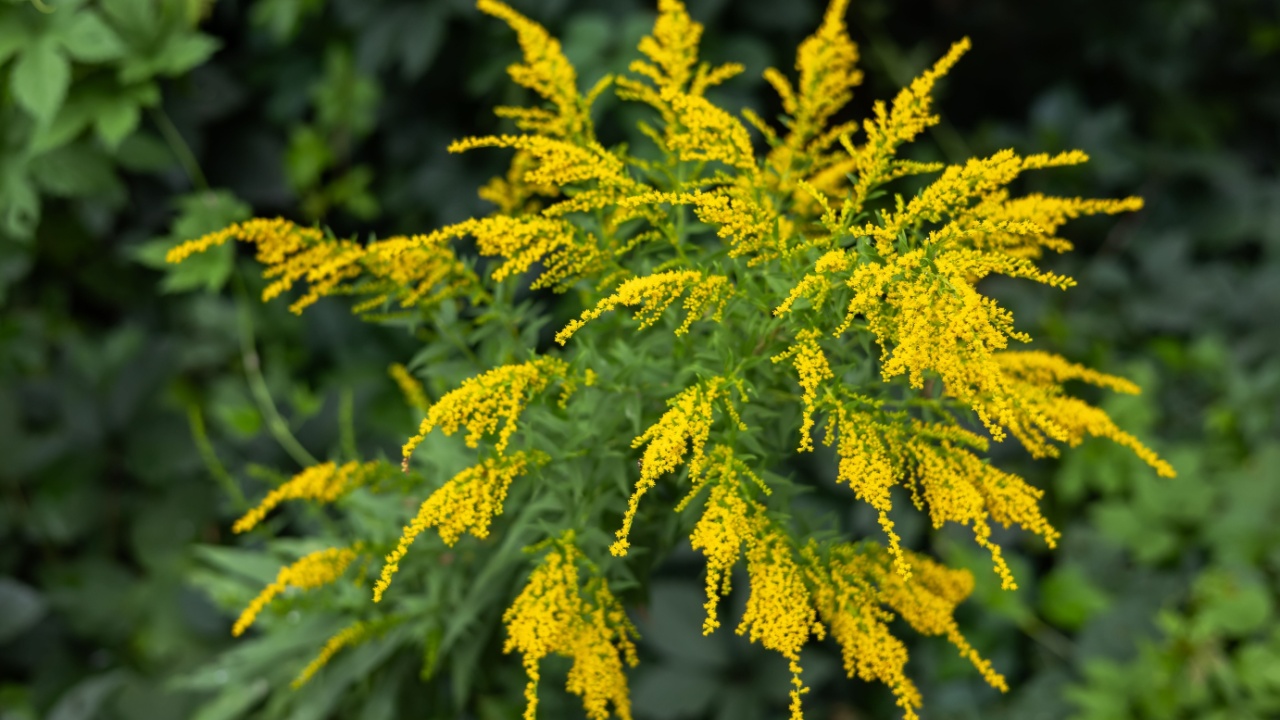
Goldenrod is unfairly blamed for hay fever; its pollen is too heavy to become airborne.
It is one of the best late-season drought-tolerant bloomers available, pairing beautifully with asters and coneflowers for a long autumn display.
16. Milkweed (Asclepias spp.)
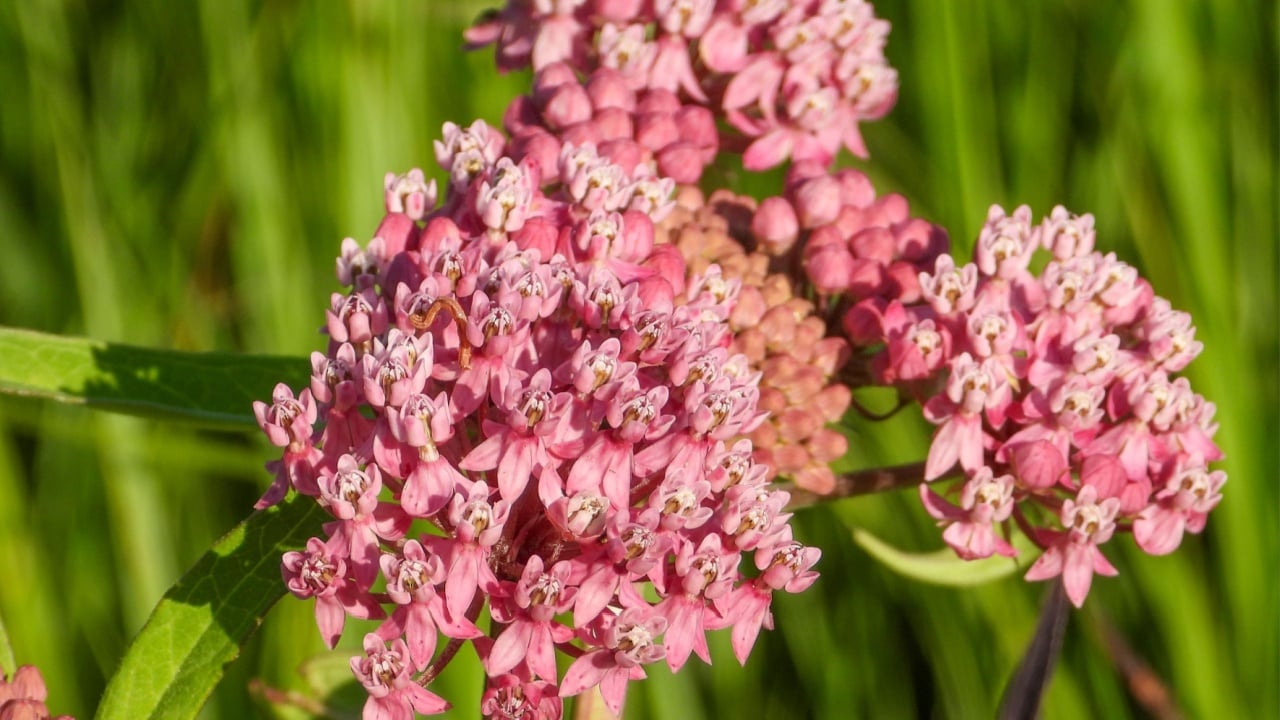
Milkweed is the only plant on which monarch butterflies lay their eggs.
It tolerates dry soil well and is essential for supporting monarch populations, which have declined sharply due in part to the loss of roadside and garden milkweed.
17. Rosemary (Salvia rosmarinus)
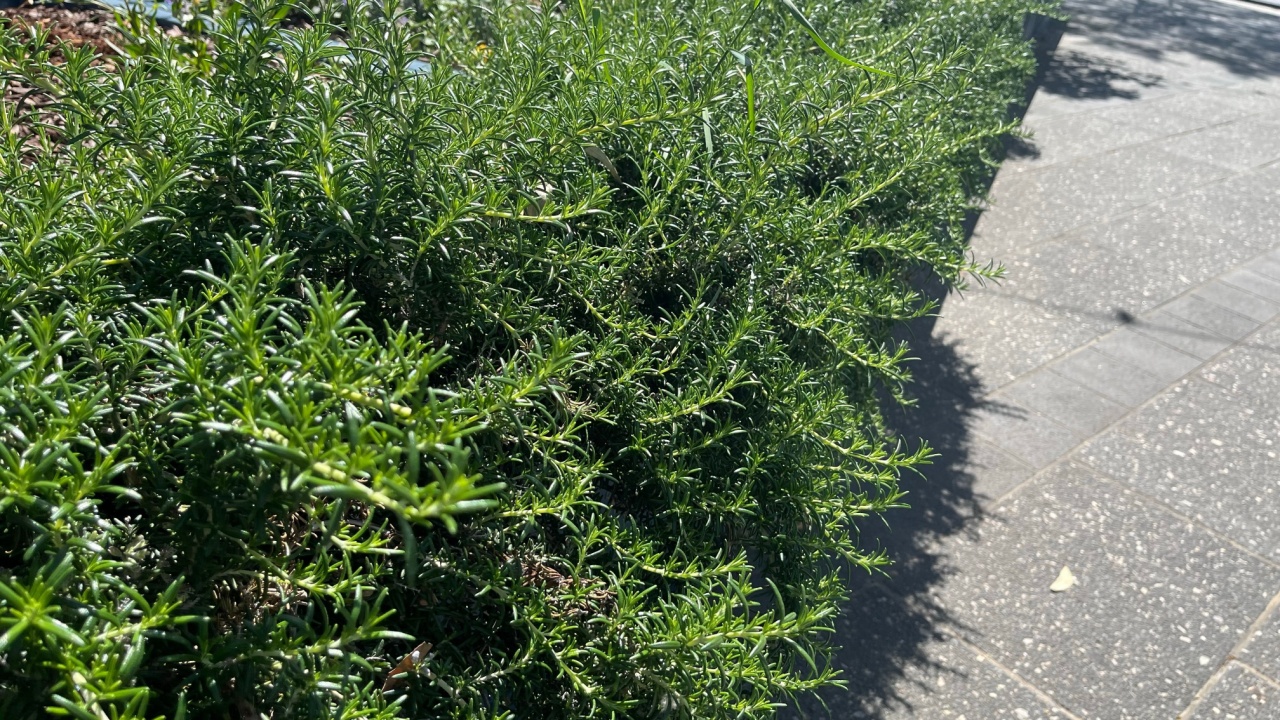
A shrubby, drought-tolerant herb, once established, rosemary is beloved by pollinators for its blue flowers and by home cooks for its flavor.
It thrives in full sun and well-drained sandy or loamy soil, and it requires almost no irrigation after its first season.
18. Tepary Beans
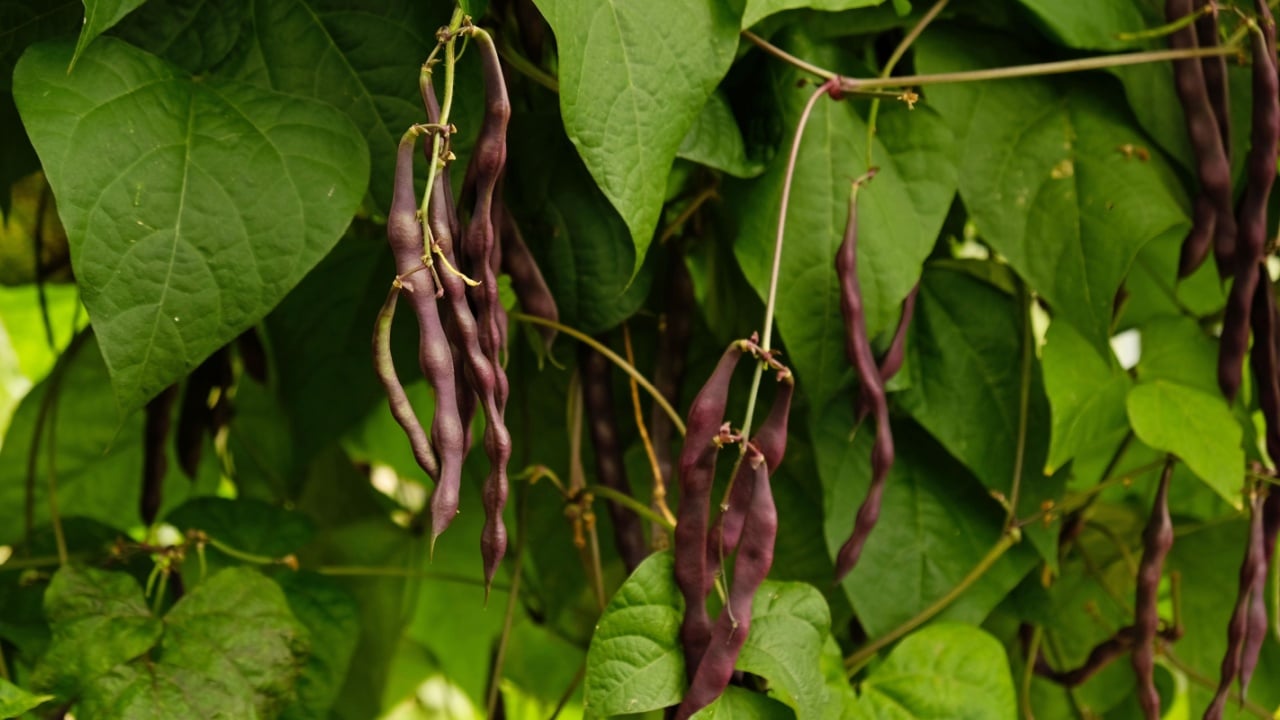
Tepary beans are native to the American Southwest and have been grown in desert and near-desert conditions for thousands of years, according to Oregon State University Extension.
They are adapted to drought at a cellular level and produce well with minimal irrigation — a revelation for gardeners who assumed beans required consistent moisture.
What ‘Drought-Tolerant’ Actually Means (Most Gardeners Get This Wrong)
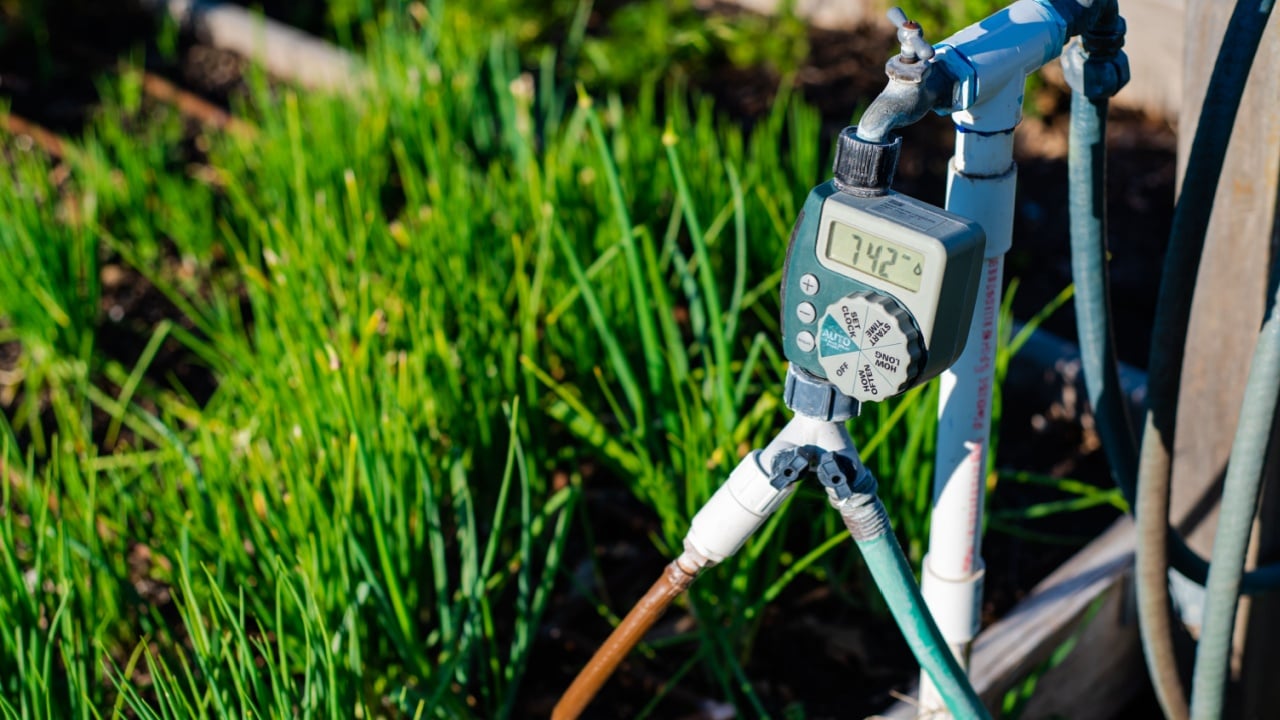
There is one critical caveat that the drought-tolerant label does not advertise: nearly every drought-tolerant plant needs regular watering during its first growing season. The root systems that will eventually allow lavender or coneflower to thrive on rainfall alone do not exist at planting. They have to grow.
Water consistently through the first season, and you will likely never water again beyond the occasional deep soaking during an exceptional dry stretch.
A second common mistake is planting drought-tolerant species in rich, heavily amended garden soil. These plants evolved in lean, fast-draining conditions. Put lavender or yarrow in moisture-retentive soil, and you create exactly the soggy environment that causes root rot.
The National Garden Bureau recommends loosening the soil before planting, but skipping enriching amendments for plants that prefer dry, lean conditions.
This Year Is the Right Time to Make the Switch
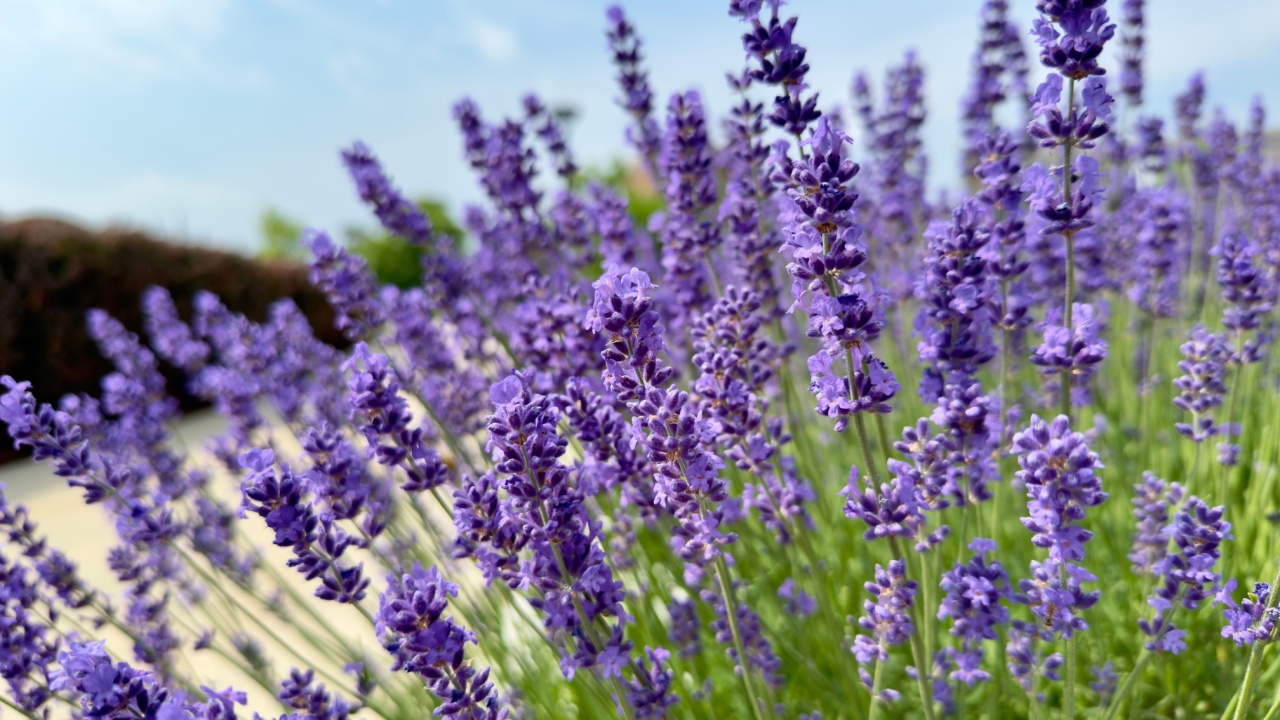
Drought-tolerant plants need one thing above all else to succeed: time to establish roots before summer heat arrives. Planting lavender, coneflower, Russian sage, or sedum in spring or early fall is the perfect time for planting.
Water consistently through this first season, mulch heavily, and avoid the temptation to plant in overly rich soil. By next summer, the plants will be established, self-sufficient, and blooming without any help from a hose. That is when the water bill drops, the garden maintenance schedule shrinks, and you finally understand what your grandmother already knew: the most beautiful garden is the one that takes care of itself.
Read more:
Direct Sow These 9 Seeds in June Before the Window Closes for Good
June Is National Pollinator Month. Are You Accidentally Harming the Bees You Want to Help?