Cut Your Water Bill by Hundreds With These 8 Drought-Resistant Perennials
If you’re watering your drought-resistant perennials every few days out of habit, you are actively working against them. Most gardeners discover this the hard way, after years of dragging a hose to plants that were quietly begging to be left alone.
The great irony of drought-tolerant gardening is that overwatering is the primary killer of plants specifically bred to survive without it. Lavender rots at the roots, Russian sage fails to develop the deep root system that makes it bulletproof, and Sea holly produces floppy, sparse blooms when fed and watered too generously. These aren’t rare failures; they are the single most common complaint from gardeners who thought they were doing everything right.
The stakes are real. According to National Geographic, households that switch to drought-tolerant landscaping can save up to 120 gallons of water per day, and in communities like Flagstaff, Arizona, that translates to roughly $275 a year, just from smarter plant choices.
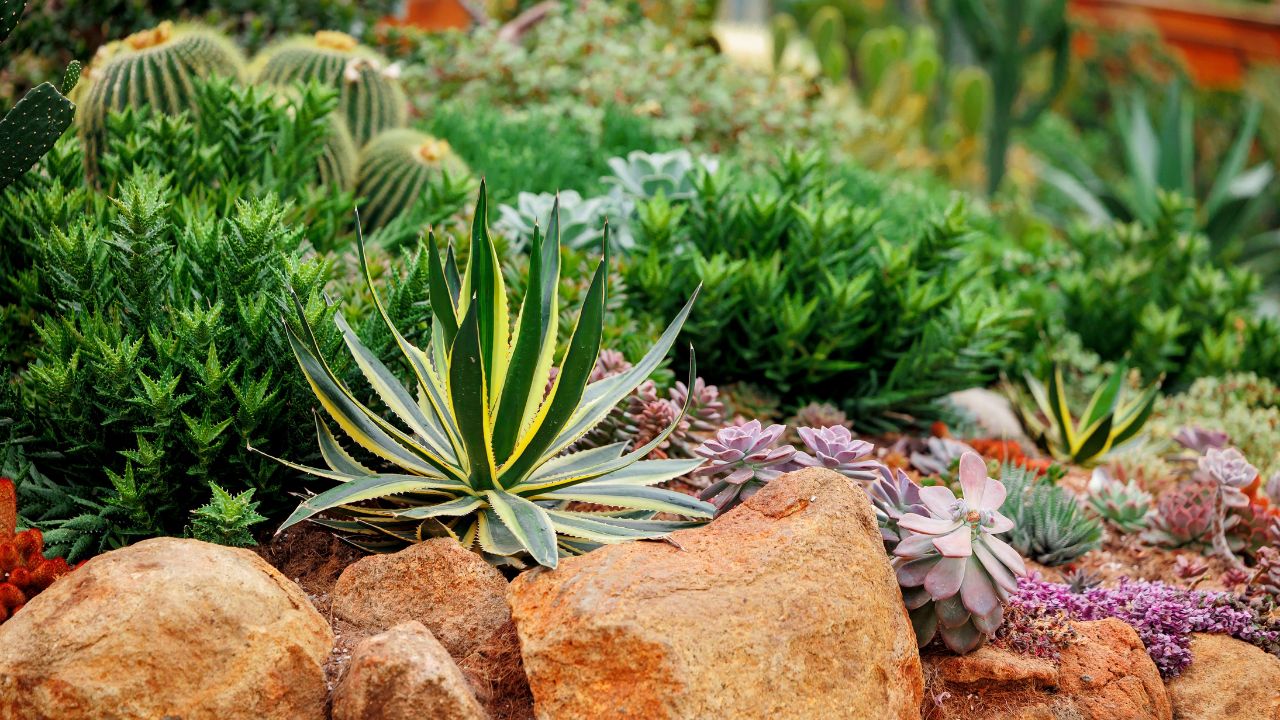
Here are 8 drought-resistant perennials worth planting. Start with one or two and let them do what they were built to do.
1. Yarrow
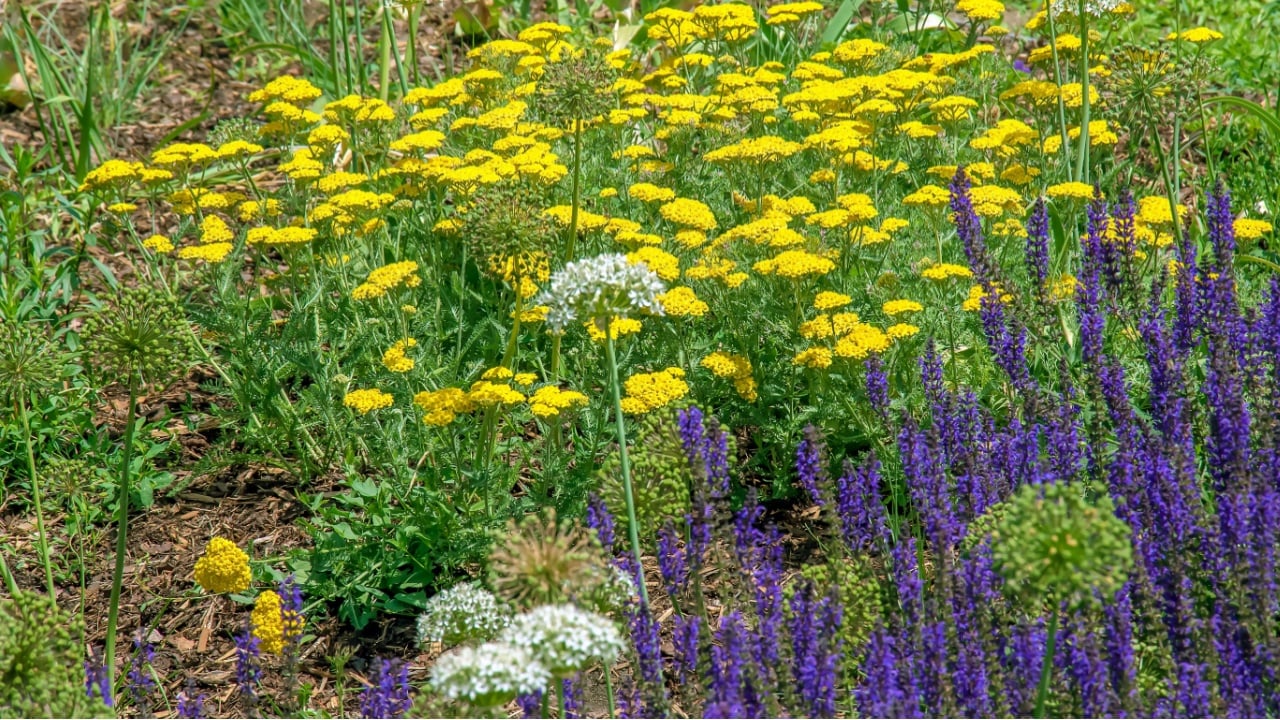
Yarrow (Achillea millefolium) is one of the toughest perennials in existence, and it thrives in poor soil that would defeat most other plants.
Laura Janney, CEO of The Inspired Garden Masterclass, notes in Martha Stewart that yarrow spreads freely and can be divided every few seasons, giving you entirely new plants at no cost. A single $8 nursery pot can fill a border in two or three growing seasons without buying a single additional plant.
Yarrow resists deer and rabbits, blooms in a remarkable range of colors from creamy white to deep magenta, and its feathery flowers make beautiful cut arrangements. The mistake gardeners make is planting it in rich, amended soil; yarrow fed too well grows floppy and flowers less.
2. Lavender
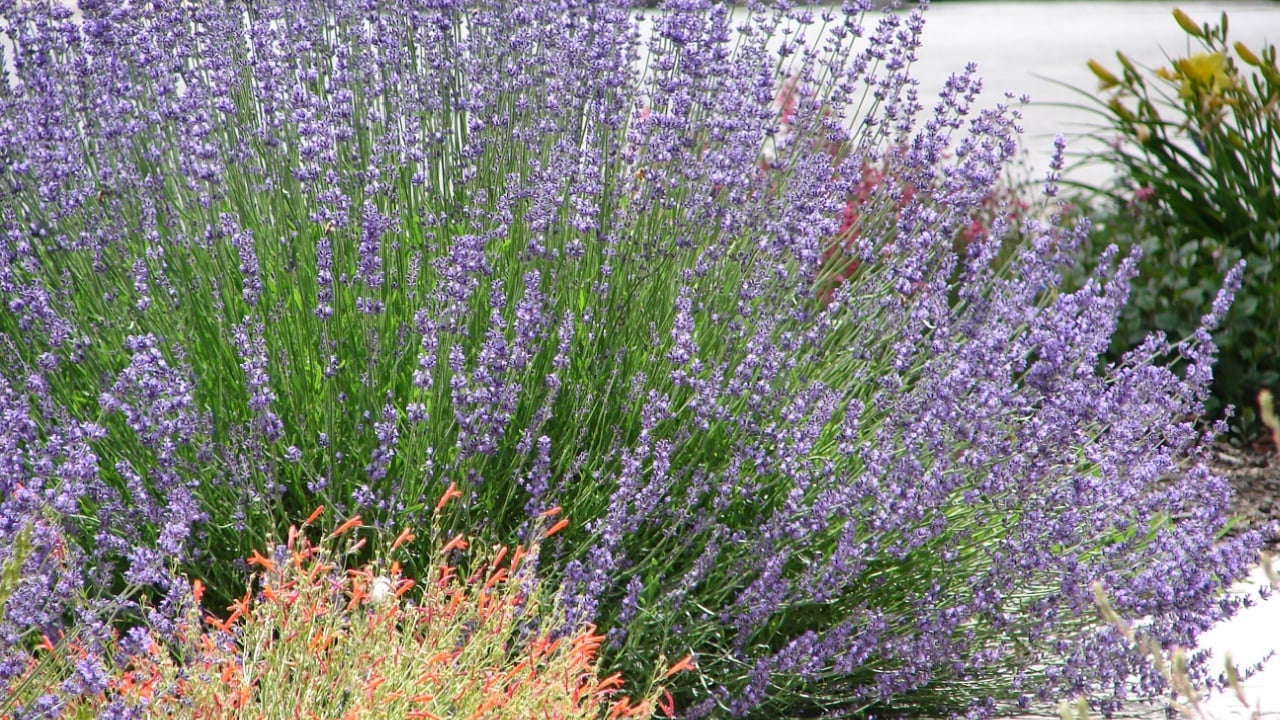
Native to the rocky, sun-baked Mediterranean basin, lavender has been handling drought for millennia.
Ondrea Kidd, flower expert and owner of Sowing Joy Farm, is direct about the most common error in Martha Stewart: “Overwatering can lead to root rot, and lavender does not need much for fertilizing.” Both French and English varieties handle dry conditions beautifully; the key is excellent drainage and the restraint to step back after the first season.
Gardeners who grow their own lavender also skip paying $6 to $10 per bundle at the farmer’s market. Once established, a single plant produces enough for sachets, arrangements, and culinary use all summer long.
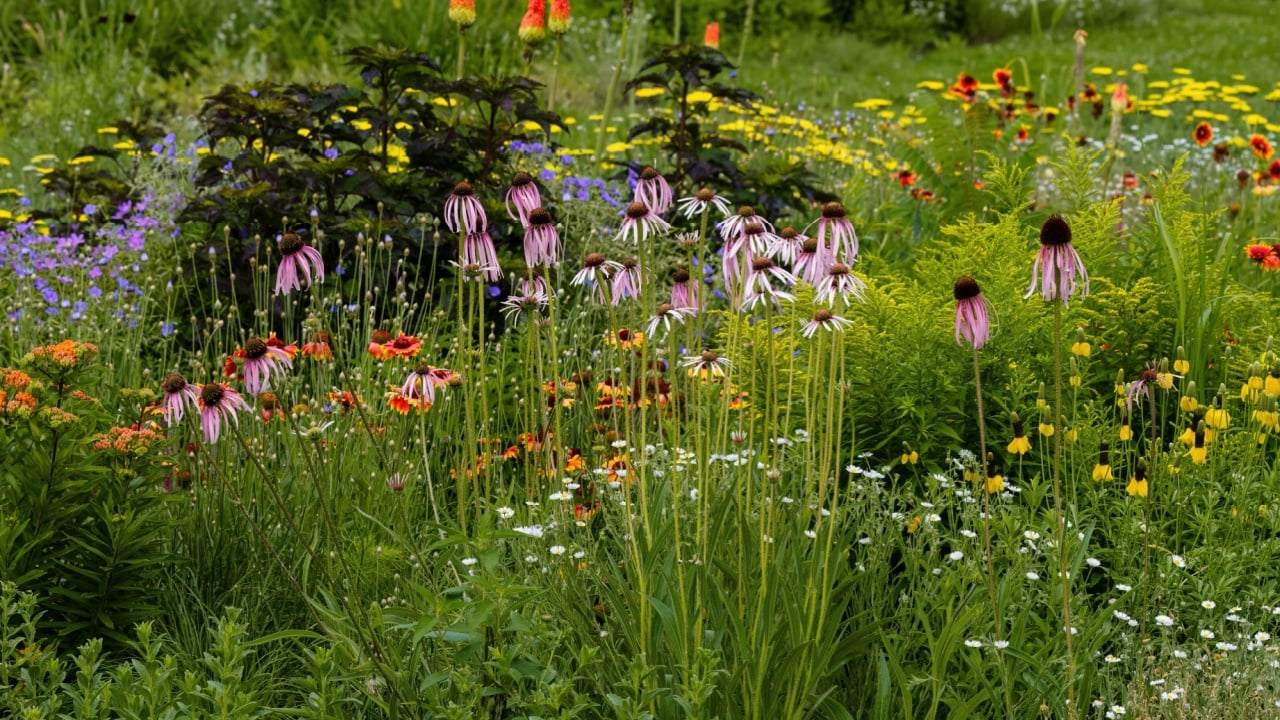
3. Echinacea
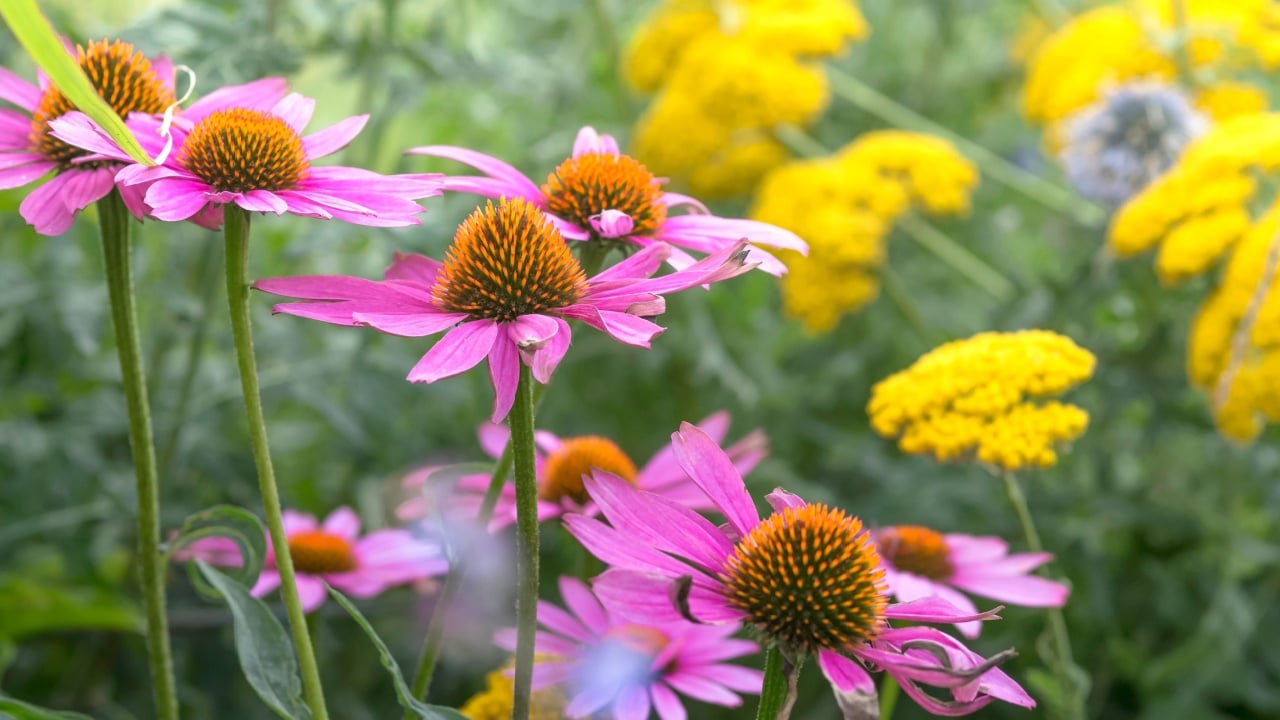
Purple coneflower (Echinacea purpurea) is one of the most broadly adapted North American natives available to home gardeners.
Rebecca Sears of Ferry-Morse Seed Company explains in Martha Stewart that after its first season, when it needs about an inch of water per week, Echinacea requires minimal watering and no fertilizer. Leave the seed heads standing in autumn, and they become a critical food source for goldfinches and other birds through winter.
Echinacea tolerates heat, humidity, poor soil, and prolonged dry spells. It has been used in herbal remedies for centuries, and today it comes in dozens of cultivated colors from coral to deep crimson, making it as versatile as it is tough.
4. Russian Sage
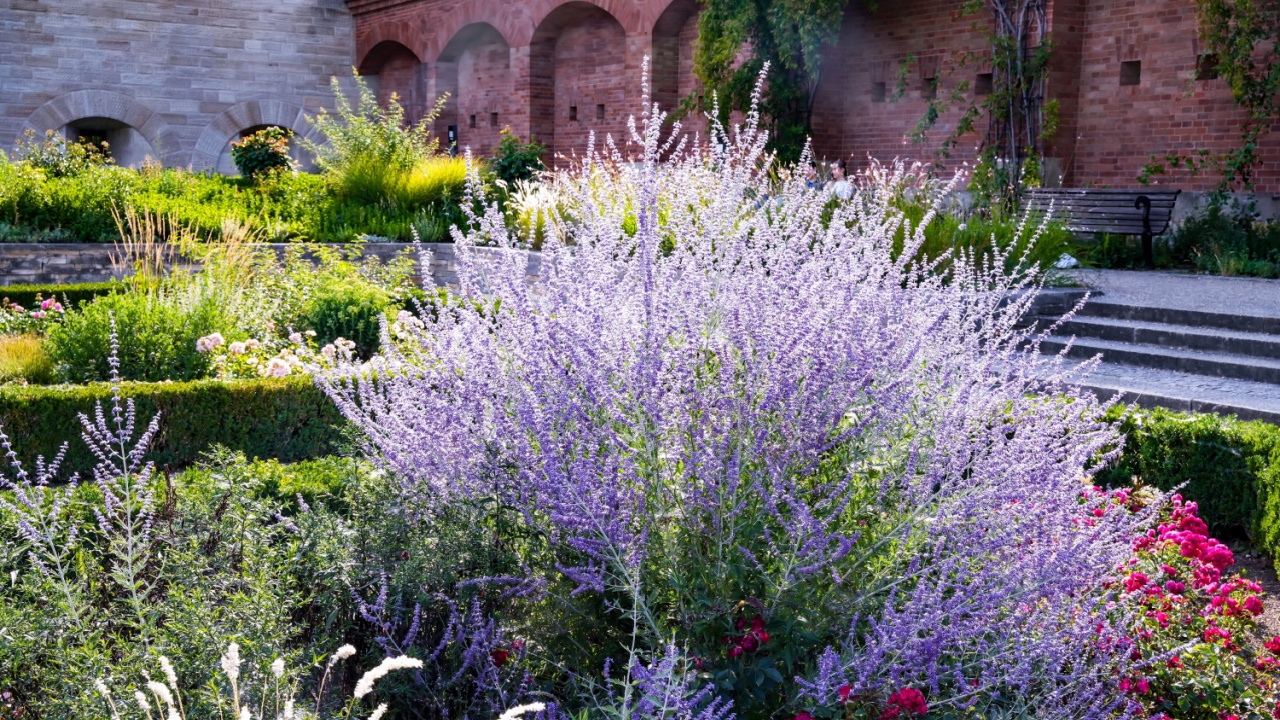
Russian sage is one of the most underrated perennials in dry-climate gardening, and also one of the most frequently ripped out by impatient gardeners who mistake its slow spring emergence for failure. It is not dead; it is simply one of the last perennials to leaf out in spring, and the wait is worth it. By midsummer, its billowing plumes of silvery-blue flowers create a soft, luminous backdrop that pollinators adore.
Once established, its deep roots draw moisture from well below the soil surface, meaning it needs essentially no supplemental water. Nursery professionals rarely advertise this, but Russian sage will actually underperform in rich, moist soil; its drama belongs in a dry bed.
5. Catmint
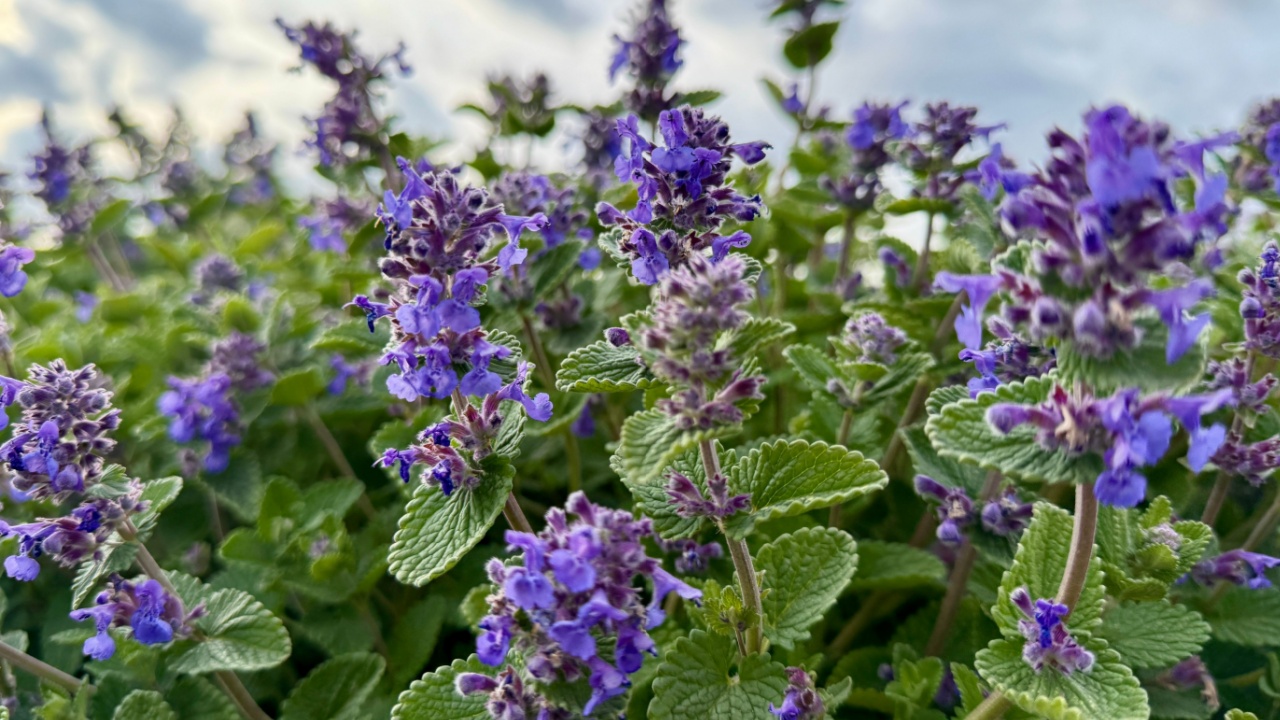
Catmint is what lavender looks like when it is genuinely carefree.
Lucie Bradley, gardening expert at Easy Garden Irrigation, calls it “very low maintenance, yet brings a lot of benefits to your garden” in Martha Stewart — an understatement for a plant that blooms from late spring through late summer, deters deer and rabbits, attracts bees and butterflies, and asks for almost nothing in return.
The insider trick is to cut the plant back by about half after its first bloom flush to trigger a second, often even showier round of flowers. Do not water it into the ground. Catmint’s fragrant grayish-green foliage holds its color even through dry spells, making it one of the most reliable border plants available.
6. Sedum
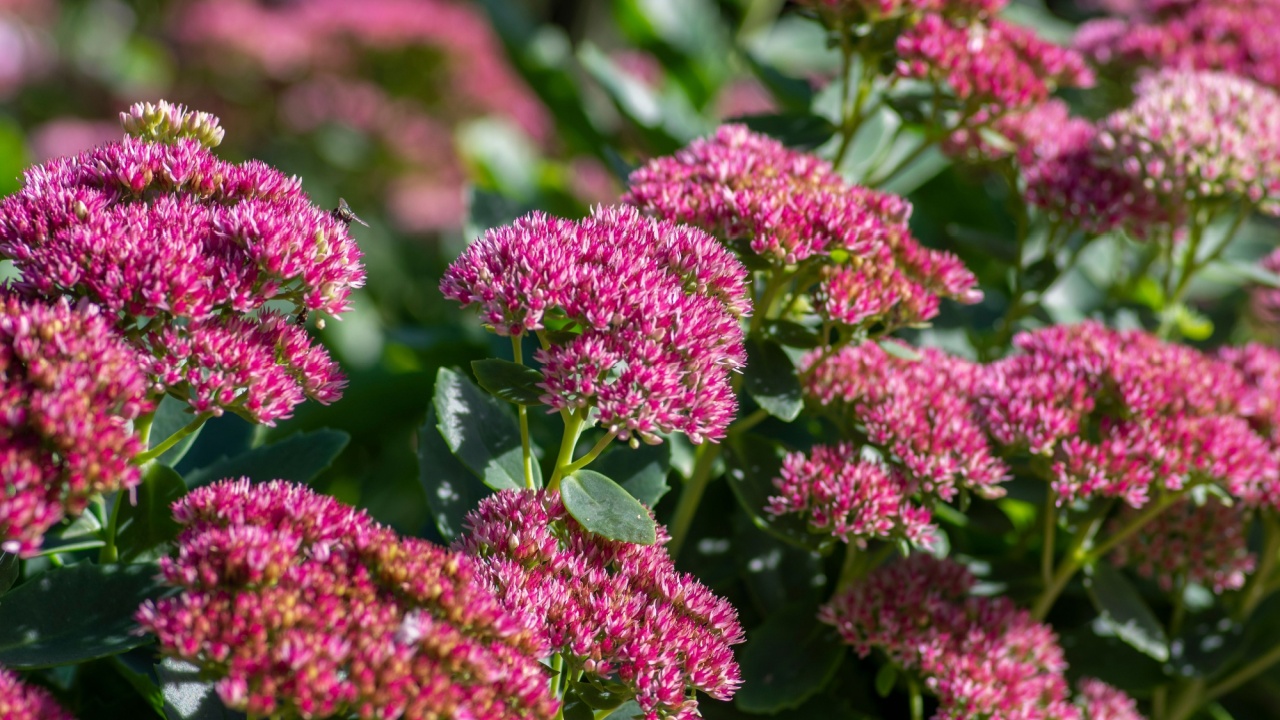
For gardeners who are rethinking how much physical labor they want to spend on their yard, sedum (stonecrop) is the single most practical perennial available. Its fleshy leaves store water internally; it thrives in poor to medium soil without fertilizing; and it rewards absolutely minimal care with months of color and pollinator activity.
Sedum is also incredibly easy to divide: you simply dig off a piece and replant it, giving you free plants indefinitely. Varieties like ‘Autumn Joy’ and ‘Purple Emperor’ look beautiful from midsummer well into fall, and even their dried winter forms add structure to the garden. No watering schedule required.
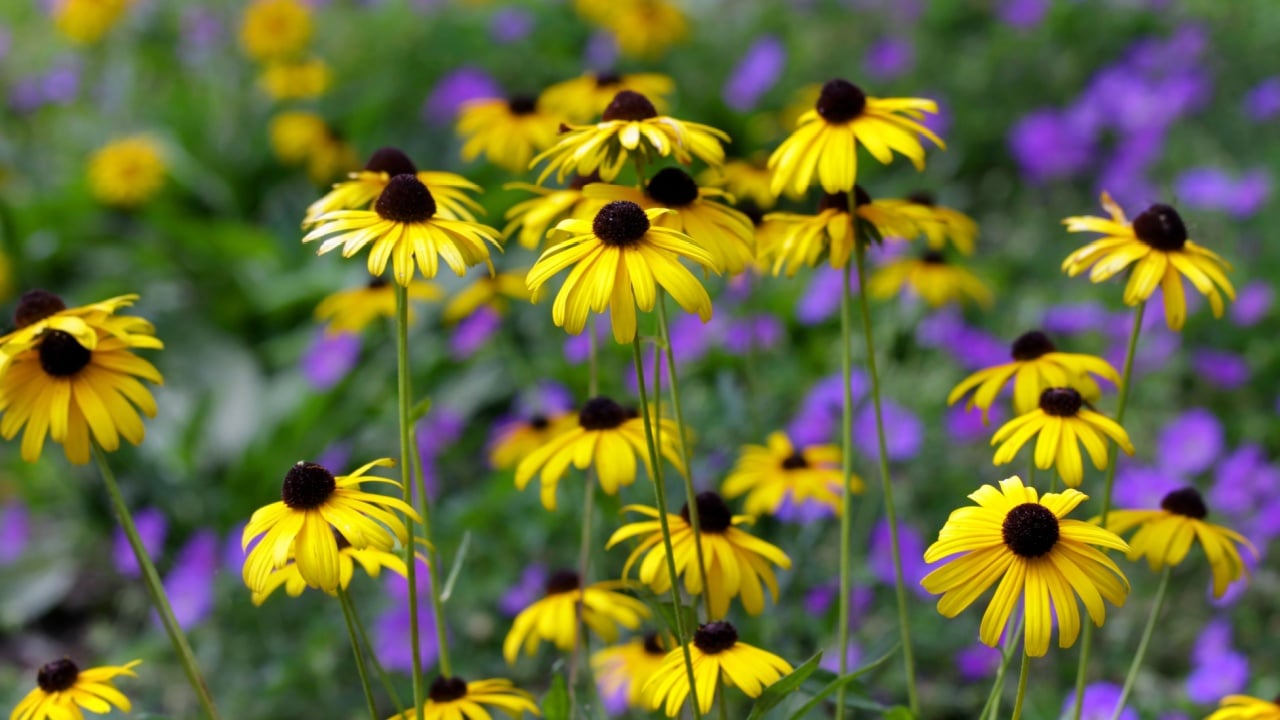
7. Black-Eyed Susan
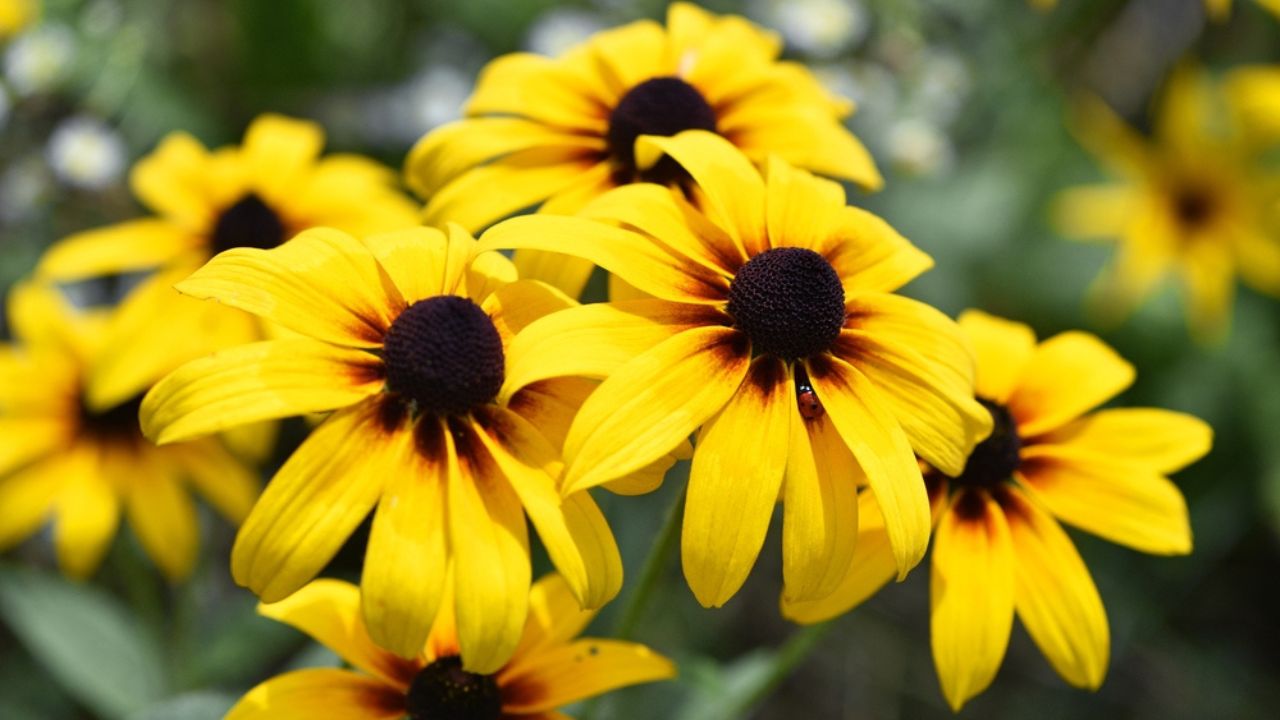
If you have ever seen black-eyed Susan growing along a highway median with zero supplemental water, blooming cheerfully in August heat, you already understand what this plant is capable of. It is a native North American wildflower that Cross Creek Nursery describes as “perfectly adapted” to surviving long dry spells, because it evolved to do exactly that.
Once past its first season, it requires essentially no irrigation, blooms through the first light frosts of fall, and serves as a host plant for several butterfly species. It makes excellent cut flowers and can be started from seed for just a few dollars, making it one of the best returns in the low-water garden.
8. Sea Holly
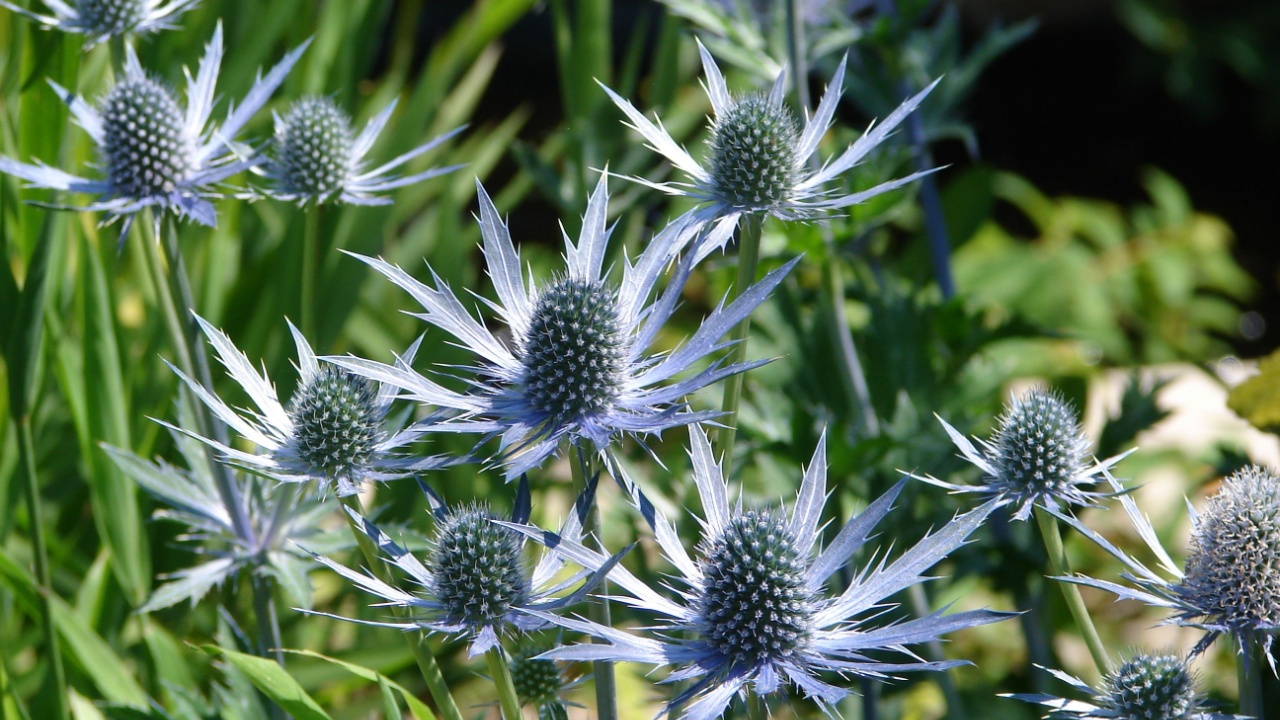
Sea holly is the counterintuitive crown jewel of drought-tolerant gardening.
Its striking, metallic blue, cone-shaped blooms are packed with nectar and irresistible to bees and butterflies, and if left standing into winter, its dried seed heads feed birds through the cold months.
The interesting thing about sea holly is that it actively suffers from too much care. Lucie Bradley of Easy Garden Irrigation warns explicitly in Martha Stewart that “if you overfeed it, sea holly will flower less, and the plants will flop over.” It thrives in poor, dry soil and will even perform in exposed, windy areas where most plants fail.
Neglect is not a mistake with sea holly; it is the strategy.
The One Rule That Makes All 8 of These Plants Work
Every drought-resistant perennial on this list shares one non-negotiable requirement: it must be watered consistently during its first growing season. Not deeply every day, but regularly enough for roots to anchor and grow downward.
After that establishment period, the University of Massachusetts Extension recommends watering early in the morning only when the soil is dry, and grouping plants with similar water needs together so you are never accidentally over-irrigating your drought-tolerant bed.
A 2 to 3 inch layer of mulch over the root zone conserves moisture, moderates soil temperature, and dramatically reduces how often any of these plants need attention.
The Garden That Takes Care of Itself
The real villain in most dry-season gardens is not the heat nor the lack of rain. It is the habit of treating every plant as if it wants the same amount of attention.
These 8 perennials were built to thrive on less; the best thing you can do is plant them well, water them through their first season, and then largely leave them alone. The Old Farmer’s Almanac has known for decades what gardeners are only now rediscovering: the most resilient gardens are the ones that work with the climate rather than against it.
Start with one plant this year. Learn its rhythm, and then let the rest of your yard catch up.
Read more:
Direct Sow These 9 Seeds in June Before the Window Closes for Good
June Is National Pollinator Month. Are You Accidentally Harming the Bees You Want to Help?