Sick of Toxic Toilet Bowl Cleaner? Try This Viral DIY Cleaner
Most people never read the back of their toilet bowl cleaner bottle. If they did, they would find a list of chemicals lingering in a small, poorly ventilated room.
These are not minor concerns. Regular exposure to some of these ingredients has been linked to respiratory irritation, skin sensitivity, and even hormonal disruption. Commercial cleaners are built to look impressive on a shelf and smell powerful in use.
What they are not built for is the health of the people using them every week, or the pipes and septic systems those harsh chemicals flow into after each flush. A Facebook post from The Windy Homestead, Wyoming, drew 216 comments and a lot of interest for sharing a two-ingredient DIY toilet bowl cleaner that actually works.
This article breaks down that recipe, explains the science behind it, and shares how to store it properly.
What Commercial Toilet Cleaners Actually Contain
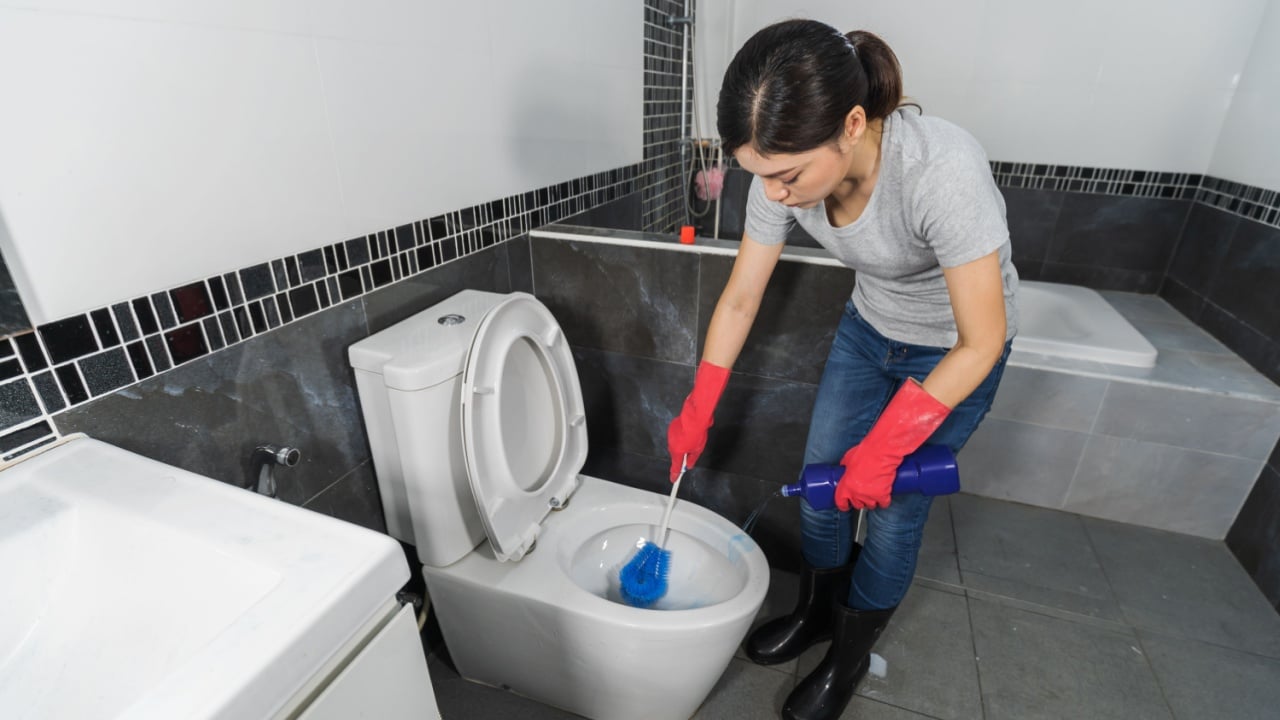
The active ingredient in most commercial toilet bowl cleaners is hydrochloric acid, which is effective at dissolving mineral deposits and killing bacteria. The problem is that it also releases chlorine gas when it reacts with other common cleaning products. It can irritate the lining of the lungs with repeated inhalation.
Synthetic fragrances added to mask the chemical smell contain their own set of undisclosed compounds, many of which are classified as volatile organic compounds.
Beyond personal health, these cleaners affect water systems. When they flush into septic tanks, they can kill the beneficial bacteria that break down waste.
Municipal water treatment systems do filter for many contaminants, but the cumulative load from millions of households adds up. Switching to a non-toxic cleaner is a small act with a measurable downstream benefit.
Why Baking Soda and Citric Acid Work
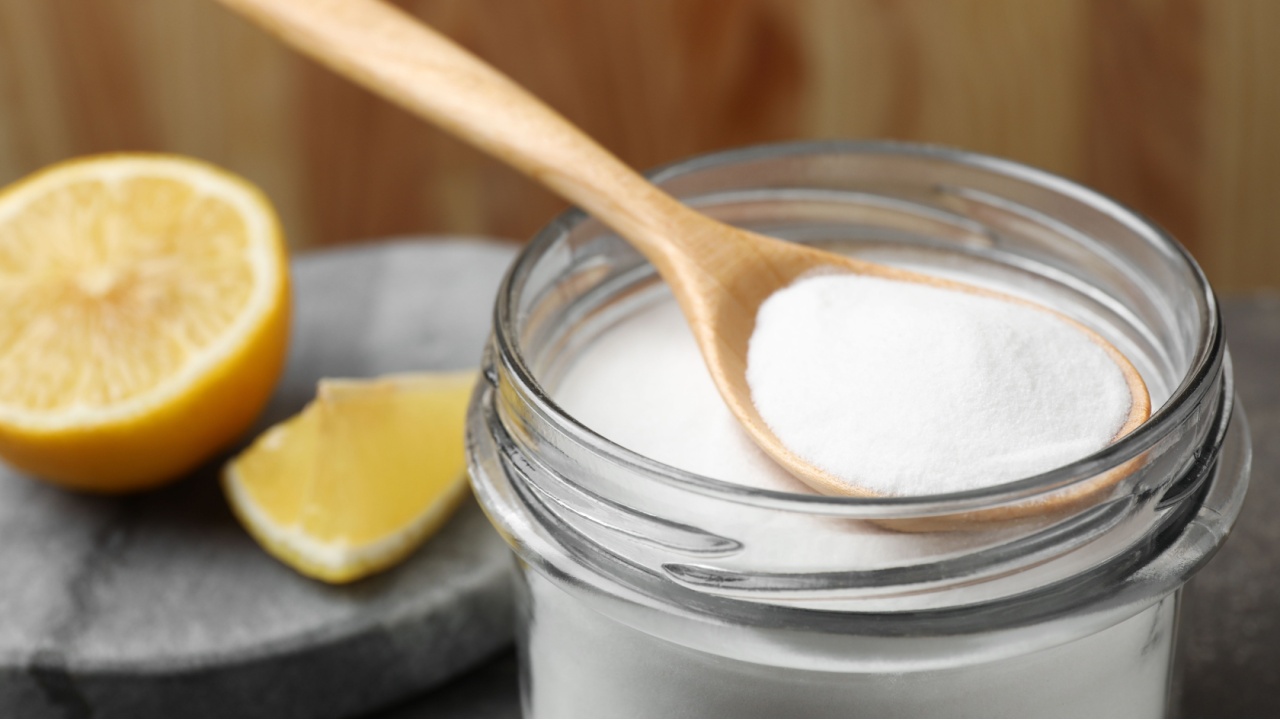
Baking soda is mildly abrasive and naturally deodorizing. It lifts surface stains and neutralizes odors without scratching porcelain.
Citric acid, found naturally in citrus fruits, is a weak organic acid that dissolves mineral deposits, limescale, and rust stains efficiently. Together, they create a fizzing reaction that helps loosen buildup in the bowl while releasing no harmful gases and leaving no toxic residue.
This combination has been used in food preparation and natural cleaning for decades. Citric acid is also biodegradable and safe for septic systems, which makes it a genuinely practical choice for households on well water or private septic systems.
The Windy Homestead Recipe
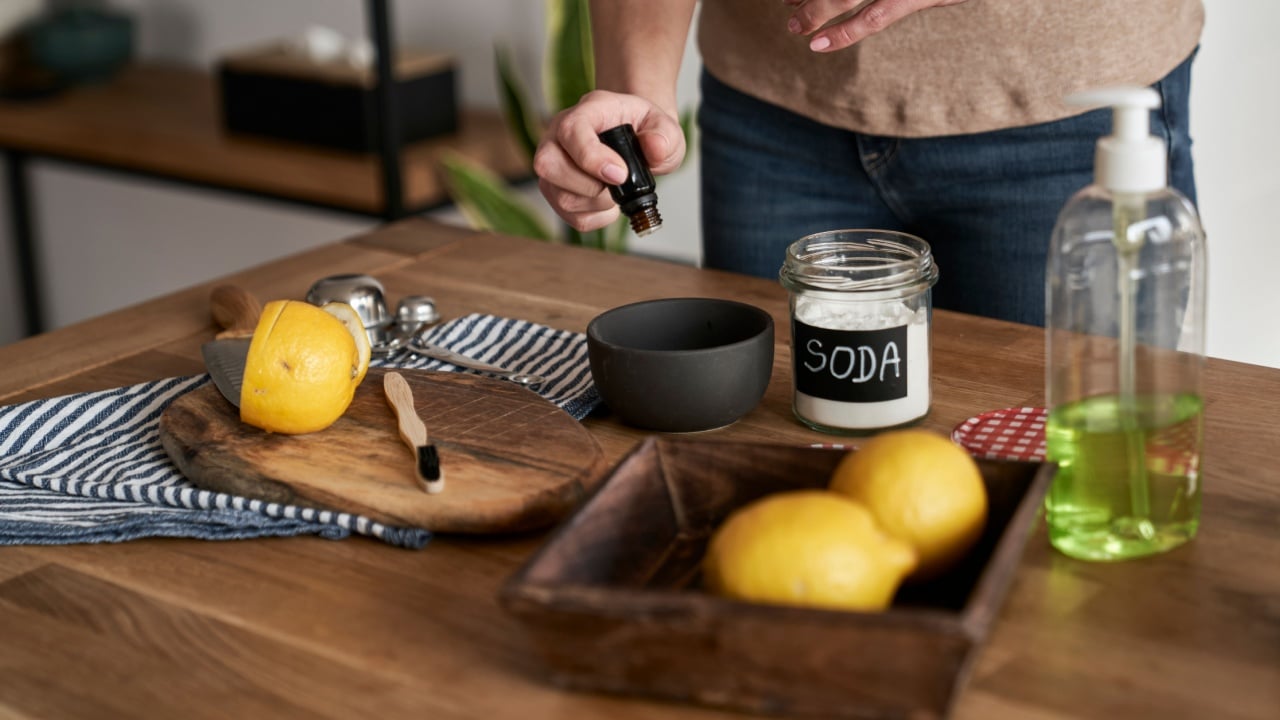
The recipe shared by The Windy Homestead, Wyoming, calls for one cup of baking soda, one quarter cup of citric acid, and ten drops of essential oil if you want a light scent.
Mix the dry ingredients first, then add one tablespoon of water very slowly to bring the mixture together without triggering a premature fizzing reaction.
Press the damp mixture firmly into a silicone mold or ice cube tray, then leave it to air dry for 24 to 48 hours before popping the tabs out.
Once dry, store the tabs in an airtight jar away from humidity. They keep well for up to two months. Drop one tab into the toilet bowl, let it fizz for a few minutes, then scrub and flush.
For lavender scent, use lavender essential oil. For extra antibacterial properties, tea tree oil works well and pairs cleanly with the citric acid base.
The Powder Version for Humid Climates
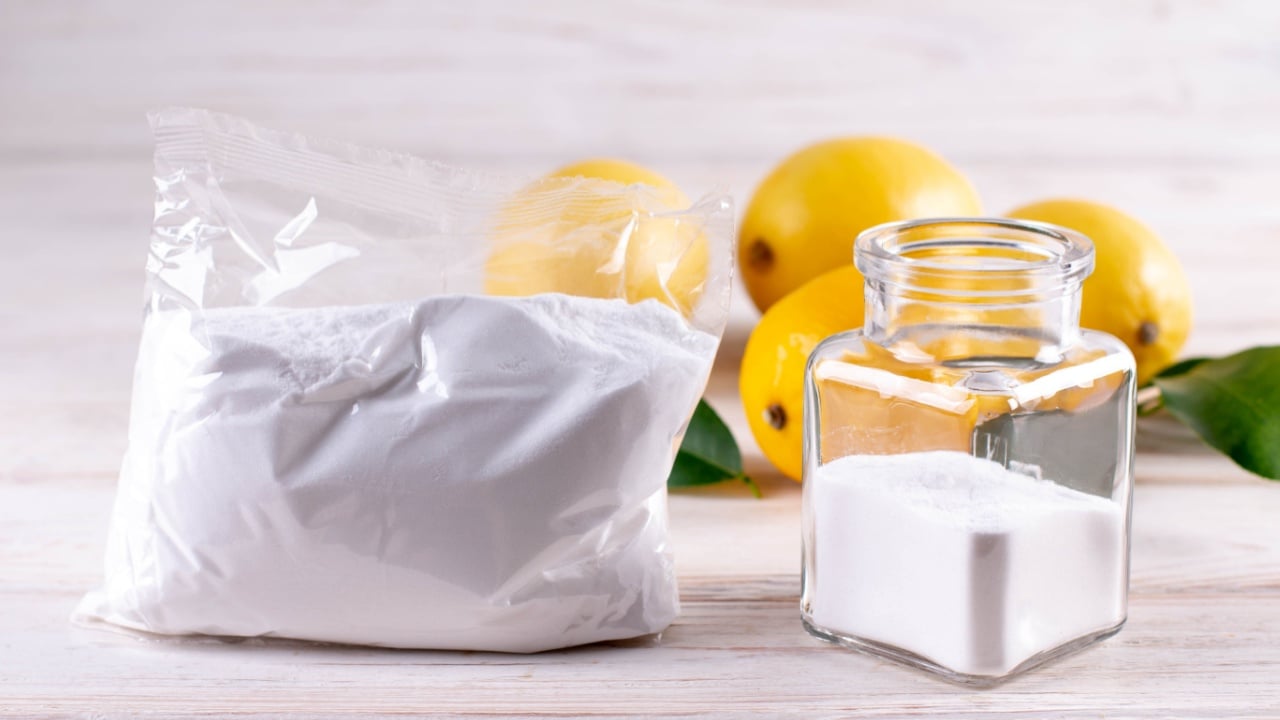
If you live somewhere humid, pressed tabs may absorb moisture from the air and start fizzing in the jar before you even use them. The powder version skips the moulding step entirely.
Simply combine the baking soda and citric acid in a dry glass jar, seal it tightly, and store it in a cool, dry cabinet. Sprinkle a few tablespoons into the bowl, let it sit, then scrub.
A labeled glass jar makes it easy to identify and use. This version is also easier to adjust for stronger cleaning needs since you can use more powder on particularly stained bowls without wasting a whole tab.
The Denture Tab Trick
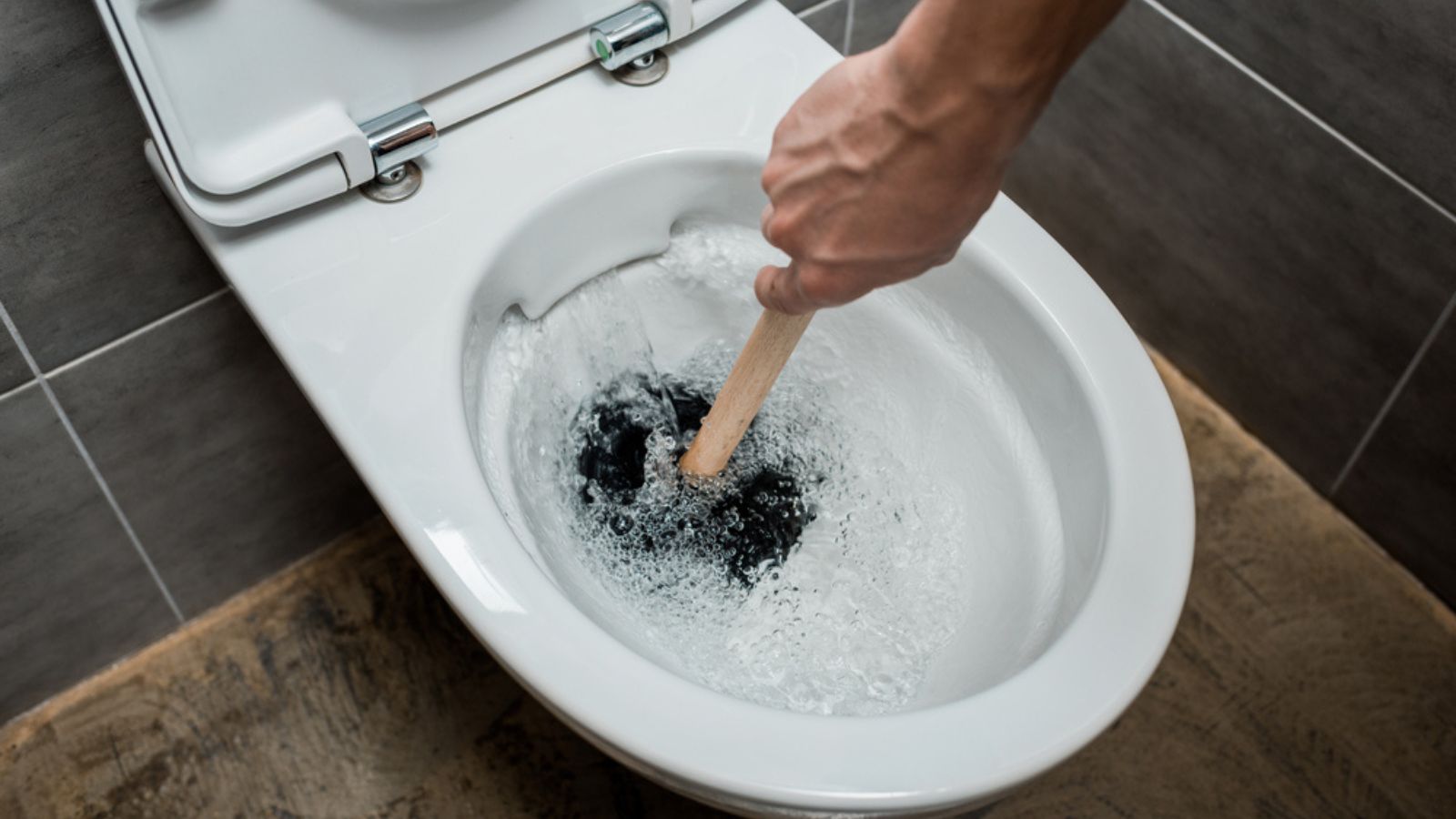
One commenter on The Windy Homestead post pointed out that denture cleaning tablets do a similar job with almost no effort. Drop two tablets into the toilet bowl or tank, let them dissolve, and flush.
They are designed to break down mineral deposits and biological buildup, which accumulate in a toilet bowl and tank over time.
Denture tabs are widely available, inexpensive, and individually wrapped, making them easy to store and use without measuring. They work especially well for the toilet tank, where mineral deposits can interfere with the flush mechanism.
Ultimately, you don’t have to settle for harsh chemicals for a sparkly clean toilet bowl.
Read More:
15 Design Flaws That Are Making Your Bathroom Impossible to Keep Clean
12 Things Professional Cleaners Recommend Never Doing at Home