7 Things No One Actually Needs for Their Garden
Every new season brings a rush of excitement to plant new seeds and prepare the soil. Retailers line their shelves with bright packaging that promises perfect blooms and massive vegetable harvests.
You might find yourself tossing numerous gadgets and colorful bottles into your shopping cart. This enthusiasm frequently leads to cluttered storage sheds filled with unused products.
Plants have grown successfully in nature for millions of years with very minimal intervention. They fundamentally require good soil, adequate sunlight, and appropriate amounts of water to survive and grow strong.
Creating a beautiful outdoor space does not require buying every modern tool or chemical treatment available today. Here are seven popular products you can confidently skip during your next trip to the nursery.
1. Fancy Watering Gadgets
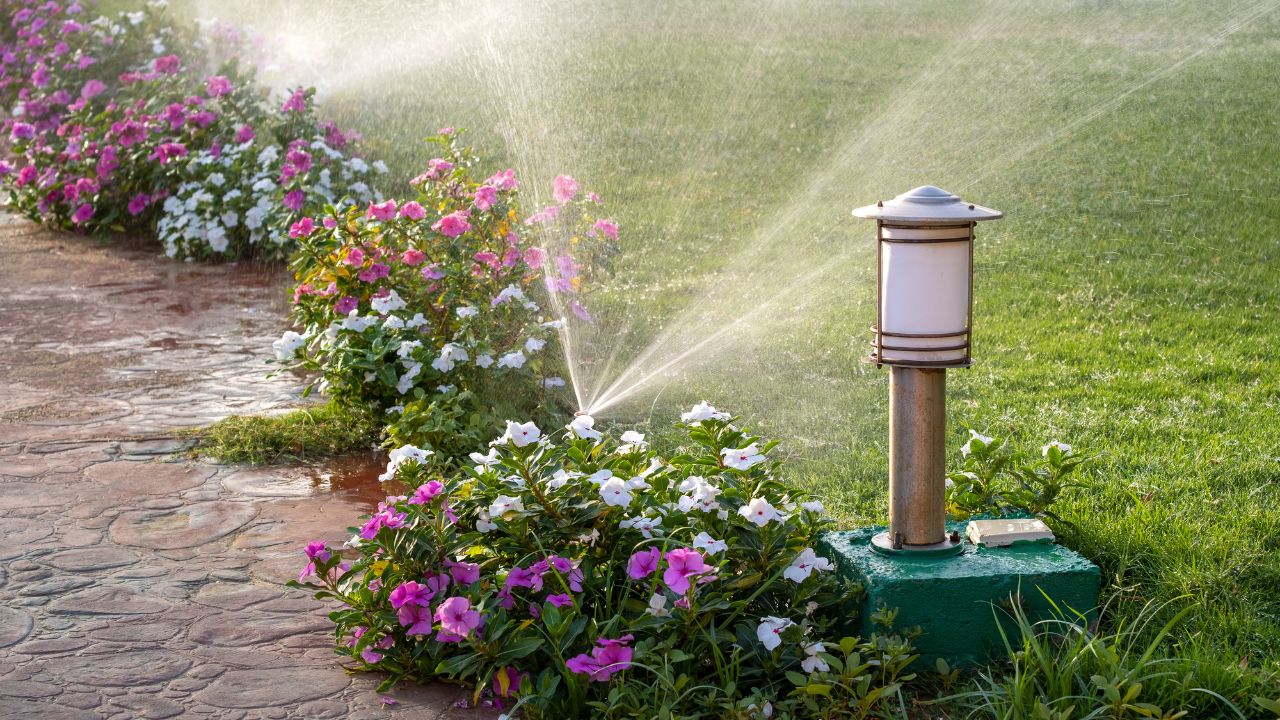
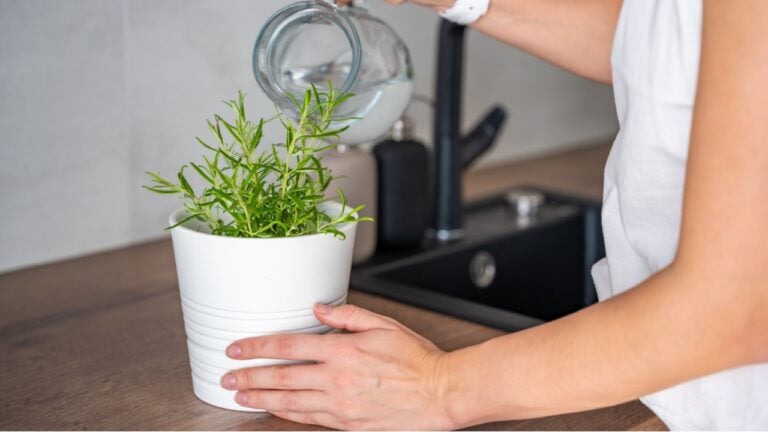
High-tech sprinklers and automated watering tools frequently break down; experts say they need to be checked at least twice a year. Complex timers with digital displays often malfunction when exposed to rain and summer heat.
Some manufacturers design these items with cheap plastic components that crack under water pressure. A traditional metal watering can or a standard rubber hose performs the identical job with much higher reliability.
While it may take more time, learning to water by hand allows you to observe your plants closely and spot potential disease early. Drip irrigation systems made from simple perforated hoses deliver moisture directly to the roots very effectively.
A manual approach prevents overwatering and protects delicate seedlings from aggressive sprinkler sprays. You save money immediately while giving your plants the exact amount of moisture they require.
2. Expensive Soil Boosters
Store shelves feature many pricey packets claiming to inject beneficial fungi directly into your garden beds. Studies show that these packaged microbes rarely survive the long journey from factory to retail store.
The fungi already present in your yard are naturally adapted to your local climate. Adding store-bought microbes does not offer much benefit to your soil.
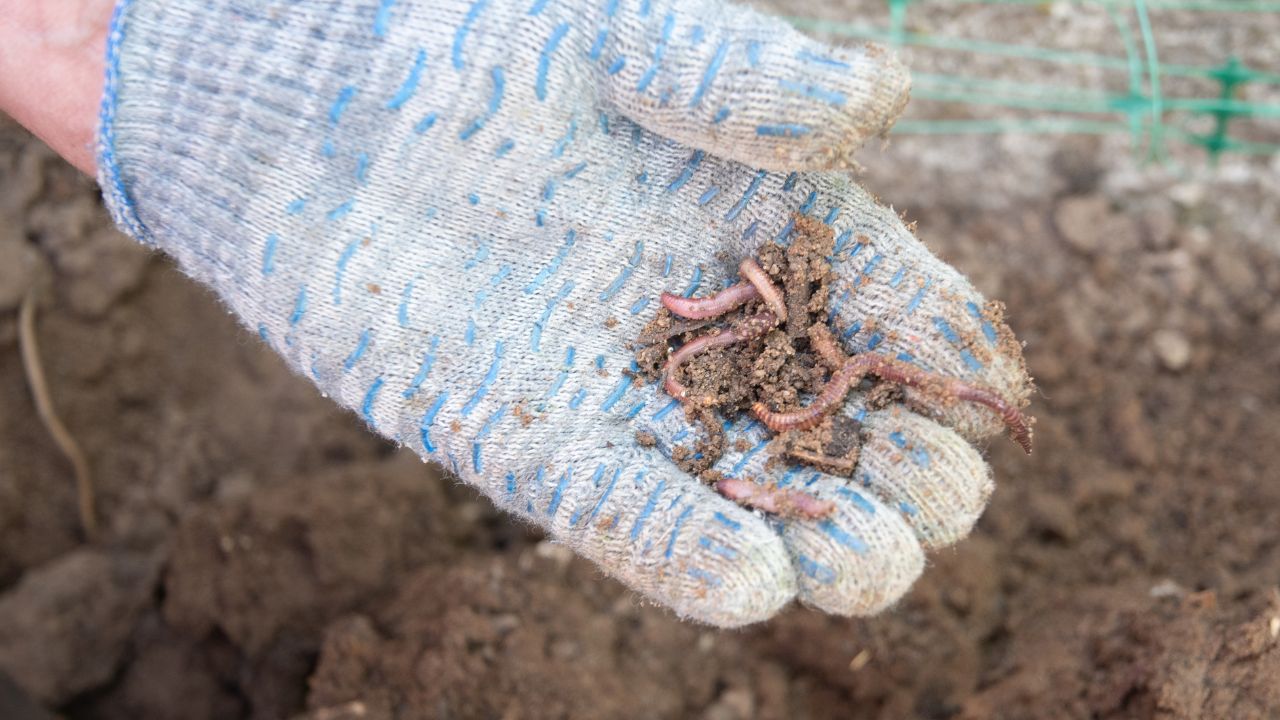
You can improve soil quality significantly by adding homemade compost and aged organic matter. Decaying leaves and kitchen scraps break down naturally, providing incredible nutrition for all plant roots.
Earthworms will naturally arrive to aerate the ground and process organic material for free. This natural method builds a rich foundation for healthy growth year after year.
3. Pretty Plant Supports
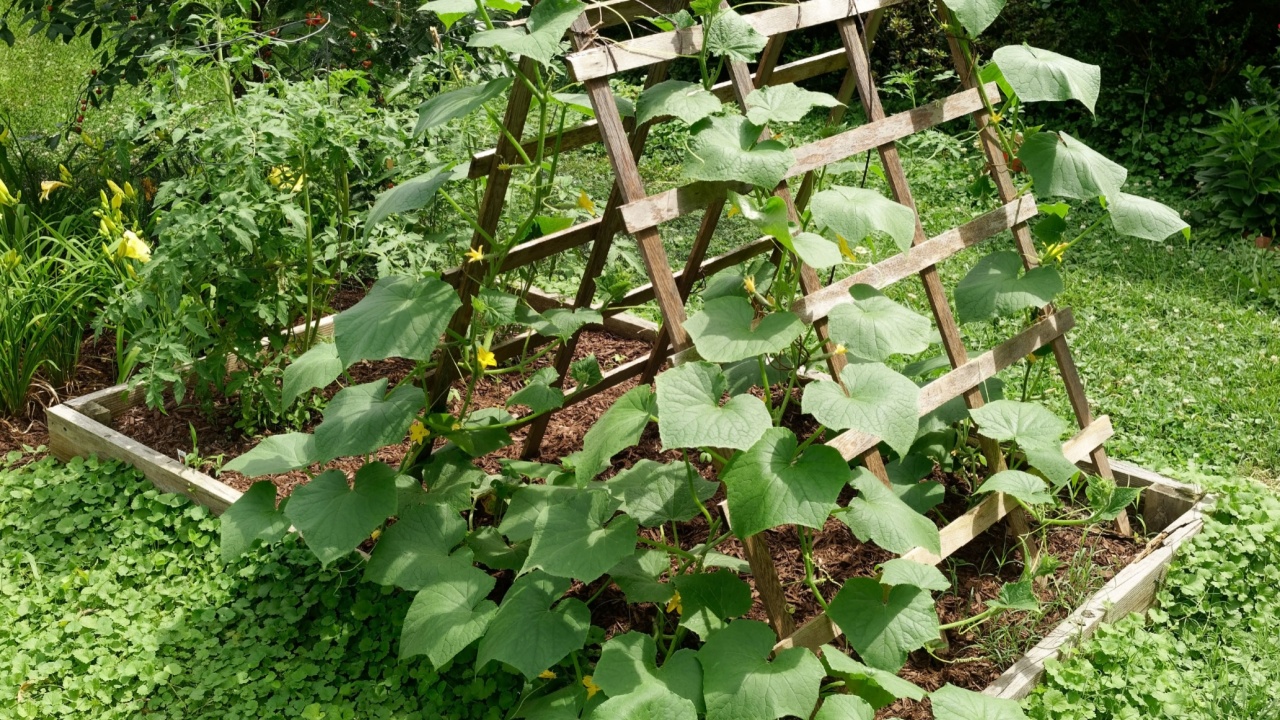
Decorative trellises covered in ornate metalwork often bend or snap under the weight of mature vines. Flimsy wire cages marketed for tomatoes routinely collapse halfway through the summer growing season.
These aesthetic pieces look attractive in the store but lack the structural integrity needed to support heavy plants. A strong gust of wind can easily topple these fragile structures and ruin your entire harvest.
Building your own trellis from sturdy wooden stakes or heavy metal fencing offers a much better solution. Thick wooden posts driven deep into the ground withstand massive storms and support massive fruit yields.
Bamboo poles tied together with heavy twine create inexpensive and incredibly strong structures. Function must always take priority over appearance when supporting heavy vegetable varieties.
4. Moisture Retaining Crystals
Synthetic polymer crystals are designed to absorb large amounts of water and release it gradually into the soil. They can modestly reduce watering frequency, but their effectiveness is limited during prolonged droughts or extreme heat.
These polymers break down when exposed to sunlight and soil microbes, and because they are not fully biodegradable, they may leave behind residues in the soil.
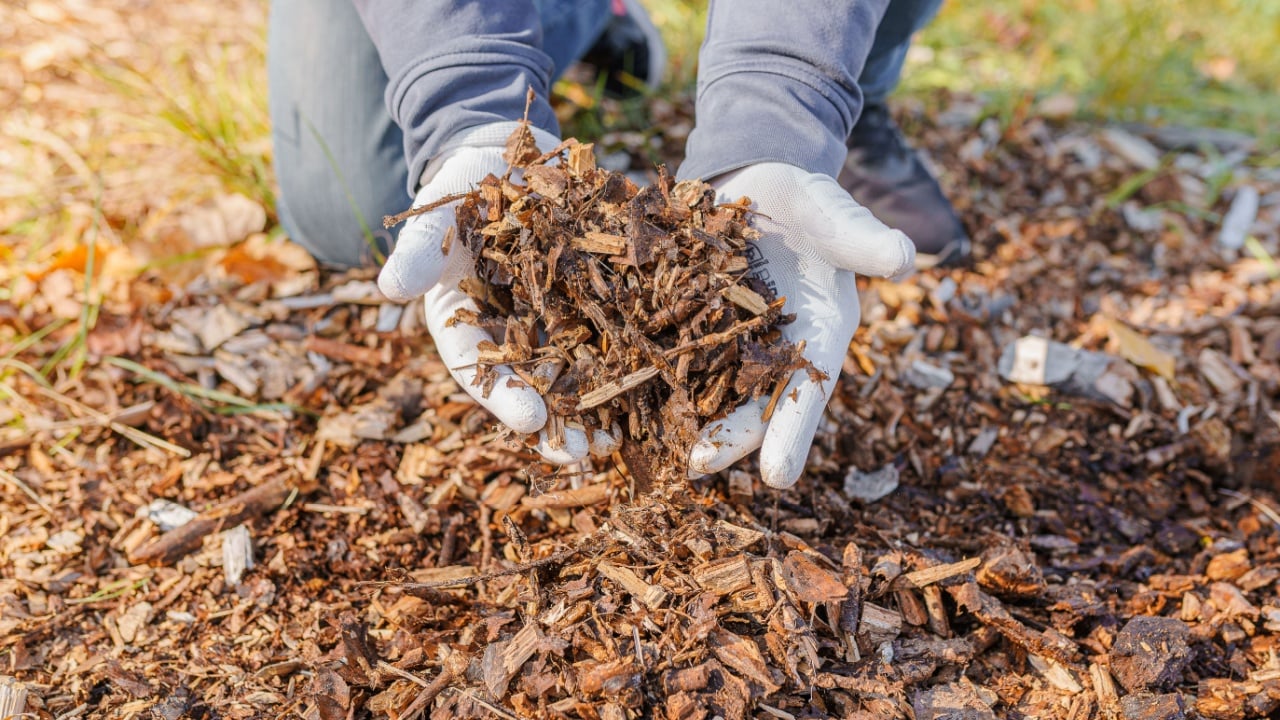
Applying a thick layer of organic mulch provides a vastly superior method for retaining ground moisture. Shredded bark or clean straw shades the soil surface and drastically reduces water evaporation.
The mulch breaks down slowly to feed the soil while blocking annoying weeds from sprouting. A good watering schedule, combined with proper mulch, eliminates the need for artificial polymer crystals.
5. Chemical Pesticides
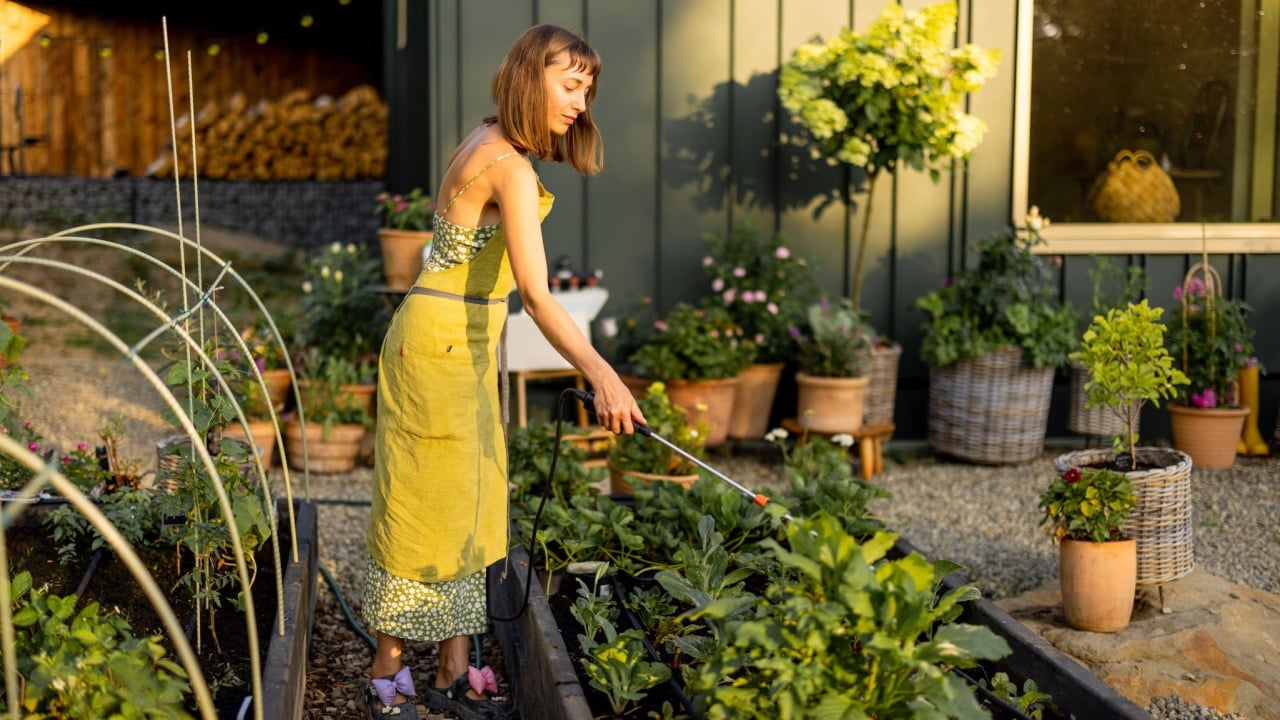
Broad‑spectrum chemical sprays don’t discriminate; they kill the good insects along with the pests. Ladybugs, bees, and other pollinators are often the first casualties when these formulas are used across a yard.
Many pest species quickly adapt to synthetic chemicals, which means they can return in larger numbers the following season. On top of that, residues from these sprays can wash into streams and ponds, where they pose risks to fish and other aquatic life.
Choosing gentler, targeted methods helps protect your garden’s balance and the surrounding environment.
Natural pest management offers a much safer and highly effective alternative for your backyard space. Planting diverse flower species attracts predatory insects that naturally hunt and eat the problematic bugs. Physical barriers like lightweight row covers protect young vegetables completely without any toxic sprays.
6. Specialty Plant Foods
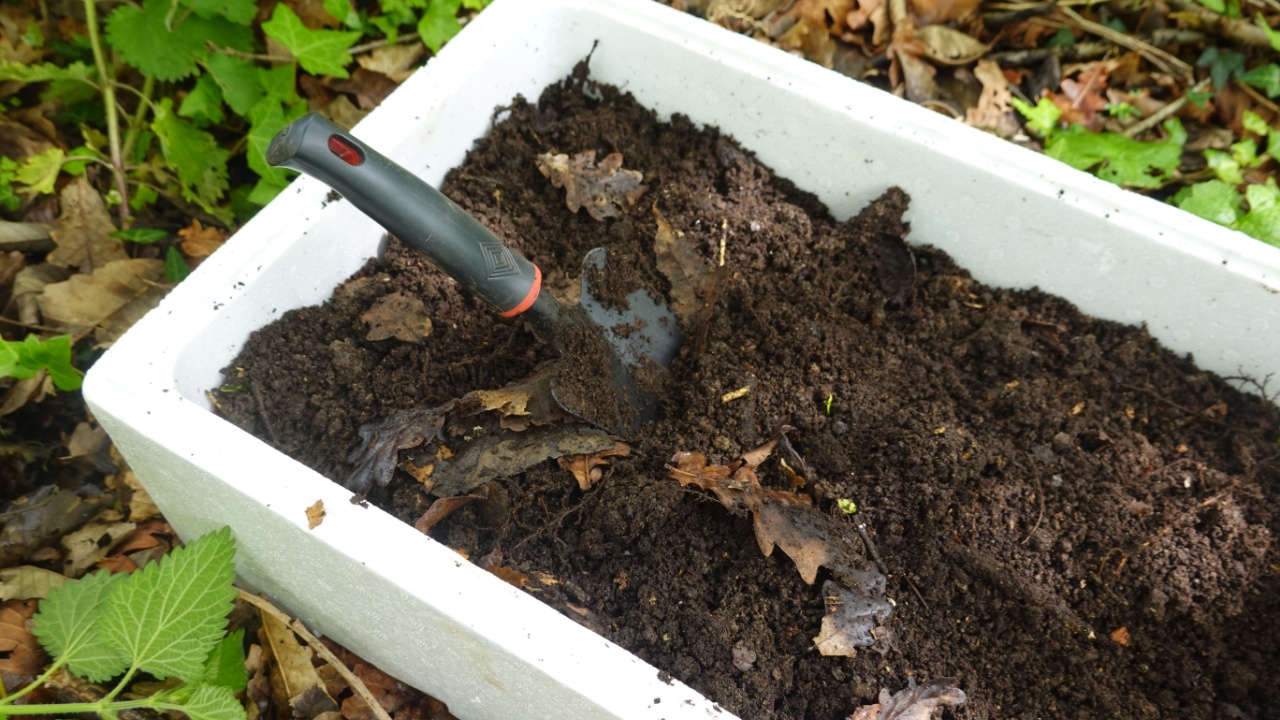
Specialty fertilizers marketed for specific plants, such as tomatoes or roses, are often packaged to look unique but usually contain the same essential nutrients found in general-purpose fertilizers. Plants absorb nitrogen, phosphorus, and potassium in the same way regardless of the label.
Purchasing different boxes for each plant species adds cost and confusion without providing extra benefit. A balanced, all-purpose fertilizer or compost is sufficient for most garden needs.
A balanced organic fertilizer provides complete nutrition for every single plant growing in your yard. Well-rotted compost applied early in the spring delivers a steady supply of essential minerals throughout the year.
Soil testing helps you identify specific deficiencies rather than guessing with expensive specialty blends. Simple nutrition leads to strong root systems and massive harvests without the marketing gimmicks.
7. Landscape Fabric
Black plastic weed barriers are marketed as a way to stop weeds, but they rarely deliver lasting results. Weeds can sprout in the soil and debris that collects on top of the fabric, rooting directly into the woven material and making removal difficult.
The barrier also blocks water and air movement, leading to soil compaction and creating poor conditions for beneficial organisms like earthworms. The soil beneath may become depleted and less fertile.
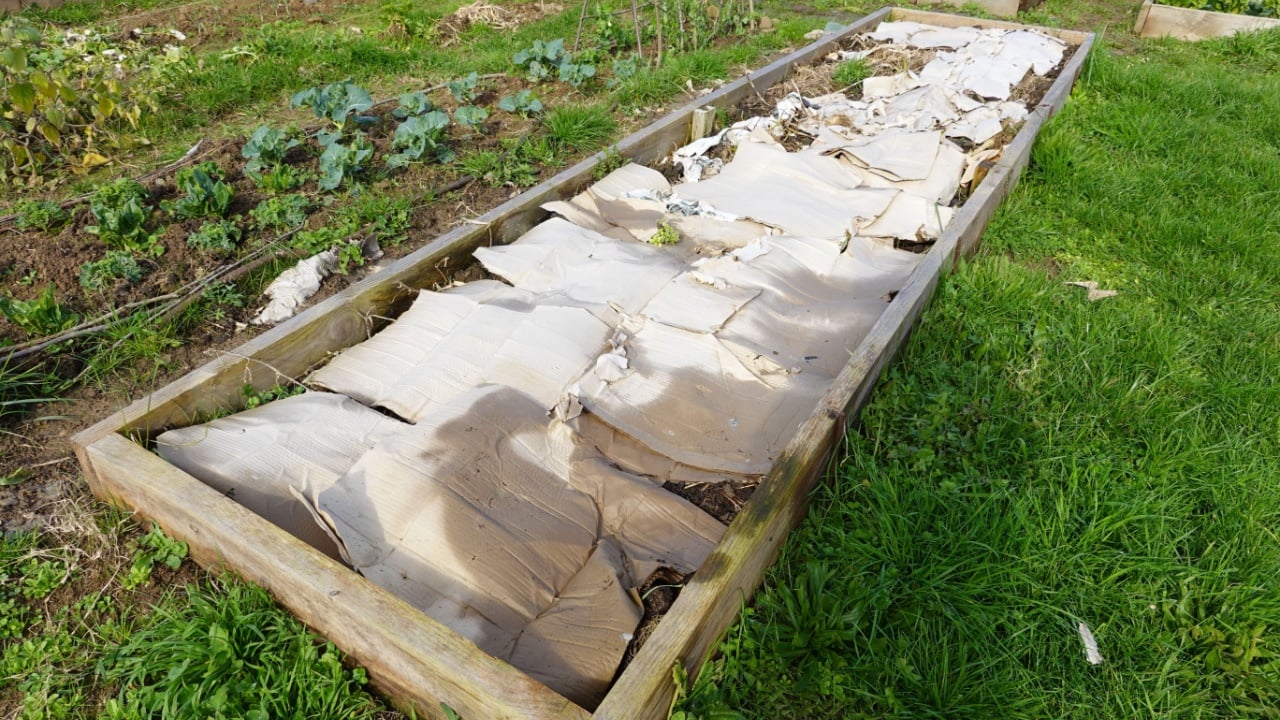
Using layers of plain cardboard covered with wood chips creates a much healthier barrier against weeds. The cardboard blocks sunlight perfectly and slowly decomposes, feeding the soil ecosystem.
You can easily add more chips each spring to maintain a clean and beautiful walking path. This natural method improves the ground quality while keeping maintenance efforts remarkably low.
A Greener, More Efficient Garden

Growing healthy plants relies entirely on basic biology rather than expensive commercial products. Skipping these unnecessary items leaves more money in your budget for high-quality seeds and native plants.
Nature already provides the most effective tools for building rich soil and managing garden pests. You will discover much more joy in the dirt when you simplify your approach entirely.
Read More:
11 Gardening Mistakes Accidentally Attracting Pests
6 Steps to Reviving Old Potting Soil and Make It Like New Again