
14 Tempting Household Items That Just Waste Money and Take Up Space
Walking through a home goods store can feel dangerous. Every aisle promises a simpler, faster, and cleaner life if you just buy one more plastic gadget.
But most of those shiny tools end up collecting dust in the back of a drawer, doing nothing but taking up space and making clean-up day harder. You deserve better than a cluttered kitchen and an empty wallet.
This list dives into 14 household items that often seem like great ideas but rarely deliver on their promises.
You will find practical reasons why these products are unnecessary and discover smart, often free, alternatives you likely already own. Saving money (and a ton of clutter) starts with recognizing what you do not need; some are more obvious than others.
1. The Banana Slicer
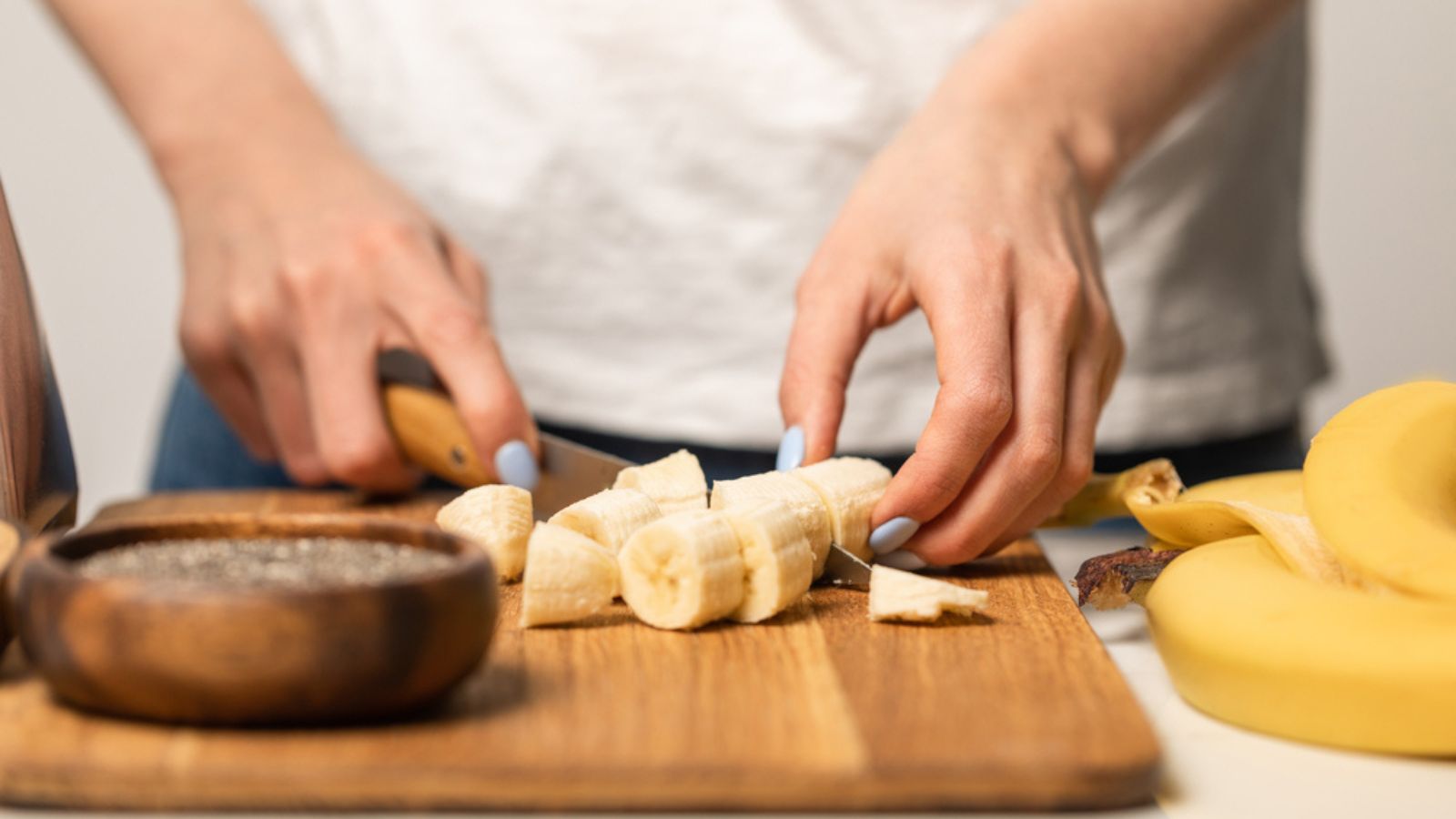
It looks like a yellow plastic boomerang and does exactly one thing. Unless you operate a high-volume daycare needing hundreds of uniform banana slices per minute, this tool is baffling. A butter knife handles this task perfectly and does not require a special spot in the utensil drawer.
Using a regular knife allows you to control the thickness of the slices, and washing a single knife takes seconds. This unitasker saves no time and creates more plastic waste. It has the same vibes as strawberry hullers, avocado sliders, and beyond. All you need is a knife!
2. Garlic Presses

Crushing garlic cloves instantly sounds appealing until it’s time to clean. The tiny holes trap garlic fibers like cement, requiring intense scrubbing or a special cleaning tool that you will inevitably lose. Most professional chefs skip this gadget entirely.
Crushing a clove with the flat side of a chef’s knife and giving it a quick mince yields better flavor and texture. Plus, cleaning a knife involves a quick wipe and rinse, saving you from picking garlic bits out of a metal mesh for ten minutes.
3. Single-Use Coffee Pods

Convenience usually comes with a price tag, and pod-based coffee machines charge a premium. You pay significantly more per pound for coffee in plastic cups than you would for a standard bag of beans. The waste generated by these pods piles up in landfills at an alarming rate.
A standard drip coffee maker or a French press produces a richer, more flavorful cup for a fraction of the cost. Investing in a reusable filter or a simple pour-over setup keeps money in your pocket and plastic out of the trash.
4. Bottled Water
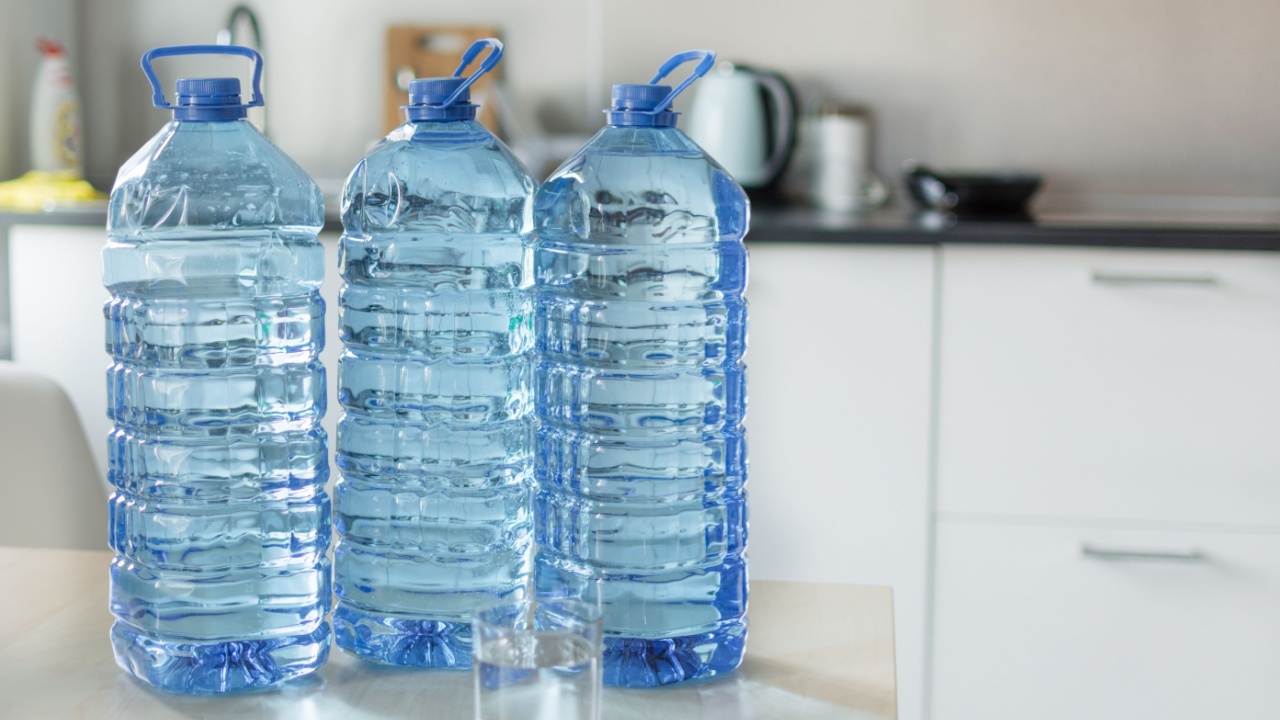
Paying for water in plastic bottles when clean water flows from your tap is a habit worth breaking. Marketing campaigns have convinced many that bottled water is safer or purer, but municipal water supplies undergo rigorous daily testing. Buying cases of water adds up to hundreds of dollars a year.
Save your hard-earned cash and spare yourself the environmental guilt that comes with tossing yet another single-use plastic bottle. Instead, invest in a sturdy, reusable water bottle and a simple faucet filter. You will be reducing something else that adds microplastics to your food.
5. Bread Machines

The idea of waking up to the smell of fresh bread is lovely. However, these bulky appliances take up massive amounts of counter space and often produce loaves with odd shapes and giant holes from the mixing paddle. Your oven is already a bread machine.
Making bread by hand requires a bowl, a baking sheet, and a little patience. The process is satisfying, the results are often superior, and you do not need to store a machine the size of a microwave to do it.
6. Quesadilla Makers

This appliance is essentially a waffle iron with no texture. It heats a tortilla and cheese, a task your stove handles effortlessly. A skillet creates a crispier, more evenly melted quesadilla without occupying valuable cabinet real estate.
When you use a pan, you can adjust the heat, add varied ingredients without overflowing, and clean up easily. A dedicated machine for a grilled cheese sandwich made with tortillas is a definition of clutter.
7. Egg Separators
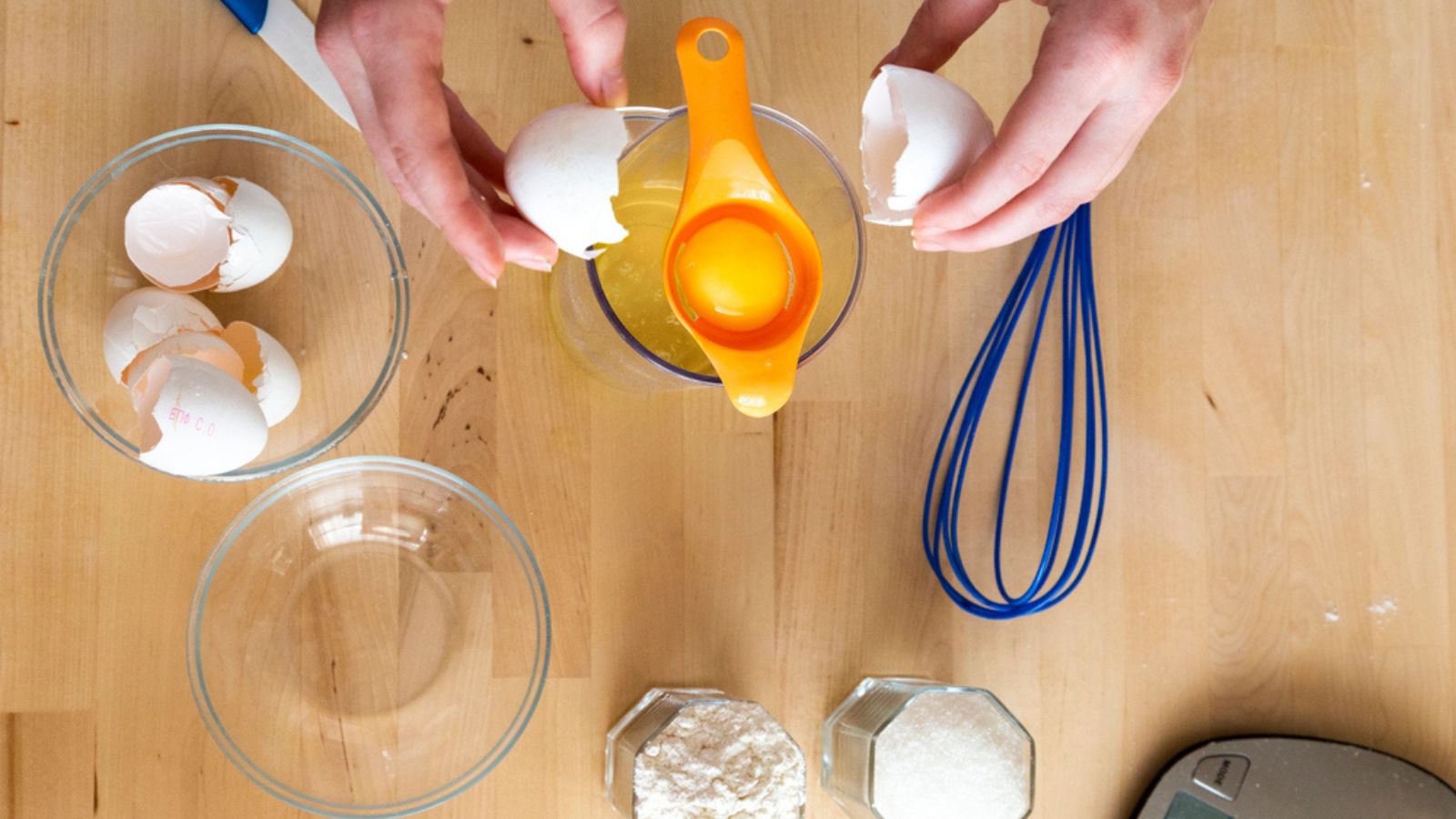
Separating yolks from whites is a basic cooking skill, not a reason to buy a gadget. These small plastic or silicone tools often break the yolk anyway, defeating their purpose. You already have the perfect tool for this: the eggshell itself.
Cracking the egg and carefully transferring the yolk back and forth allows the white to drip away. Clean hands work even better. Simply letting the white slip through your fingers is gentle, effective, and costs nothing.
8. Popcorn Machines

Movie theater popcorn is delicious, but giant, red, retro-styled machines are a nightmare to clean. Oil builds up in the corners, and they take up awkward amounts of storage space. A large pot on the stove with a lid makes incredible popcorn in minutes.
You control the oil, the salt, and the seasonings. For an even easier method, putting kernels in a brown paper lunch bag in the microwave works surprisingly well without any artificial chemicals.
9. Meat Shredding Claws

Some people swear by meat-shredding claws; the plastic or metal knuckles that make you look like a bear. But they are rarely more effective than two sturdy forks. While they might shred a pork shoulder slightly faster, they are useless for any other kitchen task.
You use them perhaps twice a year for a barbecue, and the rest of the time, they sit in a drawer threatening to jam it shut. Two forks from your silverware drawer pull meat apart efficiently and go straight into the dishwasher afterward.
10. Dryer Sheets
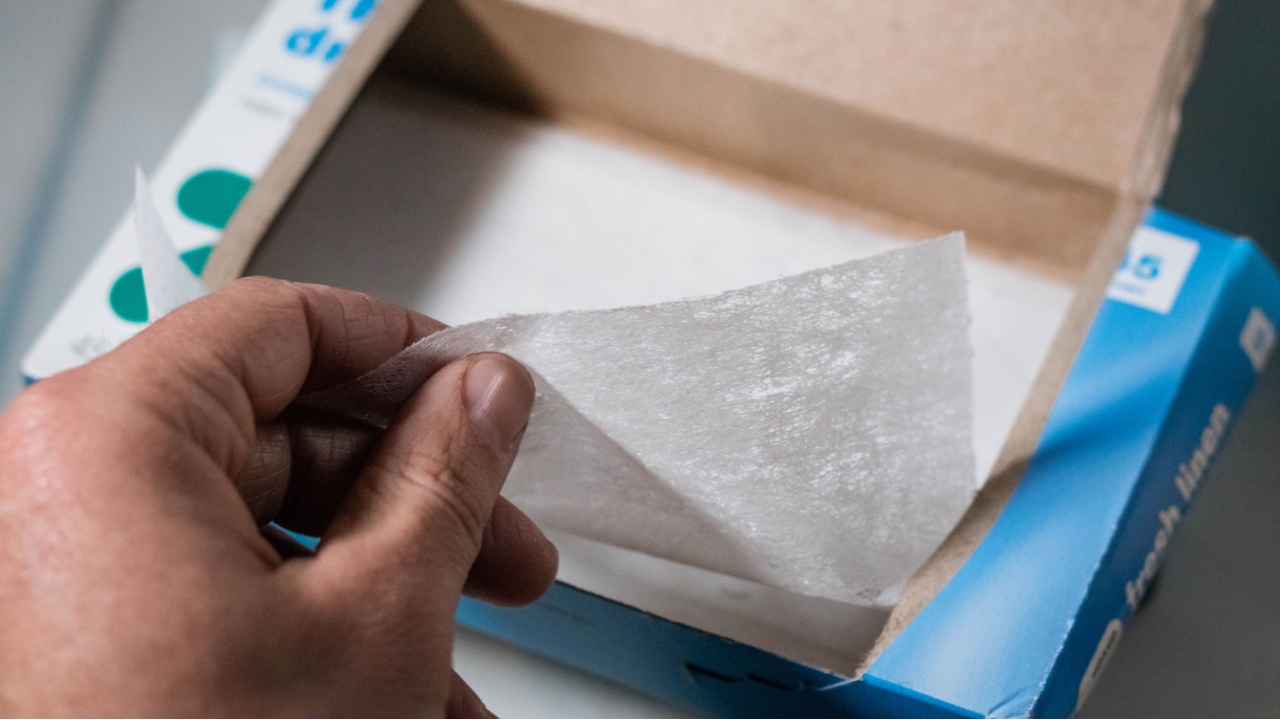
These flimsy sheets coat your clothes in a layer of synthetic chemicals to reduce static and add an artificial scent. This coating builds up on your lint screen, potentially causing dryer efficiency issues. Wool dryer balls are a superior, reusable alternative.
They bounce around to soften clothes, reduce drying time by improving airflow, and last for years. If you miss the scent, a few drops of essential oil on the wool balls provide a fresh smell without the waxy residue.
11. Electric Can Openers

Unless arthritis or mobility issues make manual openers difficult to use, the electric version is largely unnecessary. They are bulky, require an outlet, and the blade mechanism gets grimy quickly. A high-quality manual safety opener cuts the side of the lid, leaving no sharp edges, and can be tucked away in a drawer.
Manual openers are a dependable choice, especially during power outages when electric devices can’t be used. Unlike their electric counterparts, manual openers don’t rely on being plugged in or charged to function, making them a practical and low-maintenance tool for any kitchen.
12. Fancy Gift Wrap Organizers

Stores sell specialized, long fabric containers specifically for wrapping paper. While organization is helpful, you do not need a dedicated product for this. A tall trash can, a cardboard box, or even a garment bag hanging in a closet serves the same function.
Keeping rolls of paper upright and dry is the only requirement. Spending money on a container that lives in the back of a closet and sees daylight once a year is an easy expense to cut.
13. Disposable Toilet Brushes
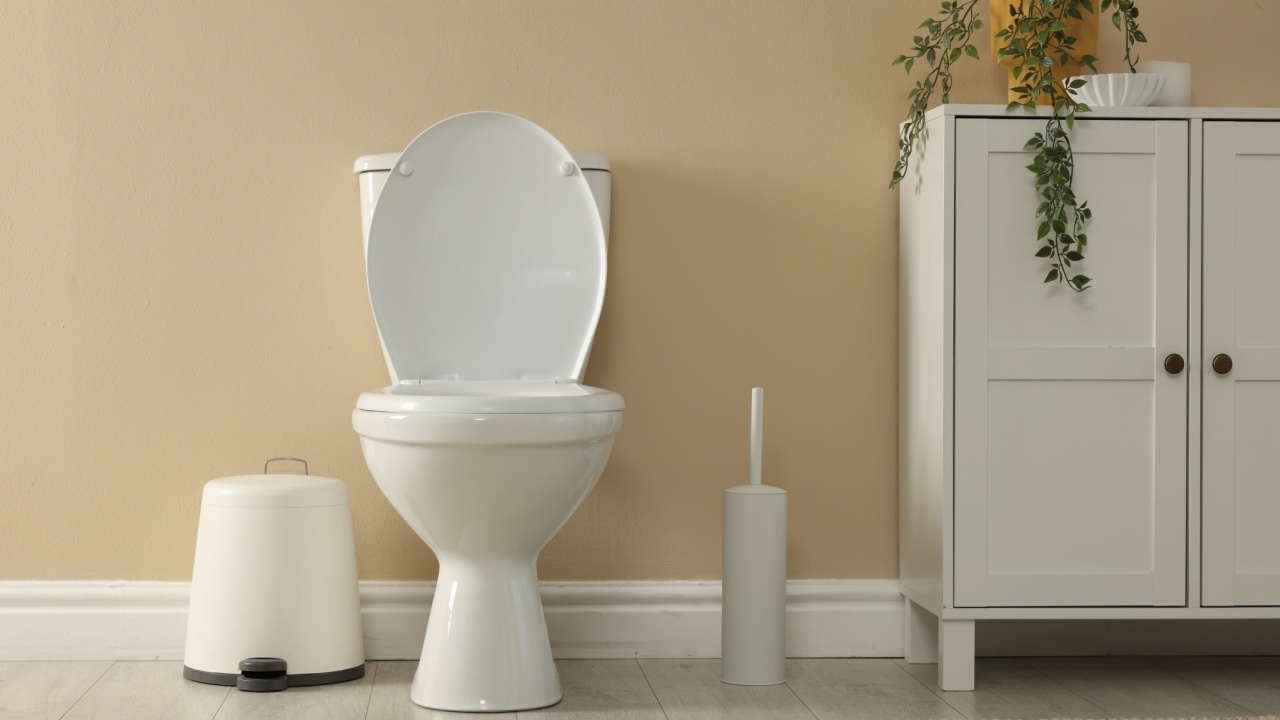
Systems with disposable cleaning heads hook you into a lifetime of buying refills. The plastic wand is useless without the specific, brand-name pads. A traditional toilet brush with a caddy is a one-time purchase that lasts for a long time.
This is one cleaning mistake that is costing you money and time. Keeping the brush clean involves a simple rinse with disinfectant after use. This traditional method cleans just as effectively without generating weekly trash or requiring a subscription-like commitment to a cleaning product.
14. Air Fresheners
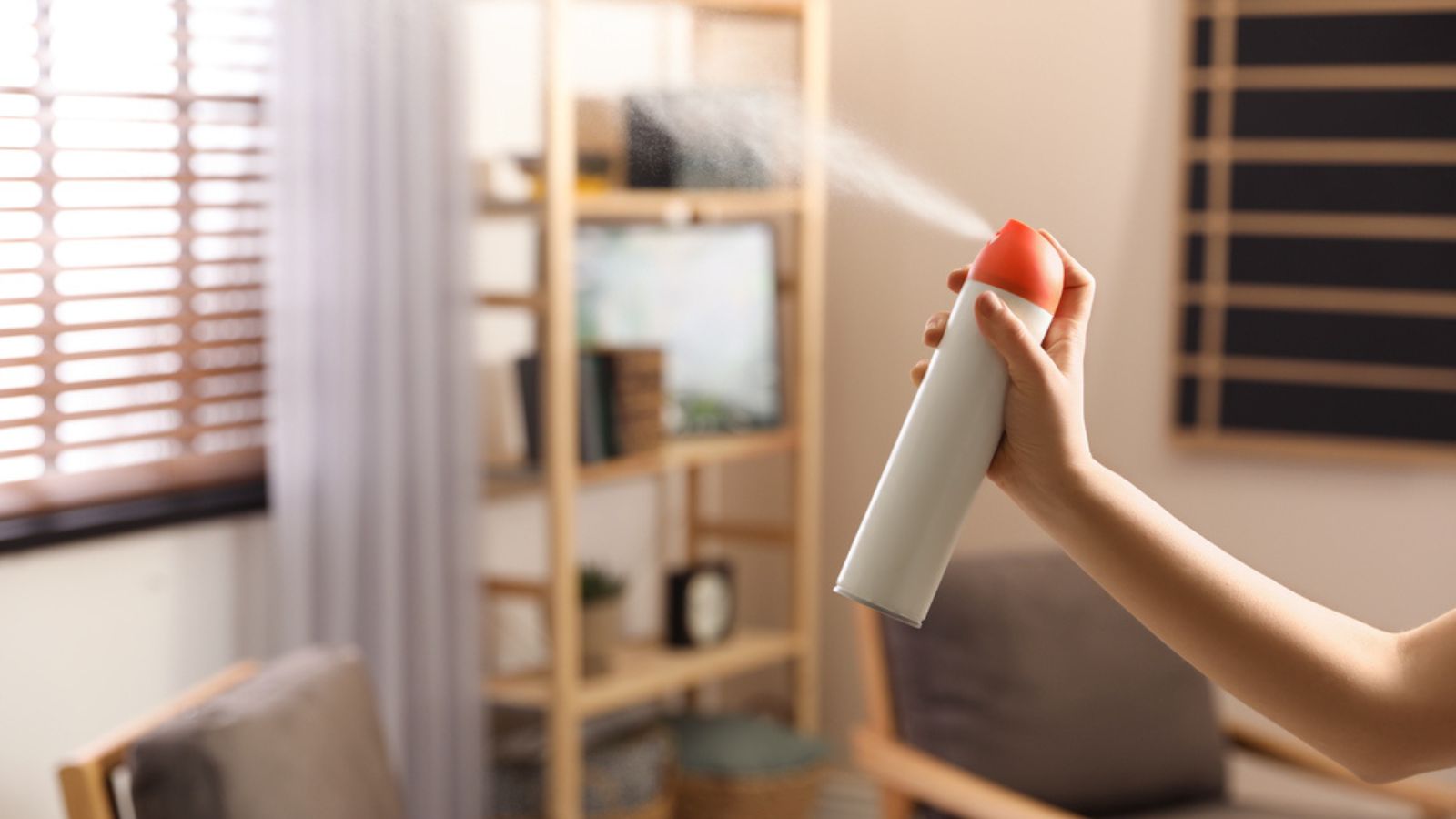
Masking odors with chemical sprays often leads to a headache-inducing mix of smells. These cans are expensive and only offer temporary relief. Identifying the source of the odor and removing it is the most effective strategy. Opening a window to let fresh air circulate does wonders for a stale room.
For a pleasant scent, simmering a pot of water with lemon slices, cinnamon sticks, or herbs creates a natural aroma that permeates the house without costing a penny. This will have your house smelling great without making people sick in the long run.
How to Keep Your Wallet Full and House Less Cluttered
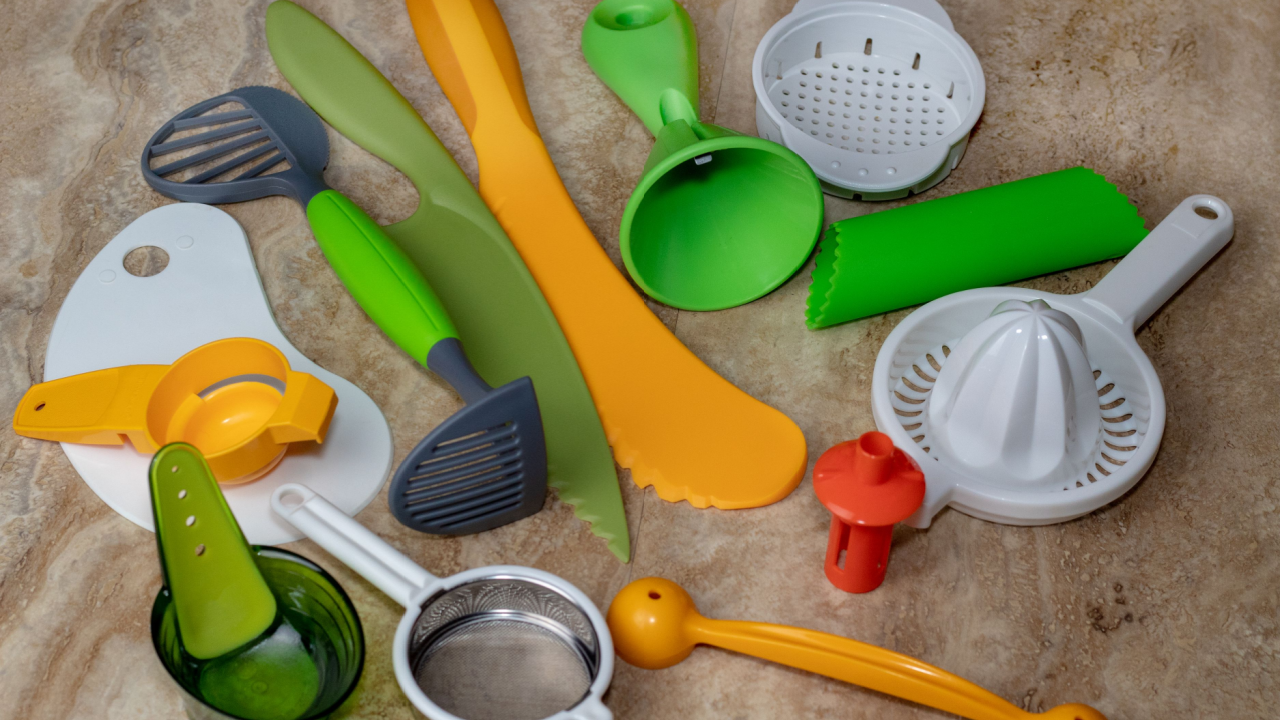
Avoiding these specific items is a great start, but the mindset matters most. Before heading to the checkout line with a new gadget, ask yourself if a standard tool you already own can do the job. Look at the item and imagine cleaning it. If the thought of scrubbing it annoys you, put it back on the shelf. Keeping your home simple saves money and reduces the stress of managing clutter.
Read more:
7 Tricks to Start Decluttering and Stop Feeling Disorganized