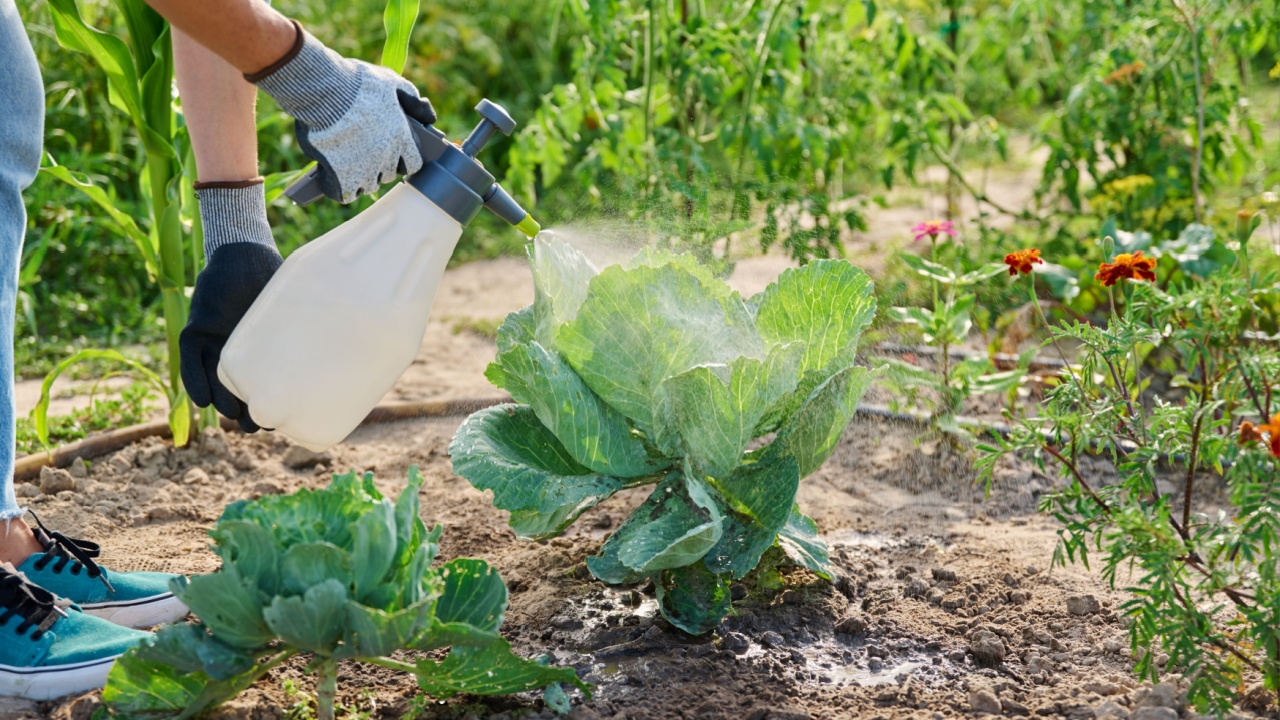
13 Ways Using Toxic Pesticides Is Ruining Our Plants
For anyone who loves gardening and helping plants thrive, nothing feels more satisfying than seeing your green babies grow and blossom. But are your plants really growing or just surviving? Many gardeners (including my former self) think a few sprays of pesticide are part of the routine.
While you think it is protecting your veggies and flowers from harm, if your garden looks a bit sad lately and you start noticing yellowing leaves, weaker growth, and fewer bees buzzing around, you will learn that these so-called “plant protectors” might actually be to blame.
The wrong use of toxic pesticides causes plant injury and long-term problems. Research shows that they negatively affect soil health and harm beneficial microbes and insects.
Here’s a look at 14 ways these chemicals are silently sabotaging your gardens.
Straight from the Source
To collect this information, we reviewed research studies, gardening websites like epicgardening.com, homeliftup.com, and environmental reports like epa.gov and enviroliteracy.org. We also took notes from expert gardeners and farmers.
1. Destroys Beneficial Soil Microorganisms
Your soil is alive, and its health depends on a community of microorganisms like bacteria and fungi. These tiny organisms are important for your plants to grow. For example, some types of fungi form partnerships with plant roots, helping them absorb essential nutrients like phosphorus and water.
However, studies show that glyphosate (a common herbicide) kills and reduces the presence of this essential fungus. When these microorganisms die off, plants struggle to get enough water and minerals, leading to poor growth and weaker yields.
2. Leads to Pesticide-Resistant Pests
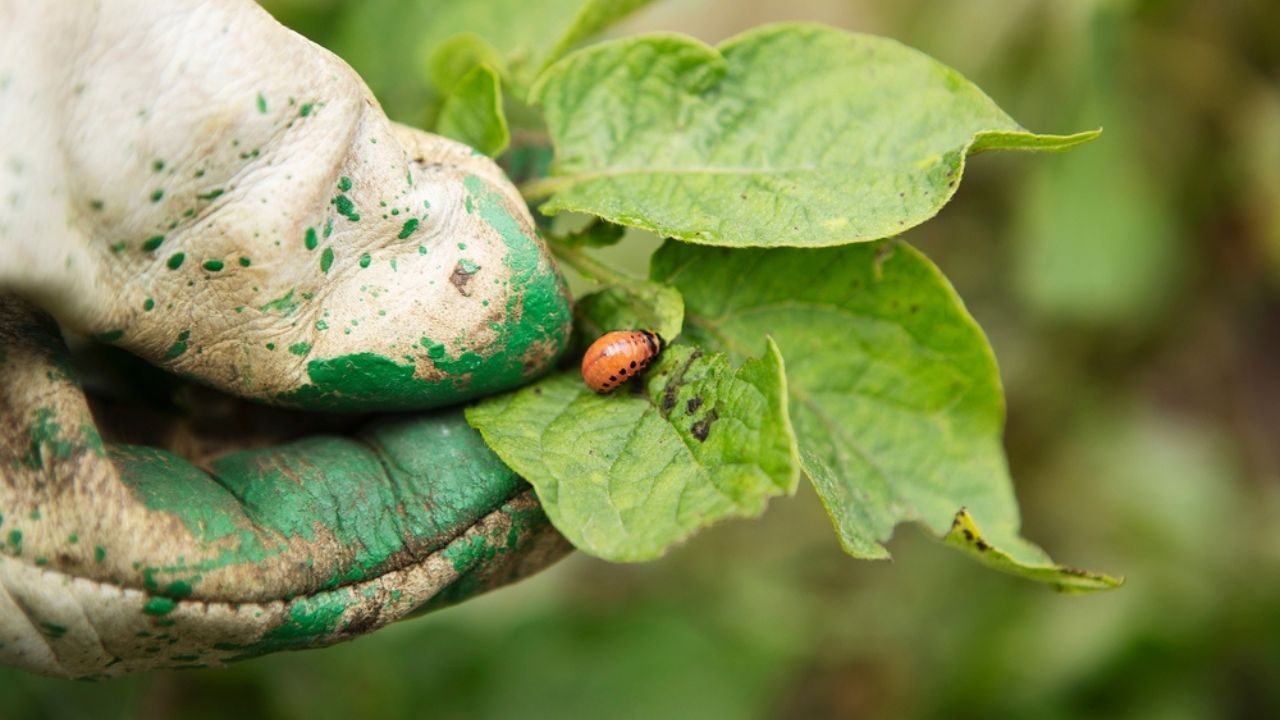
Ironically, the more we use pesticides, the less effective they become. Pests can develop resistance, making them harder to kill. The Food and Agriculture Organization (FAO) reports that over 500 pest species have developed pesticide resistance.
This issue forces gardeners to apply stronger and more frequent doses, worsening the problem. Your plants are left dealing with a toxic overload. Instead of chemical warfare, go for integrated pest management like using natural predators, using traps, rotating crops, and only applying pesticides when absolutely necessary.
3. Disrupts Pollination by Harming Bees and Butterflies
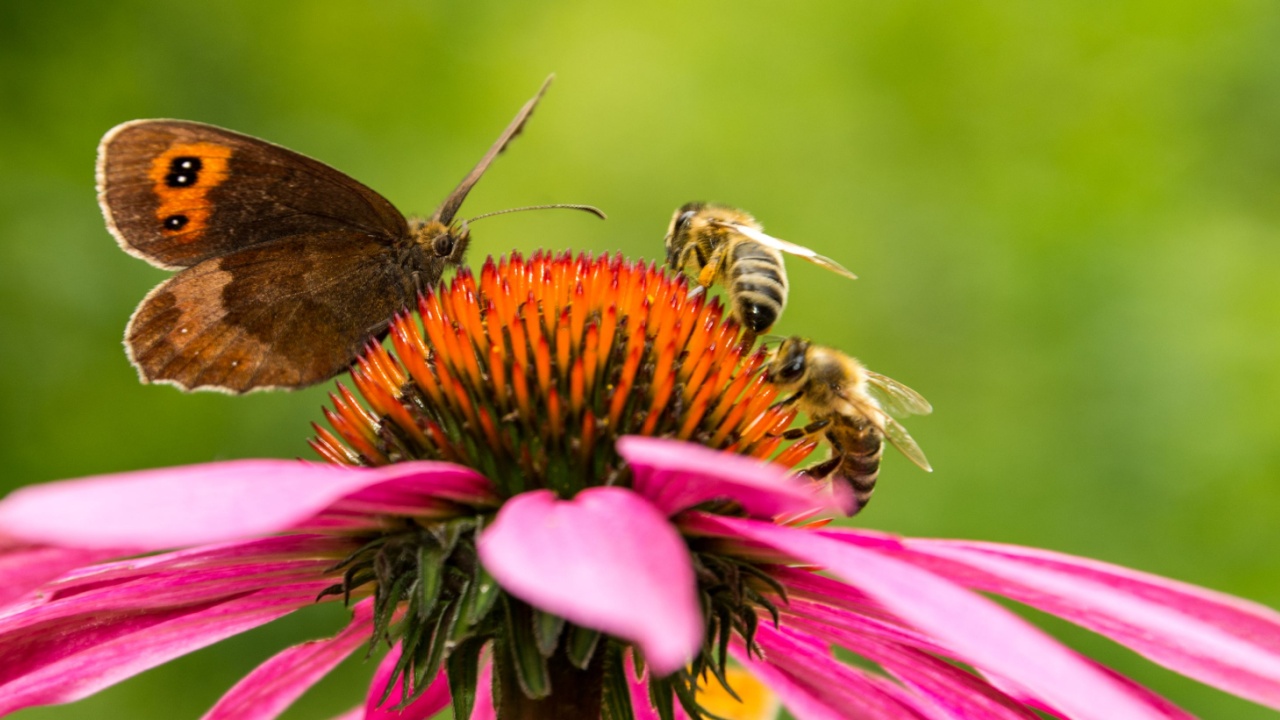
Pollinators like bees and butterflies are essential for plant reproduction, but pesticides, especially neonicotinoids, have been linked to their decline. A study found that neonicotinoids severely reduced bee reproduction and foraging behavior.
Less pollination means fewer fruits, smaller harvests, and weaker biodiversity in your garden. Even ornamental plants can struggle without pollinators. You may not see the harm right away, but over a season or two, your garden will feel quieter and less productive without these buzzing helpers.
4. Nutrient Deficiencies in Plants
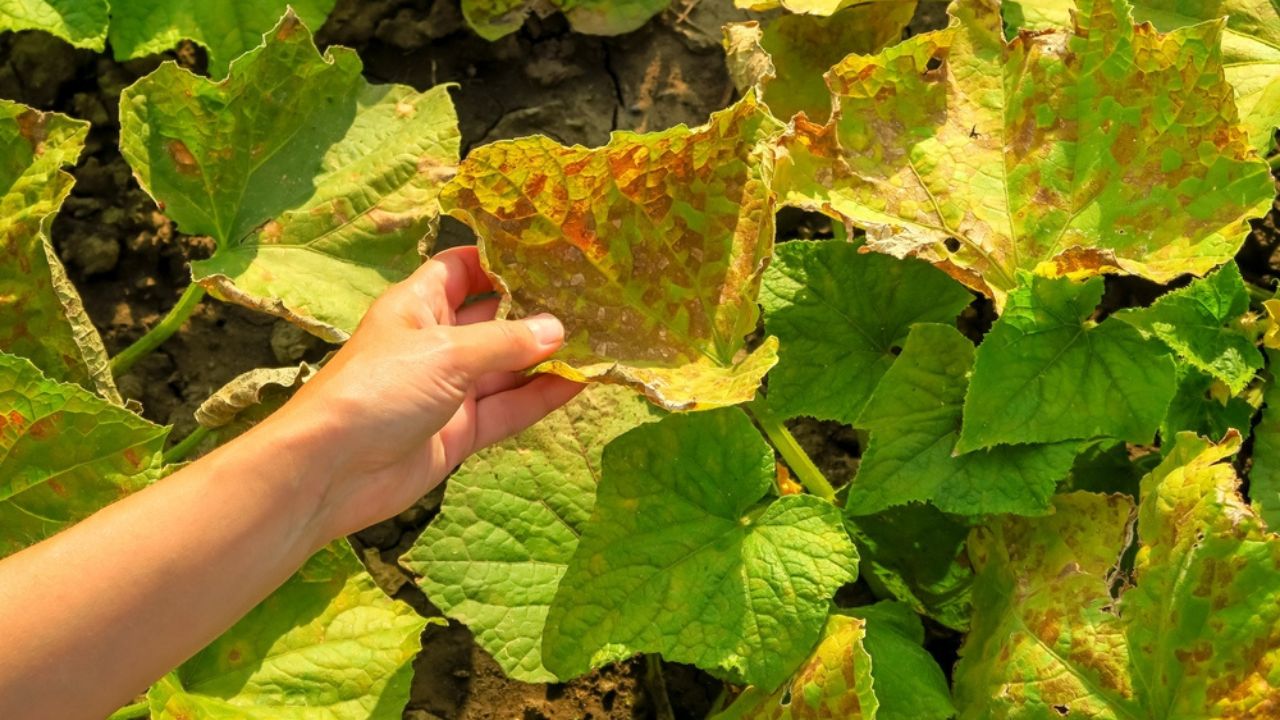
Pesticides can alter soil chemistry in ways that make it harder for plants to access nutrients. Studies have shown that herbicides can bind with key minerals like iron, zinc, and manganese, blocking their absorption by plant roots.
This means even when soil is fertilized, plants may still show signs of nutrient deficiency, such as yellow leaves, weak stems, or slow growth. It’s a hidden problem that many gardeners overlook.
5. Increases Water Contamination Risk
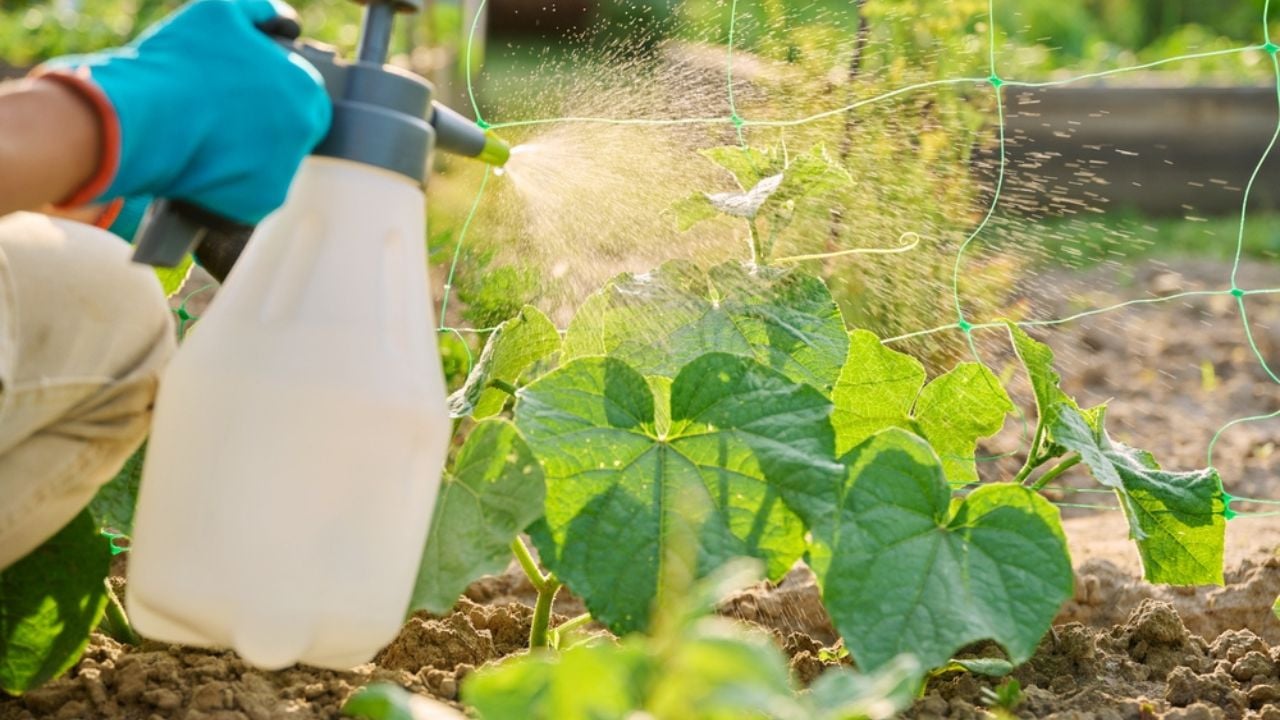
Pesticides can wash off plants and soil, contaminating nearby rivers, lakes, and groundwater. The U.S. Geological Survey found pesticide residues in over 90% of water samples from farming areas.
This contamination affects the environment and can come back to your garden through groundwater or municipal supplies. Plants exposed to tainted water can absorb these toxins, leading to a buildup in edible parts. That’s a nasty surprise you don’t want in your salad bowl.
6. Interferes with Seed Germination
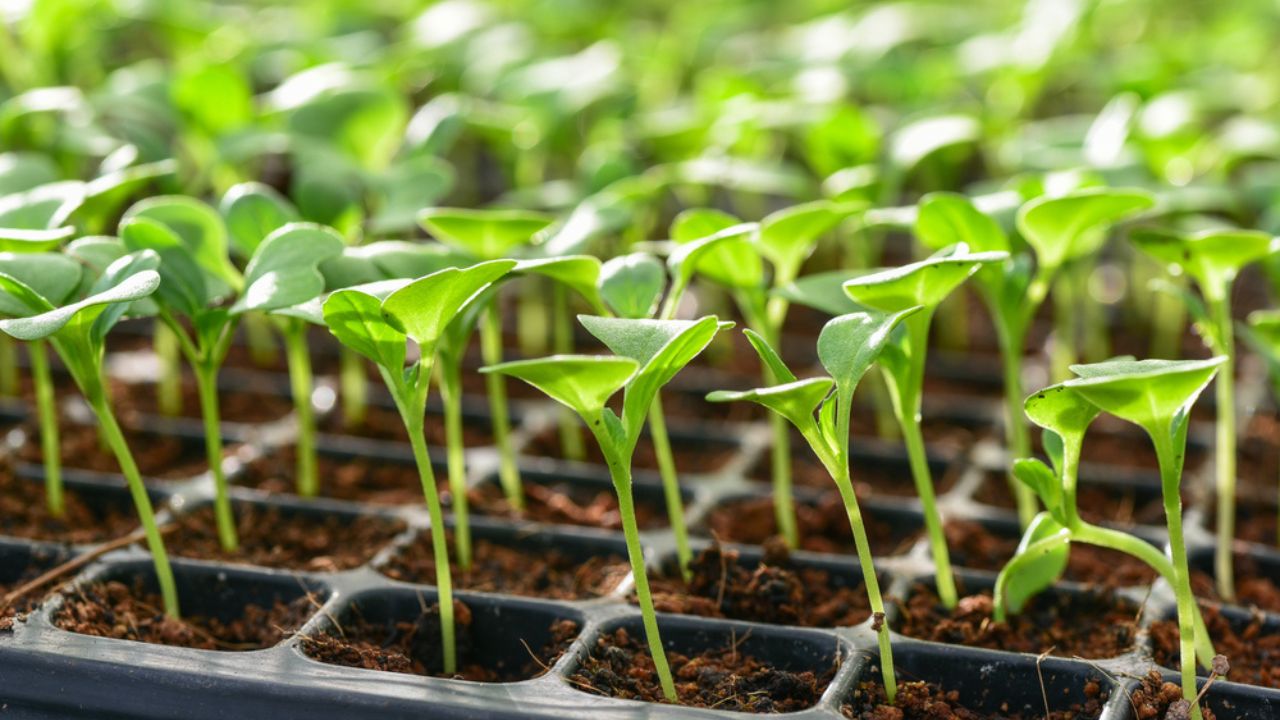
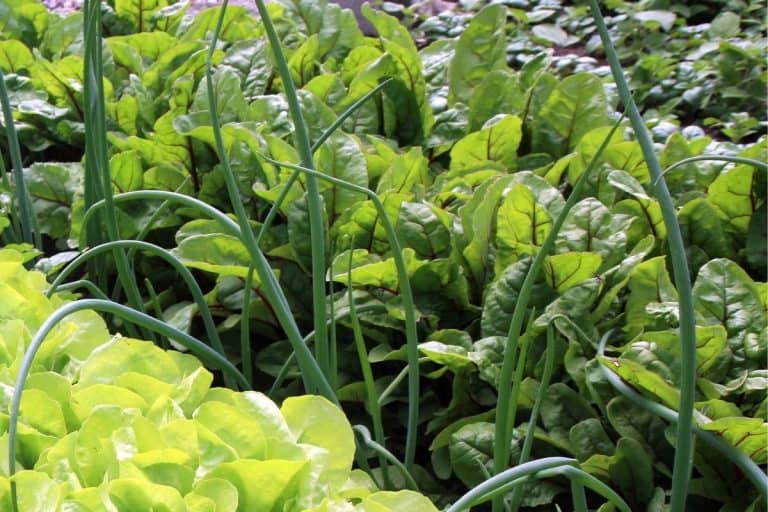
Some pesticides linger in the soil long after spraying and can interfere with seed germination and early plant growth. A study found that pre-treated soils with pesticide residues reduced germination rates in lettuce by up to 50%.
Young seedlings are especially sensitive. Even tiny traces of leftover pesticide can inhibit root development or cause abnormal growth. If your seeds are failing to sprout or producing weak, distorted plants, the problem might not be your seeds; it could be the soil they’re trying to grow in.
7. Promotes Weaker Root Systems
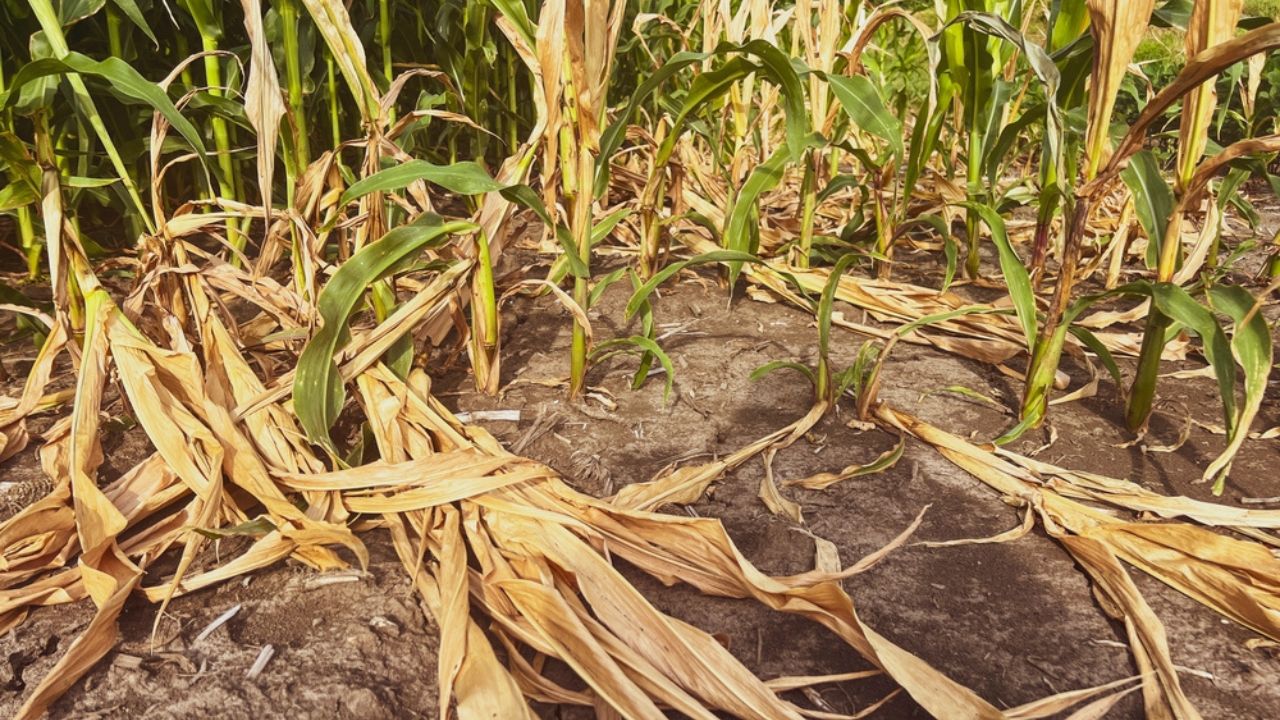
Healthy roots are the foundation of a strong plant, but pesticide use can damage root tips and disrupt natural root growth. It is believed that roots exposed to pesticide-contaminated soil grew shorter and weaker.
Weaker roots mean plants can’t absorb enough water or anchor themselves well. This makes them more likely to dry out, fall over, or die during hot or stormy weather.
8. Reduces Crop Yields
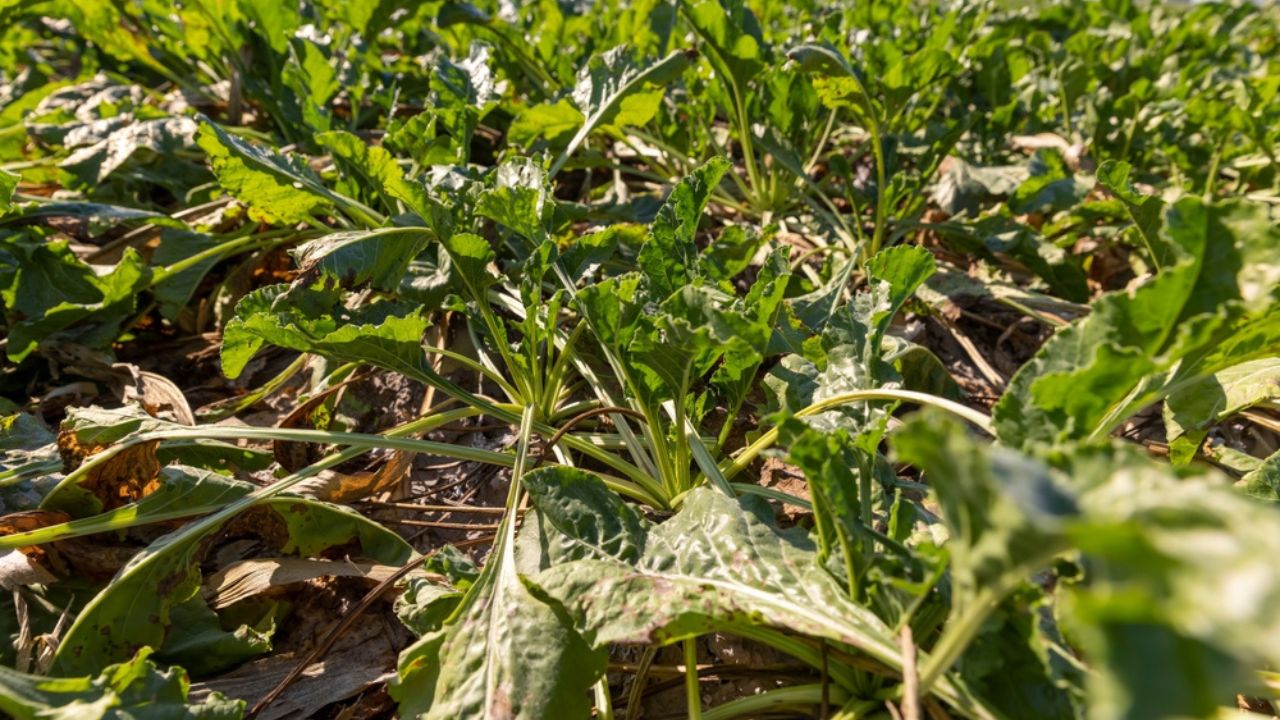
Over time, pesticide stress can reduce plant productivity. A long-term study found that farms relying heavily on pesticides had lower yields compared to those using sustainable, low-chemical approaches. This means gardeners using lots of sprays might end up harvesting less food despite putting in more effort. Too many chemicals can result in fewer fruits and smaller veggies.
In home gardens, this shows up as fewer tomatoes per plant, smaller zucchinis, or even entire crops failing. You might work just as hard or harder and still end up with a disappointing harvest. Removing chemical stressors is one of the easiest ways to bring your plants back to full productivity
9. Encourages Fungal Overgrowth

Not all fungi are bad, but pesticides can disrupt the balance and allow harmful fungi to dominate. When beneficial microbes are killed, fungi like Fusarium and Pythium, both common causes of root rot, take over your plant.
Your plants may start showing symptoms like wilting, yellowing, or sudden collapse. And here’s the kicker: many gardeners misdiagnose fungal infections as a need for more pesticides, worsening the problem. Instead, restoring microbial diversity is a better long-term solution.
10. Damages Leaf Structure and Color
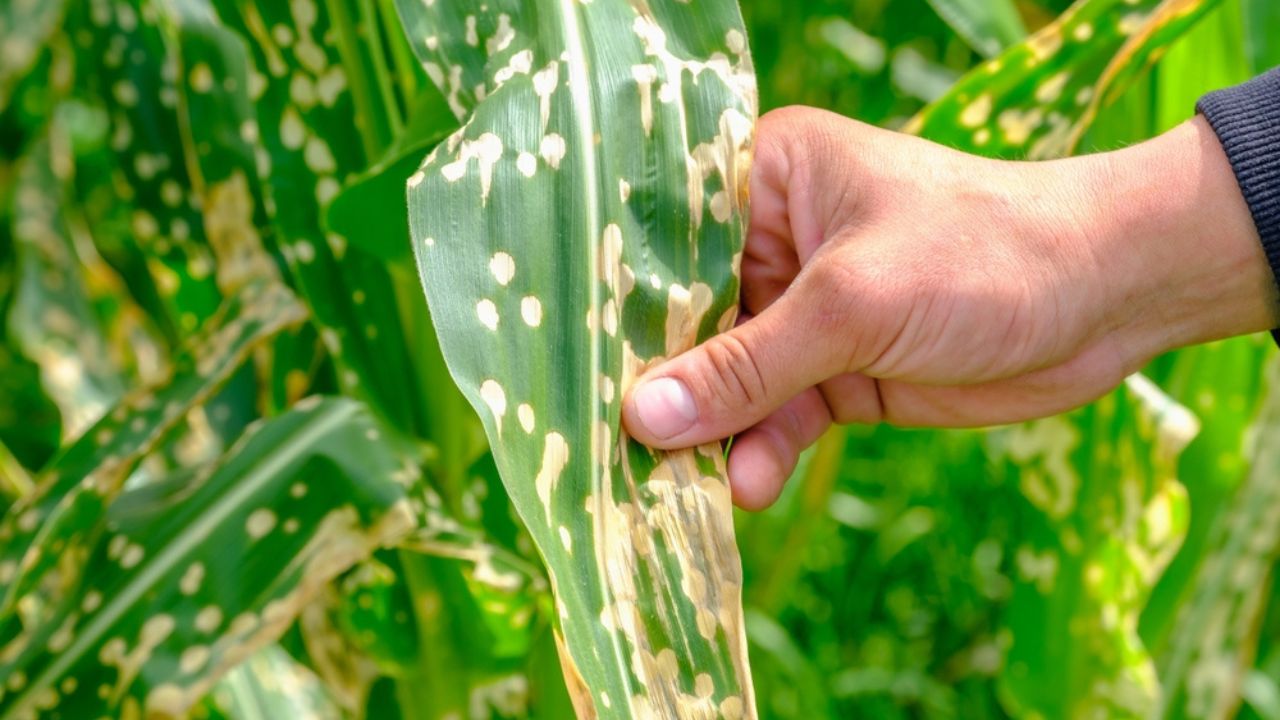
If you’ve ever noticed dull, misshapen, or spotted leaves after spraying, that’s not your imagination. Pesticides can directly damage leaf tissues, especially when applied during strong sunlight or windy conditions.
Damaged leaves can’t photosynthesize effectively, which starves the plant of energy. The result? Slower growth, fewer flowers, and more pest problems (since stressed plants attract pests). Your plants might survive, but they won’t grow, and they definitely won’t look their best.
11. Harms Companion Plants

If you practice companion planting, beware: pesticides don’t always stay on target. Spray drift and soil movement can affect neighboring plants that weren’t intended to be treated. Studies have shown that herbicide drift can significantly reduce the growth rate of non-target plants.
This means your carefully planned layout, such as basil next to tomatoes or marigolds near beans, can backfire. One careless spray can undo weeks of planning and planting.
12. Altering Flowering Cycles

Toxic pesticides can interfere with a plant’s natural rhythm. Pesticide exposure, especially during budding, can delay or disrupt flowering by altering hormone levels. This means fewer flowers, shorter blooming periods, or even complete failure to flower.
In a garden, fewer blooms mean a lack of beauty and less food for pollinators, and reduced seed or fruit production.
13. Creates Toxin Build-Up in Edible Crops

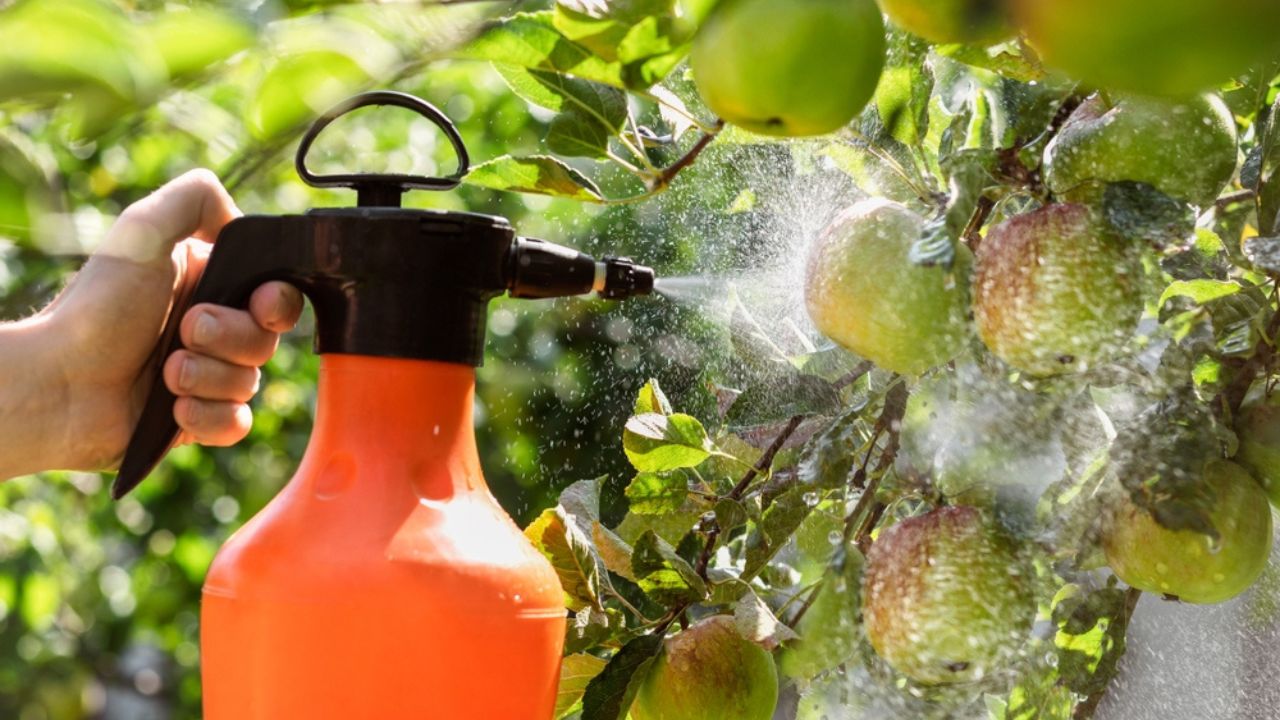
Some pesticides are systemic, absorbing into the plant’s tissues, including stems, leaves, and fruits. A report found pesticide residues in tested produce, including leafy greens, apples, and berries.
Washing helps a little, but it can’t remove what’s inside. Eventually, it leads to toxin accumulation in your body, too, especially if you eat from your garden often. If you are growing food to be healthier, the last thing you want is to bite into a fruit laced with hidden chemicals.
Avoid the Quick Fix with Long-Term Concerns
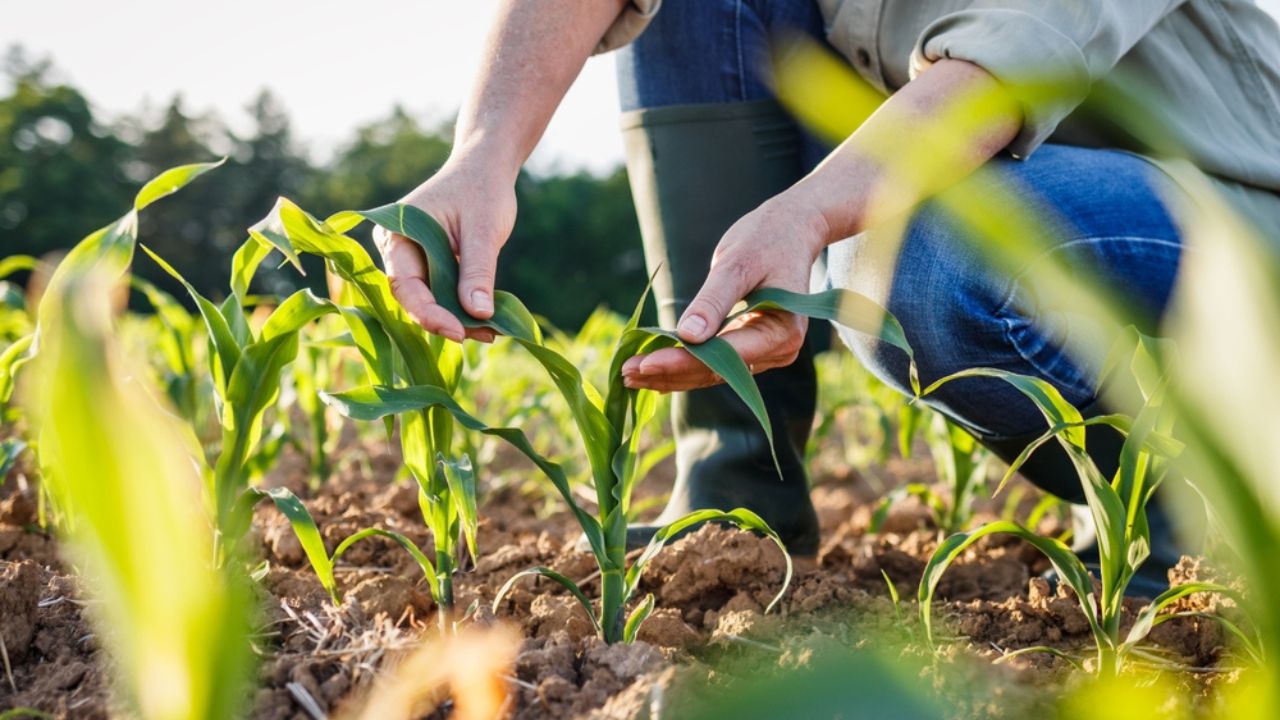
While pesticides promise quick fixes, they leave behind long-term messes. But nature already has solutions, like companion planting, or just a good ol’ ladybug. If you still need to use pesticides, read labels carefully and follow the instructions.