7 Fall Gardening Mistakes to Stop Making Before This Year’s El Niño Arrives
Most gardeners plan their fall garden the same way they did last year: same planting dates, same spacing, and same watering schedule. Meanwhile, NOAA has announced an 81% chance that this year’s El Niño becomes “very strong” between October and December, potentially the most powerful El Niño since record-keeping began in 1950. If you are still gardening like this is a normal fall, you are setting yourself up to lose money, plants, and an entire season’s worth of effort.
This is not a subtle weather shift. The last super El Niño, in 1997–98, caused roughly $550 million in flood and mudslide damage in California alone. Gardeners who lived through it still talk about entire fall harvests rotting in the ground before they could intervene. Root rot, fungal disease, and waterlogged soil do not announce themselves until it is too late. And this year’s event, according to NOAA’s Climate Prediction Center, has a 69% chance of exceeding even that historic threshold.
Right now, before September arrives, is your only window to adjust. The seeds you order this week, the soil you amend this weekend, and the spacing you plan on paper today determine whether your fall garden thrives or becomes an expensive lesson. A failed fall crop can waste $100 to $200 in seeds, soil, and transplants. For gardeners who have been tending their plots for decades, this is a season where experience matters more than enthusiasm.
Here are seven mistakes that gardeners across the country should avoid making this fall, and what to do instead before El Niño reaches full strength.
1. Following the Same Planting Calendar You Used Last Year
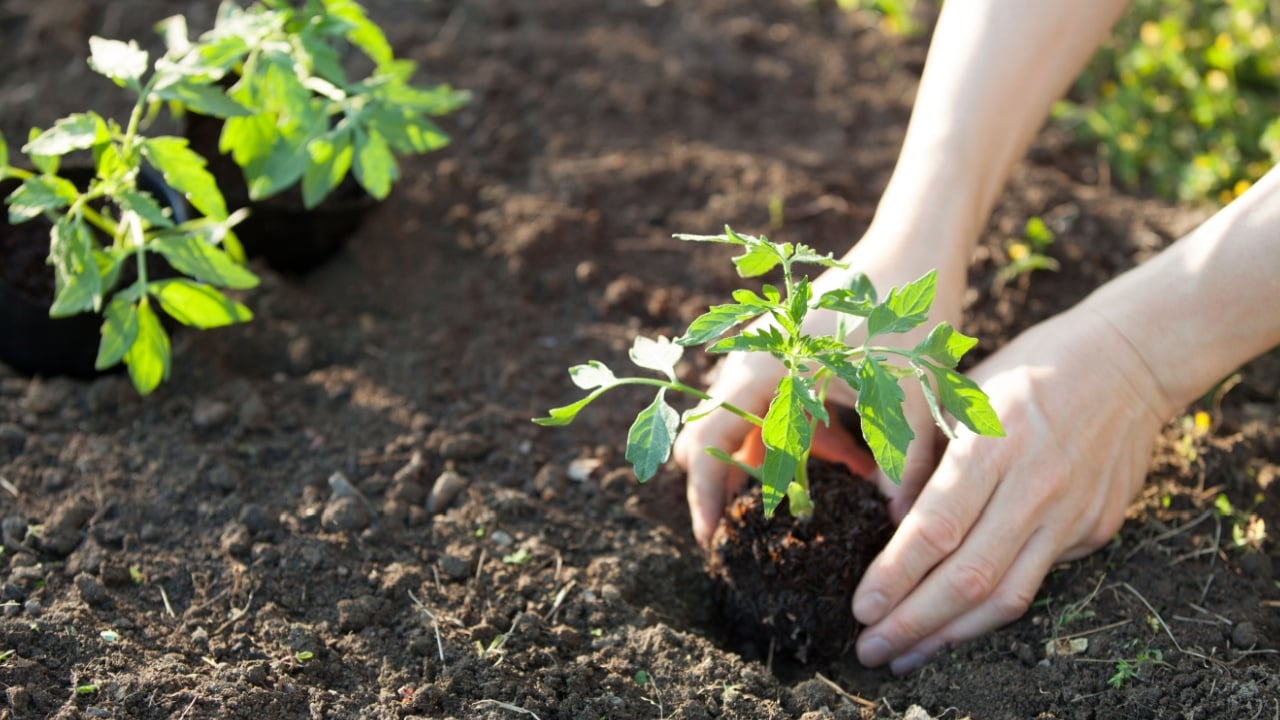
The planting calendar that you typically follow was designed for average years, and this fall will be anything but. El Niño reshapes regional weather patterns in ways that can make fixed planting dates unreliable.
During El Niño phases, Florida alone averages 23.3 river flood events per year, compared to just 4.9 during neutral years, according to NOAA data compiled by StormBag. That is nearly five times the flooding risk. Southern and Gulf Coast gardeners face wetter, stormier conditions. Northern gardeners may see extended warmth that tempts them to delay planting, only to be blindsided by a sudden freeze.
Instead of relying on last year’s calendar, check your soil temperature before planting and monitor your local National Weather Service forecast weekly. “Pay attention to the latest forecasts from the National Weather Service, especially the one-week out and two-week out time periods,” advises Matthew Rosecrans, a meteorologist at NOAA’s Climate Prediction Center, in an interview with Pioneer. “They offer good, actionable information that can be used at individual activity levels to firmly plan what you’re doing.”
2. Ignoring Your Soil Drainage Until It’s Too Late
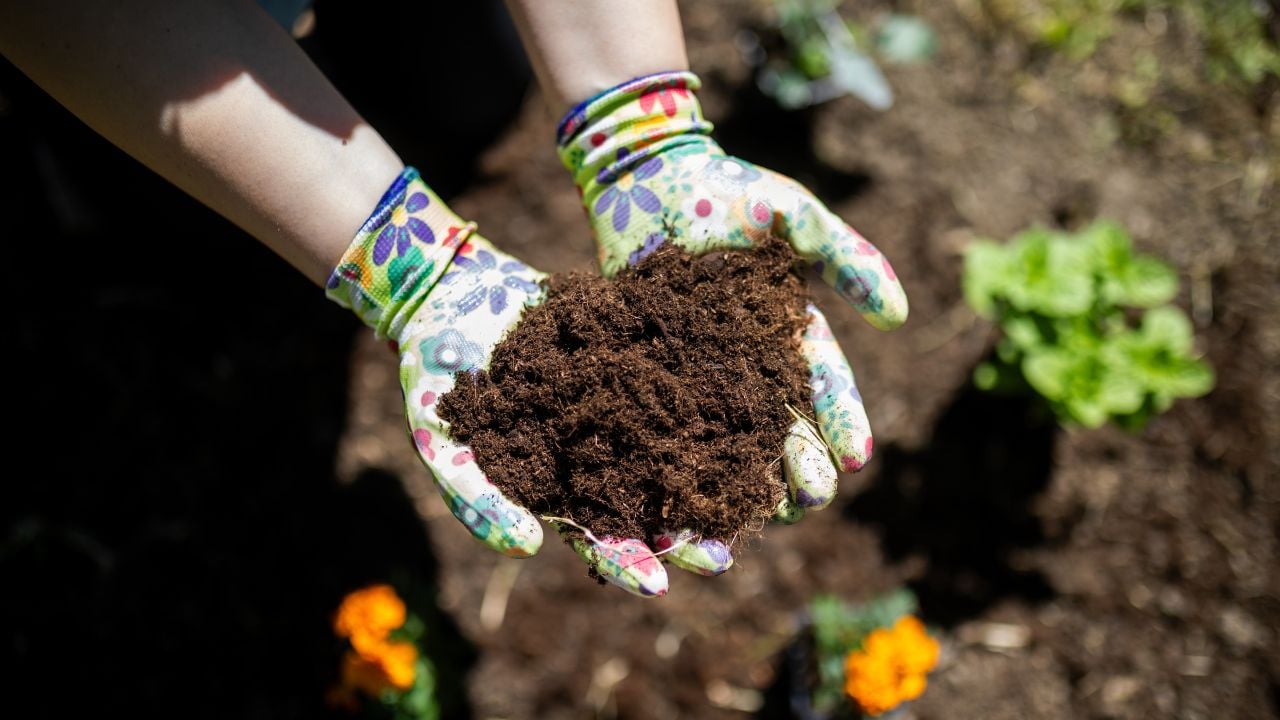
If your garden soil feels hard, dense, or clumpy when you dig into it, you have a drainage problem that El Niño will punish. Compacted soil traps water at the surface, suffocates roots, and creates the exact conditions where root rot thrives.
Before you plant a single fall seedling, test your drainage. Dig down two to three inches. The soil should feel loose and crumbly, breaking apart easily in your hand. If it forms a dense clump or water pools on the surface after rain, amend it now with compost, perlite, or coco coir. As The Garden Bestie Bulletin explains, “The goal when refreshing existing soil is not to completely replace it every season. You are looking to restore organic matter, loosen areas that have become compacted, and create a mixture that can hold the moisture your plants need while still allowing excess water to drain.” A $15 bag of perlite is far cheaper than replanting a drowned garden.
3. Crowding Your Plants Like It’s a Normal Year
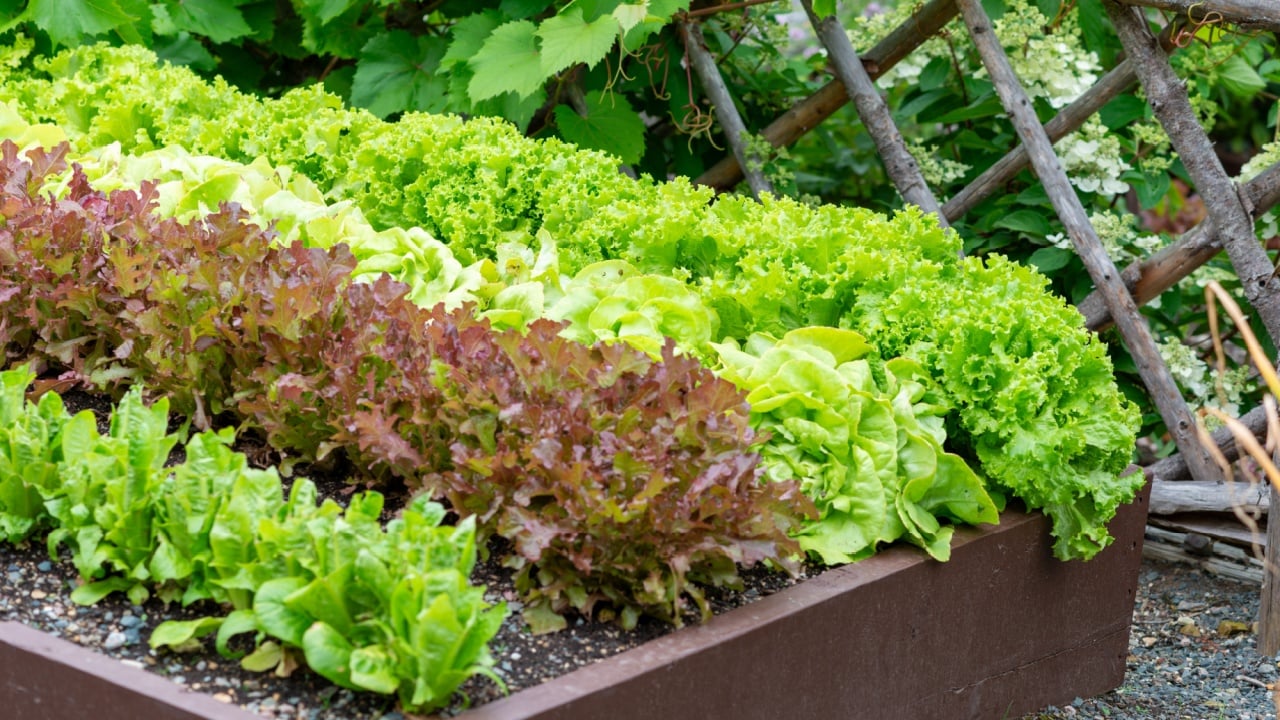
During a wet El Niño fall, every inch of spacing between your plants is working for you. More rain combined with warm temperatures and humidity keeps foliage wet longer, creating ideal conditions for powdery mildew, early blight, and bacterial leaf spot. Overcrowded gardens turn into petri dishes.
Experienced gardeners in the Southeast, the region typically hit hardest by El Niño moisture, will routinely double their spacing in El Niño years. Wider spacing improves airflow, lets leaves dry faster after rain, and makes it easier to spot pest damage before it spreads. According to Homes & Gardens, Dr. William Miller advises gardeners to “allow the shrub or tree to sit inches above ground” in wet conditions, because “plants don’t like wet roots.” This year, if you are torn between fitting one more plant into your raised bed or leaving the extra room, leave the room.
4. Watering on Autopilot Without a Rain Gauge
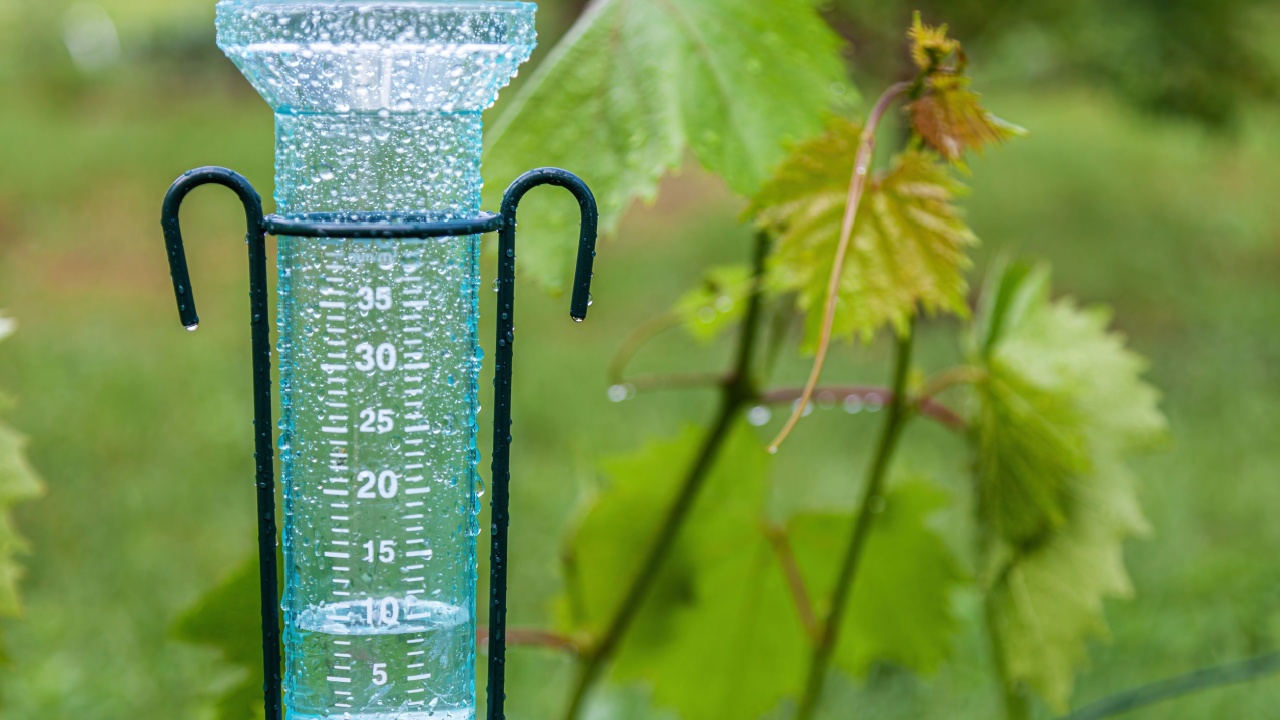
Watering on a fixed schedule during an El Niño year can be a mistake, especially when Mother Nature is already providing more than enough. Overwatered gardens look sick the same way underwatered ones do; yellowing leaves, wilting, stressed roots. The difference is that overwatering also invites the fungal diseases that destroy crops from the inside out.
Most vegetable gardens need one to 1.5 inches of water per week, including rainfall. A $5 rain gauge from any garden center tells you exactly how much nature already delivered. “If your garden has already received around an inch of rain that week, you may not need to water at all,” writes Dominique Kinsler at The Garden Bestie Bulletin. Before watering, check the soil two to three inches below the surface. If it is still damp, put the hose away.
5. Using the Wrong Fertilizer Strategy for a Wet Season
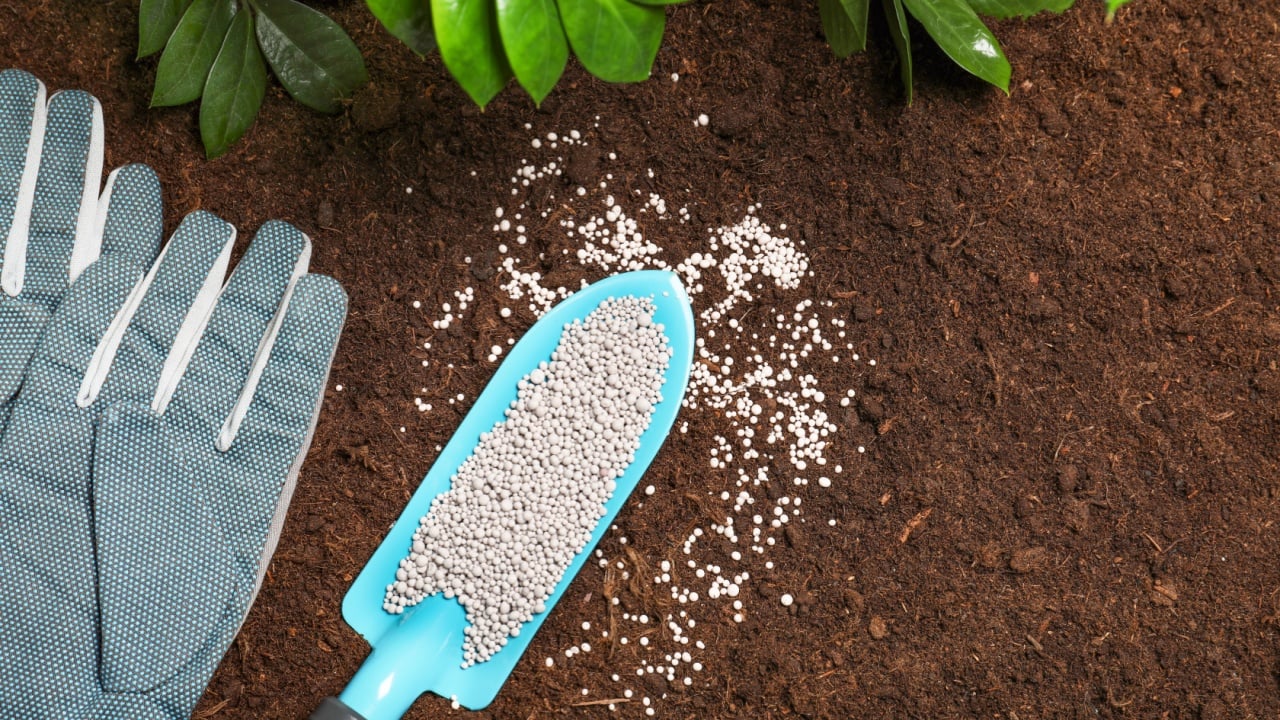
Heavy rainfall does not just flood your garden; it flushes nutrients straight through the soil and out the bottom of your containers. Container gardeners and raised bed growers are hit hardest. Plants yellow, growth stalls, and gardeners who do not understand what happened assume the plant is diseased when it is actually starving.
Switch to a slow-release granular fertilizer applied every three to four weeks during active growth. This delivers nutrients steadily instead of all at once, where a single downpour can wash it away. But resist the urge to overfertilize in response to heavy rain. “Follow the label, consider the needs of the crop you are growing, and watch your plants for signs that they may need additional support,” advises The Garden Bestie Bulletin. A $12 bag of slow-release fertilizer saves you from replacing $50 worth of failed crops.
6. Skipping Disease-Resistant Varieties This Fall
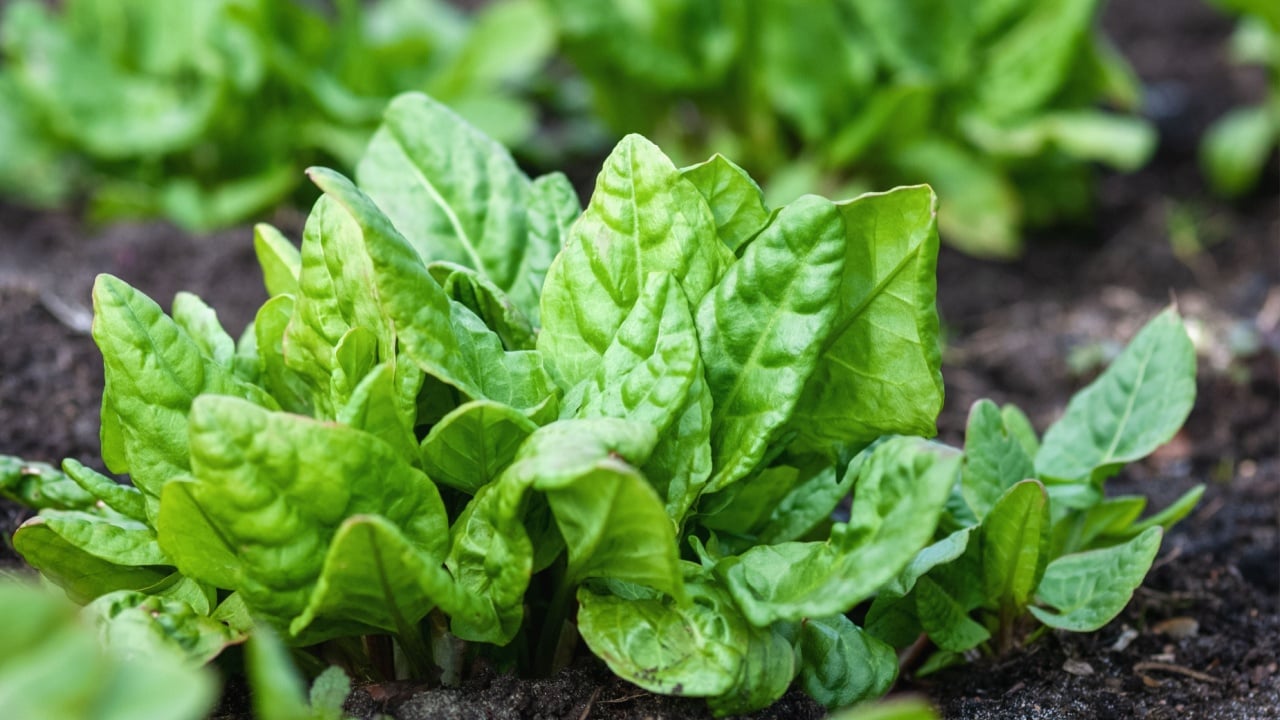
If you are planting the same heirloom varieties you always grow without checking their disease tolerance, you are gambling with this season’s harvest. Wet, warm El Niño conditions are a recipe for early blight, powdery mildew, and root rot, especially across the southern half of the country.
Prioritize disease-resistant cultivars. For wetter regions, Survival Garden Seeds recommends Cherokee Purple tomatoes for disease tolerance, Bloomsdale spinach for cool-season reliability, and Cylindra beets for rot resistance. For drier northern regions, Dwarf Siberian kale and Detroit Dark Red beets handle inconsistent moisture well. These swaps cost nothing extra but can mean the difference between a harvest and a compost pile.
7. Trusting Historical Frost Dates as Gospel
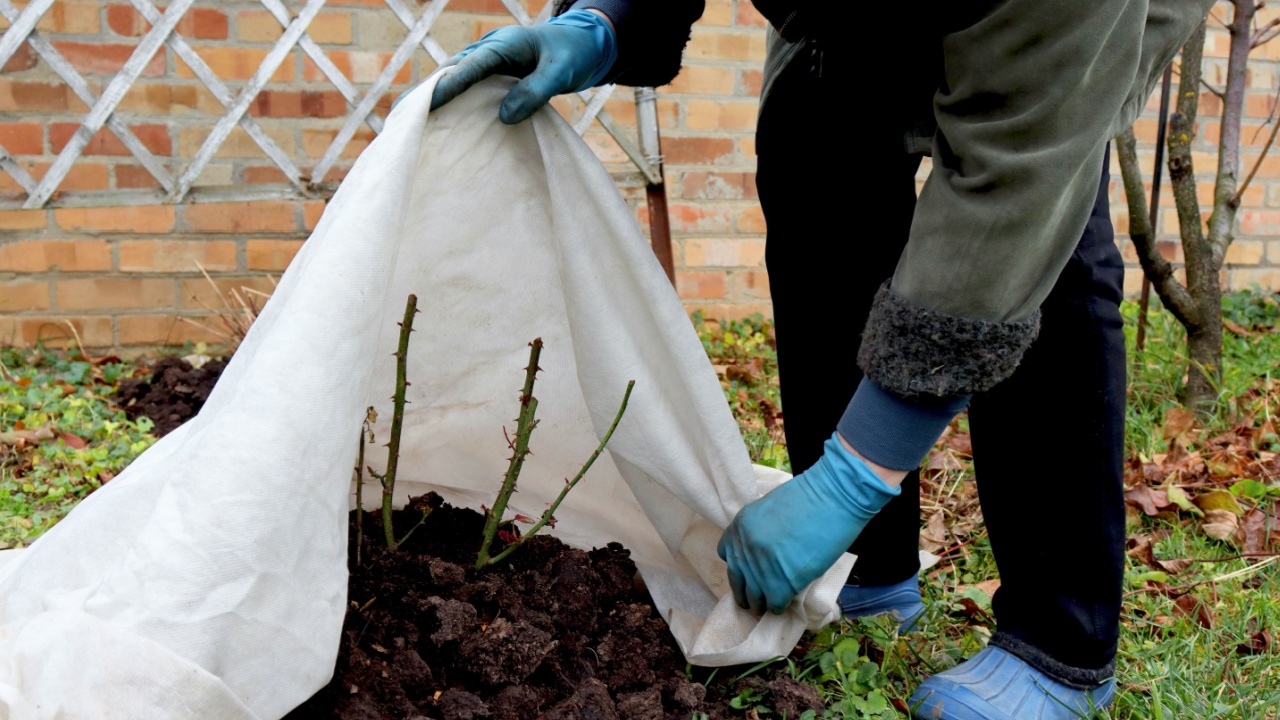
El Niño can delay first frost in some regions by weeks while delivering surprise early freezes in others. Gardeners in the northern Plains and Great Lakes may enjoy extended harvests through late October, only to lose everything to a sudden hard freeze that was not on the historical calendar. Southern gardeners may see frost arrive later than expected but endure weeks of cold rain that stunts warm-season holdovers.
The gardeners who lose the least during El Niño years are the ones who stopped trusting averages and started trusting their local forecast. Keep row covers and frost cloth accessible all season. Watch soil temperatures, not calendar dates. The Old Farmer’s Almanac has known for generations that no two falls are the same, even if we sometimes forget.
Work With El Niño, Not Against It
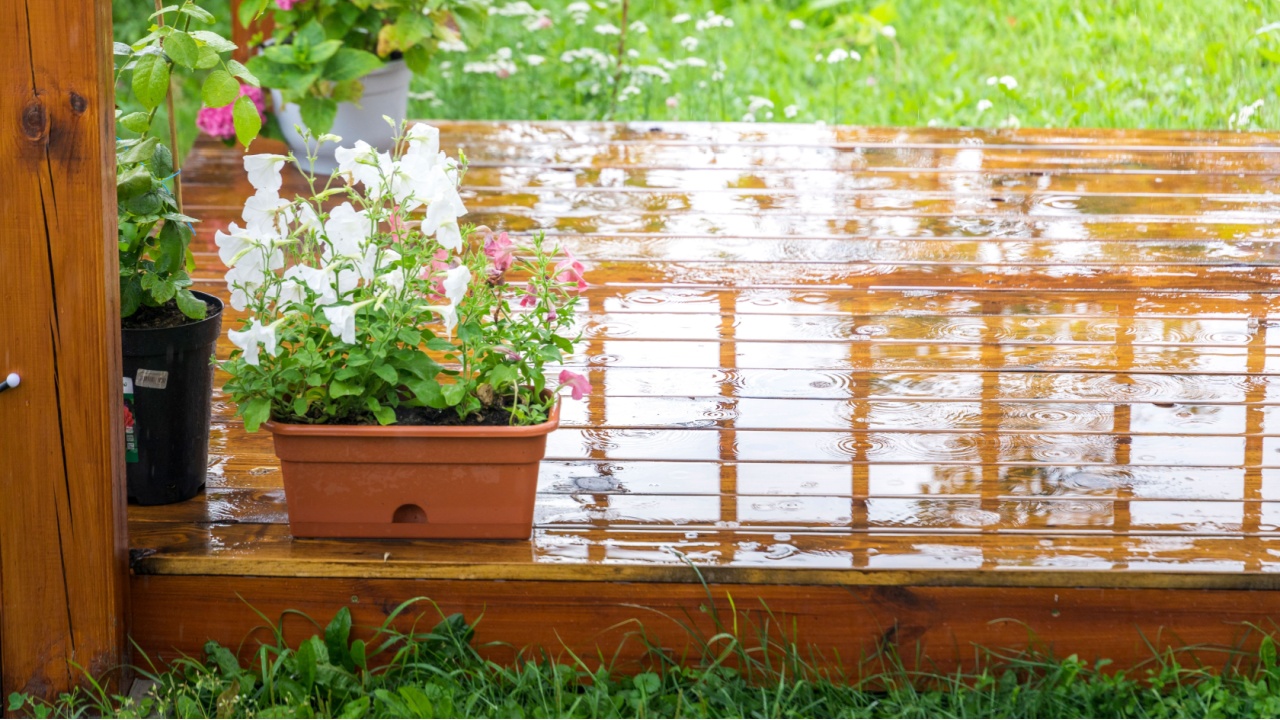
None of these adjustments require expensive equipment or expert knowledge. Check your soil drainage this weekend, buy a $5 rain gauge, and space your fall transplants wider than you think you need to. Choose disease-resistant varieties while you still have the option. Check your local NWS forecast every week instead of relying on last year’s planting notes.
El Niño is not a reason to skip your fall garden. It is a reason to garden smarter this year than last. The gardeners who will come through this season with the best harvests are not the ones who panicked or ignored the forecast. They are the ones who made small, practical adjustments in August and September, before the heaviest weather arrived.
Weather has always been part of gardening. The only difference this fall is that we know exactly what is coming, and we still have time to prepare.
Read More
The 7 Best Garden Items to Thrift This Fall
9 Smart Ways to Save Money in the Garden Before Fall Ends