13 Plants That Grow Better (and Faster) Hydroponically
Most people have a garden story that ends the same way: the slugs won, or the heat hit early, or the soil just never seemed right. Hydroponics removes all of those excuses from the equation entirely.
Growing plants in a nutrient-rich water solution instead of soil is not a futuristic science experiment. It is one of the most practical and accessible growing methods available to home gardeners right now, and if you have been curious about starting, now is genuinely the ideal month to do it. Spring planting energy is high, seed-starting supplies are widely available, and a small hydroponic setup can have you harvesting fresh greens in as little as 30 days from the date you plant.
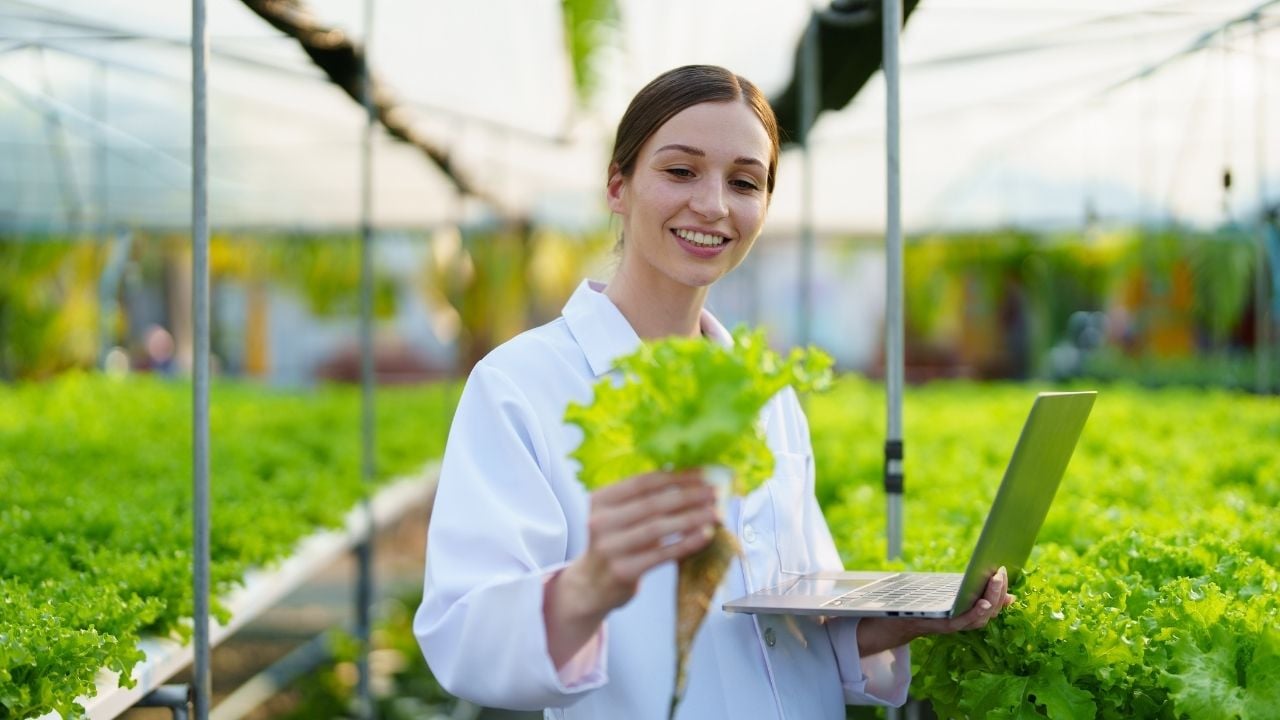
Here is what the research confirms: hydroponic plants can reach harvest 30 to 50 percent faster than soil-grown plants, use up to 90 percent less water, and require zero weeding. If you grow just one head of lettuce per week at home rather than buying it at the store, you will save roughly $150 a year. Add a few herb pods, and that number climbs quickly.
This is gardening that gives something back.
Why Grow Hydroponically? The Case for Ditching Dirt
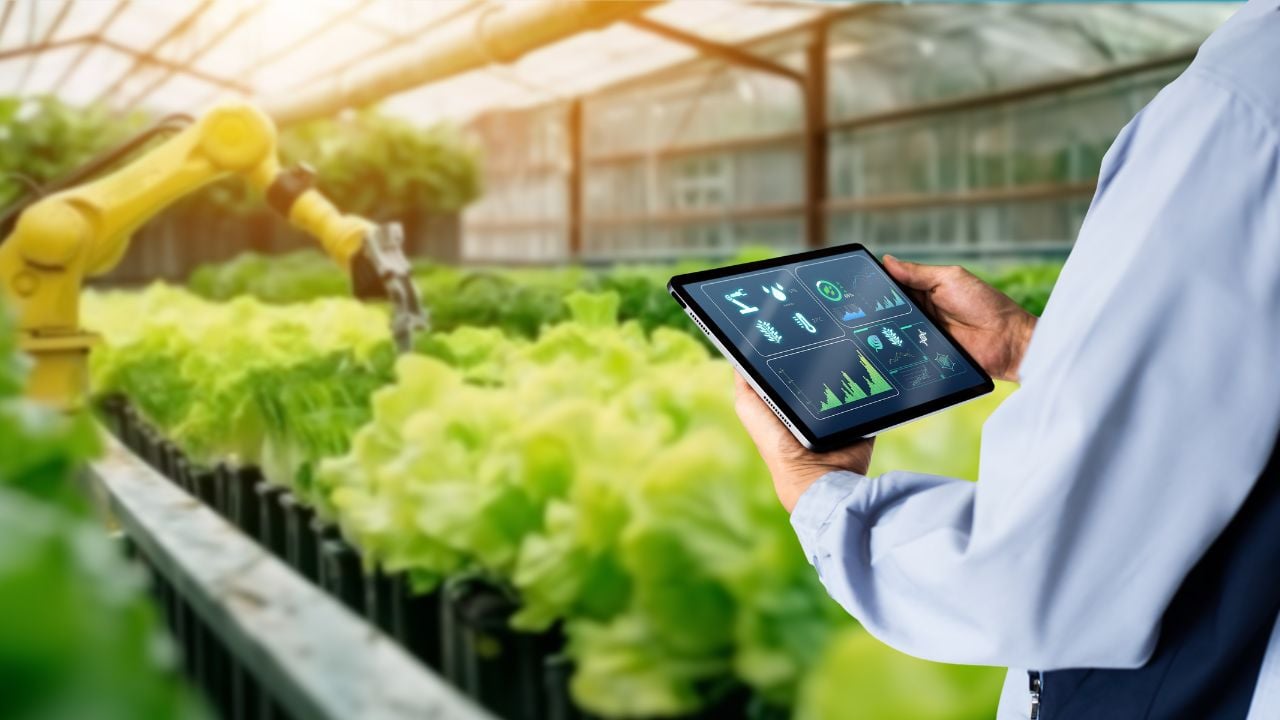
The core advantage of hydroponics is efficiency. In a traditional garden, plants spend a significant portion of their energy extending roots outward in search of nutrients. In a hydroponic system, those nutrients are delivered directly to the root zone in a precisely controlled solution, which means the plant redirects that energy into upward growth instead.
The results are measurable. According to Scotts Miracle-Gro, growing lettuce indoors hydroponically can bring it to harvest in just 30 days, compared to the standard 60 days in soil. Herbs can see a growth rate increase of up to 25 percent in a well-managed indoor system. And because hydroponic setups are typically indoors or enclosed, pest pressure drops dramatically: no soil-borne insects, no weeds competing for resources, and no need for pesticides.
For urban gardeners, apartment dwellers, or anyone with limited outdoor space, the geometry of hydroponics is also compelling. Plants can be grown much closer together and stacked vertically since their roots are not competing for territory. You can produce meaningful amounts of fresh food in less space than a kitchen countertop.
What Makes a Plant a Good Fit for Hydroponics?

Not every plant is equally suited to a water-based growing system. The best candidates tend to be compact, fast-growing, and light in their root footprint. Deep-rooted crops like carrots, potatoes, and beets are poor fits because they need the physical resistance of soil to develop properly. Very large, sprawling plants like pumpkins or full-size watermelons are impractical because of the space and support they require.
The sweet spot for hydroponic growing falls into three categories: leafy greens, culinary herbs, and compact fruiting plants. These are the crops that grow fast, reward frequent harvests, and do not require complex pollination management.
13 Plants That Thrive in a Hydroponic System- 1. Lettuce

Lettuce is the undisputed entry point for hydroponic gardening. It grows quickly, forgives mistakes, and rewards the grower with a harvest in as little as 25 to 60 days, depending on the variety. Butterhead types like Bibb and Boston are especially tender when grown in water culture systems. For a continuous supply, stagger small plantings every two weeks rather than growing a large batch all at once. As The Spruce notes, lettuce is “the easiest crop to grow” in any hydroponic setup.
2. Basil

Few herbs feel more luxurious to grow at home than basil, and few are as perfectly suited to hydroponics. Whether you choose classic Genovese, purple, or Thai varieties, all thrive in a water culture system as long as they receive strong light. Harvest regularly from the top to keep plants bushy rather than tall. According to Hyper-Grow Fertilizer, once basil reaches maturity, you can harvest and trim weekly for fresh basil all year long.
3. Mint
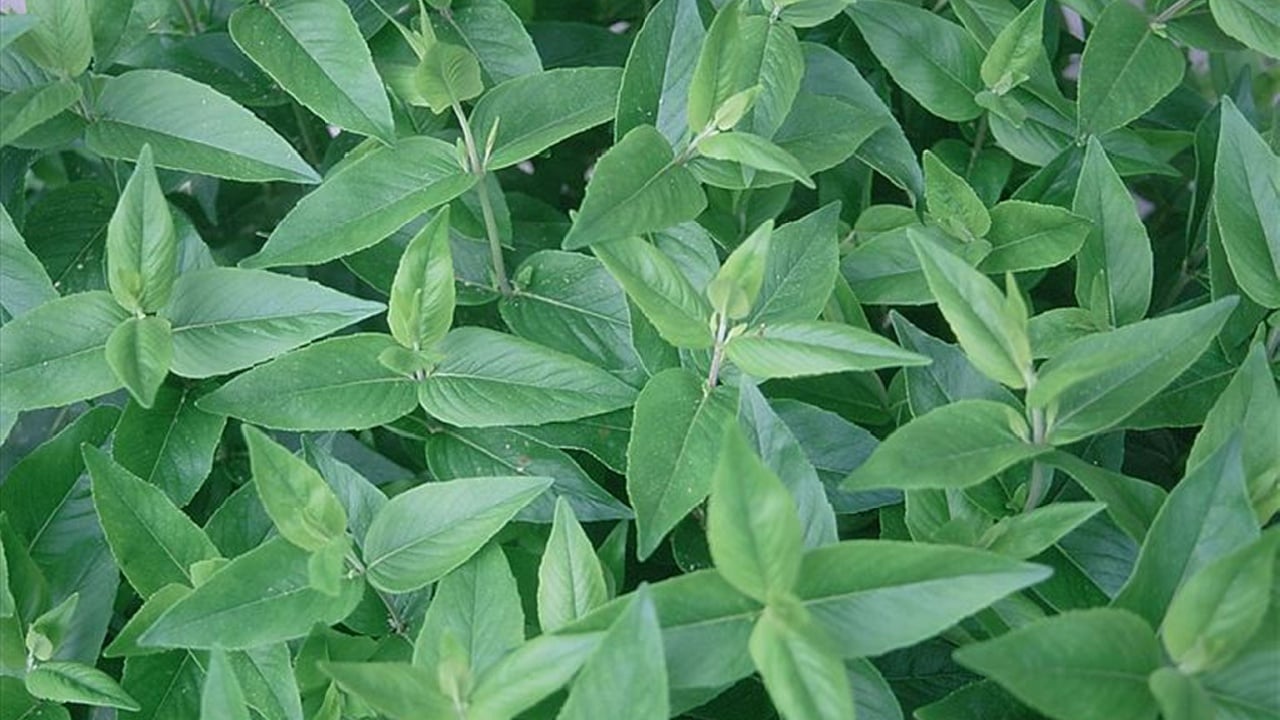
Mint is practically enthusiastic about growing hydroponically. Because it roots so readily in water, the best approach is to start from a cutting placed in a glass of water rather than from seed. Once roots develop, transfer it to your system; the more you harvest the tip growth, the bushier and more productive the plant becomes. Keeping it contained in its own pod or net cup is advisable, as mint can spread vigorously, according to The Spruce.
4. Spinach
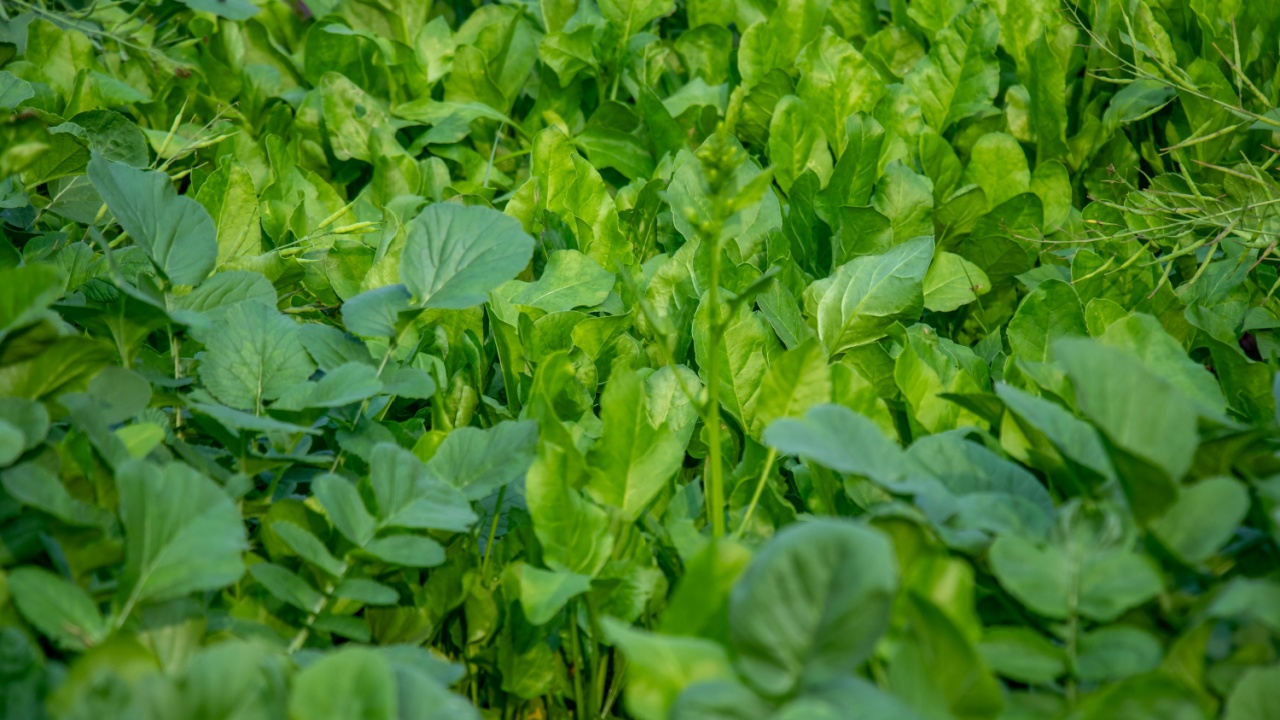
Spinach is a natural match for water culture systems. It is a quick grower, ready in 28 to 55 days, and performs best in cooler conditions, so it pairs beautifully with kale or Swiss chard in the same system where temperatures stay below 75 degrees Fahrenheit. Harvest outer leaves first to keep the plant producing as long as possible.
5. Arugula
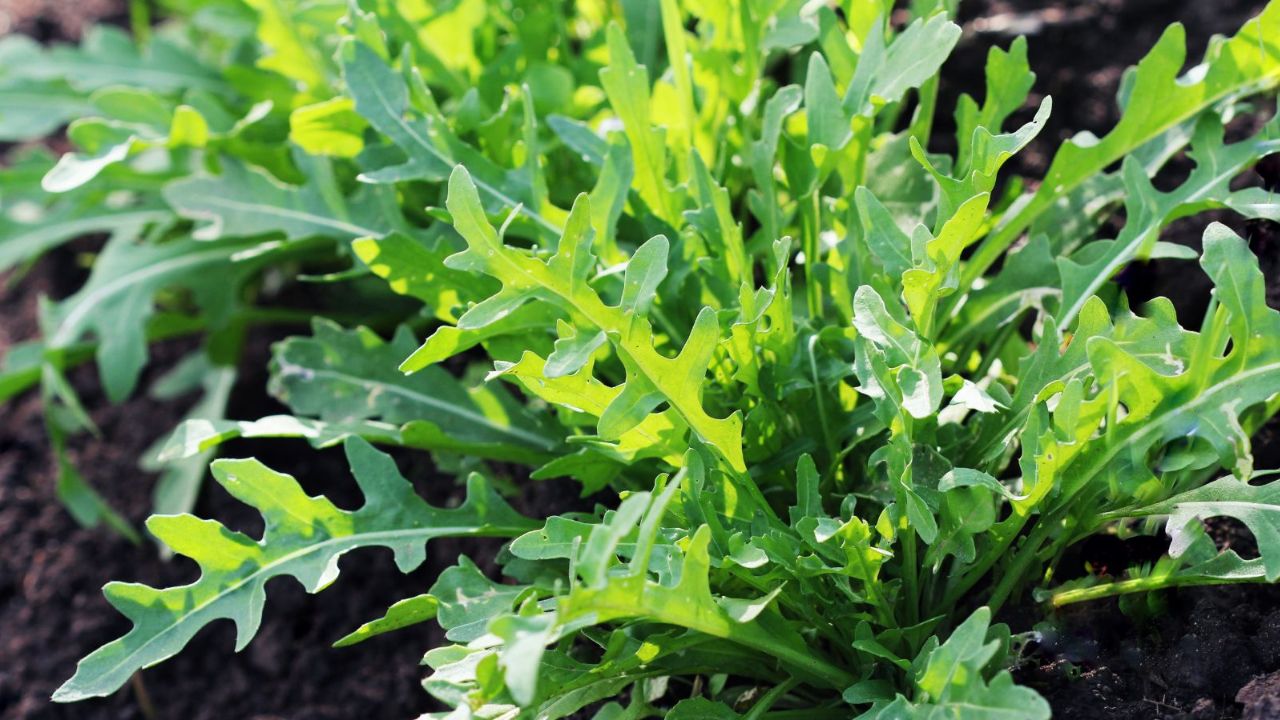
Arugula is compact, fast, and forgiving, which makes it one of the easiest crops to cycle through repeatedly in a small hydroponic setup. It typically reaches harvest in 40 to 45 days. Harvest individual leaves as they develop and replant at regular intervals for a near-constant supply of peppery greens. Its small mature size makes it a practical choice even for the most space-limited setups.
6. Cilantro
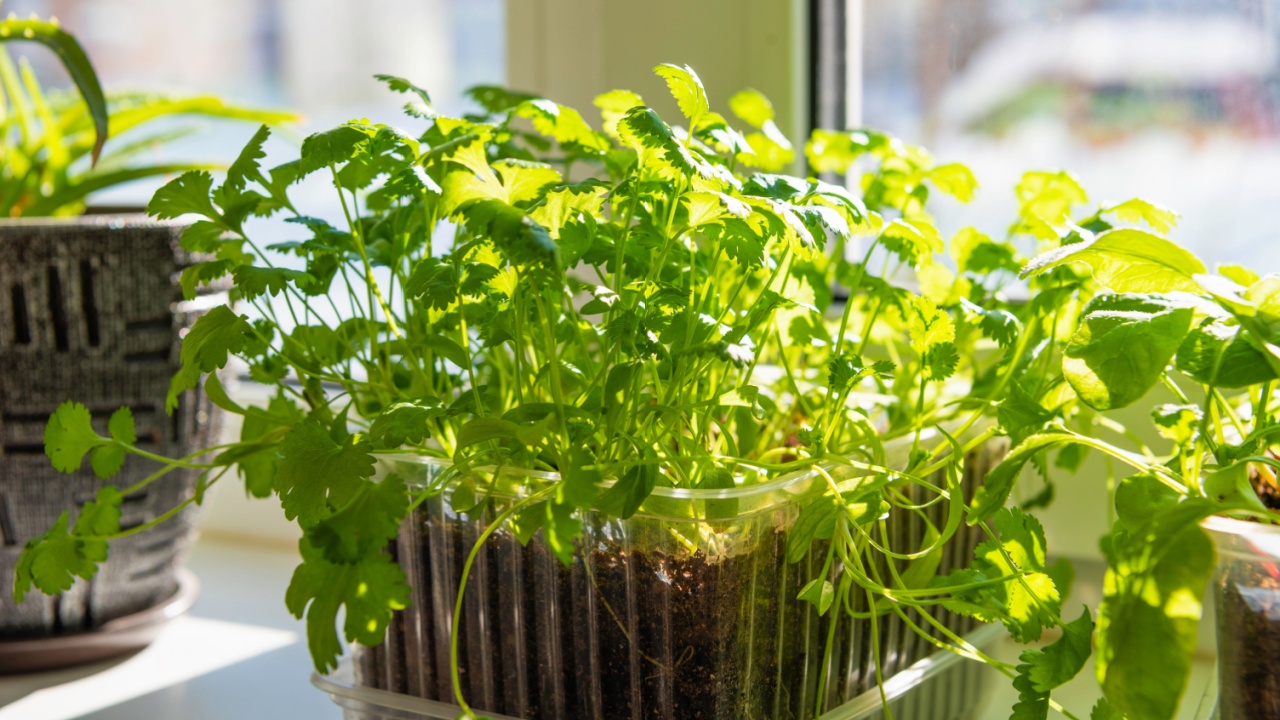
Cilantro is a fast grower with a short natural lifespan, which means it requires a different management strategy than most herbs: plan to replant every three to four weeks to maintain a continuous harvest. The upside is that each planting grows quickly, and fresh cilantro from your own system tastes notably brighter than anything that has spent days in a grocery store refrigerator case.
7. Dill
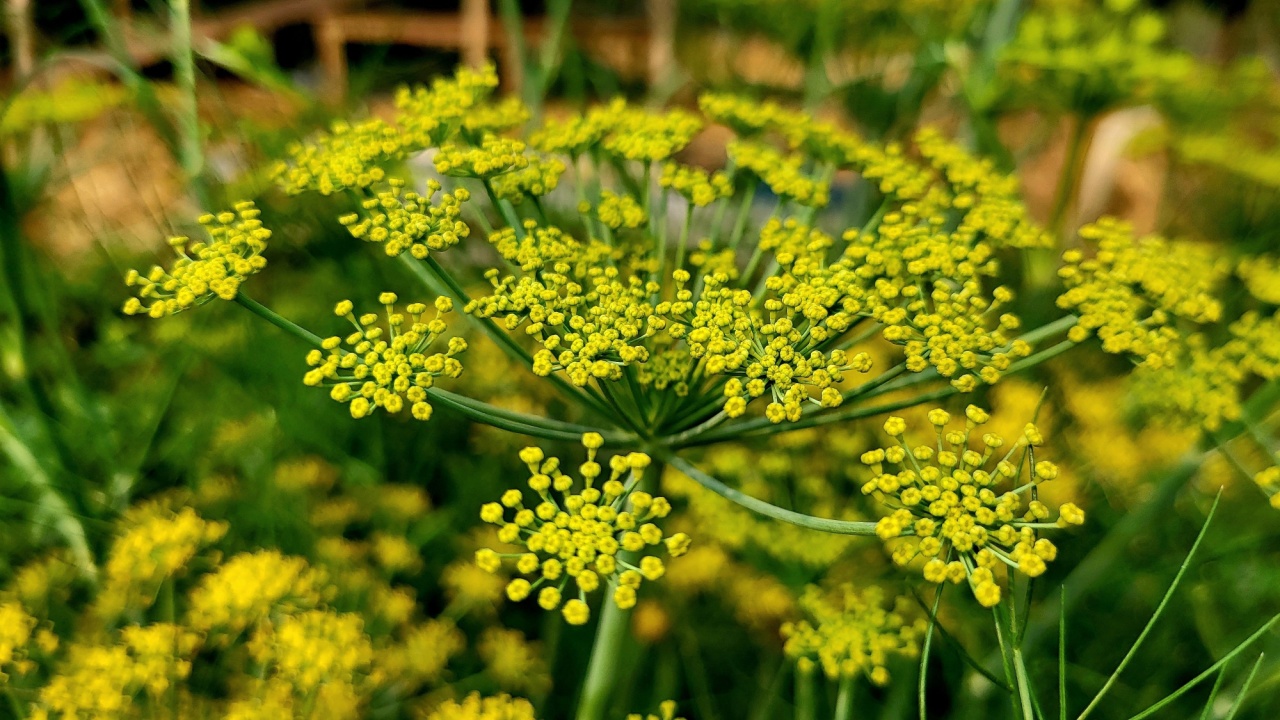
Dill is one of the most underrated hydroponic herbs. In an outdoor garden, it grows tall and leggy; in a hydroponic system, regular harvesting keeps it compact and productive. It does well under full sun or strong grow lights and reaches maturity in 40 to 60 days, according to The Spruce. If you cook with dill regularly, a hydroponic planting will pay for itself in the first month alone compared to buying fresh bunches at the store.
8. Swiss Chard
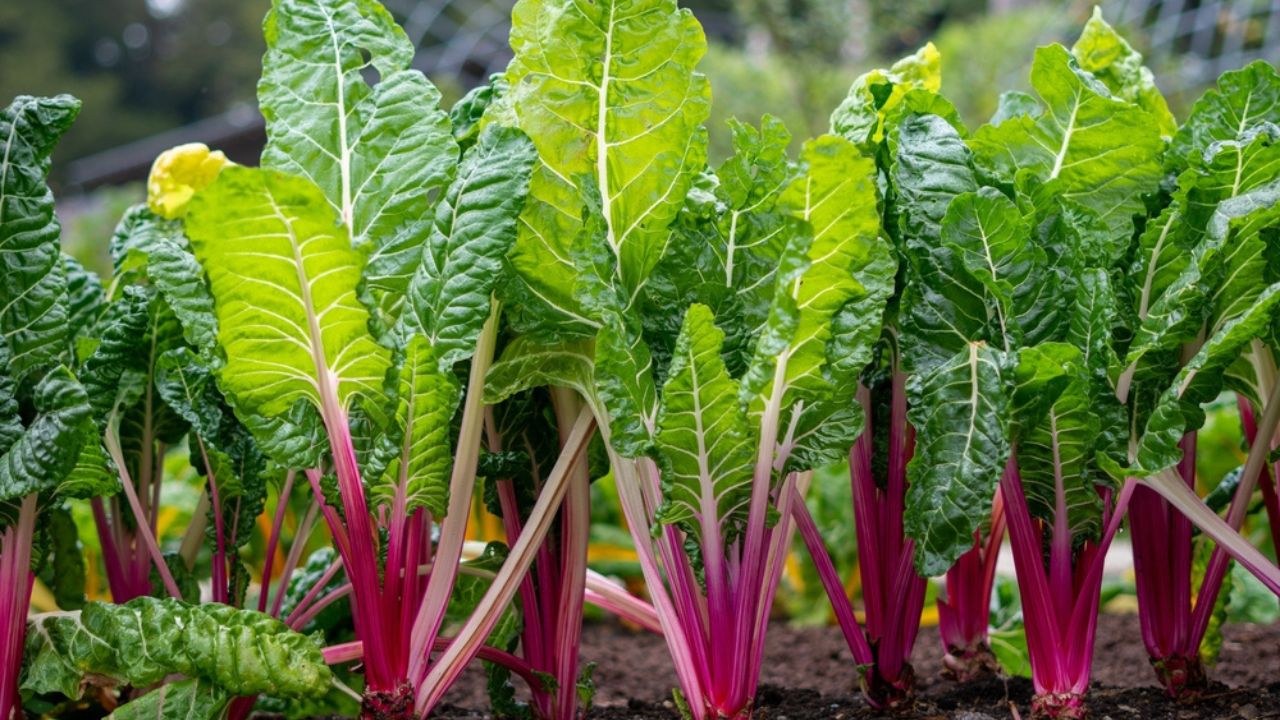
Swiss chard is an outstanding hydroponic performer because its leaves regrow continuously as you harvest individual stems, giving you an extended productive window from a single planting. Like spinach, it prefers cooler temperatures and pairs well with other cool-season crops. The wick system and ebb-and-flow systems suit it well, and days to full maturity run 60 to 65 days, though you can begin harvesting outer leaves earlier.
9. Parsley
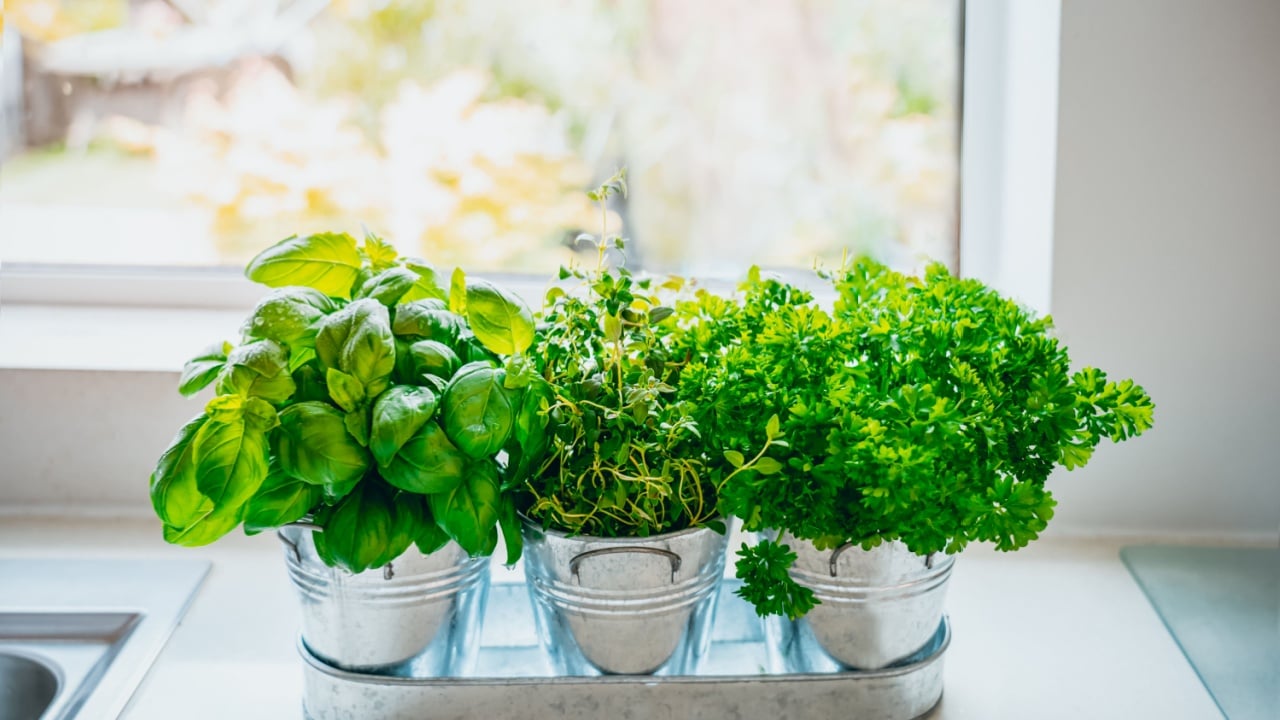
Parsley is slow off the starting line; it can take two to three weeks to germinate even under ideal conditions. Once established, however, it becomes a reliable and generous producer of fresh leaves for months. For the best results, start with fresh plants at least three times per year rather than trying to extend a single planting indefinitely. The patience required at the start pays off quickly.
10. Kale
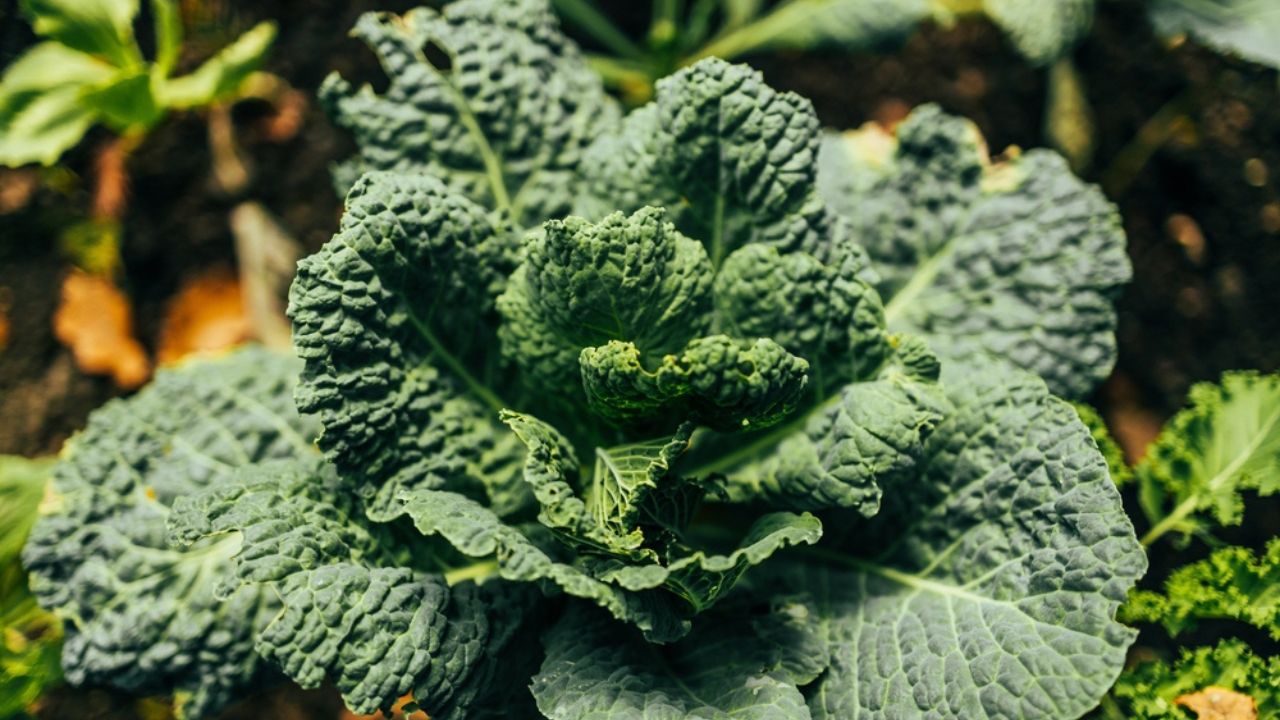
Full-size kale plants develop substantial root systems that can strain a compact hydroponic setup. The smarter approach is to grow kale as microgreens, ready in one to three weeks, or to harvest individual outer leaves as the plant matures rather than waiting for it to reach full size. Either way, the flavor and nutrition are excellent, and harvested leaves can be frozen for use in soups and smoothies throughout the season.
11. Tomatoes
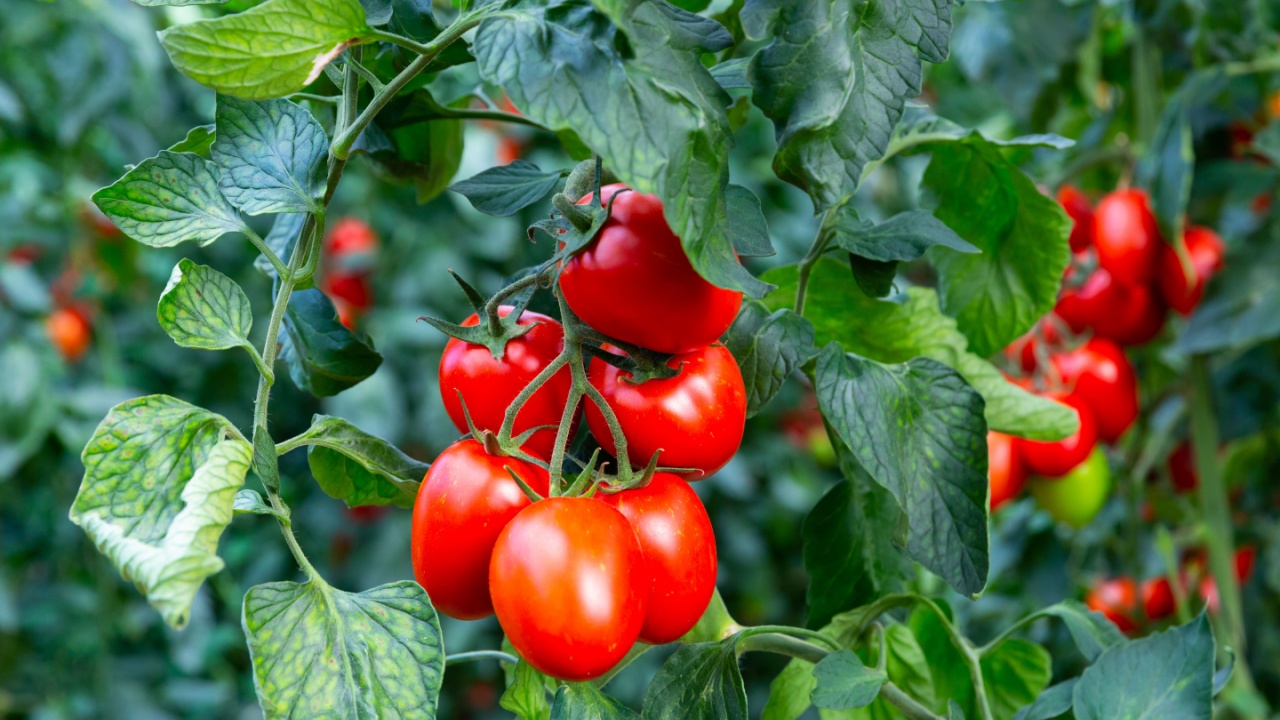
Tomatoes are more demanding than greens and herbs, but they are a worthy challenge once you have grown a few beginner crops successfully. Dwarf and determinate varieties are the best fit for home hydroponic setups, and they are self-pollinating, though gently shaking flowering branches can help improve yields indoors. They need strong light and full sun exposure. According to NoSoilSolutions, tomatoes are forgiving for beginners learning how flowering nutrients work.
12. Peppers
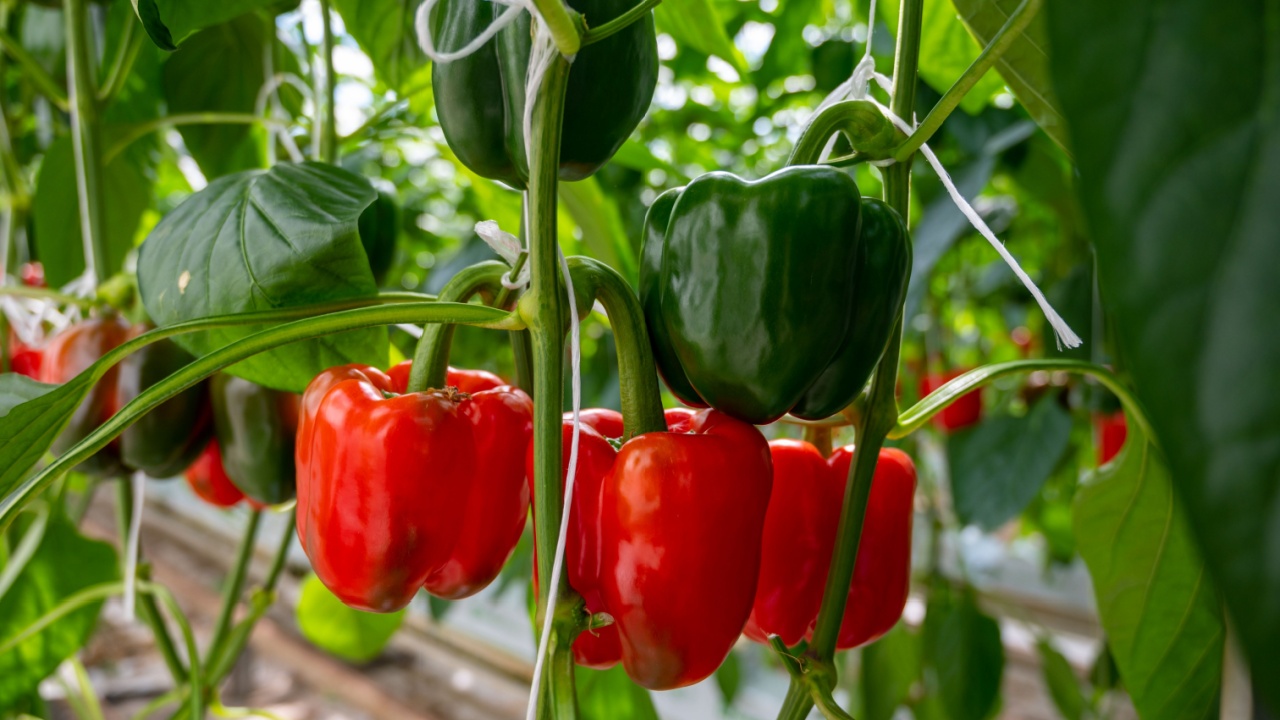
Peppers thrive under the same conditions as tomatoes: warm temperatures, full sun, and an ebb-and-flow or wick system for adequate support. Compact varieties like mini bell peppers are the best fit. They are self-pollinating and, once loaded with fruit, may benefit from staking to prevent the plant from tipping under the weight of the harvest, writes Our Little Suburban Farmhouse.
13. Strawberries
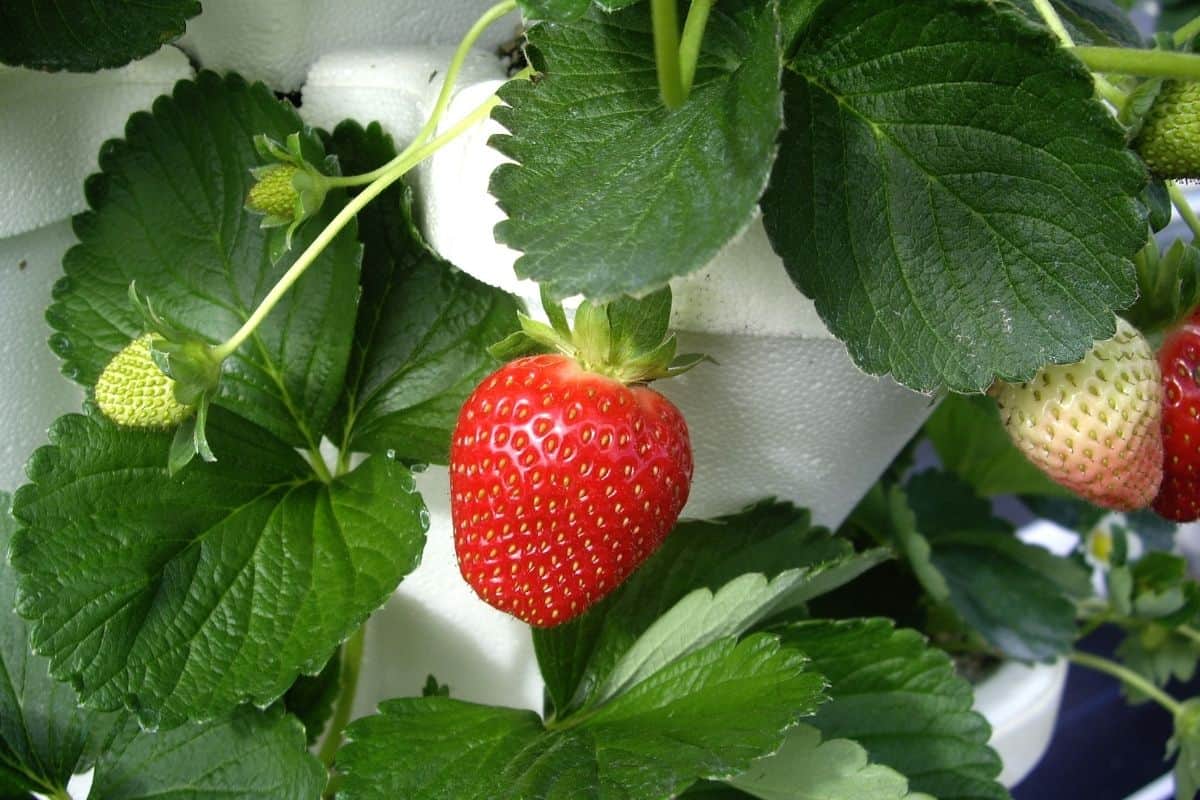
Strawberries are among the most commercially grown hydroponic fruits in the world, and for good reason: they produce reliably, taste exceptionally fresh, and benefit significantly from the controlled growing environment that hydroponics provides, according to NoSoilSolutions. For home systems, the Nutrient Film Technique is recommended because it supplies roots with consistent oxygenation. Alpine strawberry varieties are particularly well-suited to smaller home systems.
The One Mistake Every Hydroponic Beginner Makes
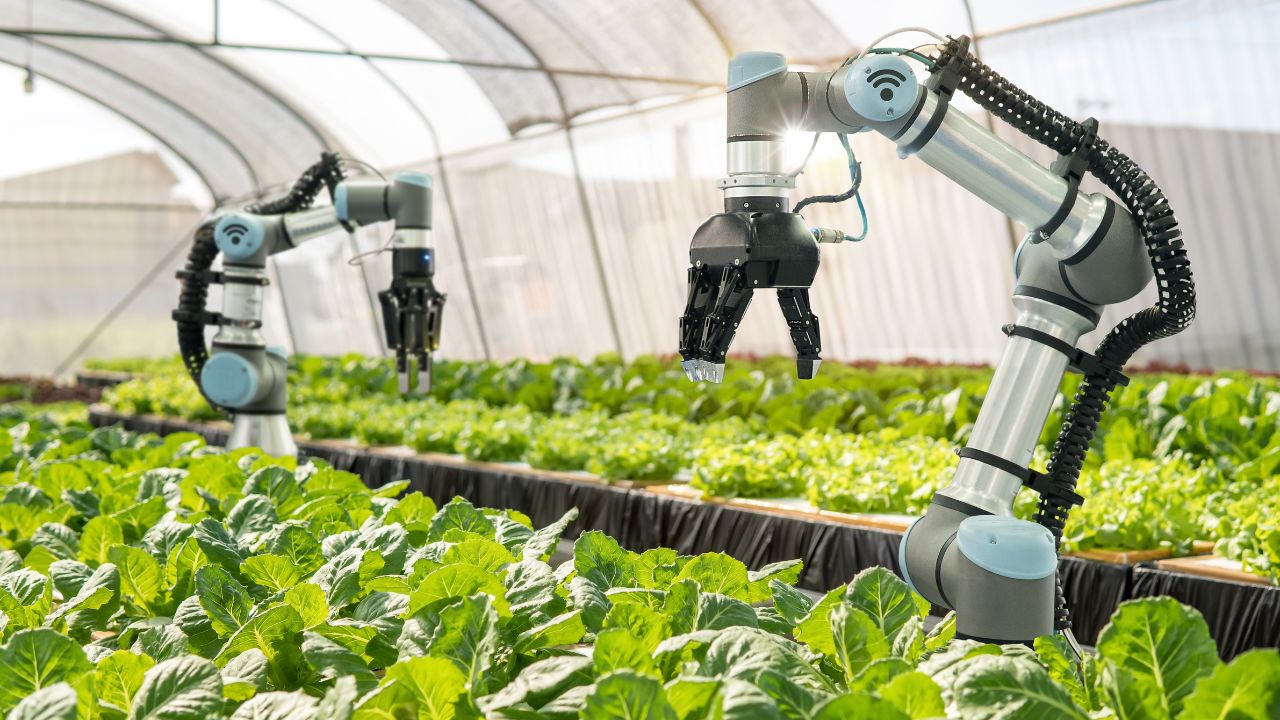
The single most common pitfall in beginner hydroponics is not choosing the wrong plant or buying the wrong nutrient solution. It is trying to do too much, too fast.
Starting with two or three systems running simultaneously means two or three times the variables to manage if something goes wrong. When a plant starts yellowing or growth stalls, it is far harder to diagnose the cause when every element of your setup is new at once. The better approach is to choose one simple system, one beginner-friendly plant, and grow it through to harvest before expanding.
A single successful lettuce harvest, from seed to salad bowl, teaches you more about pH management, light requirements, and nutrient timing than any amount of reading. Start there. Now is the right time to begin, and the first harvest is closer than you think.
Read More
Washing Your Lettuce Won’t Remove Cyclosporiasis, But Growing Your Own Will
Your Grandmother Stored These 8 Foods All Winter Without Canning a Single Jar