
If a Someone is Neglecting These 11 Things at Home, They’re Struggling
Life moves pretty fast. Sometimes, it moves so fast that the little things slide off the radar (especially at home). A coffee cup gets left on the counter. A shirt doesn’t make it to the hamper. But when those little slides turn into an avalanche of neglect, it usually points to something deeper than just being busy or tired.
This article explores 11 specific areas in the home where neglect often signals an internal struggle. These aren’t just about being messy; they are external manifestations of mental and emotional overwhelm and burnout.
Here is how to spot the silent alarms that go off when someone is having a hard time keeping their head above water.
Note: If you or someone you know is feeling depressed and has lost interest in their normal routine, please talk to your doctor about getting help.
1. The Space is Getting Visibly Dirty

Dust bunnies gather in corners, even for the cleanest among us. But when surfaces become coated in grime, floors turn sticky, and bathrooms go unscrubbed for weeks, it often indicates a depletion of energy. Cleaning requires executive function—the mental skill set that helps people plan, focus, and multitask. When someone is struggling with depression, anxiety, or burnout, executive function is often the first thing to short-circuit.
Ignoring dirt is a sign that the brain is overwhelmed. The mental load required to grab a sponge and scrub a counter feels heavier than lifting a car. Addressing this is crucial because living in a dirty environment can create a feedback loop. The messier the home gets, the worse the person feels, and the harder it becomes to clean.
2. Clutter Has Taken Over Every Surface

Everyone has a “junk drawer” or a chair that accumulates coats. However, when clutter migrates from a single drawer to covering dining tables, countertops, and floors, the internal chaos is spilling outward. This kind of clutter is often visual noise that the brain simply cannot process anymore. The piles represent unmade decisions. Each item on the table is a task that felt too big to tackle.
This accumulation can be suffocating. It shrinks the livable space in a home, making the person feel trapped. Recognizing this as a symptom of struggle rather than a character flaw is vital. It suggests that the person does not have the mental bandwidth to organize their physical world because their internal world is taking up all their resources.
3. Laundry Baskets Are Overflowing

Laundry is a relentless cycle. Wash, dry, fold, put away, repeat. When laundry baskets overflow, or worse, when clean and dirty clothes mix in piles on the floor, it signals a disruption in daily maintenance. Clothing is intimate; it is what people present to the world. Failing to care for it suggests a drop in self-regard or a total loss of motivation.
This particular neglect is significant because it directly impacts daily functioning. Digging for clean underwear or wearing wrinkled, stained shirts adds stress to the morning routine. It compounds the feeling of being out of control. When the laundry mountain becomes insurmountable, it is a clear flag that the person needs help breaking the cycle.
4. Dishes Are Piling Up in the Sink

A sink full of dirty dishes is perhaps the most classic sign of household burnout. The kitchen is the heart of the home, and when it becomes unusable, nutrition often suffers alongside it. Old food creates smells and attracts pests, yet the person struggling might look at the stack of plates and feel nothing but paralysis.
Washing dishes is a multi-step sensory experience that can feel overwhelming to a sensitized nervous system. The clanging, the water, the scrubbing; it is too much input. Ignoring the dishes is a survival mechanism to avoid that stress. Unfortunately, a dirty kitchen makes cooking impossible, leading to a reliance on takeout or skipped meals, which only worsens physical and mental health.
5. The Bed Stays Unmade for Days

Making the bed is often touted as the first accomplishment of the day. It sets a tone. When the room stays messy, sheets stay tangled, and the duvet remains in a heap day after day, it implies the day never really started, or that the person is just waiting to crawl back in. The bed becomes a sanctuary of avoidance rather than a place of rest.
This habit implies the day never really started, or that the person is just waiting to crawl back in. Climbing into a messy, unmade bed does not signal the brain that it is time for restorative sleep. It blurs the lines between waking hours and resting hours, contributing to a sense of timeless drift that often accompanies periods of deep struggle.
6. Broken Items Are Left Unfixed

A burnt-out lightbulb, a loose door handle, a leaky faucet. In a healthy home ecosystem, these annoyances get fixed. In a home where the resident is struggling, these broken items become part of the background scenery. The effort to find a screwdriver or buy a new bulb feels astronomically high.
Living with broken things reinforces a sense of helplessness. It sends a subconscious message that “things are falling apart, and I cannot stop it.” Ignoring maintenance issues can also lead to bigger, more expensive problems down the road, adding financial anxiety to the mix. It is a sign that the person has stopped investing in their future comfort.
7. Bad Smells Are Ignored
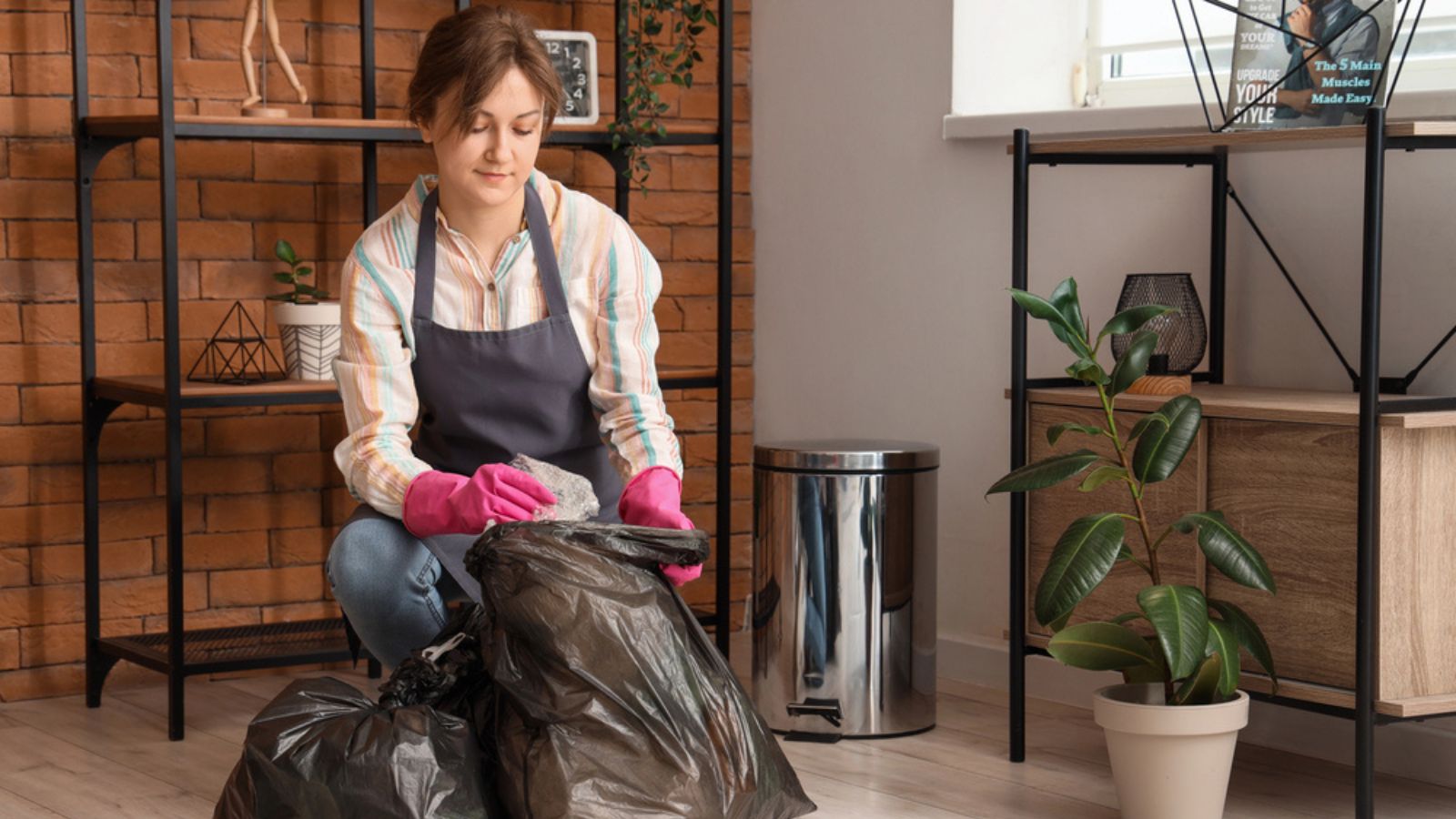
Our sense of smell is powerful and typically alarms us when something is off. When someone becomes “nose blind” or simply tolerant of unpleasant odors, garbage, pet messes, or spoiled food, it is a concerning development. It suggests a disconnection from sensory input or a dangerous level of apathy.
This neglect is isolating. It keeps visitors away, deepening the person’s loneliness. Furthermore, breathing in stale or unclean air affects physical health. If a woman is living in a home that smells bad and she doesn’t seem to notice or care, her sensory processing and self-preservation instincts are likely dampened by her internal state.
8. Houseplants Are Dead or Dying

Plants are living things that depend entirely on their owner for survival. When the ferns turn brown and the succulents shrivel, it is a tangible representation of the owner’s capacity to care. If she cannot care for herself, she certainly cannot care for a fiddle leaf fig.
The death of houseplants is often a source of guilt, which adds to the emotional burden. It is a visual reminder of failure. However, seeing it as a symptom is more helpful. It shows that the routine of nurturing has been broken. The daily check-in with life, watering, pruning, and observing, has vanished, replaced by survival mode.
9. Routine Has Completely Vanished

Humans crave rhythm. We wake up, we eat, we work, we rest. When someone is struggling, the scaffolding of the day collapses. Meals happen at 3 AM. Sleep happens at noon. Work is done sporadically or not at all. The loss of routine removes the safety net that keeps days productive and predictable.
Without routine, time loses its shape. This can increase anxiety and feelings of instability. If a woman’s home reflects erratic hours, lights on at all hours, meals eaten standing up over the sink, her internal clock is likely out of sync. Re-establishing even a tiny micro-routine is often the first step toward recovery.
10. The Blinds Are Always Closed

Natural light is a mood booster. It regulates serotonin and helps with sleep cycles. Keeping the blinds drawn and curtains closed 24/7 creates a cave-like atmosphere that fosters depression. It is a physical way of shutting out the world.
This behavior suggests a desire to hide. It is a barrier against neighbors, sunlight, and the demands of the day outside. While it might feel safe temporarily, it disrupts the circadian rhythm and keeps the home in perpetual gloom. Opening a blind is literally letting the light in, which is why keeping them closed is such a potent symbol of darkness.
11. Hobbies Have Disappeared

A home usually holds evidence of what brings joy. A half-finished painting, a stack of books, gardening gloves, a yoga mat. When these items are packed away or buried under clutter, and nothing feels fun anymore, the person has disconnected from their sources of pleasure. Anhedonia, the inability to feel pleasure, is a core symptom of depression.
When hobbies stop being interesting, the person is merely existing, not living. They are functioning on autopilot without the fuel of creativity or passion. Reintroducing these items, even if they aren’t used immediately, can serve as a gentle reminder of the person they were and can be again.
Moving Forward With Compassion

When a home mirrors someone’s personal challenges, turning things around feels overwhelming, but change begins with the smallest, most manageable actions and patient self-compassion. Clearing a single table, tidying up for just a few minutes, or even chatting with a friend while folding towels can lighten the weight of chores and help reintroduce a sense of normalcy.
For struggles that run deeper, reaching out to a professional can provide helpful tools for moving forward and bring more comfort to both home and mind. Every gentle effort, no matter how small, counts.