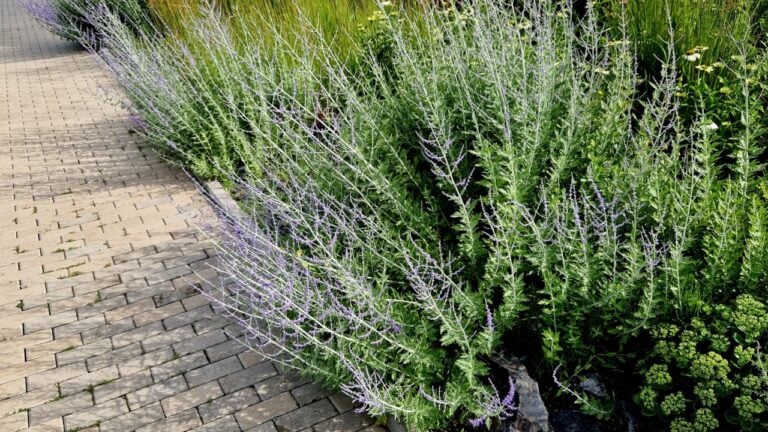
6 Invasive Trees That Will Take Over the Yard If You Let Them
Many homeowners unknowingly plant invasive species (trees, plants, etc.) that then aggressively consume their properties. A beautiful sapling purchased at a local nursery can quickly become an unmanageable monster. These fast growers quietly develop massive root systems beneath the soil surface while appearing completely harmless above ground.
Aggressive plants spread rapidly because they lack natural predators in their new environments. They compete with native flora for essential sunlight, water, and soil nutrients.
Removing these aggressive invaders requires significant effort and financial investment once they establish themselves. Their deep root systems frequently damage underground pipes, crack foundations, and lift concrete sidewalks.
Here are six aggressive species that regularly cause major problems for property owners.
1. Mimosa Tree (Albizia julibrissin)
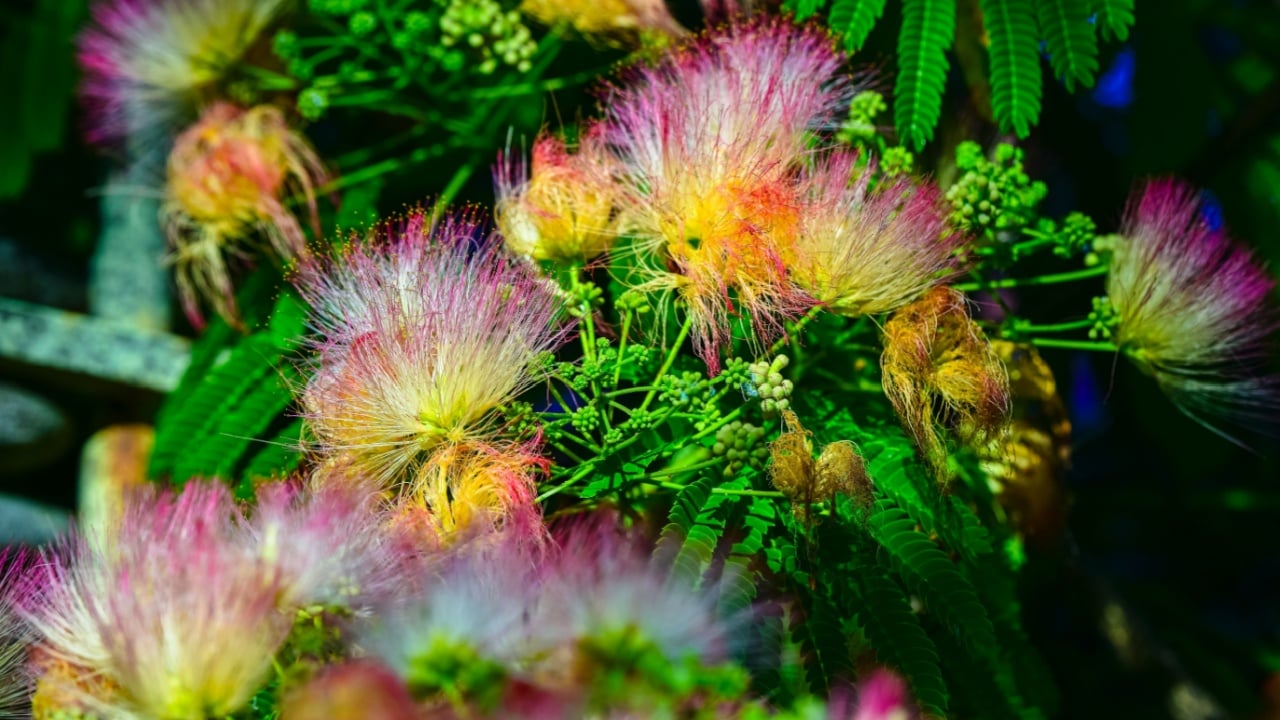
The mimosa tree initially attracts buyers with its delicate pink flowers and fern-like foliage. However, this aggressive grower produces thousands of seed pods that scatter widely across yards and nearby roadsides.
These seeds remain viable in the soil for years while rapidly sprouting into dense thickets of unwanted saplings.
Controlling a mimosa requires persistent vigilance because cutting down a mature specimen triggers vigorous root sprouting. One must apply targeted herbicides to freshly cut stumps to prevent new growth from emerging.
Planting native alternatives like redbud or fringe tree provides beautiful spring color without the aggressive spreading behavior.
2. Tree of Heaven (Ailanthus altissima)
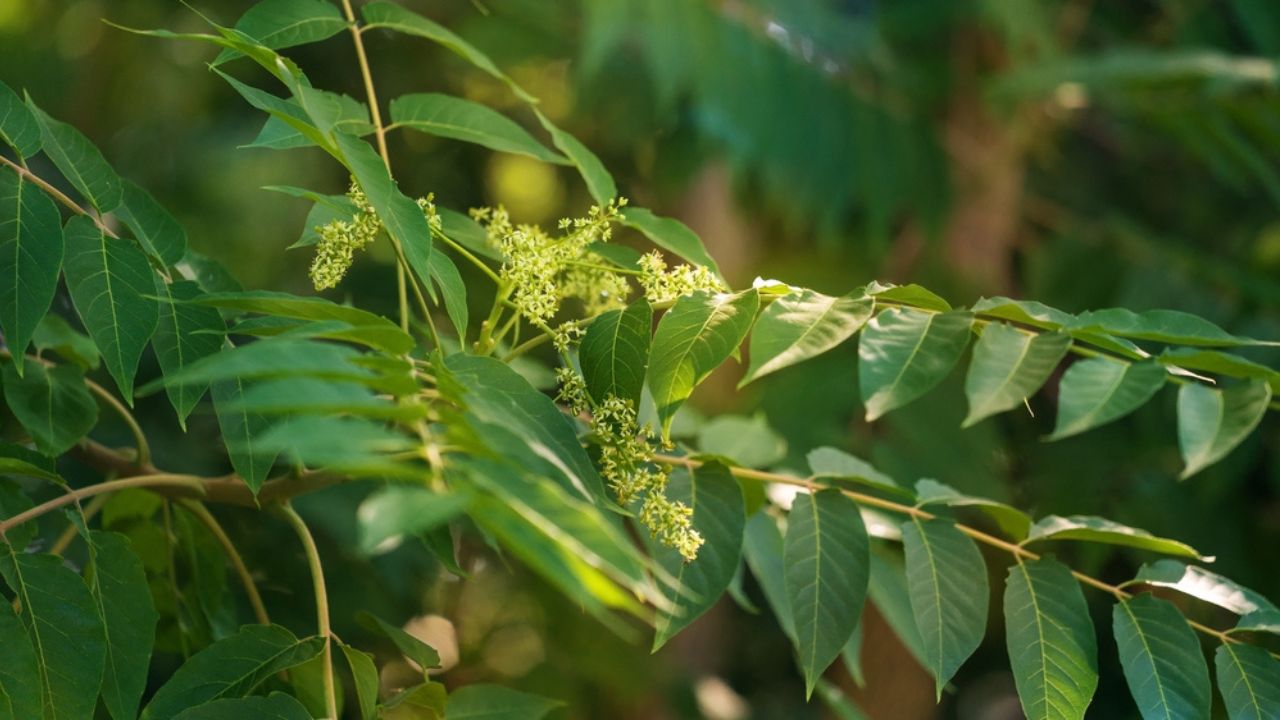
Nurseries historically promoted the tree of heaven as a rapidly growing shade provider for challenging urban environments. This aggressive species produces extensive root networks that regularly destroy sewer lines and crack concrete foundations.
A single mature specimen can produce hundreds of thousands of seeds annually while aggressively sending up new shoots from its roots.
Eradicating this stubborn invader demands a strategic approach rather than simply cutting the main trunk.
Removing the upper canopy encourages the root system to send up dozens of new shoots across your lawn. Many people hire professional arborists to apply specialized treatments that completely kill the extensive root network.
3. Chinaberry (Melia azedarach)
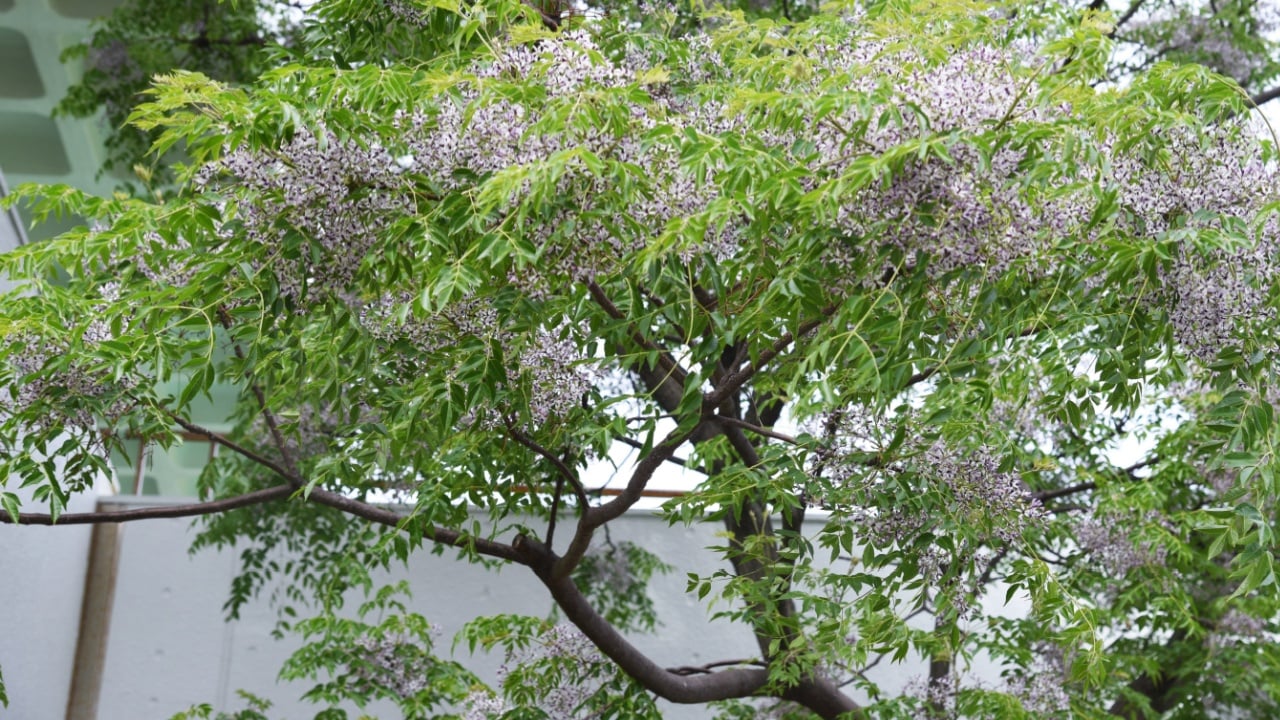
The chinaberry tree creates a striking visual display with its purple spring blossoms and clusters of yellow fruit. Birds eagerly consume these toxic berries and distribute the seeds far beyond your property lines.
This rapid seed dispersal allows the chinaberry to form massive colonies that aggressively crowd out native vegetation.
Managing a chinaberry invasion involves manually removing small seedlings before their taproots develop deep into the soil. Mature specimens require professional removal and immediate stump treatment to prevent aggressive regrowth.
Gardeners should consider planting native serviceberry trees to attract wildlife without introducing an aggressive invader to the local ecosystem.
4. Bradford Pear (Pyrus calleryana)
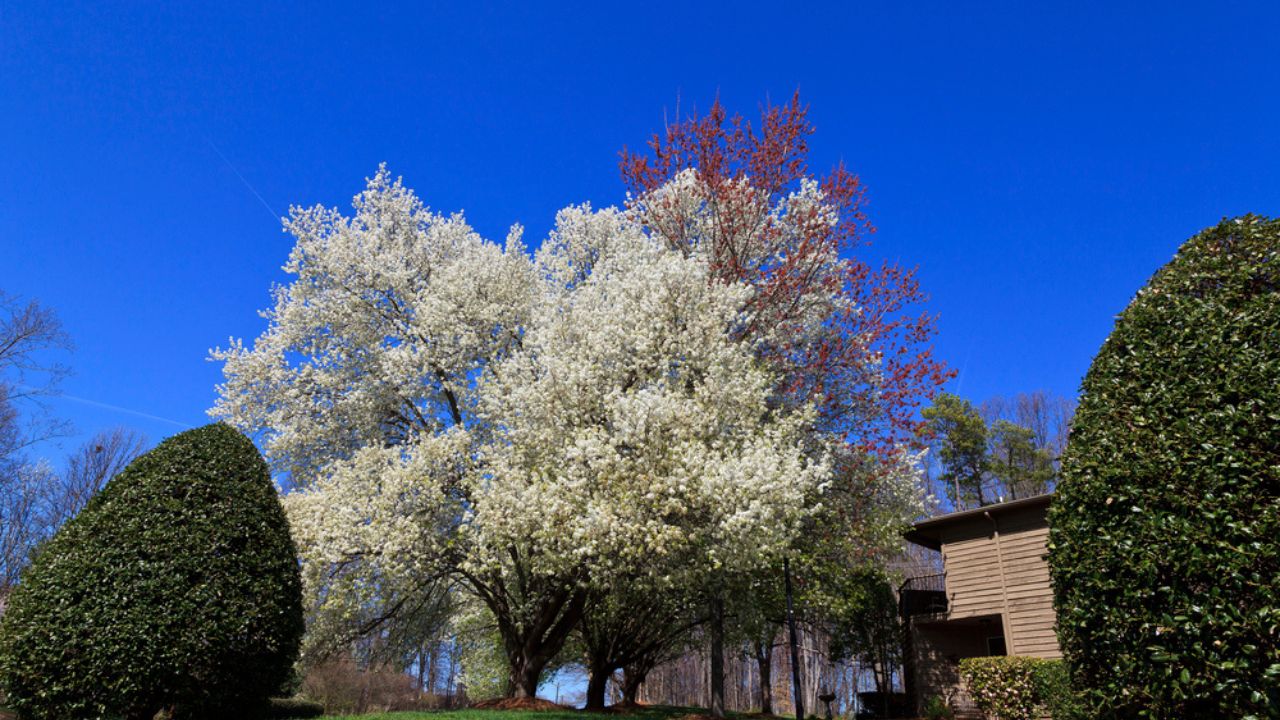
Landscapers previously favored the Bradford pear for its symmetrical shape and profuse white blossoms during early spring. This brittle species frequently cross-pollinates with other pear varieties, producing aggressive offspring with dangerous thorns.
These wild hybrids form impenetrable thickets that overtake open fields and severely damage native habitats.
The weak branch structure of the Bradford pear makes it highly susceptible to splitting during severe windstorms.
Aggressively replace these weak specimens before they collapse and damage nearby structures. Native flowering dogwoods offer superior structural integrity and gorgeous spring displays without threatening local ecosystems.
5. Empress Tree (Paulownia tomentosa)
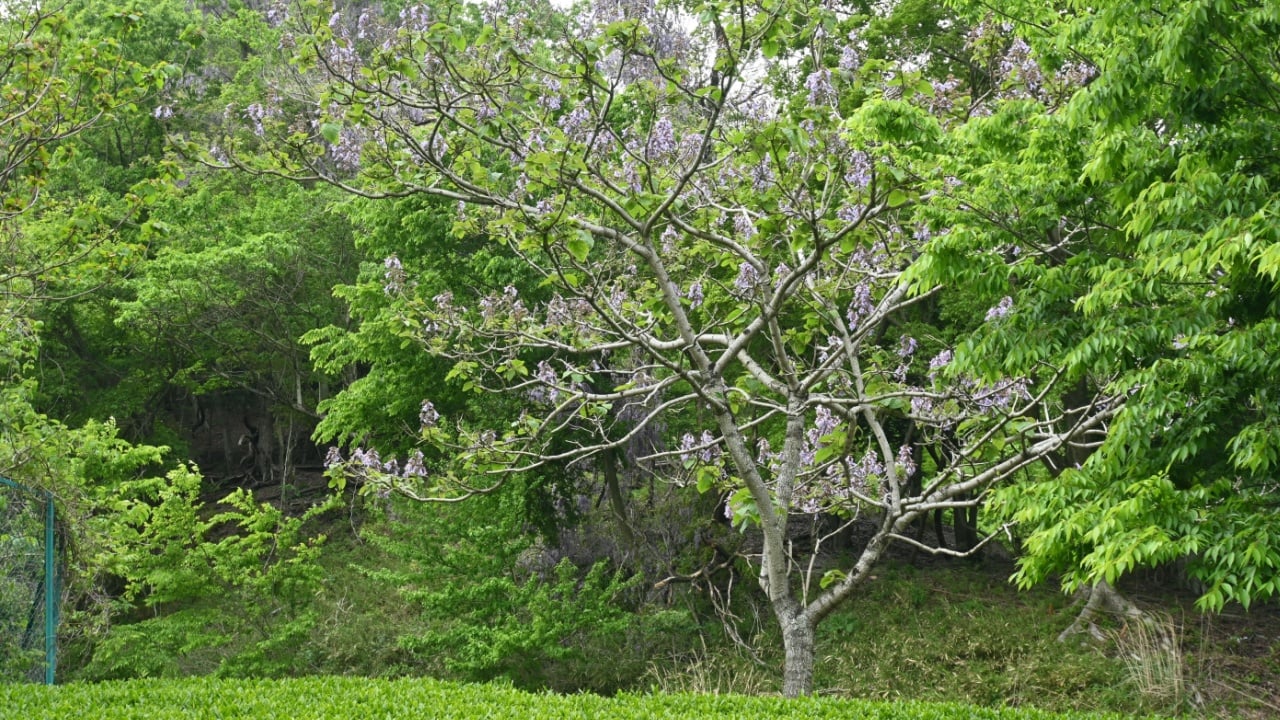
The empress tree grows astonishingly fast while producing massive heart-shaped leaves and showy purple flowers. This aggressive specimen generates millions of tiny winged seeds that travel incredible distances by wind and water.
The resulting seedlings quickly mature into enormous trees that completely shade out beneficial native understory plants.
Removing an empress tree requires cutting the main trunk and immediately applying strong herbicides to the fresh wood.
Repeated cutting without chemical treatment simply encourages the stump to produce multiple new trunks simultaneously. Homeowners looking for rapid shade should instead plant native tulip poplars or fast-growing oak varieties.
6. Chinese Tallow Tree (Triadica sebifera)
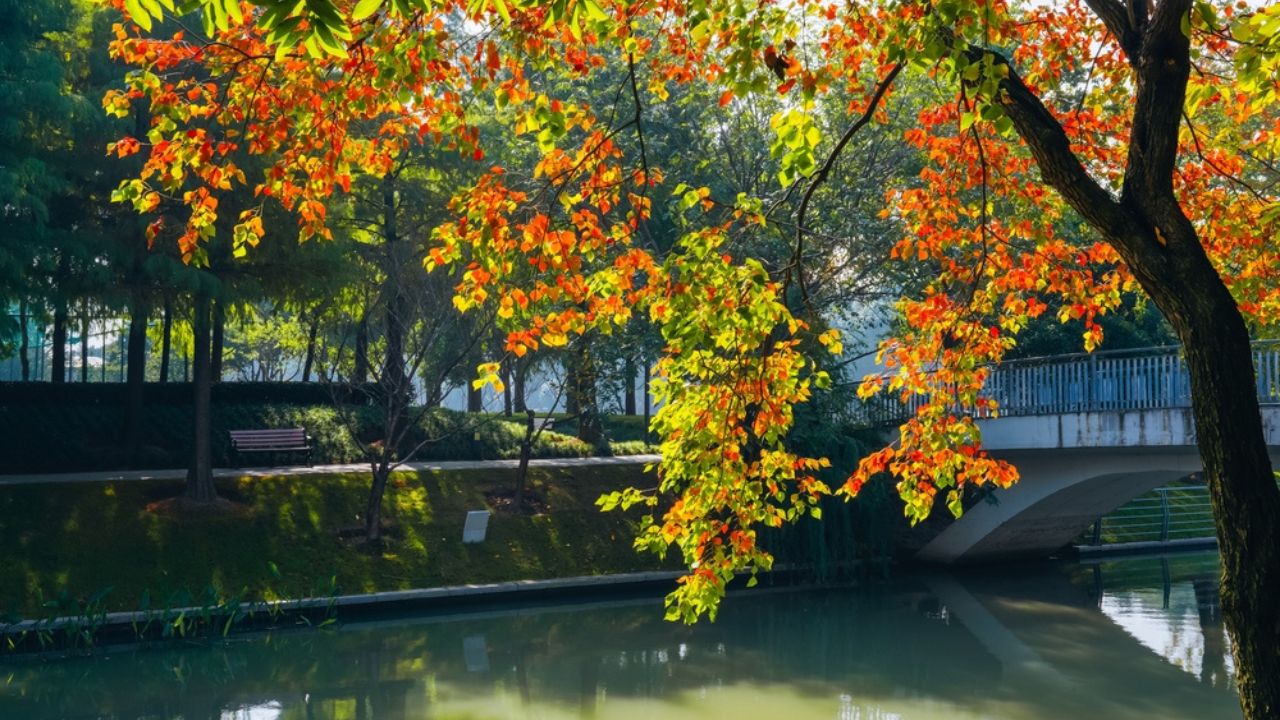
The Chinese tallow tree gained popularity due to its attractive heart-shaped leaves that turn vibrant red during autumn. This aggressive invader rapidly transforms diverse natural habitats into single-species forests by altering the soil chemistry.
The tree drops copious amounts of toxic leaves that actively prevent native seeds from germinating in the surrounding soil.
Eliminating the Chinese tallow requires a combination of manual removal for seedlings and chemical treatment for mature stumps.
You must continuously monitor the area for several seasons to catch new sprouts emerging from the soil bank. Planting native red maples provides spectacular autumn color while supporting local ecosystems safely.
Protecting Your Yard From Aggressive Species
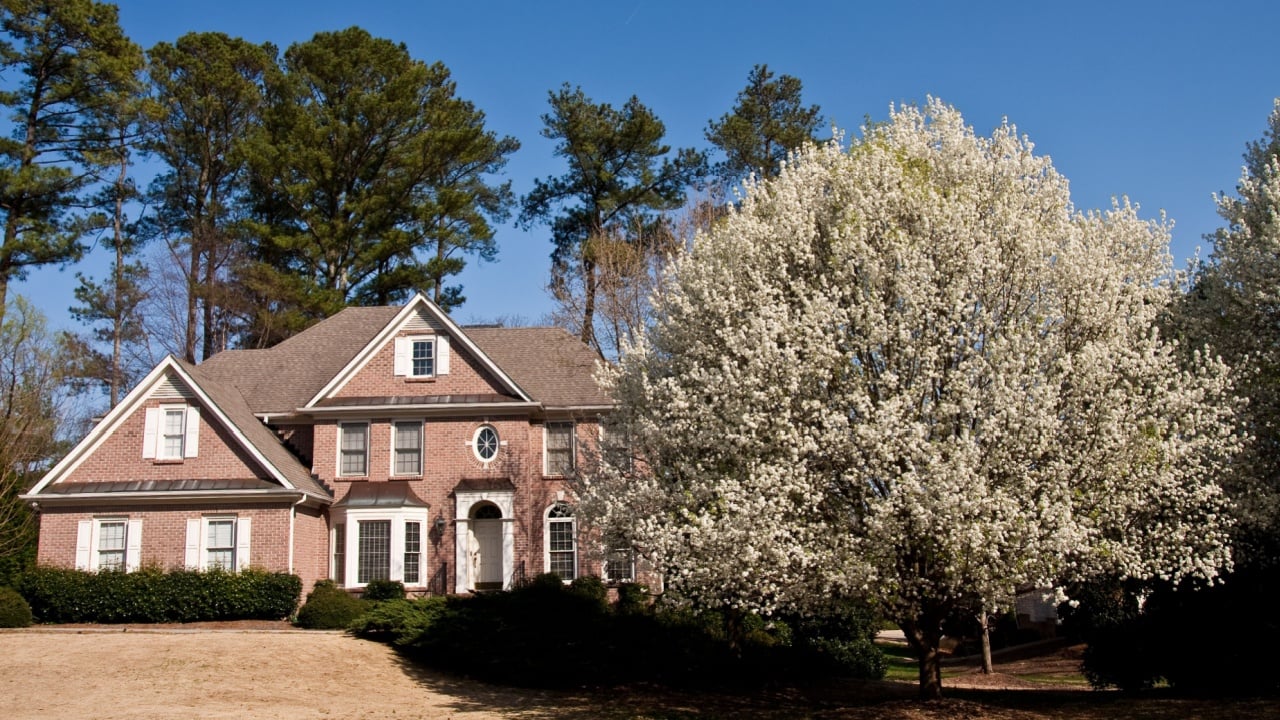
Keeping aggressive plants out of your yard requires careful research before making any purchases at the local nursery. Homeowners must actively monitor their landscapes for suspicious saplings that might have blown in from neighboring properties.
Promptly removing unwanted aggressive growers protects your existing plants and prevents expensive structural damage to your home.