6 Plants for the Yard That Lead to Regret
Gardening requires a bit of foresight. While your local nursery is filled with lush, green options that look perfect in their little plastic pots, some of those beauties are hiding expensive secrets.
Certain plants are so aggressive they’ll try to redecorate your home’s foundation, while others have messy habits that create endless cleanup chores. Planting the wrong tree can lead to clogged pipes, structural damage, and a hefty removal bill.
Don’t worry, we’re here to help you avoid a botanical horror story. This guide identifies the leafy troublemakers to skip and offers superior alternatives that provide beauty without the drama.
1. Bradford Pear
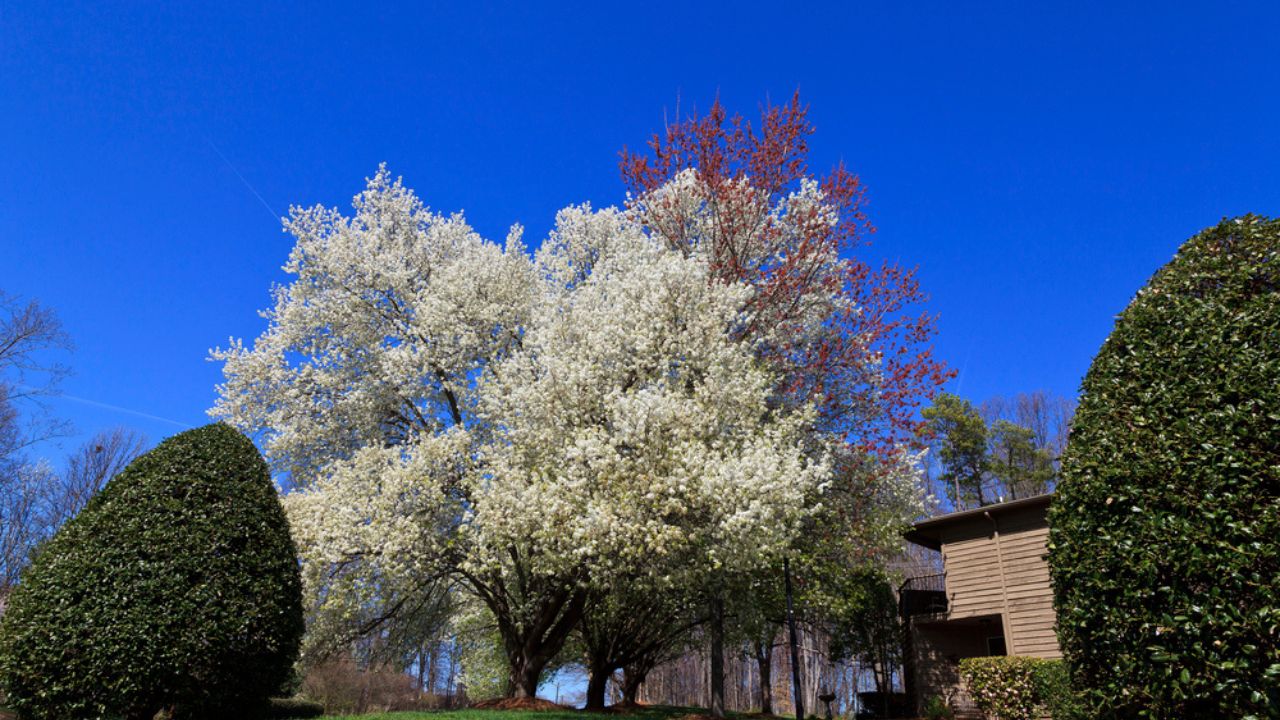
The Bradford pear might look pretty with its white spring blossoms, but it’s a landscaping nightmare. Its weak branches tend to snap in the wind, and those flowers? They smell like rotting fish. Plus, it’s an invasive species that crowds out local plants.
What to plant instead: Go for a native serviceberry. You’ll get beautiful spring blooms without the stink, plus edible berries for the birds and stunning red leaves in the fall. It’s sturdy, smells great, and won’t take over your neighborhood.
2. Running Bamboo
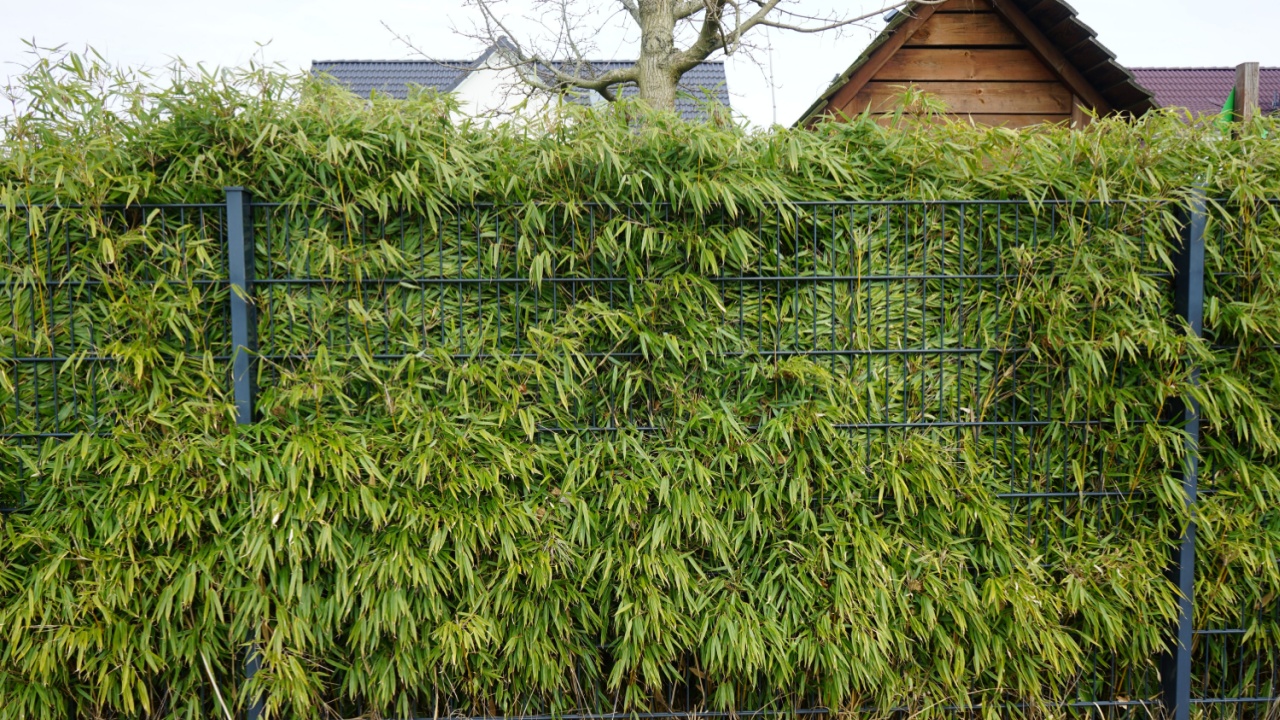
Few plants cause as much trouble as running bamboo. While it provides quick privacy, its underground rhizomes spread aggressively, even breaking through asphalt and concrete. Removing it often requires professional excavation, as any leftover roots will regrow.
A better choice: Try clumping bamboo like Fargesia. It grows slowly from a central point, offering the same tropical look and privacy without the invasive headaches.
3. Weeping Willow
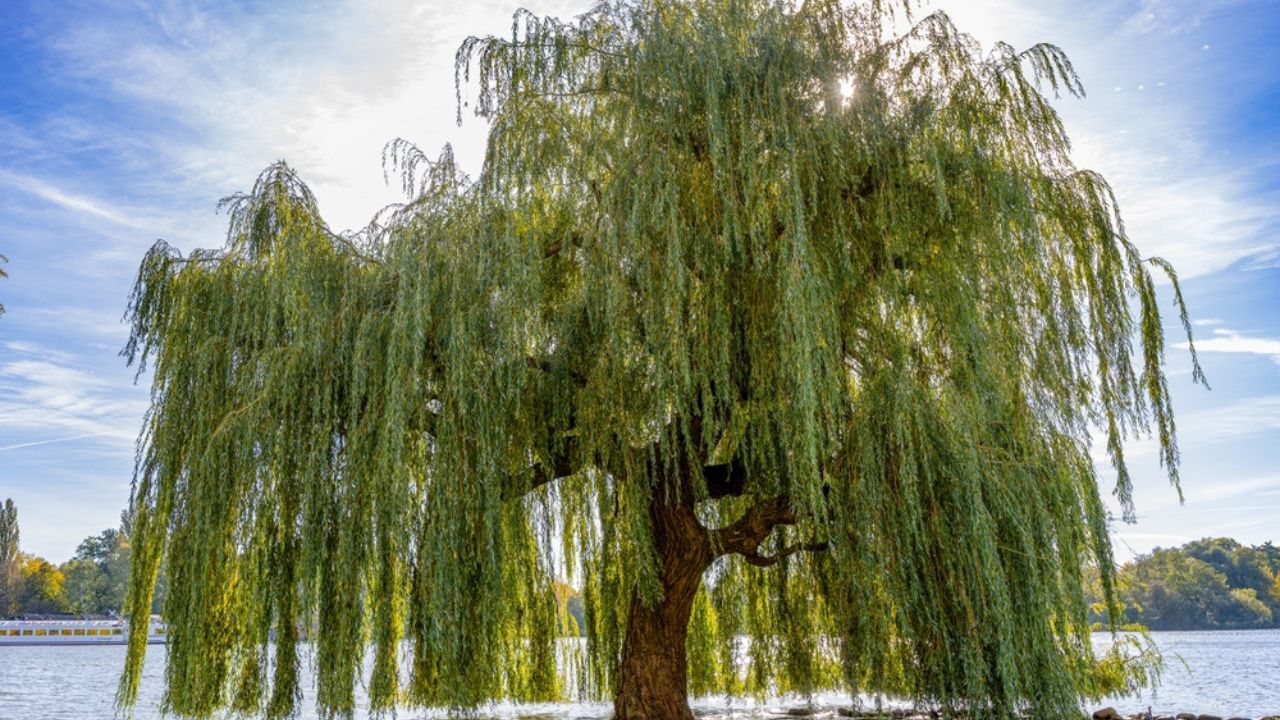
The weeping willow (Salix babylonica) may look romantic, but its aggressive, water-seeking roots can cause serious issues. They often infiltrate sewer lines, septic tanks, and irrigation pipes, leading to expensive repairs. The tree’s brittle wood also means it constantly drops branches, requiring frequent cleanup.
What to plant instead: The swamp white oak (Quercus bicolor) is a robust native tree that tolerates wet soil. It provides great shade, has a long lifespan, and its non-invasive root system won’t threaten your home’s pipes.
4. English Ivy
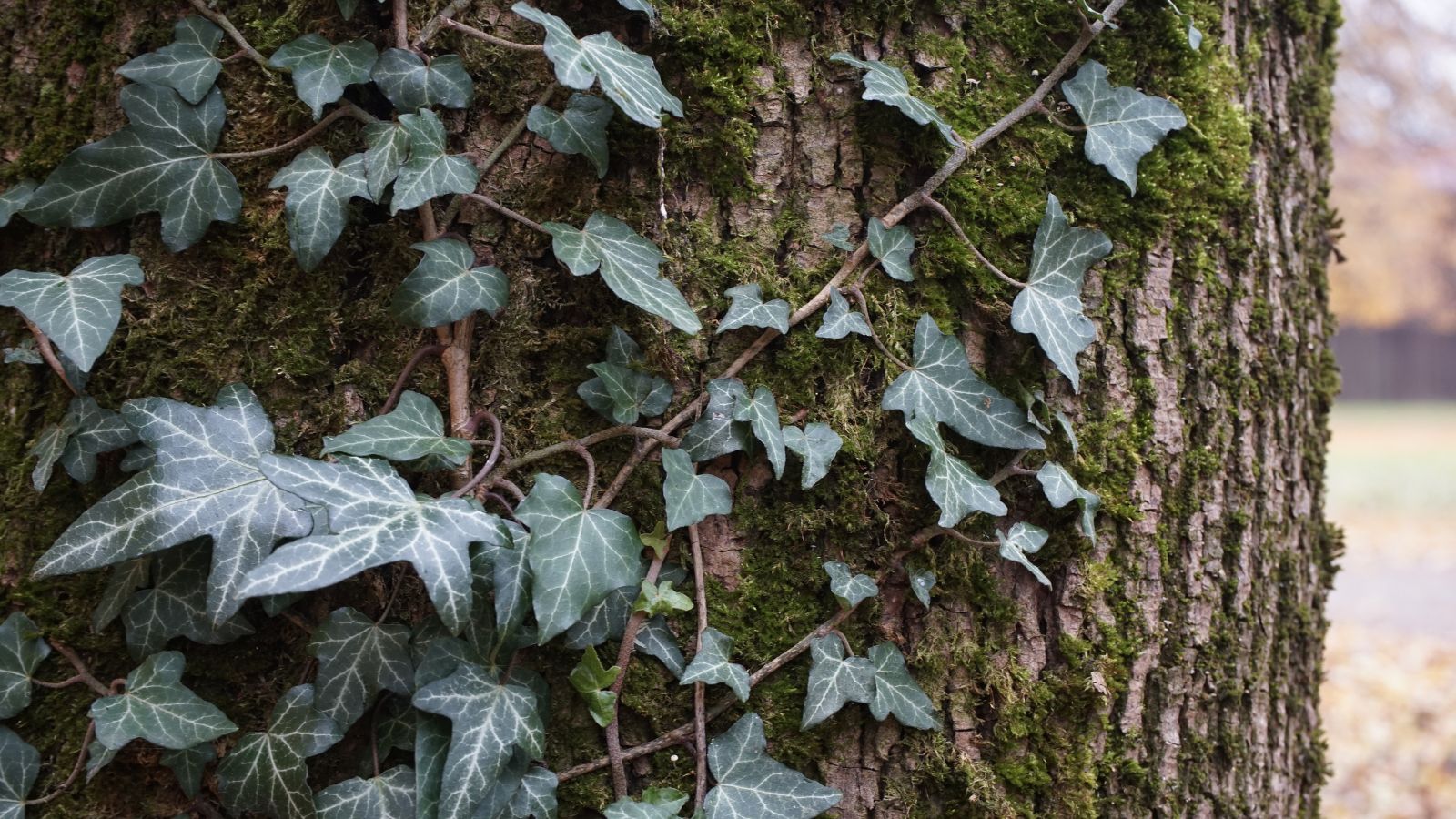
English Ivy (Hedera helix) is often used as ground cover or to add charm to walls, but it causes more harm than good. On the ground, it smothers plants and attracts pests, while on walls, its roots damage mortar and trap moisture, leading to rot. When it climbs trees, it can weaken and kill them.
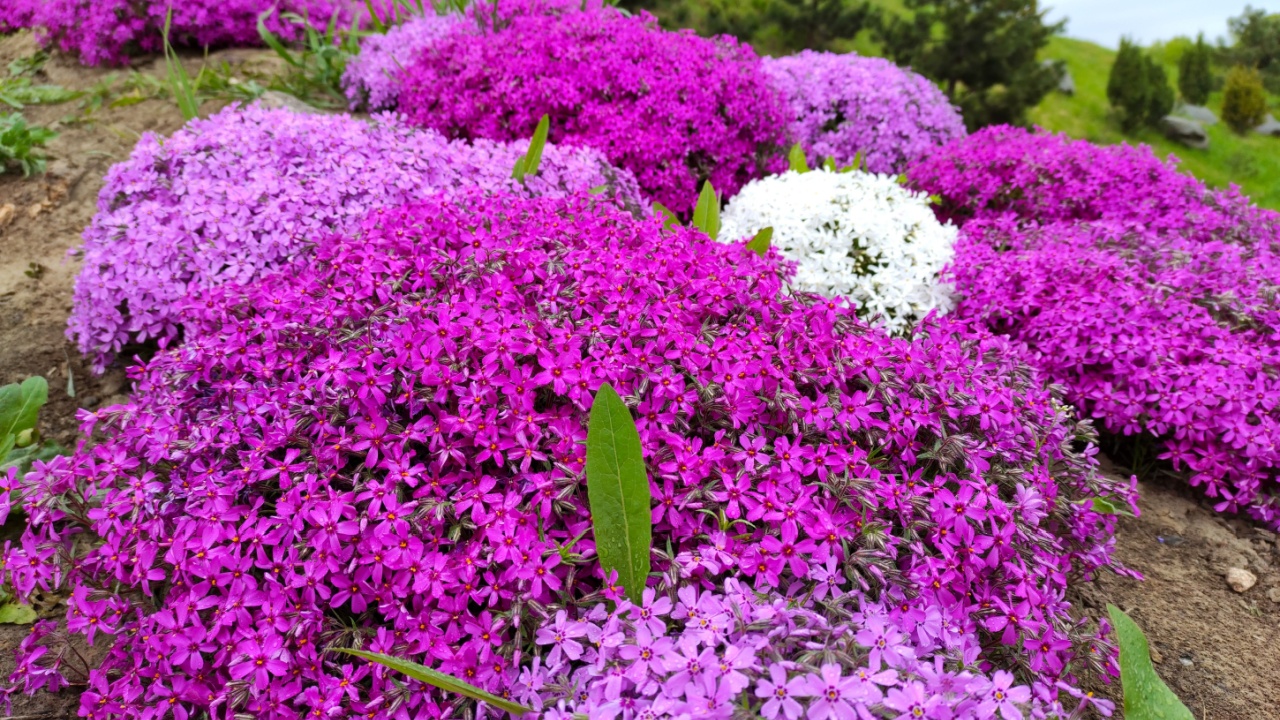
Try this instead: Creeping phlox (Phlox subulata) or pachysandra. Both suppress weeds, require little upkeep, and creeping phlox adds vibrant spring color!
5. Lombardy Poplar
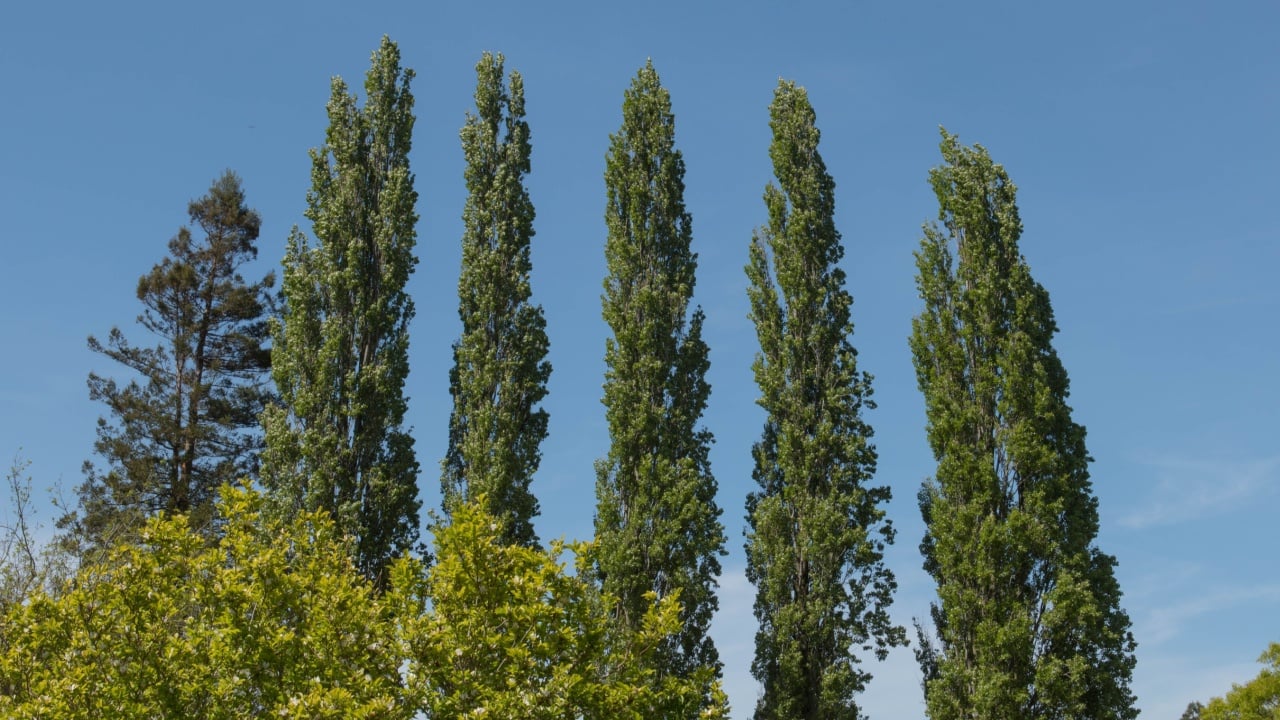
Homeowners needing a fast privacy screen often choose the Lombardy poplar (Populus nigra ‘Italica’) for its rapid growth and narrow shape. However, these trees are susceptible to fatal diseases and pests, often dying within 15 years. Their shallow, invasive roots also make lawn care difficult.
What to plant instead: The ‘Fastigiata’ English hornbeam (Carpinus betulus) provides the same columnar look but is hardy, long-lived, and pest-resistant, making it an excellent long-term privacy screen.
6. Norway Maple

The Norway maple (Acer platanoides), once a favored street tree, has fallen out of favor. Its dense canopy blocks light, preventing grass and plants from growing beneath, while its shallow roots deplete water and nutrients. It also spreads aggressively, outcompeting native trees.
Plant this instead: The red maple (Acer rubrum), a North American native, grows quickly, provides stunning fall color, and allows enough light for grass to thrive. It supports the ecosystem without causing harm.
Plant Smarter, Not Harder
A beautiful yard relies on making informed choices before the shovel hits the dirt. Skipping these troublesome plants saves you cash on upkeep and removal while helping the local environment. Choosing the tougher, non-invasive options above means you’ll have a yard that’s low-maintenance and enjoyable for years to come.