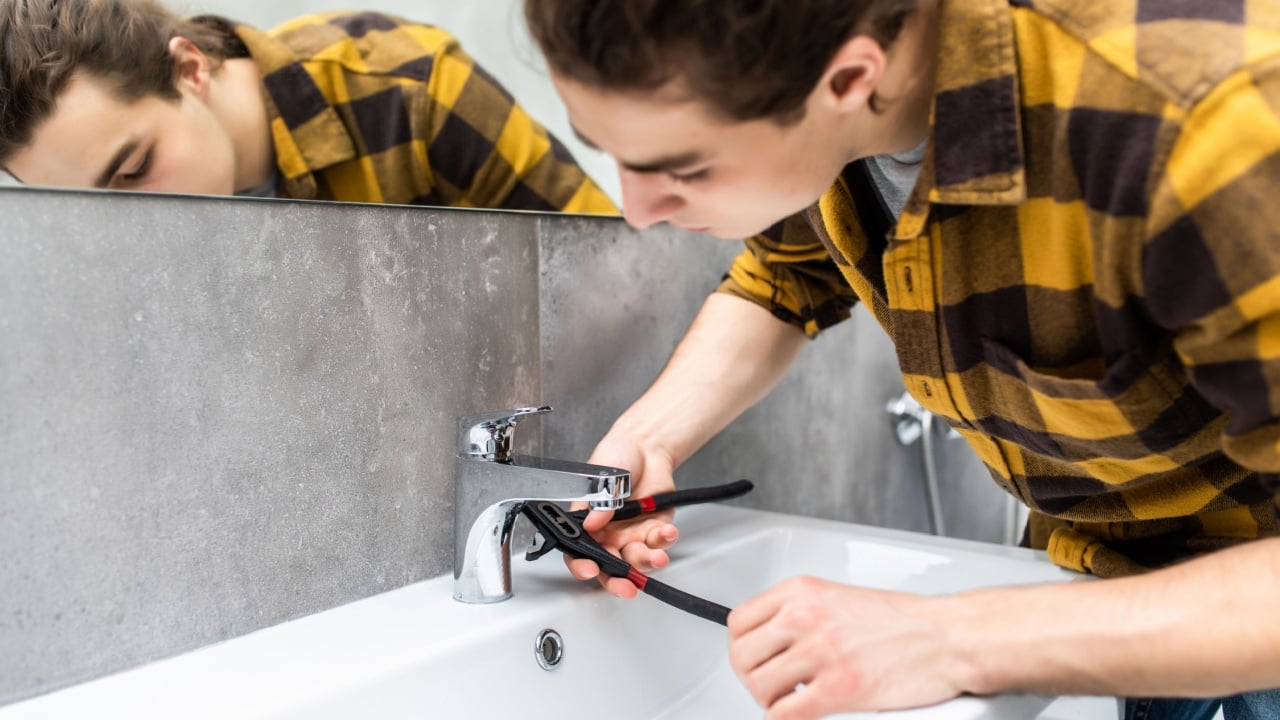
Silence the Splash: 5 Smart Ways to Fix a Dripping Faucet
The rhythmic plip-plop of a leaky faucet at 3 AM is a special kind of torture. It echoes through the house, testing your patience and disturbing your sleep. But beyond the noise, that tiny leak is quietly racking up your water bill; a faucet dripping just once per second can waste up to 8 gallons of water a day.
You do not need to live with the noise or the unnecessary expense. Taking action now protects your plumbing and your wallet. Here are five practical methods to stop the leak and save your sanity.
1. Treat Your Handles With Care
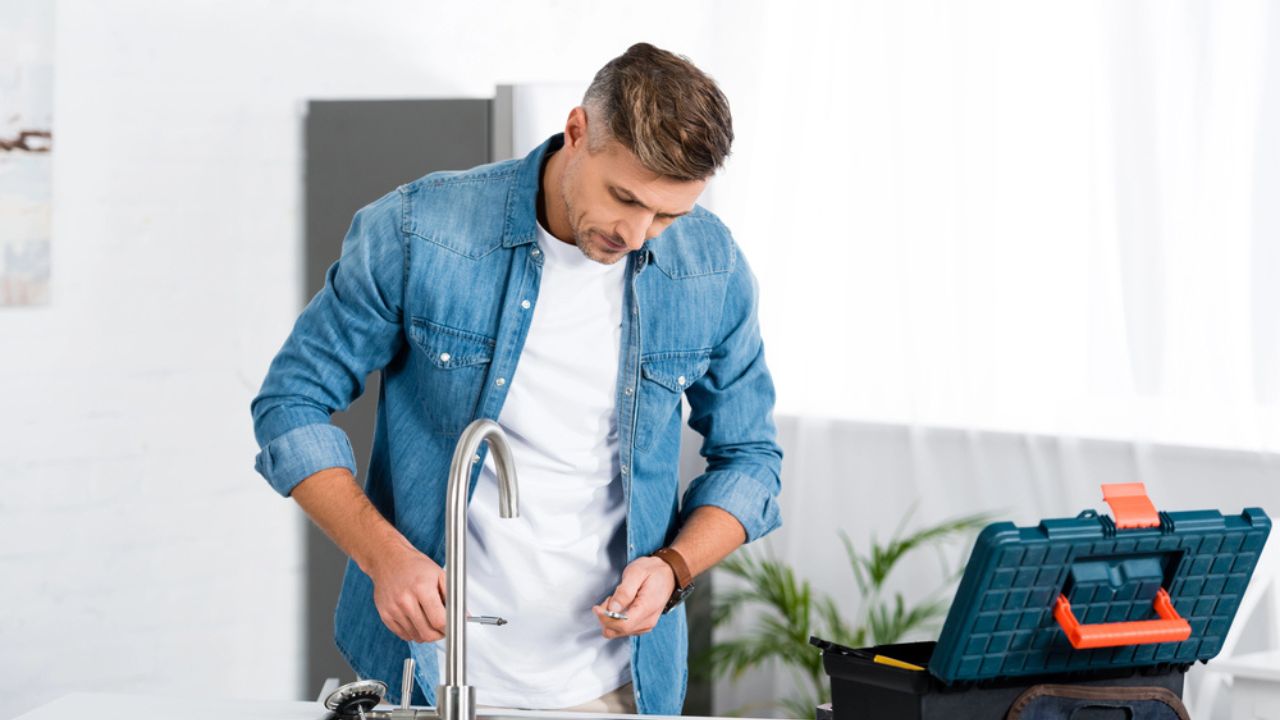
When your faucet starts to drip, it’s tempting to crank the handle tighter. Don’t do it! Using too much force will only make the problem worse.
Most faucets use rubber washers to seal off the water. Forcing the handle grinds the washer down, causing it to wear out faster. A working faucet should turn off with a gentle twist. If you have to force it, it’s a sign that the internal washer needs to be replaced. A lighter touch will make your faucet’s hardware last longer.
2. Verify Your Home’s Water Pressure
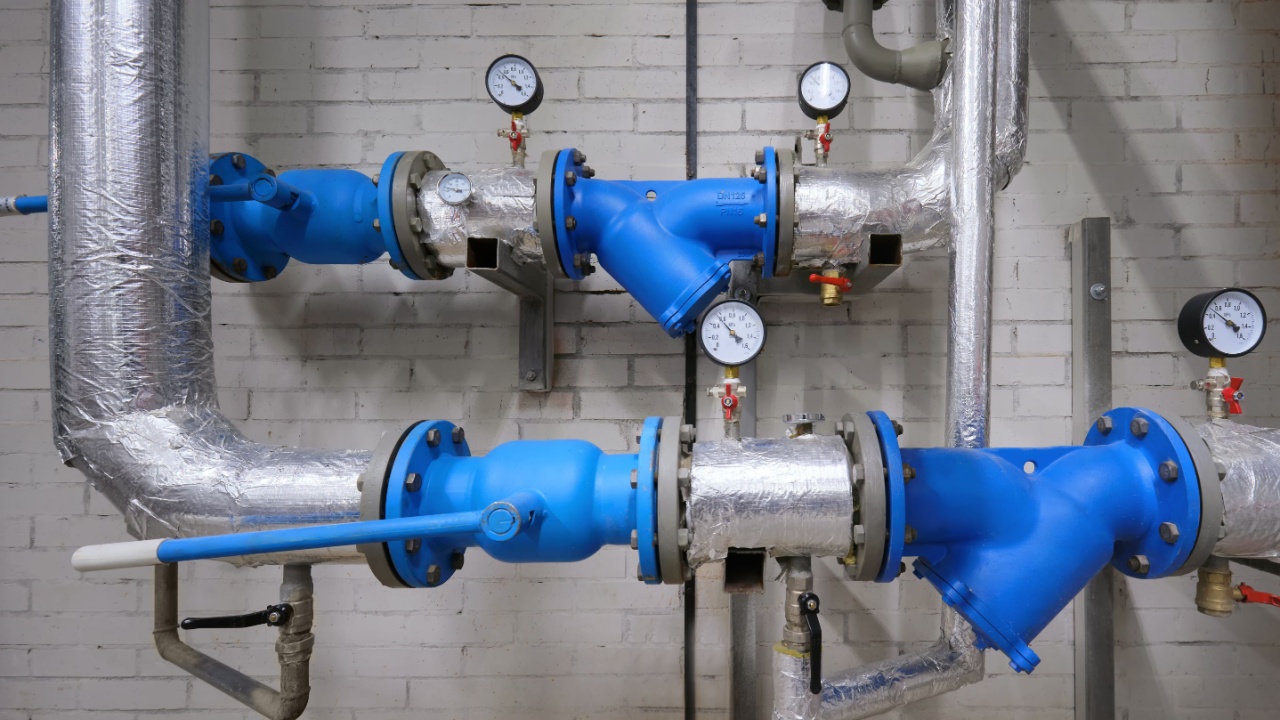
Sometimes the faucet isn’t the problem; it’s your home’s water pressure. Anything over 60 psi can force water past the washers even when they’re shut tight. This extra stress wears out your pipes and fixtures, causing leaks that just won’t quit.
Grab a pressure gauge from the hardware store to check your levels. If it’s too high, install a pressure-reducing valve. Regulating the flow is a quick way to protect your plumbing and stop those annoying drips for good.
3. Replace the Washer, O-Ring, or Cartridge

Most leaks are caused by worn-out rubber washers or O-rings. These cheap parts handle a lot of friction and eventually crack or flatten, letting water seep through.
To fix it, turn off the water, take the handle/faucet apart, and swap the old part for a new one. If you have a modern faucet, you might need to replace a ceramic cartridge instead. It’s a quick fix that restores the seal instantly.
4. Clear Out the Aerator

The aerator is that little mesh screen at the end of your faucet. It keeps your water flow smooth and splash-free, but it’s a magnet for mineral gunk and sediment. If it gets too clogged, it can cause weird pressure issues or drips.
Just unscrew it and check for grit. If it’s looking crusty, soak it in white vinegar for an hour to dissolve the buildup. It’s a super easy way to keep your water flowing perfectly.
5. Combat Hard Water Corrosion

Got hard water? That means high mineral content, like calcium and magnesium, is causing trouble. As water dries, it leaves limescale behind, which can build up inside your faucet on the valve seat (where the washer seals). This rough surface can cause leaks or even corrode the metal.
If your faucet keeps leaking or you see white crusty buildup, it’s time to consider a water softener. It’ll protect your faucets, stop the leaks, and keep your plumbing running longer.
Stop the Drip for Good

A dripping faucet is more than a minor nuisance; it is a signal that your plumbing needs maintenance. Addressing these small issues early prevents wasted resources and protects your home from potential water damage.
If you have tried these tips and the drip persists, or if the repair feels outside your comfort zone, professional help is recommended.