18 States That Allow Trapping and Relocating Nuisance Animals
Waking up to a torn garbage bag or mysterious holes in the yard often signals a wildlife visitor. Animals seeking food and shelter frequently cross paths with human habitats, creating frustrating situations for property owners. Handling these unexpected encounters requires a careful approach to keep both humans and wildlife safe.
Moving a nuisance animal might seem like the most compassionate response to wildlife conflicts. Many people prefer live trapping over lethal methods to solve property damage issues. However, state wildlife agencies tightly regulate relocation to prevent the spread of disease and protect local ecosystems.
This article details 18 specific states that permit the trapping and relocation of nuisance animals. We will cover the specific animals you can legally move in each location. You will also learn valuable insights into local regulations and humane practices to handle your wildlife issues properly.
1. New Jersey
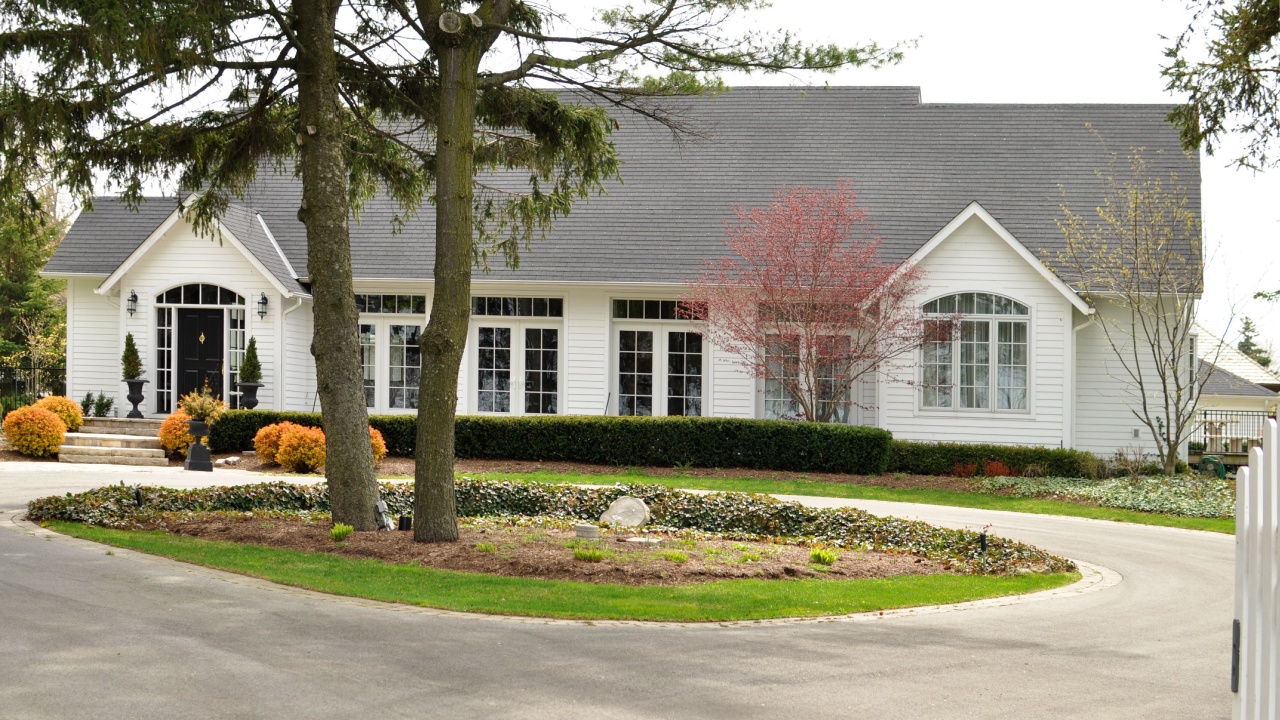
New Jersey permits property owners to trap and relocate several common nuisance species. The state permits the relocation of squirrels, raccoons, bats, geese, opossums, and skunks when these animals damage buildings or grounds. You must release these animals in suitable habitats where they can survive without causing problems for other residents.
Navigating the rules in New Jersey requires careful attention to public health guidelines. Moving rabies vector species like skunks and raccoons carries significant legal restrictions to protect local populations. Hiring a licensed wildlife control professional remains the safest way to handle these animals legally and humanely.
2. Montana
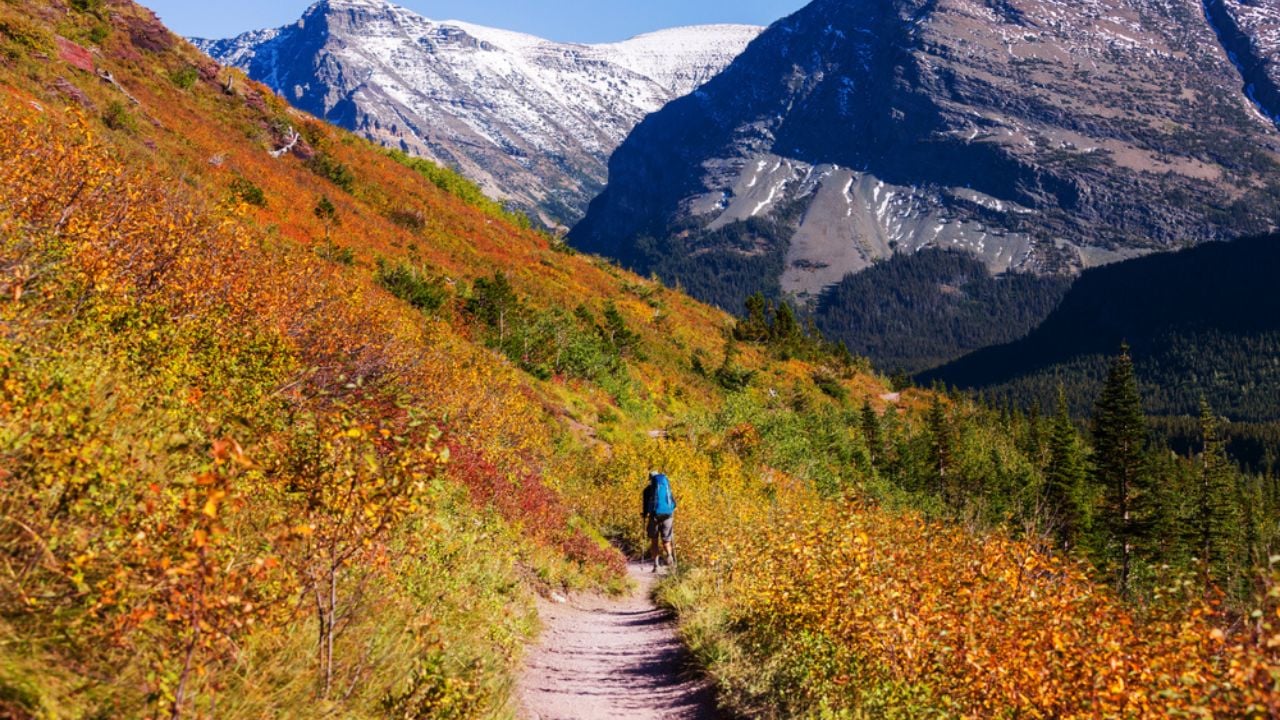
Residents in Montana have permission to trap and relocate specific wildlife causing property damage. The allowed list includes ground squirrels, tree squirrels, and raccoons. Dealing with these animals requires property owners to use approved live traps that prevent injury during capture and transport.
Releasing animals in Montana demands prior planning to find appropriate public or private lands. You must obtain permission from the landowner before releasing any captured animal onto new property. Humane handling remains critical throughout the entire process to minimize stress on the captured wildlife.
3. Georgia
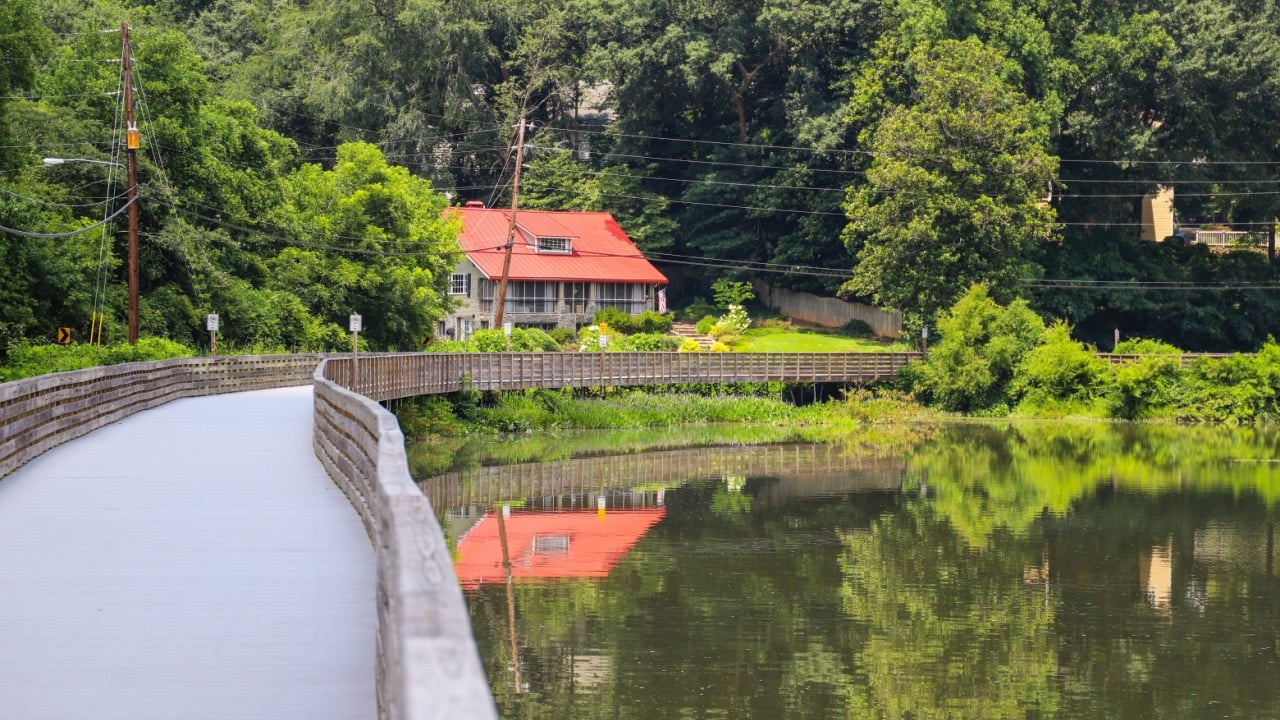
Georgia wildlife rules grant property owners authority to address certain nuisance species through trapping and, in some cases, relocation. Animals such as squirrels, raccoons, rats, and mice can be removed when they invade homes or cause damage in yards. However, the state expects residents to act promptly before infestations spread.
While handling smaller pests like rats and mice is relatively straightforward, larger animals such as raccoons present more challenges. They can carry diseases and may become aggressive if cornered. Calling licensed professionals for these situations is advised. Using traps that match the size and behavior of the animal is also important, as it reduces stress and prevents injury during capture.
4. Arizona
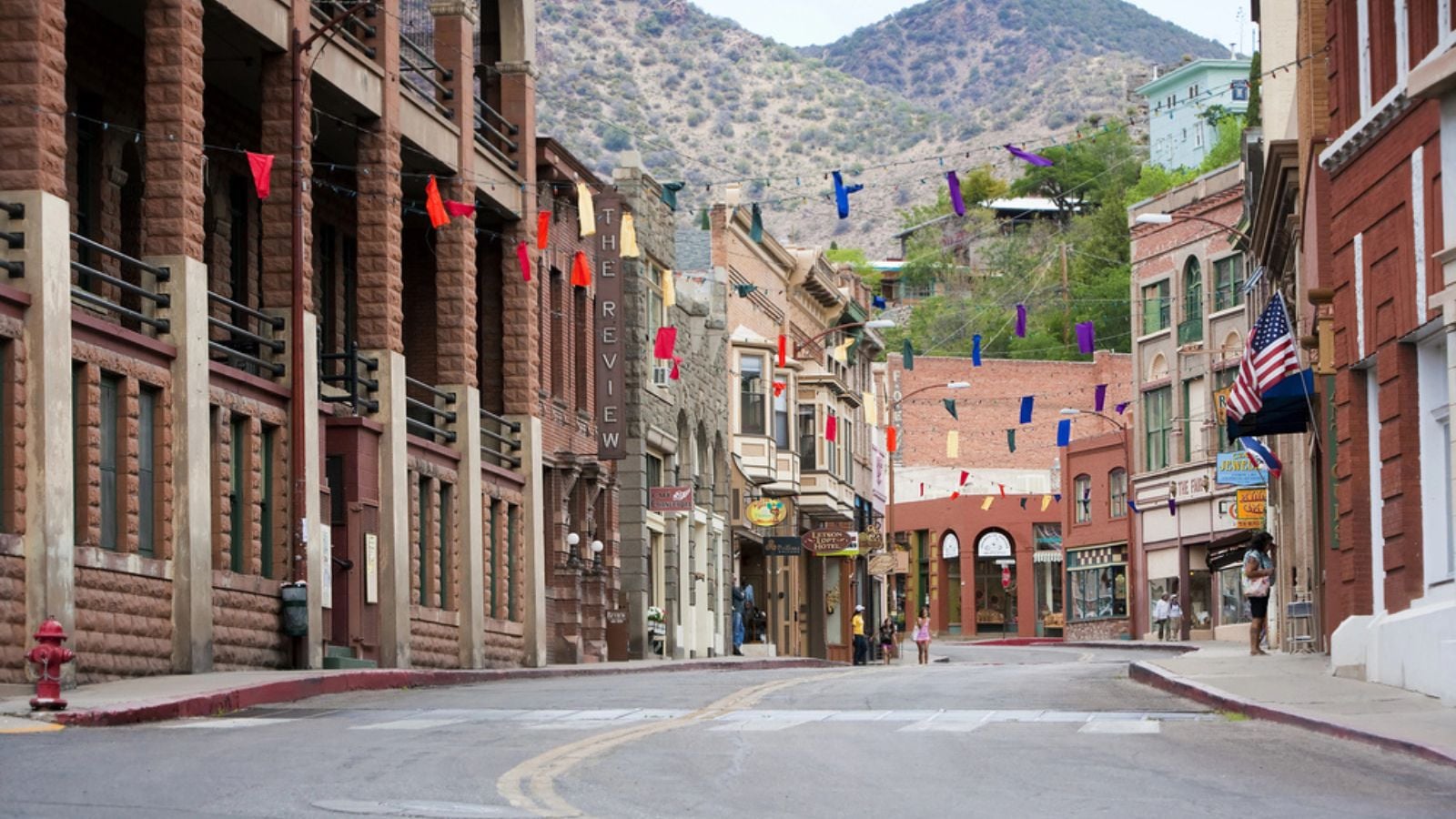
In Arizona, residents may trap nuisance wildlife under state regulations, with relocation permitted for species such as raccoons, skunks, coyotes, and javelinas. These animals can become problematic near residential areas, and the state requires humane practices along with permits or professional oversight to manage them responsibly. Knowledge of behavior and habitat is considered essential when dealing with these species.
The process itself can be complicated. Aggressive behavior, disease risks, and the need for release sites far from populated areas make relocation challenging for the average homeowner. Wildlife officials consistently advise relying on certified specialists, since improper handling can create hazards for both communities and ecosystems.
5. Michigan
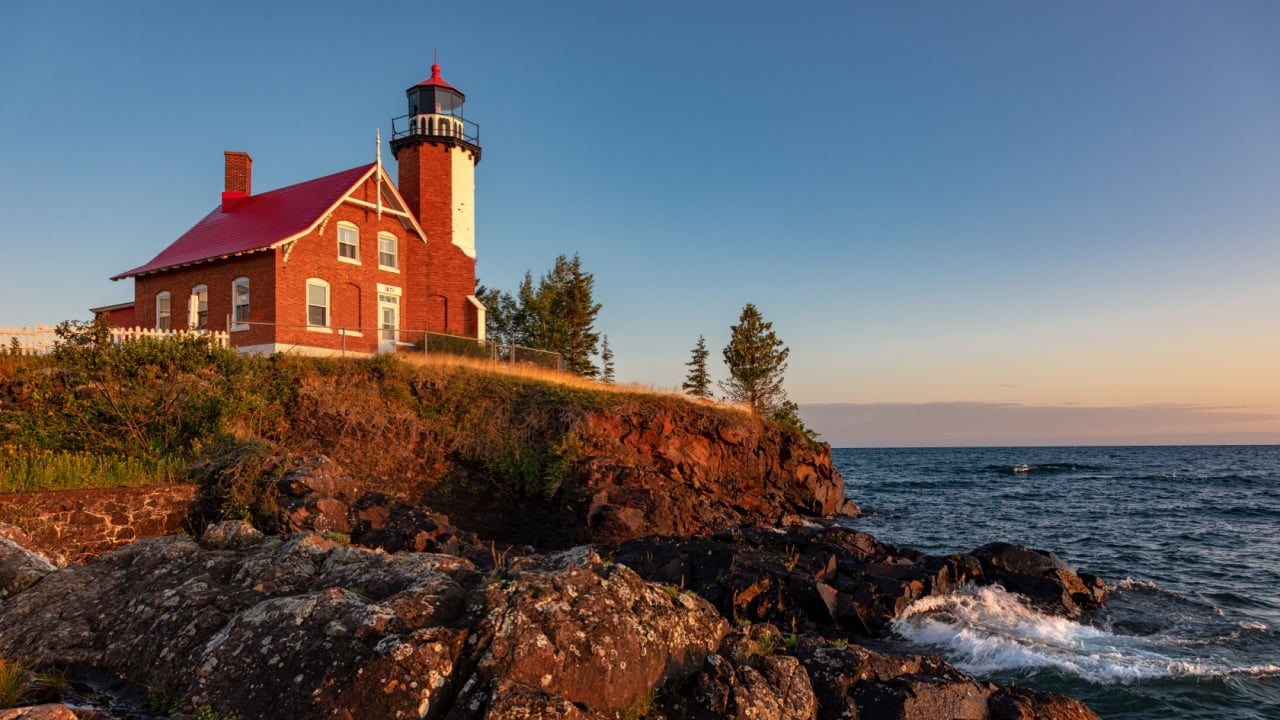
Michigan allows the live trapping of certain nuisance wildlife, but relocation is tightly regulated. Property owners typically need a permit to trap and move animals such as raccoons, squirrels, and woodchucks. However, some species, most notably skunks, cannot be relocated at all and must be euthanized if captured. Humane live traps must be used and checked regularly.
Relocation is restricted to limit disease spread and ecological disruption. When permitted, animals generally must be released within the same county and in a suitable habitat. Because rules vary by species, relocation is not always allowed and may be prohibited in certain cases.
6. Connecticut

Connecticut allows limited trapping of certain nuisance wildlife, such as raccoons and squirrels, but relocation is highly restricted and often discouraged. Most species cannot be relocated by homeowners without permits. Humane trapping methods must be used in accordance with state regulations.
Large or protected wildlife, including black bears and Canada geese, are strictly managed by state authorities. Homeowners are not allowed to trap or relocate these animals on their own. Any intervention involving bears or geese requires direct involvement or authorization from the Connecticut Department of Energy and Environmental Protection. Unauthorized handling of these species is illegal and can pose serious safety risks.
7. Kansas

Kansas classifies certain small mammals, including chipmunks, as unprotected species, meaning property owners can control them without a hunting license. However, this does not mean they can be freely relocated, and moving wildlife may still be restricted under state regulations.
Even for unprotected species, humane treatment is required. Live traps must be used appropriately and checked regularly. In many cases, state guidance favors on-site control rather than relocation, since relocated animals often struggle to survive or create problems in new areas.
8. Maryland
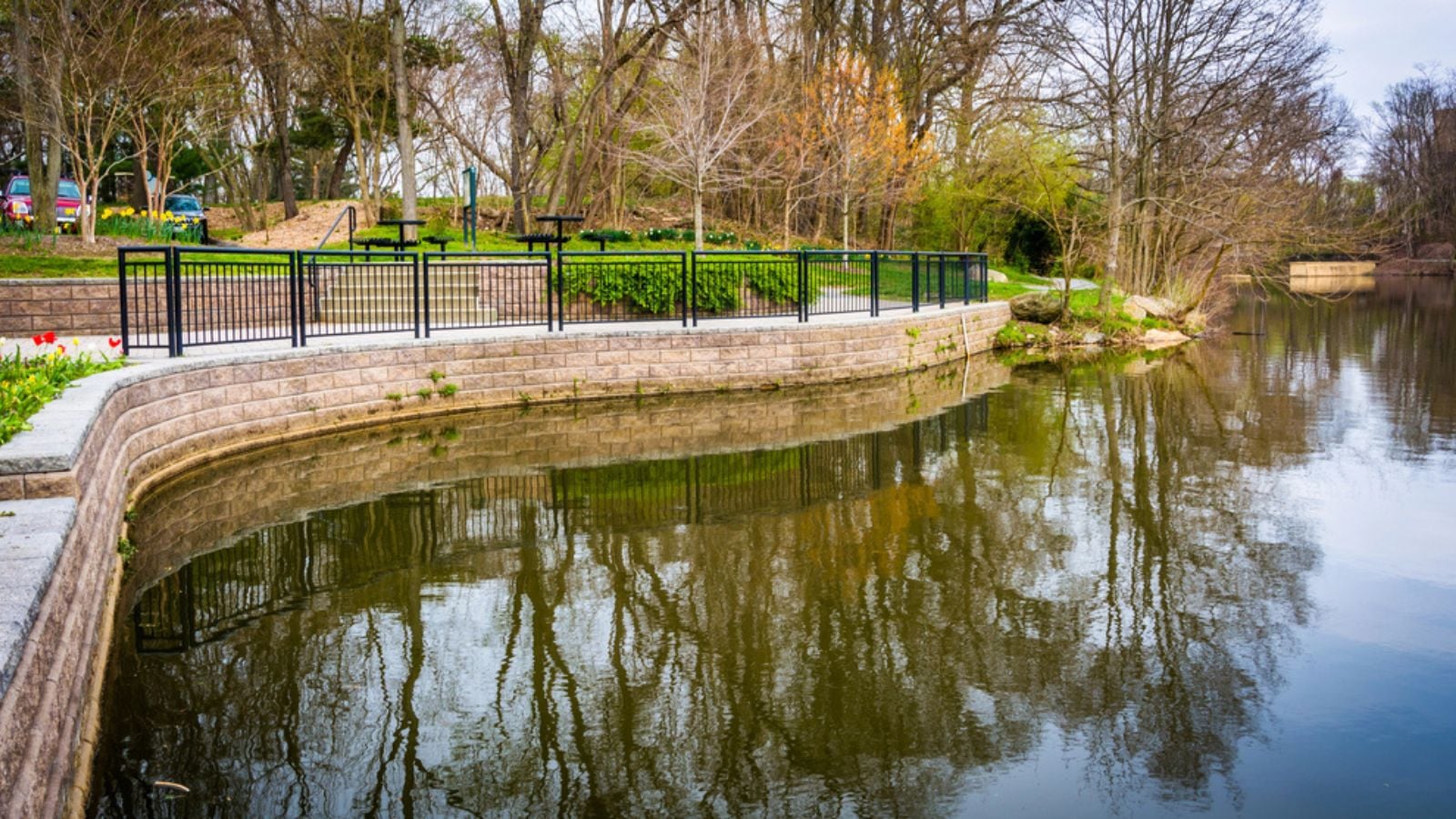
Maryland allows homeowners to trap certain nuisance wildlife, including raccoons, skunks, and foxes, but relocation is heavily restricted. These animals are classified as rabies-vector species, and state regulations prohibit their relocation due to public health concerns. Permits are typically required for trapping, and strict guidelines must be followed.
Because relocation is not allowed for rabies-vector species, captured animals are generally required to be humanely euthanized or handled by authorized wildlife professionals. Property owners are encouraged to work with local animal control or licensed wildlife specialists to ensure compliance with state laws.
9. Alabama
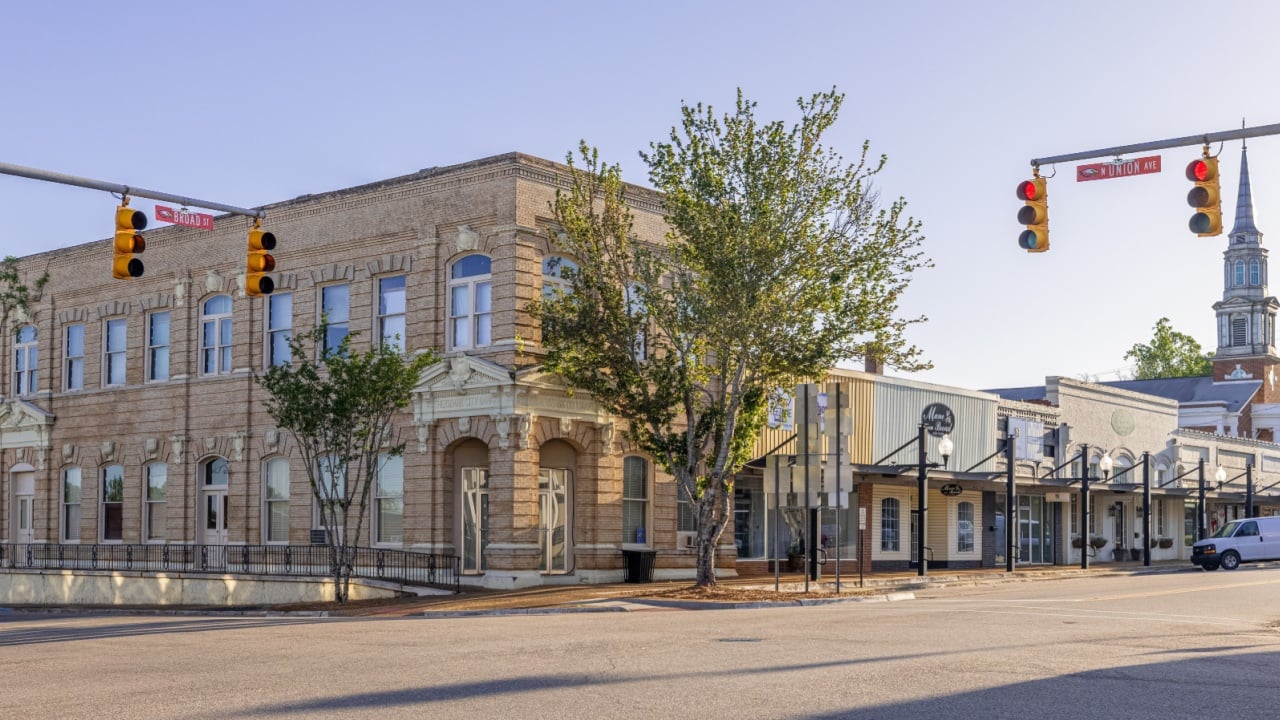
Alabama allows property owners to trap certain nuisance mammals, including squirrels, rabbits, raccoons, opossums, beavers, and skunks, but relocation rules vary by species. Some animals require permits or professional handling to move safely and legally.
Traps must be species-appropriate to avoid catching non-target wildlife, and humane practices are required. Captured animals should be checked daily to prevent suffering, and residents are encouraged to follow state guidance to ensure compliance with wildlife regulations.
10. New York
New York State manages a comprehensive list of animals eligible for trapping and relocation. Residents can address conflicts with raccoons, bats, beavers, deer, skunks, coyotes, geese, and swans. The inclusion of large mammals and migratory birds makes New York’s wildlife management system highly detailed.
Handling species like deer and swans requires immense care and often special state authorization. Homeowners facing issues with these larger animals must work closely with the Department of Environmental Conservation. Proper release sites must meet strict habitat requirements to sustain the relocated animals without burdening a new area.
11. Minnesota

Minnesota allows property owners to manage specific small mammals that cause local damage. The state allows the trapping and relocation of squirrels, raccoons, and rabbits. These animals frequently invade attics or consume vegetable gardens, leading residents to seek immediate removal solutions.
Successfully relocating these animals in Minnesota requires an understanding of seasonal weather changes. Releasing a trapped animal just before a harsh winter storm severely decreases its chances of survival. Timing the relocation during mild weather gives the animal the best opportunity to build a new shelter and find food.
12. Arkansas

Arkansas provides legal avenues for residents to remove destructive wildlife from their properties. You can trap and relocate beavers, raccoons, squirrels, and skunks across the state. These specific animals frequently cause flooding issues or structural damage that requires immediate homeowner intervention.
Moving a beaver requires careful consideration of local waterways and property lines. Relocating an animal to a stream that flows into another person’s property simply transfers the problem to a neighbor. Arkansas residents must choose release sites thoughtfully to maintain good relationships within their communities.
13. Kentucky
Kentucky laws allow the live trapping and relocation of several common nuisance mammals. Property owners have the right to move skunks, squirrels, raccoons, and bats away from their homes. Bats require special attention because they frequently roost in attics and play a vital role in insect control.
Excluding bats through one-way doors is often preferred over physical trapping and relocation. For the other permitted animals, residents must use sturdy live traps and wear heavy gloves during transport. Maintaining a safe distance from a trapped skunk requires practice and a calm approach to avoid getting sprayed.
14. Colorado
Colorado residents dealing with wildlife conflicts can trap and relocate a few specific species. The state allows the movement of cottontail rabbits, tree squirrels, and raccoons. These animals commonly adapt to urban environments, bringing them into frequent contact with human populations.
The high-altitude environments in Colorado dictate where you can safely release captured wildlife. Moving an animal from a lower elevation to a harsh mountain environment often proves fatal for the creature. Understanding the specific habitat needs of rabbits and squirrels helps residents choose appropriate and humane release locations.
15. Maine

Maine permits property owners to handle common rodent and mammal pests through live trapping. You can legally trap and relocate squirrels, raccoons, and chipmunks that cause property damage. The dense forests of Maine provide ample natural habitats for releasing these relocated animals safely.
Property owners must inspect their homes thoroughly after removing these animals. Relocating a raccoon does little good if the entry hole in the roof remains open for the next animal to find. Sealing off entry points and removing food sources provides the most effective long-term solution to wildlife conflicts.
16. Florida
Florida takes a very broad approach to defining which animals can be trapped and moved. The state allows the relocation of squirrels, raccoons, and many other property-damaging species under a general nuisance wildlife classification. This broad definition gives homeowners significant flexibility in protecting their property.
The diverse and sensitive ecosystems in Florida require residents to act responsibly when releasing animals. Introducing a relocated animal into a delicate nature preserve can disrupt native species and local food chains. Consulting with local wildlife officers helps property owners find release sites that balance animal welfare with environmental protection.
17. Indiana
Indiana specifically outlines which small mammals residents can trap and relocate. The state permits moving gray squirrels, fox squirrels, chipmunks, raccoons, and rabbits. This clear list helps homeowners know exactly which yard pests they can handle on their own.
Using bait that targets the specific nuisance animal helps prevent catching neighborhood pets. Indiana residents should monitor their traps carefully, especially in residential areas with high numbers of outdoor cats and dogs. Promptly releasing non-target animals unharmed is a fundamental part of responsible wildlife trapping.
18. North Dakota

North Dakota allows the trapping and relocation of a diverse group of nuisance animals. Residents can move ground squirrels, prairie dogs, porcupines, rabbits, skunks, and tree squirrels. The inclusion of prairie dogs and porcupines reflects the unique agricultural and rural challenges found in the state.
Handling animals like porcupines requires extreme caution and specialized heavy-duty traps. North Dakota residents must plan their transportation route carefully to minimize the time the animal spends confined. Finding vast, unpopulated stretches of land offers the best environment for these animals to resume their natural behaviors safely.
Relocation Done Right

Dealing with nuisance wildlife requires patience, knowledge, and a commitment to humane practices. State laws dictate which animals you can move to protect both human interests and wildlife populations. Following these regulations protects you from legal trouble while giving the animal a fair chance at survival in a new location.
Always research your specific local ordinances before setting a trap on your property. Laws change frequently based on disease outbreaks and environmental concerns within specific counties. Partnering with licensed wildlife professionals remains the most effective way to resolve human-wildlife conflicts safely and legally.
Read More: