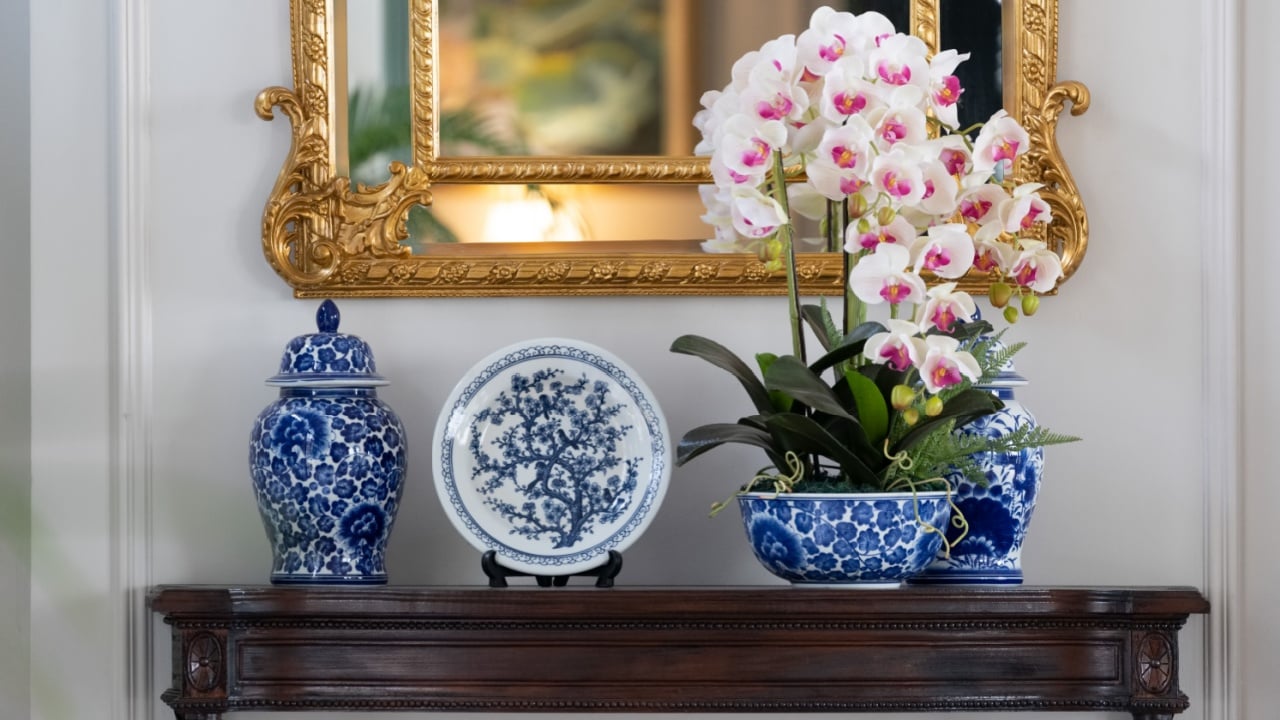
No Space for Treasured Family Heirlooms? Try These 6 Solutions
Inheriting generations of family possessions leaves many people feeling overwhelmed by crowded shelves and bursting closets. You want to honor the memories of your grandparents and parents, yet keeping every single object simply is not possible in a standard-sized home. Guilt often creeps in when you stare at boxes of antique plates or heavy furniture that you have no room to display properly.
Storing things endlessly does a disservice to the objects themselves and drastically limits your available living area. The value of an item comes from the memory attached to it, rather than from keeping it locked away in a dusty attic box.
Finding creative ways to manage these inherited pieces allows you to appreciate your family history without compromising your daily living areas. You can hold onto the sentiment while making practical choices for your current living situation.
This guide details six practical methods for handling cherished objects when your square footage is limited. Here are some smart strategies for dealing with overflowing heirloom collections that respect both your ancestors and your personal space.
1. Selectively Scale Down Large Collections
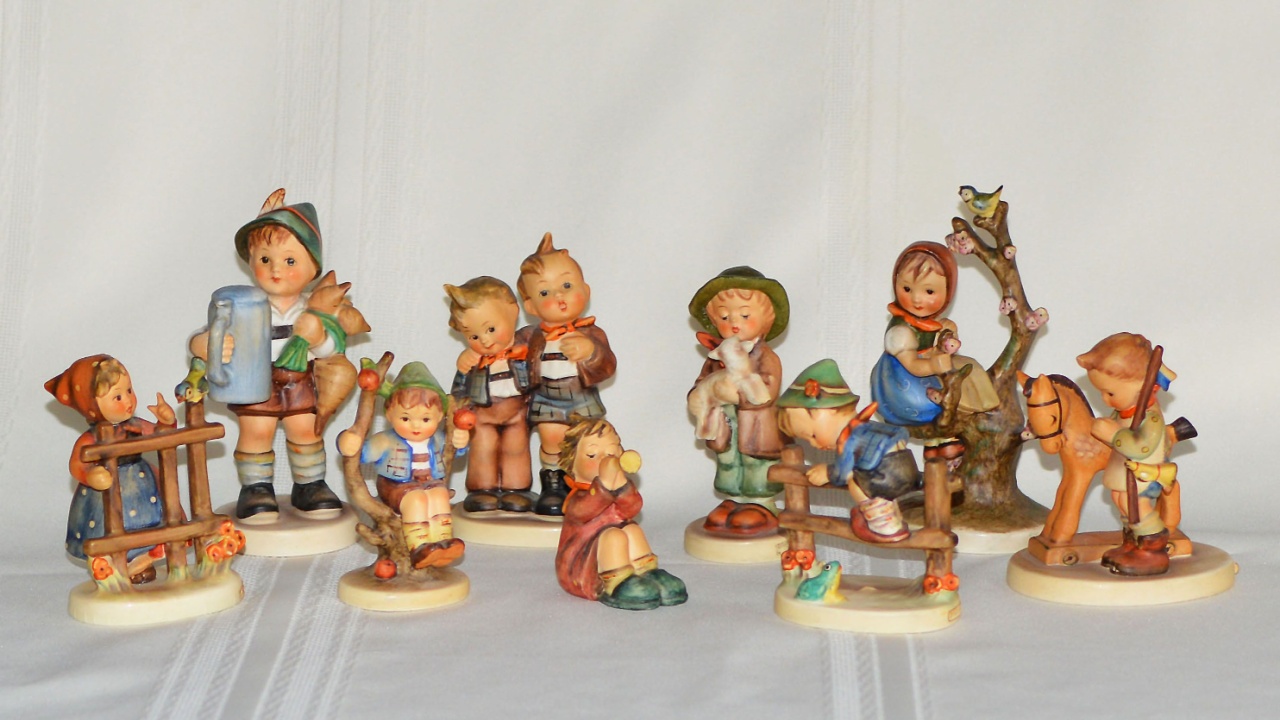
Inheriting an entire collection of thimbles, figurines, or vintage stamps demands a large amount of display space. Instead of keeping forty identical pieces, carefully review the assortment and select three or four items that hold the most meaning for you. Keeping a curated selection highlights the beauty of those specific items without overwhelming your existing shelves.
Taking photographs of the entire collection before downscaling helps preserve the visual history of the complete set. You can then pack away the remaining items for other relatives or carefully prepare them for donation to local charities. Keeping a manageable number of pieces makes dusting and organizing much easier.
2. Repurpose Vintage Dishware Safely
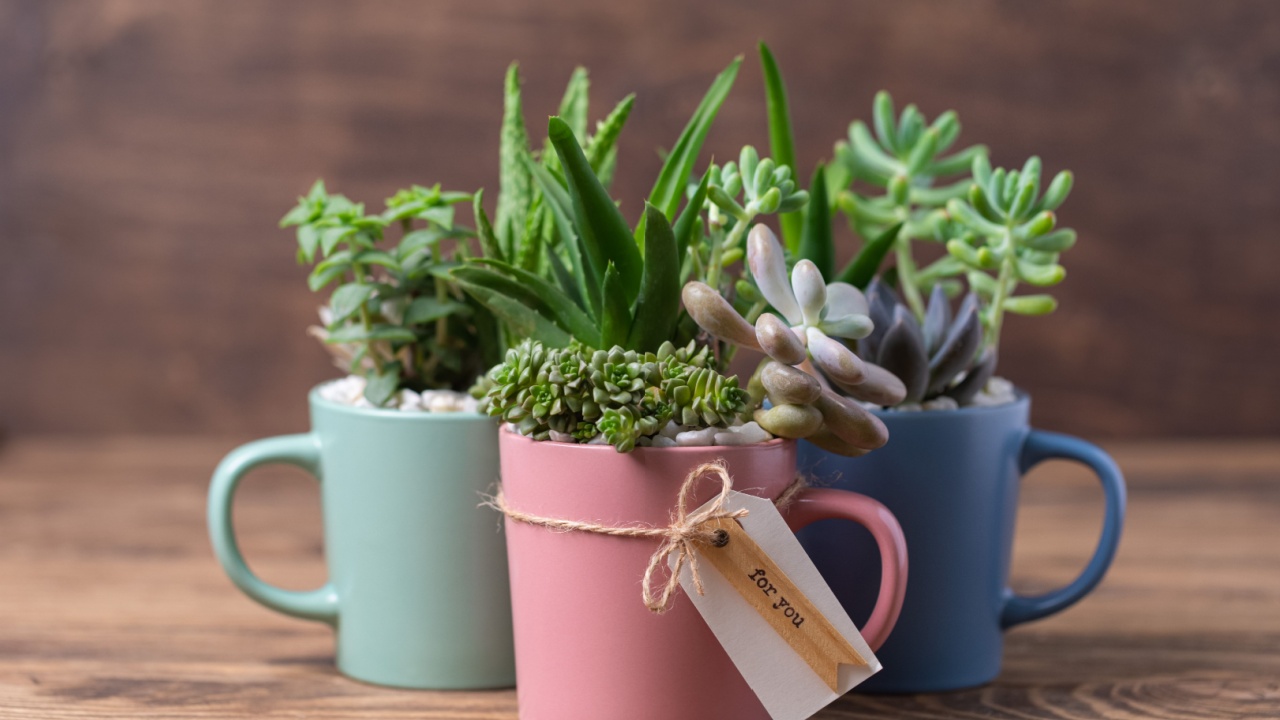
Older ceramic and glass dishes frequently contain materials that make them unsafe for serving food or hot liquids. You can still enjoy these beautiful patterns by giving them completely new jobs around your home. A heavy vintage bowl serves perfectly as a catch-all for keys and mail by the front door. Shallow plates work beautifully as drainage trays beneath indoor potted plants, adding a touch of elegance to your greenery. Placing these items in visible spots lets you appreciate their artistry daily.
Broken or chipped family china offers another opportunity for creative reuse in your craft room or outdoor areas. Crafters frequently turn shattered plates into intricate mosaic stepping stones for garden pathways and backyard patios. You might also use sturdy teacups as small planters for succulents on a bright kitchen windowsill. These new functions give damaged heirlooms a second life while keeping the family connection alive and visible.
3. Create Striking Wall Displays
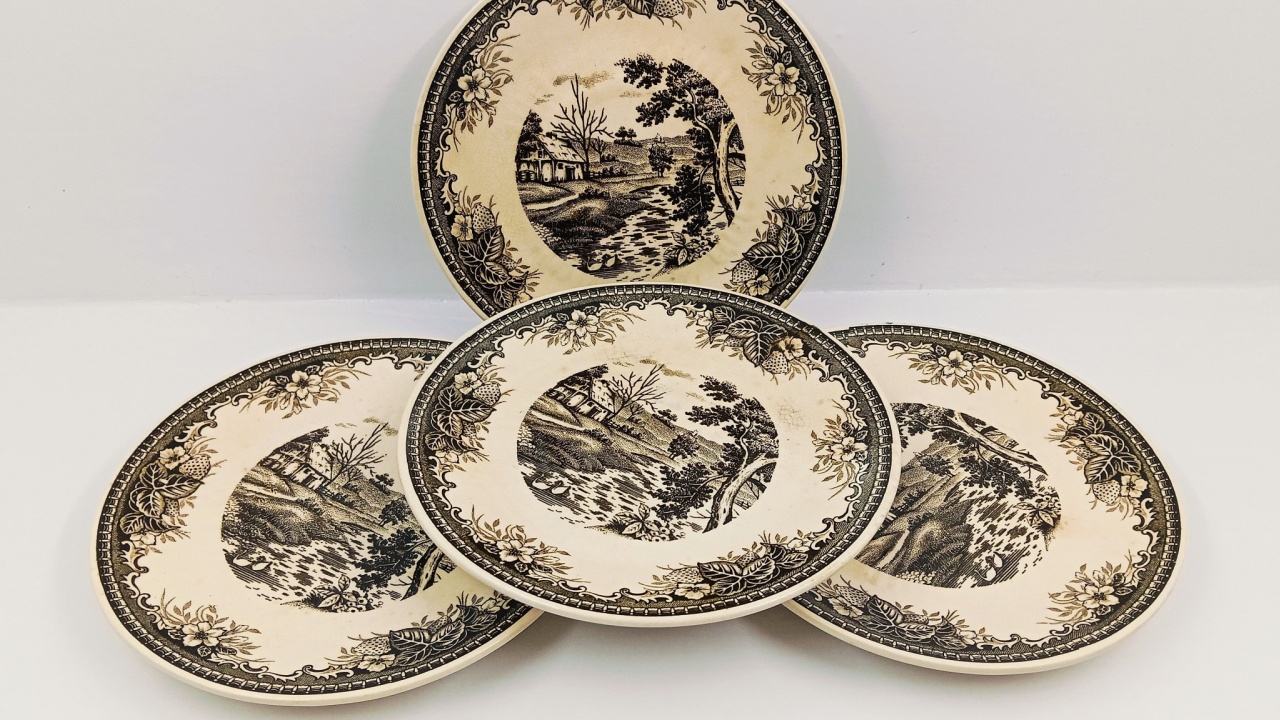
Storing stacks of delicate porcelain plates in a dark cabinet prevents anyone from appreciating their intricate painted designs. Mounting these pieces on your walls turns unused dining sets into custom artwork. You can arrange mismatched saucers and large platters in a striking geometric pattern above a dining room table or along a bare staircase. Plate hangers securely fasten each piece to the wall, completely freeing up your valuable cabinet space for everyday necessities.
You can apply this same vertical strategy to other flat inherited items like handmade quilts, vintage scarves, or antique lace. Framing delicate fabrics protects them from dust while transforming them into large-scale focal points for your living room or bedroom. Displaying items on the wall keeps them highly visible and entirely out of the way of daily foot traffic. Your blank walls immediately become a deeply personal gallery dedicated to your unique family history.
4. Create High-Quality Digital Archives
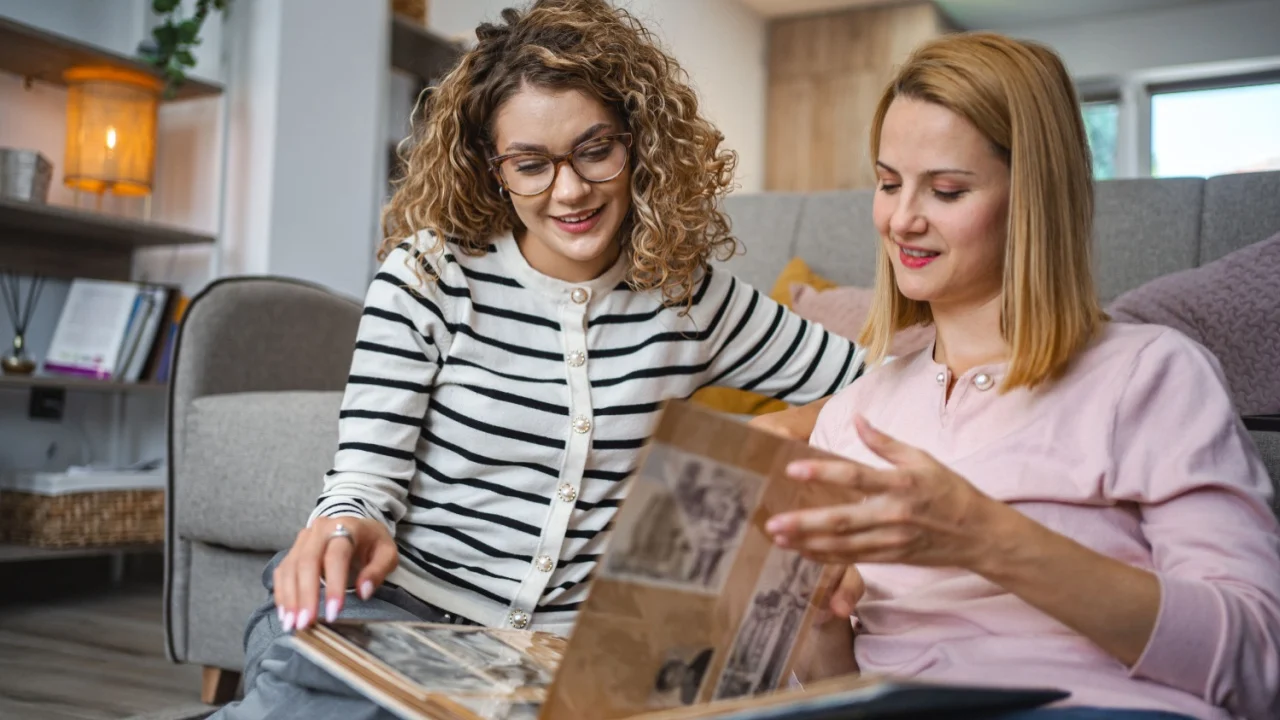
Thick photo albums and fragile paper documents consume a large amount of shelf space and naturally degrade over time. Scanning these materials creates permanent digital copies that you can store on a tiny hard drive or in secure cloud storage. Using a high-resolution flatbed scanner captures every detail of old letters, marriage certificates, and sepia-toned portraits perfectly. You can then view these important files on any digital device at any time, sharing them easily with distant relatives.
This digital strategy works equally well for bulky physical objects like large wooden furniture or fragile wedding dresses. Setting up good lighting and taking clear photographs of a grandfather clock or an old rocking chair captures the memory perfectly without requiring physical storage space. You can compile these images into a beautifully printed photo book that sits neatly on your coffee table.
5. Bring Formal Pieces Into Daily Rotation
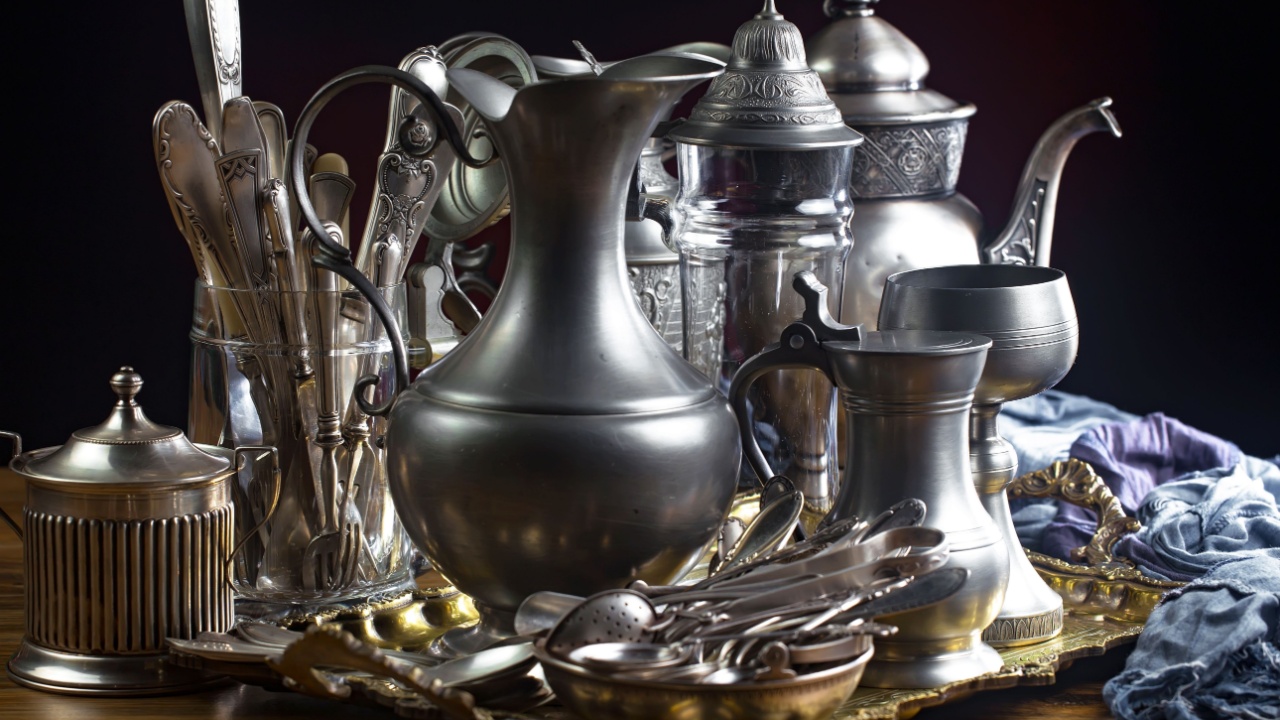
Many households reserve fine silver and cabbageware for major holidays, while others do not use them at all. Moving these items out of storage boxes and into your main kitchen cabinets encourages you to use them for regular meals. Serving Tuesday night dinner on your grandmother’s cabbageware turns an ordinary meal into a very special occasion. You get to enjoy the incredible craftsmanship of these pieces continually instead of letting them sit forgotten in a dark corner.
Using these items frequently might result in occasional chips or wear, which is a normal part of daily living. Actually enjoying a delicate teacup brings much more value to your life than keeping it perfectly preserved in a box forever. Make these heirlooms highly accessible by placing them on open shelving or right in the front of your primary cupboards. Integrating old items with your modern dishes creates a highly unique and eclectic dining experience for your family.
6. Pass Items to Appreciative New Owners
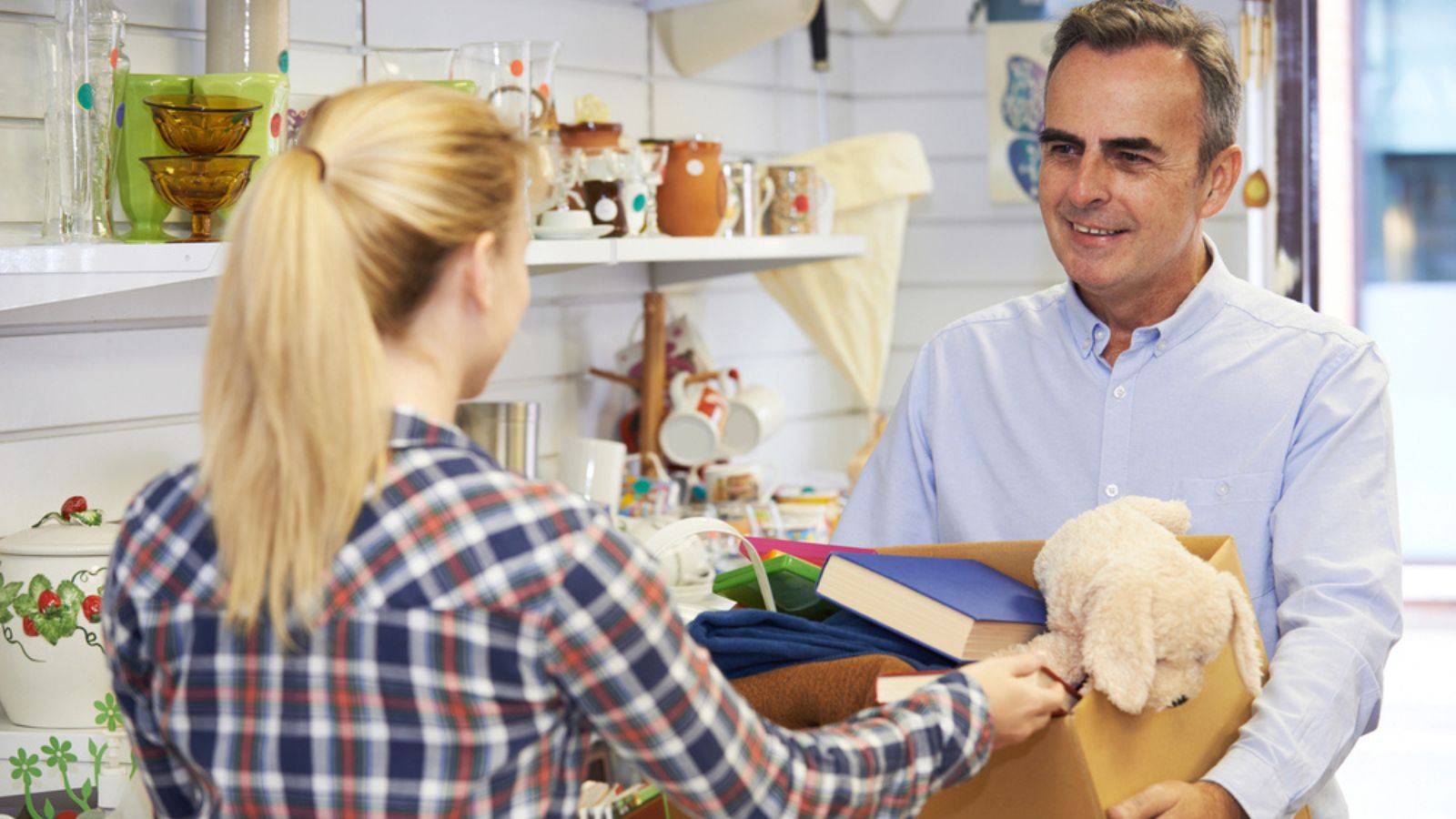
Sometimes, a piece of antique furniture simply will not fit through your doors or match your current home decor at all. Giving the item to another family member who has the required space guarantees the piece stays within your bloodline. If relatives decline the offer, selling the piece to a dedicated collector connects the item with someone who truly values its history. Antique shops and specialized online marketplaces connect you with eager buyers looking specifically for authentic vintage goods.
Donating items to local historical societies or theater groups provides another highly meaningful way to rehome unwanted heirlooms. These organizations frequently need period-accurate props and authentic clothing for their museum displays and stage performances. Knowing your grandfather’s vintage coat is helping a community theater production brings a wonderful sense of satisfaction. Releasing these items frees up your physical space while giving the objects a purposeful and highly appreciated new life.
Balancing Sentiment with Practicality
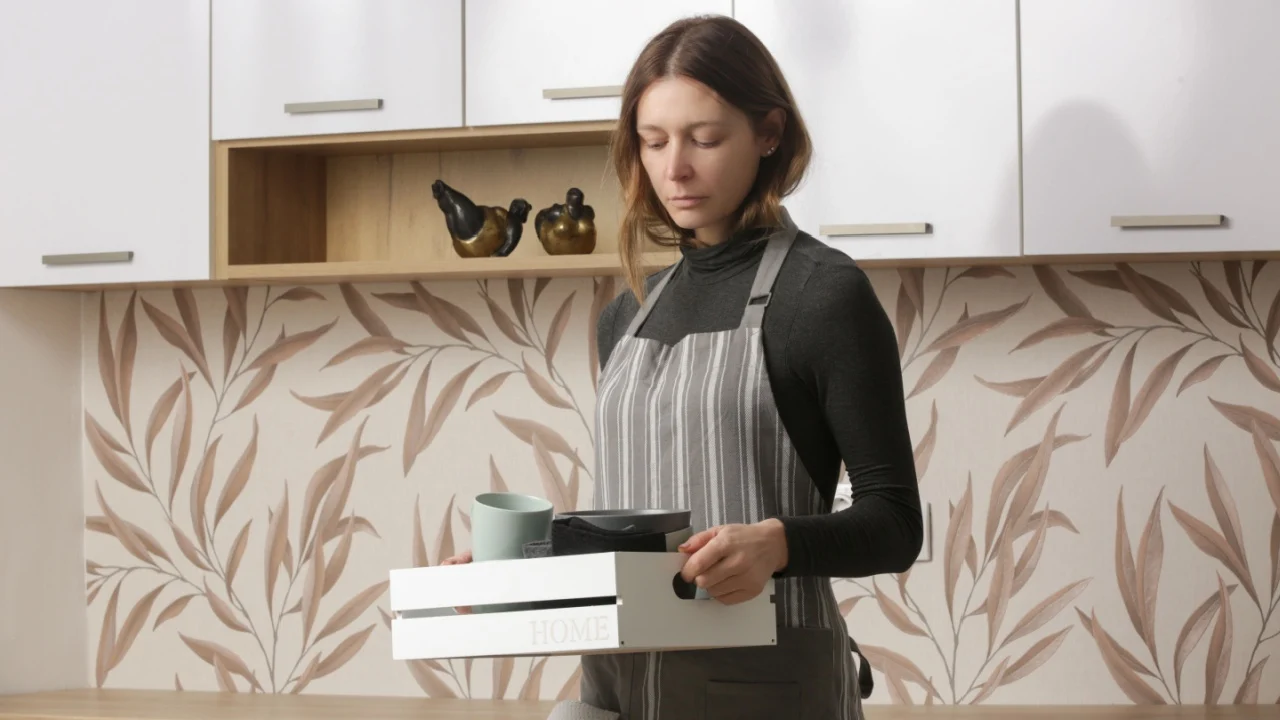
Managing an influx of inherited items requires a thoughtful approach to physical space and personal sentiment. You have total permission to keep only the items that actively bring you joy or serve a distinct function in your living area. Letting go of heavy objects or unsafe dishware frees you from the ongoing burden of storing unnecessary clutter.
By applying these practical strategies, you honor your family legacy completely without sacrificing your personal comfort. Finding new ways to display plates, digitizing old photographs, and passing items to new owners are highly effective management tools. Your home remains comfortable and beautifully organized while still reflecting the rich history of the generations that came before you.
Read More:
12 Family Heirlooms to Never Donate or Sell (and What to Do With Them Instead)
Inheritance or Headache: 12 Heirlooms That Are More Trouble Than They’re Worth