
Buy These 12 Grocery Staples and Make 10 Meals for the Week
Turning the weekly grocery run from a chaotic “grab-and-guess” session into a smooth operation is honestly a game-changer. Instead of wandering the aisles and ending up with a cart full of random items that don’t make a meal, this strategy focuses on a tight rotation of high-utility staples. It’s all about beating decision fatigue by having a kitchen stocked with ingredients that actually play well together.
The beauty of this plan is that it’s inspired by the idea that you don’t need a hundred ingredients to eat like royalty. By leaning on affordable powerhouses like chickpeas and pasta, you can whip up a variety of dishes that feel totally different but share the same DNA.
It’s a sustainable way to cook that maximizes your nutrition while keeping your bank account from throwing a tantrum. Plus, whether you’re cooking for yourself, your partner, or an entire busy family, it’ll give you back some time and energy for other things you love.
Here are twelve essential items and ten meal ideas to get you through the week without breaking a sweat.
1. Dry Pasta
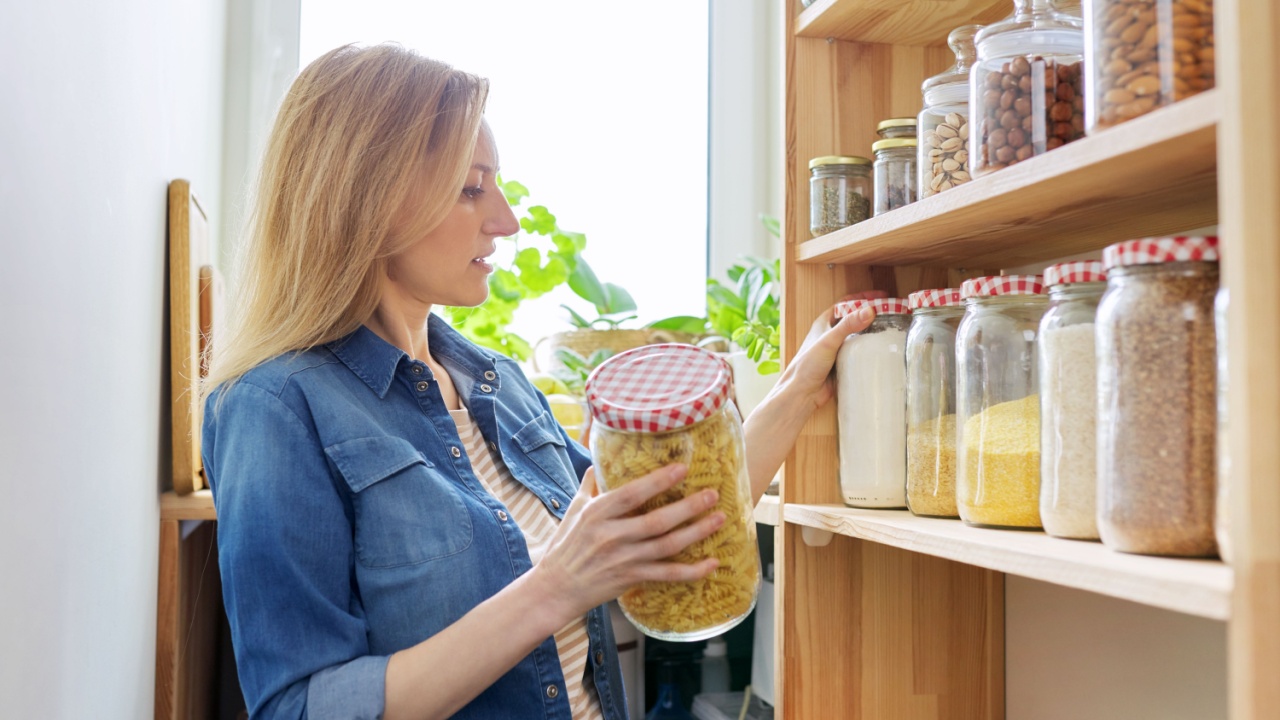
Pasta serves as the reliable base for half of the meals on this list due to its shelf stability and low cost per serving. Keeping shapes like penne or spaghetti on hand allows for quick transitions between Italian classics and modern one-pan bakes. It effectively absorbs flavors from simple sauces, making it an ideal canvas for pantry-heavy cooking.
Store opened boxes in airtight containers to prevent moisture from affecting the texture. If the budget allows, choosing a bronze-cut variety will help sauces adhere better to the surface. Always save a cup of the starchy cooking water before draining to create a silkier sauce without adding extra fat.
Another classic dried staple to keep on hand at all times is rice. (Hint: you’ll need it for a few of the recipes!)
2. Canned Chickpeas
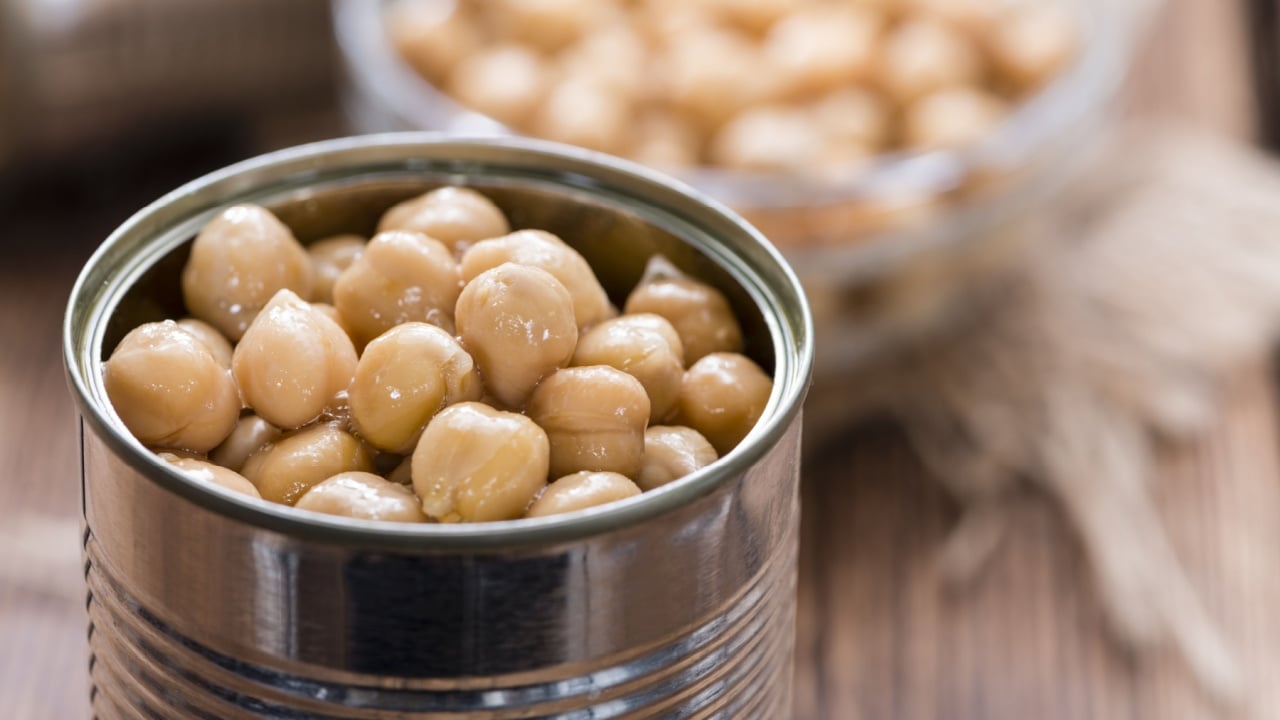
Chickpeas offer a sturdy plant-based protein that holds its shape during roasting or simmering. They are more affordable than fresh meat and provide a satisfying texture that mimics heavier proteins in vegetarian dishes. Beyond their nutritional profile, the liquid in the can can be used as a thickener for sauces or a vegan egg substitute.
Rinse them thoroughly before use to reduce sodium levels and improve the overall taste of the dish. For a different texture, try patting them dry and roasting them until they become crunchy for a salad topper. They are a smart choice for those seeking to increase fiber intake while keeping costs at a minimum.
3. Canned Tomatoes
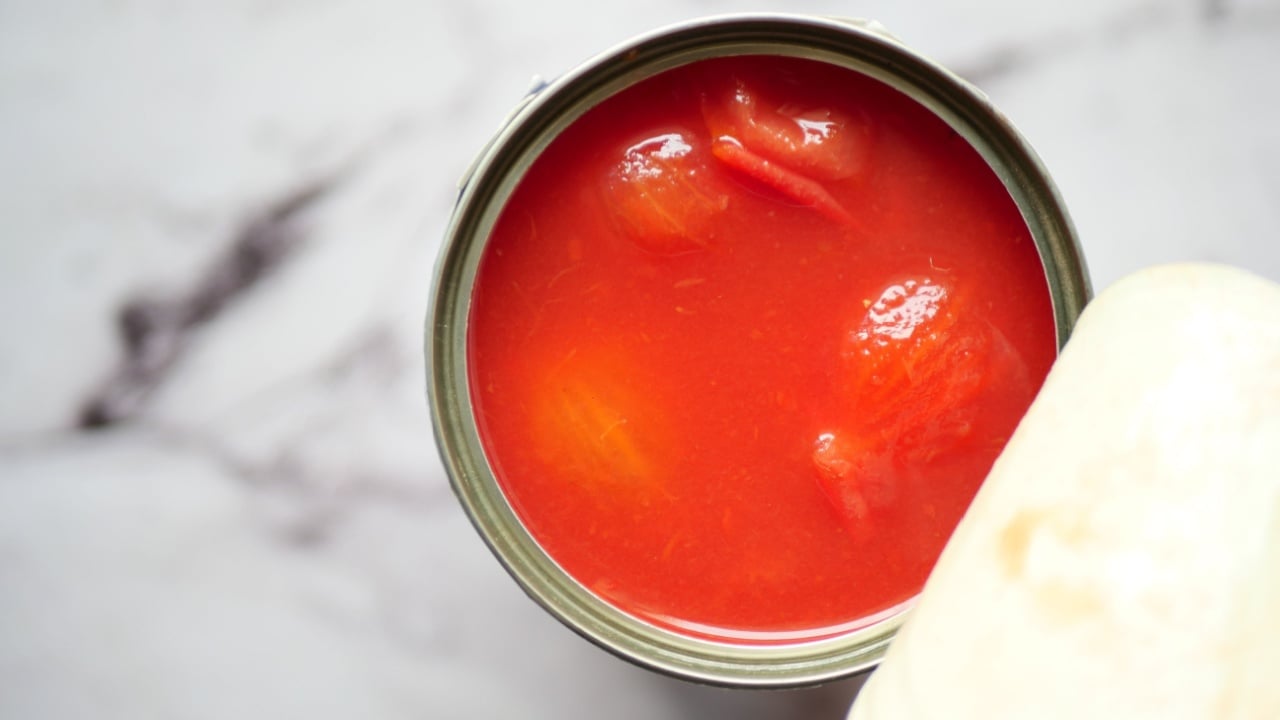
Crushed or diced tomatoes provide the essential acidity and moisture needed for almost every sauce in this plan. They are often picked and canned at peak ripeness, which ensures a consistent flavor profile regardless of the season. This staple eliminates the need for expensive out-of-season fresh produce while providing a base for soups and stews.
Look for cans without added sugar or heavy salt to maintain control over the final seasoning of the meal. If a recipe calls for a smooth sauce but only diced tomatoes are available, a quick pulse in a blender solves the problem. Storing leftover tomato paste in small portions in the freezer prevents the common issue of the jar molding in the fridge.
4. Chicken Breasts
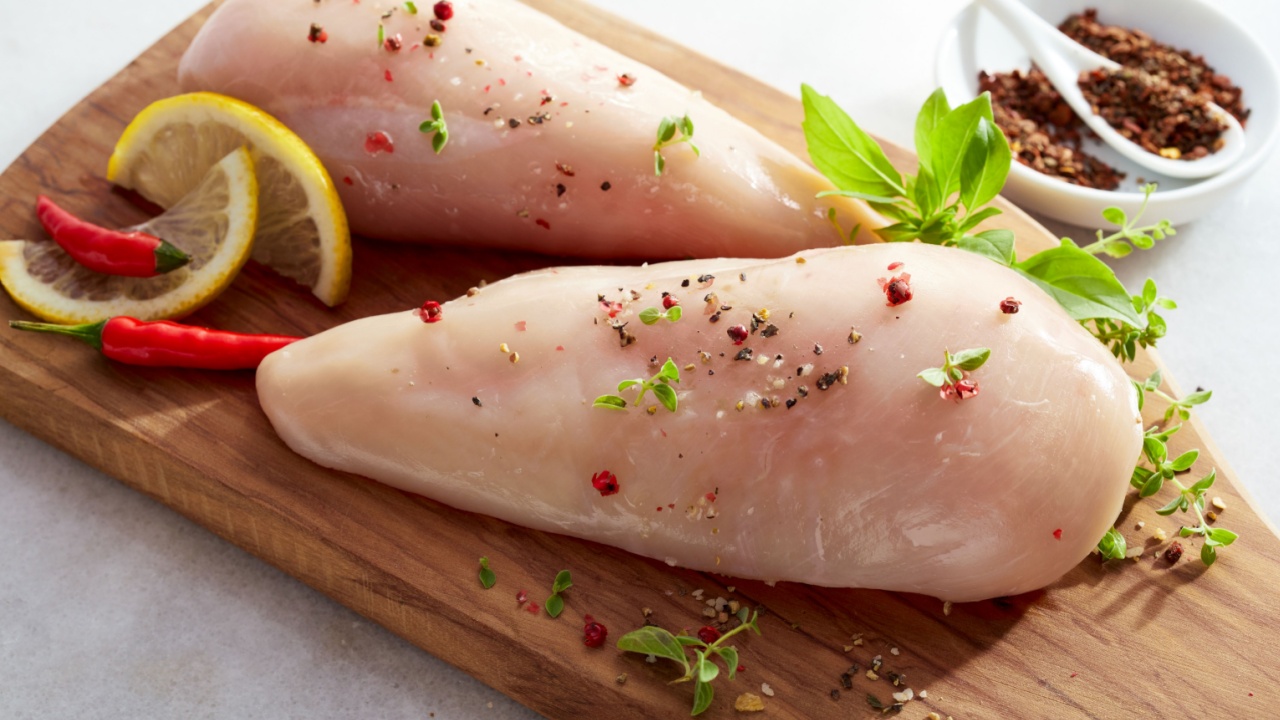
Chicken provides a lean animal protein that pairs seamlessly with both pasta and legumes. It is a frequent sale item at most grocers and can be purchased in bulk to further reduce the price per pound. Its mild flavor profile means it can be seasoned to fit a wide range of flavor palettes from creamy Alfredo to spicy tomato-based dishes.
To keep the meat tender, avoid overcooking by using a meat thermometer to reach exactly 165 degrees Fahrenheit. Slicing the breasts into thinner cutlets helps them cook more evenly and makes the portion sizes go further across multiple meals. For the best results, season the meat at least thirty minutes before cooking to allow the salt to penetrate the fibers.
5. Heavy Cream
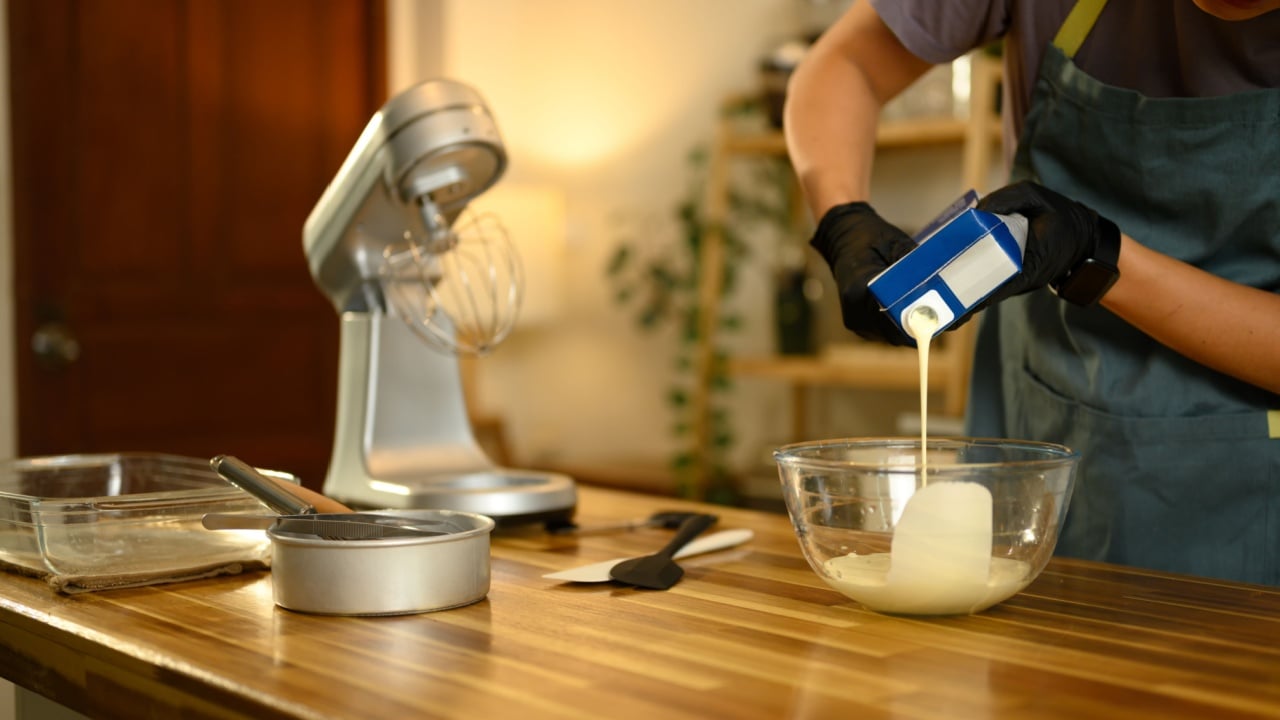
Heavy cream adds a necessary richness to budget meals that might otherwise feel thin or unsatisfying. A small splash can transform a basic tomato sauce into a vodka sauce or create a quick Alfredo without needing a complex roux. It has a longer shelf life than milk, which makes it a more reliable choice for a weekly grocery run.
If the cream begins to separate, a vigorous shake of the carton usually restores the consistency. It can also be frozen in ice cube trays if the entire container will not be used within the week. This allows for small additions to future sauces without needing to buy a fresh carton every time.
6. Parmesan Cheese

Real Parmesan offers an intense, salty, and nutty flavor that elevates simple ingredients with very little effort. A small wedge goes a long way and lasts for weeks in the refrigerator when wrapped properly. It acts as both a seasoning and a thickening agent when melted into warm pasta water.
Avoid the pre-grated versions in green cans as they often contain fillers that prevent smooth melting. Grating the cheese fresh ensures a better texture and a more potent flavor profile for the finished dish. Save the rinds to drop into simmering soups or sauces for an extra layer of savory depth.
7. Garlic and Shallots
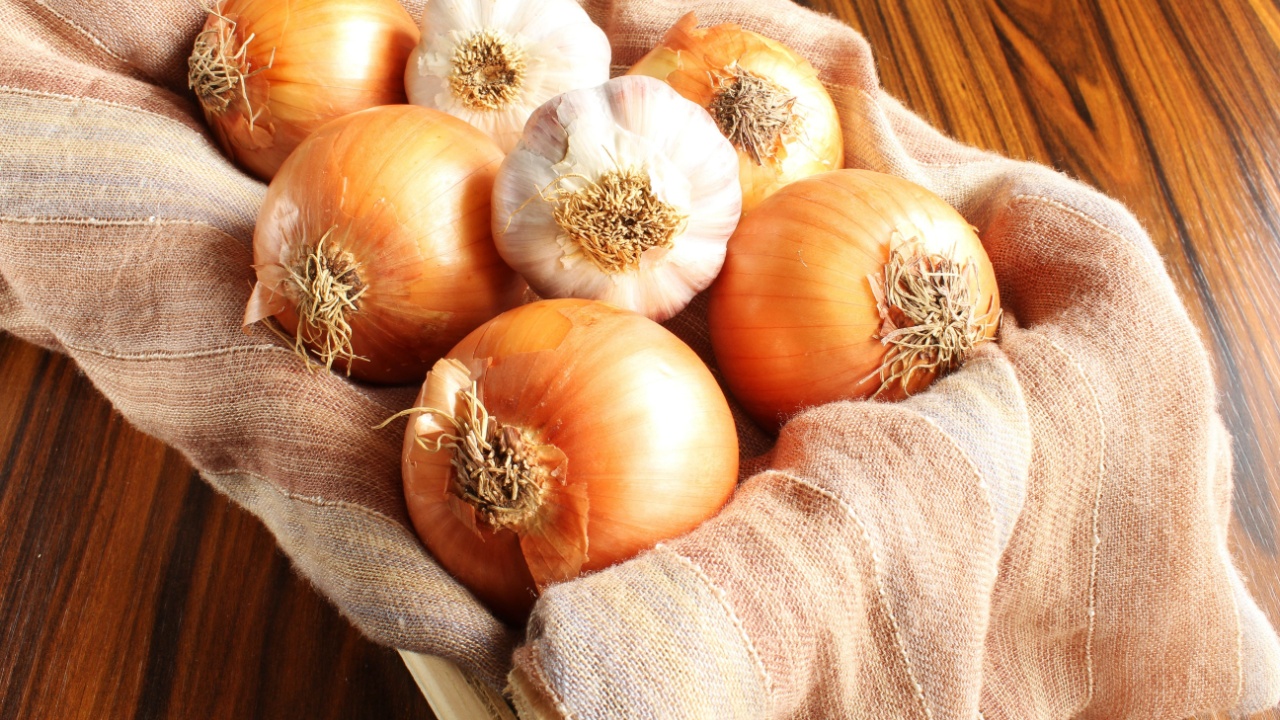
These aromatics are the foundation of flavor for most recipes. Shallots provide a more delicate and sweet onion flavor, while garlic brings the pungent heat necessary for savory cooking. They are inexpensive and stay fresh for a long time when kept in a cool and dark place.
Store them in a mesh bag or an open basket to allow for airflow, which prevents sprouting. If garlic starts to grow a green sprout, remove the center bit to avoid a bitter taste in the food. Mincing them fresh right before cooking yields a much brighter flavor than the pre-minced jars found in the produce aisle.
8. Feta Cheese
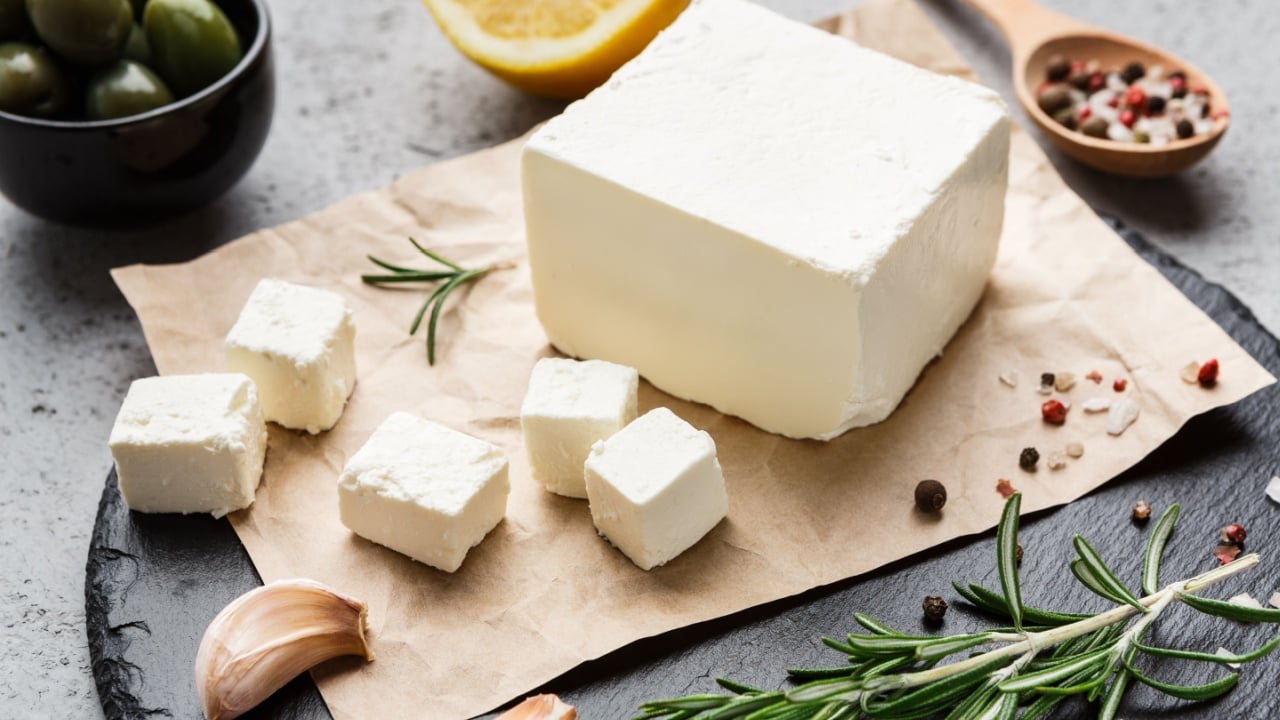
Feta brings a tangy and briny element that contrasts perfectly with the sweetness of cooked tomatoes and chickpeas. Unlike harder cheeses, it softens and becomes creamy when baked, which makes it a centerpiece for easy sheet-pan dinners. It provides a punchy flavor, so a little goes a long way in terms of seasoning.
Keep the feta in its brine to prevent it from drying out and becoming rubbery. If the cheese is too salty for a particular dish, a quick rinse under cold water can mellow out the flavor. It works just as well crumbled cold over a salad as it does melted into a warm pasta dish.
9. Fresh Basil
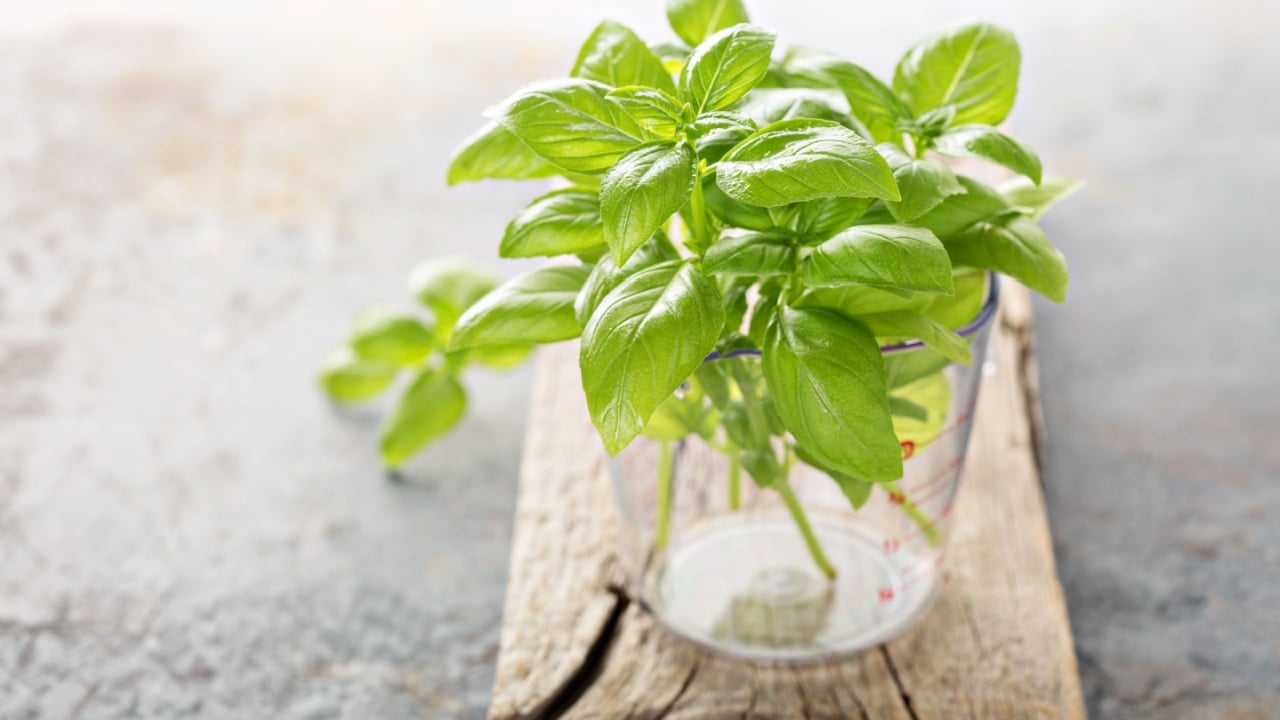
Fresh herbs provide a necessary brightness that canned and dried goods often lack. Basil specifically pairs with tomatoes and balsamic flavors to give budget meals a restaurant-quality finish. It adds a visual appeal and a fresh aroma that makes simple pantry meals feel more intentional and complete.
To keep basil fresh, treat it like a bouquet by placing the stems in a glass of water on the counter. Avoid putting it in the refrigerator as the cold air can turn the delicate leaves black. If the leaves start to wilt, blend them with oil and freeze them in a tray to preserve the flavor for future use.
10. Frozen Broccoli
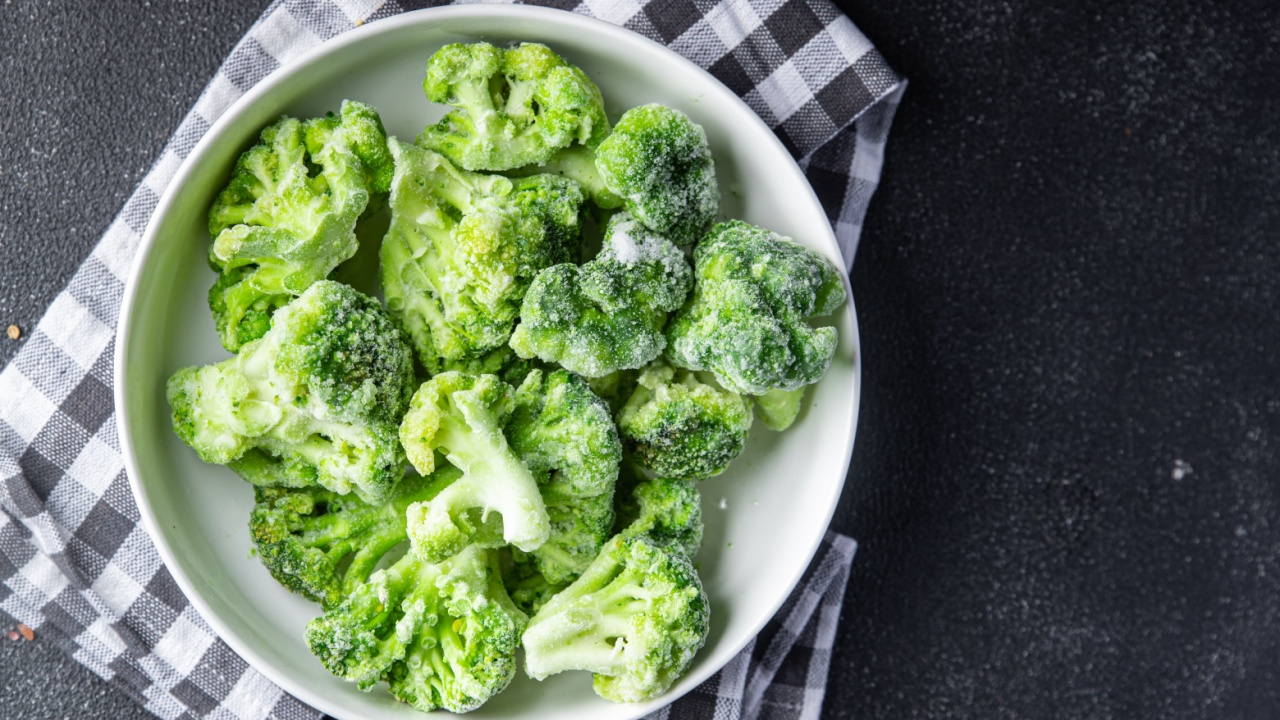
Frozen vegetables are often more nutritious than fresh options because they are flash-frozen at the moment of harvest. Broccoli adds bulk and essential vitamins to pasta and chickpea dishes without the risk of it spoiling in the crisper drawer. It requires zero prep work, which saves time during a busy weeknight.
Roasting frozen broccoli directly from the bag at a high temperature helps it achieve a better texture than steaming. Ensure the oven is fully preheated to prevent the florets from becoming mushy. This is a cost-effective way to ensure every meal contains a green component without increasing the grocery bill.
11. White Wine or Vodka

A small amount of alcohol helps release flavor compounds in tomatoes that are not water-soluble. This results in a more complex and professional-tasting sauce for very little additional cost. A single bottle of inexpensive dry white wine or a small handle of vodka can last through several weeks of cooking.
Choose a dry wine like Pinot Grigio or Sauvignon Blanc for the best results in savory dishes. If alcohol is not preferred, a splash of broth or a squeeze of lemon juice can provide a similar acidic lift. The alcohol evaporates during the simmering process, leaving behind only the enhanced flavors of the other ingredients.
12. Sun-Dried Tomatoes
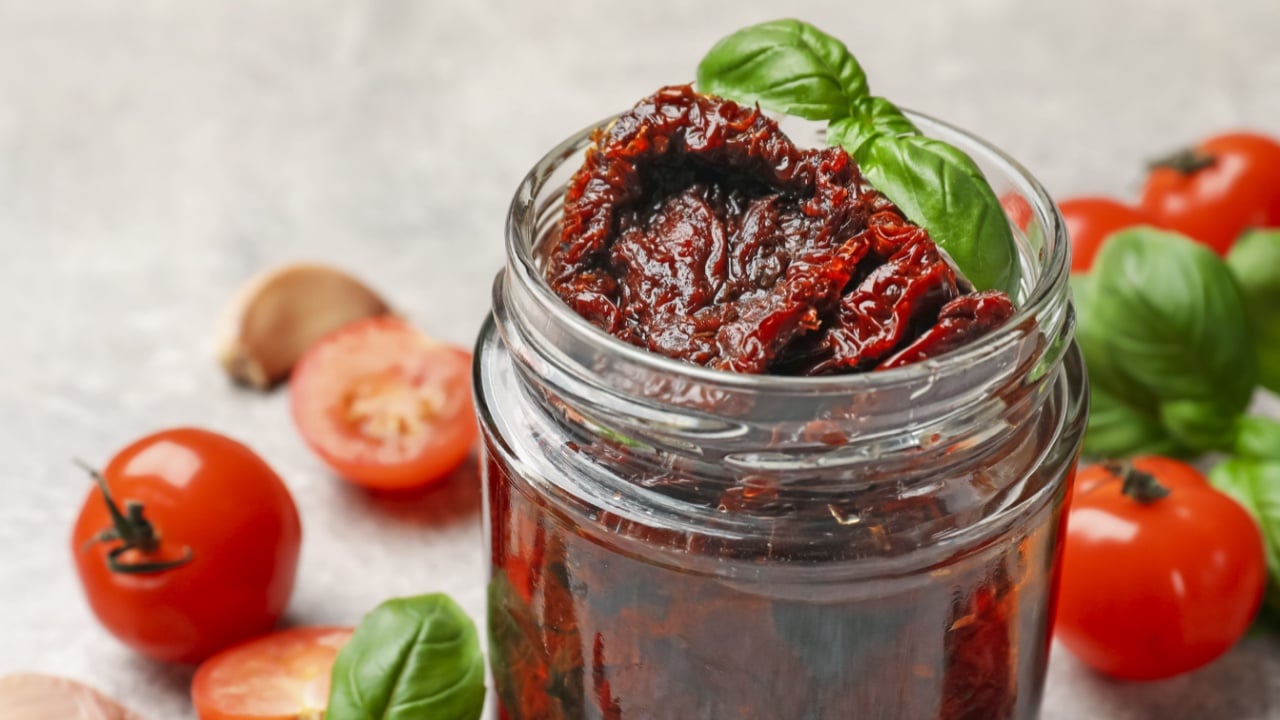
Sun-dried tomatoes packed in oil are a concentrated flavor bomb that adds chewiness and sweetness to sauces. The oil in the jar is infused with tomato flavor and should be used to sauté the garlic and shallots for an extra layer of depth. This item bridges the gap between a simple pantry meal and something that feels more gourmet.
Store the jar in the refrigerator after opening to keep the oil from going rancid. If the tomatoes are not packed in oil, soak them in warm water for a few minutes before adding them to a dish to soften the texture. They are particularly effective in “Marry Me” style sauces, where a rich and savory profile is the goal.
13. 10 Meals for the Week

Using these twelve staples alongside pantry basics like oil and spices allows for a diverse weekly menu.
- Penne Alla Vodka: A rich, tomato-based classic using vodka and heavy cream.
- Marry Me Chickpeas: A vegetarian twist using sun-dried tomatoes and cream served over a fluffy bed of rice.
- Baked Feta Pasta: The viral dish using the feta block, cherry tomatoes (or canned), and garlic.
- Creamy Pesto Chicken and Rice: Utilizing pesto and cream as a sauce for seared chicken breasts and rice.
- Mediterranean Grain Bowls: Rice or farro topped with roasted chickpeas, feta, and broccoli.
- One-Pan Garlic Herb Chicken: A simple sauté with broccoli and shallots without any grains for a lighter night.
- Spaghetti all’Assassina: A charred, spicy tomato pasta that uses a unique pan-frying technique.
- Creamy Sun-Dried Tomato Chicken: Seared chicken in a rich sauce served over a bed of rice or grains.
- Chickpea and Broccoli Stir-Fry: A quick pan-fry using garlic, shallots, and pesto over rice.
- Bruschetta Chicken Pasta: Using fresh basil and canned tomatoes for a light, acidic finish to the week.
Keep It Flexible, Keep It Simple
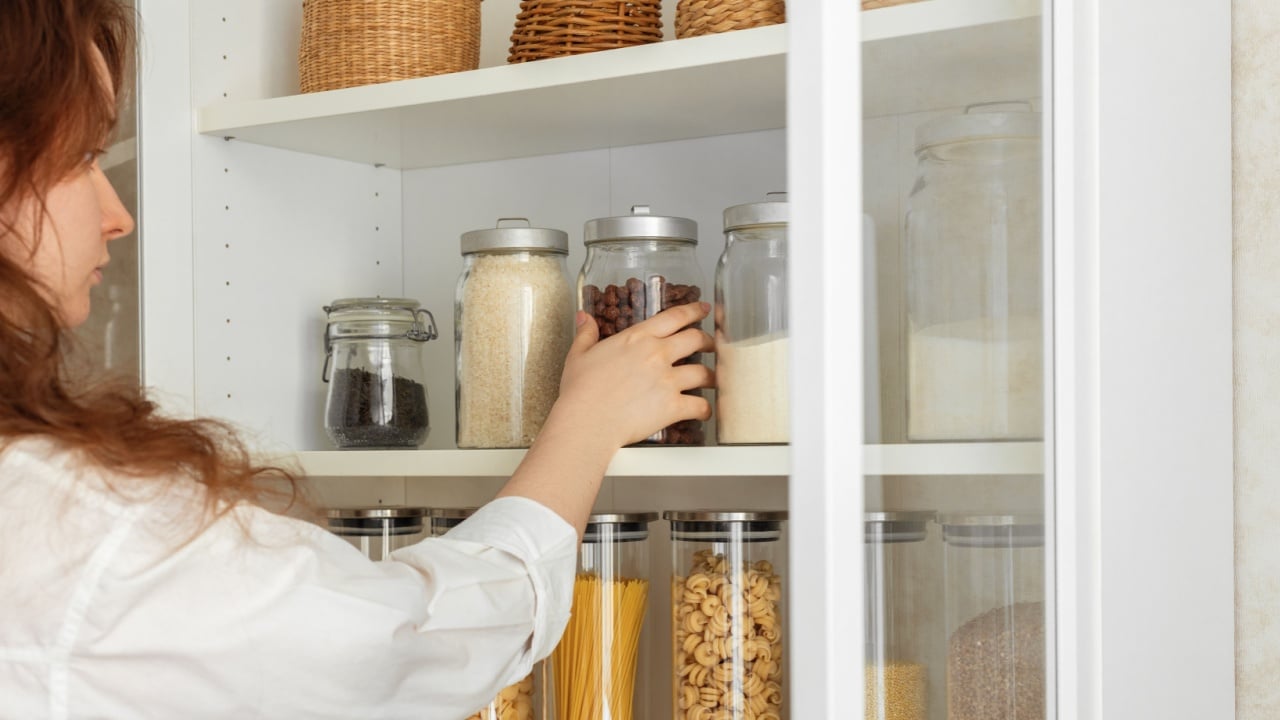
The strength of this plan comes from staying flexible. If you run low on chicken, just add more chickpeas to keep the meal filling and balanced. Nothing here is rigid, so it is easy to adjust without overspending or overthinking.
Before you start, take a quick look at your spices like red pepper flakes and oregano. Make a short list, shop with a plan, and once you are back, spend a little time prepping things like garlic and chicken. That small effort upfront makes the rest of the week feel much easier.
Read More: