20 Animals Quietly Healing the Earth Every Day
Our planet relies on millions of living creatures to keep its ecosystems functioning properly. Many species work quietly in the background to pollinate plants, clean our water, and build healthy soil. You might look at your own backyard and see wildlife interacting with the environment, doing jobs that benefit the entire natural world.
Every animal serves a specific purpose in nature. From the smallest insects crawling through the dirt to the largest mammals swimming in the oceans, living beings contribute heavily to environmental health. When species act naturally in their habitats, they balance complex systems that provide oxygen, clean water, and fertile ground.
This guide shares twenty amazing animals doing wonderful things for our planet (although every animal serves an important purpose!). You will learn exactly how these creatures shape the world around them and why they deserve our appreciation. We will look at animals you might find near your home, along with incredible species living far away.
1. Bees
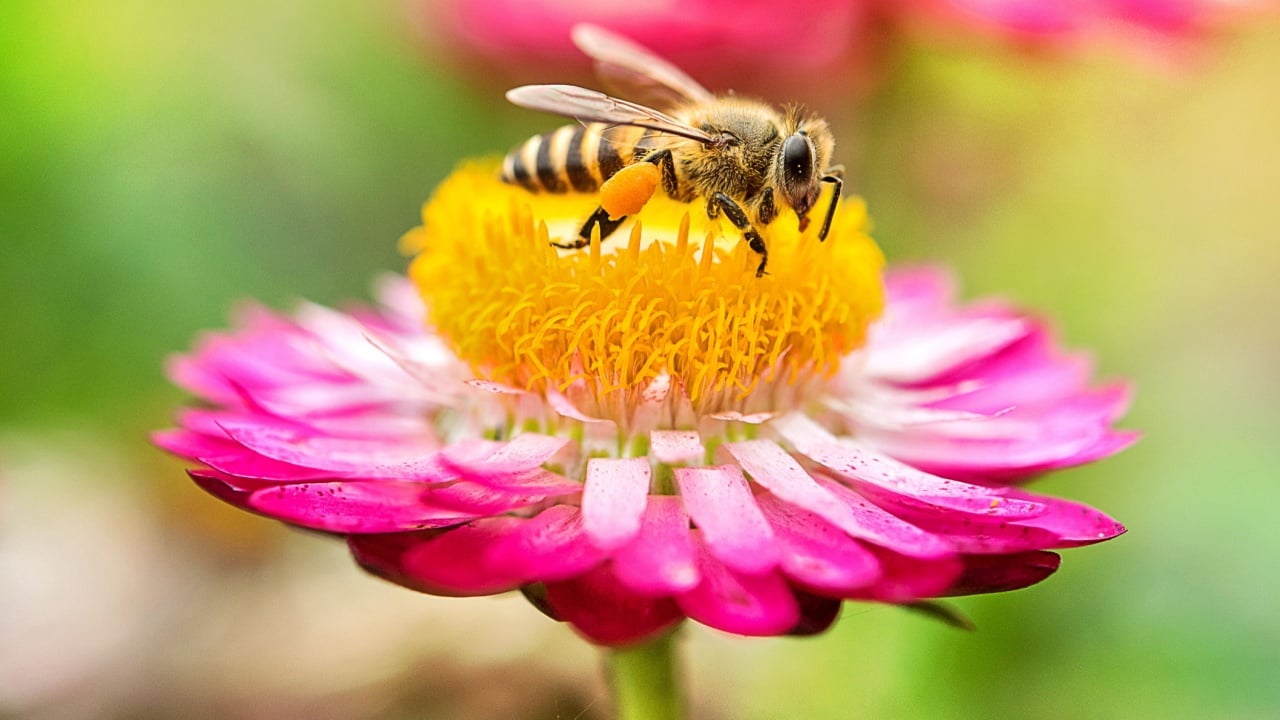
Bees travel from flower to flower, moving pollen so plants can produce fruits and seeds. This pollination process feeds thousands of other species and allows crops to grow successfully. According to the United Nations Environmental Program, UNEP, a third of the world’s food production depends on bees.
Without these flying insects, whole food chains would collapse rapidly. Protecting bee populations helps maintain the global food supply and keeps wild plant life blooming brightly.
2. Worms
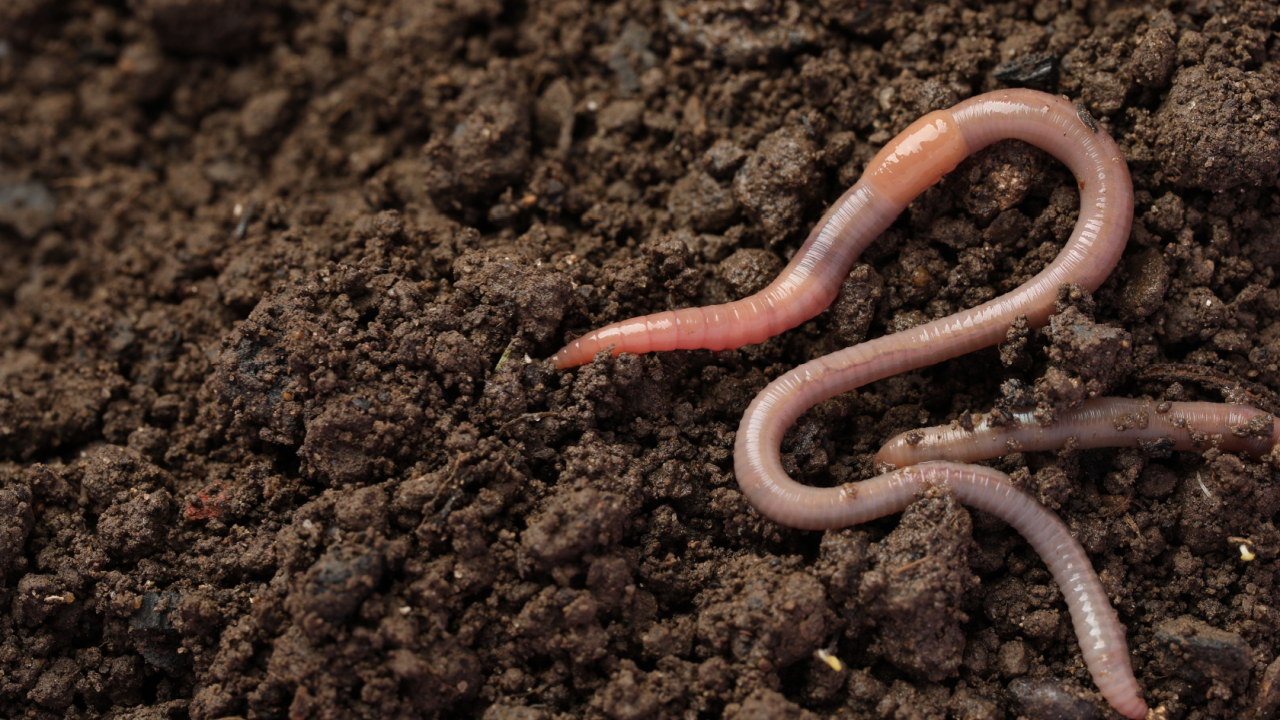
Earthworms burrow deep under the ground to consume decaying leaves and dead roots. Their digestion process turns organic waste into highly fertile soil full of rich nutrients. As they move through the dirt, they create tiny tunnels that allow water and oxygen to reach plant roots easily.
Research by Colorado State University reveals that worms are essential in global food production. Healthy gardens rely heavily on the hidden efforts of worms. People who want thriving vegetable patches often build compost bins specifically to attract these helpful creatures to their yards.
3. Elephants
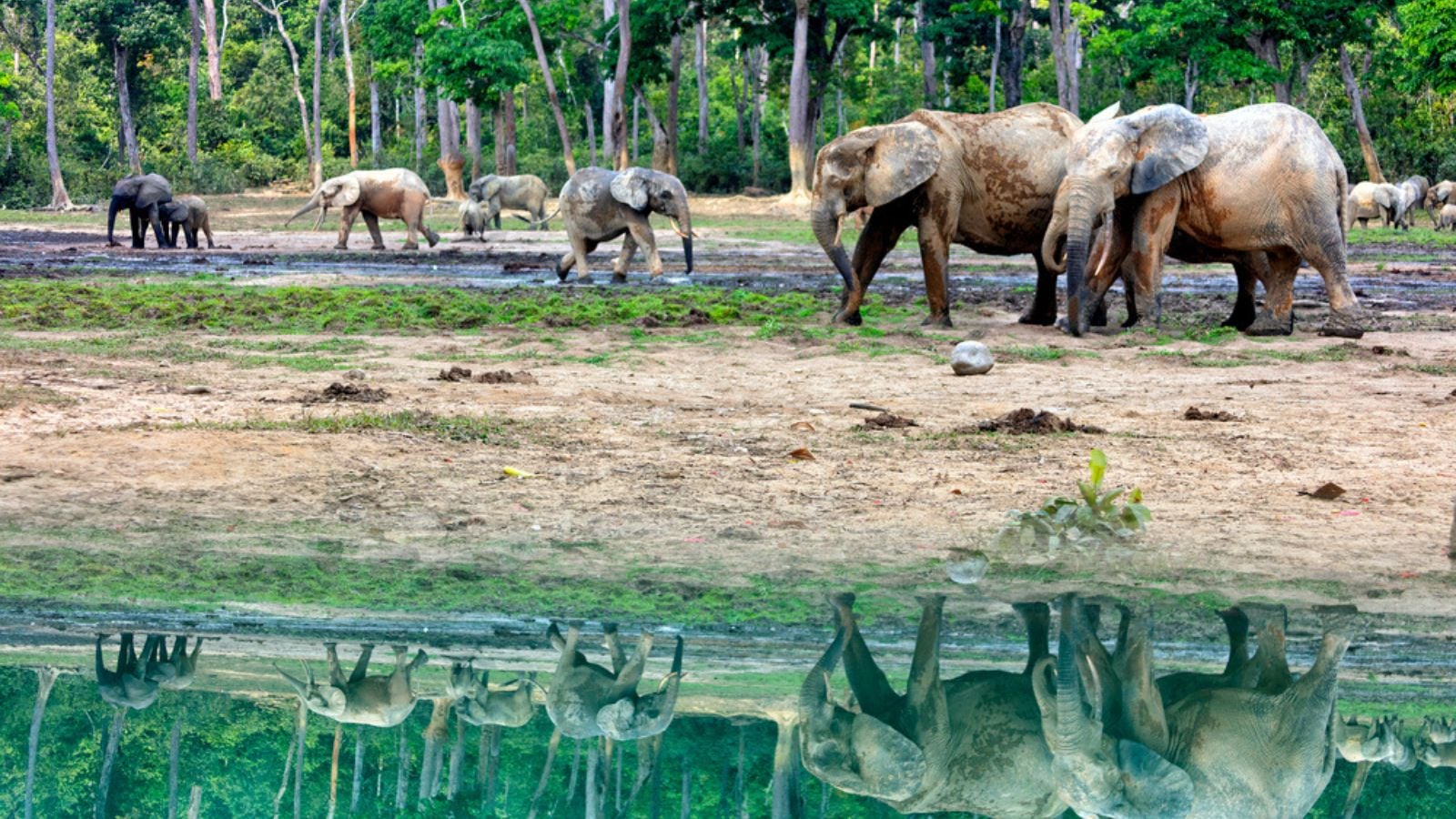
Elephants act as major landscape architects in large grasslands and thick forests. They push down old trees, creating open spaces where sunlight can reach the ground and help new plants grow. During dry seasons, elephants dig deep holes with their tusks to find hidden underground water sources.
These massive mammals provide drinking water for countless smaller animals that cannot dig their own wells. Their large droppings also spread seeds across miles of land, helping new vegetation take root.
4. Plankton
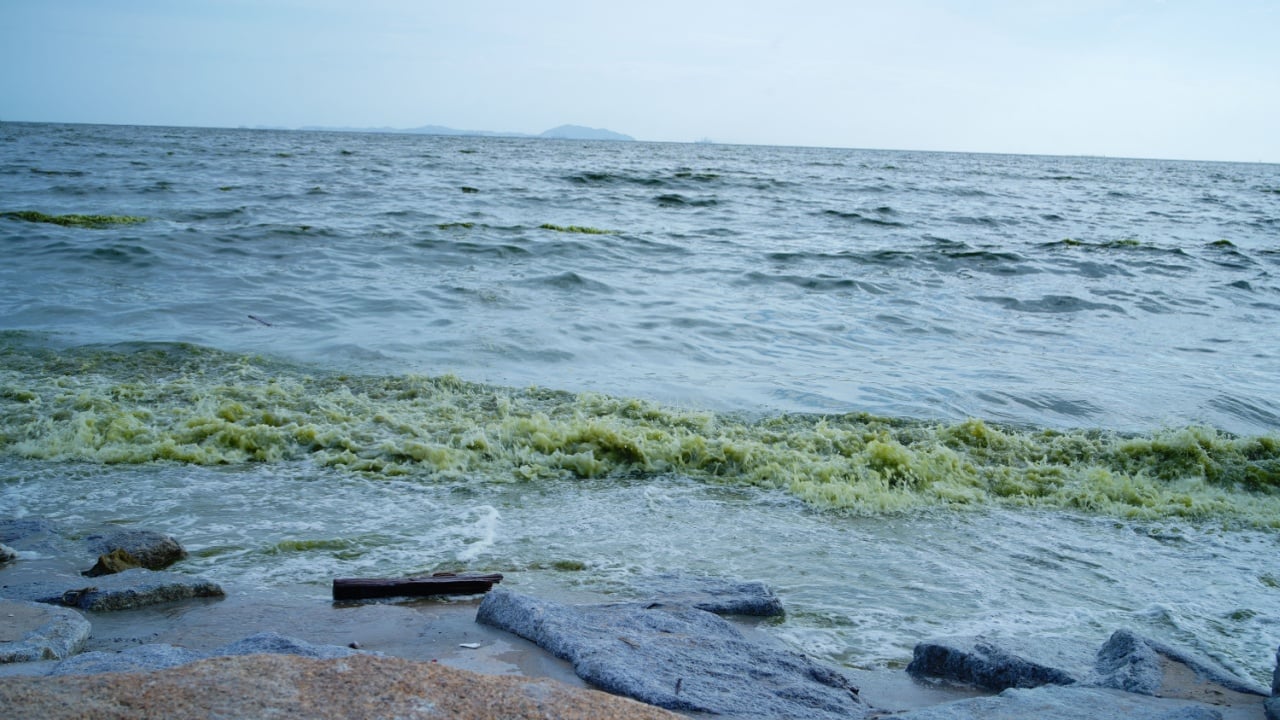
Tiny plankton float in ocean currents and create massive amounts of the oxygen we breathe. Through photosynthesis, these microscopic organisms absorb carbon dioxide from the atmosphere and release fresh air. Marine biologists estimate that plankton produce half of the oxygen available on Earth.
Besides making air, plankton serve as the absolute foundation of the marine food web. Huge sea creatures rely entirely on these tiny organisms to survive in deep waters.
5. Beavers
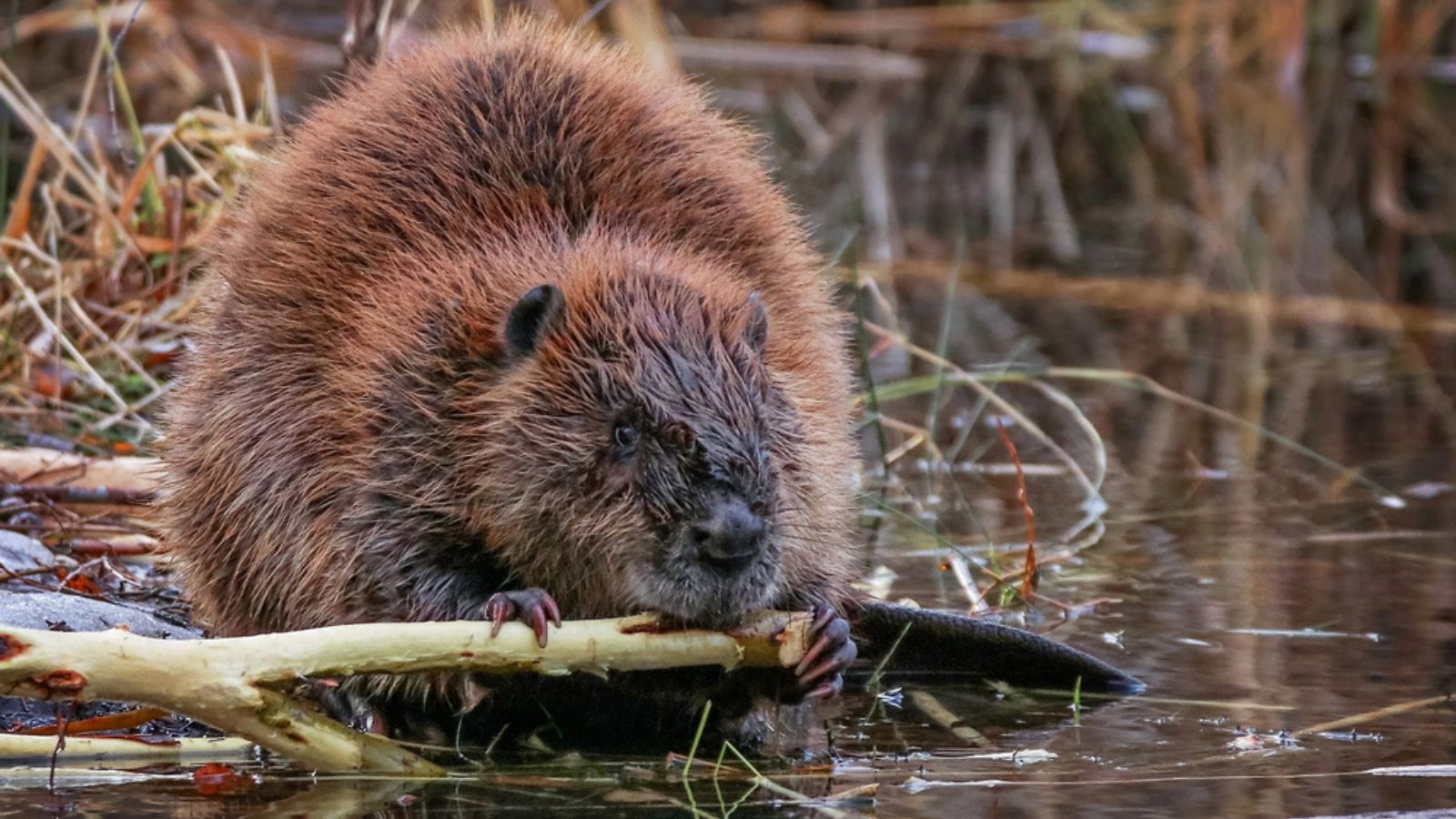
Beavers construct strong dams across rivers and streams using branches and mud. These blockages slow down rushing water, creating deep ponds that act as natural water filters. The wet areas surrounding the dams become rich habitats for fish, birds, and amphibians.
These engineered structures actually protect lands from dangerous floods during heavy rainstorms. The deep ponds hold excess water safely and release it slowly into the environment.
6. Bats
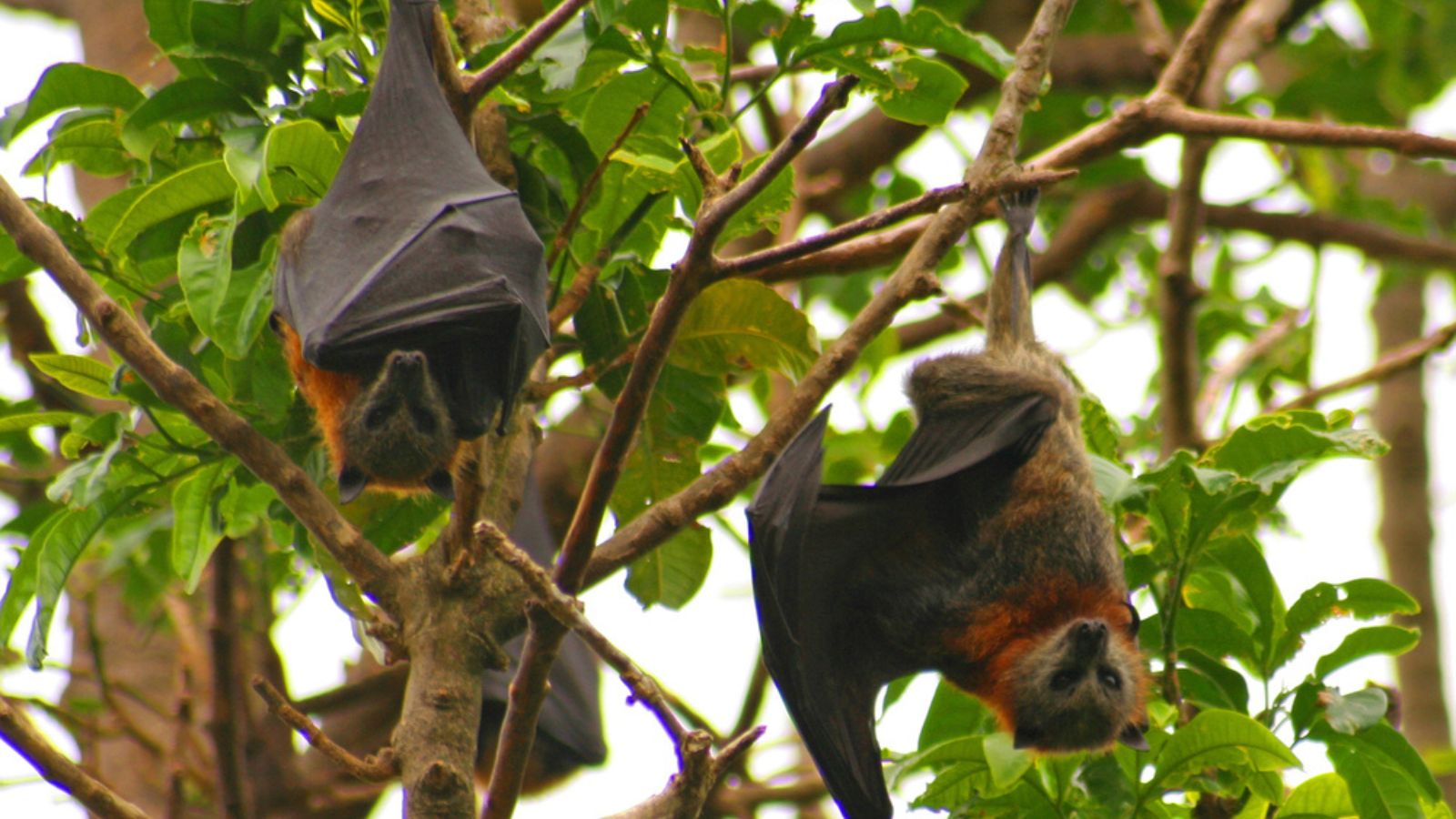
Bats fly through the night sky hunting millions of mosquitoes and agricultural pests. A single bat can consume thousands of tiny insects in just a few hours. This massive appetite reduces the need for toxic chemical pesticides on large farms.
Some bat species also pollinate night-blooming flowers and spread fruit seeds across wide distances. Their droppings, called guano, serve as an incredibly rich fertilizer for cave ecosystems.
7. Ants
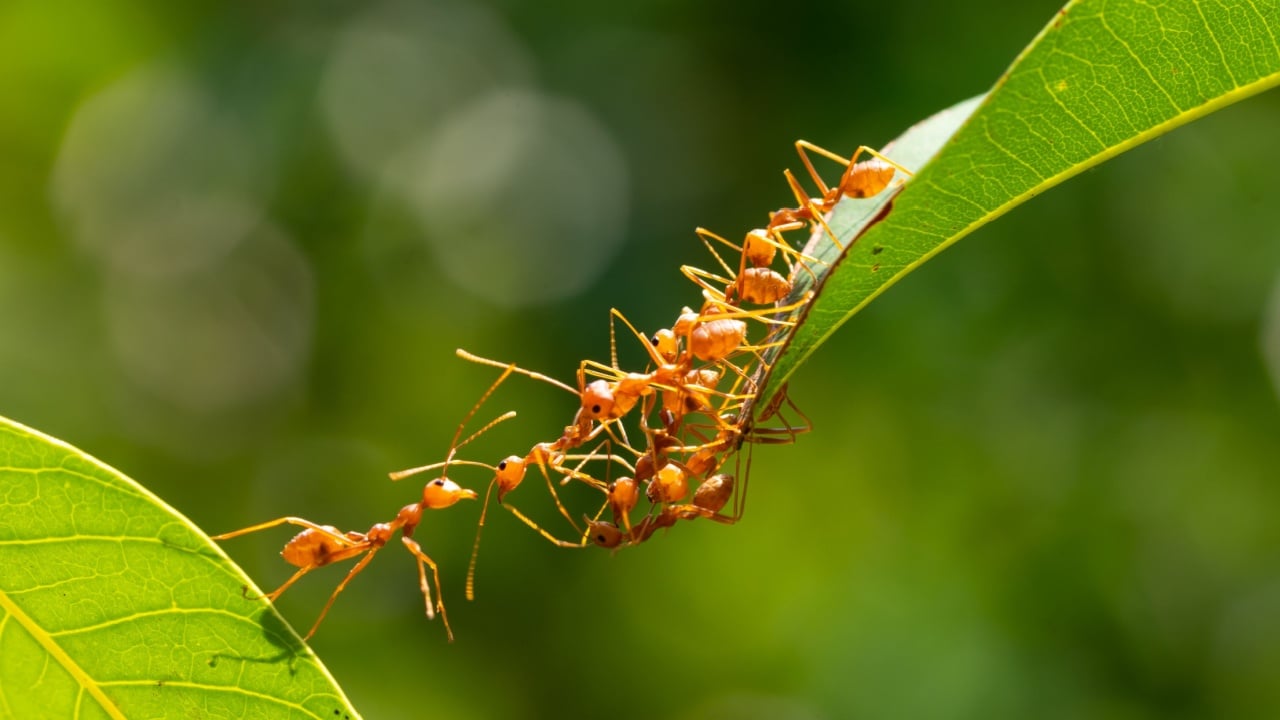
Ants live in massive colonies that constantly move dirt around the forest floor. By building complex underground tunnels, they mix air into the soil and distribute important minerals. They also carry seeds to new locations and clean up decaying animal matter.
According to Iowa State University, ants keep other pest populations in check by eating them. They also move the same amount of soil as earthworms. These busy insects improve soil quality significantly without any human help. Their digging prevents the soil from becoming too hard or compacted for plants to survive.
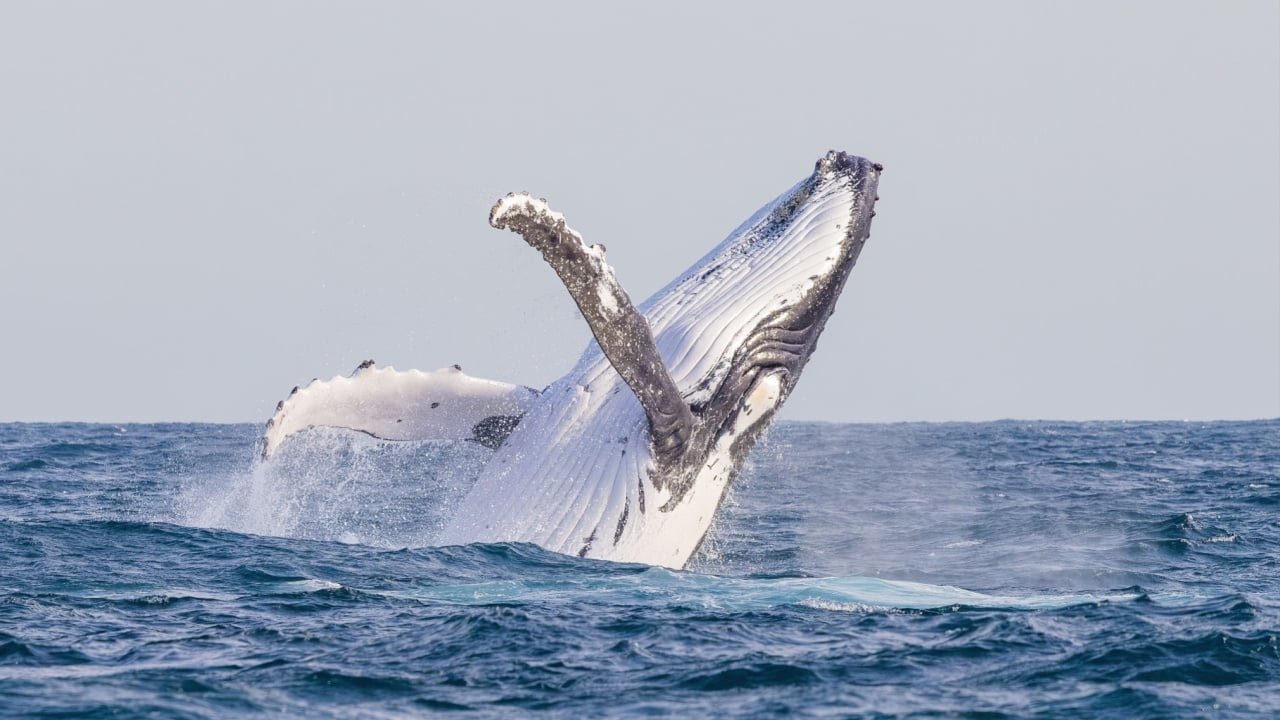
8. Whales
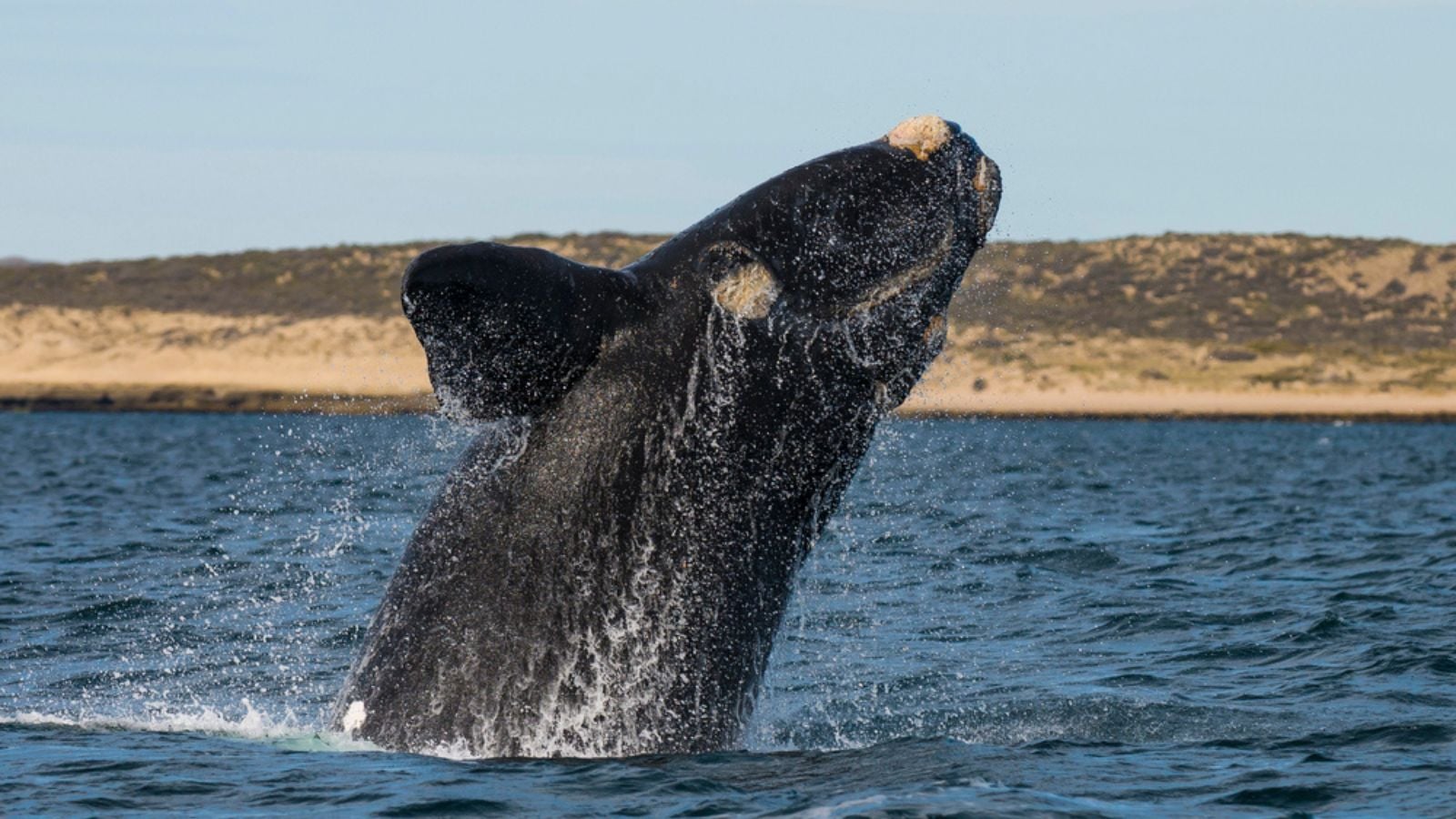
Whales dive deep into the ocean to feed and return to the surface to breathe. When they surface, they release massive amounts of nutrient-rich waste into the upper layers of the water. This process feeds plankton populations and stimulates heavy marine plant growth.
When these giant mammals pass away, their massive bodies sink to the ocean floor. The remains provide food and shelter for unique deep-sea communities for many decades.
9. Frogs
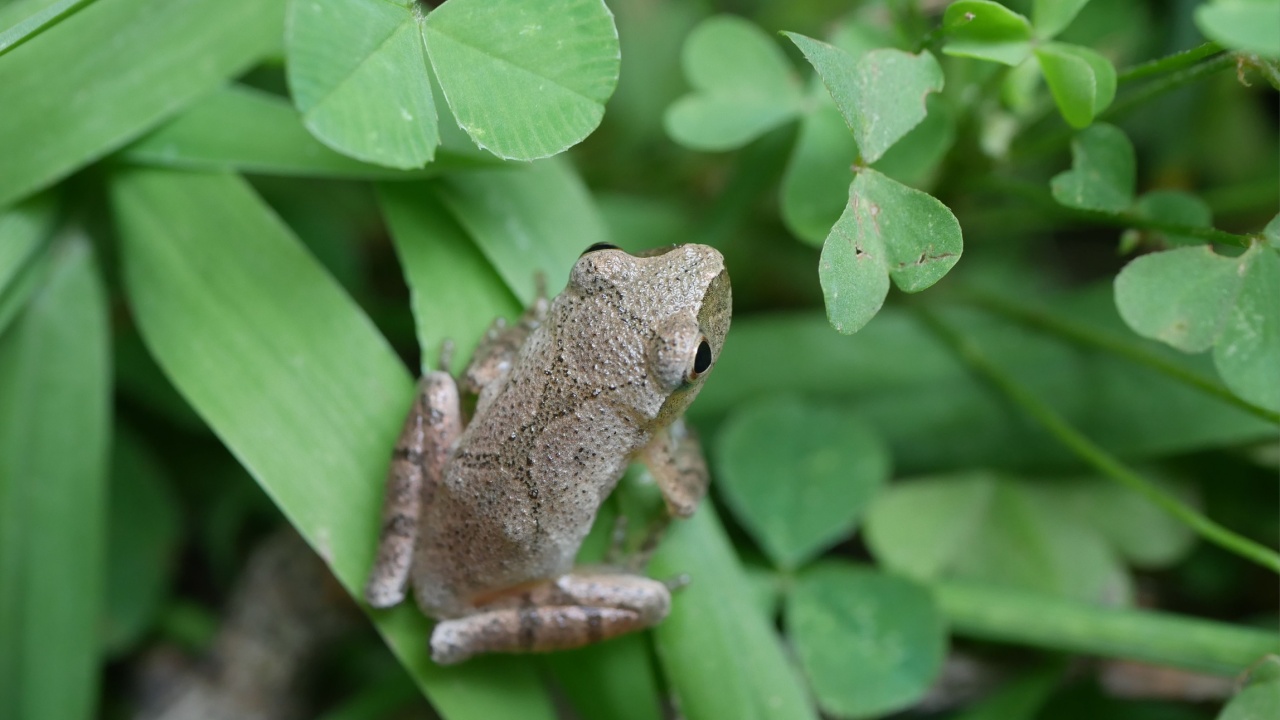
You probably cringe at the sight of them, but frogs spend their lives both in the water and on the land, catching countless insects every day. They provide a vital food source for birds, snakes, and larger mammals. Their soft skin absorbs water directly, making them highly sensitive to pollution and chemicals.
Because they react quickly to bad water, frogs tell scientists when an environment is getting sick. A healthy frog population indicates a clean and thriving local habitat.
10. Squirrels
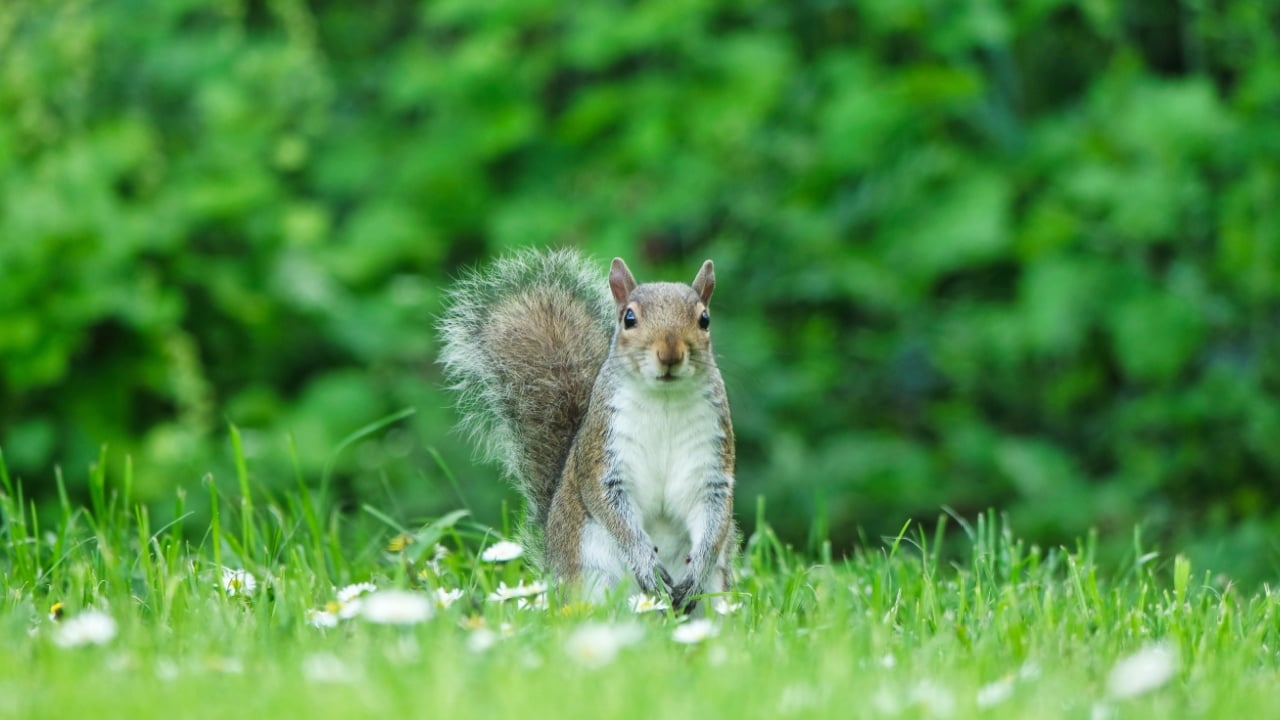
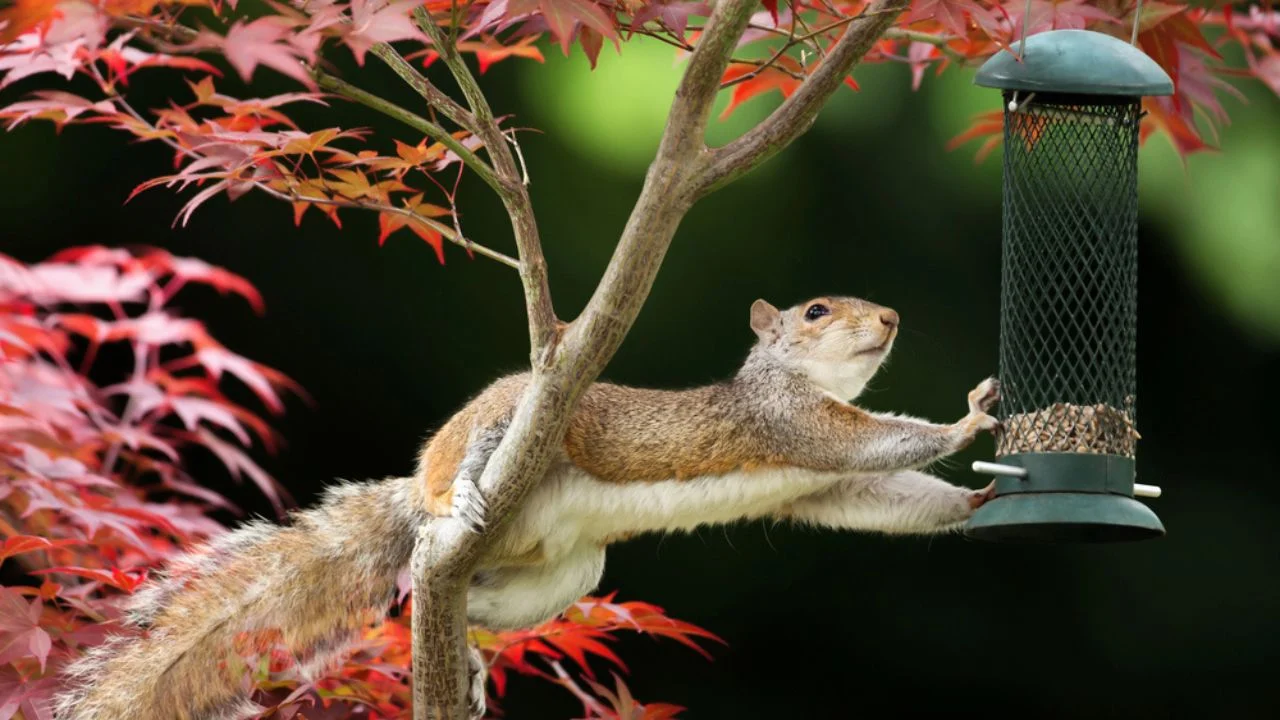
Squirrels spend their autumn days gathering nuts and burying them in secret spots for winter food. They hide thousands of acorns across the woods to prepare for cold weather. Very often, these busy rodents completely forget where they buried their hidden meals.
Those forgotten nuts stay in the ground and sprout into new oak trees the following spring. Forest growth relies heavily on this accidental planting behavior year after year.
11. Termites
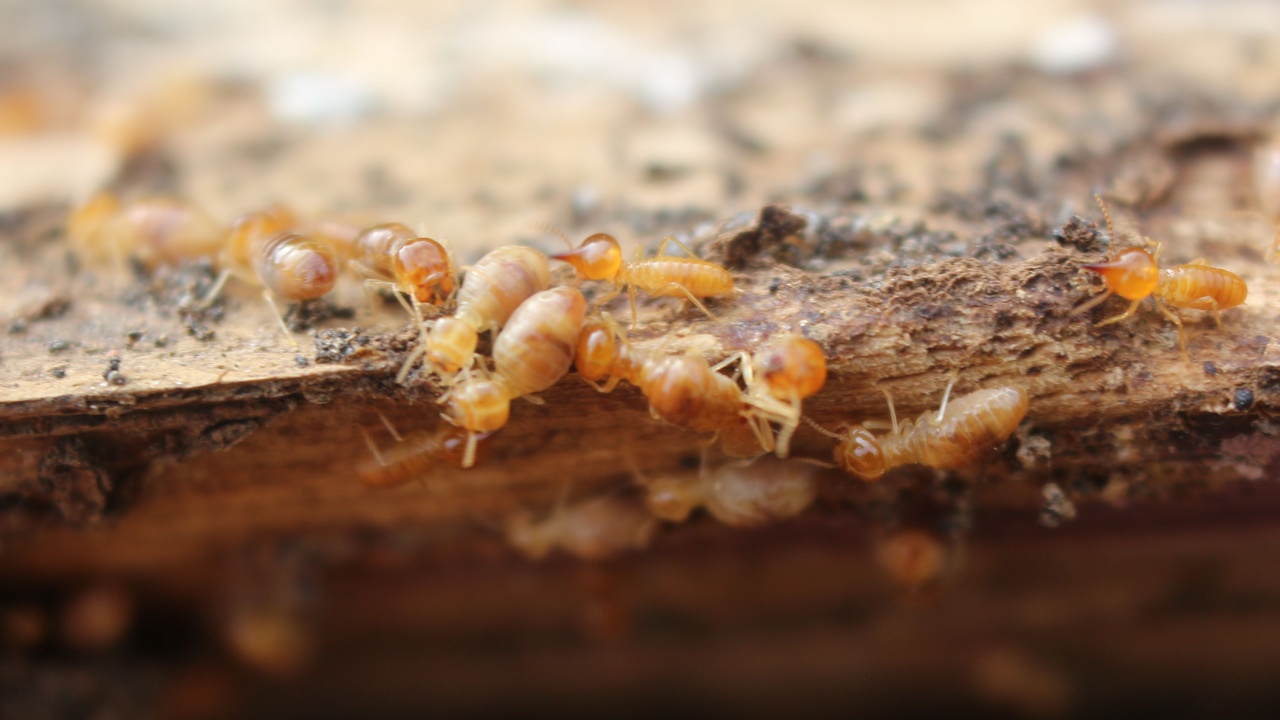
They might be a bad thing to find under (or in) your house, but biologists say termites are great for the universe. They possess special bacteria in their stomachs that allow them to eat hardwood. They chew through dead trees and fallen branches, breaking down tough plant fibers.
This digestion process returns locked nutrients directly into the forest soil. While they cause trouble in wooden houses, termites perform vital cleanup duties in wild areas. They clear away dead forest material so new vegetation has room to grow tall.
12. Birds
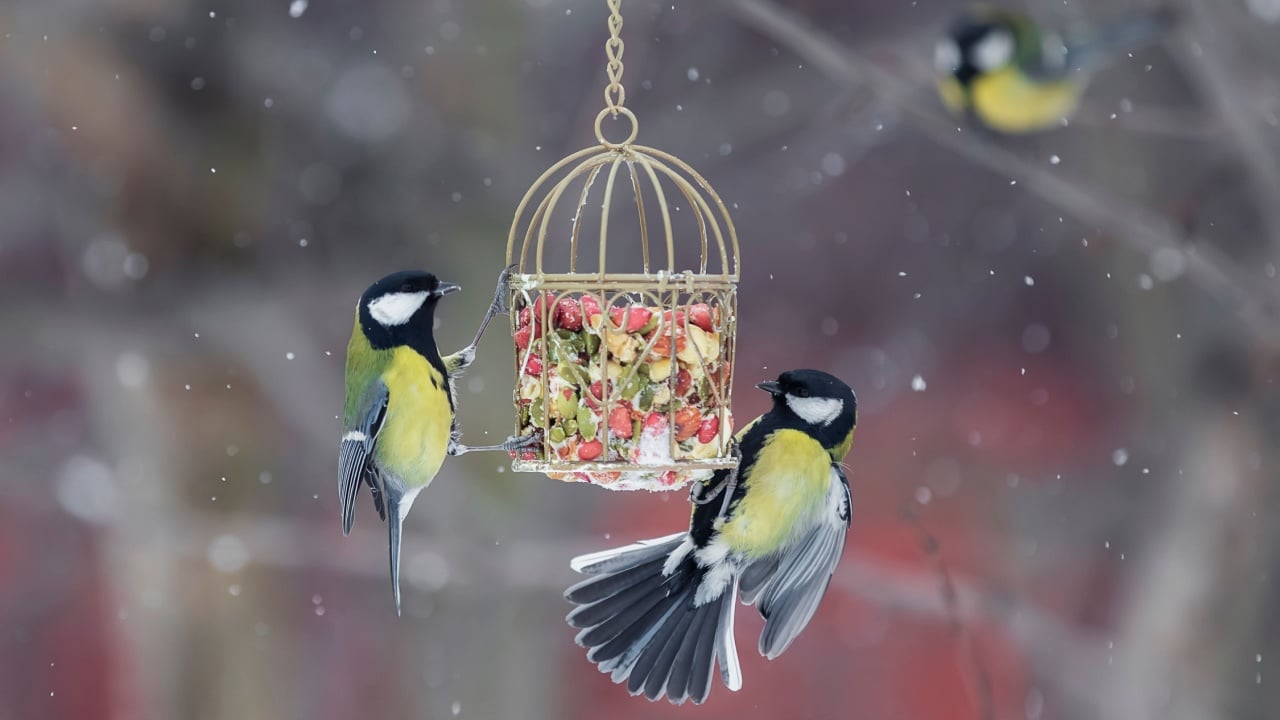
The Missouri Department of Conservation advises that we should care about birds because they keep our ecosystems running smoothly. Birds travel long distances, carrying plant seeds in their digestive systems across mountains and oceans. Many species eat nectar and move pollen between distant flowers just like bees do.
Predatory birds hunt mice and rats, keeping rodent populations completely under control. Their beautiful songs fill the air while they quietly maintain the balance of entire ecosystems. There’s a reason meditating feels more complete with the sound of birds in the background.
13. Sharks
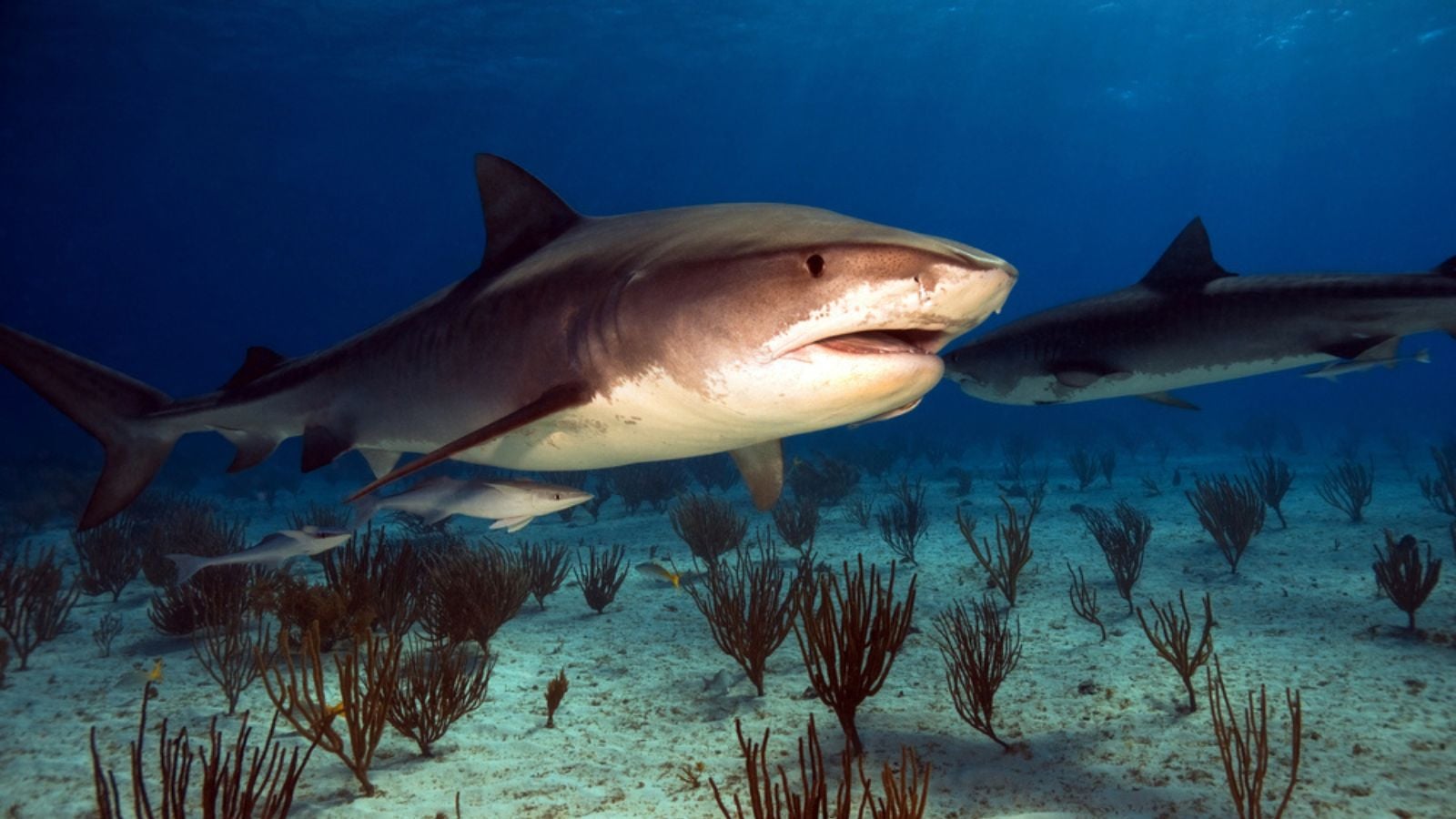
If you watched Jaws, you may have a different feeling about sharks, but marine experts tell us that they are actually great for the ocean and the environment. Sharks patrol the oceans hunting for sick or weak fish in large marine groups. By removing the slowest individuals, they stop diseases from spreading through entire underwater populations.
Their hunting keeps fish numbers balanced with the available food supply. A healthy shark presence protects coral reefs from being eaten by too many small fish. These large predators manage the oceans simply by following their instincts.
14. Narwhals
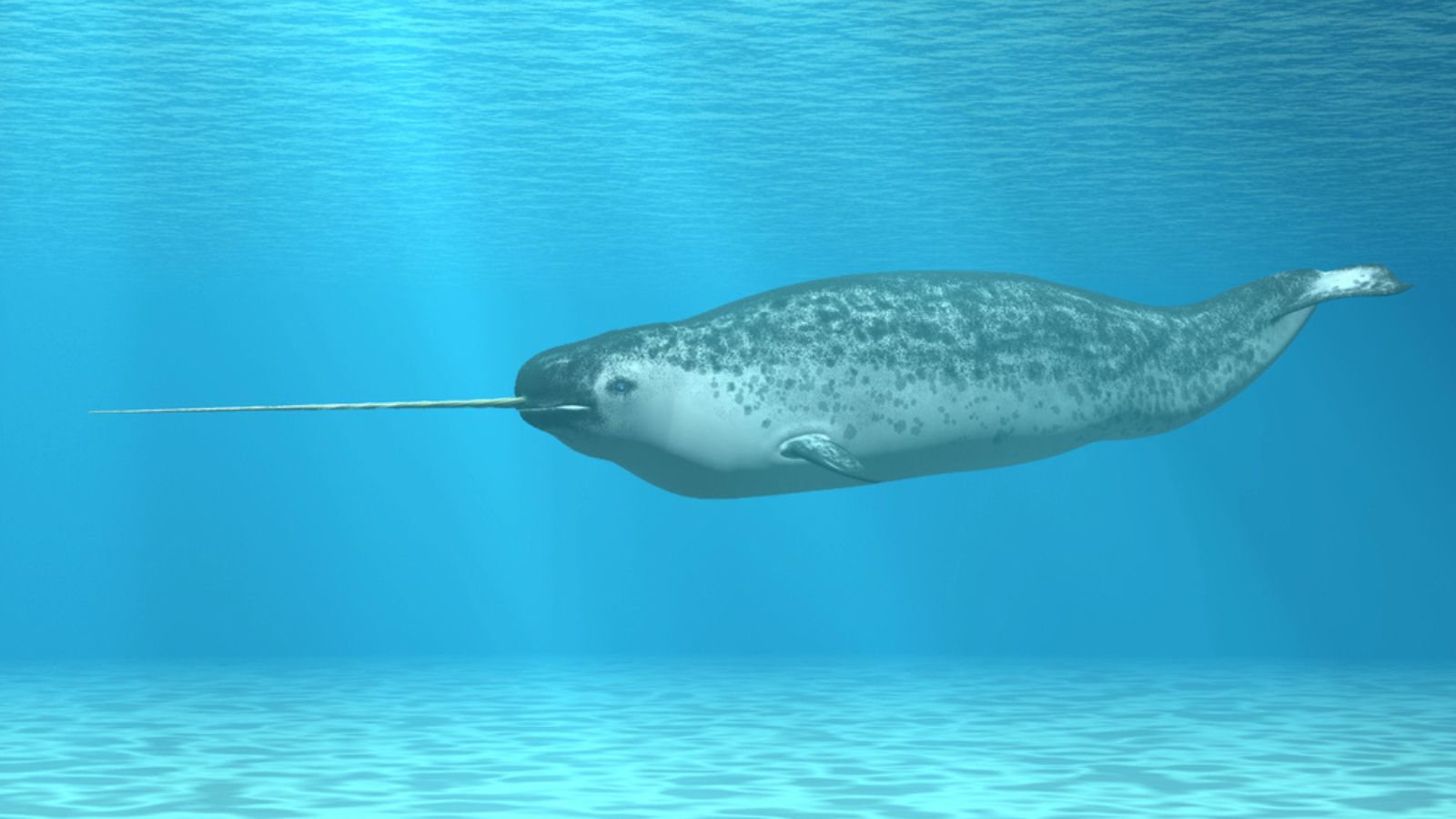
While we may never have unicorns, narwhals are the next best thing. Narwhals swim through freezing Arctic waters wearing special tracking equipment attached by scientists. These deep-diving animals travel into heavy ice zones where human researchers cannot go safely.
The sensors on their bodies record important water temperatures and ocean salt levels. The data collected by narwhals helps experts study global climate patterns and melting ice caps. These ocean animals act as living research assistants in completely frozen environments.
15. Butterflies
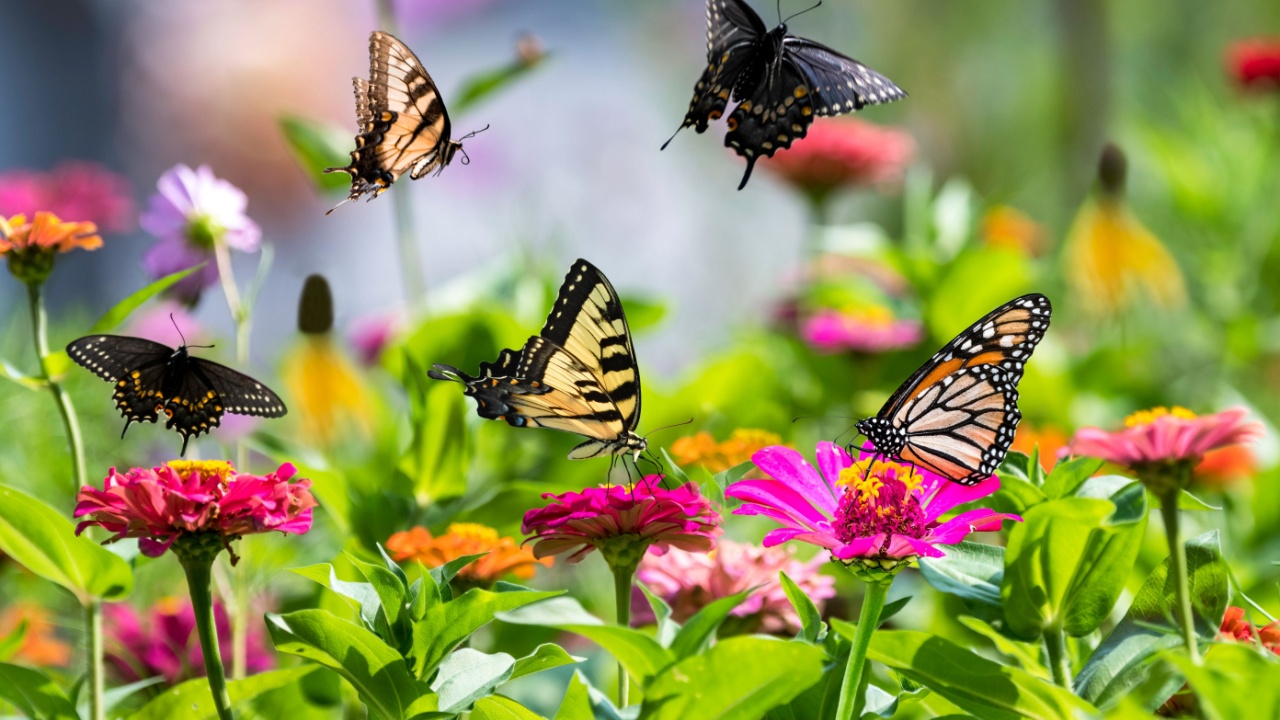
Butterflies land lightly on colorful flowers to drink sweet nectar during sunny afternoons. As they feed, dust-like pollen sticks to their legs and moves to the next plant they visit. They support the growth of many wildflowers that other insects rely upon for food.
In their caterpillar stage, some species consume harmful aphids that destroy healthy garden plants. Beautiful adult butterflies signal a clean environment free from heavy chemical sprays. Watching them also teaches children about the natural world and the value of patience.
16. Dogs

There are many reasons why dogs are man’s best friend. Dogs possess an incredibly powerful sense of smell that greatly benefits human conservation groups. Trainers teach special dogs to sniff out rare animal tracks in huge national parks.
These talented animals find hidden endangered species so scientists can study and protect them. Search dogs work quickly across tough terrain without disturbing the local wildlife. Their amazing noses save researchers thousands of hours of looking through thick forests.
17. Primates
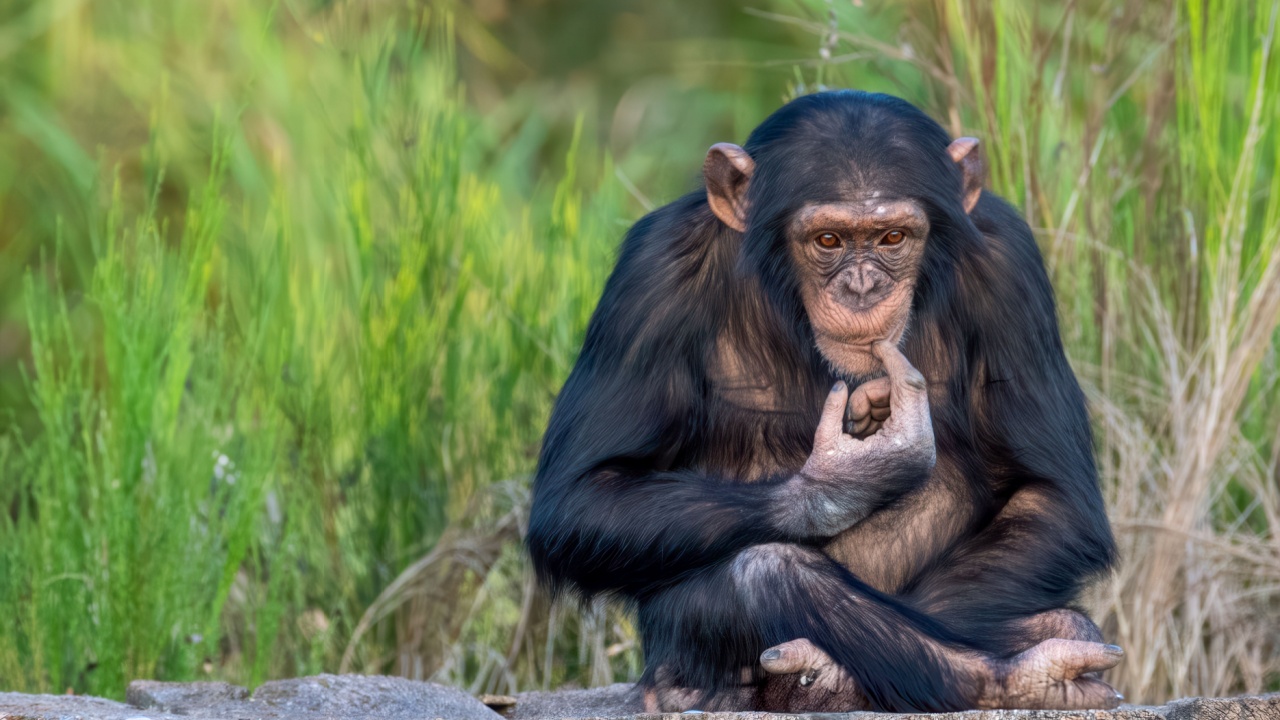
The study of human diseases would not have been possible without primates. Research shows nonhuman primates play a critical role in biomedical and behavioral research. They offer insights into diseases like AIDS, Parkinson’s, and Alzheimer’s due to their genetic and physiological similarities to humans.
More than that, monkeys and apes eat massive amounts of tropical fruits as they swing through thick rainforest canopies. After digesting their meals, they drop seeds far away from the original parent trees. Their droppings provide immediate fertilizer, helping new seeds grow successfully. Primates act as the main gardeners of the most diverse forests on our planet.
18. Seals
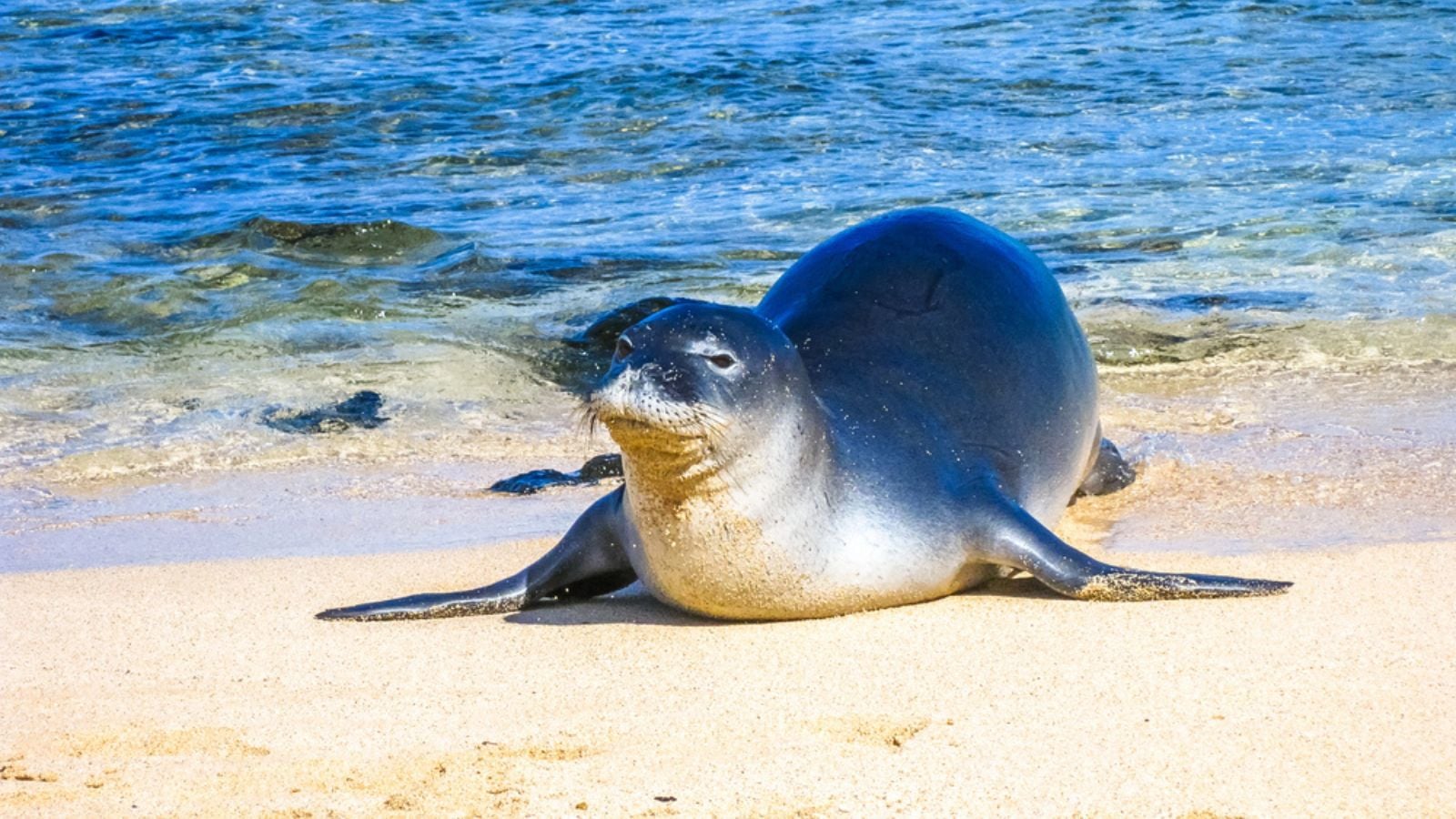
Seals play a vital role in both marine ecosystems and climate research. As natural predators, they dive deep into cold ocean waters to hunt fish and squid, helping regulate prey populations and maintain balance in the food chain. Beyond their ecological role, seals also serve as living data collectors.
Scientists safely attach small instruments to their fur, allowing these animals to gather information about ocean conditions, currents, and temperatures in places that are otherwise difficult to study. When seals shed their fur annually, the devices fall off naturally, ensuring no harm to the animals. In this way, seals sustain marine biodiversity through their feeding habits and contribute directly to our understanding of climate change and ocean health.
19. Boars
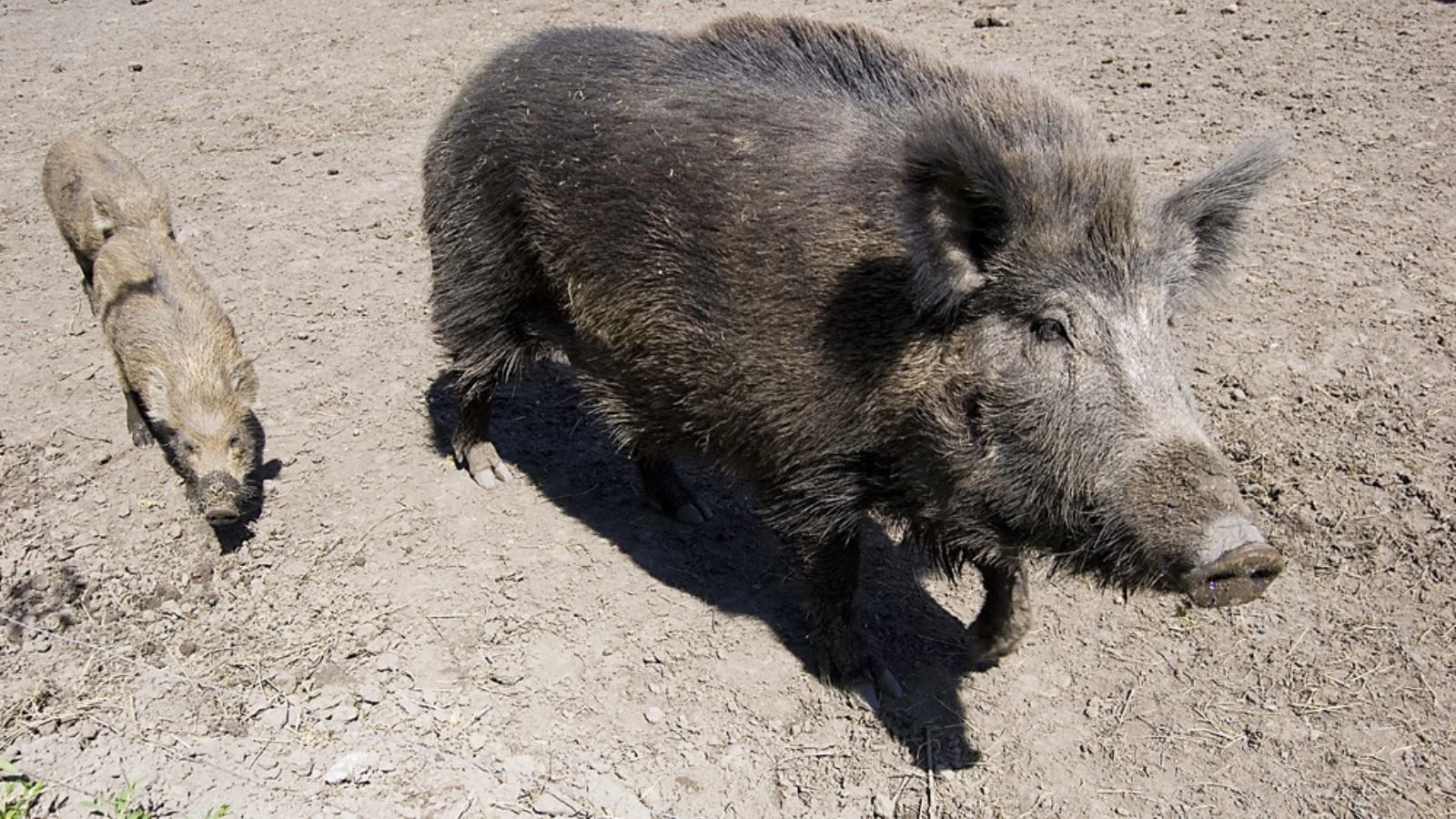
Wild boars may appear destructive because of their rooting and digging, but these behaviors are essential for maintaining healthy ecosystems. By disturbing the soil, they aerate it and recycle nutrients, creating small depressions that act as microhabitats for plants and insects. Their bristly coats also carry seeds over long distances, helping forests regenerate and spreading plant diversity across landscapes.
Beyond plants, wild boars influence entire food webs. Their foraging uncovers insects and small animals, providing food for predators and scavengers. Scientists now recognize them as keystone species. In shaping habitats and sustaining diverse life forms, wild boars demonstrate that even species often seen as nuisances can be vital conservation allies.
20. Llamas
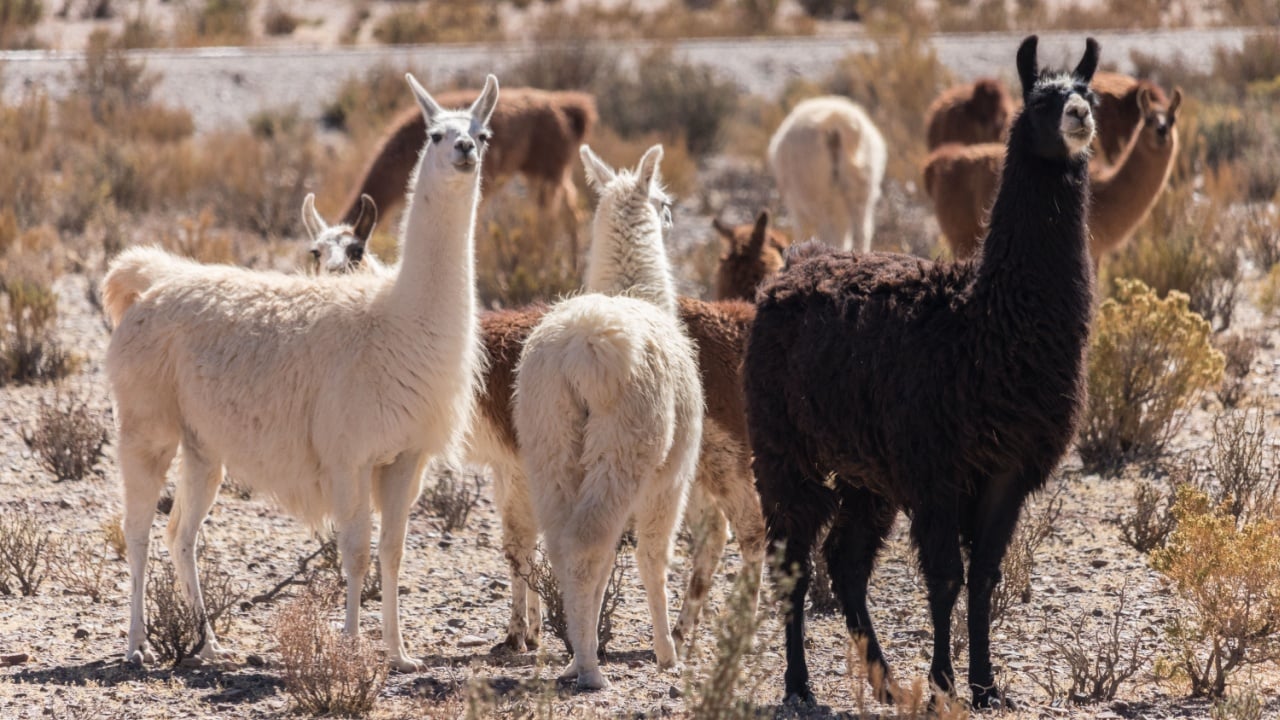
Llamas are browsers, and graze gently on grass without pulling the roots entirely out of the dirt. They have soft pads on their feet instead of hard hooves, which prevents them from destroying fragile soil. They exhibit great problem-solving skills, especially after watching humans.
Farmers often use llamas to stand watch over sheep flocks, scaring away dangerous predators quickly. They are also used to eat invasive weeds that choke out native plant species.
Celebrating the Earth’s Helpers
Nature uses every living creature to build a balanced world. Some animals support our daily lives in ways we may not notice. Others, such as narwhals, whales, or plankton, quietly keep oceans healthy and the atmosphere breathable. From forests to grasslands, rivers to mountains, every ecosystem benefits when these animals are protected and allowed to thrive.
Our well-being is closely tied to the survival of these species. Appreciating their impact helps us recognize the responsibility we share in safeguarding their habitats. By being mindful of human influence, minimizing pollution, supporting conservation efforts, and learning about the diverse creatures in our world, we help guarantee a healthy planet for generations to come.
Read More:
16 Animals That Can’t Be Legally Removed From Your Yard
15 Animals You Can Technically Keep as Pets in the U.S. (But Probably Shouldn’t)