15 Hazardous Kitchen Items Affecting Our Daily Health
Most people spend a significant portion of their lives in the kitchen, cooking, snacking, cleaning, and living. It feels like a safe space. Familiar. Controlled. But lurking inside those cabinets, on the stovetop, and under the sink are everyday items that can do real damage when handled incorrectly. Not science-fiction, doomsday damage, just the quiet, cumulative kind that comes from years of not knowing what you’re actually working with.
The information presented here draws heavily from research by experts and peer-reviewed studies, rather than speculation from wellness blogs. Their findings are worth paying attention to.
Below are 15 common kitchen items that can become genuinely hazardous when used improperly, along with recommendations on how to address each one.
1. Oven and Drain Cleaners

Oven and drain cleaners contain sodium hydroxide, also known as lye, a corrosive substance that can cause severe burns on contact with the skin or eyes. Because oven cleaners are typically sprayed, there’s a real risk of inhaling the chemical, which can cause a sore throat lasting several days. Drain cleaners carry similar hazards, and both products come loaded with warning labels for good reason.
The fix is straightforward. Always wear gloves, open windows, run a fan, and wear a mask that covers both the mouth and nose. Ventilation isn’t optional here; it’s the difference between cleaning your oven and irritating your airways for a week.
2. Multipurpose Cleaners
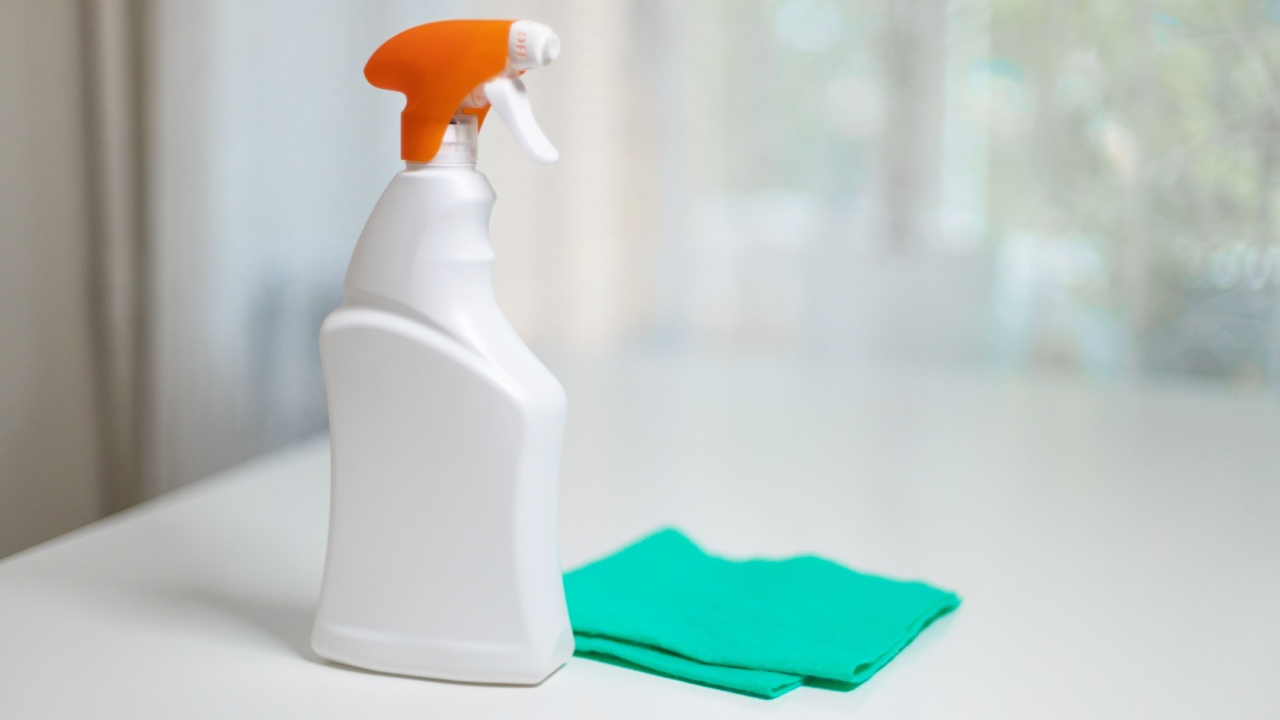
These sprays promise convenience, but many contain 2-Butoxyethanol, a glycol ether flagged by the Environmental Working Group for potentially causing skin irritation, sore throats, and, in more serious cases, liver and kidney damage. Depending on the formula, additional chemicals such as ammonia, PERC, or sodium hydroxide may also be present, each with its own unique risk profile.
Reading ingredient labels before buying is a habit worth forming. Products that list their full ingredient roster are far preferable to vague “cleaning formula” labels. Adequate ventilation applies here too, particularly in small kitchens with limited airflow.
3. Bleach
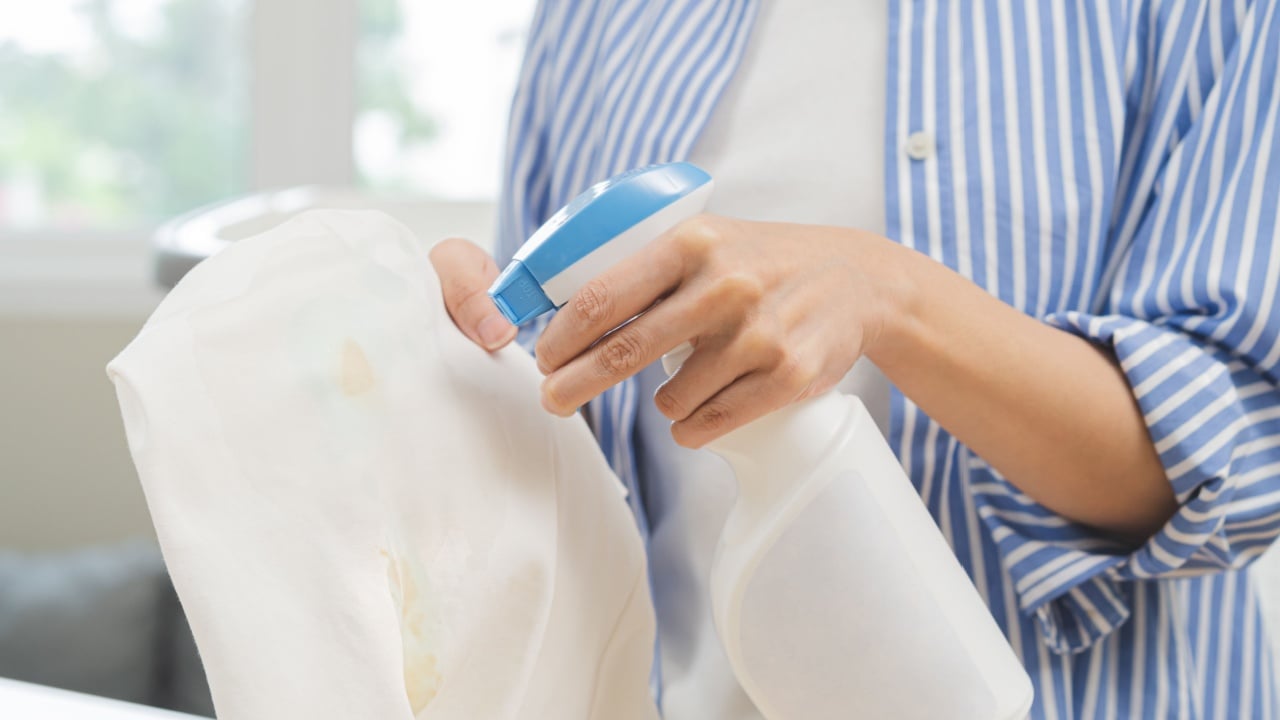
Bleach is remarkably effective at disinfecting surfaces, but the margin between useful and dangerous is surprisingly narrow. One drop of bleach in a gallon of water is safe to drink, but five percent bleach can cause severe burns to your throat. The most serious hazard, however, comes from mixing bleach with ammonia. The two react to form chloramine gas, which evaporates into the air and can be lethal when inhaled.
Beyond the inhalation risk, bleach is corrosive to household surfaces. The chlorine it contains can cause faucets to rust over time. Use it diluted, in well-ventilated spaces, and never alongside any ammonia-based product, not even a cleaner that “might” contain ammonia.
4. Ammonia
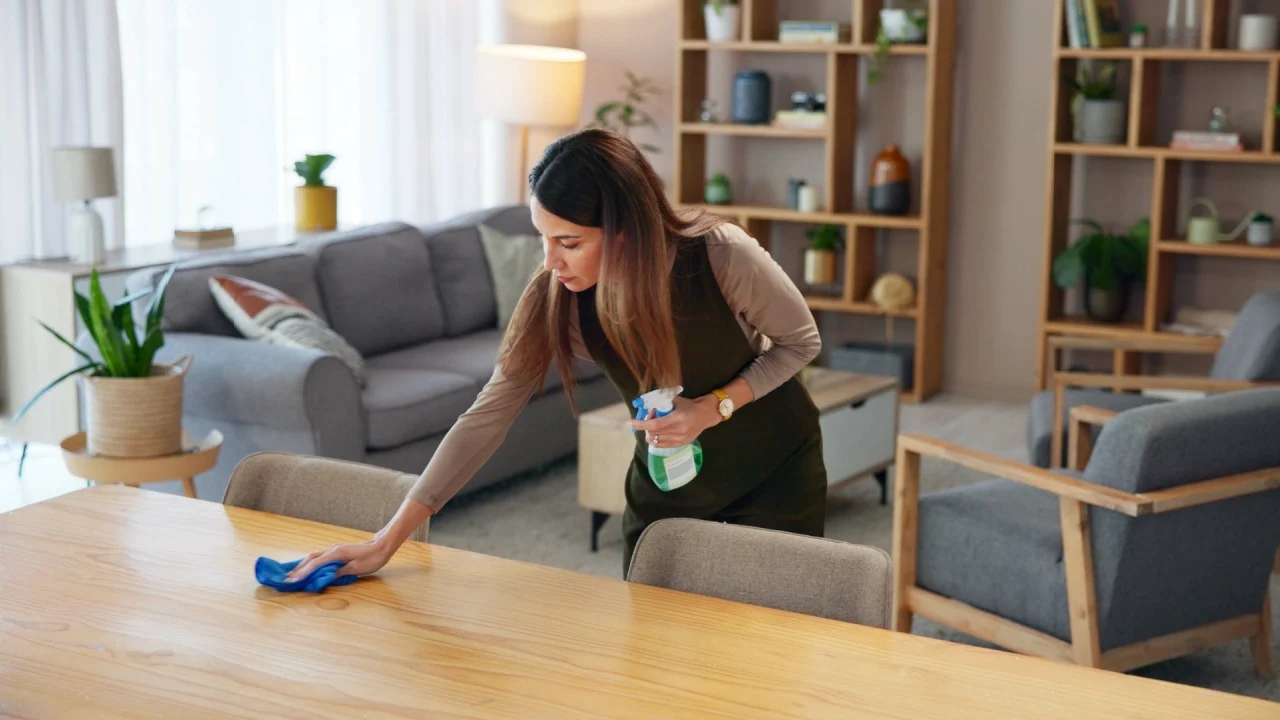
Ammonia is a powerful cleaner available in full-strength solutions and in many household products. According to OSHA, it is highly toxic and can severely corrode the lungs, eyes, and skin, leading to blindness, serious lung damage, and in extreme cases, death. Its recognizable pungent smell is a warning sign in itself.
The rules here are simple: never use ammonia in a closed room, and never, under any circumstances, mix it with bleach (as already mentioned). That combination produces chloramine gas, which can be lethal. If the smell is already overwhelming before any cleaning gets done, the space isn’t ventilated enough.
5. Antibacterial Cleaners
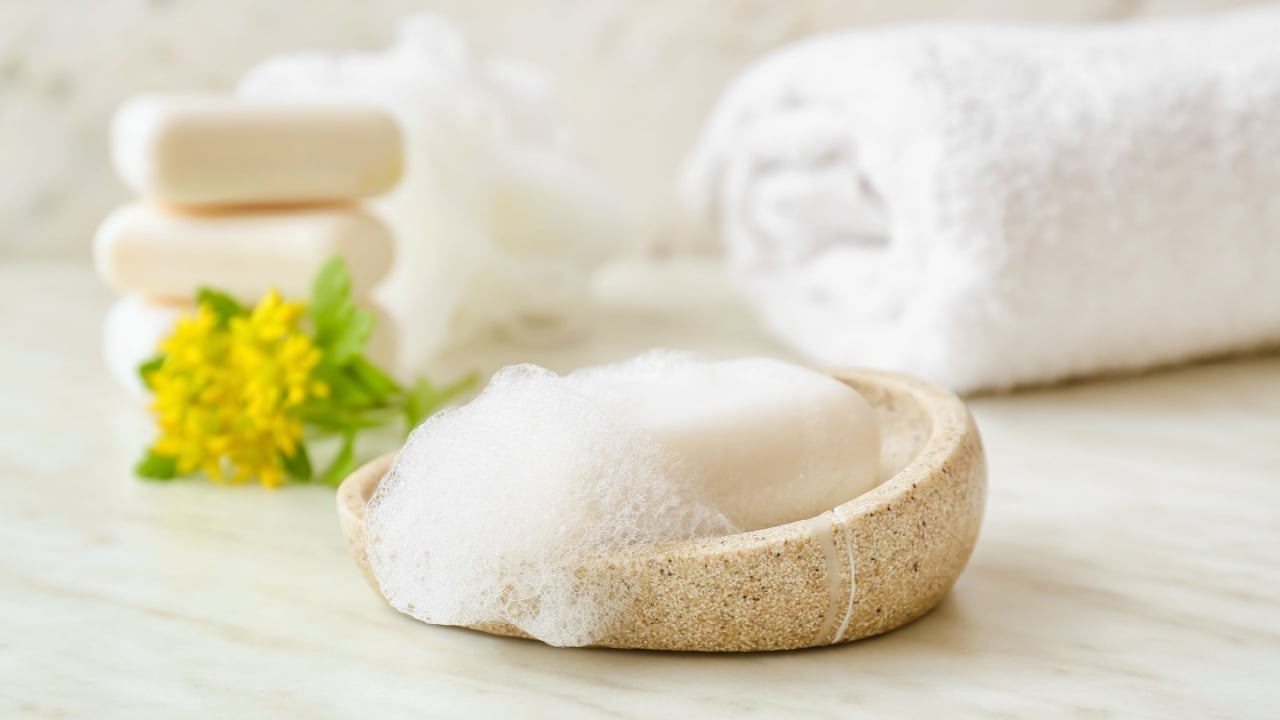
Antibacterial soaps and cleaners containing triclosan and triclocarban have a credibility problem. The FDA has stated that there is insufficient evidence to show that they prevent illness more effectively than plain soap and water. Studies also found that these chemicals may have negative long-term health effects. Quaternary ammonium compounds, another antimicrobial agent found in these products, can promote the growth of antibiotic-resistant bacteria and cause dermatitis.
Regular soap and water are often sufficient. If an antibacterial cleaner is preferred, look for formulas without triclosan or triclocarban, and limit their use to situations where they’re genuinely warranted rather than as an everyday default.
6. Natural Cleaners
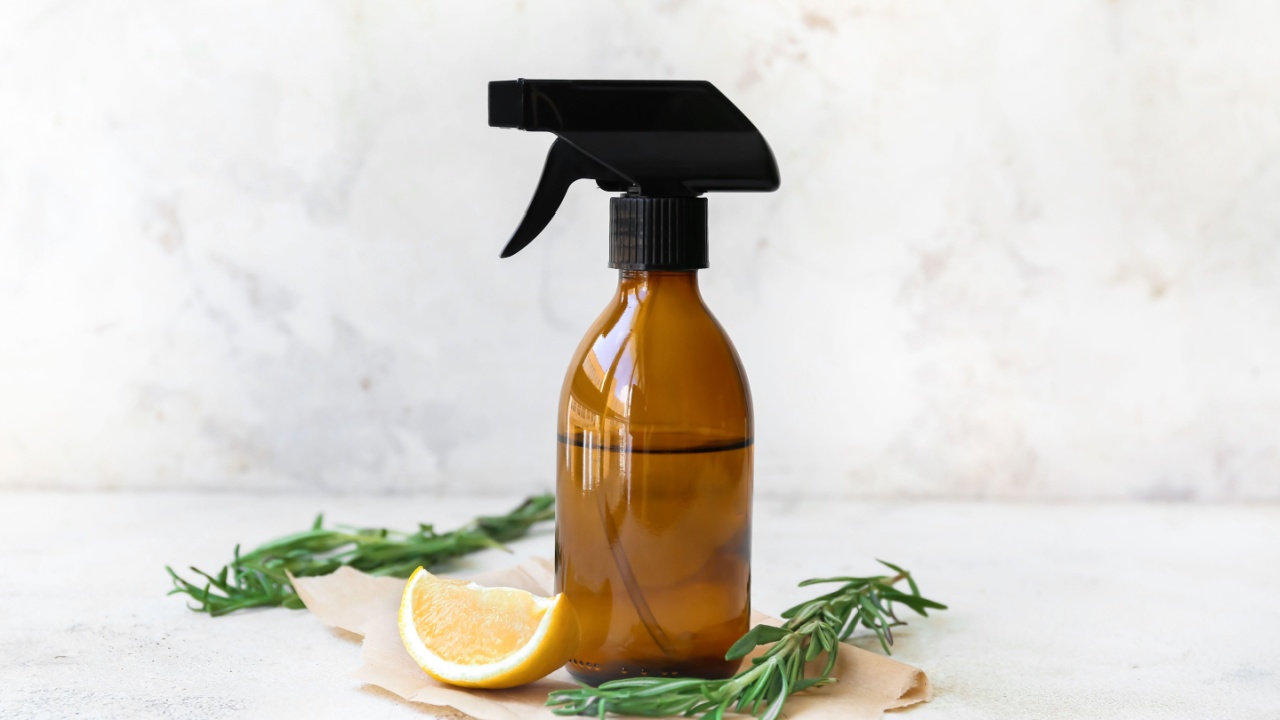
Natural cleaners sometimes have a reputation for being safer than they are. While reputable brands are often transparent about their ingredients and avoid known toxic chemicals, many products marketed as “green” or “natural” contain substances that haven’t been rigorously studied. For example, some plant extracts in these cleaners have minor components that are not well-identified, making their potential risks unknown.
A good example is d-limonene, found in many citrus-scented sprays. While orange has genuine antibacterial properties, d-limonene can cause skin irritation. A “natural” label is not a synonym for safe. It’s still necessary to check for third-party certifications and ingredient transparency, regardless of how aesthetically pleasing the bottle may look.
7. Plastic Cutting Boards

Plastic cutting boards are a kitchen staple, right up until they’re not. Once the surface becomes deeply scored from knife use, those grooves create an ideal environment for bacteria to settle in and resist even thorough washing. The USDA recommends replacing any cutting board with deep crevices that can’t be effectively cleaned.
There’s also a microplastics concern. Worn plastic boards shed particles that can end up in food. Running a plastic board through the dishwasher regularly helps manage bacteria, but if the surface looks like a topographic map, it’s time for a new one. Hardwood boards have their own considerations, but tend to be more forgiving in the long run.
8. Non-stick Cooking Pans
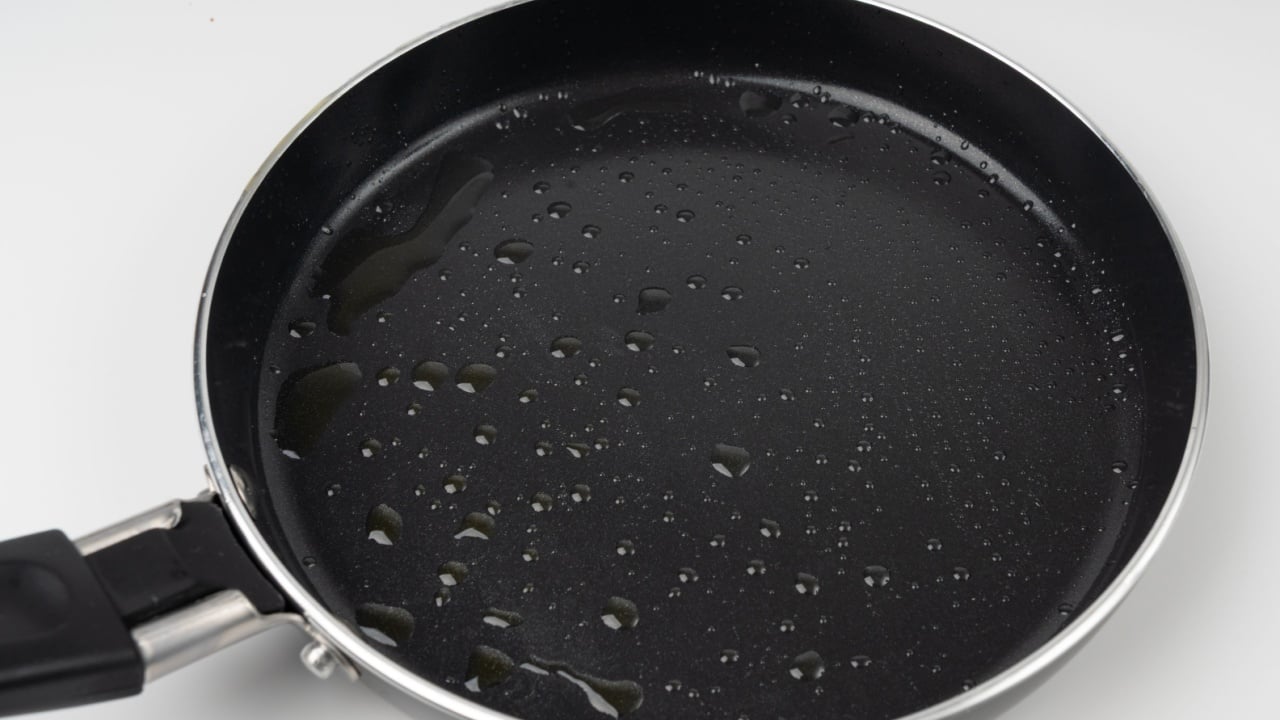
Non-stick pans are coated with polytetrafluoroethylene (PTFE), which makes cleanup effortless until the pan overheats or becomes scratched. PTFE-coated pans emit toxic gases when heated to high temperatures. Flaking coating can also end up directly in food.
Avoid overheating non-stick pans and stop using them once the coating starts to flake or chip. For high-heat cooking like searing, cast iron or stainless steel are far better options. When buying non-stick cookware, investing in higher-quality brands reduces the risk of fast degradation.
9. Aluminum Foil
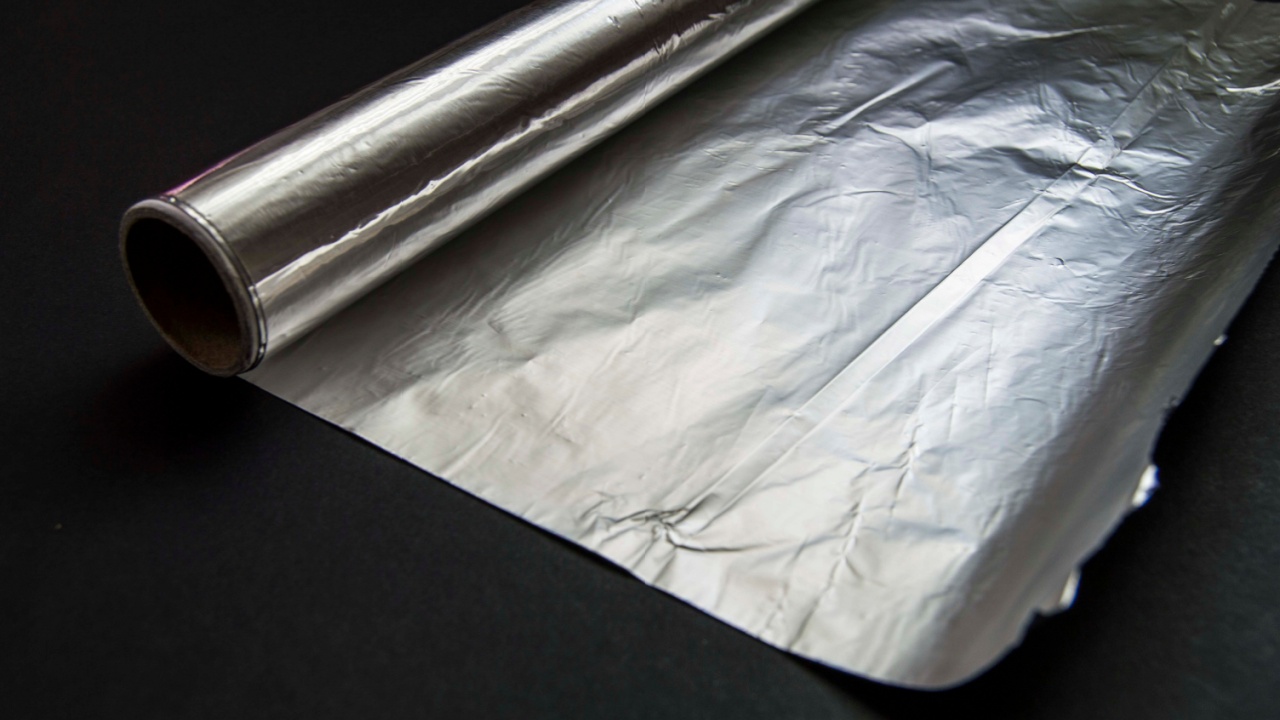
Aluminum foil has been a kitchen staple for over a century, but there’s a specific use case worth being cautious about. Studies suggest that cooking acidic foods, such as tomatoes and citrus-based dishes, at high temperatures in aluminum containers or foil can significantly increase the amount of aluminum that leaches into the food.
It’s best to avoid cooking acidic foods in aluminum, and you should also refrain from storing acidic liquids, such as orange juice, in aluminum containers. For regular food wrapping and storage at room temperature, the risk is minimal. The concern arises primarily when heat and acidity are combined.
10. Plastic Storage Containers
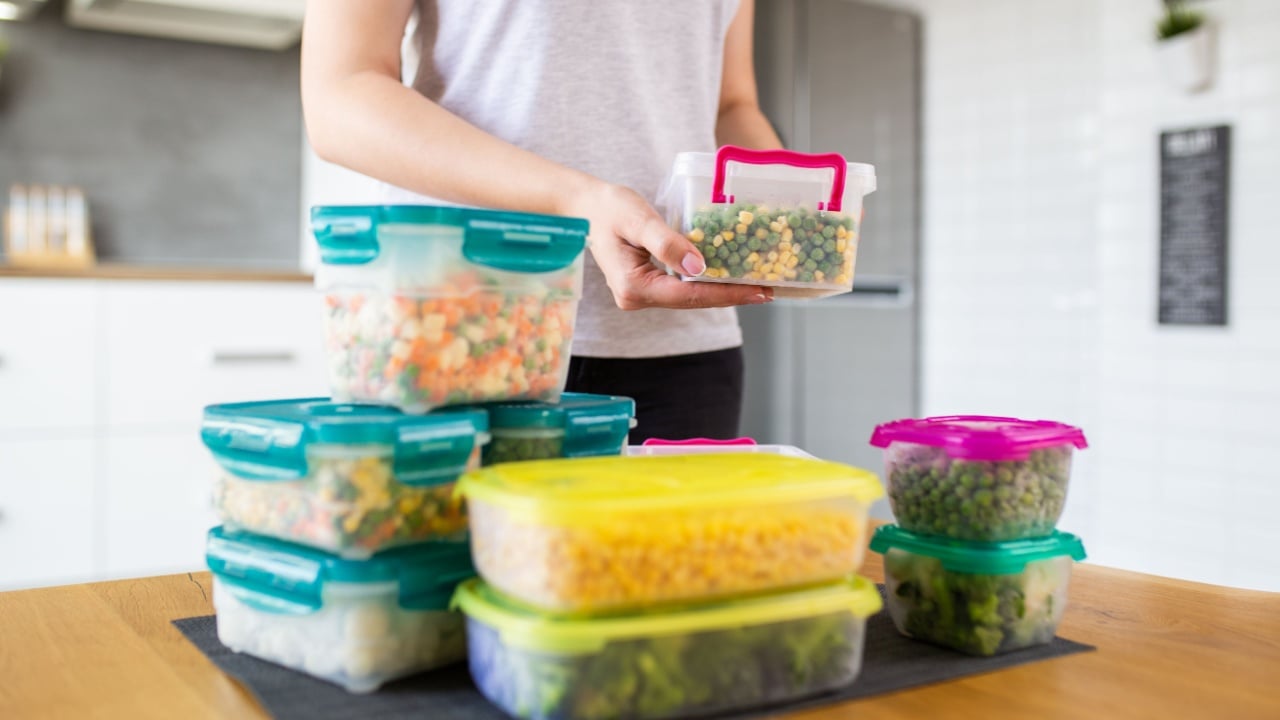
The issue with plastic storage containers isn’t the plastic itself at room temperature; it’s what happens when these containers are placed in the microwave. Heating food in plastic containers can cause BPA (bisphenol-A) and phthalates to leach into the food, particularly in high-fat foods. Both chemicals are endocrine disruptors, meaning they can affect estrogen and testosterone levels and potentially impact fetal development.
Health experts recommend heating food in ceramic or Pyrex containers instead. The longer hot food sits in plastic, the more chemicals can leach out. Swapping microwavable plastic containers for glass is a low-cost, lasting fix.
11. Canned Foods
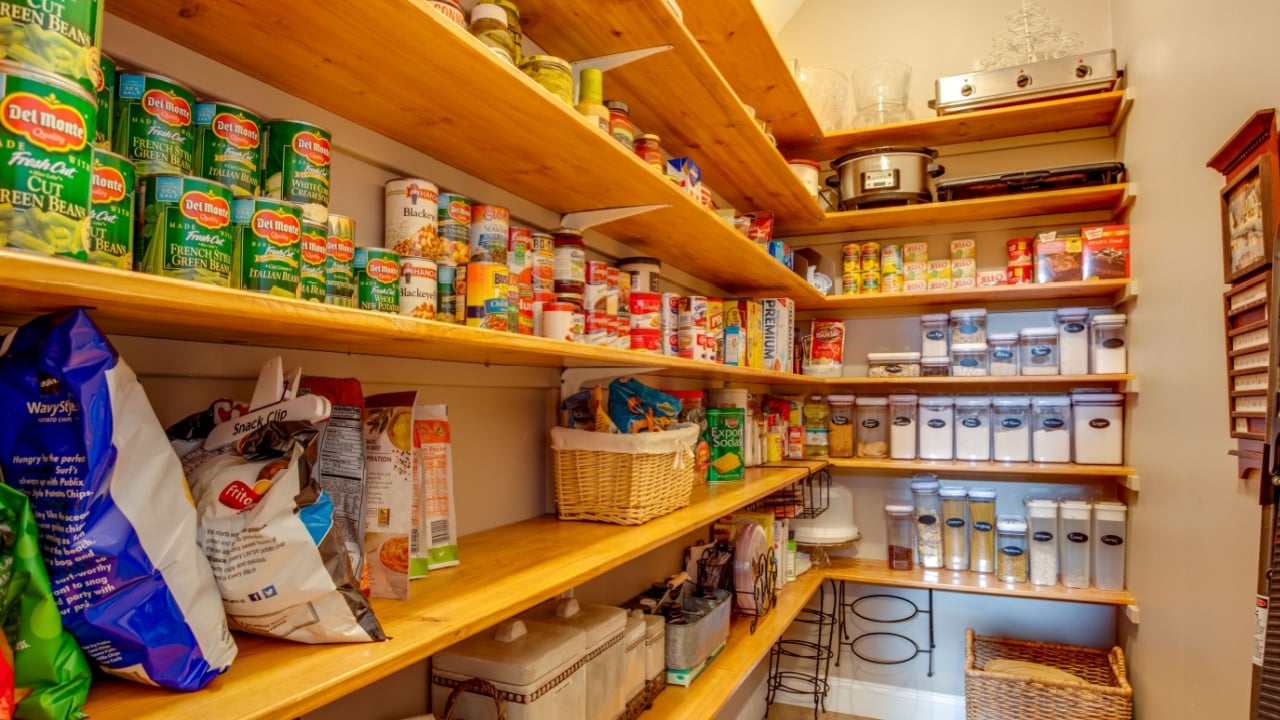
BPA isn’t only a plastic container problem; it’s also present in the lining of many food cans. BPA has been linked to reproductive toxicity, and it’s genuinely hard to find canned foods without it. Children’s food products are more likely to advertise BPA-free liners, but the same isn’t always true for adult staples.
Fresh or frozen food is the better option where possible. For frozen foods, avoid microwaving them in their plastic bags, as this reintroduces the same leaching risk. When canned food is the only option, looking for brands that explicitly advertise BPA-free liners is a reasonable step.
12. Gas Stovetops

Gas stovetops offer precise heat control, but without proper ventilation, they release a concerning mix of combustion byproducts, including nitrogen dioxide, carbon monoxide, and formaldehyde. In homes without adequate ventilation, emissions from gas burners can reach potentially hazardous levels, and indoor concentrations tend to be higher than those outdoors.
Using a range hood vented to the outside (not just recirculating) makes a significant difference. Never use a gas stovetop as a supplemental heat source; that’s a carbon monoxide scenario waiting to happen. For homes without range hoods, opening windows while cooking is a minimum precaution.
13. Dish Soap
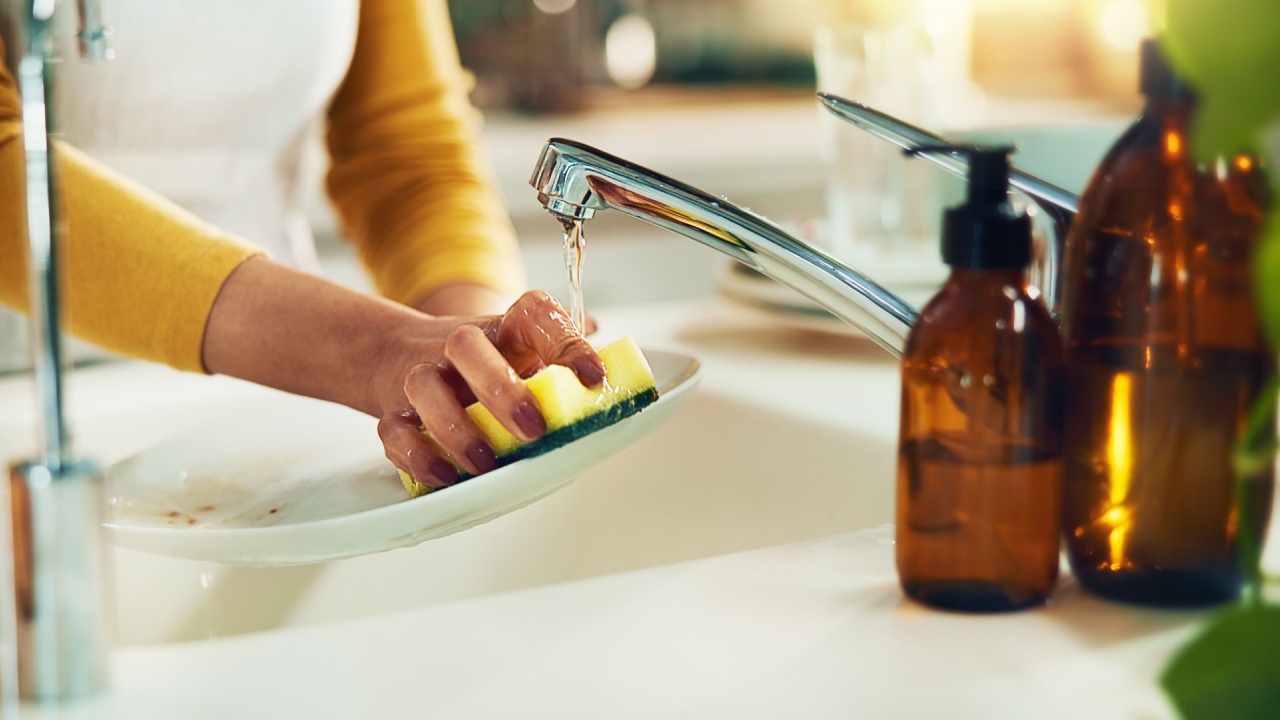
Phthalates, endocrine-disrupting plasticizers found in many plastic products, are also present in some dish soaps. While the full effects of low-level phthalate exposure on humans are still being studied, many studies have established a clear link to reproductive health risks, raising concerns about long-term exposure.
Switching to a phthalate-free dish soap is an easy and increasingly accessible change to make. Many mainstream brands now offer formulas free of phthalates and other synthetic fragrances that may contain hidden chemicals. This small adjustment could offer significant potential benefits over time.
14. Dull Knives

Dull knives send a surprising number of people to emergency rooms each year. The reason is counterintuitive but well established: dull blades require more pressure to cut, making them far more likely to slip. A sharp knife goes where it’s directed; a dull one does not.
Getting knives professionally sharpened or learning to use a honing steel at home is a practical solution. After resharpening, extra care is warranted because a freshly sharpened knife can feel surprisingly different from what someone is used to handling. Proper knife storage (a block or magnetic strip rather than a loose drawer) keeps edges sharper for longer.
15. Kitchen Sponges
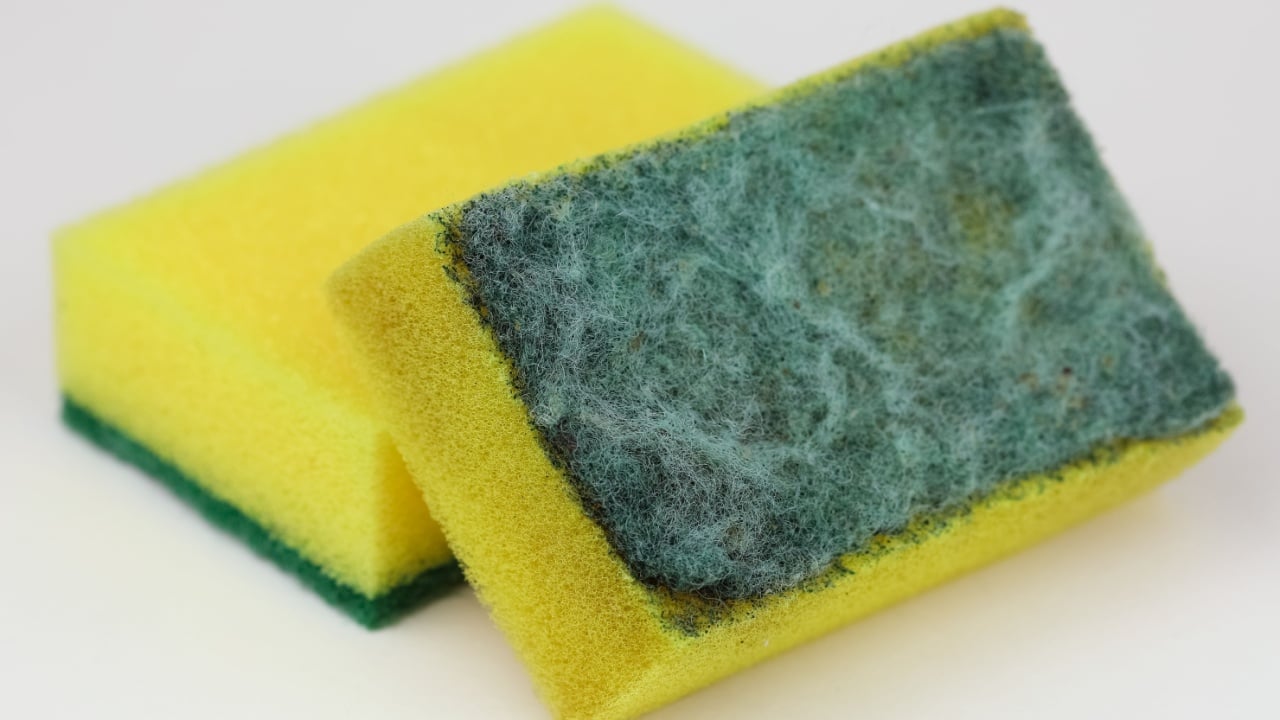
Hazards in the kitchen don’t always come in a bottle. Kitchen sponges, for example, are one of the most bacteria-ridden items in the average home. One study found that used sponges contain more bacteria per cubic centimeter than a toilet seat. Sponges create an ideal breeding ground for pathogens because they remain moist and trap food particles.
While microwaving a damp sponge for two minutes can kill most bacteria, some research suggests that this method is ineffective against heavily contaminated sponges. The best solution is to replace sponges every one to two weeks and avoid using them on surfaces that have touched raw meat.
16. Old Spice Jars and Herbs
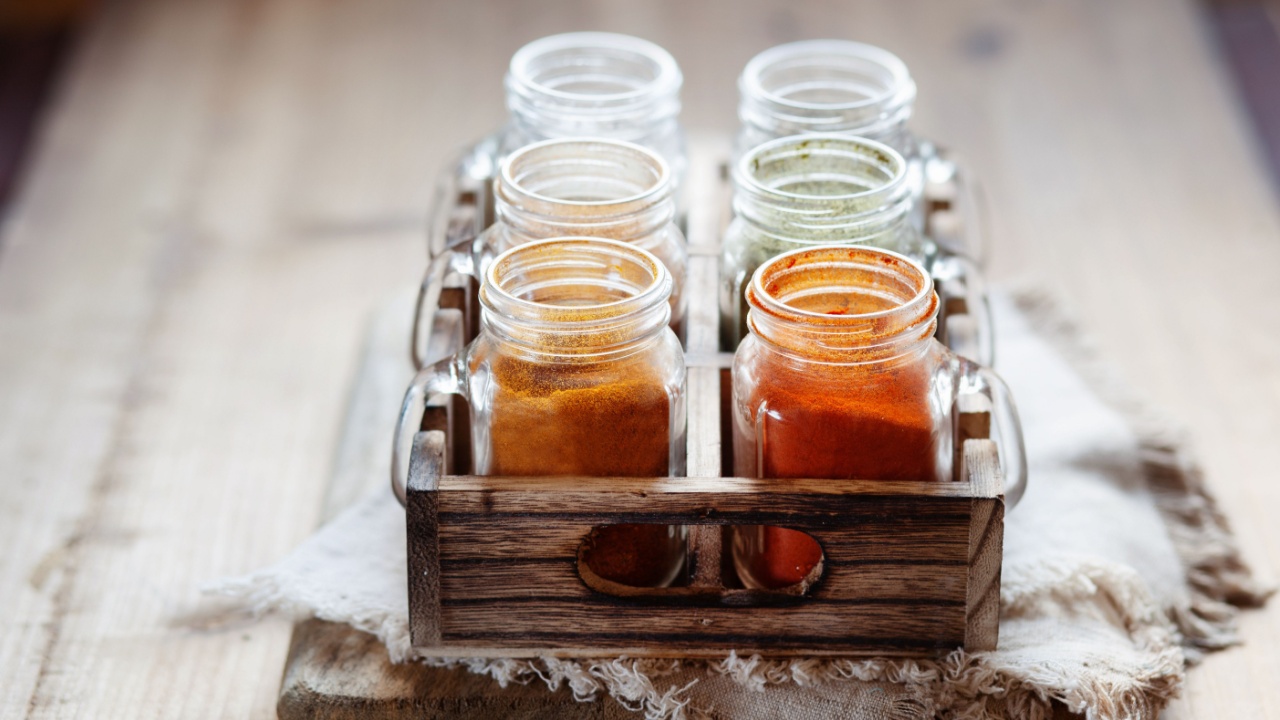
Spices and dried herbs are often treated as indefinitely shelf-stable, but old spice jars can harbor mold, especially in humid kitchens where steam regularly reaches open shelves. Mycotoxins, toxic compounds produced by certain molds, can develop in improperly stored or long-expired dried goods. Ground spices begin losing potency after six months and can degrade significantly by the two-year mark.
Storing spices in a cool, dry location, away from direct steam (not directly above the stovetop), and replacing them on a regular schedule reduces this risk. If a spice has changed color, clumped significantly, or smells musty rather than fragrant, it’s past its useful and safe life.
Keep Your Kitchen Safe, Not Sorry
The kitchen doesn’t have to be a hazard zone; it just requires a bit more attention than most people give it. Swapping out worn plastic boards, keeping knives sharp, ventilating when cooking on gas, and reading labels on cleaners are all low-effort changes with a meaningful impact on daily exposure to harmful chemicals and bacteria.
Making a few small adjustments now can prevent many unnecessary health complications later. Start with whichever items from this list show up most in daily routines, and work through the rest from there.
Read More: