12 Things Professional Cleaners Recommend Never Doing at Home
Keeping a house tidy requires continuous effort, and bad habits make the process much harder than necessary. Homeowners try their best to maintain order, yet they often accidentally create more work for themselves. According to professional cleaners, how and when you clean are just as important as what you use.
People frequently adopt methods passed down from relatives or seen online, assuming these techniques work perfectly. Many popular routines actually waste precious time, damage sensitive surfaces, or leave behind sticky residue that attracts extra dust. Breaking these stubborn cycles requires knowing exactly which actions cause problems in the first place.
This guide details 12 specific actions that professionals advise against doing in your home. You will learn practical tips for replacing incorrect methods with efficient routines that deliver lasting results.
1. Mixing Different Cleaning Products Together
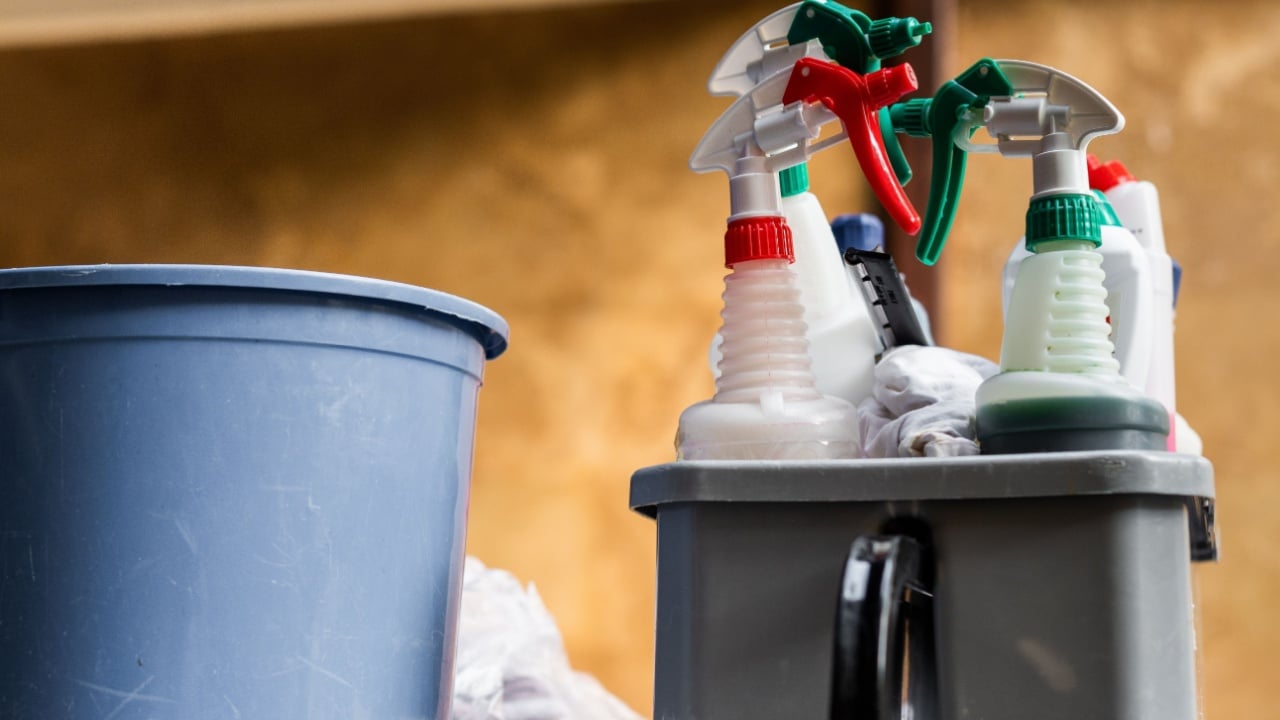
Combining multiple chemical sprays creates a very dangerous situation inside your residence. Bleach mixed with ammonia produces toxic fumes that can seriously harm your lungs and eyes within minutes. People sometimes combine different solutions, hoping to create a stronger liquid, but instead cause harmful chemical reactions rather than a brighter room.
Professionals heavily rely on specific formulas designed to handle unique messes safely and effectively. Read the labels on every bottle carefully before spraying anything in enclosed spaces. Opening a window while scrubbing heavy grime provides much-needed ventilation and keeps the indoor air safe to breathe.
2. Leaving a Messy Room Empty-Handed

Walking out of the living room without grabbing items belonging elsewhere wastes valuable energy during the day. Dirty coffee mugs left on the end table or folded laundry sitting on the sofa clutter up your living space very quickly. Moving between rooms empty-handed means you will eventually need to make dedicated trips to put away all those stray items.
Adopt the touch-it-once rule; develop the habit of grabbing one or two misplaced objects every time you cross the hallway to reduce your total workload. Take an empty water glass back to the kitchen sink; it requires zero extra effort when you are already walking toward the refrigerator. Consistent tidying throughout the afternoon keeps the clutter manageable and stops massive piles from forming.
3. Using the Wrong Cleaner on Hard Surfaces

Spraying acidic bathroom liquids on delicate marble or granite countertops ruins the expensive stone finish very quickly. Vinegar works wonderfully on glass windows, yet the high acidity permanently etches natural stone materials and destroys the factory sealant. Applying abrasive powders to stainless steel appliances leaves ugly scratches that permanently dull the metallic shine.
Always match the liquid solution to the exact material you intend to clean. Keeping a gentle, pH-neutral soap handy covers most daily countertop messes safely and quickly. Taking ten seconds to verify the spray bottle instructions saves you from accidentally destroying expensive fixtures and appliances during your weekly chores.
4. Trusting Social Media Cleaning Hacks Blindly

Viral videos frequently promote strange combinations of household pantry items as miraculous stain removers. Pouring vast amounts of baking soda and vinegar down a drain just creates a fizzy liquid that does very little to clear actual clogs. Trusting random internet videos often leads to damaged carpets, stained upholstery, or wasted money on ineffective supplies.
Professional cleaners rely strictly on tested methods and commercial formulas designed specifically for heavy dirt removal. You should test any new homemade mixture on a tiny, hidden corner of the fabric before applying it to the entire surface. Sticking to proven techniques prevents costly accidents and keeps your belongings looking brand new for years.
5. Beginning the Chores Without a Clear Plan
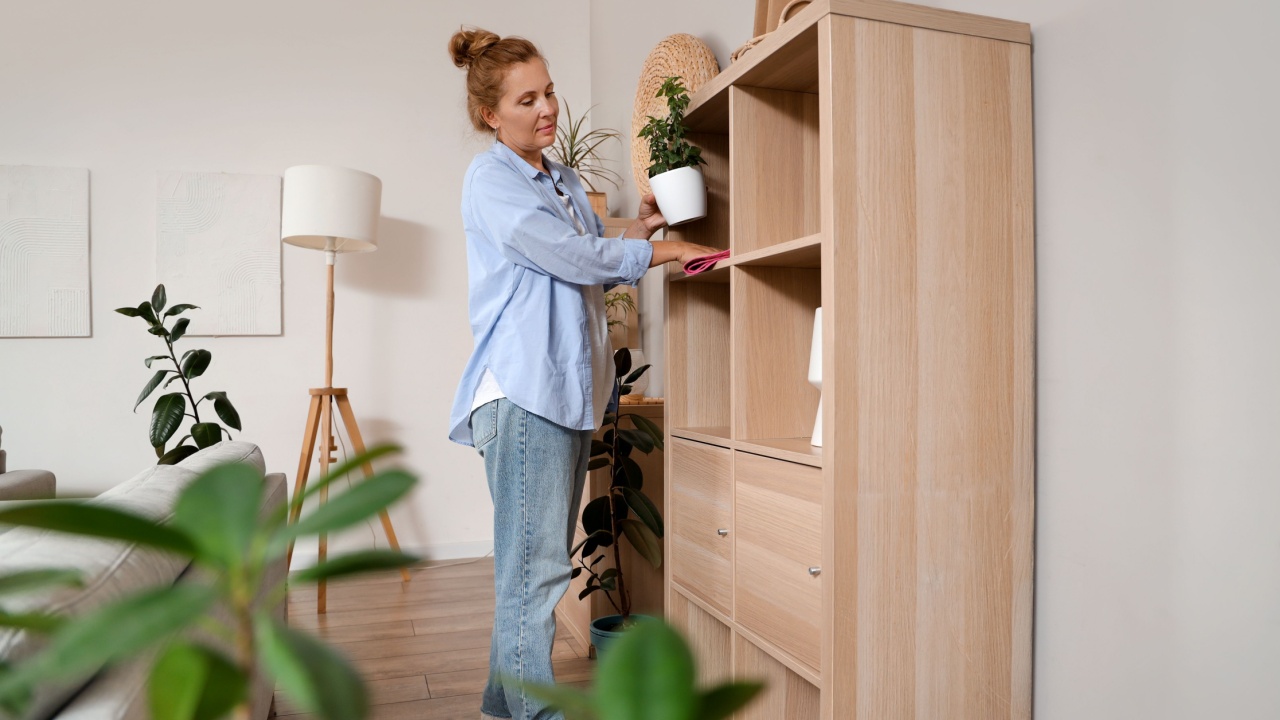
Grabbing a rag and randomly wiping down surfaces leads to scattered focus and missed spots. Wiping the kitchen counters before dusting the ceiling fan means all the falling dust settles directly onto your freshly wiped surfaces. Moving aimlessly from room to room causes frustration and extends the total time spent working.
Professionals clean room to room, from top to bottom, moving left to right to avoid missing anything important. Dusting the high shelves first allows gravity to pull dirt downward, where the vacuum cleaner catches it last. Following a strict sequence speeds up the entire routine and guarantees a totally spotless room by the end.
6. Doing Everything Entirely Alone

Taking on the entire burden of scrubbing an entire house quickly leads to total burnout and frustration. Children and partners who live in the residence frequently leave messes behind, making it unfair for one person to handle all the maintenance. Carrying the heavy vacuum up and down the stairs alone drains your physical energy before the job is finished.
Assigning specific duties to other family members greatly speeds up the weekly routine. Giving teenagers the responsibility of taking out the trash and loading the dishwasher teaches them valuable life skills while reducing your burden. Working as a team creates a cleaner environment and leaves more free time for everyone to enjoy the weekend.
7. Neglecting to Establish a Proper Place for Everything
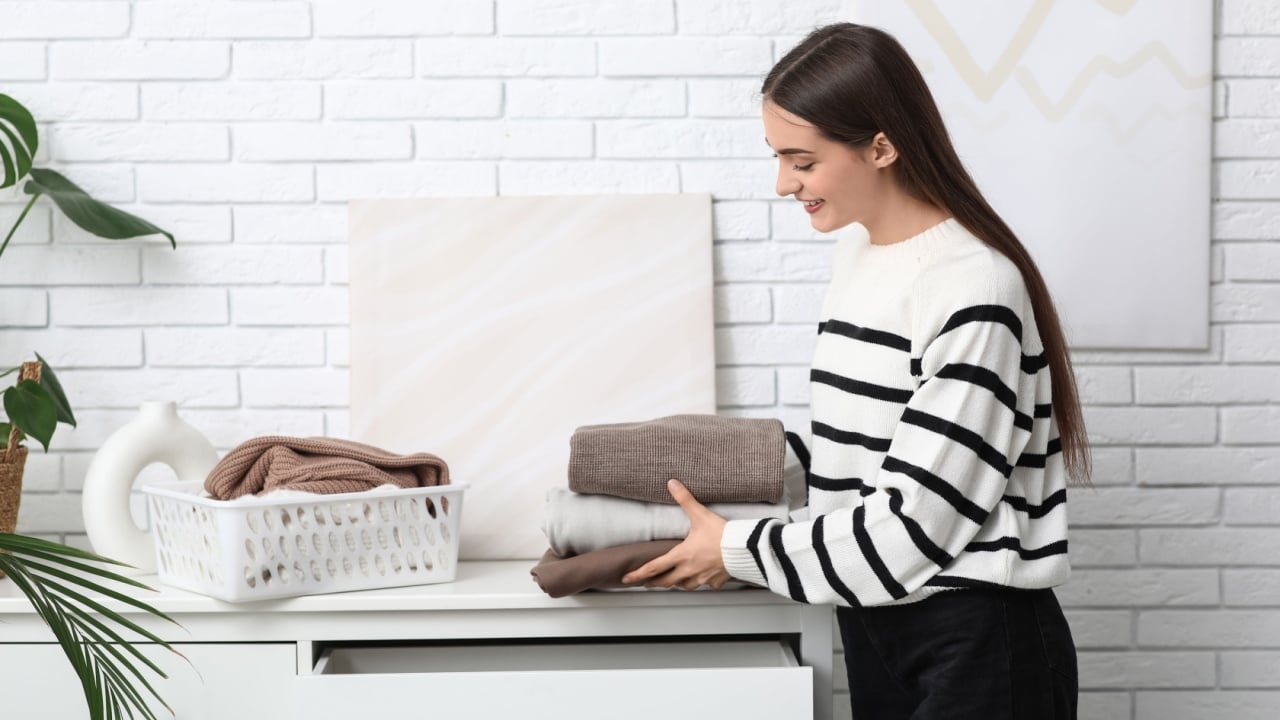
Owning massive amounts of stuff without having designated storage spots creates visual chaos on every flat surface. Mail piled high on the dining table and jackets thrown across chairs make the entire house look messy even after a deep scrub. Attempting to organize a room becomes impossible when the objects scattered around possess no permanent home.
Assign specific bins, hooks, or drawers to everyday items immediately to solve the problem of constant clutter. Place a dedicated basket near the front door to catch incoming mail and prevent paper piles from spilling into the kitchen. Knowing exactly where belongings go makes tidying up at night a very fast and simple process.
8. Spraying Solutions Directly onto Sensitive Surfaces
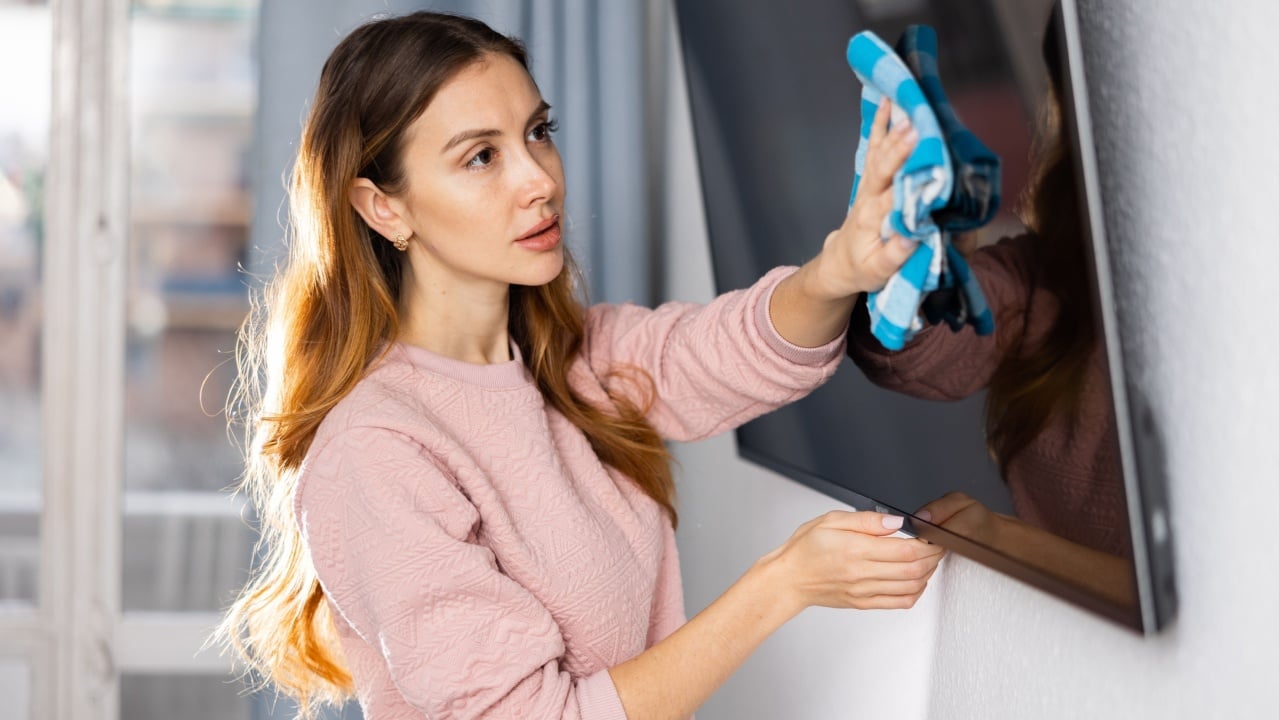
Aiming the bottle directly at electronics, wooden furniture, or picture frames causes liquid to seep into hidden crevices. Excess moisture soaking into wood grain leads to warping, while liquid running behind TV screens instantly ruins expensive electronics. People spray mirrors heavily, causing the liquid to run down and damage the wooden frame at the bottom edge.
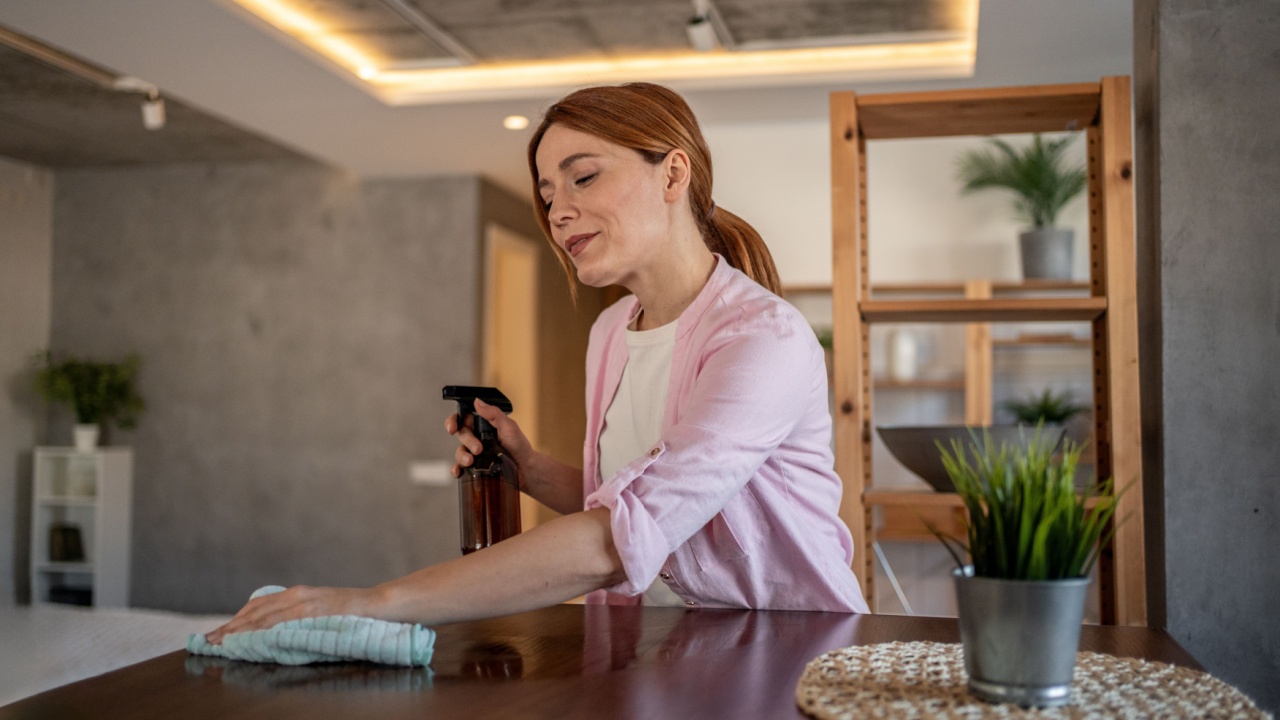
Apply the liquid directly to your microfiber cloth to control exactly how much moisture comes into contact with the item. Gently wipe the dampened cloth across the television screen to remove fingerprints safely without risking serious water damage. This simple adjustment prevents ruined belongings and leaves behind zero unwanted streaks.
9. Scrubbing Fresh Carpet Stains Vigorously

Attacking a fresh coffee spill with a rough brush pushes the dark liquid much deeper into the carpet fibers. Aggressive rubbing untwists the delicate carpet yarns, leaving a fuzzy, worn-out patch that looks terrible. Frantically trying to eliminate the spot quickly usually causes the colorful stain to spread outward into a much wider circle.
Blotting the spill gently with a dry, white towel lifts moisture safely into the cloth. Pressing down firmly on the affected area helps absorb the spill without compromising the structural integrity of the floor covering. Applying gentle pressure saves your expensive rugs and makes permanent removal significantly easier later on.
10. Applying Way Too Much Product
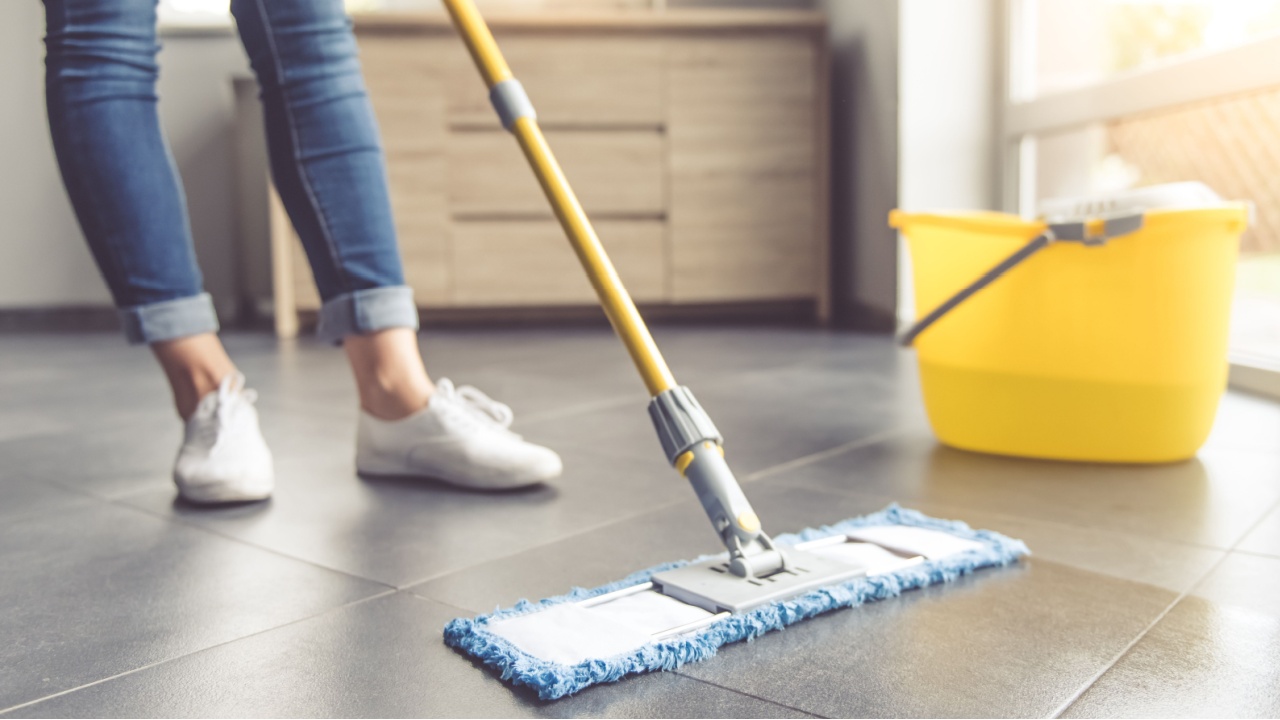
Squirting large amounts of liquid soap onto the floor leaves a sticky residue that acts like a dirt magnet. Pouring extra laundry detergent into the washing machine can create soap buildup in clothing fibers, making garments look dull and feel stiff. People assume that adding more soap means greater cleanliness, completely misunderstanding how chemical surfactants work.
Using the exact amount recommended by the manufacturer yields the best possible results. A tiny drop of concentrated dish soap provides plenty of grease-cutting power for an entire sink full of plates. Rinsing surfaces thoroughly after washing removes all leftover suds, keeping the area cleaner for much longer.
11. Washing the Windows on a Sunny Afternoon

Applying liquid glass cleaner while the bright sun shines directly onto the windowpane causes rapid evaporation. The hot glass dries the liquid almost instantly, leaving behind terrible streaks that look worse than the original dirt. Working in direct sunlight turns a simple ten-minute task into a frustrating, repetitive struggle against quick-drying moisture.
Wait for an overcast afternoon or tackle the windows early in the morning before the sun heats up the glass. The cooler temperatures allow the liquid to remain on the surface long enough to properly dissolve the accumulated grime. Wiping the window slowly with a squeegee in the shade guarantees a perfectly clear, streak-free finish.
12. Putting Away Dirty Mops and Sponges
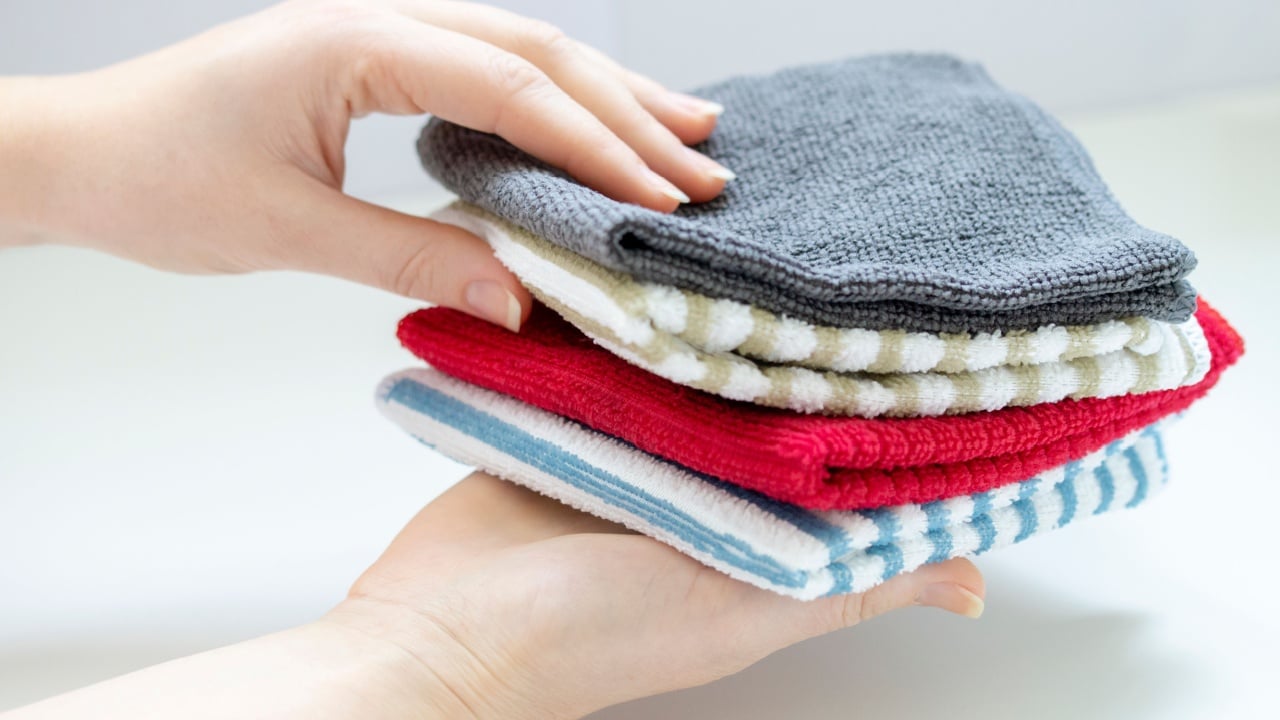
Shoving a wet, filthy mop back into a dark utility closet creates an absolute nightmare of bacteria and terrible odors. Kitchen sponges left soaking wet in the bottom of the sink quickly become breeding grounds for harmful germs that spread across your plates. Attempting to sanitize your kitchen using tools completely covered in yesterday’s grime defeats the entire purpose of the chore.
Rinse your tools thoroughly and let them air-dry to prevent foul odors from ruining your storage closet. Toss microfiber cloths into the washing machine after heavy use to prepare them for the next round of chores. Maintaining your equipment properly guarantees everything works perfectly the next time you need to tackle a messy spill.
Rethink Your Routine
Understanding exactly which bad cleaning hacks or habits slow you down makes maintaining your household significantly easier. Professional cleaners manage to keep massive properties totally spotless simply by working smart, avoiding silly mistakes, and following organized routines.
Dropping unhelpful techniques prevents accidental damage to your belongings while cutting down the total hours spent scrubbing floors.
Read More: