
Kitchen Villain or Misunderstood Staple? What the Science Actually Says About Seed Oils
Scroll through any wellness feed on social media, and you will likely see a video demonizing the humble bottle of vegetable oil in your pantry. From TikTok influencers to high-profile figures, a growing chorus claims these oils are “poisoning Americans” and driving chronic disease. It is enough to make anyone pause before sautéing dinner.
However, when you look past the frightening headlines and examine the data from major institutions like Stanford University and King’s College London, a different picture emerges. This guide separates the internet fear-mongering from the nutritional facts so you can cook with confidence.
1. The Chemical Processing Panic Might Be Overblown
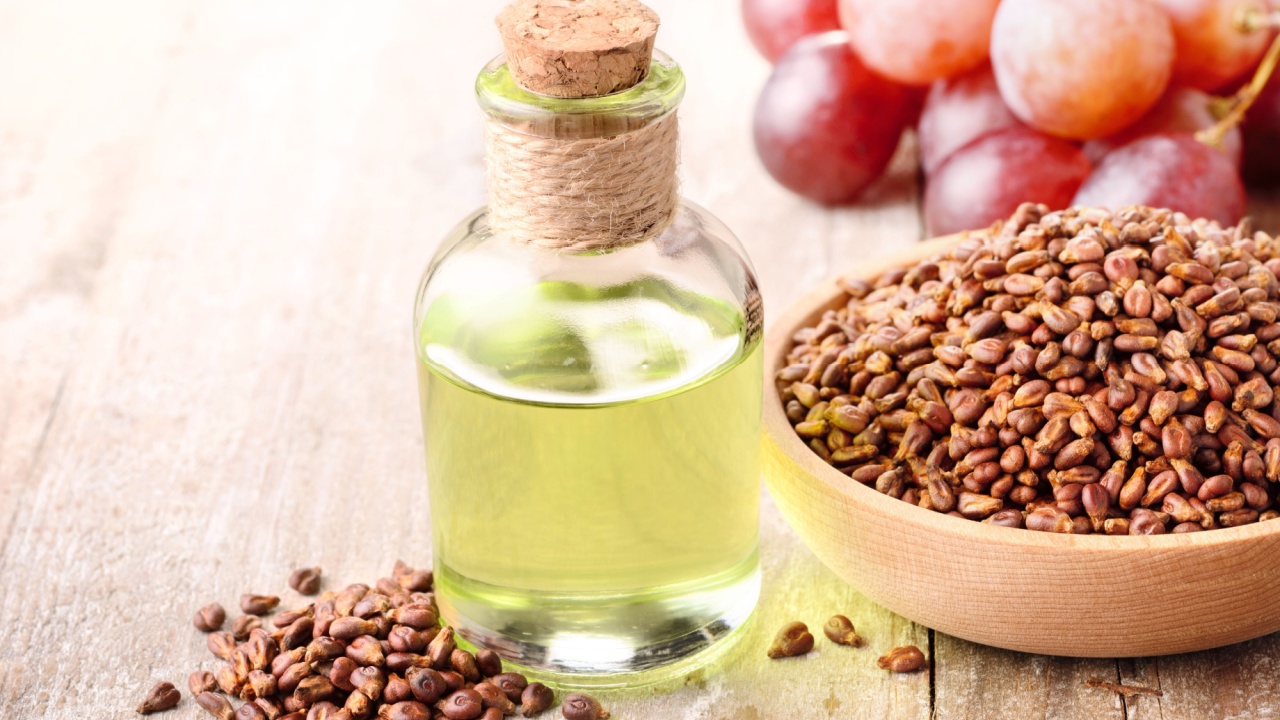
Critics of seed oils often cite the “Hateful Eight” (canola, corn, soybean, cottonseed, sunflower, safflower, grapeseed, and rice bran) due to their processing methods. Unlike olive oil, these oils are usually extracted with heat and hexane, a chemical solvent.
While hexane sounds alarming, food scientists note that any remaining amounts after processing are “toxicologically insignificant,” as confirmed by a 2025 federal report. If you’re uneasy about processing, opt for “expeller-pressed,” “cold-pressed,” or organic versions for peace of mind.
2. Human Trials Contradict the Inflammation Theory

A common claim is that seed oils cause inflammation, leading to issues like autoimmune diseases and heart problems. The idea is that the body turns the omega-6 fatty acids in these oils into inflammatory chemicals. However, human studies don’t support this.
Experts from King’s College London point out that clinical trials show that eating more seed oil does not increase inflammatory markers. In fact, the American Heart Association recommends these fats because they can lower “bad” LDL cholesterol.
3. The Real Issue Is the Omega Ratio
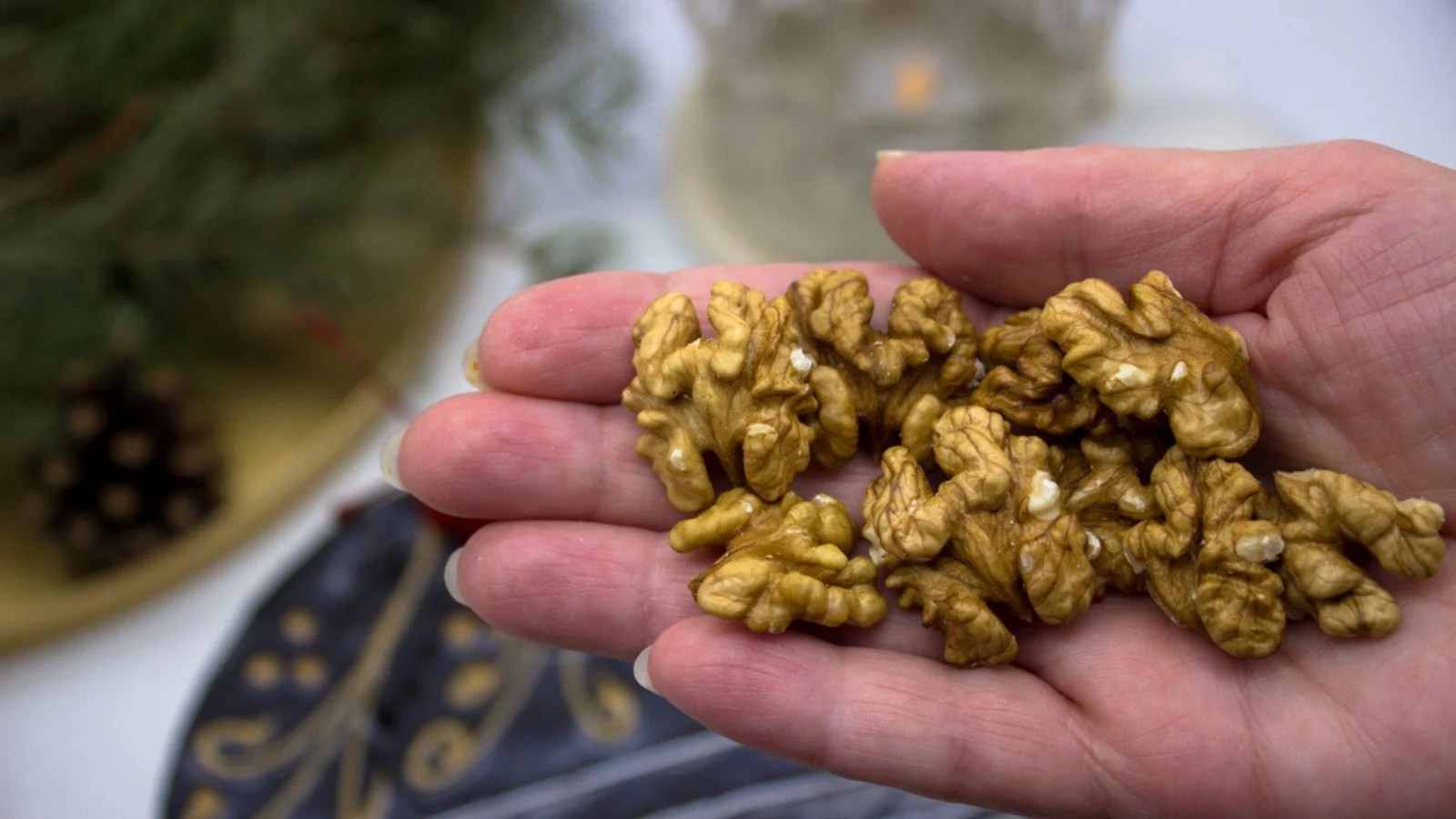
While omega-6s are not inherently toxic, the modern diet is admittedly out of balance. Most people consume about ten times more omega-6 fats than omega-3 fats. This imbalance happens because omega-6s are cheap and abundant in processed foods, while omega-3s are found in more expensive items like fatty fish, walnuts, and flaxseeds.
The solution proposed by nutrition experts is not to eliminate omega-6s (as they are essential nutrients) but to aggressively increase omega-3 intake to restore equilibrium. Focus on adding a serving of salmon, sardines, or chia seeds to your weekly rotation to naturally correct this ratio without obsessing over every drop of sunflower oil.
4. Guilt by Association with Ultra-Processed Foods

Many people blame seed oils for rising obesity rates because both have increased over time. But just because two things happen at once doesn’t mean one caused the other. Seed oils are found in many ultra-processed foods like chips, cookies, and fast food.
Experts suggest that the health problems from these foods come from their other ingredients, like high sugar, salt, and refined carbs, and a lack of fiber. Blaming only the seed oil ignores everything else in the bag. When you cook at home with a small amount of vegetable oil, you control what goes into your food and avoid the unhealthy parts of packaged snacks.
5. The Danger Lies in the Deep Fryer

There’s one situation where seed oils can become unhealthy: when they’re reheated over and over at high temperatures. This often happens in fast-food restaurants where deep fryers are used all day. Reheating oil repeatedly makes it break down and create harmful substances that can cause inflammation.
This rarely happens when you cook at home. Frying or baking at home doesn’t heat the oil enough to make it dangerous. To be safe, don’t reuse cooking oil multiple times and throw away any oil that smells bad or starts smoking too quickly.
6. Not All Seed Oils Are Created Equal
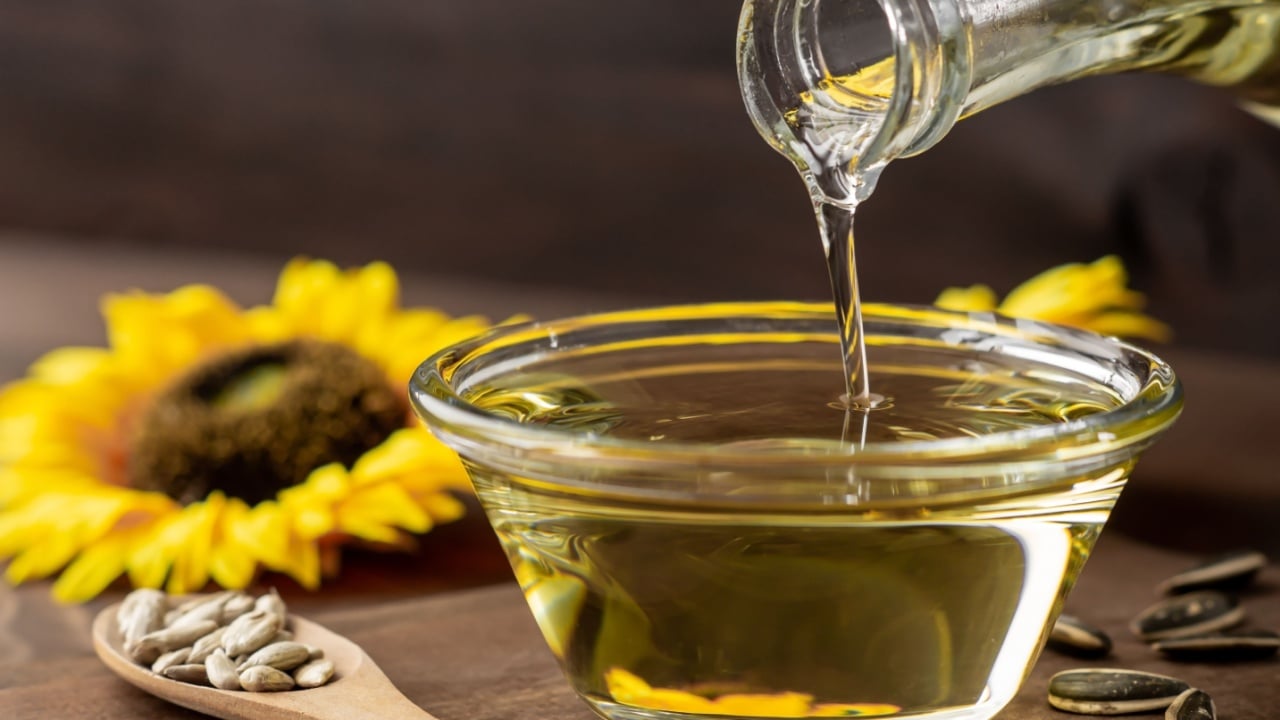
Not all seed-based fats are the same. New “high oleic” oils, like sunflower, safflower, and soybean, are designed to be healthier. They have more heart-friendly monounsaturated fats, similar to olive oil, and fewer polyunsaturated fats. These oils are more stable, have a higher smoke point, and work well for cooking.
Look for “high oleic” on the label to get a budget-friendly, neutral-tasting oil with health benefits like pricier olive oils.
7. Smoke Points Matter for Culinary Safety
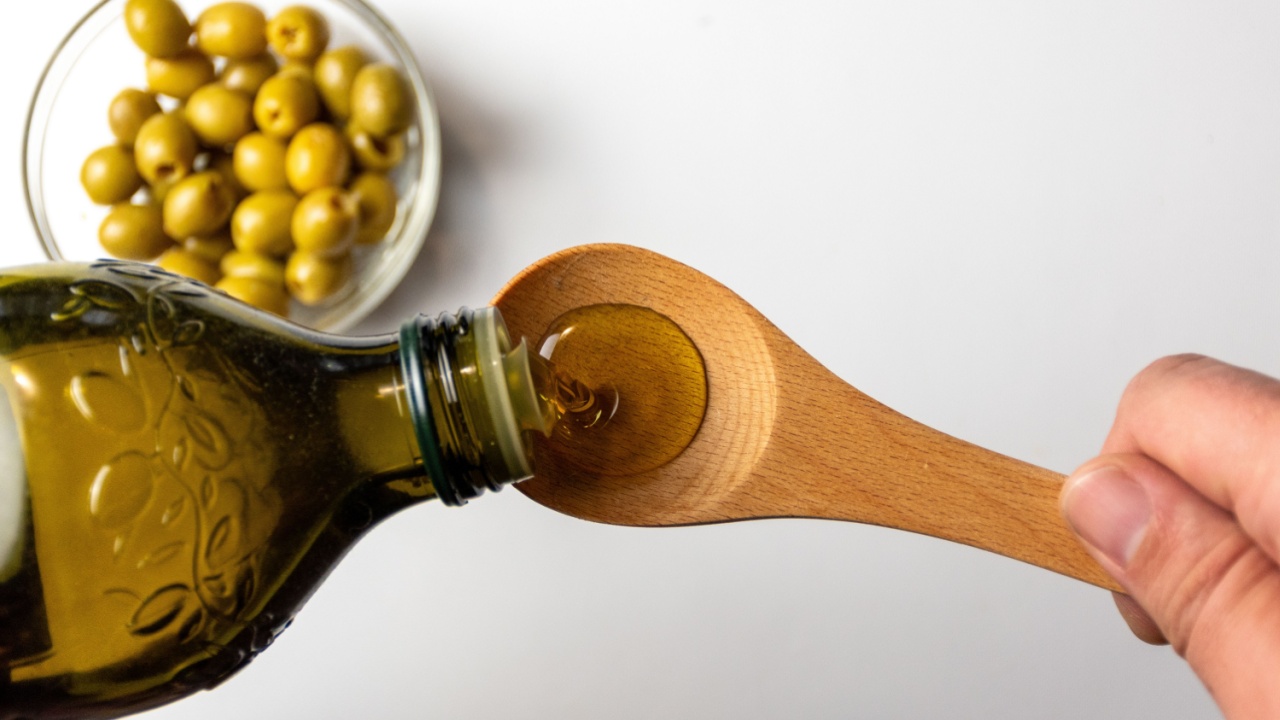
Beyond nutrition, using the wrong fat for the wrong task can ruin a meal and release free radicals. Extra virgin olive oil and butter have low smoke points and can burn easily, imparting a bitter taste and potentially harmful compounds. Refined seed oils generally have higher smoke points, making them practical for high-heat searing or stir-frying.
Understanding this functional difference helps you use fats as tools. Save the expensive, flavorful olive oil for finishing salads or dipping bread, and utilize a neutral, high-heat oil for the wok or grill where thermal stability is necessary.
Are Seed Oils Truly the Villain?

The narrative that seed oils are a poison waiting to destroy your health lacks the robust scientific backing to support the hysteria. While they may not offer the same antioxidant powerhouse benefits as extra virgin olive oil, they are not the sole villain in the modern diet.
The health risks associated with them are largely tied to ultra-processed foods and commercial deep-frying rather than home cooking. You can continue to use them as a practical tool in a balanced kitchen.