18 Household Items That Can Be Surprisingly Dangerous
Every year, people make millions of trips to the emergency room for injuries that happen right at home. While we often worry about big threats like fires or break-ins, many common objects we use daily can present unexpected risks. These items are so familiar that we rarely give them a second thought, yet they contribute to a significant number of household accidents.
When you know the potential risks associated with everyday things, you can take steps to prevent accidents before they happen. This knowledge empowers you to create a safer environment for yourself and your family, turning potential hazards into harmless household tools.
Here are 18 common household items that have a surprisingly dangerous side. For each item, we will explain the specific risk and provide practical advice on how to use it safely. You will learn how to spot potential problems and what you can do to make your home a more secure place.
1. Dryer Lint Buildup

The soft, fuzzy lint you clean from your dryer’s filter after each load seems harmless, but it is highly flammable. When lint accumulates in the dryer vent and ductwork, it reduces airflow and causes heat to build up. This combination creates a perfect condition for a fire. The U.S. Fire Administration reports that thousands of house fires each year are caused by clothes dryers.
To prevent a fire, clean the lint filter before or after every single load. At least once a year, you should thoroughly clean the dryer duct and the vent that leads outside. You can do this yourself with a special brush kit or hire a professional service. A clear vent allows your dryer to run more efficiently and, more importantly, safely.
2. Mixing Cleaning Products

Trying to create a super-powered cleaner by mixing different products can have toxic consequences. A common and dangerous combination is bleach and ammonia. When mixed, they produce chloramine gas, which can cause severe respiratory damage, chest pain, and shortness of breath. Mixing bleach with rubbing alcohol or certain glass cleaners can also create harmful chemical compounds.
Always read and follow the instructions on cleaning product labels. Never mix different chemicals, especially bleach, with anything other than water. When cleaning, open windows or use an exhaust fan to ventilate the area properly. Store cleaning supplies in their original containers so you always know what you are using.
3. Household Magnets

Small, high-powered magnets, often found in toys, desk gadgets, and building sets, pose a serious risk if swallowed. If a child ingests more than one of these magnets, they can attract each other inside the digestive system. This can trap and compress the intestinal walls, leading to blockages, tissue death, and life-threatening perforations.
Keep all small, powerful magnets away from young children. Supervise children closely when they are playing with toys that contain magnets. If you suspect a child has swallowed one or more magnets, seek immediate medical attention. Early intervention is critical to preventing severe internal injuries.
4. Mothballs

Mothballs are small pellets of chemical pesticide used to control moths and other fiber-eating insects. The active ingredients, typically naphthalene or paradichlorobenzene, are solid chemicals that slowly turn into a toxic gas. Inhaling these fumes in a poorly ventilated area can cause headaches, dizziness, and respiratory irritation. Long-term exposure has been linked to more severe health issues.
If you use mothballs, place them in airtight containers with the clothing you want to protect. This prevents the toxic fumes from escaping into your living spaces. Consider using natural alternatives like cedar blocks, lavender sachets, or dried rosemary. Always air out any clothing that has been stored with mothballs before wearing it.
5. Electric Blankets
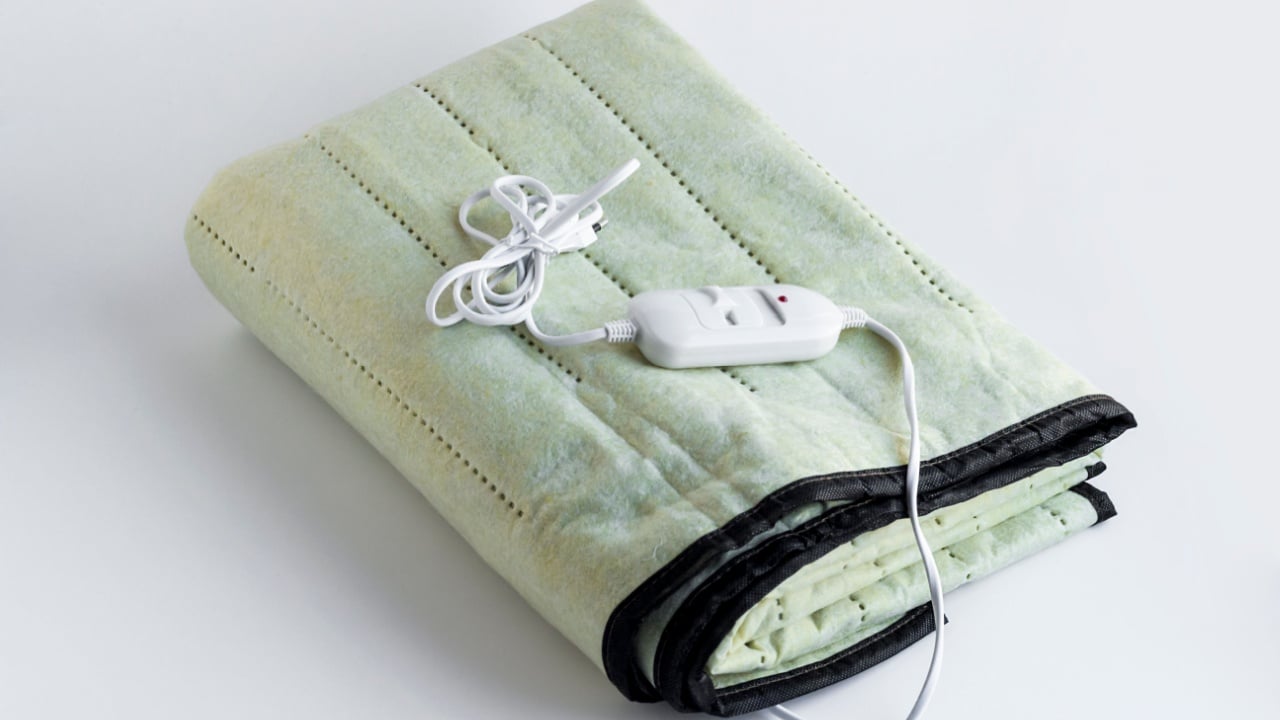
An electric blanket can be a source of comfort on a cold night, but it also carries risks if it is old or used incorrectly. Frayed wires, faulty temperature controls, or damage to the internal heating coils can lead to burns or create a fire hazard. The risk is higher with older models that may not meet current safety standards.
Inspect your electric blanket for any signs of wear and tear, such as brown spots, frayed cords, or cracked wires, before each use. Never fold an electric blanket when it is on, as this can trap heat and damage the wiring. It is also important not to sleep with it on all night; use it to warm the bed and then turn it off before you go to sleep.
6. Loose Ceiling Fans

A ceiling fan provides wonderful air circulation, but if it is not installed correctly, it can become a serious hazard. An improperly secured fan can wobble, and in the worst-case scenario, it can detach from the ceiling and fall. This is especially true for heavy, ornate fans or those installed in rooms with high vibration.
During installation, make sure the fan is attached to a ceiling joist or a fan-rated electrical box designed to support its weight. Regularly check that the screws holding the blades and the unit to the ceiling are tight. If you notice your fan is wobbling excessively, turn it off and have the balance and mounting checked immediately.
7. Power Tools
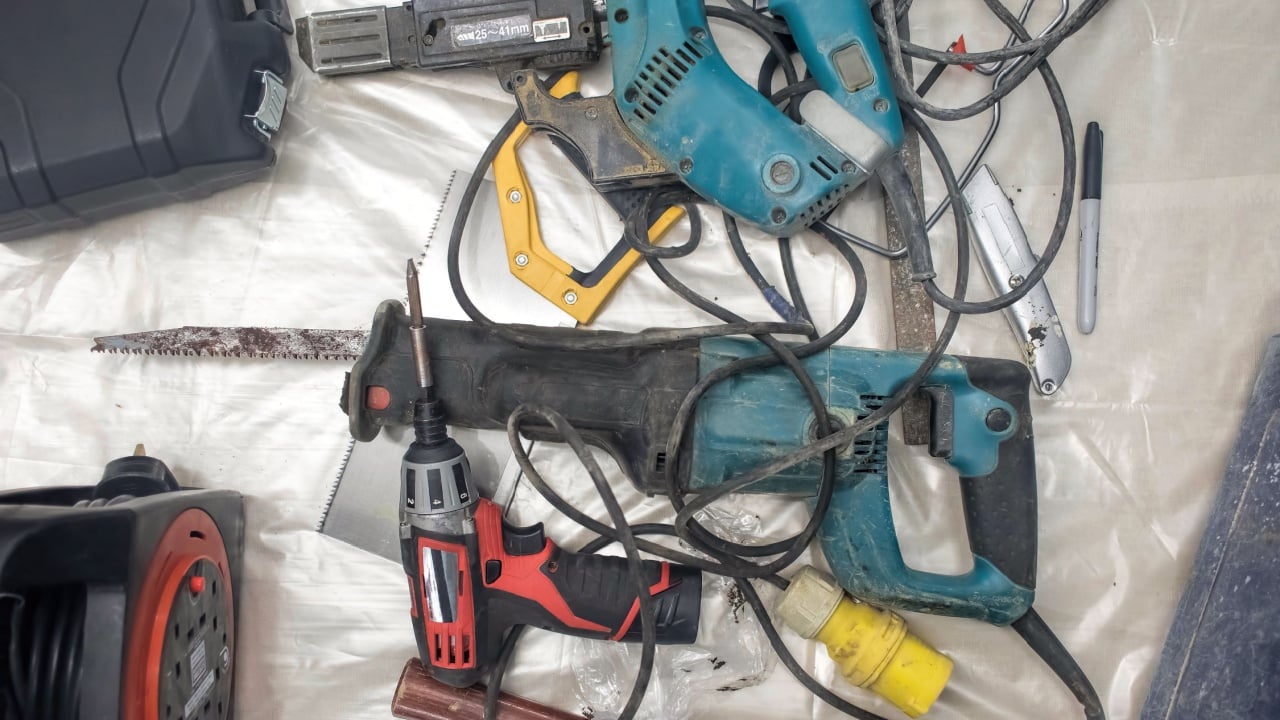
Power tools make many home improvement projects faster and easier, but they are also responsible for a large number of injuries each year. Saws, drills, and grinders can cause severe cuts, punctures, or amputations if used improperly. The risk is heightened when safety guards are removed or when the user is not wearing appropriate protective gear.
Always read the manufacturer’s instructions before operating any power tool. Wear safety glasses, gloves, and other personal protective equipment as needed. Keep your work area clean and well-lit, and never disable safety features. Disconnect the power source before changing blades or bits to prevent accidental startups.
8. Hot Tubs

Hot tubs can be a source of relaxation, but they also present certain health risks. The warm water is an ideal breeding ground for bacteria if not properly sanitized, which can lead to skin rashes or other infections. Additionally, prolonged soaking in very hot water can cause overheating, dizziness, or a dangerous drop in blood pressure.
Maintain the proper chemical balance in your hot tub by testing the water regularly and adding sanitizer as needed. Keep the water temperature at or below 104°F (40°C) and limit soaks to about 15 minutes at a time. Always secure a hot tub cover when it is not in use to prevent children or pets from accidentally falling in.
9. Rechargeable Batteries

The small lithium-ion batteries that power our phones, laptops, and toys can be dangerous if they are damaged or defective. A punctured or overcharged battery can overheat, leading to a condition known as thermal runaway. This can cause the battery to swell, smoke, catch fire, or even explode.
Use only the charger that came with your device or a certified equivalent. Avoid leaving devices charging for extended periods after they are full, especially on soft surfaces like a bed or couch. If you notice a battery is swelling, getting excessively hot, or leaking, stop using it immediately and dispose of it at a proper e-waste facility.
10. Damaged Electrical Outlets
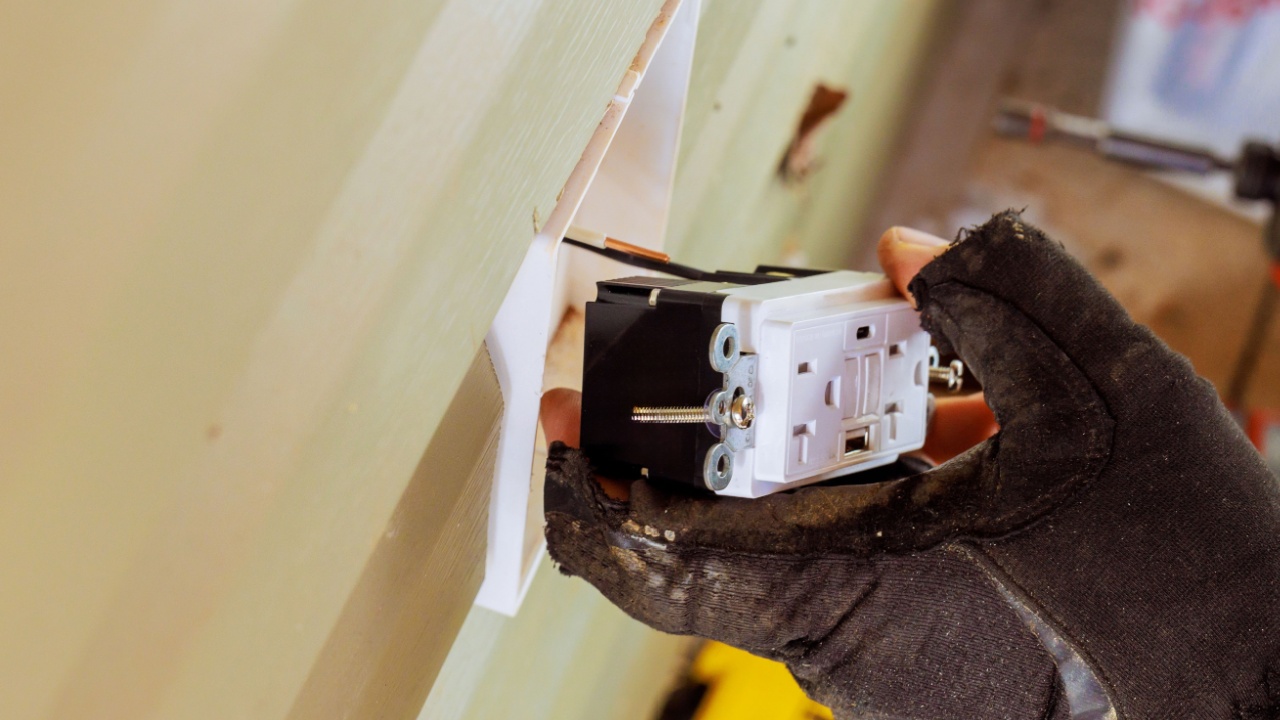
A cracked, loose, or malfunctioning electrical outlet is more than just an inconvenience; it is a fire hazard. A loose connection can cause arcing, which is when electricity jumps through the air from one connection to another, creating intense heat that can ignite dust or nearby materials. Damaged outlets also increase the risk of electric shock.
Periodically inspect the outlets in your home. If you see any cracks, discoloration, or if plugs fit loosely, it is time for a replacement. Do not overload outlets with multiple high-power devices. If an outlet feels warm to the touch, stop using it and have an electrician inspect your wiring.
11. Household Stairs

Falls on stairs are a leading cause of injury in the home, affecting people of all ages. Poor lighting, clutter, worn or slippery surfaces, and missing handrails all contribute to the risk. A single misstep can result in serious injuries, including broken bones and head trauma.
Keep stairs free of objects at all times. Install sturdy handrails on both sides of the staircase and use them every time you go up or down. Make sure the area is well-lit, with switches at both the top and bottom of the stairs. If you have hard-surface stairs, consider adding non-slip treads for extra grip.
12. Aerosol Cans

Aerosol cans, like those used for hairspray, air freshener, or cooking spray, contain propellants that are under pressure. If these cans are exposed to heat or punctured, they can explode with significant force, turning the metal can into a dangerous projectile.
Store all aerosol cans in a cool, dry place away from sources of heat like stoves, water heaters, or direct sunlight. Never try to puncture a can, even if you think it is empty. Dispose of aerosol cans according to your local community’s guidelines for hazardous waste; do not simply toss them in the regular trash.
13. Hair Dryers
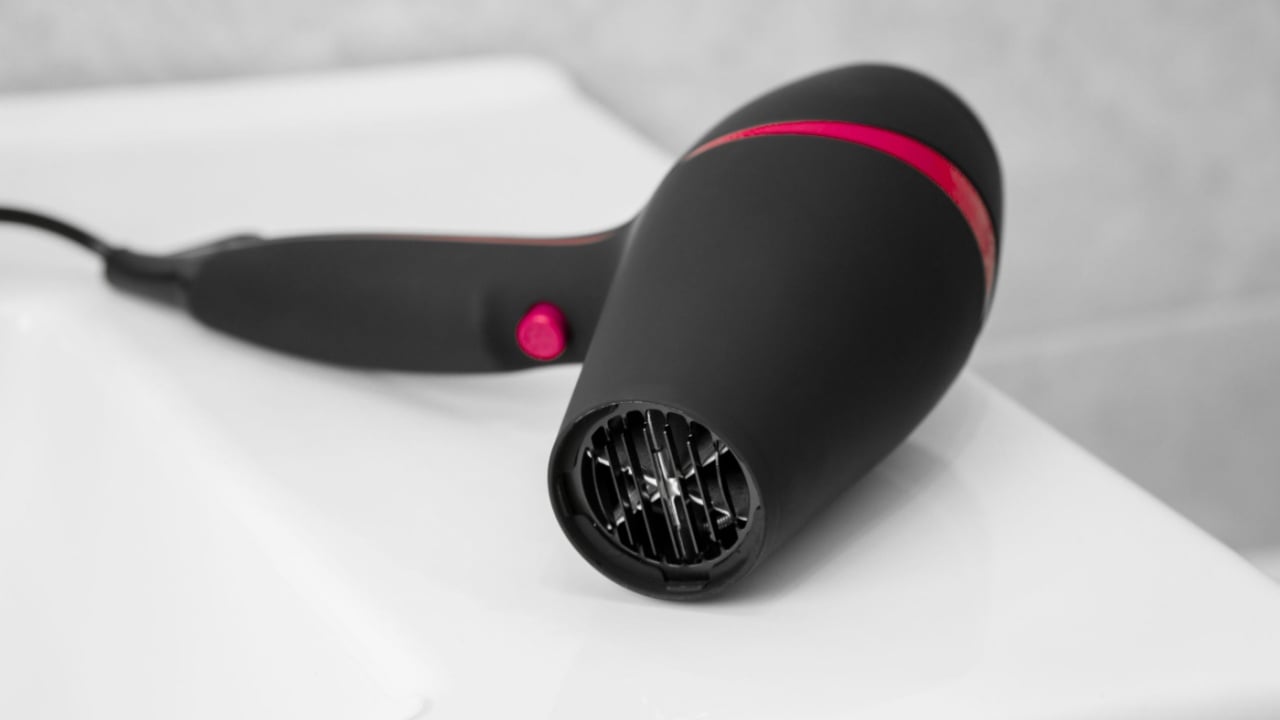
Using a hair dryer or any other electrical appliance near water is a well-known danger. Water conducts electricity, and dropping a plugged-in hair dryer into a sink or bathtub can lead to a fatal electric shock. Modern hair dryers are required to have built-in shock protectors, but these can fail, especially on older models.
Never use or place electrical appliances near a filled sink or tub. Unplug your hair dryer when you are finished using it and store it away from the sink. It is also wise to test the GFCI (ground fault circuit interrupter) outlets in your bathrooms monthly to confirm they are working correctly.
14. Old Alarms

Smoke and carbon monoxide alarms are essential for home safety, but they do not last forever. The sensors inside these devices degrade over the years, making them less effective at detecting danger. Relying on an expired alarm is like having no alarm at all, giving you a false sense of security.
Check the manufacturing date on your alarms. Smoke alarms should be replaced every 10 years, and carbon monoxide alarms typically need to be replaced every 5 to 7 years. Test your alarms monthly and change the batteries at least once a year. This simple maintenance can make a life-or-death difference.
15. Your Furnace

A malfunctioning furnace can pose two serious threats: fire and carbon monoxide poisoning. Problems like a cracked heat exchanger or a blocked flue can allow carbon monoxide, an odorless and colorless gas, to leak into your home. Faulty wiring or a malfunctioning motor can also overheat and start a fire.
Have your furnace inspected and serviced by a qualified professional every year, preferably before the heating season begins. This checkup should include an inspection of the heat exchanger, burners, and flue system. Also, install carbon monoxide alarms on every level of your home and outside sleeping areas.
16. Blocked Sewer Vents
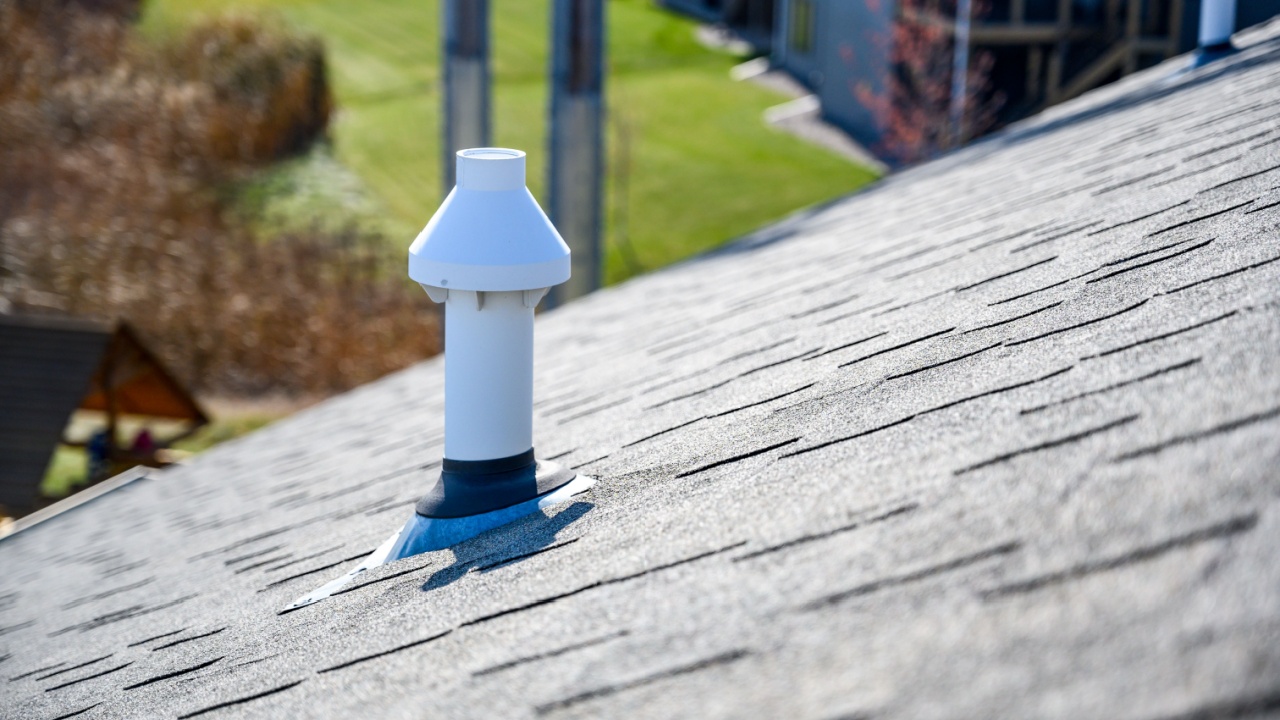
Every home plumbing system has vents that run through the roof to release sewer gas and regulate pressure. If these vents become blocked by leaves, bird nests, or ice, it can cause problems. The immediate issue might be slow drains, but a more serious danger is the buildup of sewer gas, which contains methane and other harmful substances, inside your home.
If you notice gurgling drains or a persistent sewer smell in your house, a blocked vent could be the cause. Clearing these vents can be dangerous work that involves getting on the roof, so it is often best left to a professional plumber or roofing contractor. Regular gutter and roof maintenance can help prevent these blockages.
17. Lead Paint
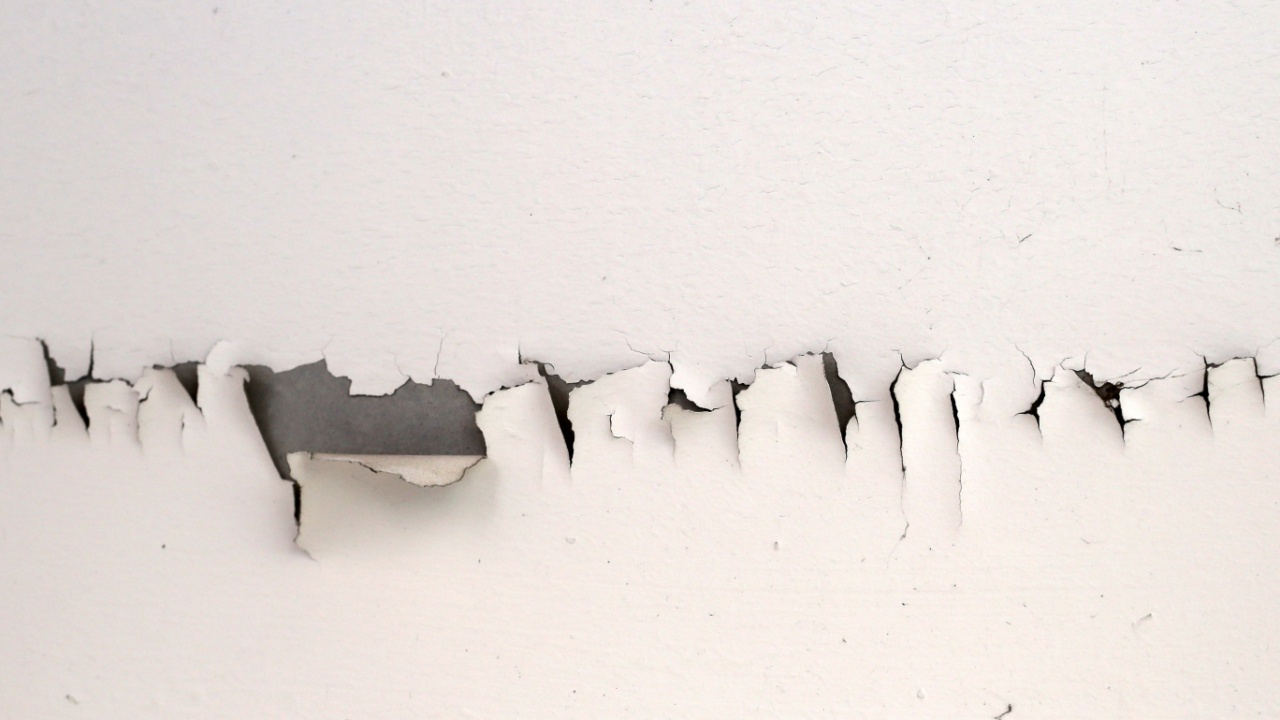
In homes built before 1978, it is common to find paint that contains lead. While intact lead paint is generally not a problem, it becomes hazardous when it starts to chip, peel, or turn to dust. Ingesting or inhaling lead dust can cause serious health problems, particularly in children and pregnant women, affecting brain development and the nervous system.
If you live in an older home, assume there is lead paint and do not disturb it. If the paint is chipping or if you plan to renovate, hire a certified lead abatement professional to test for lead and safely remove or contain it. Regular cleaning with a wet cloth can help control lead dust on floors and windowsills.
18. Some Indoor Plants

Certain common houseplants can be toxic if ingested by pets or small children. For example, parts of popular plants like daffodils, irises, and philodendrons can cause anything from mild irritation to severe digestive distress. While rarely fatal for humans, they can be very dangerous for curious cats and dogs who might chew on the leaves.
Before bringing a new plant into your home, research whether it is toxic to pets or children. Place any potentially harmful plants on high shelves or in rooms where pets and kids do not have access. If you suspect a pet or child has eaten part of a toxic plant, contact your veterinarian or the Poison Control Center immediately.
A Safer Home Starts Today

Every day routines often leave certain dangers hidden in plain sight. Taking a closer look at potentially dangerous items and making a few thoughtful changes can reduce serious risks for everyone living under your roof.
Evaluate the spots in your home where trouble could start, from the dryer to aging alarms or indoor plants, and make a plan for regular checkups or replacements. A safer home begins with knowing what to check and acting before trouble has a chance to start.
Read More: