14 Inspiring Ways to Organize Kitchen Drawers
Opening a kitchen drawer should reveal a perfectly sorted collection of cooking tools instead of a tangled pile of spatulas and spoons. Messy drawers slow down meal preparation and turn simple recipes into frustrating scavenger hunts.
Research shows that an organized cooking space significantly reduces daily stress and cuts meal preparation time. Having a designated spot for spoons and spatulas means less time searching and more time enjoying the cooking process.
Professional organizers often point out that optimizing storage leads to less food waste and fewer duplicate purchases. When tools are visible and accessible, cooks avoid buying a third whisk simply because the others are buried under heavy rolling pins.
This guide breaks down fourteen practical methods to maximize drawer space and keep utensils orderly.
1. Use Expandable Cutlery Trays
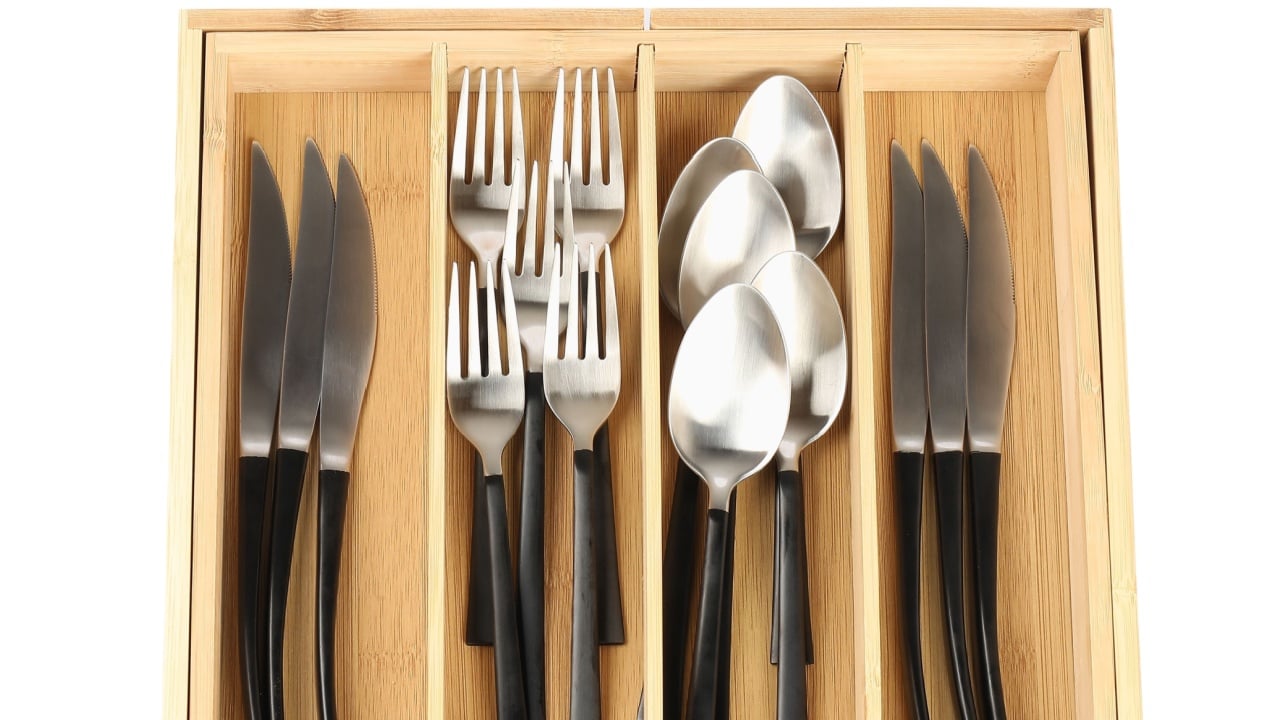
Expandable cutlery organizers are a game-changer for standard kitchen drawers because they adjust to fit the exact width. These sliding trays create snug, customized compartments for forks, knives, and spoons, eliminating the awkward, wasted gaps that fixed-size trays often leave on the sides.
For a high-end, built-in look, find a tray made from bamboo or a neutral-colored plastic that matches your cabinet interiors. You can take this a step further by designating a small, separate section for specialty utensils like chopsticks, cocktail forks, or reusable straws, keeping them from getting jumbled with your everyday silverware.
This simple tool maximizes the available width so your daily eating utensils are perfectly separated and easy to grab.
2. Implement Stackable Storage Containers
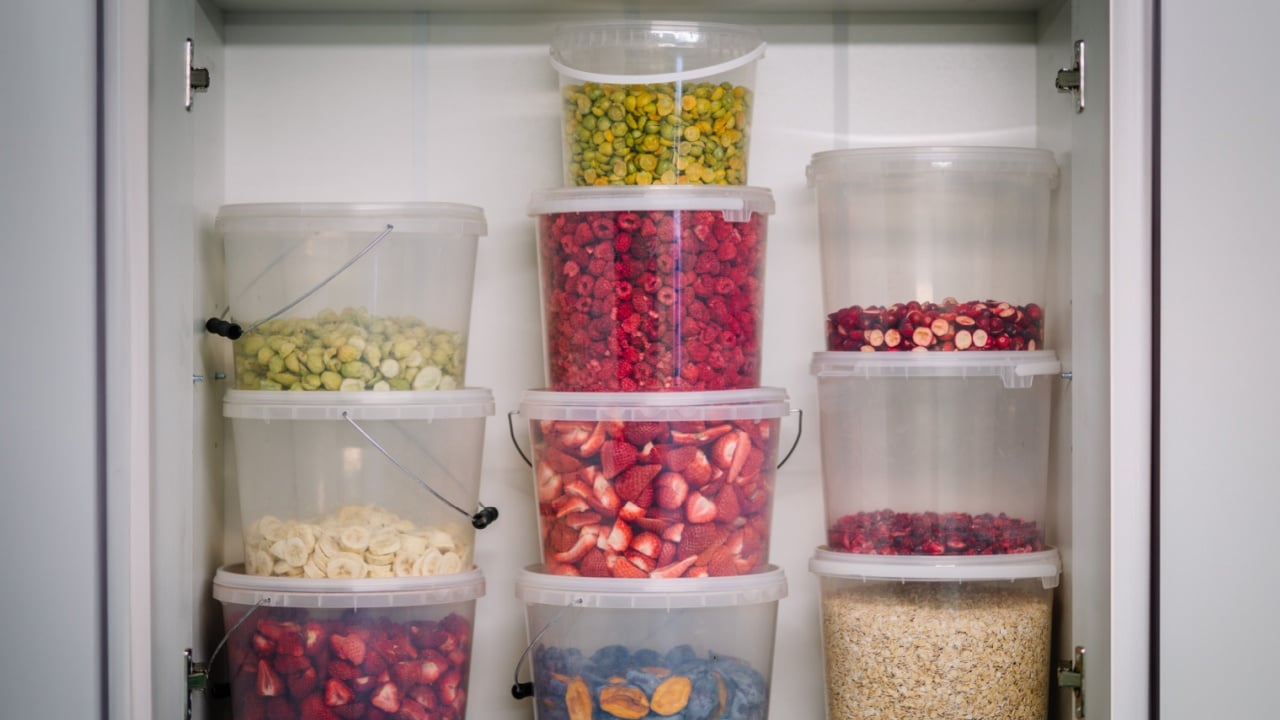
Deep drawers can quickly become a dumping ground for small kitchen gadgets. Stackable storage containers are the perfect solution to reclaim this space and restore order.
These transparent boxes can neatly hold bottle openers, measuring cups, tea bags, or pastry tips, utilizing the drawer’s vertical height instead of just its floor space.
Stacking containers vertically leaves room for larger tools, like a potato masher or ice cream scoop, to sit right alongside them. To make things even more efficient, place adhesive labels on the front of each container for instant identification.
3. Install Adjustable Drawer Dividers
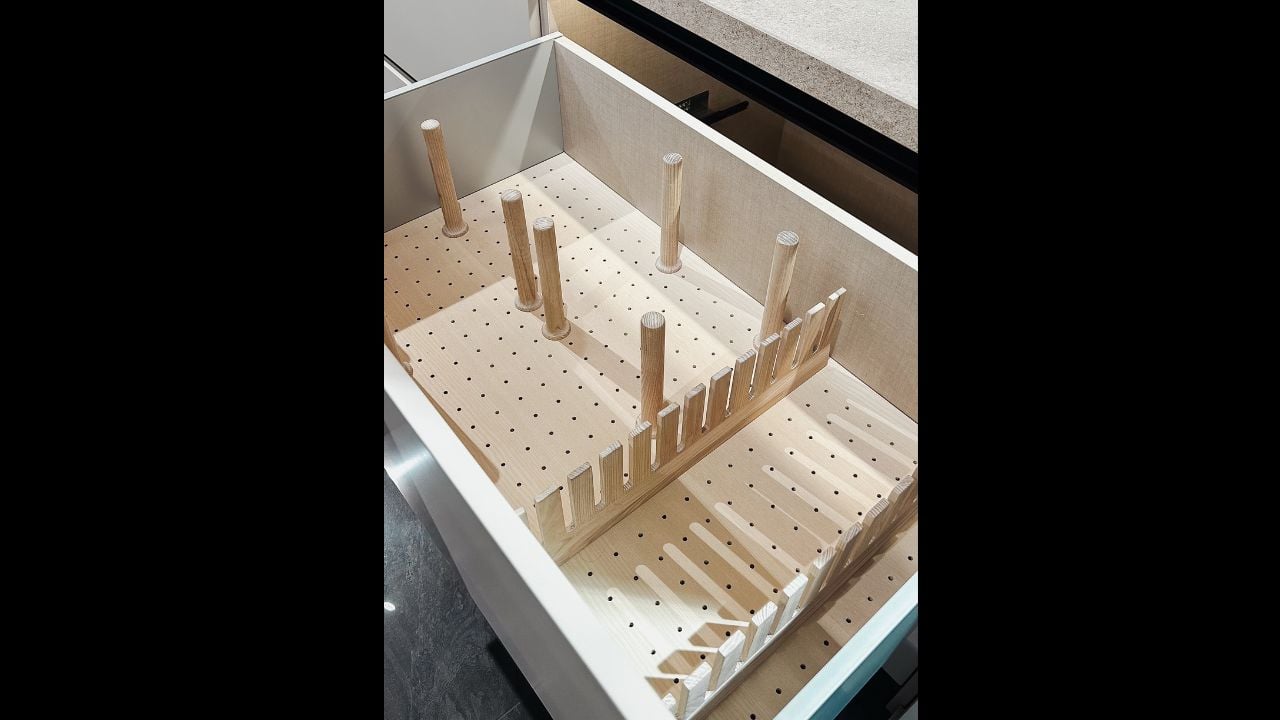
Large utensils like whisks, tongs, and spatulas are notorious for creating a tangled mess. Adjustable drawer dividers are the answer. These tension-loaded dividers, often made of bamboo or durable plastic, can be configured to create custom-sized slots, preventing tools from clattering and sliding around every time you open the drawer.
The beauty of these dividers is their flexibility. You can mix and match different lengths to perfectly accommodate odd-shaped utensils, like a long-handled ladle or a wide fish spatula. For smaller items, place clear acrylic bins between the dividers to corral things like wine keys, corn holders, or garlic presses. Tension dividers are a low-cost, high-impact upgrade that brings incredible results in both functionality and appearance.
4. Set Up Magnetic Spice Jars
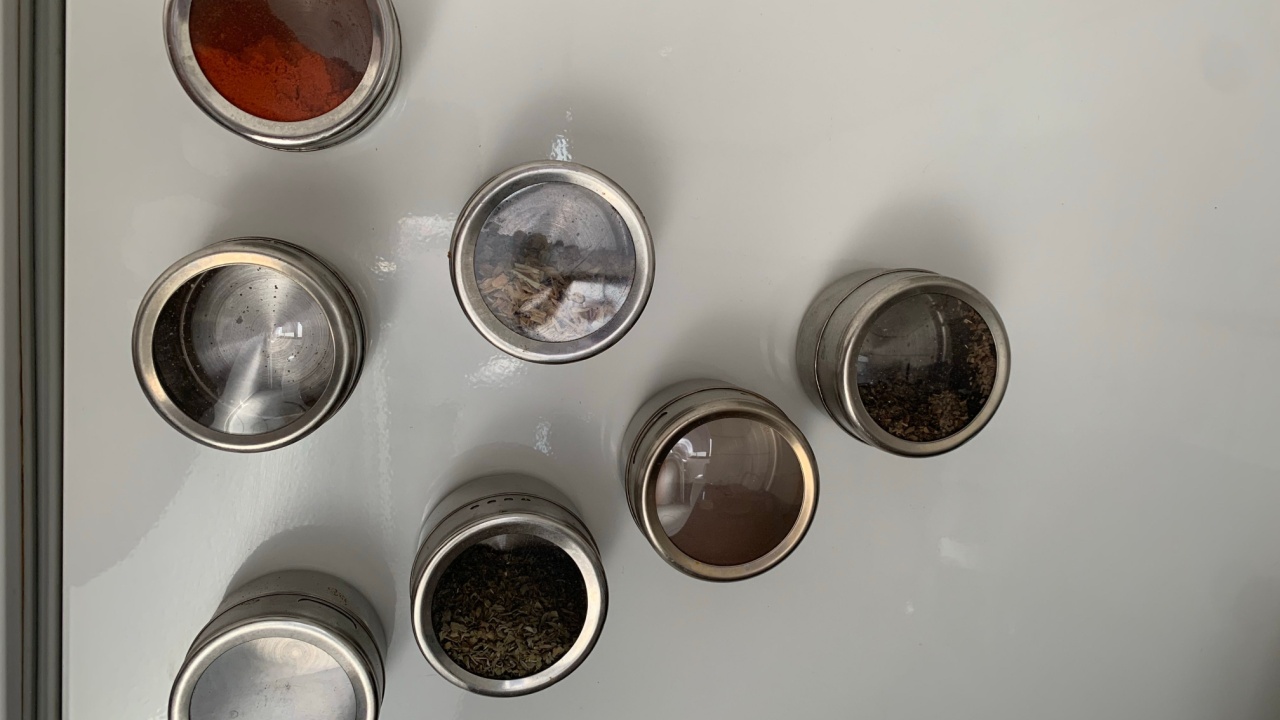
Storing spices in a drawer can be a challenge; jars roll around, and it’s nearly impossible to read the labels. Magnetic spice containers solve this problem brilliantly. These jars stick to a metal base plate installed inside the drawer, keeping your herbs and spices perfectly aligned, visible, and accessible.
To make cooking even more seamless, group the jars by cuisine type (e.g., Italian, Mexican) or by use (e.g., baking spices, grilling rubs). Add chalkboard or printed labels to the lids for a rustic touch and to make identifying ground cumin from chili powder instant and effortless.
This system transforms a chaotic spice collection into a visually pleasing and highly functional display that will inspire your next culinary creation.
5. Add Protective Drawer Liners
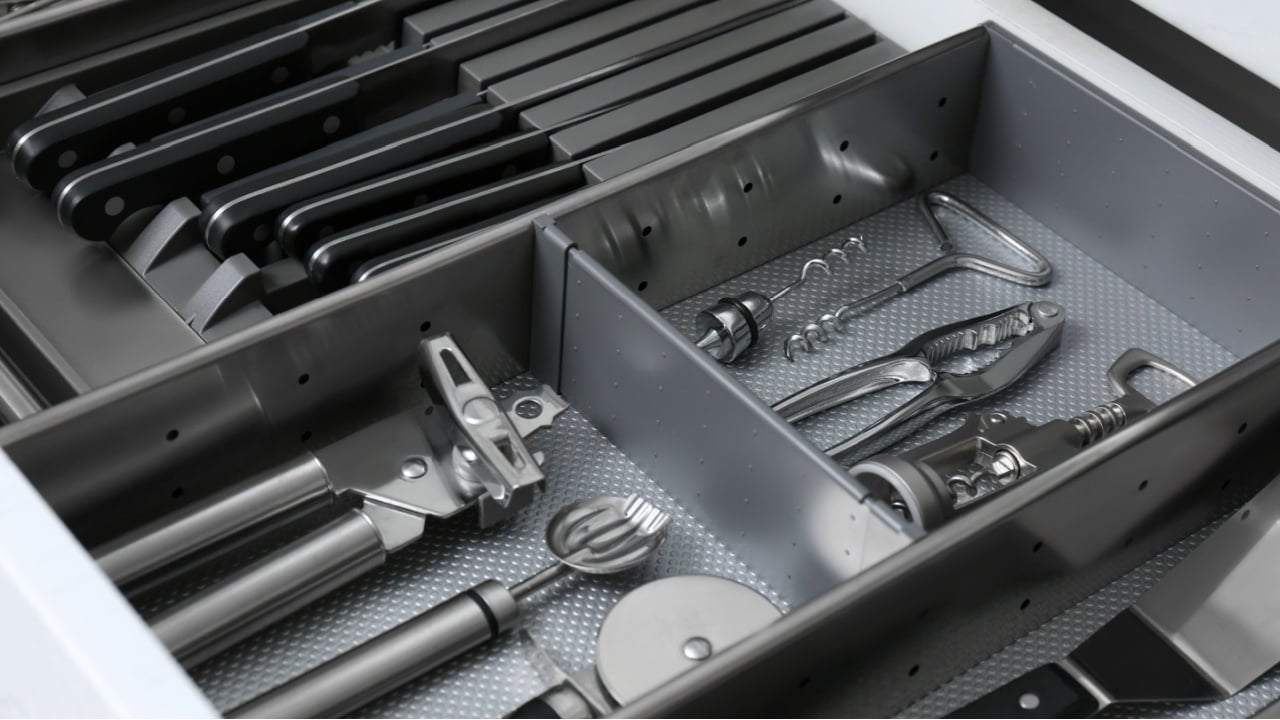
Drawer liners are the foundation of a well-organized kitchen, protecting the bottom of your wooden cabinets from scratches, stains, and water damage. More than just a protective layer, textured or ribbed mats add grip, preventing organizers and loose tools from sliding to the back every time you close the drawer.
Opt for non-adhesive liners, which are easy to remove and wash when crumbs and spills inevitably happen. From a design perspective, liners offer a chance to add a personal touch.
Choose a fun pattern to add a pop of color or select a solid neutral that complements your kitchen’s aesthetic. High-quality liners provide a polished and practical base for all your other organizational efforts.
6. Utilize Vertical Storage For Baking Sheets
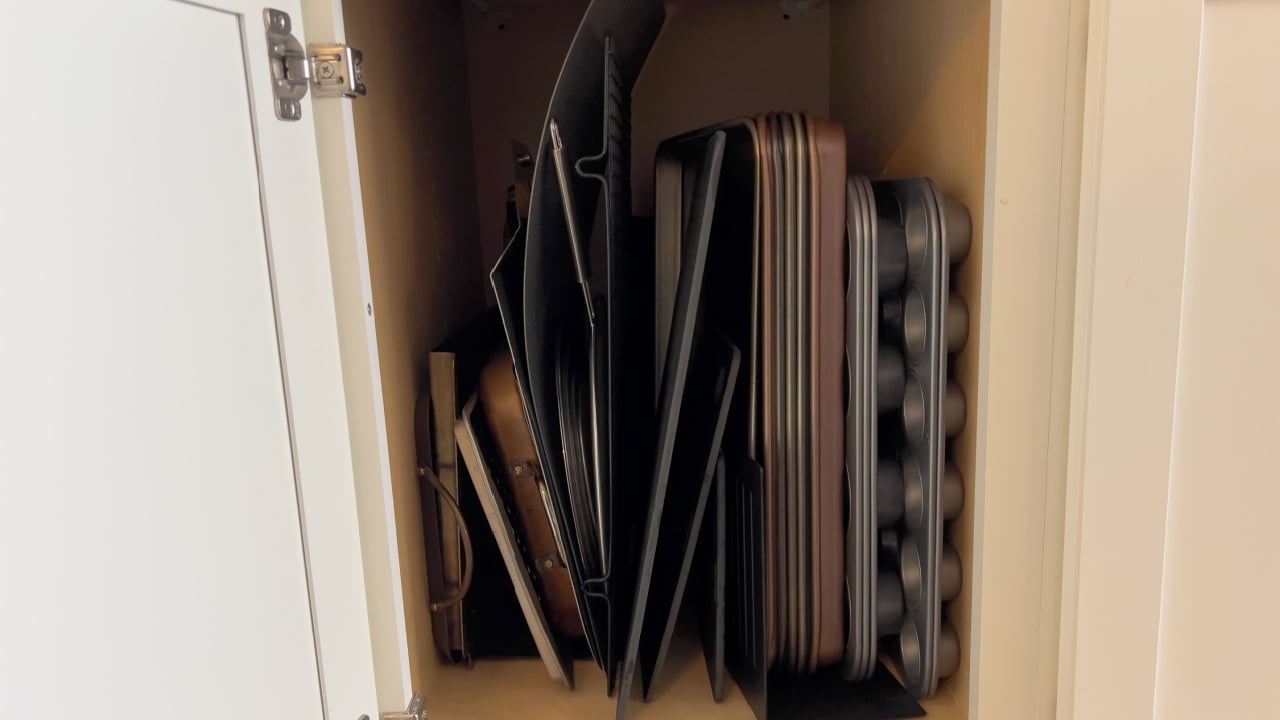
Baking sheets, cutting boards, and muffin tins consume a massive amount of space when stacked horizontally. A vertical organizer completely changes the game by allowing these heavy, flat items to stand upright, side by side.
You don’t need a custom-built solution for this. A heavy-duty file organizer or a sturdy magazine holder can serve as a budget-friendly alternative for holding cutting boards or smaller pans.
By designating a specific vertical slot for each item, you can streamline your baking and cleanup process, putting an end to the loud, frustrating clatter of unstacking heavy metal trays.
7. Dedicate Organizers For Dish Towels
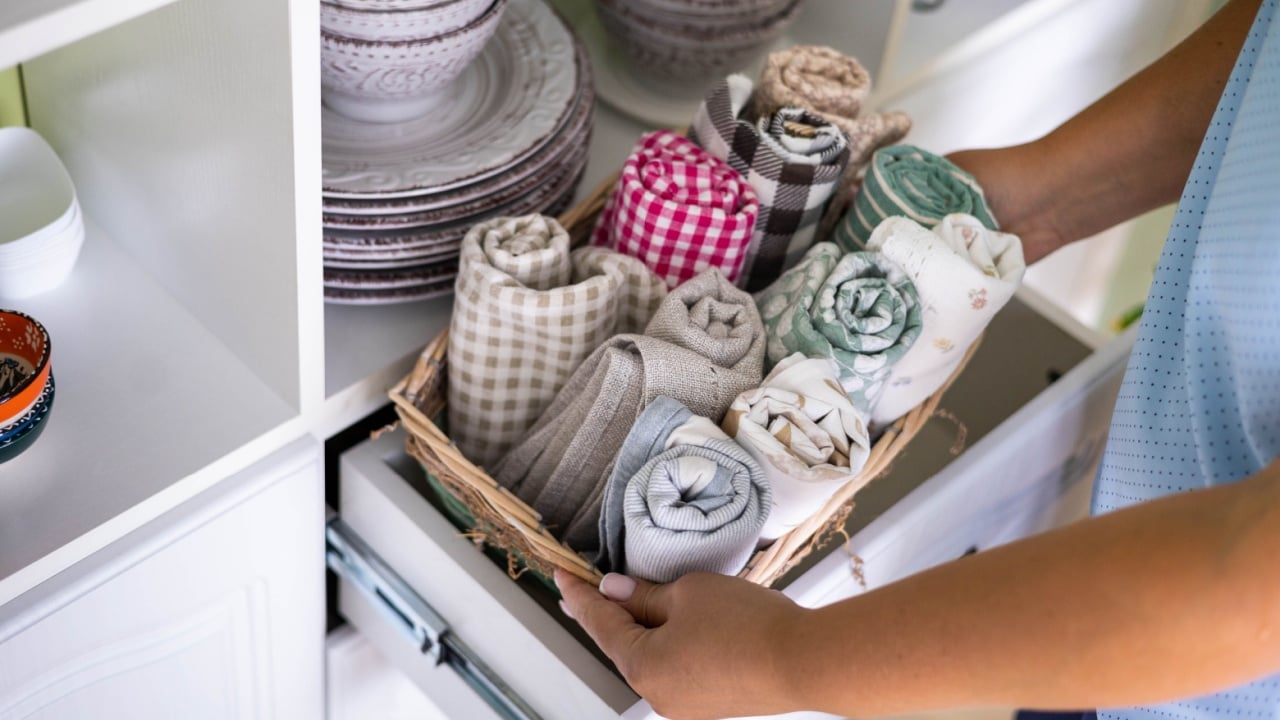
Dish towels and cleaning cloths often end up in a wrinkled, jumbled mess when tossed into a deep drawer or bin. By using a shallow drawer fitted with simple dividers, you can keep your folded textiles neatly separated by category.
The key to maintaining this system is the fold. By folding towels so the folded edge faces up, you can easily grab a single cloth without disrupting the entire stack. This method also allows you to separate your nice cloth napkins from everyday cleaning rags. Rolling towels works well for this as well. It keeps your system tidy, and you always grab the right textile for the job.
Proper towel folding combined with rigid dividers enhances both the efficiency and visual appeal of your linen drawer.
8. Sort With Small Decorative Baskets
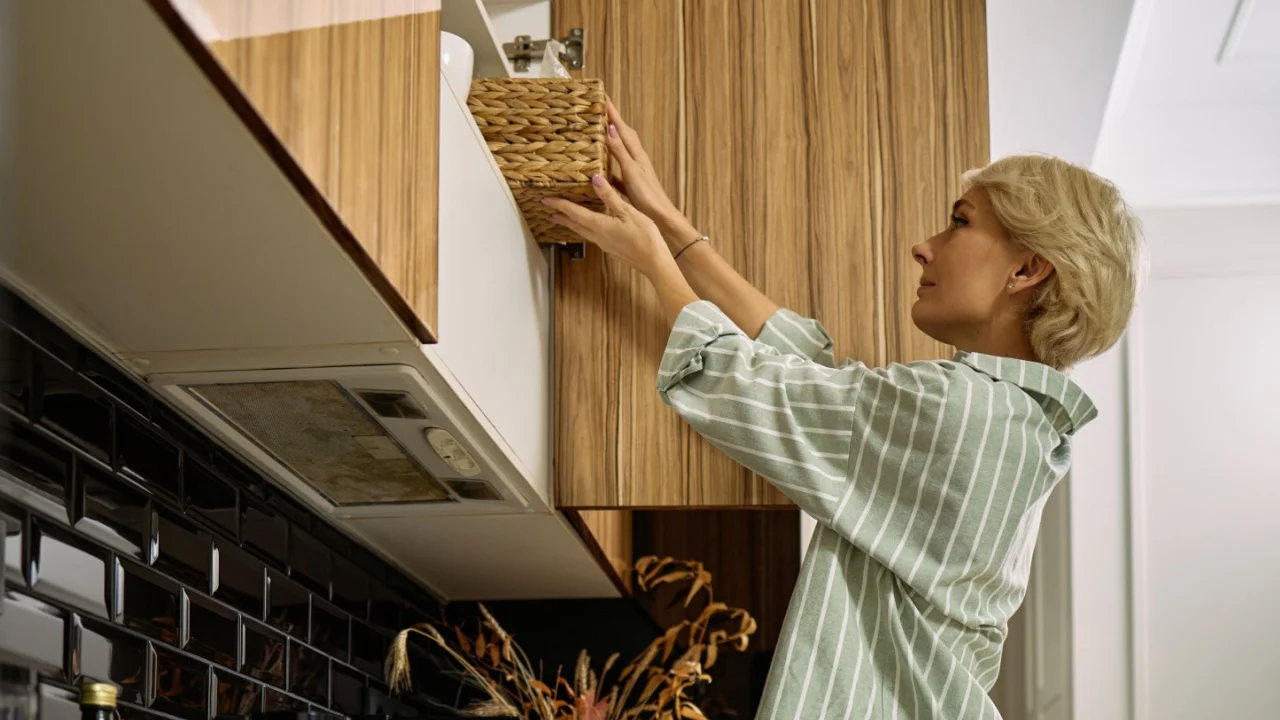
Small woven or wire baskets are perfect for grouping loose, miscellaneous items while adding a decorative touch to your drawers or cabinets. Use these open-top bins to easily hold kitchen twine, cookie cutters, individual snack packs, or condiment packets.
For added convenience, select baskets with built-in handles, making them easy to pull out during busy cooking sessions. You could even label a specific basket for daily vitamins or medications to keep countertops clear and organized.
Incorporating natural materials like wicker or seagrass through baskets can also soften the look of hard, modern kitchen cabinetry, adding warmth and texture.
9. Store Baking Essentials Together
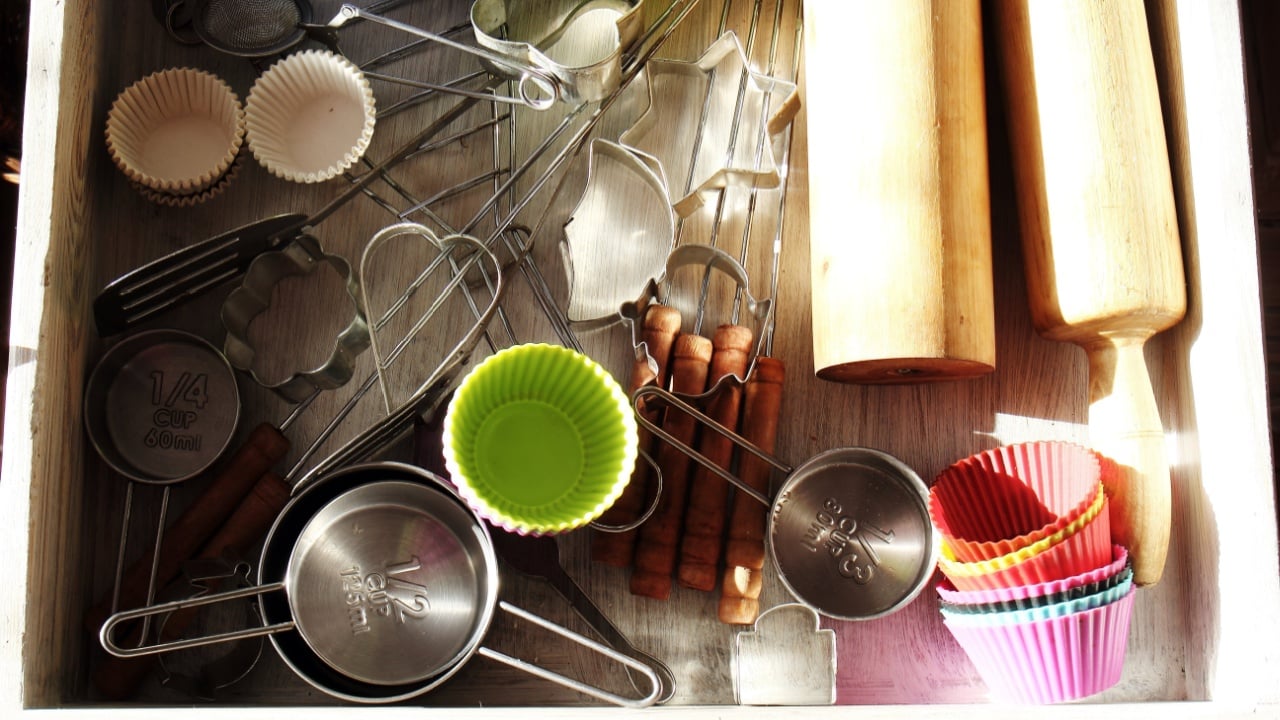
Baking is a science that often requires highly specific tools. Instead of letting them clutter your everyday utensil spaces, create a dedicated baking drawer. This centralizes everything you need (measuring spoons, silicone spatulas, piping bags, and rolling pins) in one accessible location.
Enhance your baking station by adding a small compartment for recipe cards or a handy baking conversion chart. Use small, modular containers within the drawer to keep cookie cutters sorted by holiday or shape.
Isolating your baking tools speeds up the preparation process for delicate pastries and cakes, making your time in the kitchen more enjoyable and efficient.
10. Organize Kids’ Kitchen Tools
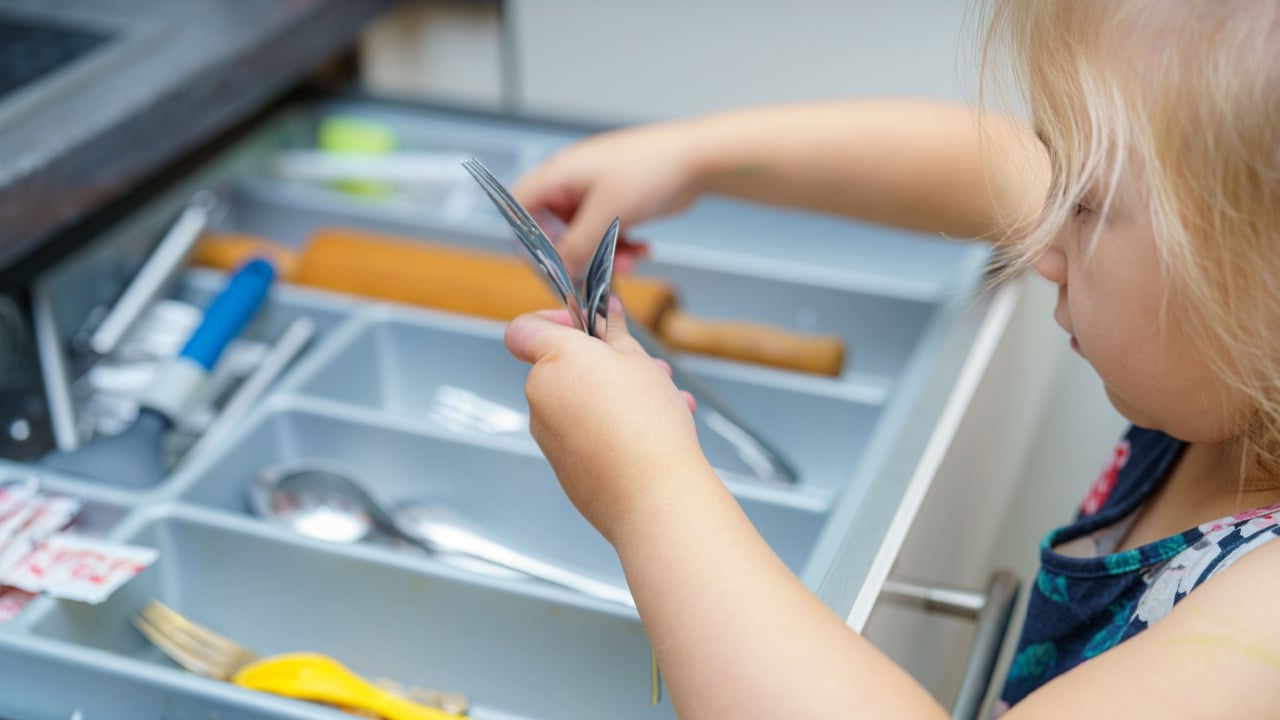
If you have little ones who love to help in the kitchen, giving them their own designated drawer is a brilliant move. Keep child-sized tools in a lower, easily accessible drawer. Use colorful dividers to sort mini utensils, safety knives, small mixing bowls, and aprons at a height they can reach.
You can encourage their culinary curiosity by including simple, picture-based recipe cards in the drawer.
Keeping their tools separate from sharp adult knives and heavy equipment provides a safe and fun environment for them and also promotes independence.
11. Declutter And Downsize Regularly
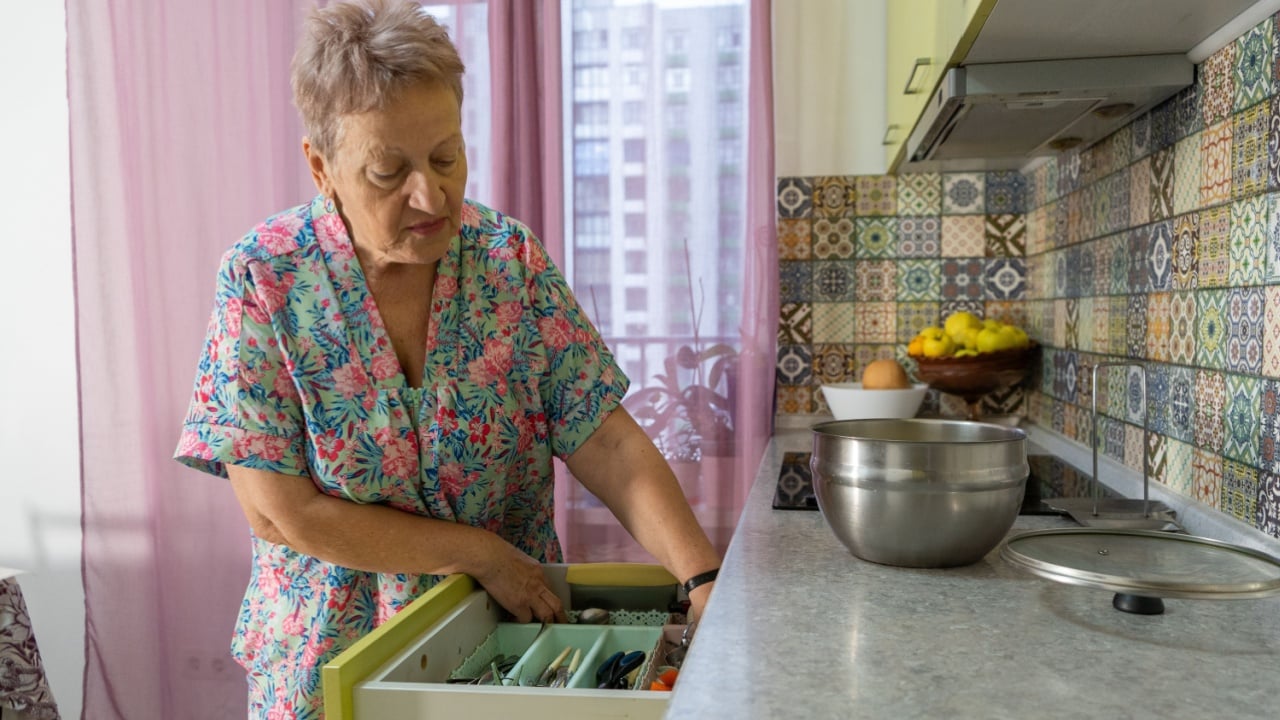
The most effective organization method isn’t a product; it’s a habit. Regularly removing excess and unused items is crucial. At least once or twice a year, empty each drawer completely. This gives you a chance to conduct a thorough evaluation, tossing broken gadgets, duplicate spatulas, and items you simply never use.
To prevent the clutter from creeping back in, apply a strict “one-in, one-out” rule. If you buy a new whisk, the old one must go. Donating items that are still in good condition helps others while freeing up valuable real estate in your kitchen.
Regular decluttering is the essential maintenance that keeps any organizational system functional in the long term.
12. Rotate Seasonal Kitchen Gadgets
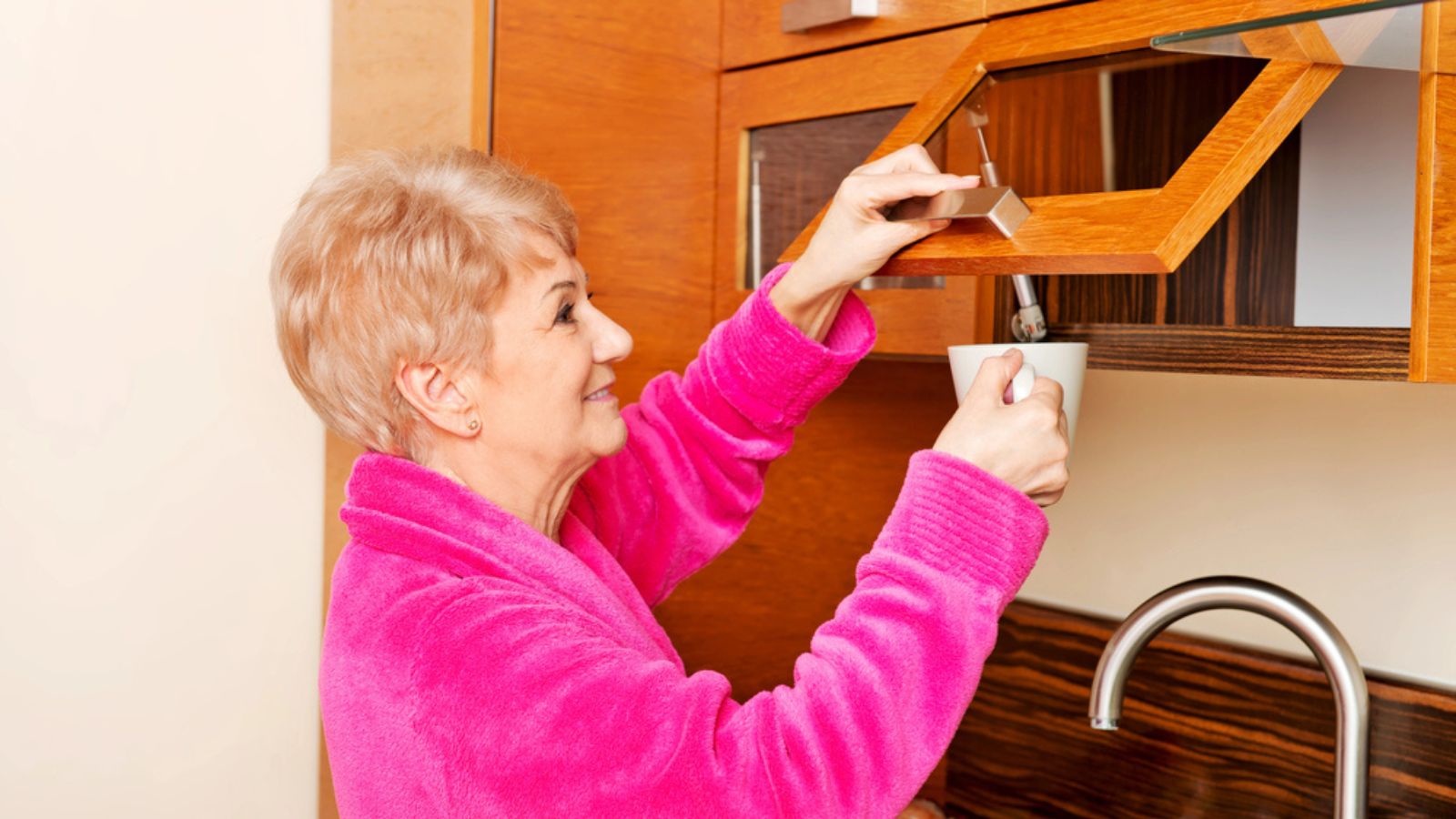
Your cooking needs can change drastically between summer grilling season and the winter holiday baking frenzy. To keep your prime drawer space highly relevant, rotate seasonal tools out of the way when they’re not in use.
During the cold winter months, move ice cream scoops, corn on the cob holders, and BBQ skewers to higher cabinets or a storage bin in the pantry. This makes room for the heavy ladles, roasting thermometers, and carving forks you’ll need.
To avoid buying unnecessary duplicates next year, keep a written or digital inventory of what you’ve stored away. This seasonal rotation maximizes your prime cabinet real estate and keeps your daily cooking routine efficient all year round.
13. Install In-Drawer Knife Blocks
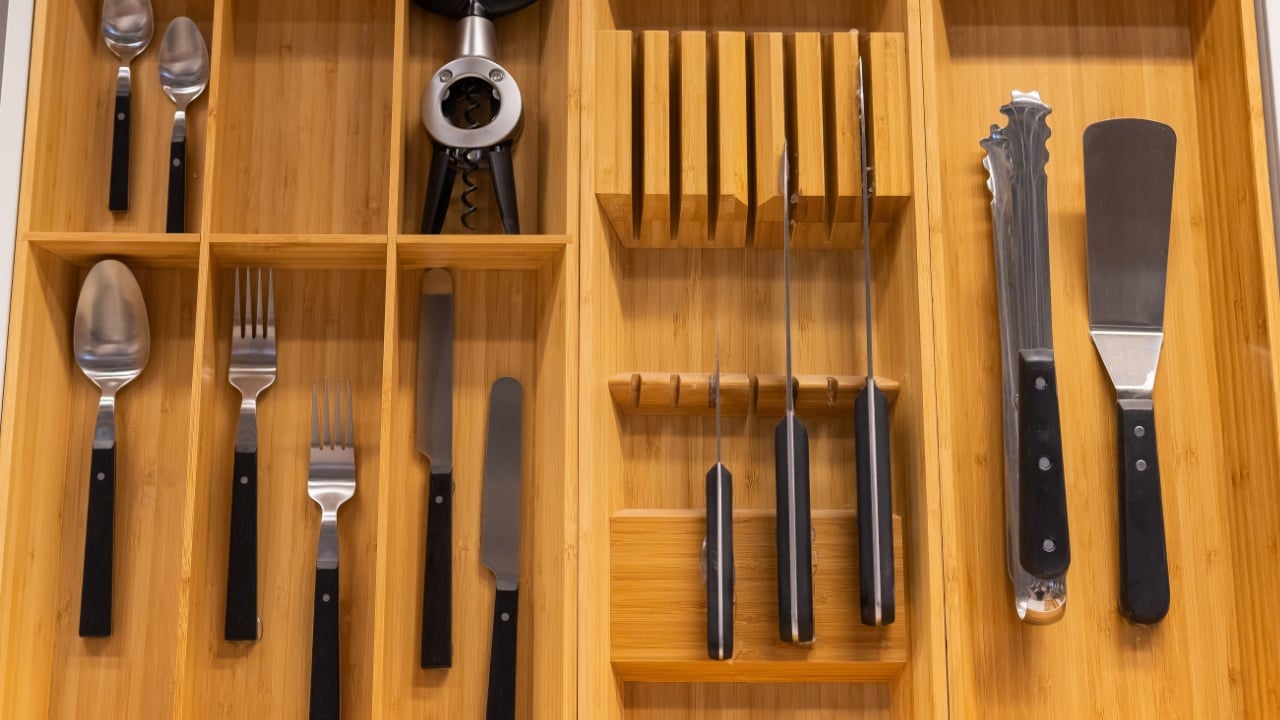
Large countertop knife blocks consume valuable preparation space and can become grimy dust magnets. An in-drawer knife block is a sleek, modern alternative. These slotted wooden inserts are designed to lay your blades flat and keep them securely in place.
Storing knives away from the counter provides a cleaner, more minimalist visual aesthetic and creates a safer environment, especially in households with children.
Arranging your blades by size and type within the wooden grooves protects them from dulling and makes grabbing the right chef’s knife or paring knife effortless. This concealed storage solution keeps your expensive blades protected and your kitchen looking pristine.
14. Use Diagonal Drawer Dividers
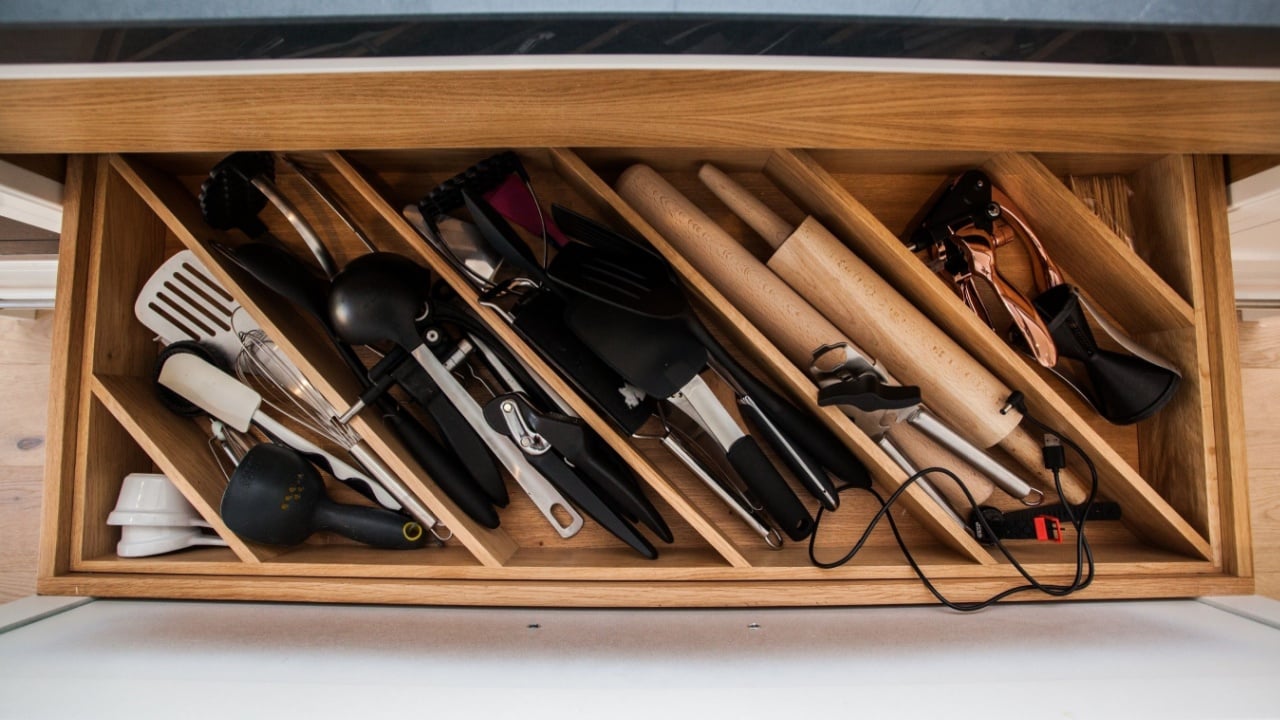
Standard horizontal and vertical dividers are great, but they often fail when it comes to extra-long items like rolling pins, sharpening steels, or oversized wooden spoons. Diagonal dividers solve this problem by stretching from corner to corner, maximizing the longest possible dimension of the drawer.
This angled configuration creates long compartments for your oversized tools while leaving smaller, triangular sections in the corners. These corner nooks are perfect for stashing tiny items that might otherwise get lost, such as wine stoppers, corn holders, or bag clips. You can even customize the angle based on your specific utensils to eliminate awkward overlaps. Angled dividers are a clever and effective solution for storing long tools in standard cabinetry.
Your Kitchen, Reimagined

A little consistency and logical placement go a long way in creating a functional kitchen. By using a few of these techniques, you can turn chaotic cabinets into stress-free workstations.
Grab a few expandable trays or wooden dividers for a single drawer. Sort through those tangled utensils and experience the satisfaction of a perfectly arranged culinary workspace today.
Read More:
14 Space‑Saving Kitchen Storage Ideas You Shouldn’t Live Without