5 Things That Don’t Belong in Cardboard Boxes for Storing
Have you stared at that growing tower of delivery boxes in the hallway and felt a spark of genius? Why buy expensive plastic totes when these brown cubes arrived for free?
It feels like the ultimate life hack to repurpose shipping containers for long-term storage. I certainly fell for this trap when I packed away my college apartment. Six months later, I unpacked a sweater that smelled like a wet basement and a textbook that had become a salad bar for silverfish.
Cardboard is helpful for moving day. It is terrible for almost everything else. If you put your valuables in a cardboard box and shove it into a garage or shed, you are gambling with the safety of your stuff.
Here are five specific categories of items you should strictly keep out of cardboard boxes to avoid heartbreak and expensive replacements.
1. Food Items
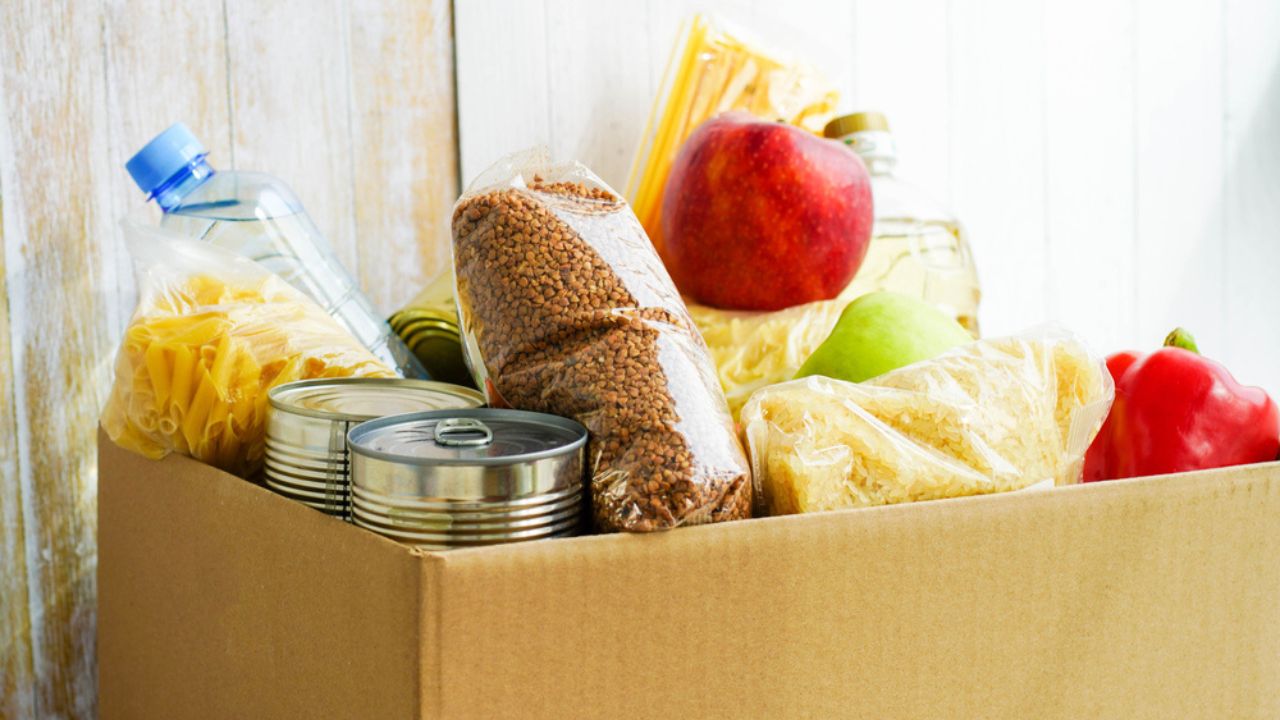
You might feel tempted to organize your pantry overflow or emergency food supply in sturdy liquor store boxes. However, cardboard is an organic material. It smells like trees and glue to pests. Cockroaches are particularly fond of the adhesive used to hold boxes together. When you fill that box with bags of flour, rice, or pasta, you create a beacon for every hungry critter in a five-mile radius.
Rodents can chew through cardboard in seconds. Even canned goods aren’t entirely safe. While a mouse can’t chew through tin, the moisture absorbed by the cardboard box can cause cans to rust. Rust weakens the seal and leads to spoilage. You should always use airtight plastic containers or glass jars for long-term food storage. Hard plastic keeps the smells inside and the pests outside.
2. Clothing and Delicate Linens

We often toss our winter coats or spare bedding into large boxes and shove them into the attic. We assume they will be safe until the first frost. Unfortunately, cardboard is highly absorbent. It pulls moisture right out of the air. When that dampness settles into the fibers of your clothes, it invites mildew and mold. You might open that box next season to find your favorite wool coat covered in fuzzy white spots and smelling musty.
Pests are another major issue here. Crickets, silverfish, and moths love dark, undisturbed cardboard environments. Silverfish specifically feed on the starch in the cardboard and the organic fibers in your clothes. They will eat holes through your linens while you sleep. There is also the issue of acidity. Cardboard is not pH-neutral. Over a long period, the chemicals in the pulp can leach into delicate fabrics. This causes yellowing, especially on white linens or vintage clothing. For fabrics, you want breathable cotton bags for closets or airtight plastic bins with silica gel packets for the attic.
3. Important Documents and Paper Records
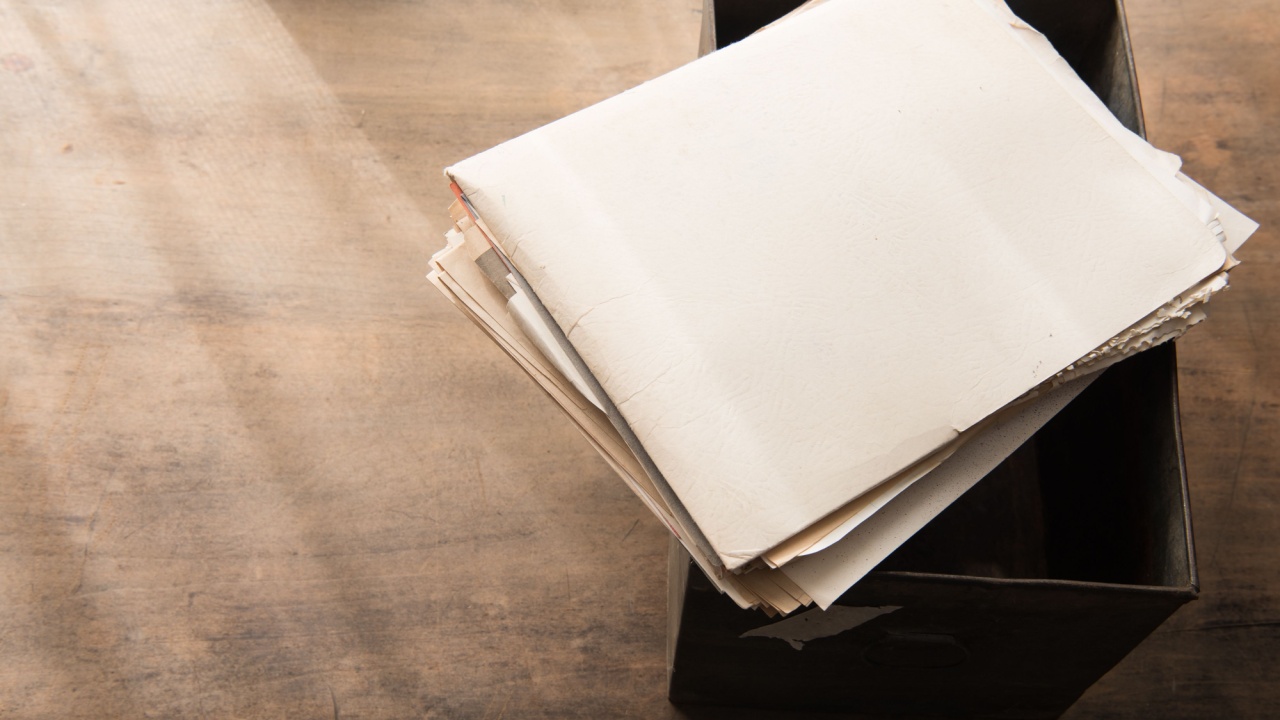
It seems logical to store paper with paper. Stacking tax returns, birth certificates, and property deeds in a banker’s box is a standard practice for many home offices. This is actually one of the riskiest choices you can make. Since documents and cardboard are made of the same base material, they share the same vulnerabilities. In the event of a minor flood or a leaky roof, a cardboard box offers no defense. Once the pages dry after being soaked, they fuse together.
Fire is the other obvious threat. Cardboard is basically kindling. If a fire starts, boxes of paper will accelerate the blaze, and your records will be incinerated immediately. Even without a disaster, the acid in standard cardboard will cause your documents to become brittle and discolored. By the time you need to reference that ten-year-old tax return, it might crumble in your hands. A fireproof and waterproof lockbox is the only responsible choice for sensitive paperwork.
4. Chemicals and Hazardous Materials

Cardboard boxes have never passed a safety inspection for toxic blends or mystery spills. Cardboard is porous and absorbs leaks or drips from anything even remotely hazardous, from cleaning supplies to paint thinners and garden chemicals. The result? Those boxes can break down fast, leaving a soggy, unstable mess that could stain floors and ruin nearby belongings.
Storing hazardous materials in cardboard boxes also means that even slight humidity or a tiny puncture could lead to chemical reactions, fumes, or leaks. Labels can smear, registration numbers fade, and that essential warning suddenly disappears. A stray box of lawn chemicals stuffed in a damp shed isn’t just a storage mistake; it’s a rolling invitation to safety hazards, unexpected stains, or worse, mixing residues from one leaky bottle with another. For anything flammable or potentially toxic, the safest option is always a manufacturer-approved container.
5. Electronics and Gadgets
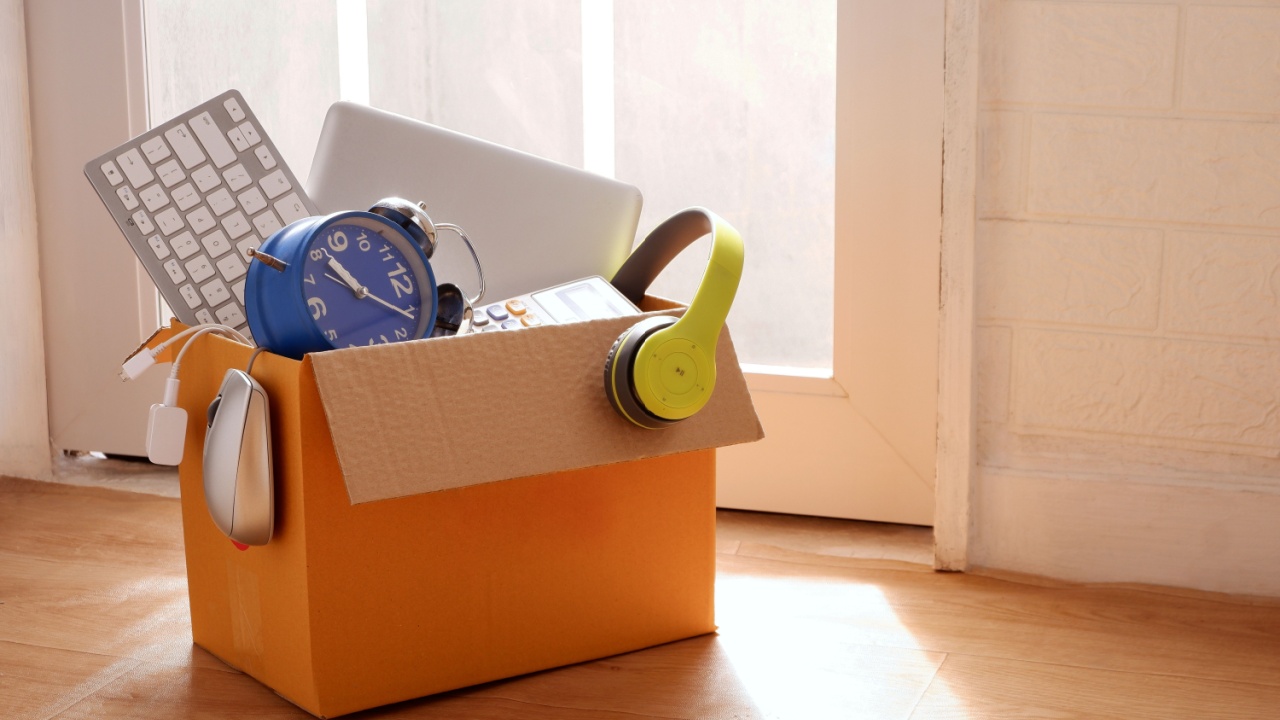
You upgrade your phone or laptop and toss the old one in a “random tech” box. However, dumping electronics into a big cardboard box is a fast way to ruin them. The first problem is static electricity. Cardboard generates very little static on its own, but loose electronics tumbling around inside can build up a charge. Without anti-static bags or proper foam padding, a single discharge can fry the delicate circuits on a motherboard or hard drive.
Heat and moisture are the other killers. Electronics are sensitive to temperature fluctuations. Cardboard offers zero insulation. If that box sits in a hot garage, the heat can damage batteries and melt components. In a damp shed, moisture will corrode the metal contacts on charging ports and battery terminals. Always store electronics in their original packaging if you kept it, or in plastic bins with plenty of bubble wrap and silica gel to control moisture.
Moving Forward with Better Storage

You now know the risks; your belongings deserve better protection. Invest in clear plastic bins with latching lids or store in baskets and bins. The transparency lets you see what is inside without opening it, and the plastic creates a barrier against water and pests.
Add desiccant packets to every bin to control moisture. Label everything clearly with a permanent marker or a label maker. It takes a little more effort upfront, but you will appreciate it when you open a bin five years from now and find your items exactly as you left them.
Read more
6 Pro Organizing Tips from Marie Kondo You Can Start Today
Fix Your Clutter Fast With These 6 Genius Organization Hacks