10 Plants That Japanese Beetles Absolutely Hate (and the One Mistake Making an Infestation Worse)
Most gardeners reach for a spray bottle the moment they see Japanese beetles.
But the gardeners with the most Japanese beetle-free yards aren’t spraying anything; they planted their defense months ago, when they learned which plants do the beetles’ enemies’ work for them.
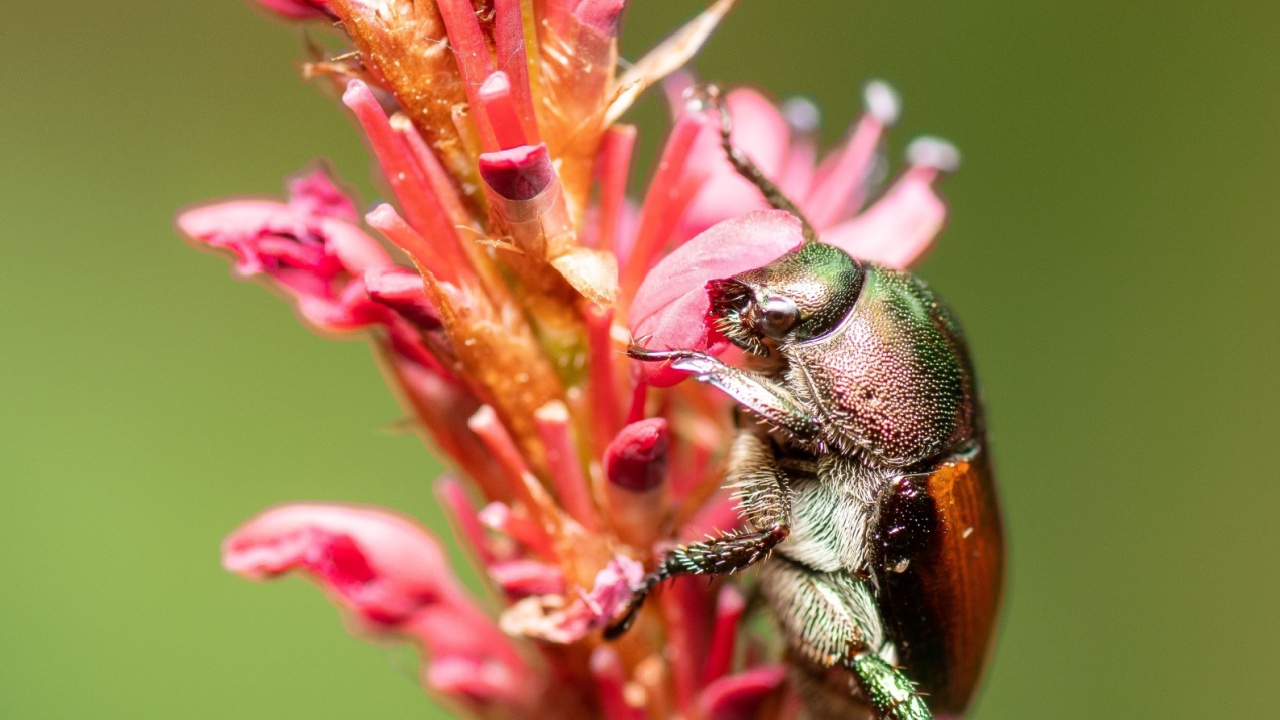
Japanese beetles are not a pest you can outrun once they arrive. Adult Japanese beetles feed on over 300 plant species, and when one beetle lands on a rose or a grapevine, it releases a pheromone that signals to nearby beetles that the bufffiet is open. Within hours, a single plant can host dozens. Roses disappear in days, and beans and raspberries follow.
What actually works to deter Japanese beetles is strategic companion planting, started now, before the main emergence window opens in late June. Japanese beetles are still grubs in your lawn right now, preparing to surface. The six to eight weeks they spend above ground feeding is the entire window they have, and if your garden is not on their preferred menu when they emerge, they will move on.
The following plant selection strategy is similar to what experienced nursery professionals use when designing beetle-resistant gardens, and one plant on this list does something so unexpected that it changes the entire way you think about pest control.
Why Japanese Beetles Are So Hard to Stop (And Why Your Trap Is Making It Worse)
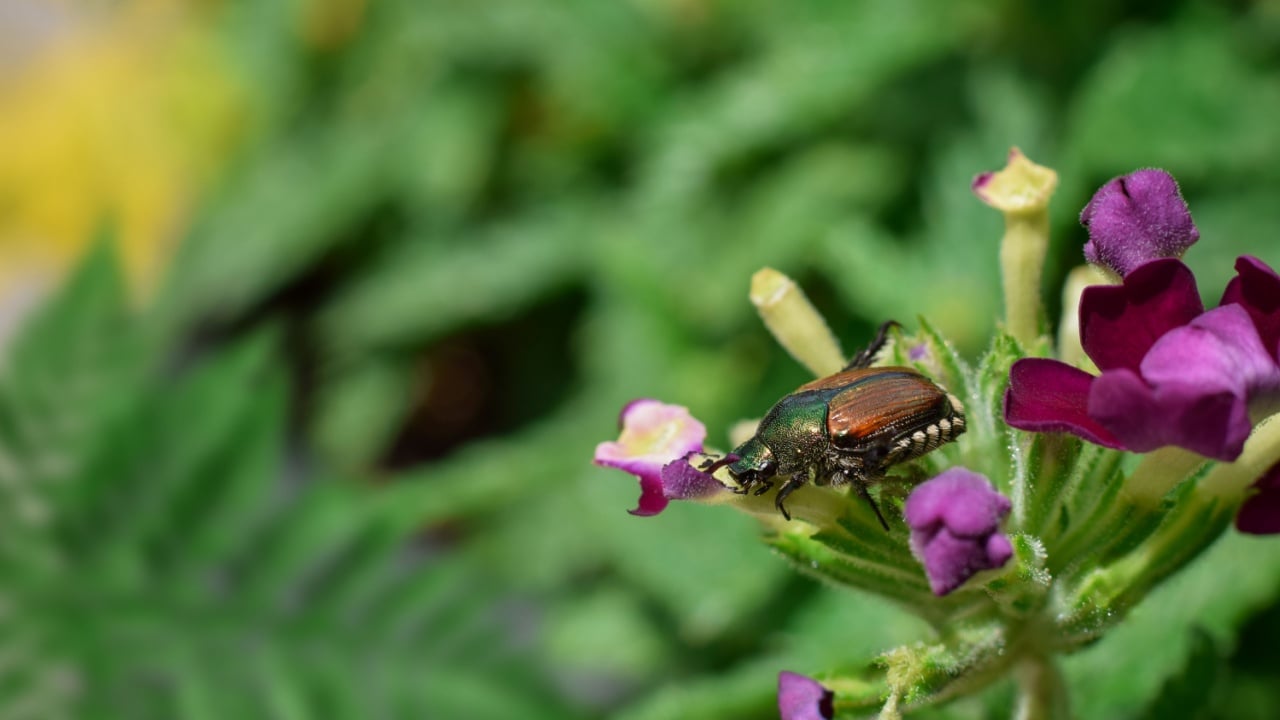
Japanese beetles arrived in the United States in 1916, hitchhiking in a shipment of iris bulbs near Riverton, New Jersey, according to the University of Minnesota Extension in House Beautiful. Without the natural predators that keep them in check in Japan, they spread aggressively across the eastern and midwestern U.S. and show no signs of retreating.
The pheromone feeding mechanism is what makes them particularly destructive. Tom Tiddens, supervisor of plant health care at the Chicago Botanic Garden, explains in Birds & Blooms: “They like to congregate. One beetle finds a good food source, releases a pheromone, and suddenly you’ve got dozens feeding, mating, and multiplying in the same spot.”
This is also why beetle traps are counterproductive; they broadcast that same attractant scent across a wide radius, drawing beetles from neighboring properties directly through your garden.
Geraniums: The Plant That Turns Your Flower Bed Into a Beetle Trap

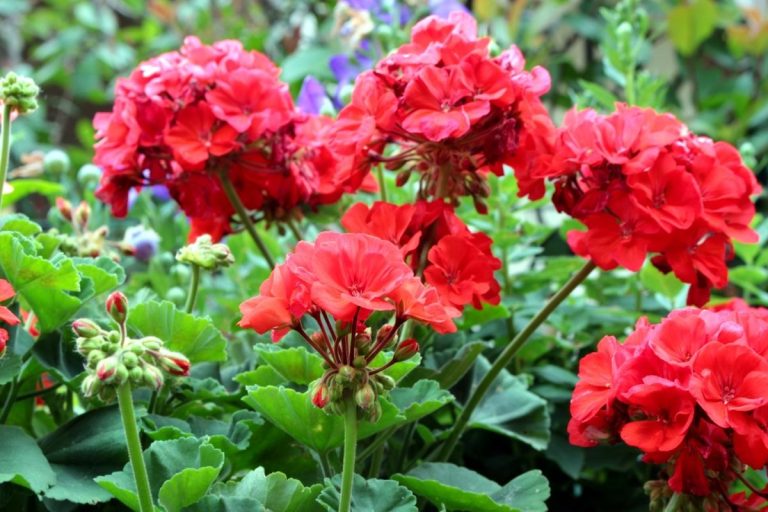
This is the plant that changes the strategy. Rather than repelling Japanese beetles, zonal geraniums (Pelargonium spp.) lure them in and incapacitate them. Pest control expert Mariah Baggio-Deibler of Pest Master, cited in Homes & Gardens, notes that geranium petals contain paralyzing compounds that can affect beetles for up to 24 hours, during which many are killed by predators such as birds and other insects.
This compound is called quiscolic acid and is found in geranium petals. According to Epic Gardening, when Japanese beetles feed on geranium blooms, they fall to the ground and lie on their backs, temporarily paralyzed, for up to 24 hours. In that window, predators can pick them off. Tagawa Gardens reports that extensive research confirms this paralysis effect is consistent across all geranium petal colors, making geraniums among the few flowering plants that actively repel beetles rather than simply discouraging them.
The strategic move is to interplant geraniums near your most vulnerable plants, like roses, grapevines, and beans, and check beneath them each morning. You will often find paralyzed beetles that you can simply collect and drop into soapy water, completing the job the plant started. For gardeners who have been losing roses to beetles for years, this single technique is frequently the turning point.
Catnip and Catmint: The Underrated Border Plants Beetles Refuse to Cross
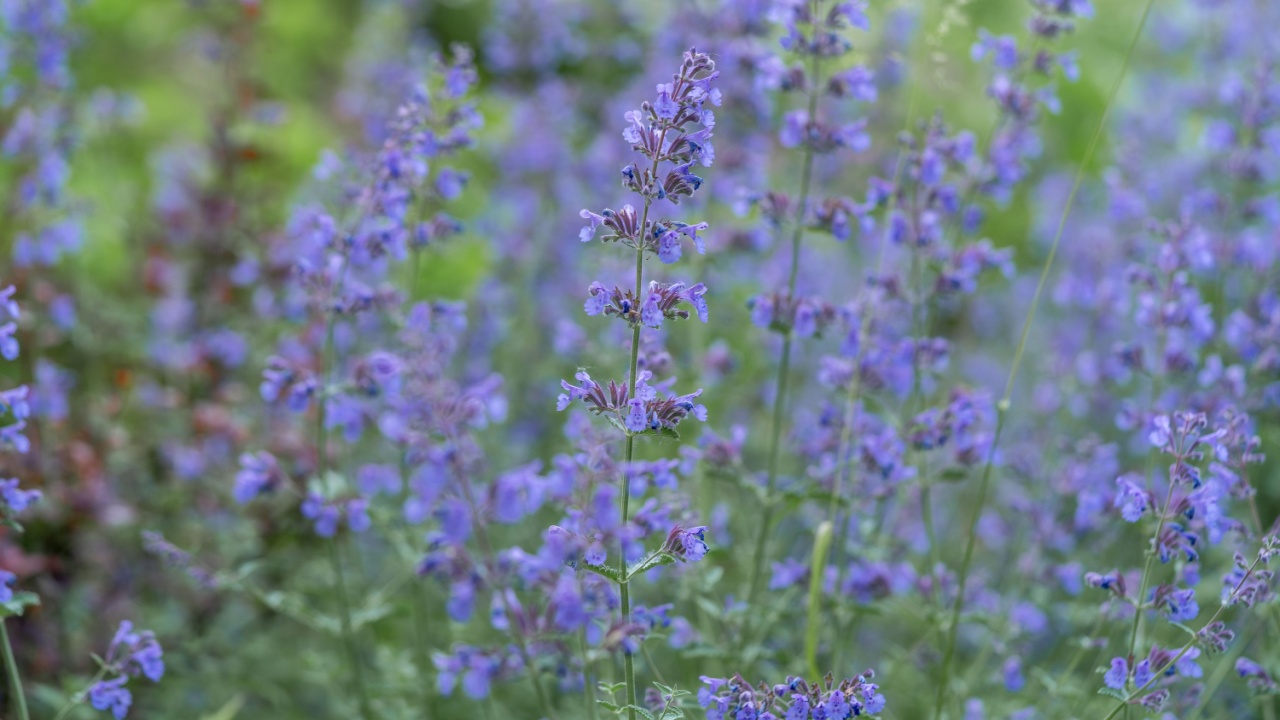
Catnip (Nepeta cataria) is best known for its effect on cats, but Jana McDaniel, pest control expert and founder of First Saturday Lime, confirms in Homes & Gardens that the compound responsible, called nepetalactone, is also highly effective at repelling Japanese beetles. Planted as a low border or ground cover beneath roses, it creates a chemical barrier that beetles consistently avoid.
Catmint (Nepeta x faassenii) is the ornamental cousin with the same repellent chemistry and more refined appearance, which has waves of soft purple flowers in early summer that attract pollinators.
Both types of nepeta are drought-tolerant and deer-resistant. As a bonus, catnip also repels aphids, squash bugs, and rabbits, so it earns its place in the garden many times over.
Garlic and Chives: The Kitchen Garden Weapons You’re Not Using
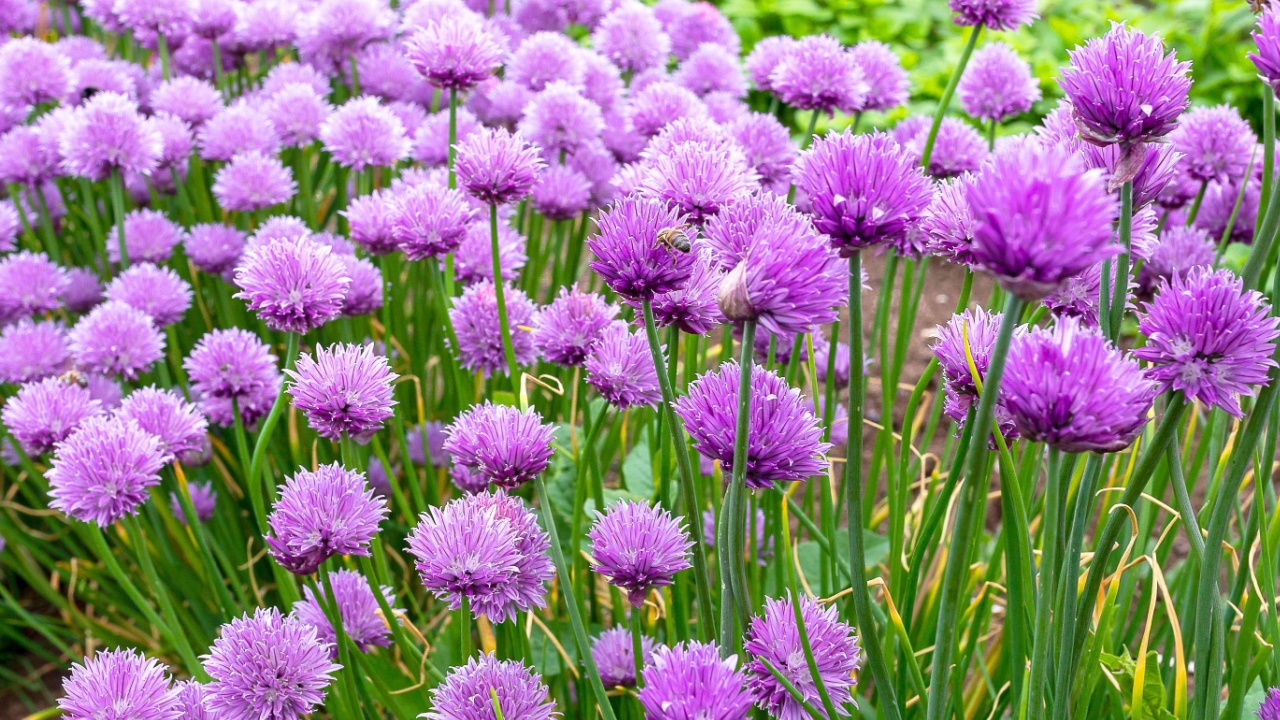
Your grandmother planted garlic near her roses for a reason, and it wasn’t just for cooking. The sulfur compounds in garlic, particularly allicin, act as a natural insecticide, according to Jana McDaniel in Homes & Gardens. Tom Tiddens of the Chicago Botanic Garden confirms in Birds & Blooms that anything with onion or garlic chemistry is simply unappealing to Japanese beetles.
Chives are the easiest entry point; they perennialize with almost no care, produce edible blades and ornamental lavender flowers that pollinators love, and interplant naturally among both roses and vegetables. Gardeners who use a perimeter of marigolds and chives around their kitchen gardens commonly report saving $100 to $300 worth of produce per season that would otherwise be lost to beetles.
Plant garlic bulbs this fall to have an established barrier ready before next summer’s emergence window.
Chrysanthemums: The Flower That Contains a Natural Insecticide
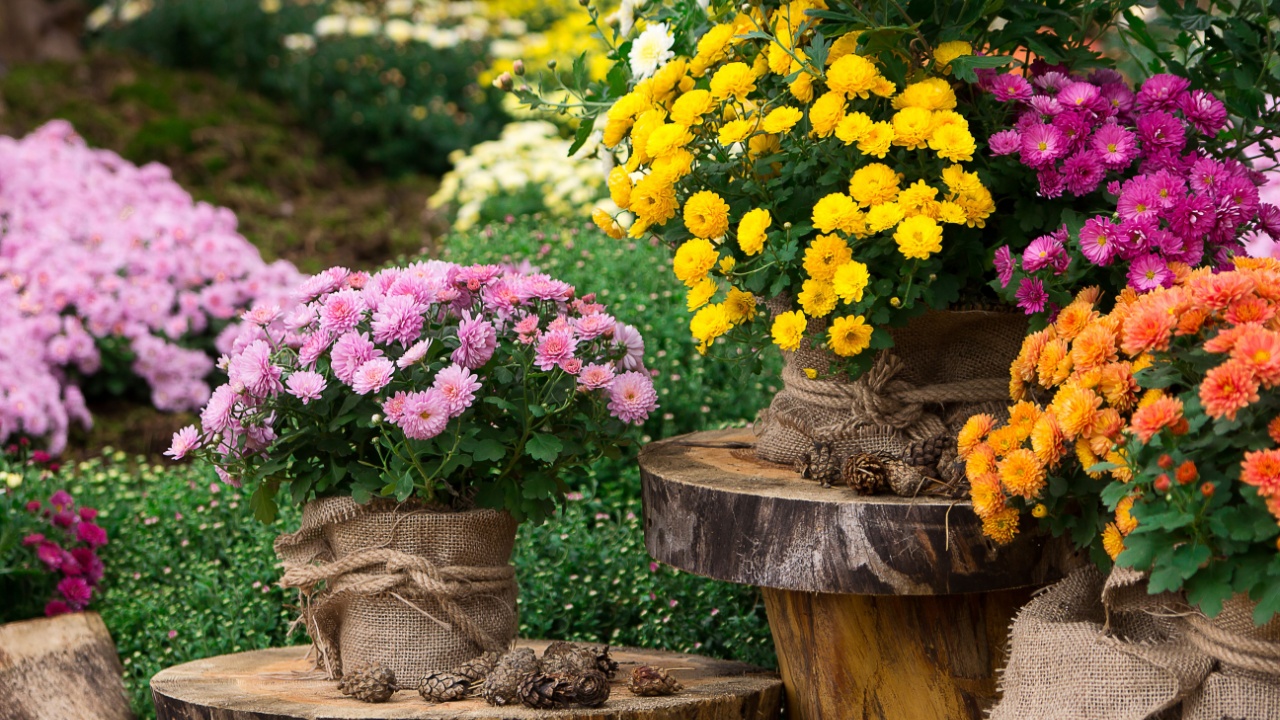
Most gardeners think of chrysanthemums as a fall decoration. What they don’t realize is that mums contain pyrethrin, a natural insecticide powerful enough to form the basis of many commercial pesticide products. Mariah Baggio-Deibler of Pest Master explains in Homes & Gardens that pyrethrin targets the beetles’ nervous system and kills them shortly after contact.
Planted in a border around susceptible plants, chrysanthemums create a chemical perimeter.
They grow best in full sun with well-draining soil (zones 3 to 9) and return reliably each year when planted as perennials. However, if you are a pet owner, it’s important to note that chrysanthemums are toxic to dogs and cats if ingested, so place them thoughtfully in yards with free-roaming animals.
Anise Hyssop: What Nursery Professionals Plant When They’re Serious
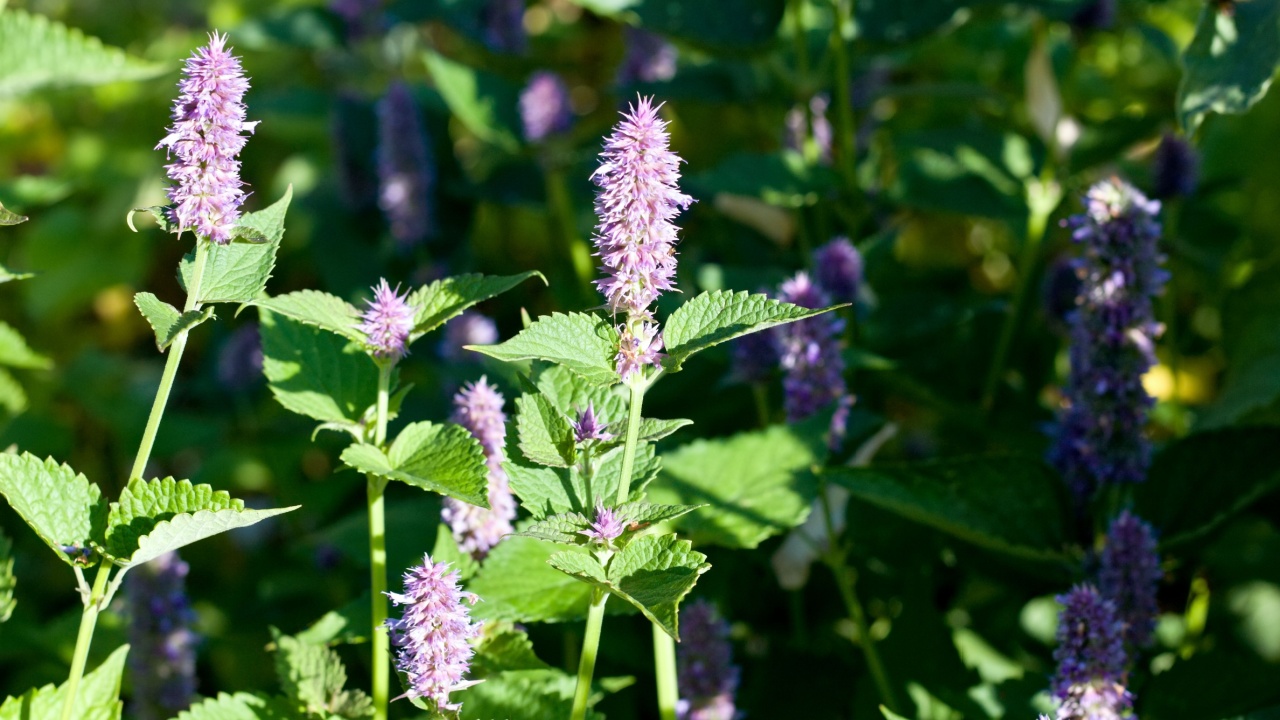
Most gardeners have never heard of anise hyssop (Agastache foeniculum), but nursery professionals growing their own display gardens almost always have it. Jana McDaniel of First Saturday Lime notes in Homes & Gardens that its licorice-scented foliage is unappealing to beetles. It is also known as hummingbird mint, and for good reason; pollinators of every kind flock to its purple cone-shaped flowers while beetles look elsewhere.
Anise hyssop is drought-tolerant, thrives in zones 4 to 8, and handles the heat and alkaline soils that trouble many other plants. It is particularly well-suited to gardeners in drier, hotter climates who need a low-maintenance perennial that pulls double duty as a pollinator magnet and pest deterrent.
If you can find only one new plant to add this spring, this is the one.
Lilacs, Boxwood, and Magnolia: The Structural Plants Beetles Consistently Ignore

The Old Farmer’s Almanac and the USDA Japanese Beetle Program Manual both formally list lilacs, boxwood, and magnolia as resistant plants, which are among the most authoritative endorsements available. These plants are also landscape workhorses: plant lilacs for spring fragrance, boxwood for year-round structure, and magnolia for statement impact.
Critically, if you have Japanese maples in your garden, know that they are among the beetles’ most preferred targets. Switching to an Eastern redbud (Cercis canadensis) gives you nearly identical ornamental impact (heart-shaped leaves, spectacular early spring flowers, brilliant fall color) with virtually no beetle interest. Tom Tiddens of the Chicago Botanic Garden confirms in Birds & Blooms that making smarter plant selections is the most sustainable long-term control strategy available.
Coreopsis, Dusty Miller, and Coral Bells: Low-Maintenance Perennials Beetles Won’t Touch
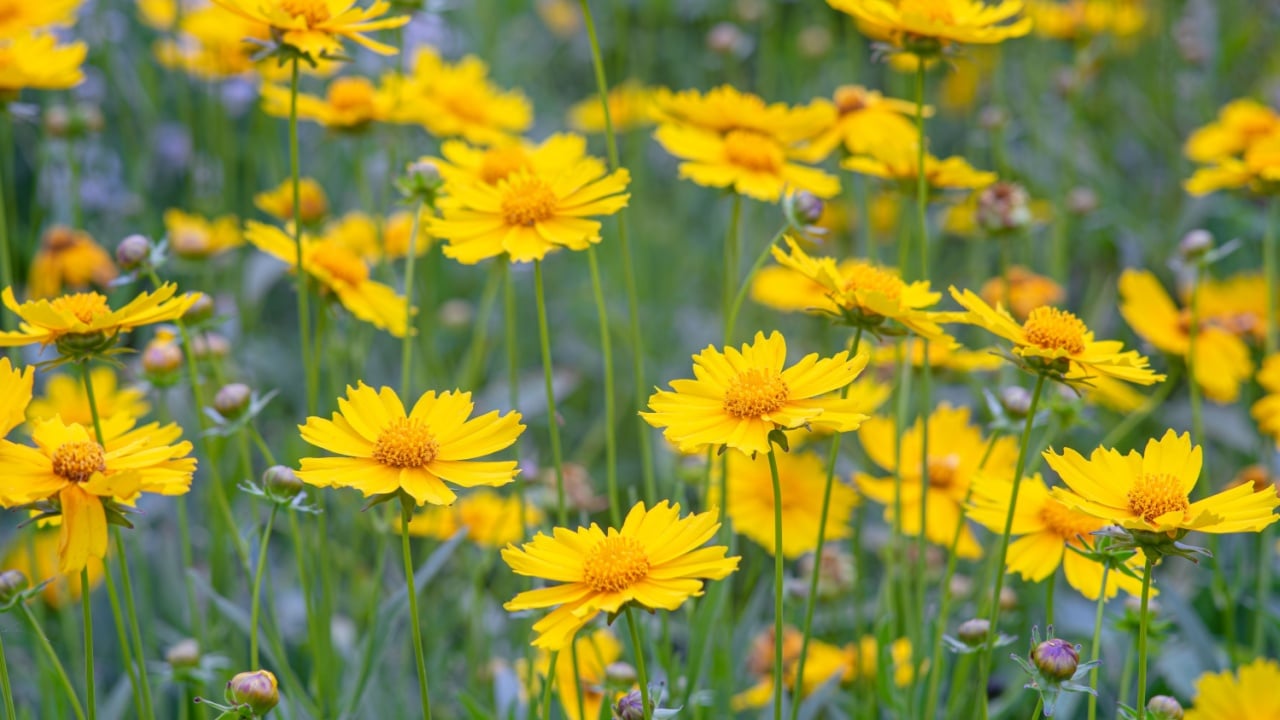
Tagawa Gardens and Gardening Know How both confirm coreopsis, dusty miller, and coral bells as reliable Japanese beetle-resistant perennials.
Coreopsis is a North American native that blooms from early spring through late fall, requires almost no care, and feeds bees and butterflies through the season. Dusty Miller’s fuzzy, silvery leaves are bitter enough that beetles pass right by. Coral bells (Heuchera) offer shade-tolerant ground cover in rich colors like burgundy, lime, and bronze, in spots where other plants struggle.
All three require minimal fertilizer, cost almost nothing to establish from divisions, and return for years without replanting.
Marigolds and Nasturtium: The Classic Companion Plants That Still Earn Their Keep
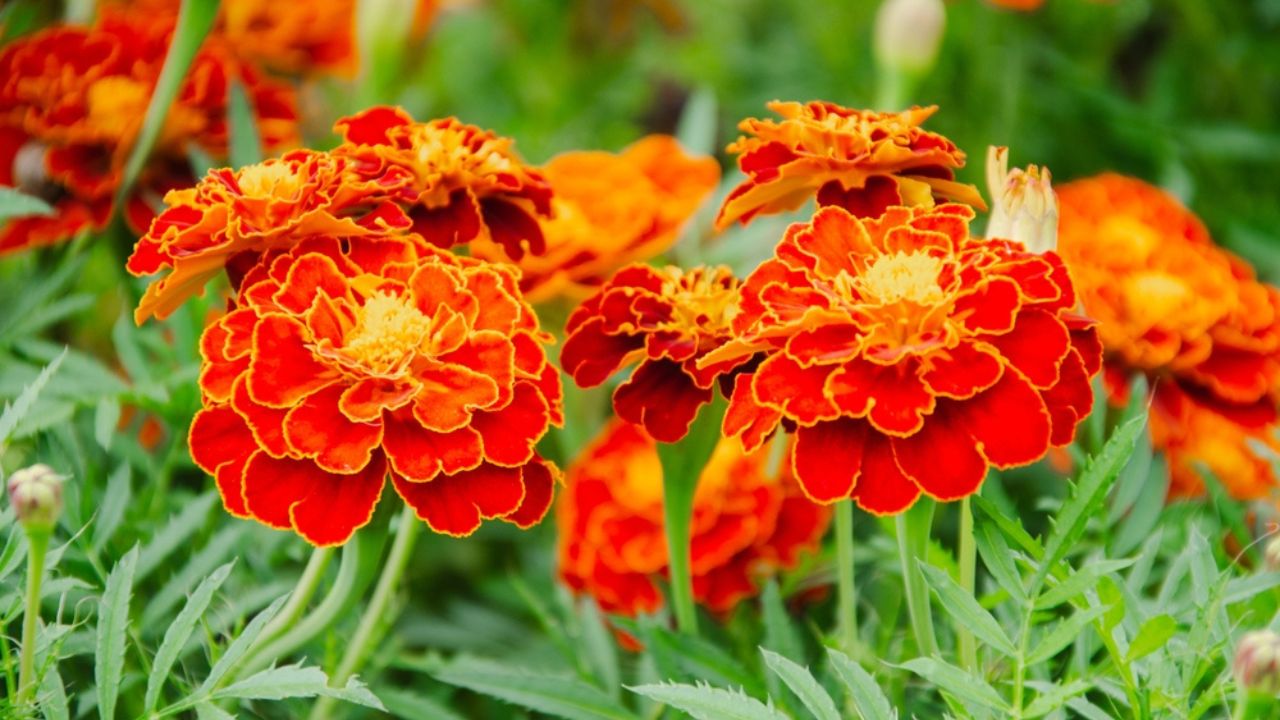
There is a reason every experienced vegetable gardener eventually surrounds their beds with marigolds. Their pungent, citrusy scent confuses and deters beetles, and Tom Tiddens of the Chicago Botanic Garden calls them “a classic companion plant” in Birds & Blooms. Nasturtium adds another layer: its peppery foliage masks the scent of more desirable host plants nearby, while also attracting parasitic wasps that prey on beetle larvae.
According to Garden Design, interplanting these species near susceptible crops is one of the most cost-effective protective strategies available.
The Mistake That’s Been Feeding Your Beetles All Along
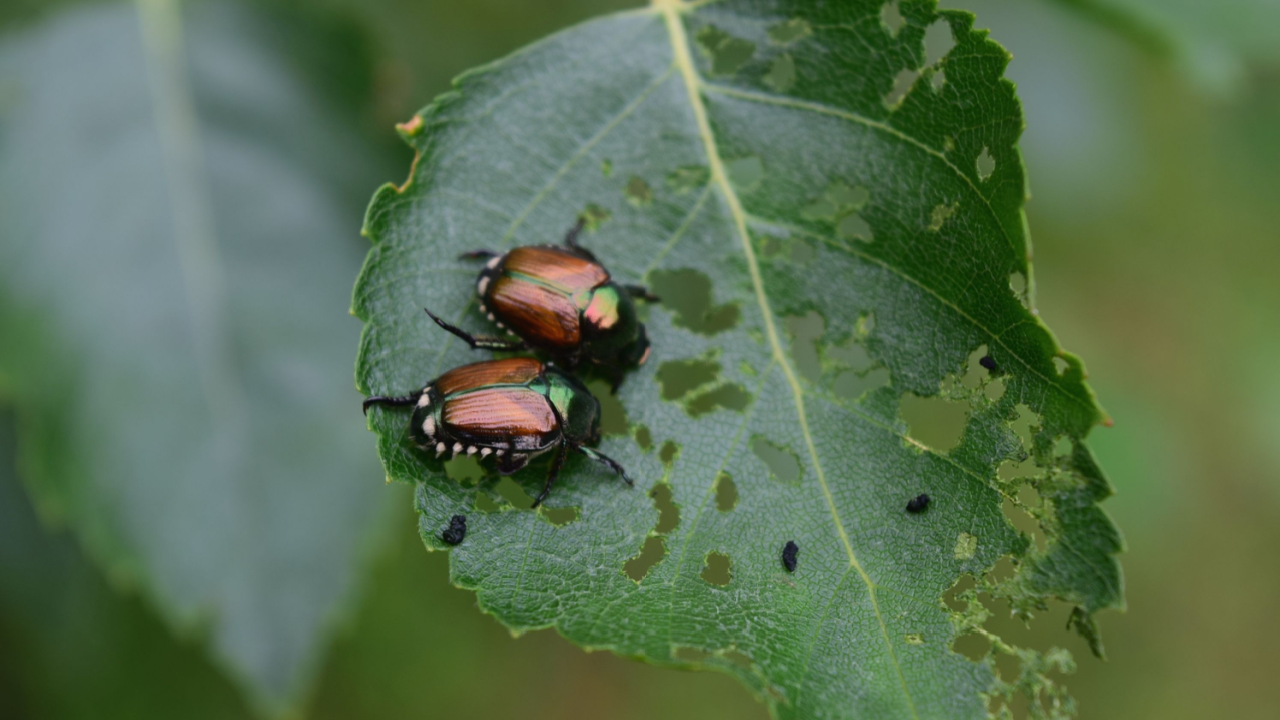
Here is the villain in this story, and it is probably in your garage right now: the Japanese beetle trap.
Garden Design and House Beautiful both flag this clearly: beetle traps use powerful attractant lures that pull insects from a wide surrounding area, and beetles stop to feed on your garden plants before reaching the trap. If you have been using one and your infestation has felt relentless, now you know why.
The second mistake is ignoring the grub stage. The beetles destroying your garden in July are the same insects that were feeding on your grass roots last fall as larvae. Treating your lawn with beneficial nematodes or milky spore in late summer dramatically reduces the adult population that will emerge the following summer, and it costs far less than replacing devastated roses.
Small Choices, Lasting Results
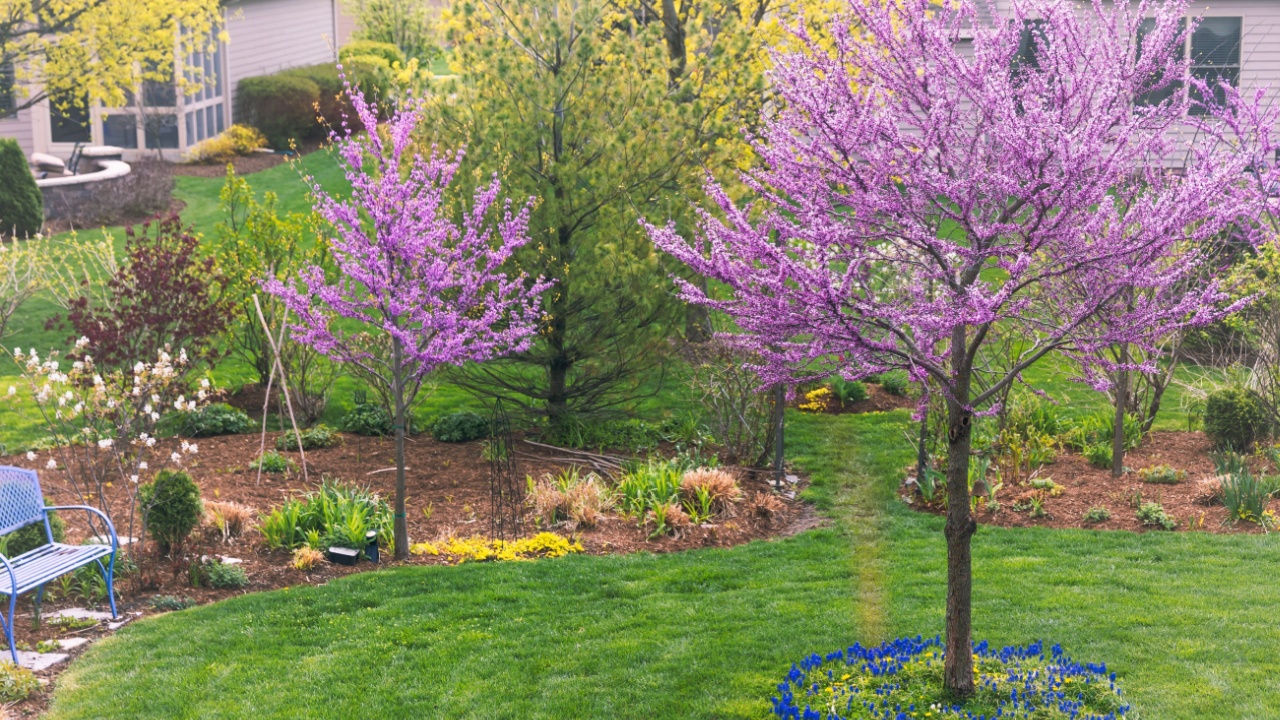
You do not have to rebuild your entire garden to stop Japanese beetles. Add a border of catnip along your rose bed. Tuck geraniums near your grapevines and check beneath them each morning. Swap a Japanese maple for a redbud. Replace one row of beans with a nasturtium border. These are not dramatic overhauls; they are small, strategic choices that compound season after season.
The most damage-free gardens are rarely the result of the best sprays. They are the result of someone who learned, years ago, what to plant, and had the patience to let the plants do the work.
This spring, that knowledge is yours.
Read more:
Why wildlife experts are telling people to take down their bird feeders
Plant these 10 companion plants with your tomatoes — and stop planting these 4