
15 New Home Red Flags to Be Wary Of
Buying a house is a bit like trying to navigate a minefield while wearing a blindfold. You walk in, see a shiny new kitchen island, and suddenly lose the ability to spot the massive crack running down the living room wall (maybe an exaggeration, but you get the point). That fresh coat of paint smells like victory, but it might be covering up a multitude of sins.
This guide will help you keep your head on straight when the allure of stainless steel appliances starts to cloud your judgment. We are going to look at 15 specific warning signs that a property might be more trouble than it is worth. By the end, you will know exactly what to look for from the roof down to the basement, so you can sign those papers with confidence rather than anxiety.
1. The Ground Slopes Toward the House

Water is the enemy of any structure. When rain falls, gravity needs to pull it away from your foundation. If you look at the yard and notice the ground angling down toward the siding, that is a problem.
Negative grading acts like a funnel. It directs storm runoff straight into your basement or crawlspace. Fixing this requires significant landscaping work to regrade the soil. Ignoring it often leads to wet basements, mold growth, and eventual structural damage as the foundation erodes.
2. Amateur DIY Improvements

We all love a good weekend project, but not everything should be DIYed. Besides, some homeowners bite off way more than they can chew. Spotting shoddy craftsmanship is easier than you might expect. Look for tile lines that weave like a snake, baseboards that do not quite meet at the corners, or deck railings that wobble when you lean on them.
If the visible work looks sloppy, the hidden work is likely worse. Amateur plumbing or electrical wiring poses serious safety hazards. A seller who cuts corners on the backsplash probably did not hire a licensed electrician to install that new ceiling fan.
3. Fresh Paint in Random Spots
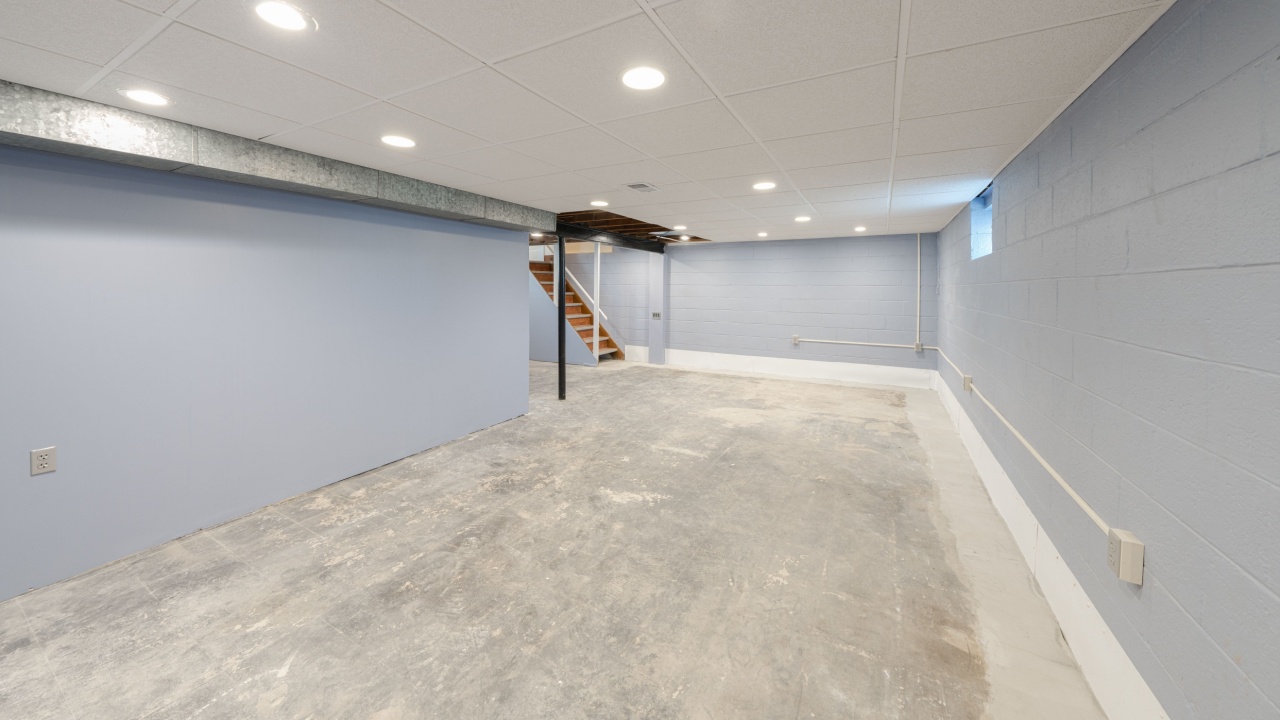
A completely freshly painted house is nice. A single, freshly painted wall in a basement is suspicious. Sellers often use paint to mask water stains, mold, or cracks.
Pay attention to smells and visual inconsistencies. If one section of the ceiling looks brighter than the rest, ask why. While they might just be touching up scuffs, they could also be hiding a leak from the bathroom upstairs. Paint is the cheapest way to cover up an expensive problem.
4. Musty Smells and Air Fresheners

Walking into a home that smells like a meadow of synthetic lavender should trigger an alarm bell. Overpowering scents from candles, plug-ins, or sprays are frequently used to mask unpleasant odors.
Mold, mildew, and pet urine have distinct smells that are hard to remove. If the air is thick with perfume, take a deep breath in a closet or down in the basement where the air fresheners might not reach. A musty odor indicates moisture issues that could cost thousands to remediate.
5. Water Stains on Ceilings
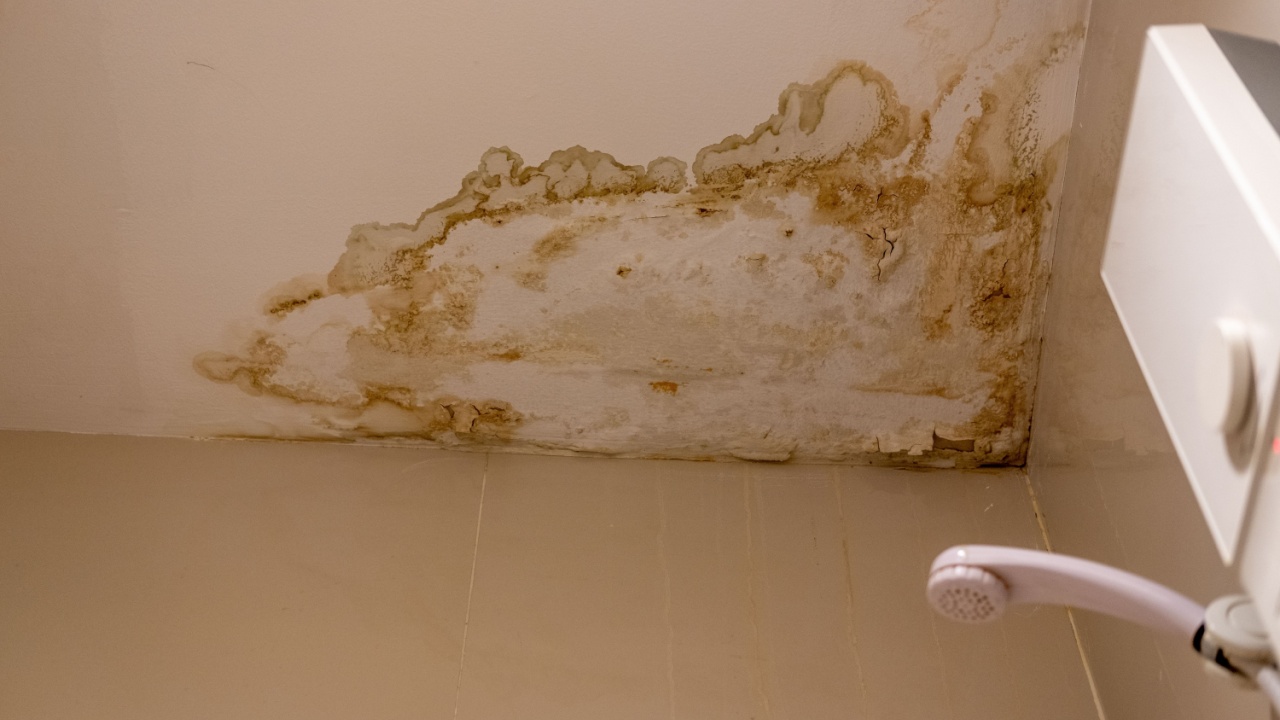
Look up. Brown rings, or discoloration on the ceiling, are classic signs of water damage. Even if the stain feels dry to the touch, it indicates that water found a way in at some point.
Sellers might tell you they fixed the leak, but you need proof. Ask for receipts from a roofing company or a plumber. Without documentation, you have no way of knowing if they actually solved the problem or just waited for a sunny week to put the house on the market.
6. Windows That Are Hard to Open

Stuck windows are annoying, but they also signal structural shifting. As a foundation settles or heaves, the frame of the house twists. This distorts door and window frames, making them stick or refuse to latch.
Go around and try to open several windows. If you have to use brute force to slide them up, check the foundation for cracks. This is rarely just a case of old paint sealing the window shut; it is often a symptom of a house that is moving in ways it shouldn’t.
7. An Old Roof
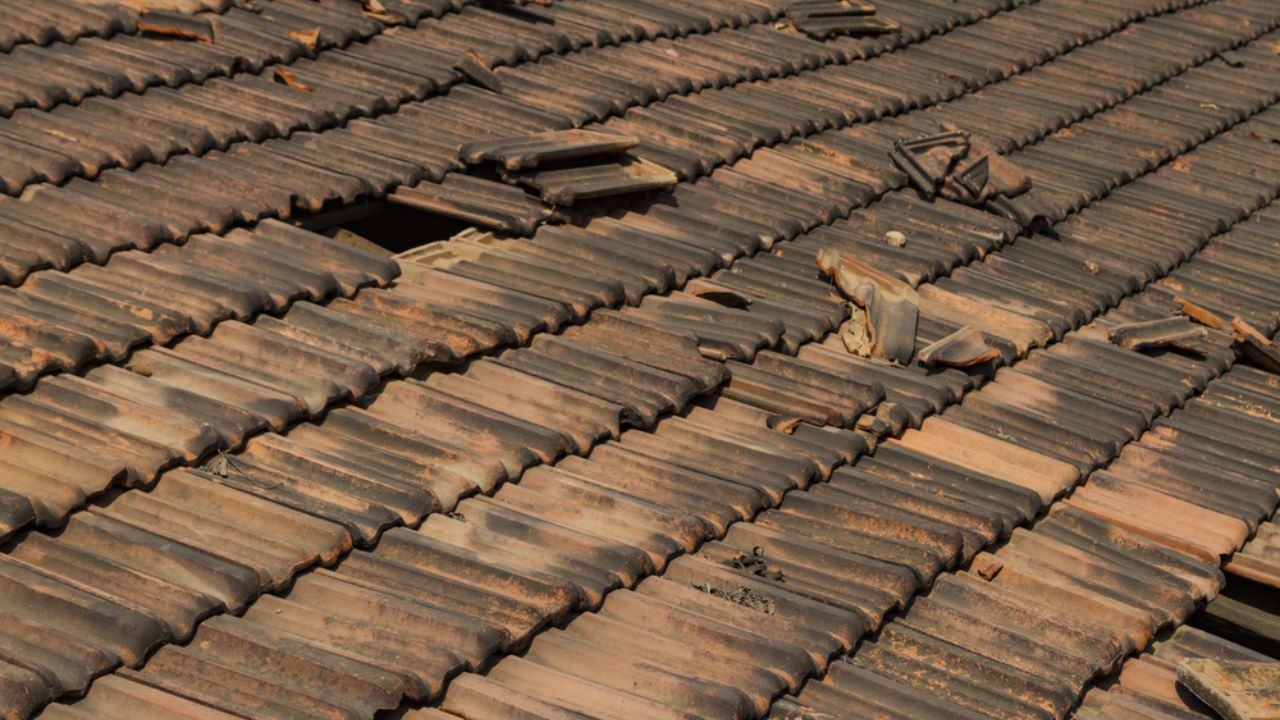
Roof replacements are one of the most expensive maintenance items a homeowner faces. Stand across the street and look at the shingles. Are they curling at the edges? Do you see bald spots where the granules have worn away?
A roof near the end of its life means you will be writing a very large check shortly after moving in. Insurance companies may also refuse to cover the home until the roof is replaced. This may add a complication to your closing process.
8. Sagging Floors

As you walk through the rooms, take a moment to notice what your feet are telling you. Does the floor dip slightly in the middle, creating an uneven surface? Perhaps you feel a subtle slope, as if you’re walking uphill or downhill in certain areas. These sensations can reveal more about the structure of the space than what meets the eye, offering clues about potential settling or wear over time.
Sagging floors usually point to issues with the floor joists or the main support beam in the basement. Insect damage, rot from moisture, or unauthorized removal of load-bearing walls during a renovation can all cause this. Fixing structural supports is invasive and costly.
9. Flickering Lights

Flip the switches in every room to see what happens. If the lights flicker like a scene from a horror movie, make a weird buzzing sound, or take a suspiciously long time to come on, you could be looking at an electrical system that’s either outdated or seriously overloaded.
Old wiring, such as knob-and-tube or aluminum wiring, is a fire hazard and often uninsurable. A modern panel with clearly labeled breakers is a good sign. A fuse box or a tangled mess of wires suggests the electrical system needs a complete and expensive overhaul.
10. Poor Drainage Around the Exterior
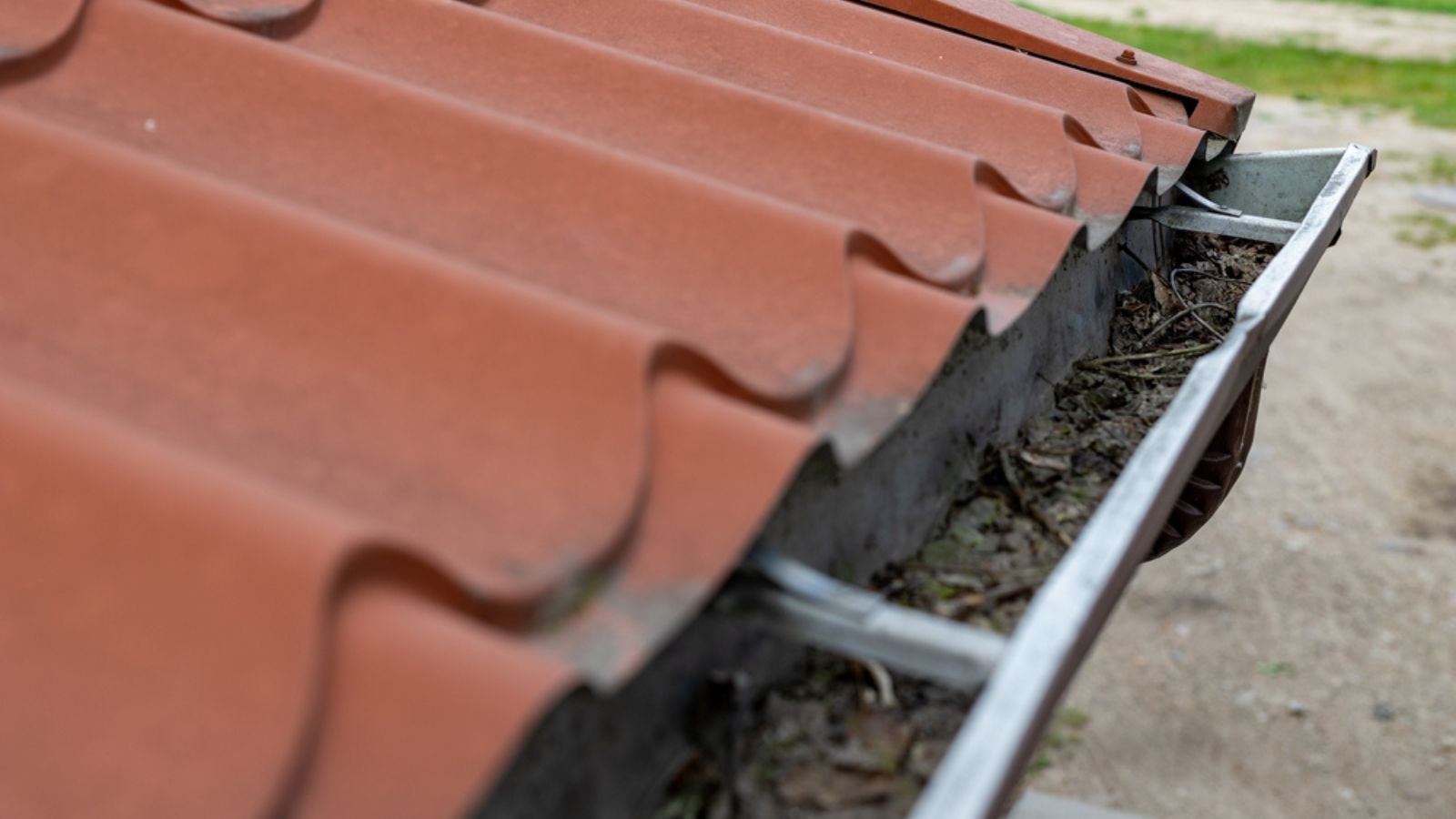
Take a lap around the outside of the house. You want to see downspouts that extend at least five feet away from the foundation. If the gutters dump water directly at the base of the wall, that water is pooling against the concrete.
Check for standing water or soggy patches of grass near the house. Effective drainage is vital for a dry basement. If the current owners have neglected this, water pressure has likely been building up against the foundation walls for years.
11. Cracks in the Foundation
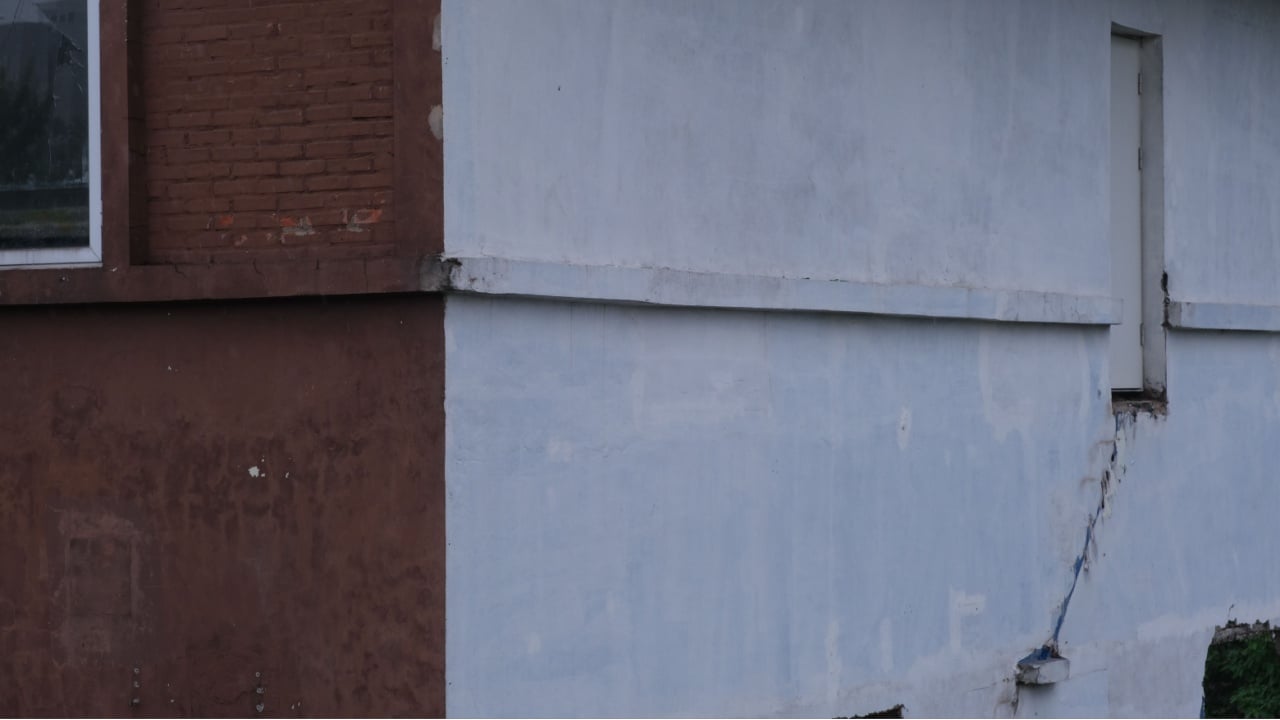
Hairline cracks in concrete are common, but large gaps are a major warning sign. Look for cracks that are wider than a quarter-inch or cracks that look like stair steps climbing up the wall.
Horizontal cracks are particularly concerning as they indicate the soil outside is pushing the wall inward. If you see these, or if you see attempts to patch them with epoxy or mortar, you need a structural engineer to evaluate the severity before you proceed.
12. Lack of Permits for Additions

If a listing highlights features like a “brand new master suite” or a “finished basement,” make sure to ask for the permits that back up the work. Renovations completed without proper permits might look appealing, but they can quickly lead to legal and financial headaches down the line.
Municipalities can force you to tear down unpermitted work if it violates the code. Furthermore, if a fire starts in unpermitted wiring, your insurance company might deny the claim. Unpermitted work could result in fines, difficulties during resale, or even safety concerns if the work wasn’t completed to code. Verify that the square footage on the tax record matches what is currently built.
13. High Utility Bills

Ask the seller to provide the last 12 months of utility bills. If the heating cost is astronomical in the winter, the house likely lacks proper insulation or has drafty windows. High energy costs can add up quickly and make a seemingly affordable house far more expensive to live in each month.
Consistent spikes in water usage could indicate a hidden leak in the main line or plumbing system. Unresolved leaks can cause water damage behind walls, encourage mold growth, and drive up your costs long before you even notice any damp spots. These bills give you a glimpse into the true cost of operating the home that the listing price doesn’t show.
14. Pests and Insect Damage
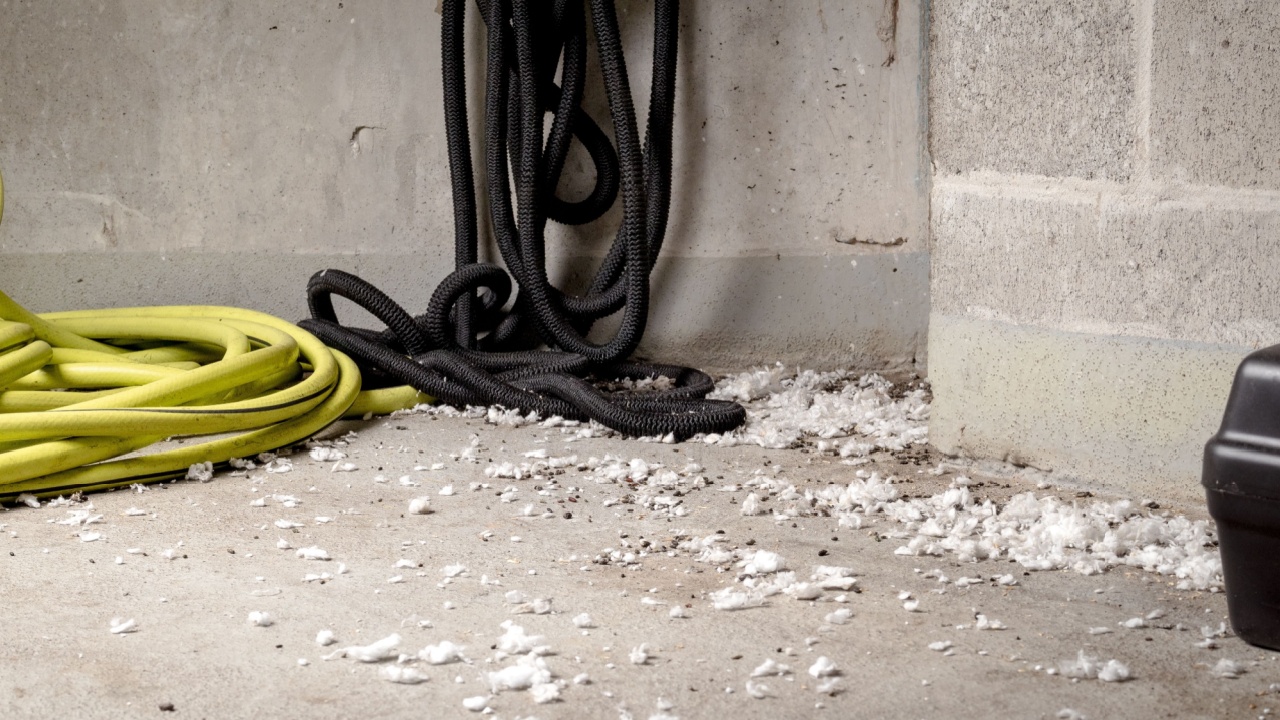
Keep an eye out for small piles of sawdust near wooden beams, which can indicate carpenter ants or termites. Mouse droppings in the back of cabinets or in the attic are another red flag. Inspect window sills, baseboards, and attic corners for signs of chewed wood, nests, or insect activity, as these hidden spots often reveal issues overlooked during routine cleanups.
Pests are relentless. Once they establish a colony, removing them is difficult. Termite damage specifically compromises the structural integrity of the wood frame. A clear pest inspection report is essential, but your own eyes can spot early warning signs.
15. The Neighborhood Condition

You are buying the land and the location just as much as the structure. Look at the neighboring properties. Are the yards maintained? Are there abandoned cars or boarded-up windows nearby?
A house in perfect condition loses value if the neighborhood is in decline. Issues with neighbors, noise levels, or local zoning changes are things you cannot fix with a trip to the hardware store. Drive through the area at night to see if the vibe changes from how it feels during the day.
Before You Make an Offer

Some home-buying mistakes can cost you big. However, identifying a red flag does not automatically mean you have to walk away. It means you need to pause and investigate. If you spot any of these issues, your immediate move is to bring in a specialized inspector. A general home inspector is great, but they are generalists.
If you suspect foundation trouble, hire a structural engineer. If the roof looks dicey, pay a roofer for an hour of their time to give you a real estimate. Use these findings to negotiate. You can ask the seller to make repairs or drop the price to cover the cost of the work. Information is your best leverage. Do not be afraid to ask tough questions, and remember that walking away is always better than buying a money pit.