
12 Things to Never Do If You Hear a Noise at Night
Waking up to a strange noise in your home creates immediate fear. Your heart races, and your mind struggles to identify the source of the crash or footstep. It is a terrifying experience that forces you to make split-second decisions while still groggy from sleep.
Most sounds end up being harmless occurrences, like an ice maker dropping cubes or a pet jumping off a sofa. Reacting poorly to these noises can lead to embarrassment, but reacting poorly to a genuine intruder poses serious physical danger. It is vital to know exactly how to handle yourself when silence breaks unexpectedly.
This guide outlines twelve specific errors people make during these stressful moments. Take a look at what actions you should avoid to keep your household safe and secure. These points offer practical defense strategies for anyone wanting to protect their family.
1. Do Not Call Out

Many people instinctively shout a challenge when they hear a noise downstairs. It seems natural to demand identification, but this action gives away your location immediately. An intruder now knows exactly where you are and that you are awake. This removes any tactical advantage you might have held by remaining silent.
Stay quiet and listen intently instead of using your voice. Your silence doesn’t alert the intruder, who likely expects an empty or sleeping house. This pause gives you precious seconds to formulate a plan or dial emergency services without alerting the person inside your home.
2. Do Not Go Out to Investigate
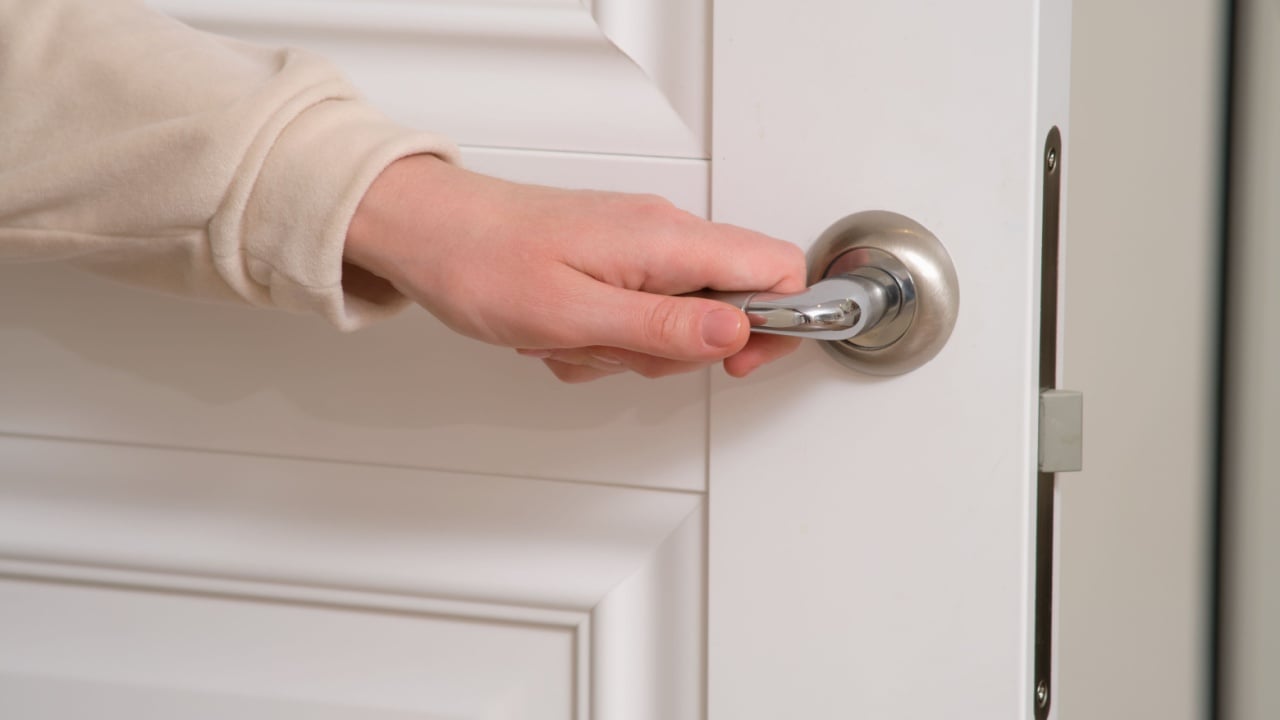
Movies often show the homeowner grabbing a bat and creeping downstairs to inspect a noise. In reality, leaving the relative safety of your bedroom puts you in harm’s way. You do not know if the intruder is armed, if there is more than one person, or where they are standing in the dark.
Safety experts advise staying inside your room and focusing on securing that specific area. Investigating the rest of the house increases the chances of a physical confrontation you might not win. Let professional law enforcement officers clear the building while you remain behind a locked barrier.
3. Do Not Turn on the Lights

Flipping a light switch might seem like a good way to scare off a burglar, but it usually works against you. If you turn on the hallway or bedroom light, you ruin your night vision. You also create a backlight effect that makes you a clear silhouette to anyone watching from the shadows.
Keep the environment dark to maintain an advantage over someone unfamiliar with your floor plan. You know where the furniture sits and which floorboards creak. Use the darkness to hide your movements while the intruder struggles to navigate an unfamiliar space.
4. Don’t Keep Your Bedroom Door Open

A locked bedroom door serves as a critical layer of defense. Many homeowners leave their interior doors unlocked or even open at night for air circulation. If you hear a noise, the very first action should be to close and lock that door quietly.
Consider reinforcing this barrier with a simple door wedge or a chair under the knob if a lock is absent. This small obstacle buys you time to call for help and creates a mental barrier for the intruder. Most burglars prefer easy targets and may bypass a locked room entirely.
5. Do Not Assume It Is Nothing

Complacency is a significant risk when dealing with potential break-ins. It is easy to convince yourself that a loud thud was just the house settling or a tree branch hitting a window. Ignoring your instincts can delay your reaction time if someone actually is inside.
Treat every unexplained noise with caution until you prove otherwise. It is far better to be safe and feel slightly foolish than to ignore a real threat. Listen for follow-up sounds like footsteps, whispering, or the squeak of a second door opening.
6. Do Not Make Sudden Noises

Panicking often leads to clumsy movements that create noise. Knocking over a glass of water or slamming a drawer alerts the intruder to your presence and panic level. Sound travels easily through a quiet house at night.
Move with deliberate slowness if you must move at all. Breathe through your mouth to keep your respiration quiet and avoid sudden shifts in weight on a creaky mattress. Remaining undetected is your primary goal until help arrives.
7. Do Not Grab a Weapon You Are Not Trained To Use
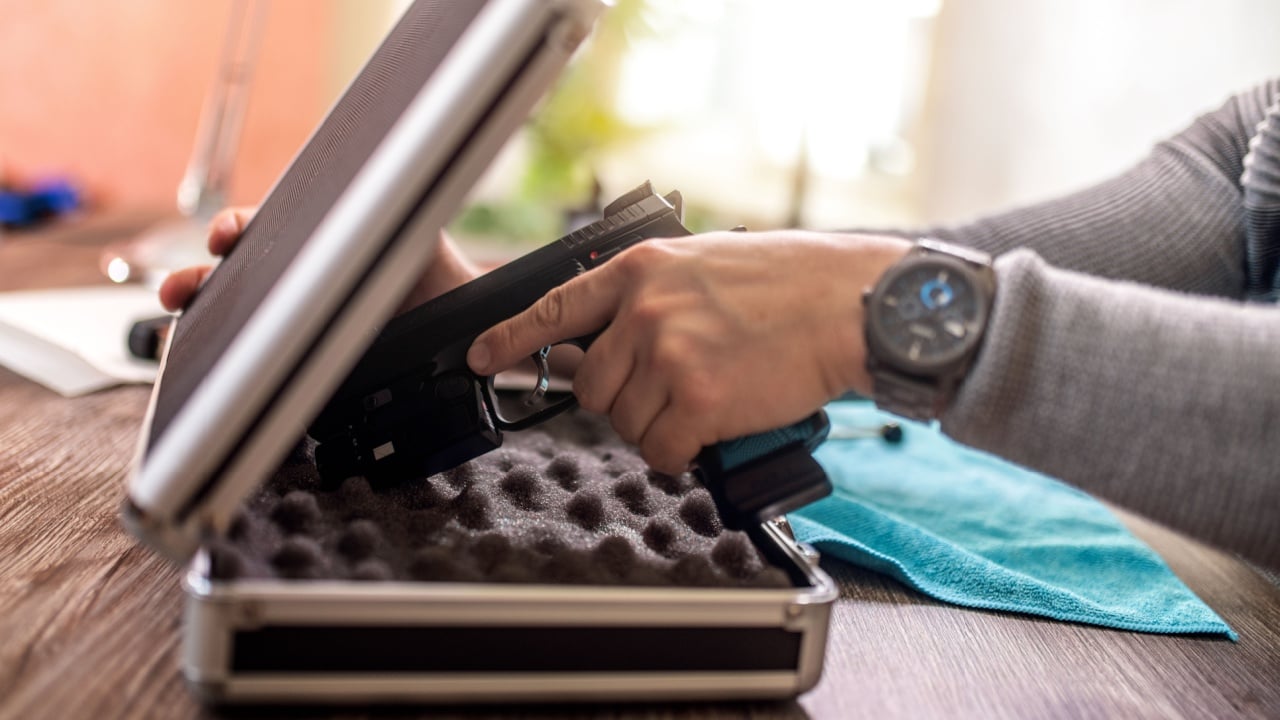
Reaching for a firearm, knife, or baseball bat offers a sense of security that may be false. If you lack proper training or experience with a weapon, an intruder can easily take it from you and use it against you. Adrenaline affects your fine motor skills, making it hard to aim or swing effectively.
Crime experts advise focusing on escape or concealment rather than confrontation. If you do own a weapon for self-defense, commit to regular practice so you know how to handle it under stress. Without training, a weapon introduces more risk than safety to the situation.
8. Do Not Hang Up on Emergency Dispatchers

If the situation warrants calling 911, stay on the line until the operator tells you to hang up. Some people call, give their address, and hang up to hide, but this severs the link to help. Dispatchers can listen to what is happening in the background and relay that information to arriving officers.
Put the phone down without hanging up if you need to be silent. Leave the line open so the operator can record audio evidence and monitor the safety of the situation. They can also tell you when police have arrived, so you do not mistake officers for the intruder.
9. Do Not Ignore Your Pets’ Behavior

Animals have sharper senses than humans and often detect threats long before we do. If your dog is growling deep in its throat or standing stiffly while staring at the door, pay attention. Conversely, if your dog is snoring peacefully, the noise you hear might not be a threat.
Trust your animals’ reactions as an early warning system. If a usually vocal dog suddenly becomes silent or hides, that indicates fear. Use their behavior to gauge the severity of the situation without leaving your secure area.
10. Do Not Emerge Prematurely
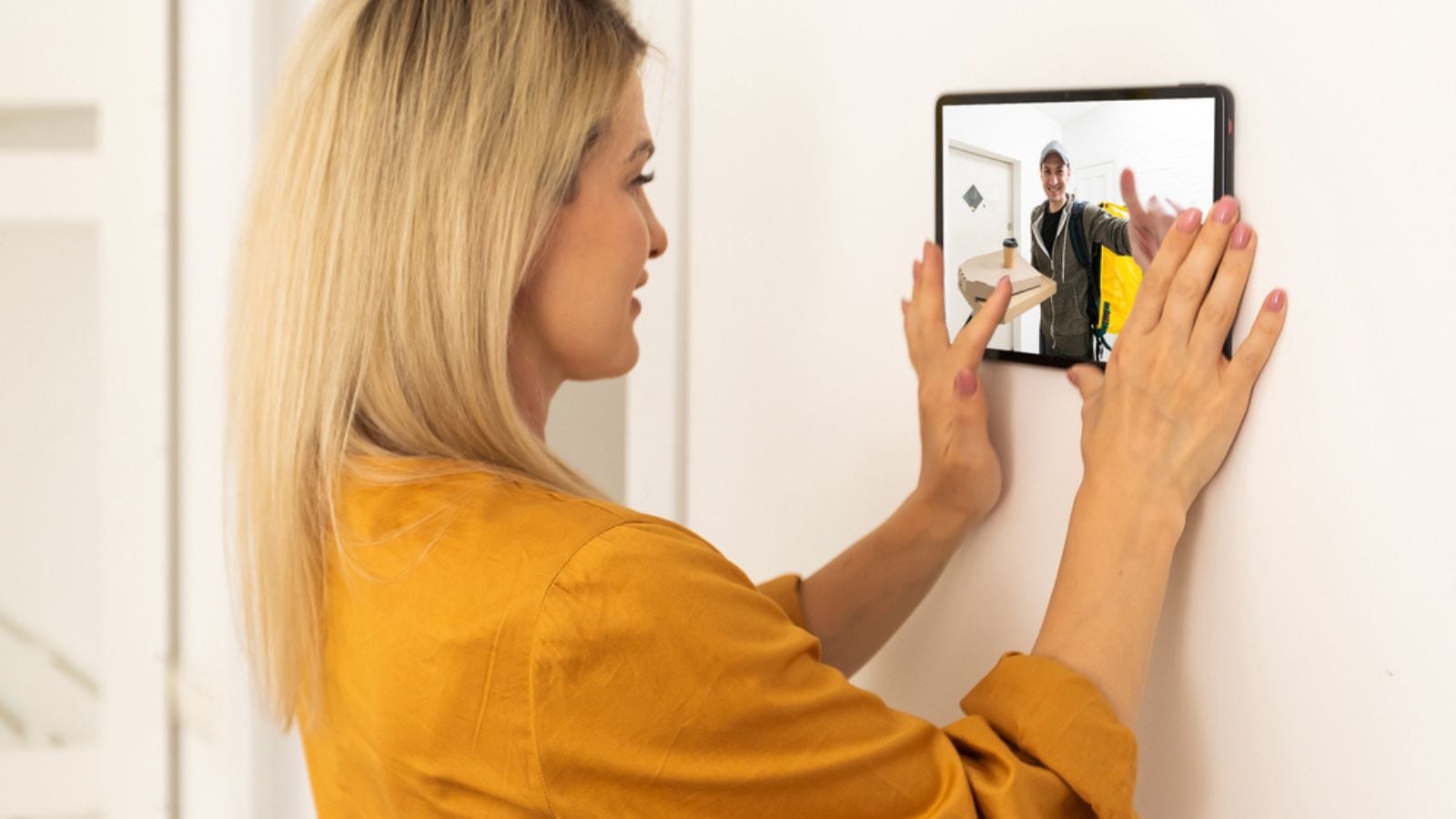
Intruders sometimes claim to be police to trick homeowners into unlocking the door. Never open your door until you have verified that the voice on the other side belongs to a genuine officer. Blind trust can lead to opening your defenses to the very person you want to avoid.
Ask the dispatcher to confirm that officers are at your specific door. You can also ask the person outside to slide identification under the door or give a badge number you can verify with 911. Stay hidden and secure until you have absolute proof of safety.
11. Do Not Forget to Silence Your Phone

A ringing phone or a loud text notification will instantly reveal your hiding spot. The light from a screen can also illuminate your face in a dark closet. These digital signals act like beacons in a dark, quiet room.
Dim your screen brightness to the lowest setting and switch the phone to silent mode immediately. If you are on the line with 911, whisper or use text to communicate without speaking. Managing light and sound discipline is vital for concealment.
12. Do Not Block Your Only Escape Route
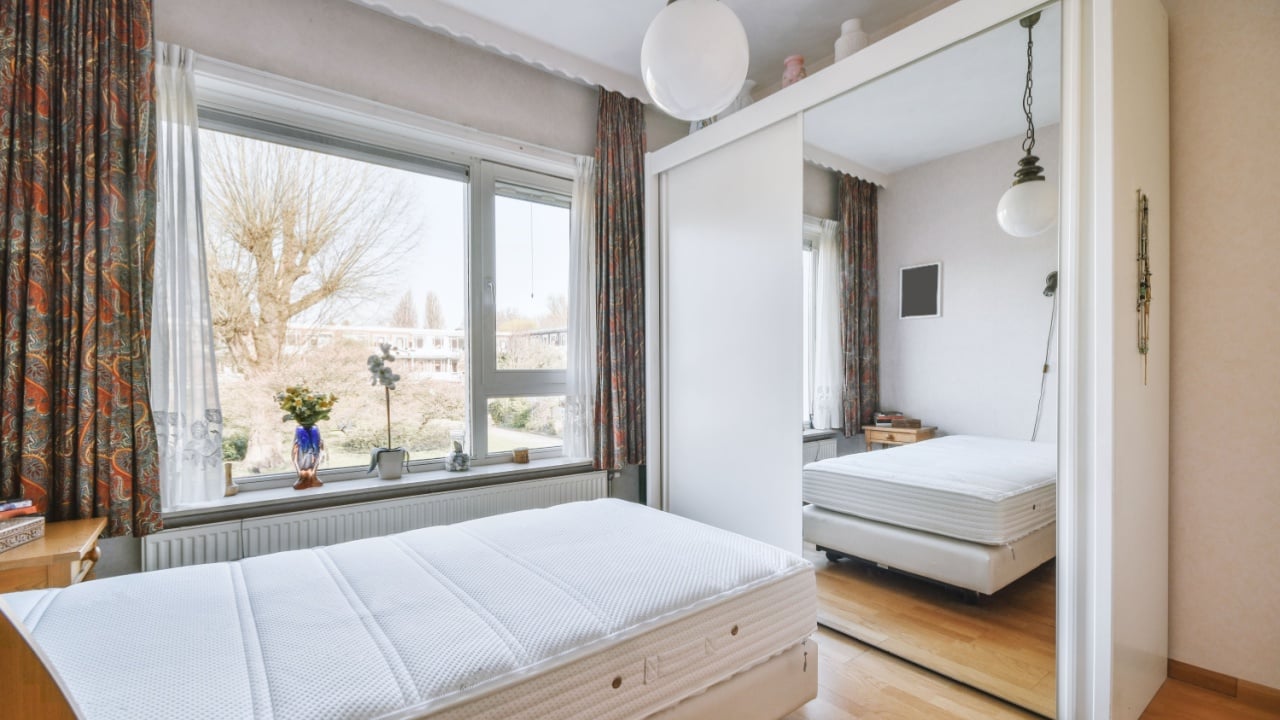
While barricading the door is smart, you must not trap yourself completely. If the intruder tries to break into the bedroom, or if the break-in involves arson, you need a secondary way out. Piling too much heavy furniture in front of the door might make it impossible for the police to enter or for you to flee.
Identify a window or an adjoining bathroom as a secondary exit. Keep this path clear of clutter so you can use it instantly if the bedroom door is breached. Having options for movement prevents you from being cornered.
Stay Safe and Prepared

Implementing safety measures ahead of a crisis can make a significant difference. Discuss safety points with everyone in your household so you all know how to react to nighttime noises. Run a simple drill where everyone practices locking their doors and staying quiet rather than running into the hallway.
You can also improve your home security to prevent these scares entirely. Install motion-sensor lights around the perimeter and reinforce door frames with heavy-duty strike plates. Taking these preventative actions allows you to sleep soundly, knowing you have prepared for any situation.
Read More:
13 Home Security Mistakes That Put a Home at Risk
11 Innovative Home Security Tips to Keep the Upper Hand on Thieves