Want a Home That Feels Classy? Try These 16 Home Upgrades
A home’s character often comes from the small details that accumulate to create a big impression. Elevating a living space is frequently accomplished through thoughtful, targeted enhancements. It is the careful selection of finishes, fixtures, and textures that transforms a standard room into a statement of personal style and refinement.
Interior design experts agree that the difference between an ordinary house and a genuinely classy home lies in the details and the intention behind them. You must consider how each element contributes to the overall feeling of the space. From the way light interacts with a room to the tactile experience of a surface, every choice can add a layer of polish.
This guide will walk through 16 specific upgrades that bring a sense of class to any home. Each point is designed to be an accessible change, offering practical ways to introduce elegance without requiring a major teardown.
1. Install Crown Molding
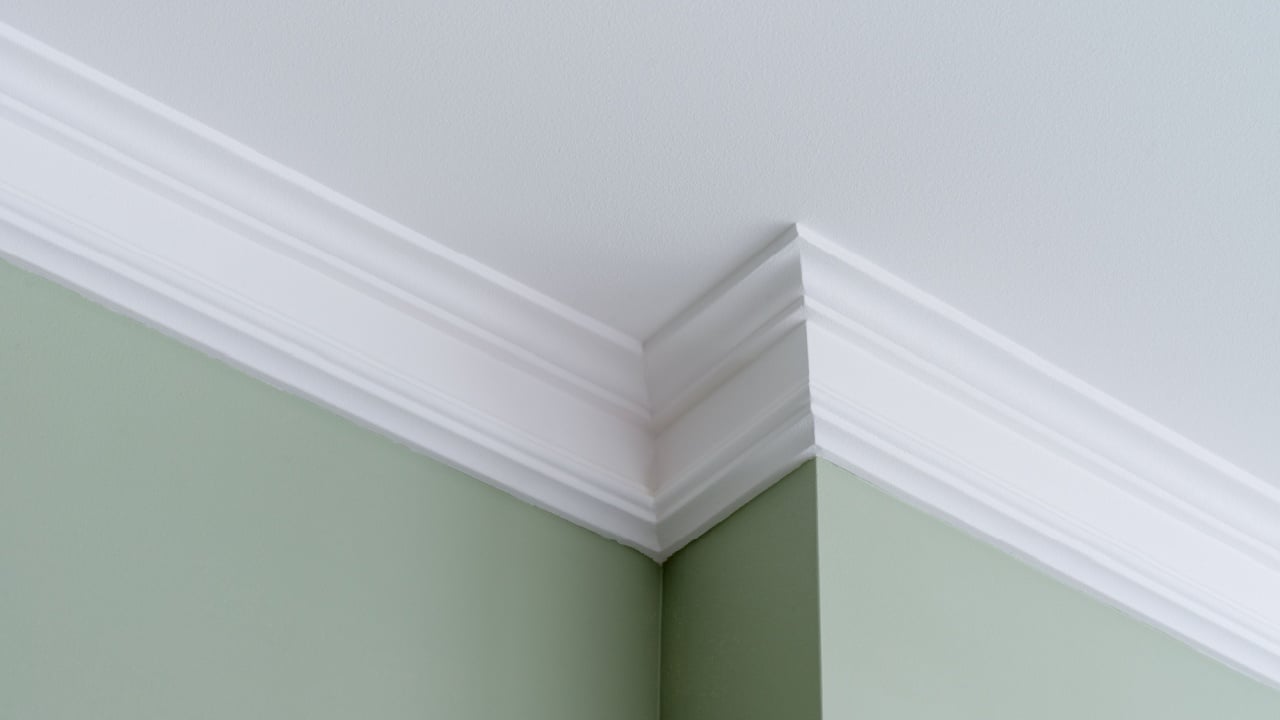
Crown molding is an architectural detail that adds a finishing touch to a room, bridging the gap between walls and the ceiling. This decorative trim introduces a sense of history and permanence, making a space feel more established and custom-built. It works by drawing the eye upward and creating clean, deliberate lines that define the room’s proportions.
When selecting crown molding, consider the ceiling height and the style of the home. Taller ceilings can accommodate wider, more ornate profiles, while standard-height ceilings benefit from simpler designs that do not feel overwhelming. Painting the molding the same color as the ceiling can create a seamless look, while a contrasting color can make it a more prominent feature.
2. Upgrade Your Lighting Fixtures
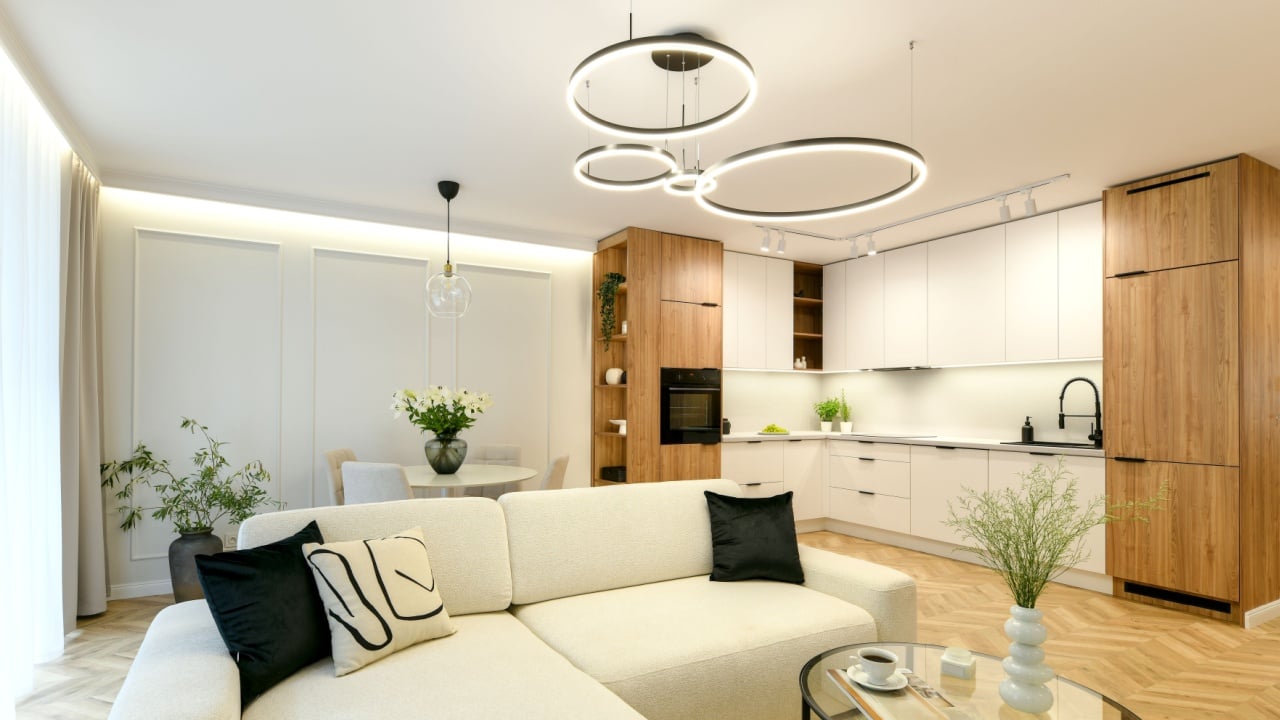
Standard, builder-grade light fixtures can kill the vibe in a room. Replacing them with more distinctive pieces is a direct way to inject style and create a focal point. A sculptural chandelier in the dining room, a pair of elegant sconces flanking a fireplace, or a modern pendant over a kitchen island can completely change the room’s atmosphere.
Good lighting is functional, but great lighting is a form of art. Beyond the fixture itself, consider the quality of light. Install dimmer switches to provide control over the room’s ambiance. It also provides bright, functional light when needed and a softer, more intimate glow for relaxation. Layering different types of lighting, such as ambient, task, and accent lighting, also adds depth and dimension to a space.
3. Use Large-Scale Artwork
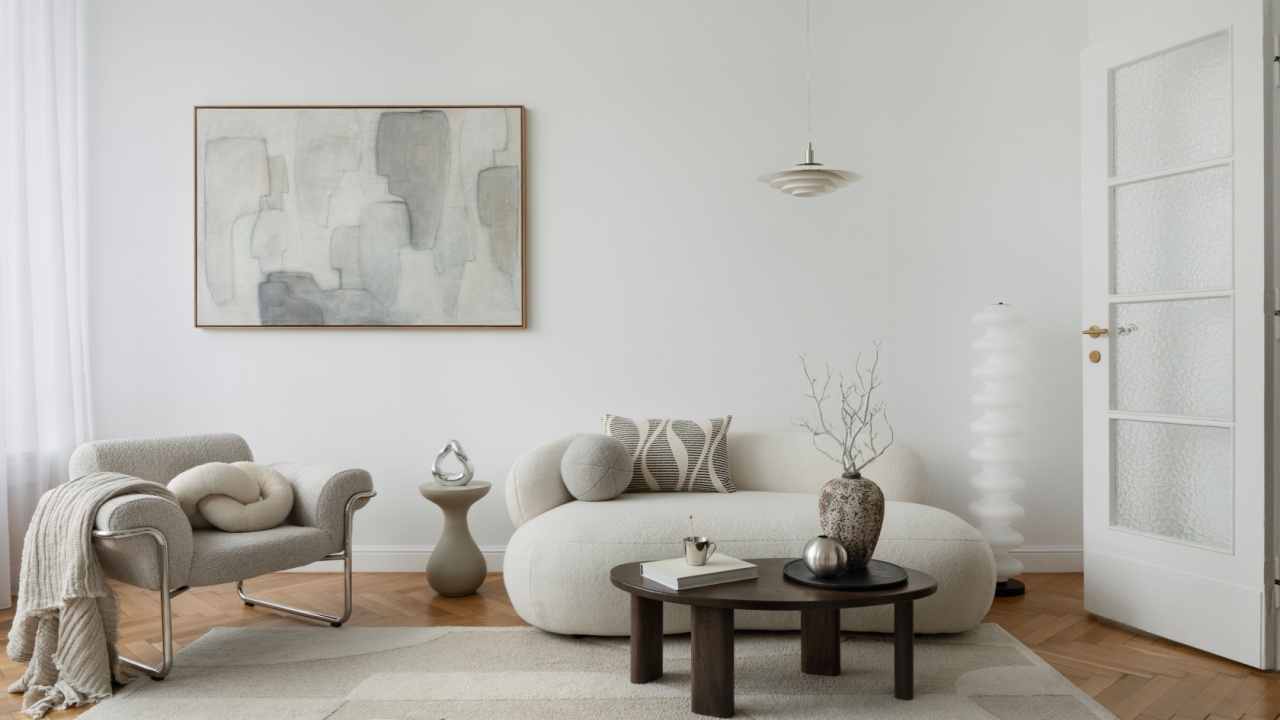
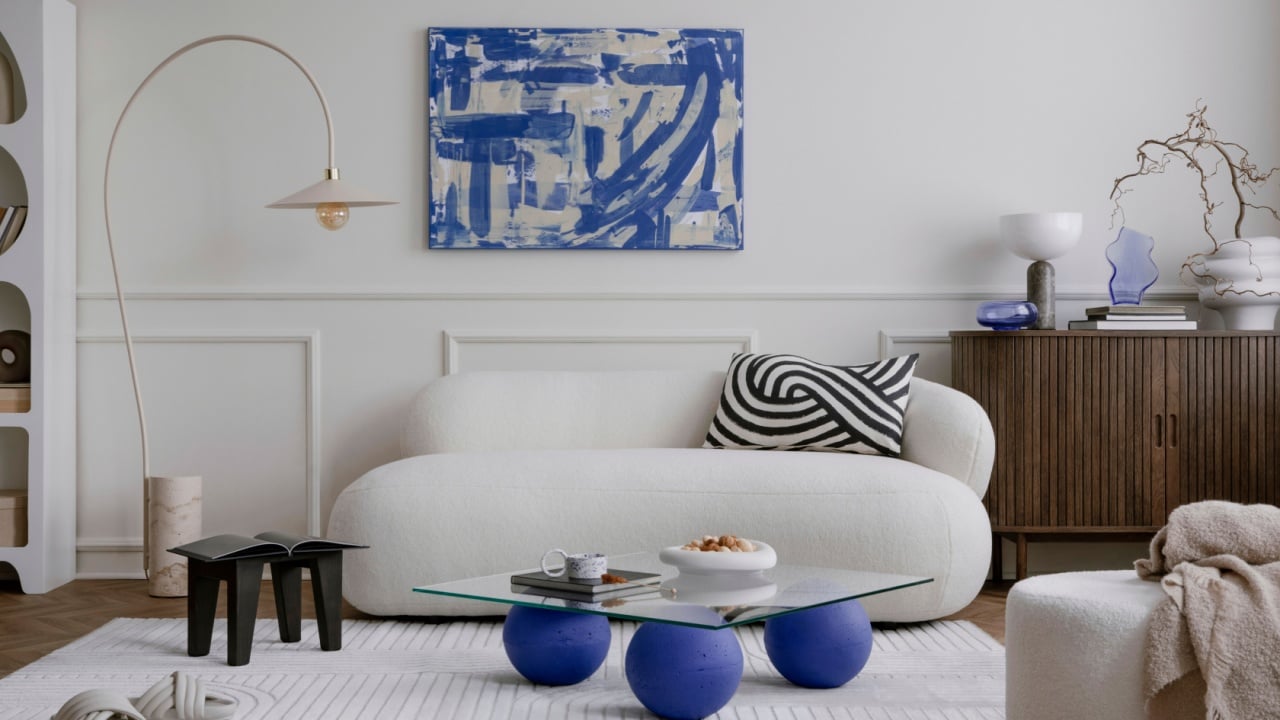
A single, large piece of art can have a much greater impact than several smaller ones. It creates an immediate focal point, commands attention, and sets the tone for the entire room. A large canvas or framed print can make a space feel more expansive and purposeful. This approach also avoids a cluttered look.
To choose the right piece, consider the room’s color palette and overall style. The artwork does not need to match everything perfectly; sometimes, a contrasting piece provides a welcome point of interest. When hanging a large piece, placement is important. It should be centered on a prominent wall, such as behind a sofa or bed, at a height where the center of the artwork is at eye level.
4. Add Built-In Shelving

Built-in shelving offers a seamless and custom look that freestanding furniture cannot replicate. It makes a room feel more integrated and intentional, turning a plain wall into an architectural feature. Built-ins provide an ideal space for displaying curated collections of books, art, and decorative objects.
They can frame a doorway, surround a fireplace, or fill an entire wall to great effect. Proper styling is what makes built-in shelves truly shine. Arrange items with a sense of balance, mixing books with objects and varying heights and textures. Leave some empty space to avoid a crowded appearance. Painting the back of the shelves a contrasting color can add another layer of depth and visual appeal.
5. Incorporate Metallic Accents

Introducing metallic finishes like brass, gold, or polished nickel can instantly add a touch of glamour and warmth. These materials catch the light and provide a reflective quality that brings a dynamic element to a room. You can incorporate them in small doses through cabinet hardware, picture frames, lamp bases, or decorative objects.
A good rule of thumb is to choose one dominant metal and use one or two others as secondary accents. For instance, you might have a brass chandelier with polished nickel cabinet pulls. This prevents the room from feeling too uniform and adds a level of curated complexity.
6. Invest in Quality Window Treatments
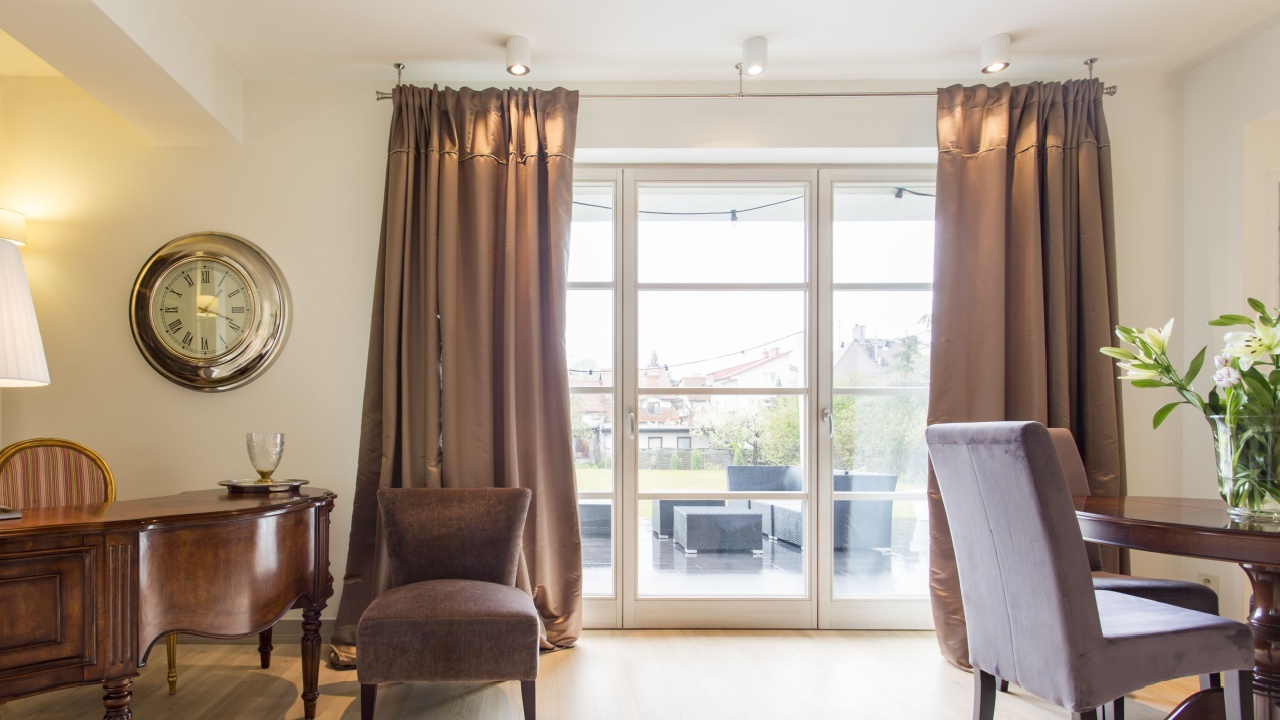
Bare windows or cheap blinds can leave a room feeling unfinished and stark. High-quality curtains or shades soften the lines of a room and add texture, color, and pattern. They also provide practical benefits like privacy and light control. Hang curtains high and wide and extend the rod beyond the window frame. This makes the windows appear larger and the ceilings taller, contributing to a grander, more open feeling.
When selecting window treatments, the fabric is a major consideration. Materials like linen, silk, or velvet lend an air of luxury and drape beautifully. The color and pattern should complement the room’s existing decor without competing with it. A neutral, textured curtain is a timeless choice, while a bold pattern can serve as a central design element in a more minimalist space.
7. Use Area Rugs to Define Spaces
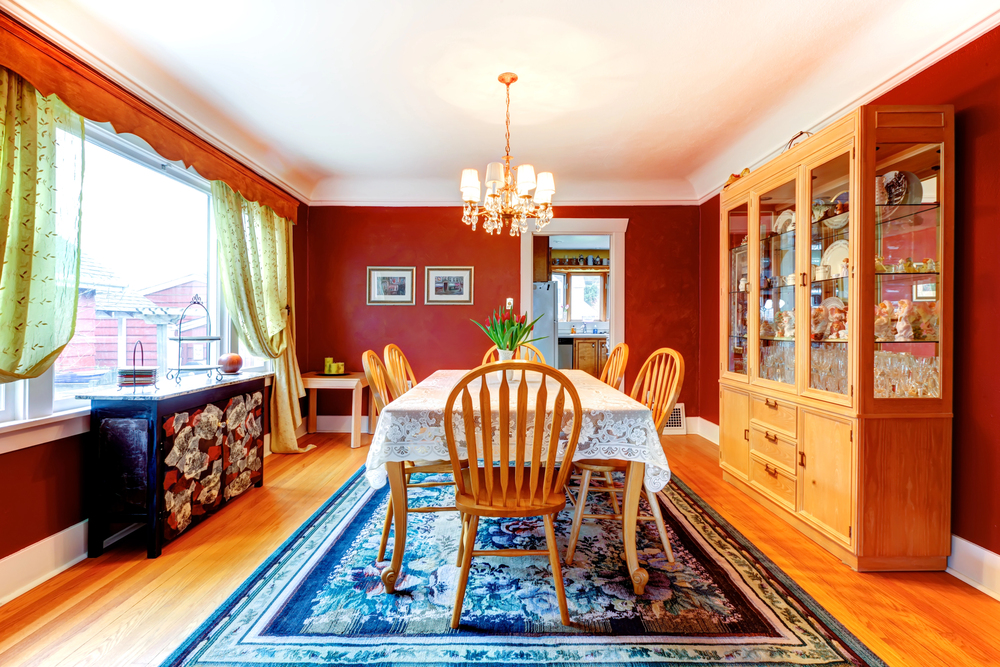
An area rug is a powerful tool for grounding a room and defining specific zones within an open-concept layout. It brings color, pattern, and texture to the floor, tying all the furniture pieces together into a cohesive group. A room without a rug can feel like its contents are floating aimlessly, while a well-chosen rug provides an anchor that makes the space feel complete and inviting.
Sizing is the most critical factor when selecting a rug. In a living room, the rug should be large enough so that at least the front legs of all major furniture pieces are on it. In a dining room, the rug should extend far enough that the chairs remain on the rug even when pulled out. Choosing a rug that is too small can make a room look disjointed and smaller than it actually is.
8. Create a Gallery Wall
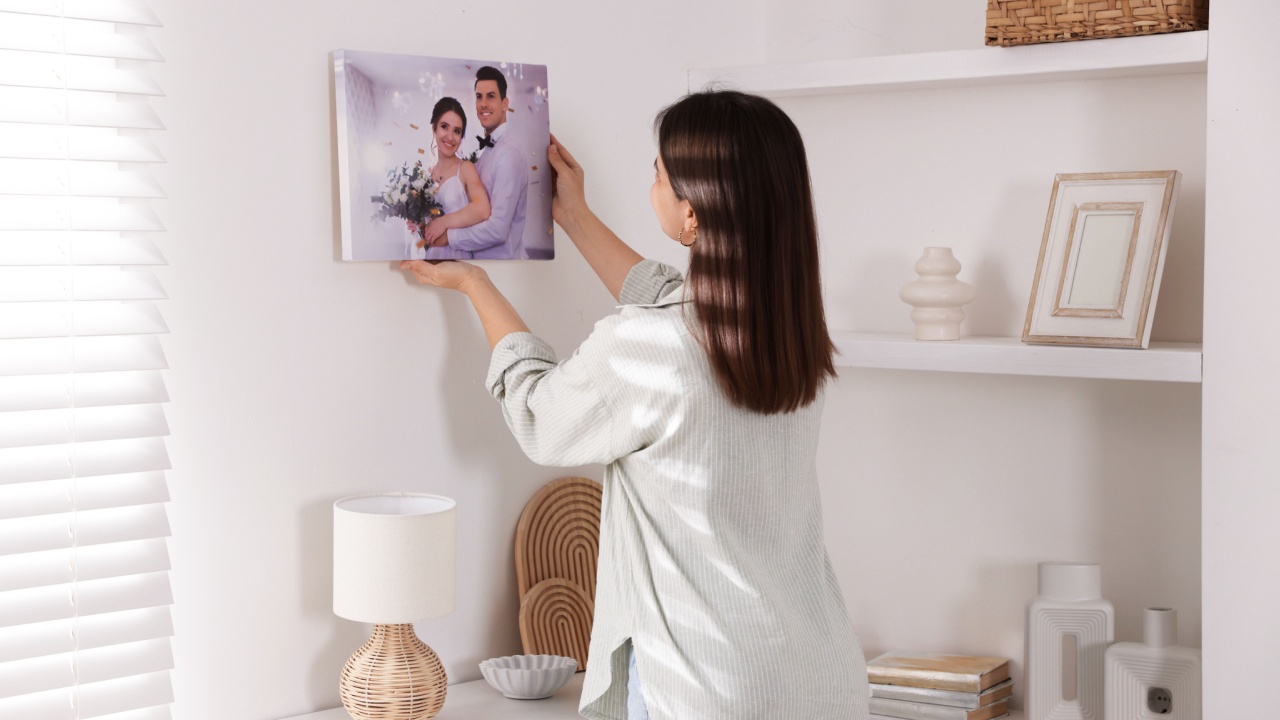
A thoughtfully arranged gallery wall turns a blank surface into a personal and engaging display. It allows for the combination of different pieces of art, photographs, and even mirrors into a single, impactful composition. This method is an effective way to showcase a collection and add personality to a room. A successful gallery wall will have a common thread, like a consistent frame color or a unified color palette.
To create a cohesive look, plan the layout on the floor before hanging anything on the wall. Trace each frame onto paper, cut out the shapes, and tape them to the wall to experiment with arrangements. Maintain consistent spacing between frames for a polished appearance. Mixing vertical and horizontal orientations, along with different sizes, adds visual interest and rhythm to the display.
9. Introduce Natural Materials
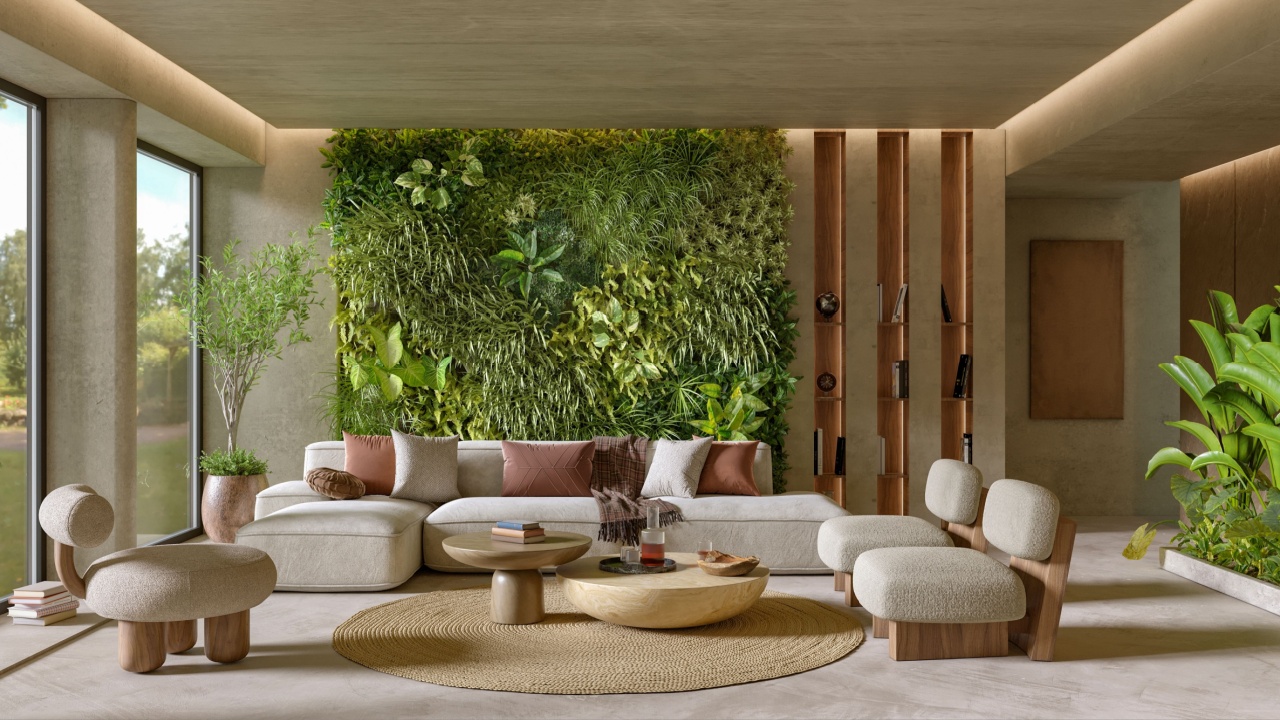
Incorporating natural materials like wood, stone, and jute brings an element of the outdoors inside, adding warmth, texture, and a sense of authenticity. A live-edge wood coffee table, a slate fireplace surround, or a simple woven basket can provide a tactile quality that balances out sleeker, more modern finishes.
When using natural elements, balance is important. Too much of one material can feel heavy or rustic. Instead, use them as accent points to add contrast and interest. A smooth marble top on a rough-hewn wooden console, for example, creates a compelling juxtaposition of textures that feels both sophisticated and organic.
10. Update Cabinet and Door Hardware
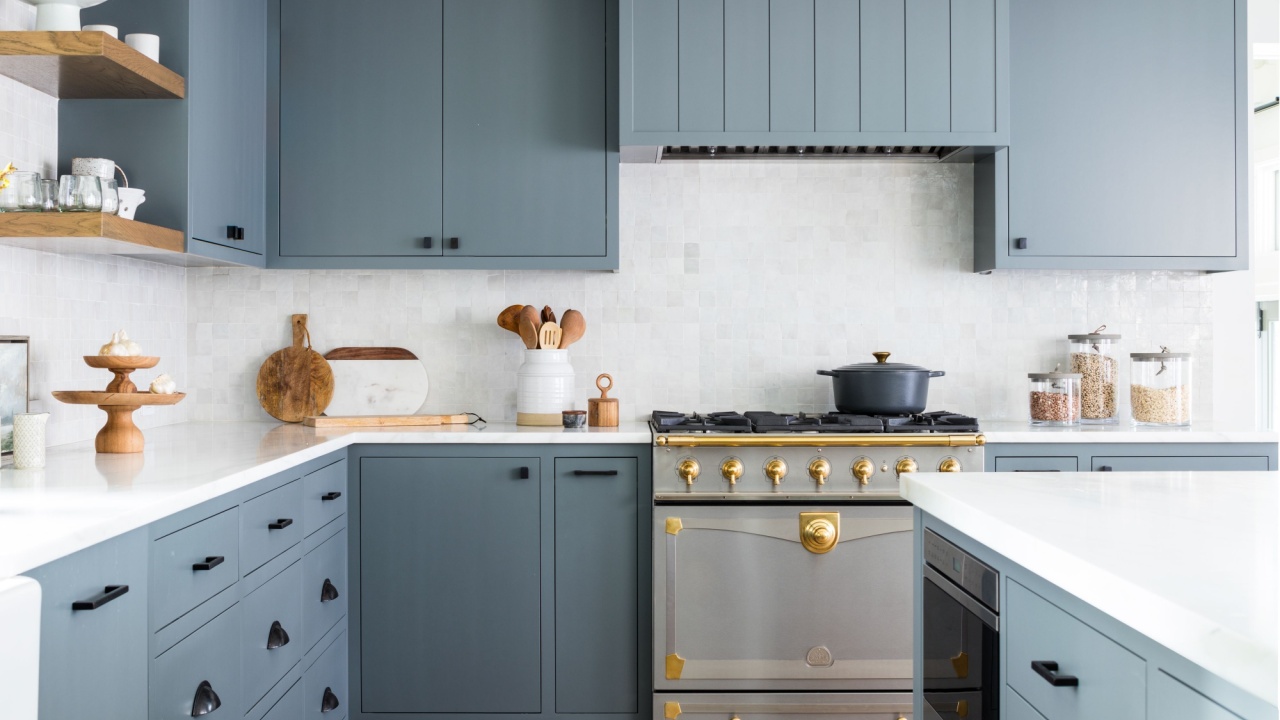
Swapping out basic hardware on cabinets, doors, and furniture is a small change that yields a significant visual return. Builder-grade knobs and pulls are often chosen for cost, not style. Upgrading to more substantial, stylish hardware in a finish like matte black, brushed brass, or aged bronze can make cabinets look more expensive and custom.
Consistency is a good guideline when updating hardware. Using the same style or finish on all the cabinets in a kitchen or on all the doors on a single floor creates a cohesive flow. This does not mean everything has to match perfectly, but there should be a clear design logic. This simple upgrade is a weekend project that elevates the feel of a room immediately.
11. Add Layers of Textiles

Rich, layered textiles are a hallmark of a well-designed and comfortable home. This goes beyond just a few throw pillows. Consider adding a soft throw blanket draped over an armchair, layering different types of pillows on a bed, or even placing a sheepskin rug over a bench. These additions introduce color, pattern, and, most importantly, texture, which makes a space feel inviting and complete.
When mixing textiles, vary the scale of the patterns and the types of textures. Combine a large-scale floral pillow with a small-scale geometric one and a solid-colored velvet pillow. This layering technique adds visual depth and makes a room feel more luxurious.
12. Use Mirrors to Enhance Light and Space
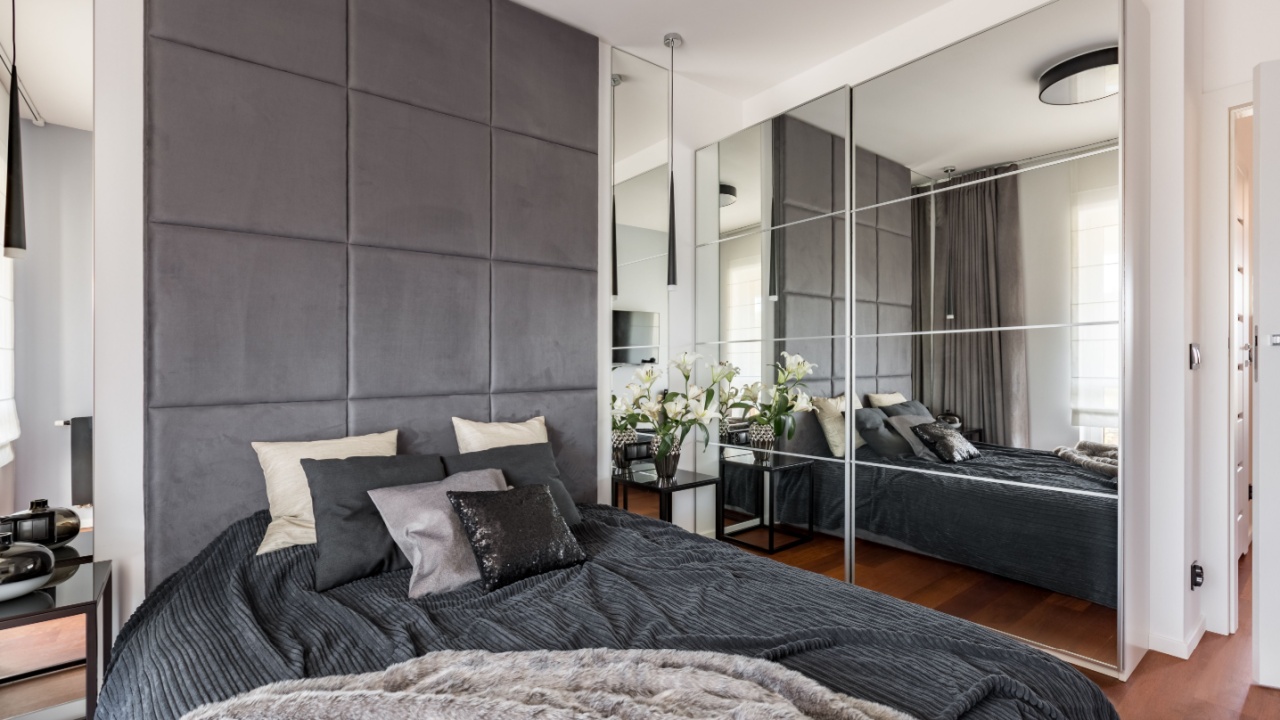
Large mirrors are a classic design tool for making a space feel larger and brighter. When placed strategically, a mirror can reflect a window and its natural light. This will effectively double the amount of light in a room. It can also create an illusion of depth, which is particularly useful in smaller rooms or narrow hallways.
A mirror with a beautiful frame can also serve as a piece of art in its own right. Consider what the mirror will reflect. Ideally, it should reflect something beautiful, like a piece of artwork, a stylish light fixture, or a view of the outdoors. In a dining room, a mirror can reflect the light from a chandelier, adding sparkle and ambiance during evening meals.
13. Incorporate Greenery and Fresh Flowers

Plants and fresh flowers bring life, color, and a natural sculptural element to any room. Greenery adds an organic touch that can soften hard lines and fill empty corners. A tall fiddle-leaf fig tree can become a living focal point, while a collection of smaller succulents can add interest to a shelf.
Place fresh flowers in a simple, elegant vase on an entryway table, coffee table, or nightstand is a small luxury that makes a big difference. It shows an attention to detail and adds a temporary pop of color and fragrance. The choice of a vase is as important as the flowers; a beautiful vessel can be a decorative object even when empty.
14. Add an Accent Wall
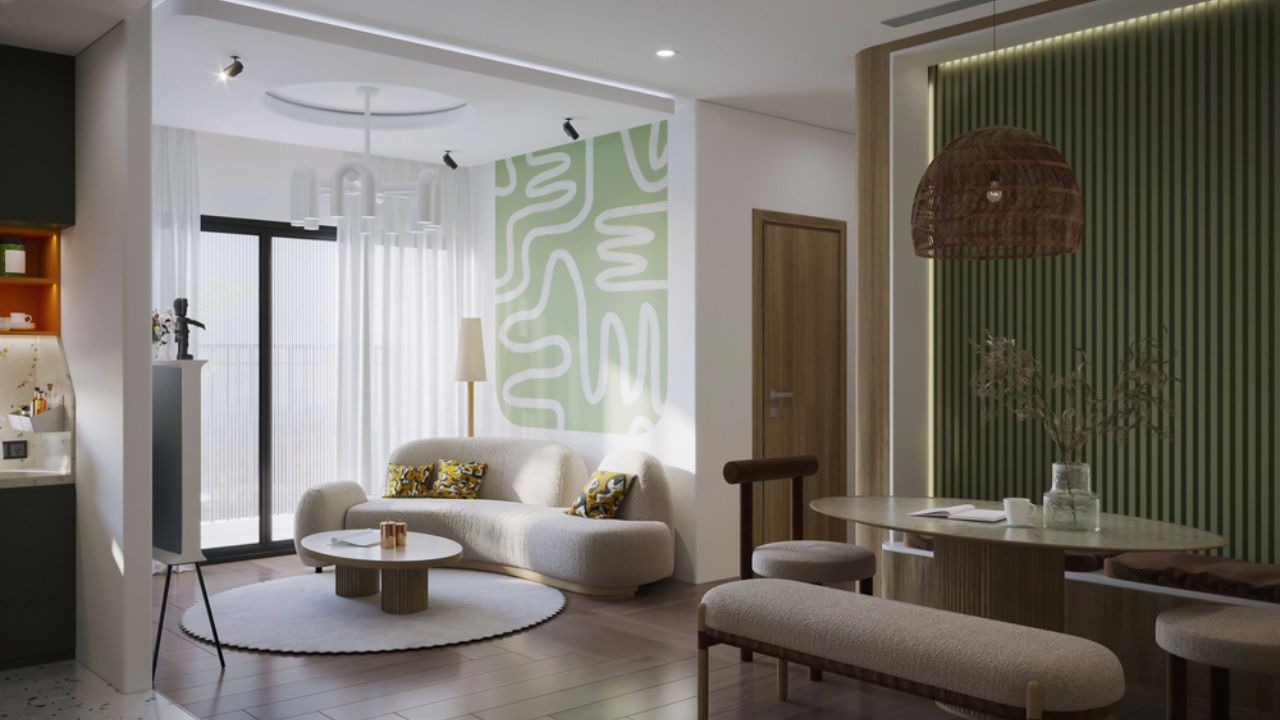
An accent wall, created with a bold paint color or an interesting wallpaper, can provide a focal point without overwhelming a room. It is a way to experiment with color or pattern on a smaller scale. In a bedroom, the wall behind the bed is a natural choice for an accent. In a living room, it might be the wall that houses the fireplace. This technique adds depth and personality to the space.
When choosing a wallpaper, consider the scale of the pattern in relation to the size of the room. A large, bold pattern can work well in a bigger space or a small powder room where you want to make a statement. For a more subtle effect, a textured wallpaper, like grasscloth, can add warmth and dimension without a busy pattern.
15. Get a Bar Cart

A well-styled bar cart adds a touch of old-world glamour and sophistication to a living or dining area. It suggests a readiness for hospitality and entertaining, and it serves as a functional piece of decor. Stock it with attractive bottles, a set of quality glassware, an ice bucket, and a few essential bar tools. The combination of glass and metallics creates a sparkling display.
Even if you do not drink, a bar cart can be repurposed as a versatile serving station. You can also make it a mobile display for plants, books, or a record player. The key is to style it thoughtfully, keeping the surface organized and visually appealing.
16. Incorporate a Statement Piece of Furniture
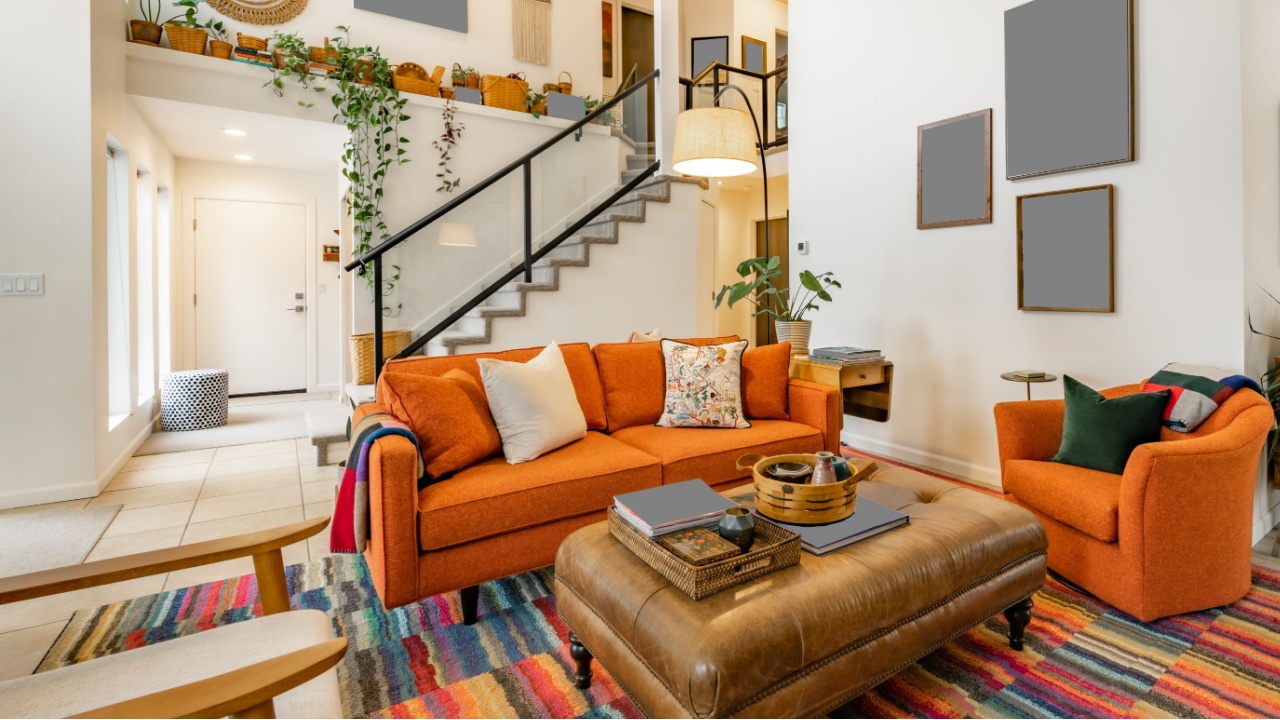
A single piece (or two) of furniture with a unique design, bold color, or luxurious material can elevate an entire room. This could be a velvet armchair in a striking jewel tone, a coffee table with an unusual sculptural base, or an antique sideboard with intricate details. Such a piece breaks the mold of mass-produced furniture and injects a strong dose of individual style into the home.
The statement piece should be the star. Keep the surrounding furniture more subdued to let it stand out. It should be both beautiful and functional, a piece you love to look at and use.
Creating Your Classy Home
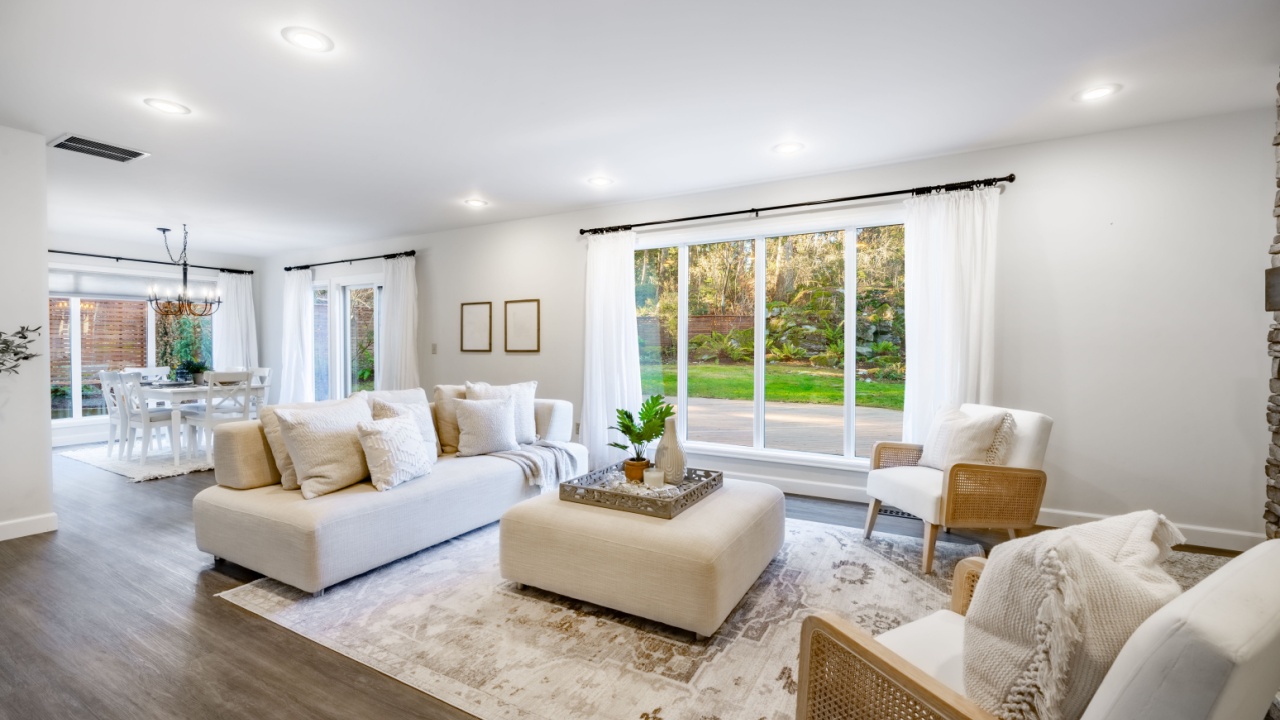
You, too, can decorate your home like an HGTV star. By focusing on specific, high-impact upgrades, you can cultivate a sophisticated atmosphere that reflects a careful attention to detail. These changes, from architectural additions like crown molding to decorative touches like fresh flowers, work together to build a cohesive and polished environment. The process is about making intentional choices that enhance both the look and feel of your living areas.
Where do you start, you ask. A good way to begin is to assess your own space and identify one or two areas that would benefit most from an upgrade. Perhaps your living room feels unfinished and could use a proper area rug, or maybe your bedroom’s lighting is purely functional and lacks ambiance. Addressing these points individually will create noticeable improvements.
Read More:
10 Smart Design Upgrades That Don’t Cost a Fortune
12 Things Designers Wish You’d Finally Remove From the Living Room