12 Things Designers Wish You’d Finally Remove From the Living Room
The living room is the space where first impressions are made, guests are entertained, and countless hours are spent unwinding. It deserves more intentional attention. Yet, many living rooms are quietly sabotaged by the same recurring offenders, outdated trends, mismatched scale, and small details that drag down an otherwise well-designed space.
The inspiration for this list comes from professional interior design insights on the most common living room mistakes. Each item includes an explanation of why it matters and what to do instead.
Here’s a look at 12 things worth removing from the living room, along with practical, designer-backed alternatives for each one.
1. Oversized or Undersized Sofas
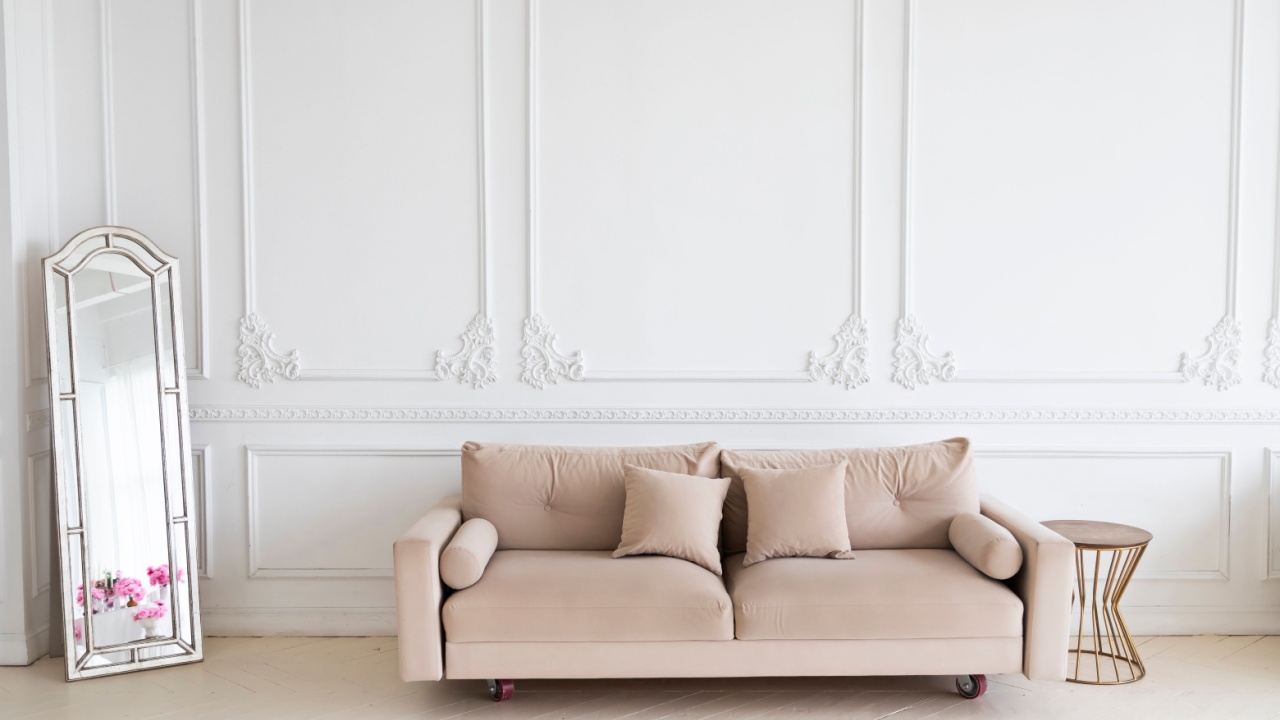
A sofa that doesn’t fit the room is one of the fastest ways to throw off a space. Too large, and the room instantly feels cramped and hard to navigate. Too small, and the room looks sparse and unfinished, no matter how much other furniture is added.
Before purchasing, tape out the intended sofa footprint on the floor using painter’s tape. It takes five minutes and saves from a costly mistake. For those who want flexibility, modular sofas are worth considering. They can be reconfigured over time as the space or household needs change.
2. DVD, Blu-Ray, and Book Collections on Display

A stack of DVDs or a wall of unsorted books can quickly tip a room from “collected” to cluttered. Individual items may carry sentimental value, but en masse, they compete for visual attention and make a space harder to relax in.
Media cabinets and bookshelves with closed fronts or doors are an easy fix. The collections stay accessible and organized, but they stop competing with the rest of the room’s design. For books specifically, curating a smaller, intentionally arranged display on open shelves is far more effective than stacking every title ever owned.
3. Excessive Lighting Fixtures
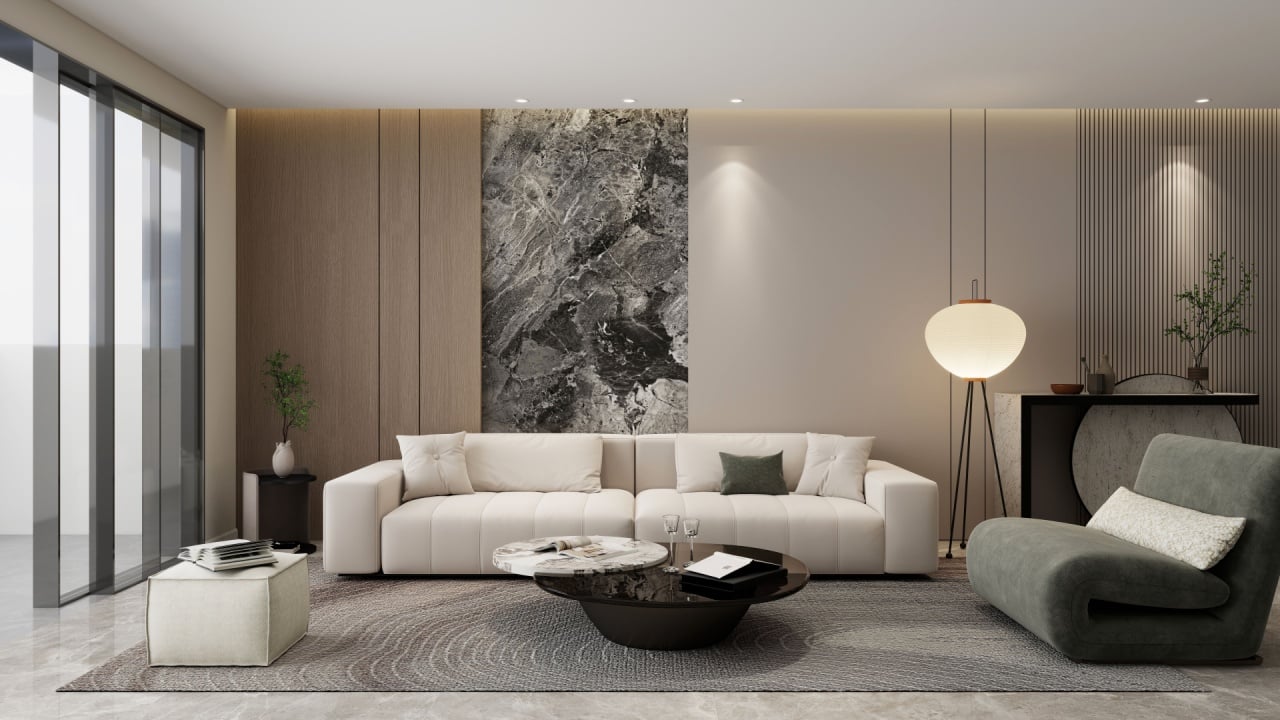
Ceiling lights, recessed cans, floor lamps, and accent lighting all in the same room create a layered chaos that feels more like a showroom floor than a home. More lighting sources do not automatically mean better lighting.
A simpler approach is to use dimmable bulbs in one or two well-placed fixtures, which allows the same room to shift from bright and functional to warm and relaxed depending on the time of day. Lamps should serve a clear purpose and complement the room’s aesthetic rather than fill empty corners.
4. Word Art and Letter Displays
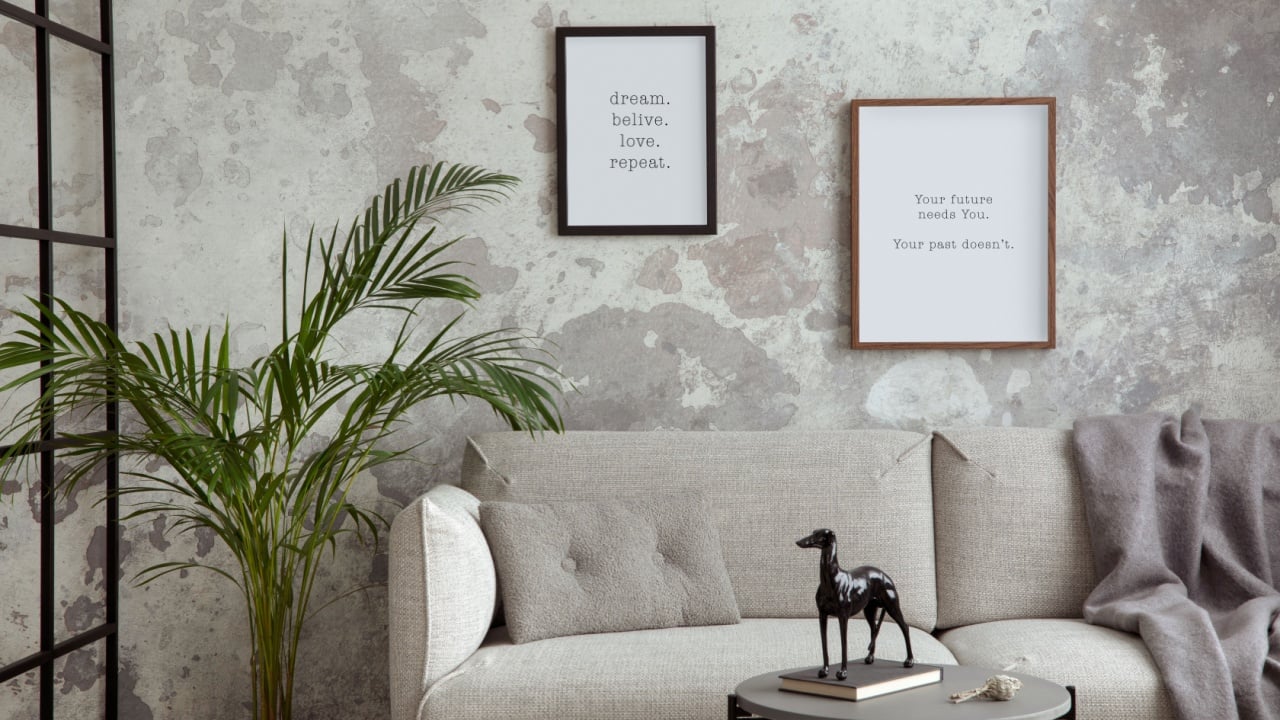
Decorative letters spelling out “LIVE,” “LOVE,” or the family surname were a dominant trend for a reason: they felt personal and accessible. However, they tend to make walls look busy and, after years of saturation, have lost the impact they once had.
Wall decor with more visual depth, like framed artwork, a gallery of family photos, a tapestry, or a large mirror, creates more interest without the clutter of individual letters. Pinterest remains a genuinely useful resource for finding wall arrangements that feel personal without relying on spelled-out words.
5. Heavy or Outdated Window Treatments
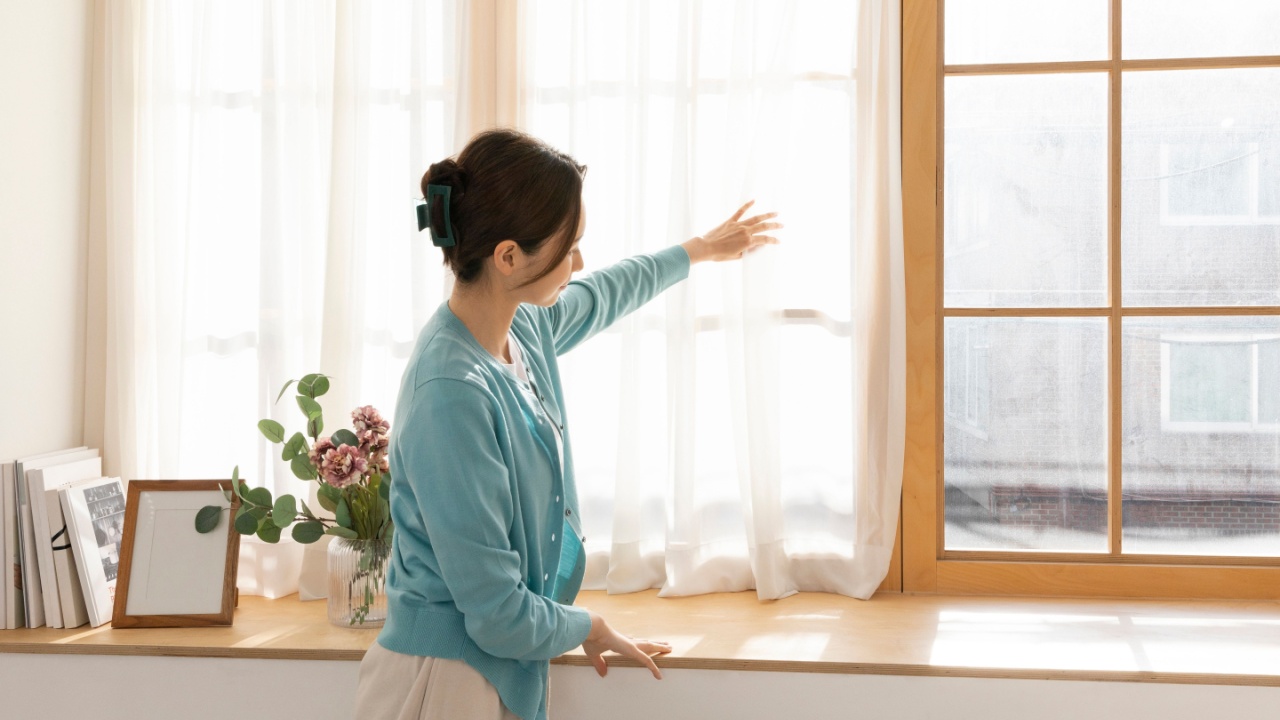
Thick, layered curtains and valances can make a room feel outdated. Short curtains that stop above the floor break up the wall’s vertical line and make ceilings look lower. White plastic blinds might be practical, but they tend to feel temporary and unfinished.
Sheer curtains are a great lightweight option that adds texture and softens a window without blocking much light. If you need true blackout coverage, slim roller shades in linen or neutral tones work well for a clean, modern look. Floor-length curtains hung higher up near the ceiling can make walls look taller and make the whole room feel bigger.
6. Plastic Light Switch and Outlet Covers
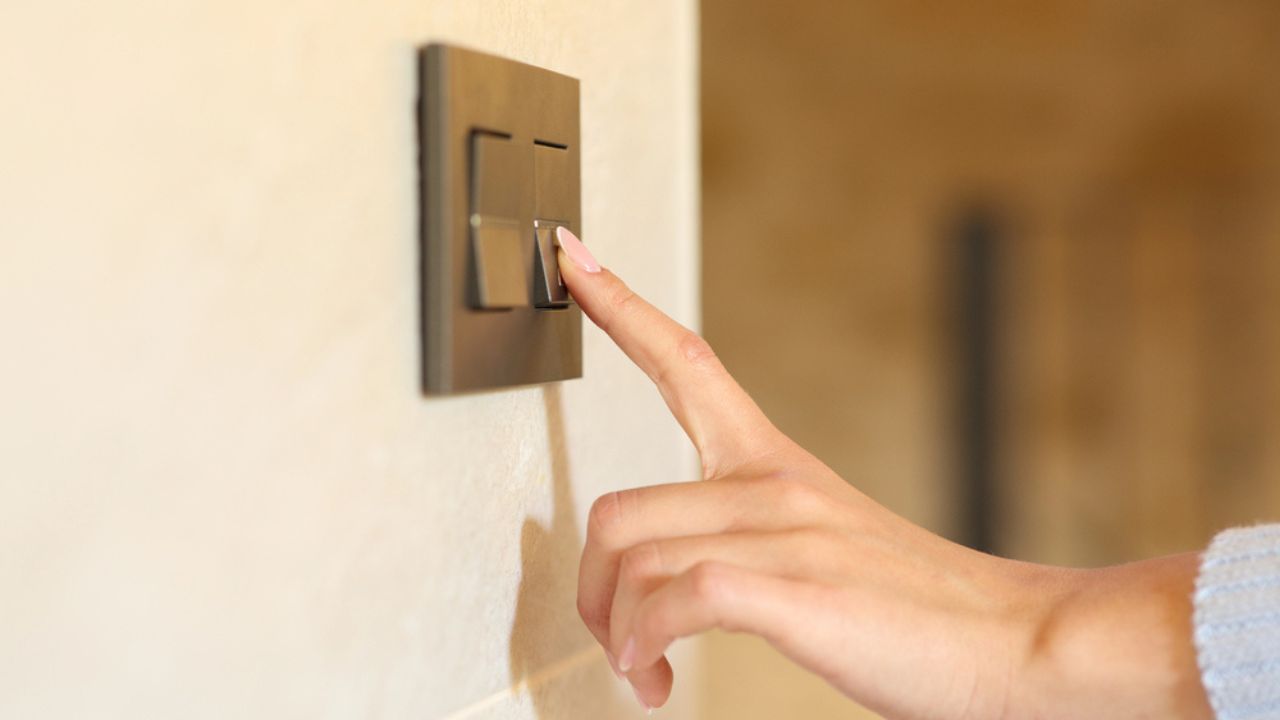
This is one of the smallest details in a room and one of the most frequently overlooked. Standard white plastic outlet covers are a default choice, not a design one, and they rarely align with the finishes or architecture of the surrounding space.
Swapping them out for metal covers in a finish that matches the room’s hardware, brass, matte black, or brushed nickel, is an inexpensive update with a noticeable impact. For a seamless look, covers can also be painted to match the wall color, which effectively makes them disappear into the background.
7. Trendy Prints and Colors That Have Dated

Trendy patterns and bold colors don’t last forever. Wallpaper with oversized botanical prints, chevron patterns, or other designs tied to a specific era can make a room feel stuck in the past. Neutral tones on bigger, permanent items like walls, sofas, and flooring give you a solid base that won’t need to be updated every few years.
Accent pieces like pillows, throws, and small decor are perfect for adding pops of seasonal or trendy colors without much cost or effort. Swapping out a $25 pillow is a way easier refresh than repainting a whole room.
8. An All-Gray Color Scheme
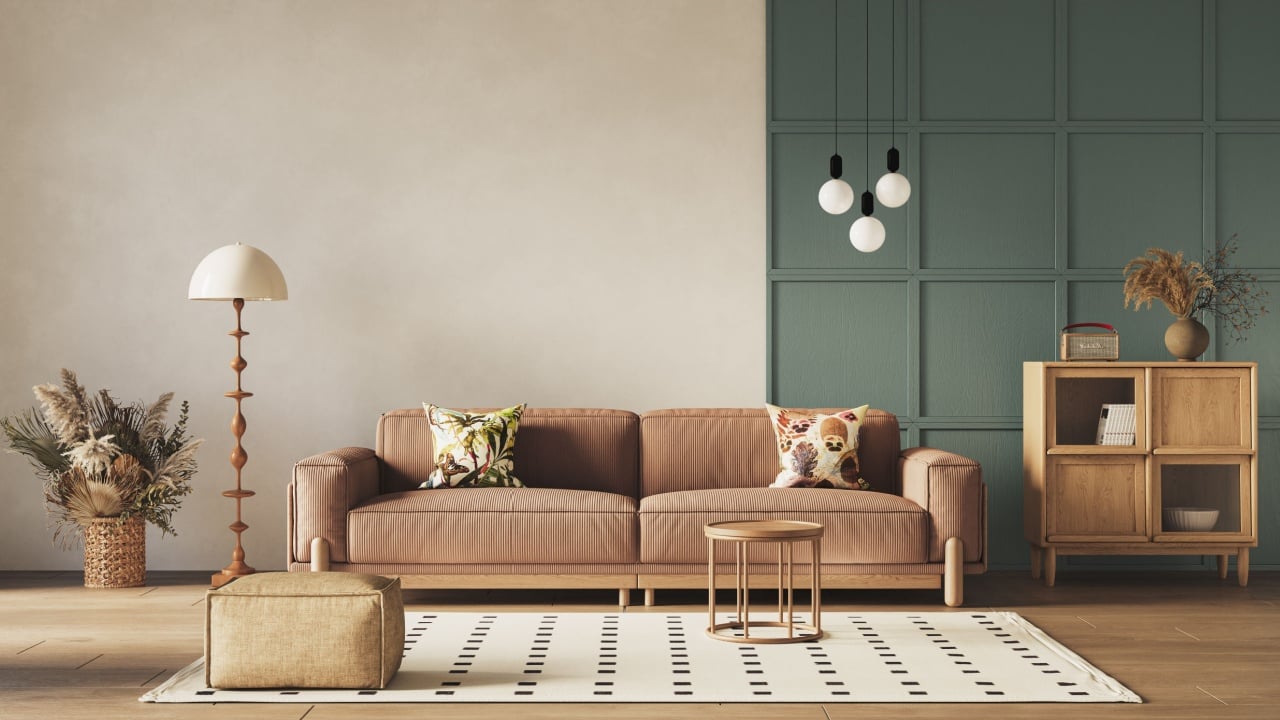
Gray was the go-to neutral for almost a decade, and a lot of living rooms still feel stuck in that trend with gray walls, gray couches, gray rugs, and charcoal accents. It can end up looking flat, cold, and a little too sterile instead of cozy and inviting.
Warmer neutrals like taupe, warm white, terracotta, and earthy brown can make a space feel much more welcoming. You don’t have to ditch gray completely. When you mix it with warmer tones or natural wood finishes, it can feel sophisticated instead of boring.
9. Non-Durable Upholstery Fabrics
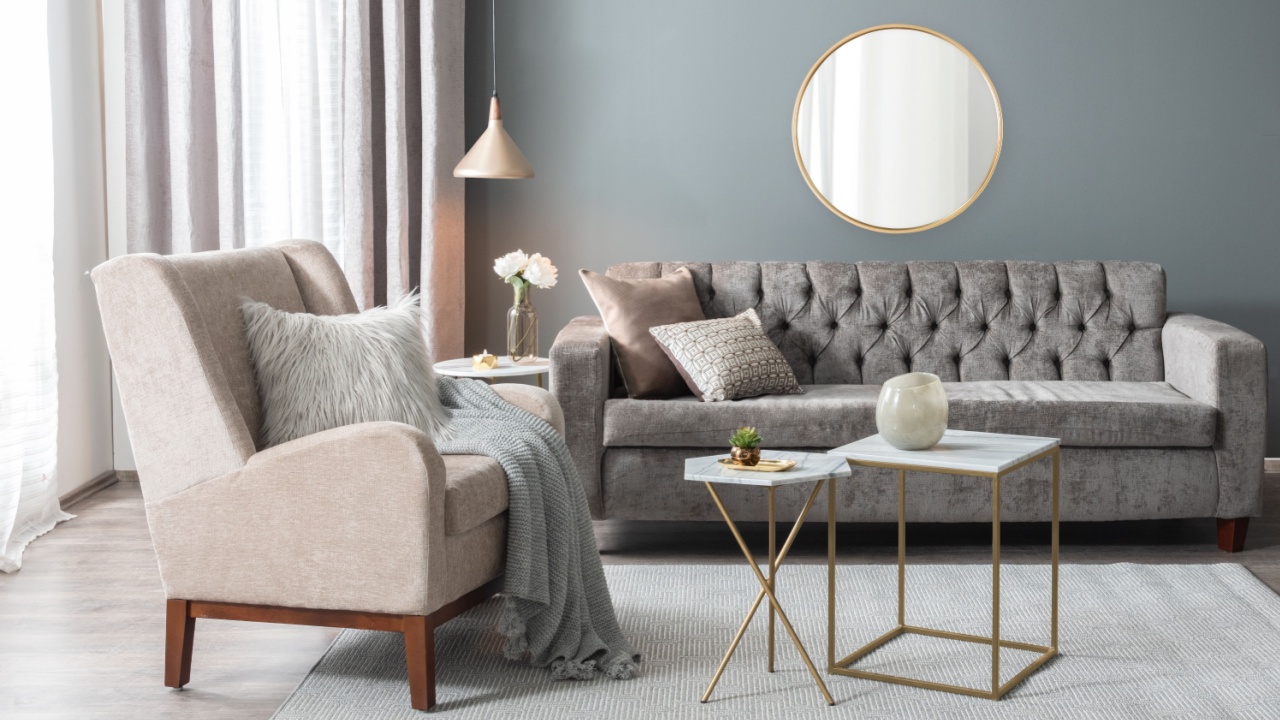
Fabrics like linen or velvet can be gorgeous, but they require a lot of upkeep. In a busy living room, especially if you have kids or pets, that trade-off often isn’t worth it.
Luckily, performance fabrics have improved a lot. Brands like Sunbrella and Perennials offer stain-resistant and durable upholstery that still looks like traditional materials. These treated fabrics also let you use lighter colors like creams and warm whites that would normally be impractical.
10. High-Gloss or Semi-Gloss Paint Finishes
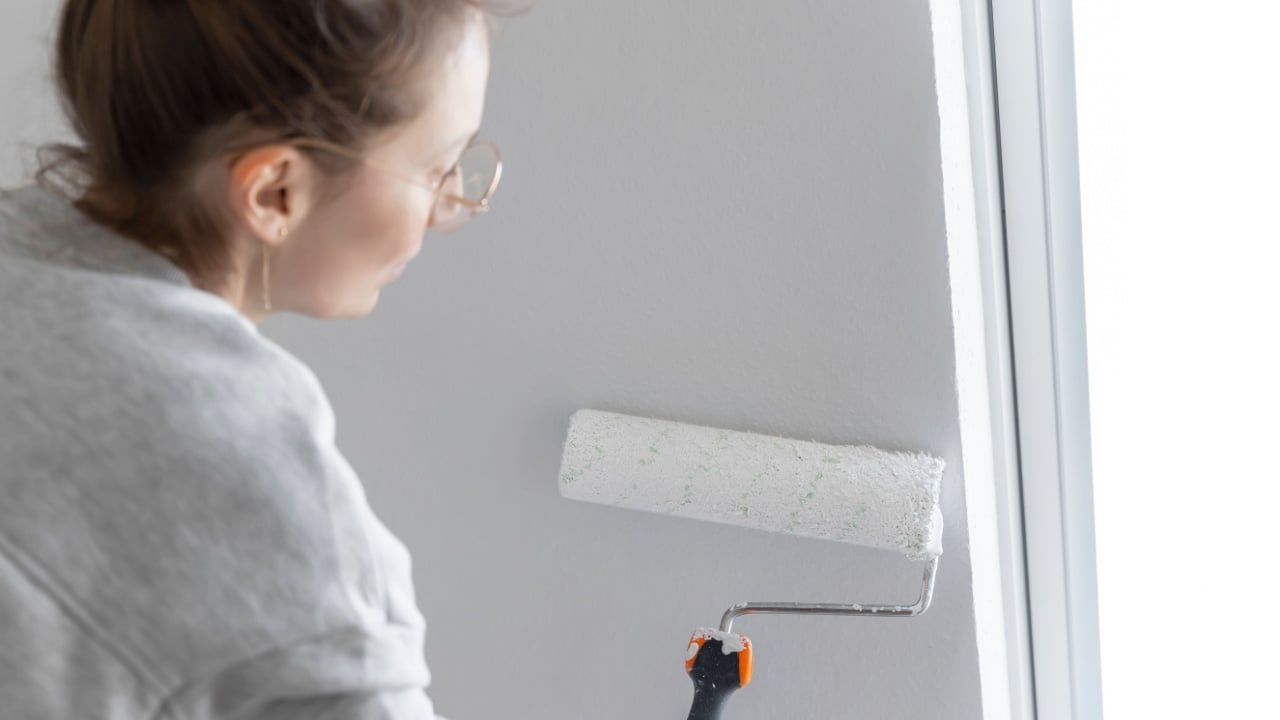
Shiny wall paint reflects light unevenly and draws attention to imperfections in the drywall surface. In a living room, where the goal is a relaxed and comfortable atmosphere, a reflective wall finish works against the space.
Satin or eggshell finishes are comparably easy to clean without the visual drawbacks. They allow furniture, textiles, and artwork to carry the room’s visual interest rather than competing with a glossy backdrop. Matte finishes are also gaining popularity for living spaces, particularly in warmer, earthy tones.
11. Furniture Pushed Against Every Wall
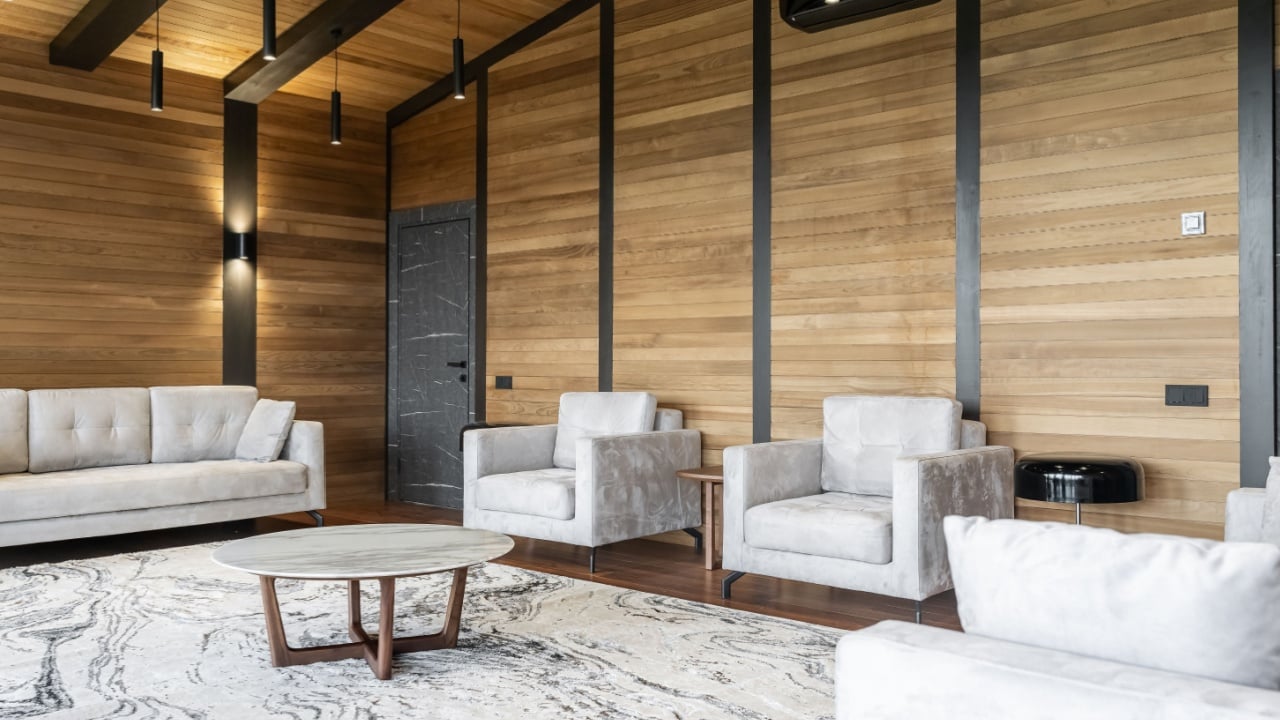
Pushing all your furniture up against the walls is a common mistake, especially in smaller rooms. While it seems logical to push everything out to create more space, it can make the room feel disconnected, like a waiting room with an awkward, empty middle.
Floating your furniture away from the walls, even just by a few inches, helps create more defined conversation areas. This simple trick makes a room feel more intentionally designed. Adding a well-placed area rug to anchor the seating group reinforces this effect and brings the whole layout together.
12. Too Many Small Decorative Objects
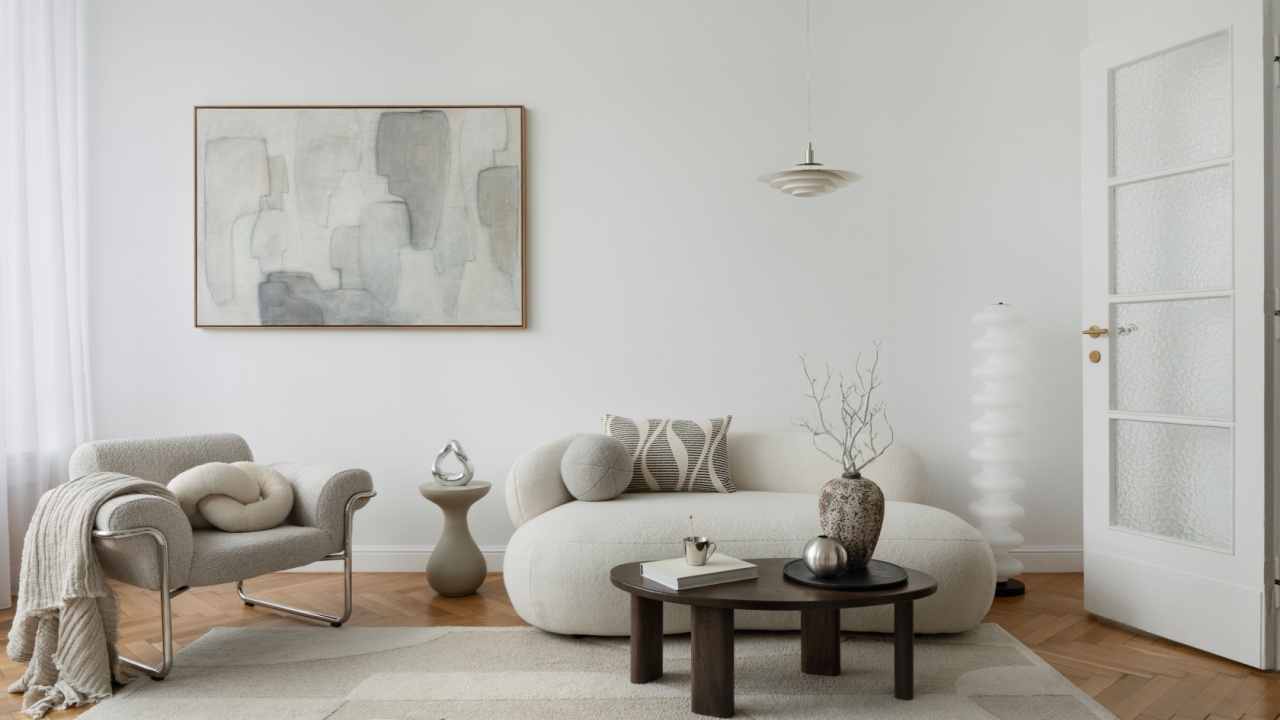
Collections of small figurines, scattered candles, and individual trinkets spread across every surface create visual noise that makes a room feel restless rather than curated. Each item may have meaning on its own, but grouped without intention, they compete for attention.
Editing down to a few larger, more deliberate pieces creates more impact with less effort. A single sculptural object or a grouped arrangement of three items in varying heights reads as intentional. When in doubt, remove rather than add.
Transform Your Space Effortlessly
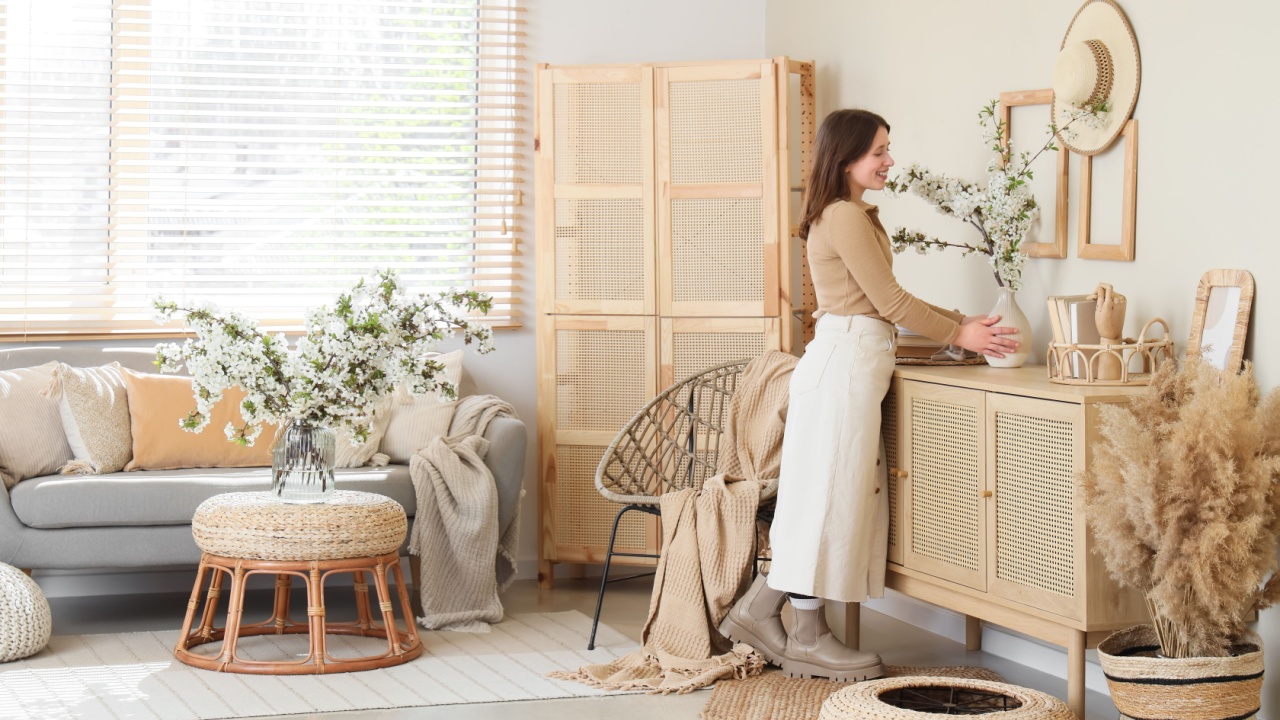
None of these changes requires a full renovation or a large budget. Swapping out outlet covers, editing a shelf, replacing a set of curtains, or simply rearranging the sofa can shift the feel of a room significantly.
For anyone ready to take their living room further, consulting with an interior designer, even for a single session, can clarify which changes will have the most impact for a specific space.
Read More: