16 Foods That Can Clog Arteries the Fastest
Heart disease rarely begins with a dramatic moment. Instead, it often develops quietly through everyday habits, especially with what appears on the dinner plate. Many popular foods that taste comforting and familiar can slowly affect the health of the arteries over time. Arteries are responsible for carrying oxygen-rich blood throughout the body, but when fatty deposits known as plaque begin to collect inside their walls, the flow of blood becomes restricted. This gradual process, called atherosclerosis, is one of the leading causes of heart attacks and strokes around the world.
Scientific research increasingly shows how strongly diet influences this process. According to research discussed by Harvard Health Publishing, people who consume higher amounts of ultra-processed foods are more likely to develop plaque buildup in the arteries of the neck, which can raise the risk of cardiovascular disease. These foods often contain high levels of saturated fats, refined carbohydrates, and sodium. These ingredients are known for negatively influencing cholesterol levels and inflammation in blood vessels.
Understanding these foods does not mean eliminating them, but it does help people make smarter everyday choices. The following sections explore 16 foods commonly linked to clogged arteries, explain why they affect cardiovascular health, and provide practical tips for reducing their impact while maintaining a balanced diet.
1. Processed Meats (Bacon, Sausages, and Deli Meats)
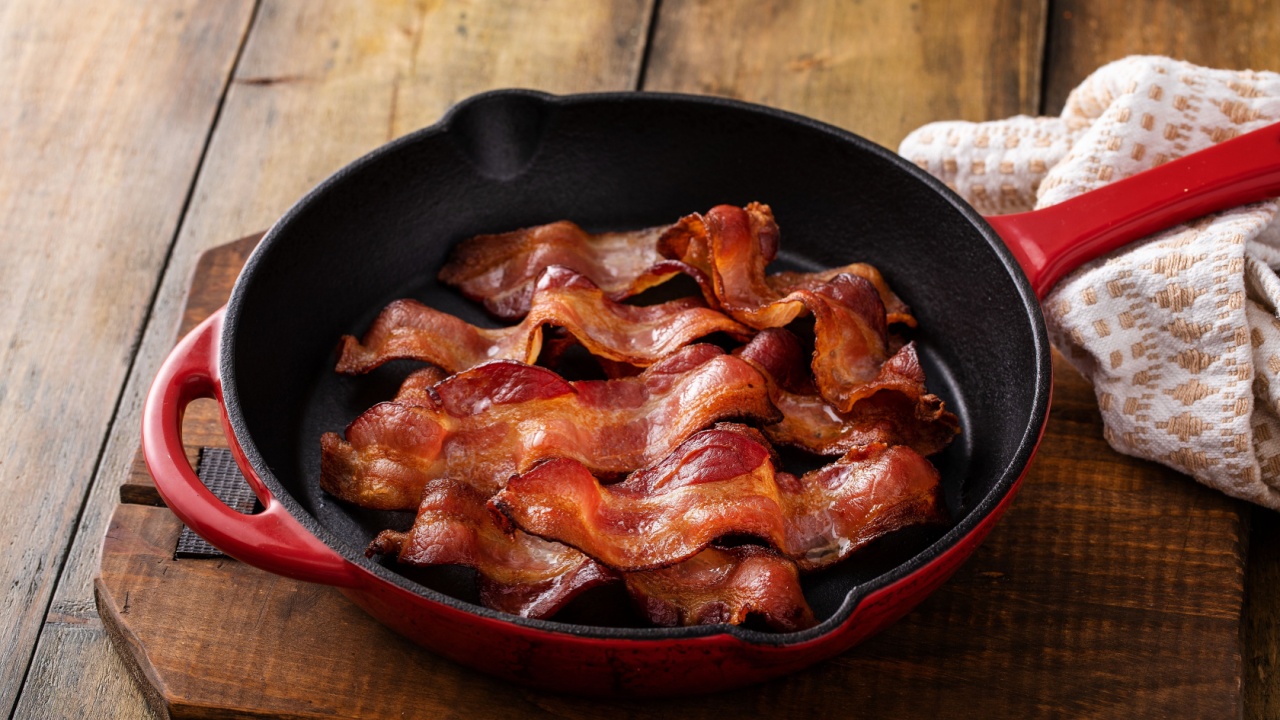
Processed meats like bacon, sausages, hot dogs, and deli meats are among the most widely studied foods linked to cardiovascular disease. These meats often contain large amounts of saturated fat, sodium, and preservatives such as nitrates. Regularly eating processed meat can raise LDL cholesterol levels and increase inflammation in blood vessels, which contributes to plaque buildup.
If processed meats are a regular part of your meals, try reducing how often you eat them. Swap bacon or sausage at breakfast for eggs, beans, or avocado toast. When making sandwiches, choose grilled chicken or plant-based fillings instead of deli meat. Small changes like these can reduce your intake of sodium and unhealthy fats while still keeping meals satisfying.
2. Fried Foods

Fried foods such as French fries, onion rings, fried snacks, and battered seafood are widely associated with cardiovascular health concerns. When foods are deep-fried, they absorb large amounts of cooking oil, which significantly increases their fat and calorie content. Many frying oils, especially when reused at high temperatures, can form trans fats and oxidized compounds that raise LDL (bad) cholesterol and promote inflammation in blood vessels. A study published in the BMJ found that frequent consumption of fried foods is associated with a higher risk of major cardiovascular events such as heart disease and stroke.
Healthier cooking methods can make a noticeable difference. Baking, grilling, or air-frying foods allows for similar flavors with less oil. Including more vegetables, legumes, and whole grains alongside occasional fried foods helps balance the overall diet.
3. Red Meat
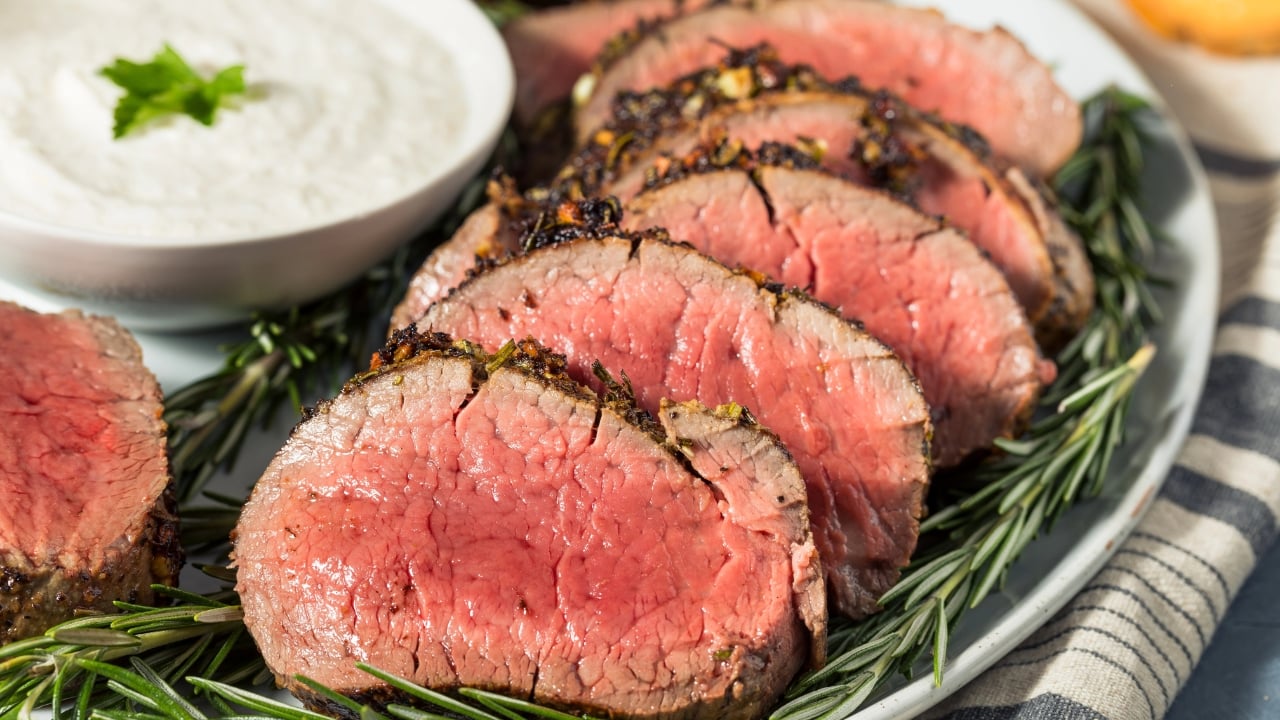
Red meat such as beef, pork, and lamb is a common centerpiece in many meals around the world. It provides valuable nutrients like protein, iron, and vitamin B12, but eating large amounts regularly has been linked to higher risks of heart disease. Many cuts of red meat contain significant levels of saturated fat, which can raise cholesterol in the bloodstream. Compounds in red meat can be converted by gut bacteria into a substance called TMAO (trimethylamine N-oxide), which has been associated with plaque formation in arteries and increased cardiovascular risk.
Choosing leaner cuts, trimming visible fat, and keeping portion sizes smaller can help reduce saturated fat intake. Another helpful strategy is replacing some red-meat meals with fish, poultry, beans, lentils, or plant-based proteins during the week. These alternatives provide essential nutrients while supporting healthier cholesterol levels and reducing the long-term risk of clogged arteries.
4. Fast Food Burgers
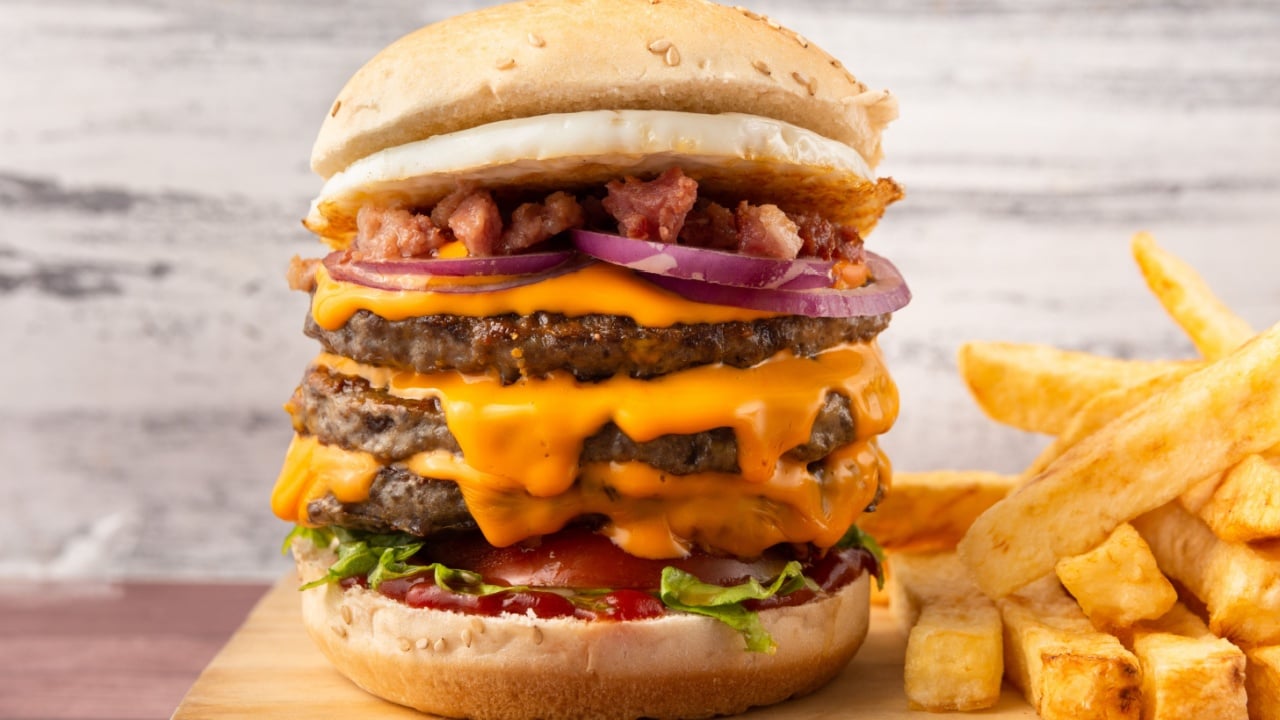
Fast food burgers often combine several ingredients linked to cardiovascular risk. Processed meat patties, refined buns, cheese, and high-fat sauces together create meals rich in saturated fat and sodium. Frequent consumption of these meals has been associated with higher cholesterol levels and increased risk of heart disease.
Preparing burgers at home allows much greater control over ingredients and portion sizes. Lean meat, such as ground chicken or turkey, can reduce saturated fat compared to traditional beef patties. Choosing whole-grain buns instead of refined white bread adds fiber, which helps support healthier cholesterol levels and improves digestion. Adding fresh vegetables like lettuce, tomatoes, onions, and avocado can also increase vitamins, minerals, and antioxidants in the meal.
5. Packaged Snack Foods
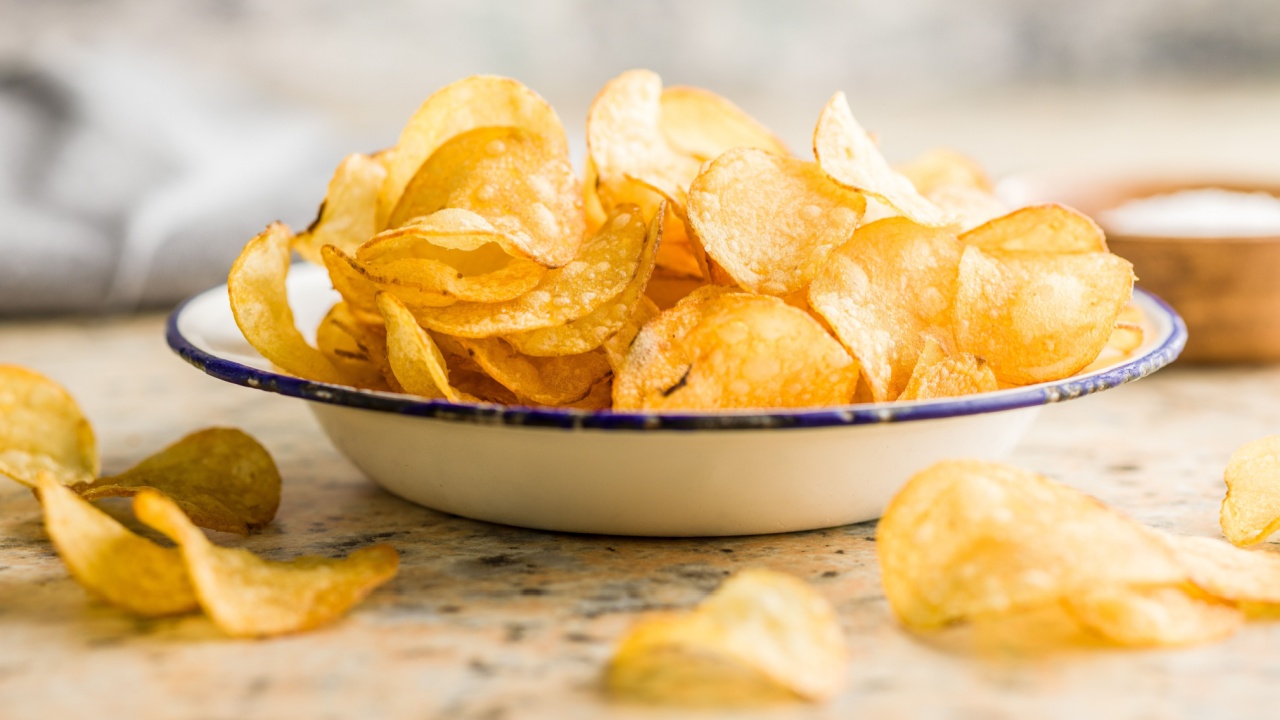
Chips, crackers, and other packaged snack foods are typically high in refined carbohydrates, sodium, and unhealthy fats. Some products may contain trans fats, which are particularly harmful because they raise LDL cholesterol while lowering HDL cholesterol. This combination increases the likelihood of plaque buildup inside arteries.
Replacing packaged snacks with whole-food options can improve diet quality. Nuts, seeds, roasted chickpeas, and fresh fruits provide natural nutrients and healthy fats. These alternatives help support heart health while still satisfying snack cravings.
6. Pastries and Cakes

Pastries, cakes, and similar desserts often contain refined flour, added sugar, and saturated fats from butter or shortening. While these ingredients create rich flavors and soft textures, they can also affect heart health when consumed frequently. Over time, frequent intake of sugary baked goods may also contribute to weight gain and insulin resistance, further increasing cardiovascular risk.
Enjoying desserts occasionally is unlikely to cause major problems, but regular overconsumption can slowly impact long-term heart health. Choosing smaller portions and saving rich desserts for special occasions can help reduce excess sugar and fat intake
7. White Bread
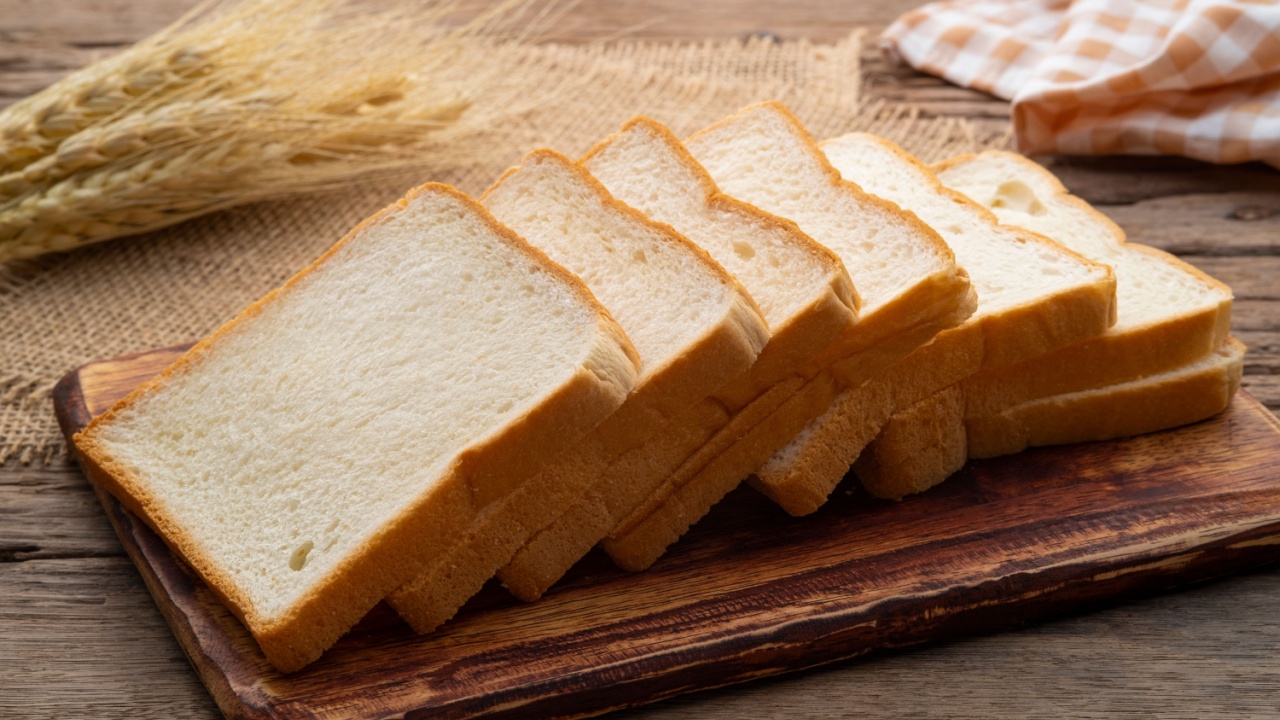
White bread is made from refined grains that have had their fiber and many nutrients removed during processing. Without fiber, refined carbohydrates are digested quickly, leading to rapid increases in blood sugar and insulin levels. These changes may contribute to inflammation and metabolic conditions associated with heart disease.
Replacing white bread with whole-grain options can make a meaningful difference because whole grains contain fiber that helps regulate blood sugar and supports healthier cholesterol levels. Foods such as whole-grain bread, oats, brown rice, and quinoa provide longer-lasting energy while also helping reduce the risk of cardiovascular disease.
8. Sugary Soft Drinks

Sugary soft drinks such as soda, energy drinks, and sweetened beverages are one of the largest sources of added sugar in modern diets. A single serving can contain several teaspoons of sugar, often in the form of high-fructose corn syrup or other sweeteners. Regular consumption of these drinks has been linked to higher triglyceride levels, weight gain, and insulin resistance. These factors can increase inflammation in the body and raise the risk of plaque buildup in arteries, which may eventually contribute to heart disease.
Another concern is that liquid sugar is quickly absorbed by the body, causing rapid spikes in blood sugar levels without creating a strong feeling of fullness. This can lead to consuming more calories throughout the day. Replacing sugary drinks with healthier alternatives such as water, sparkling water, herbal tea, or unsweetened beverages can significantly reduce added sugar intake.
9. Ice Cream

Ice cream is a favorite dessert for many people, but the cream used to make ice cream is rich in saturated fat, which can raise LDL (bad) cholesterol levels when consumed frequently, one of the main contributors to plaque buildup inside arteries. In addition, the large amount of sugar in many ice cream products can increase triglyceride levels, which are another risk factor for cardiovascular disease.
Choosing lighter alternatives such as frozen yogurt, fruit-based sorbets, or homemade desserts made with yogurt and fresh fruit. These options provide sweetness and flavor while reducing saturated fat and added sugar, helping support healthier arteries over time.
10. Pizza

Pizza is a widely loved meal, but many commercial versions contain ingredients that can contribute to clogged arteries when eaten frequently. A typical pizza often includes refined flour crust, processed meats like pepperoni or sausage, and large amounts of cheese. This combination can make pizza high in saturated fat, sodium, and calories, which can lead to plaque buildup in artery walls over time.
High sodium intake may raise blood pressure, a condition that can damage artery walls and contribute to cardiovascular disease. Choosing healthier pizza options can help reduce these risks. Whole-grain crusts, vegetable toppings, lean proteins, and moderate amounts of cheese can create a more balanced meal while still delivering the familiar flavor many people enjoy.
11. Butter
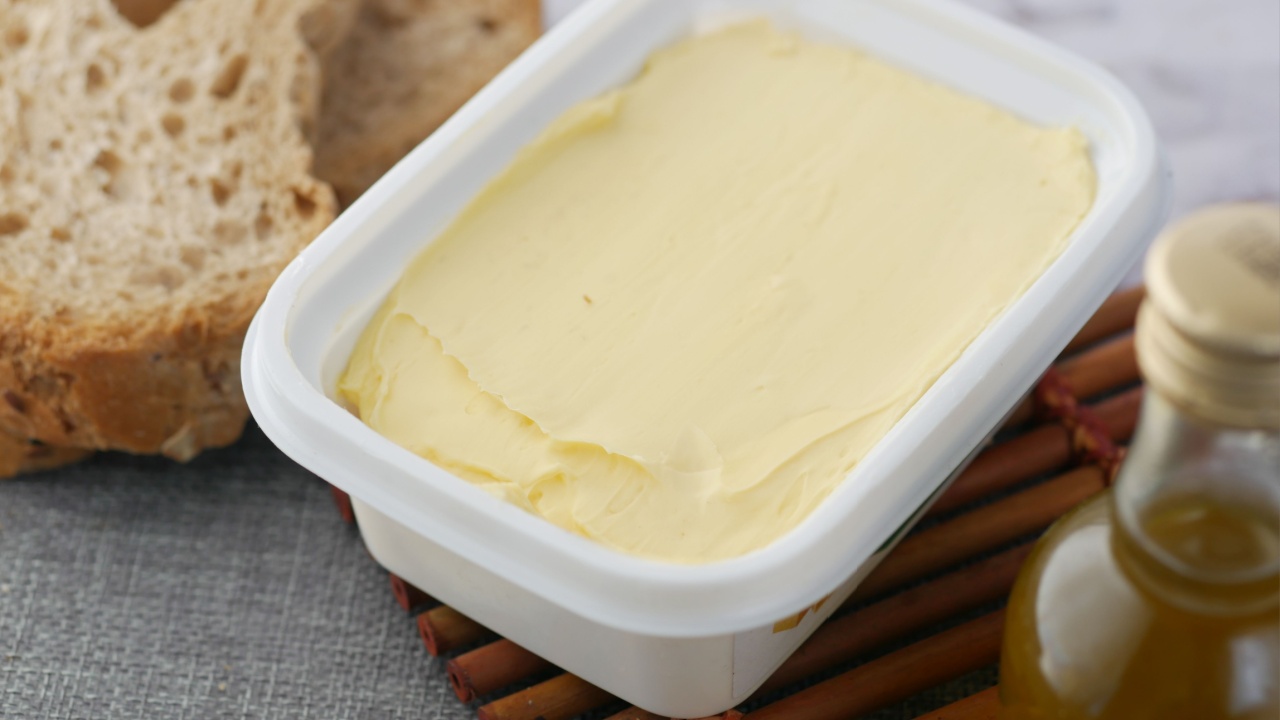
Butter is a traditional cooking fat used in many baked goods and everyday recipes, but it is also a concentrated source of saturated fat, which increases the likelihood of plaque forming along artery walls. Replacing saturated fats like butter with unsaturated fats can significantly improve cholesterol levels and heart health.
Using butter occasionally in small amounts is unlikely to cause major harm, but relying on it as a primary cooking fat may increase cardiovascular risk over time, and healthier alternatives such as olive oil, avocado oil, or other plant-based oils that contain unsaturated fats can help lower LDL cholesterol and support better heart health when used in moderation.
12. Full-Fat Cheese
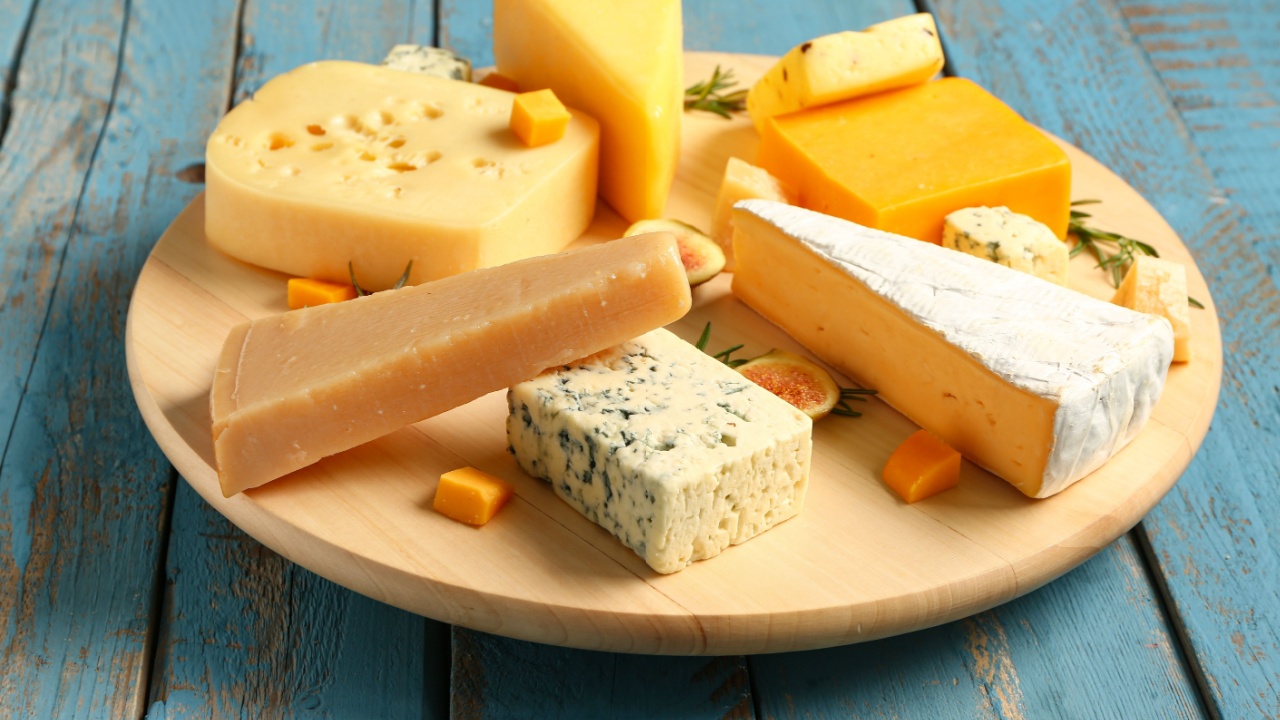
Full-fat cheese is a rich and flavorful dairy product that provides nutrients such as calcium, protein, and vitamin B12. However, wide varieties also contain significant amounts of saturated fat and sodium, which can raise LDL (bad) cholesterol levels. When LDL cholesterol remains elevated for long periods, fatty deposits can accumulate along artery walls, increasing the risk of heart disease and stroke.
A helpful strategy is combining cheese with fiber-rich foods. Whole grains, fruits, vegetables, and legumes contain dietary fiber that helps support healthy cholesterol levels and digestion. Meals such as whole-grain toast with a small amount of cheese and vegetables, or salads topped with a sprinkle of cheese, create a more balanced combination of nutrients that supports long-term heart health.
13. Instant Noodles
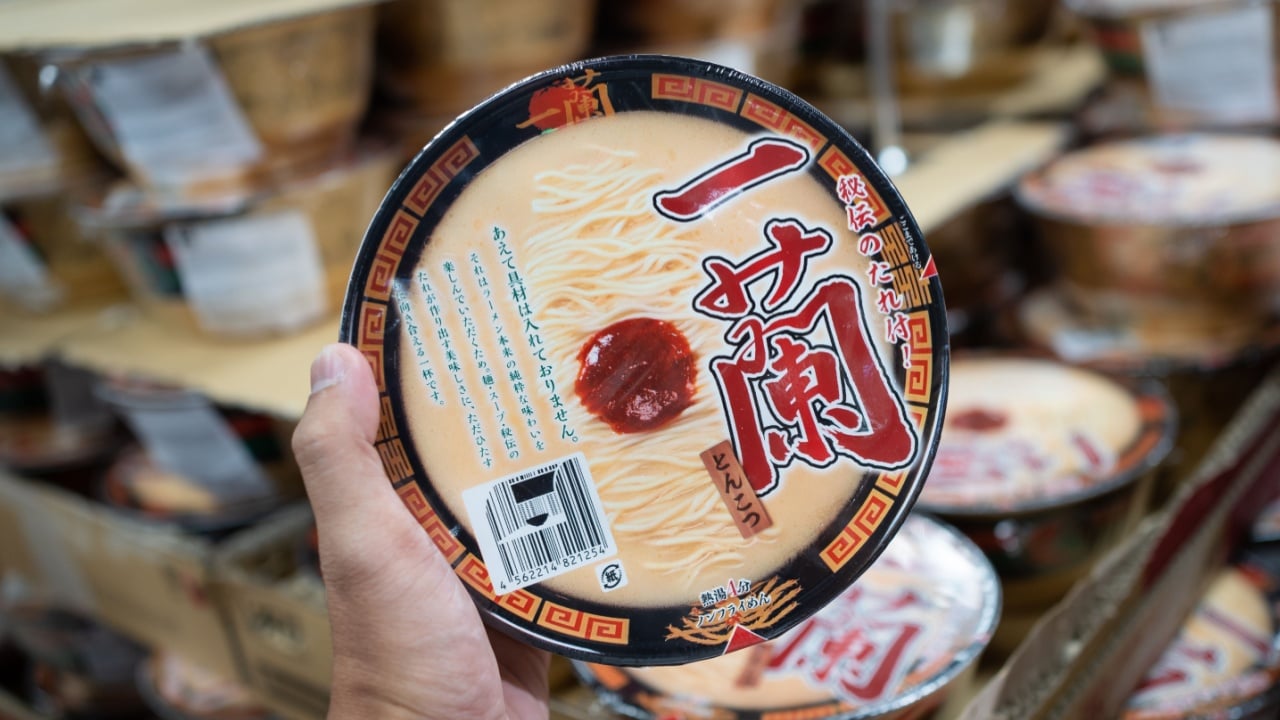
Instant noodles are a quick and inexpensive meal option, but they often contain large amounts of sodium, refined carbohydrates, and saturated fat. The seasoning packets that come with instant noodles are typically high in salt, and consuming too much sodium can raise blood pressure. High blood pressure puts extra strain on blood vessels and can damage artery walls, making it easier for plaque to build up over time.
Foods low in fiber may lead to quicker spikes in blood sugar and hunger soon after eating. Preparing noodles with fresh ingredients can make them a healthier option. Adding vegetables, lean proteins such as eggs or chicken, and using less of the seasoning packet can help reduce sodium while improving the nutritional value of the meal.
14. Creamy Salad Dressings

Creamy salad dressings, such as ranch, blue cheese, and Caesar, are often made with mayonnaise, full-fat dairy, or oils high in saturated fat. While they can make salads taste indulgent, frequent use can add significant calories, saturated fat, and sodium to an otherwise healthy meal.
A simple way to reduce these risks is to switch to lighter alternatives or make homemade dressings using heart-healthy oils such as olive or avocado oil. Mixing vinegar, lemon juice, herbs, and a small amount of healthy oil can create a flavorful dressing without the extra saturated fat. Even using creamy dressings sparingly, or as a drizzle rather than a heavy pour, can help maintain the taste while protecting cardiovascular health.
15. Milkshakes

Milkshakes are a popular treat, but they often combine ice cream, added sugar, syrups, and whipped cream, creating a beverage high in both saturated fat and sugar, which can lead to elevated LDL (bad) cholesterol and triglyceride levels, which contribute to plaque buildup in arteries.
Healthier alternatives to traditional milkshakes include fruit smoothies made with yogurt, plant-based milk, or frozen fruits. These options provide natural sweetness, fiber, vitamins, and minerals without excessive saturated fat or added sugar.
16. Ultra-Processed Convenience Foods

Ultra-processed convenience foods include packaged meals, ready-to-eat snacks, instant soups, and other highly processed items. These foods often contain high levels of added sugar, sodium, unhealthy fats, and chemical additives. Ultra-processed foods are strongly linked to a higher risk of plaque buildup in arteries. These foods are typically low in fiber and nutrients; they can displace healthier options in the diet, further increasing heart health risks.
Reducing reliance on ultra-processed foods and focusing on whole, minimally processed foods can dramatically improve diet quality. Incorporating fresh fruits, vegetables, whole grains, legumes, nuts, and lean proteins provides essential nutrients, fiber, and healthy fats that support cardiovascular health. Meal planning, batch cooking, and preparing simple snacks at home are practical ways to replace convenience foods while maintaining a busy lifestyle.
Protecting Arteries One Meal at a Time

Clogged arteries usually develop gradually over many years, often influenced by daily dietary habits. Foods high in saturated fats, trans fats, added sugars, and sodium can contribute to cholesterol buildup and inflammation within blood vessels.
However, positive changes in eating patterns can help slow or even reverse these risks. Emphasizing whole foods, lean proteins, healthy fats, and fiber-rich grains supports healthier cholesterol levels and stronger arteries. Even small adjustments, such as replacing processed snacks with whole foods or choosing healthier cooking methods, can play an important role in protecting long-term heart health.
Read More: