12 Easy Ways to Bring More Natural Light Into Your Home
Living in a home that feels like a cave can get old fast. While dramatic lighting has its place, most days call for bright, cheerful spaces powered by the sun. Boosting natural light can make rooms feel larger, improve your mood, and even trim your energy bills. Fortunately, you don’t need to knock down every wall to let the sunshine in.
From clever architectural moves to simple design swaps, there are many ways to brighten your interiors. Here are twelve effective strategies for maximizing daylight. After all, a little bit of sunshine makes everything better, right?
1. Strategic Site Orientation
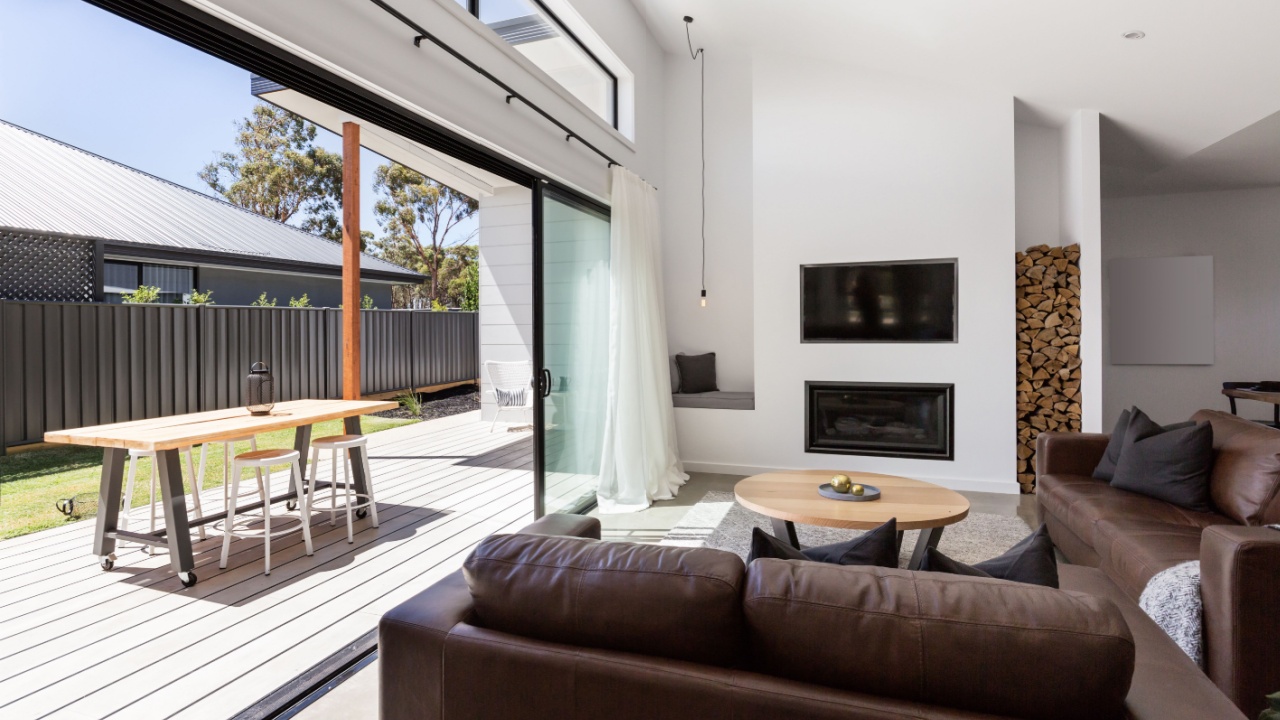
Architects say that before a single foundation is poured, the most impactful decision for natural light is made: how the building is positioned. Aligning a home with the sun’s daily path is a fundamental architectural principle for creating a bright and energy-efficient space. It’s about working with nature to get that free, high-quality light.
Orient the most-used rooms, like the living room and kitchen, to receive the best quality of daylight throughout the day. This typically means facing them south in the Northern Hemisphere to capture consistent, gentle light. This approach also helps minimize harsh glare and prevent rooms from overheating, a common issue with west-facing windows in the afternoon.
Quick Look:
-
- What it is: Positioning a building to align with the sun’s path.
- Why it works: Maximizes useful daylight while reducing glare and unwanted heat.
- Next Steps: If building new, discuss solar orientation with your architect. For existing homes, understand your home’s layout to inform window and room-use decisions.
2. Thoughtful Window Placement and Sizing

Where you put windows and how large they are dramatically affect a room’s brightness and atmosphere. The trick is to find the sweet spot: enough glass to light the space without turning it into a greenhouse. Architects often use a “window-to-wall ratio” to strike this balance.
Placing windows on multiple sides of a room is another powerful technique. Light from a single source can create harsh shadows, but adding a window on an adjacent or opposite wall provides balanced, multi-directional illumination. The direction the window faces also matters. East-facing windows capture the morning sun.
Quick Look:
-
- What it is: Optimizing the size, location, and number of windows.
- Why it works: Balances light distribution and prevents harsh shadows.
- Next Steps: When renovating, consider adding a window on a second wall. Even a small, high-up window can make a huge difference.
3. Light Shelves

A light shelf is a simple but brilliant device. It’s a horizontal surface, usually placed above eye level on the interior or exterior of a window. Its job is twofold: to bounce sunlight deep into a room and to block direct, high-angle sun from causing glare. The top surface of the shelf is reflective, catching incoming daylight and redirecting it up onto the ceiling.
This redirected light washes across the ceiling and diffuses throughout the space, illuminating areas far from the window. It creates a soft, even glow that reduces the need for artificial lighting. Light shelves are especially effective on sun-facing facades where glare and heat can be a problem. They are a sophisticated solution for managing sunlight with elegance.
Quick Look:
-
- What it is: A horizontal shelf installed above a window to reflect light.
- Why it works: Bounces daylight deeper into a room and reduces direct glare.
- Next Steps: Light shelves can be custom-built or purchased as kits. Install them on south-facing windows for maximum benefit.
4. Clerestory Windows

Want light without sacrificing privacy? Clerestory windows are the answer. These are high-set windows placed near the roofline, well above eye level. They are an age-old architectural feature used to bring daylight into the core of a building while keeping the lower parts of the walls solid for furniture, art, or privacy.
Clerestory windows are perfect for bathrooms, bedrooms, and hallways. They flood a room with light from above, creating an open, airy feeling. Because of their height, they provide excellent, balanced illumination without allowing prying eyes to see in. They can also be designed to be operable, offering a way to vent hot air that rises to the ceiling and improve natural ventilation.
Quick Look:
-
- What it is: A row of windows set high on a wall near the ceiling.
- Why it works: Provides daylight and ventilation while maintaining privacy.
- Next Steps: Consider adding clerestory windows during a renovation or extension project, especially in rooms with tall ceilings or those on an upper floor.
5. Skylights

For rooms trapped in the middle of a floor plan, a skylight can be a lifesaver. By installing a window directly into the roof, you can funnel daylight straight down into spaces that have no access to exterior walls. Kitchens, bathrooms, and central stairwells are prime candidates for this top-down illumination.
Modern skylights are far from the leaky versions of the past. When properly installed and sealed, they are a reliable source of bright, natural light. It’s important to consider their orientation; a north-facing skylight gives soft, consistent light, while a south-facing one may need a blind or special glazing to control heat gain. The result is a dramatic transformation, turning a dark, forgotten space into a bright focal point.
Quick Look:
-
- What it is: A window installed in the roof.
- Why it works: Illuminates dark, central rooms without access to exterior walls.
- Next Steps: Consult with a professional roofer or contractor for installation. Choose skylights with UV-protective coatings and options for blinds.
6. Sun Tunnels / Tubular Daylighting Devices

Imagine a skylight for places a skylight can’t go. That’s a sun tunnel. Also known as a tubular daylighting device (TDD), it’s a clever system that captures sunlight on the roof and channels it down through a highly reflective tube into a room below. It can navigate around attic obstructions, making it a flexible solution for lighting closets, hallways, and laundry rooms.
Unlike a traditional skylight, a sun tunnel delivers softer, more diffused light with minimal heat gain. The light is captured by a small dome on the roof and directed downward, bouncing off the reflective interior of the tube until it exits through a diffuser in the ceiling. It’s an efficient and cost-effective way to brighten smaller, darker areas of your home.
Quick Look:
-
- What it is: A reflective tube that channels sunlight from the roof into an interior space.
- Why it works: Brings natural light to rooms without direct roof access, offering soft light with low heat gain.
- Next Steps: Sun tunnels are less invasive to install than skylights. Kits are widely available, but professional installation is recommended to ensure a watertight seal.
7. Glass Doors, Walls, and Transparent Partitions
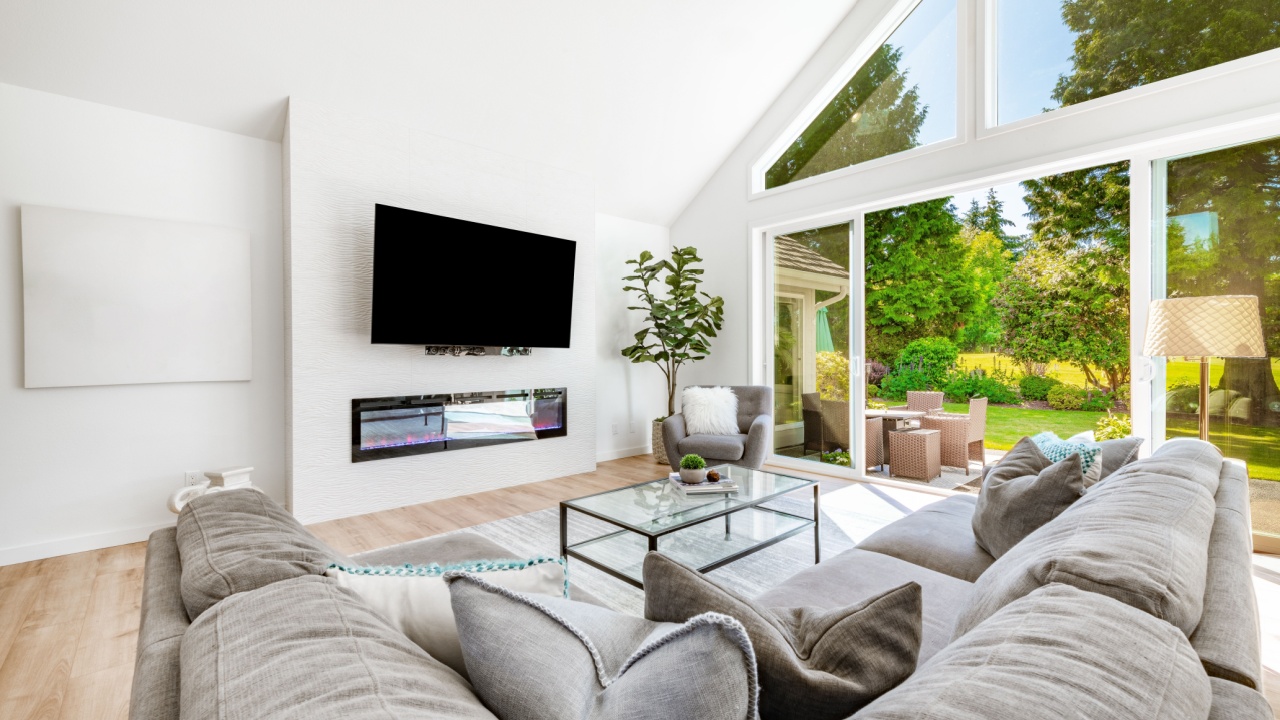
Solid walls are the biggest light-blockers in any home. Replacing them, or even just a solid door, with a glass alternative can dramatically improve the flow of light between rooms. French doors, sliding glass doors, or even a solid door with glass panels can connect an interior room to a brighter, window-filled space.
For a more modern look, interior glass walls or frosted panels can divide a space without sacrificing brightness. These partitions define different zones while allowing light to pass through, maintaining an open and connected feel. This strategy is perfect for home offices or en-suite bathrooms where both separation and light are desired. Glass walls can even boost your mental health; psychologists say that watching the sun rise or rain from indoors can be therapeutic.
Quick Look:
-
- What it is: Using glass instead of solid materials for doors and walls.
- Why it works: Allows light to travel between adjoining rooms.
- Next Steps: Swapping a solid interior door for one with glass panels is a simple weekend project. For glass walls, consult a contractor.
8. Reflective Surfaces and Light-Colored Finishes
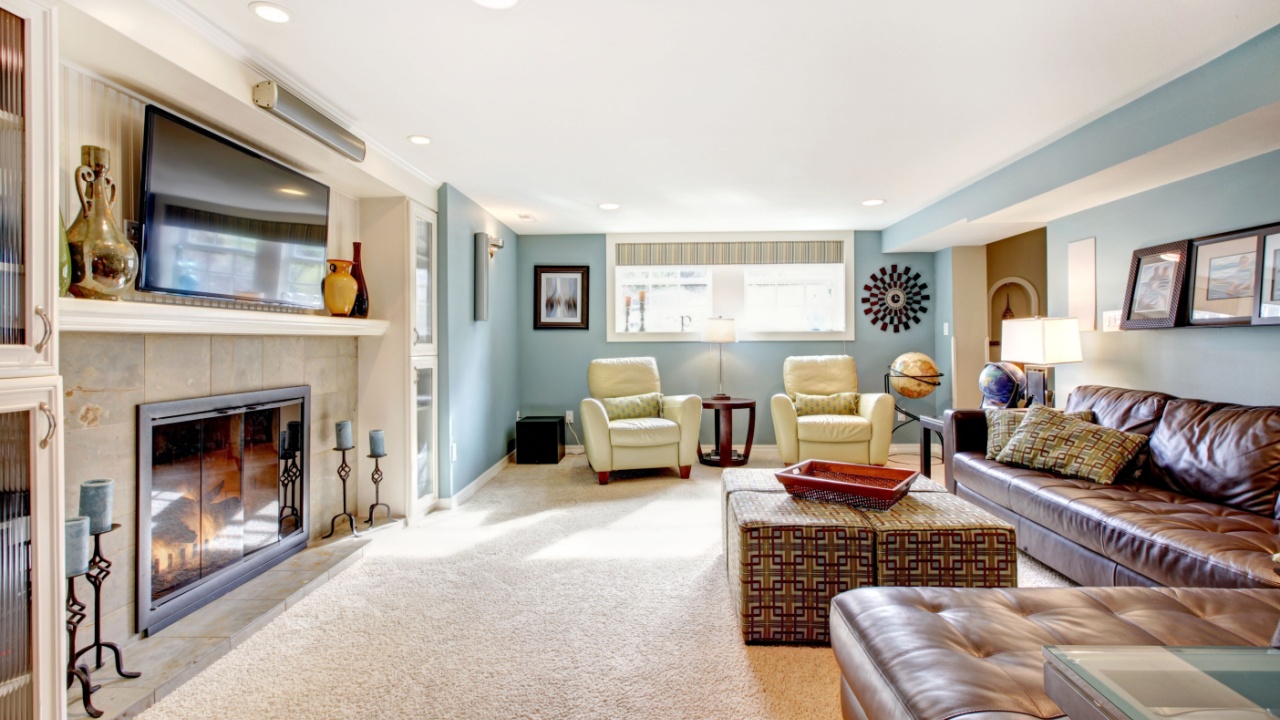
Once light is in a room, the next step is to make it bounce around. Dark surfaces absorb light, while light-colored and reflective ones scatter it. Painting walls and ceilings in pale shades like white, cream, or light gray is one of the easiest and most effective ways to make a room feel brighter. A high-gloss or satin finish will reflect even more light than a matte one.
Don’t stop at the walls. Light-colored flooring, glossy tiles, and even reflective furniture and decor can contribute. A well-placed mirror can double the light from a window, and metallic or glass accessories will catch and scatter rays into darker corners. Every reflective surface becomes a small helper in the mission to illuminate your space.
Quick Look:
-
- What it is: Using pale, glossy, or reflective materials on surfaces.
- Why it works: Bounces existing light around the room, enhancing overall brightness.
- Next Steps: Repaint a dark room with a light, satin-finish paint. Add a large mirror directly opposite a window.
9. Atriums, Courtyards, and Open Floor Plans
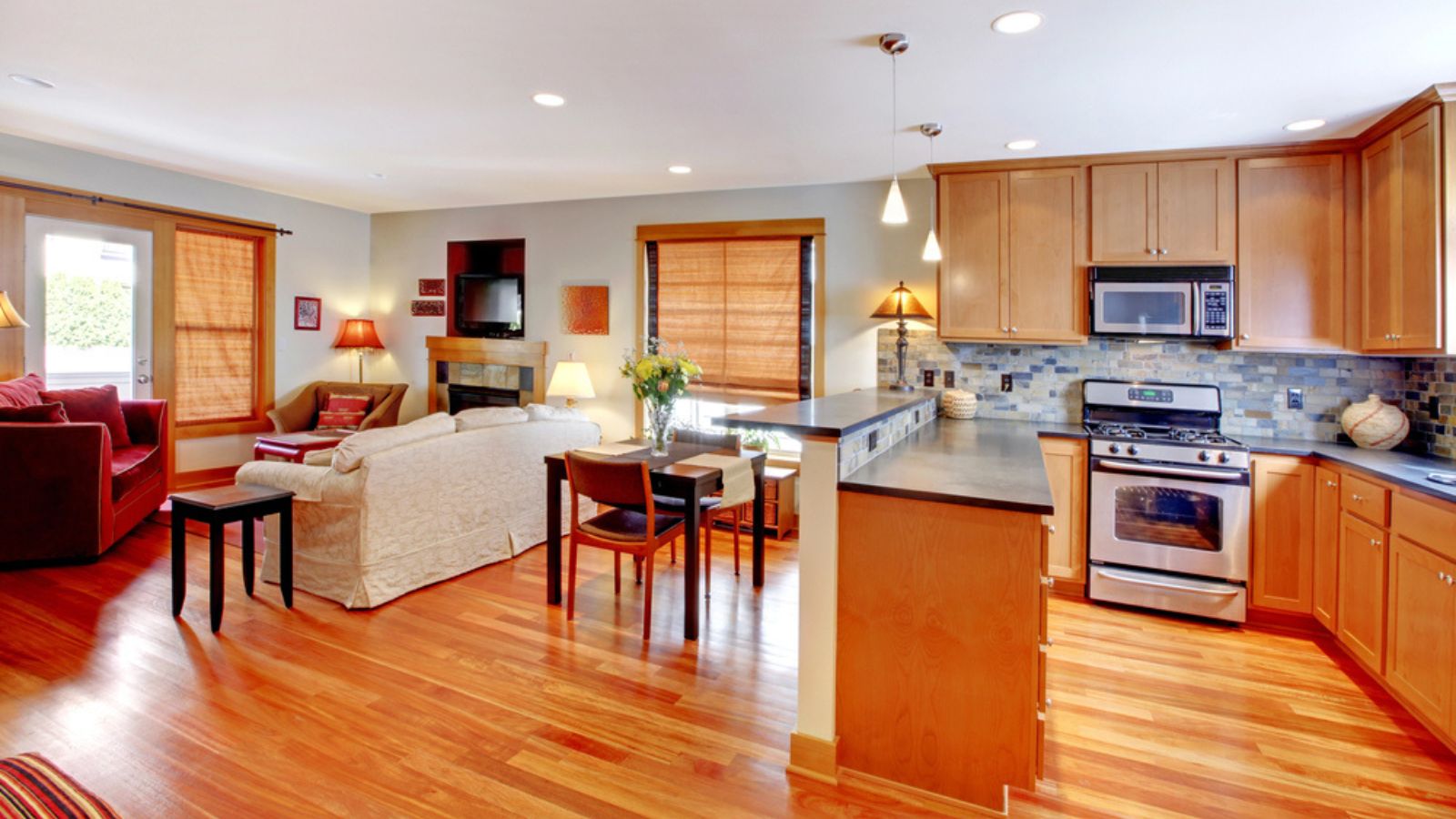
For a truly light-filled home, think big. Open-plan layouts remove interior walls, allowing daylight from windows to travel uninterrupted through the living, dining, and kitchen areas. This design promotes a sense of spaciousness and visual connection, making the entire area feel brighter.
Internal courtyards and atriums are more ambitious features that create a private outdoor space within the home’s footprint. These light wells draw daylight deep into the building’s core, illuminating multiple rooms at once. Double-height spaces, like a living room with a ceiling that extends to the second floor, allow light from upper-story windows to cascade down into the main living area.
Quick Look:
-
- What it is: Designing open layouts or central light wells like atriums.
- Why it works: Allows daylight to penetrate deep into a building’s core.
- Next Steps: During a major renovation, consider removing non-structural walls to create an open-plan living area.
10. Adaptive Shading and Smart Glazing
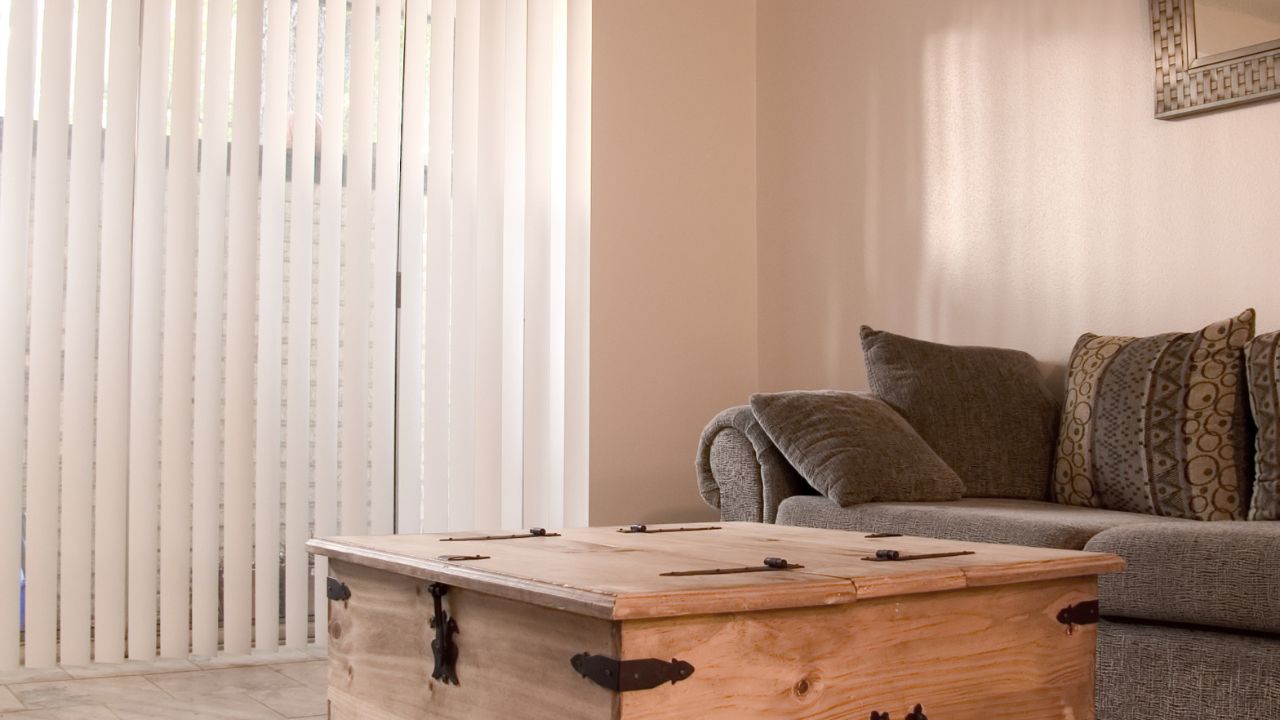
Sometimes, the challenge isn’t getting enough light, but managing too much of it. Adaptive shading solutions like adjustable overhangs, exterior louvers, or retractable awnings give you control over solar intensity. They can be deployed to block harsh midday or afternoon sun, preventing glare and overheating while still allowing ambient light to enter.
For a high-tech approach, smart glazing (or electrochromic glass) can change from clear to tinted with the flick of a switch. This technology allows you to control the amount of light and heat passing through a window without blocking the view. It’s a dynamic solution for maintaining comfort and visibility in rooms with significant sun exposure.
Quick Look:
-
- What it is: Using adjustable shades or smart glass to manage sunlight.
- Why it works: Prevents glare and overheating while maintaining a connection to the outdoors.
- Next Steps: Install exterior solar shades or interior blinds with light-filtering properties. Explore smart glass options for new window installations.
11. Landscaping for Light Optimization

Your garden can be a powerful tool for shaping the light that enters your home. The right landscaping can frame views, filter harsh sunlight, and even reflect more light inside. For instance, planting deciduous trees on the south or west side of your house provides shade in the summer when they have leaves, but allows winter sun to pass through after the leaves have fallen.
Avoid planting dense, evergreen shrubs directly in front of low windows. Instead, choose lower-profile plants or position larger ones to the side to frame the window. Some shrubs, like the red osier dogwood, will even stay colorful in winter. Using light-colored paving stones or gravel on patios and walkways near the house can also reflect daylight up and into adjacent rooms.
Quick Look:
-
- What it is: Using trees, plants, and hardscaping to control and reflect daylight.
- Why it works: Blocks harsh sun in summer, allows sun in winter, and reflects ambient light indoors.
- Next Steps: Audit your existing landscape. Prune any overgrown trees or shrubs that are blocking windows. Plan new plantings with the sun’s path in mind.
12. Simulation and Daylight Modeling

For those planning a new build or a major renovation, designers will tell you what not to do: don’t follow trends. Instead, use digital tools to take the guesswork out of daylighting design. Using Building Information Modeling (BIM) software, architects can create a 3D model of a home and simulate how sunlight will interact with it throughout the day and year.
This daylight analysis can predict light levels in every room, identify potential glare issues, and test the effectiveness of different window sizes, placements, and shading strategies. It allows for a highly optimized design that is perfected on screen before any construction begins, ensuring the final result is as bright and comfortable as intended.
Quick Look:
-
- What it is: Using software to simulate daylight performance in a building design.
- Why it works: Ensures an efficient and effective daylighting strategy before construction.
- Next Steps: When working with an architect, ask if they use daylight modeling to analyze and refine the design.
Your Bright Future

Bringing more natural light into your home is a rewarding project that enhances your daily life. You can begin with simple changes, like a fresh coat of light-colored paint or a strategically placed mirror. These small adjustments can have a surprising impact.
For those ready for bigger changes, consider upgrading a solid door to one with glass or consulting a professional about adding a skylight. Each step, big or small, contributes to creating a home that feels more open, spacious, and connected to the world outside. The right light can truly redefine a space, turning it from just a house into a place you love to be.