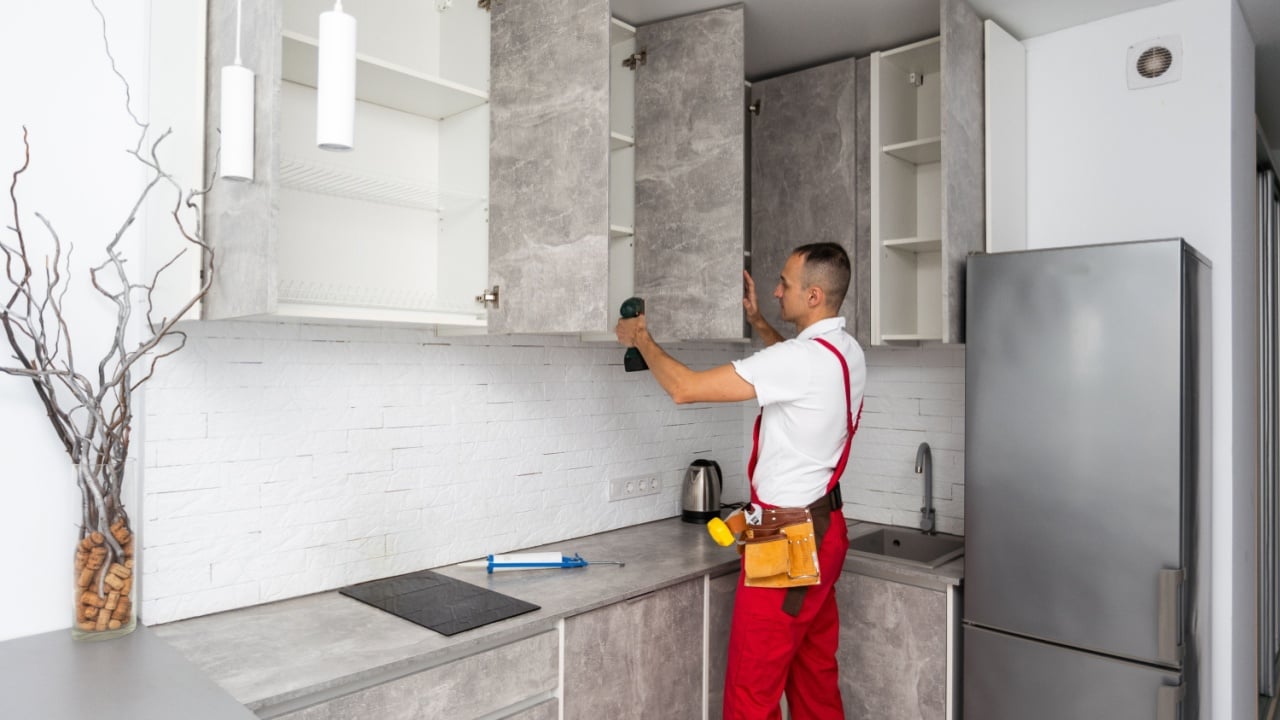
Don’t Waste Time or Money: 5 Home Renovations to Skip Before Selling
Selling your home can feel like a blur of decisions, costs, and to-do lists that just won’t quit. It’s tempting to think you need to renovate every last corner to get top dollar, but that’s a fast track to a drained bank account and a major headache. The truth is, not every upgrade will boost your sale price. Some “improvements” can even turn buyers off, who will just see your dream kitchen as their future demolition project.
By knowing which renovations to skip, you can put your time and money into the upgrades that actually make a difference. Avoiding these projects will save you cash and the stress of managing work that might not even pay off in the end.
1. Major Kitchen and Bathroom Renovations
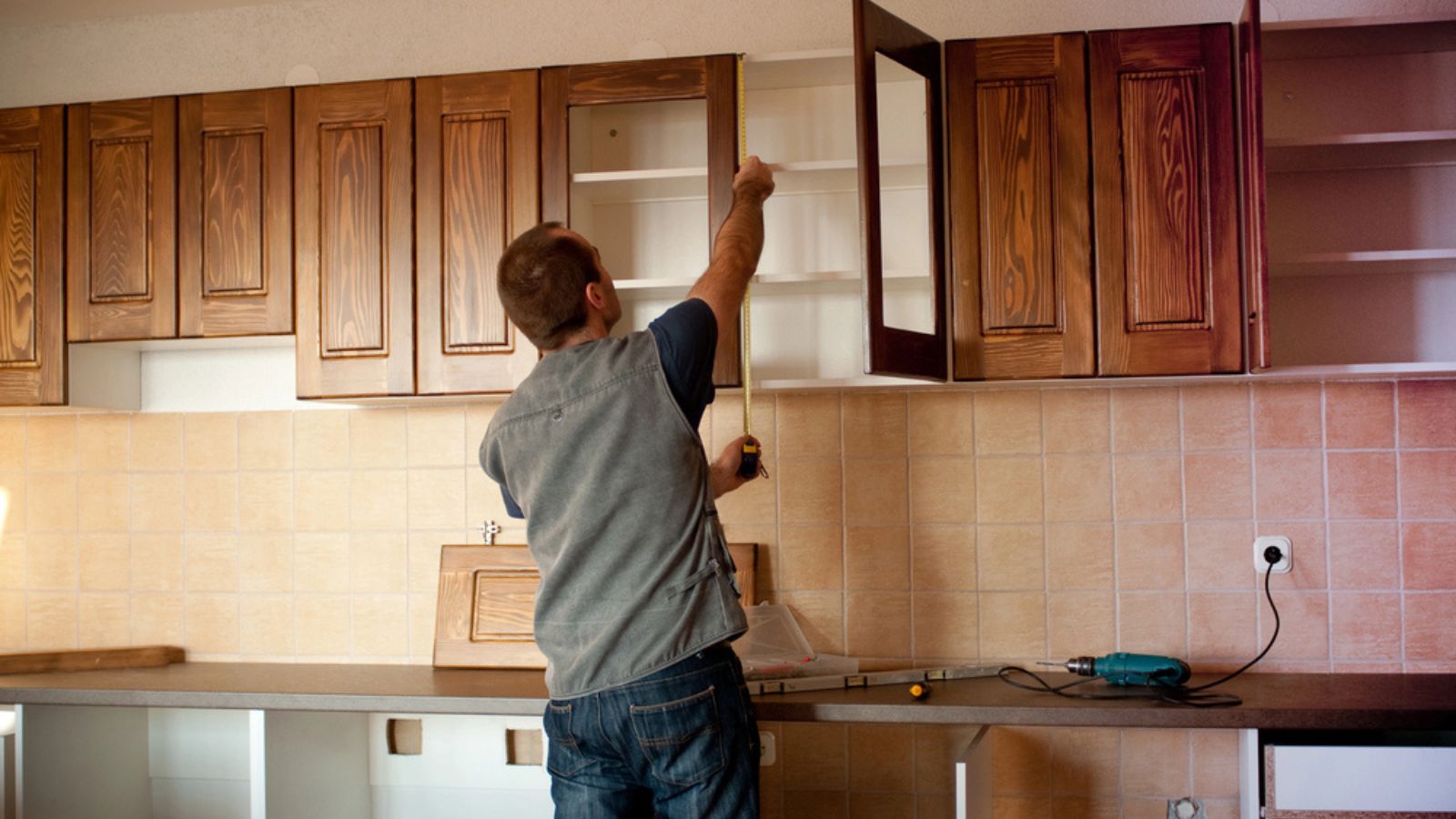
While the kitchen and bathroom are important, a full-scale renovation before selling is a risky and expensive move. Your personal style might not match the buyer’s, who may see your brand-new kitchen as a teardown project.
Instead of a major overhaul, focus on smaller, cosmetic updates. Simple changes like refacing cabinets, updating hardware, or replacing a dated faucet can refresh the space without a hefty price tag. These minor improvements suggest the home is well-maintained and let buyers imagine their own future changes.
2. Elaborate Landscape Changes

Curb appeal is a huge draw, but don’t go overboard with high-maintenance gardens. Intricate water features or exotic flower beds can actually scare buyers off. Instead of seeing a beautiful oasis, they see a weekend full of weeding and pruning.
Keep it simple. A manicured lawn, trimmed hedges, and fresh mulch create a great first impression without the promise of future labor. A few pots of flowers near the door add plenty of charm without overwhelming someone who lacks a green thumb.
3. High-End Custom Features

That professional-grade wine cellar or built-in aquarium might be your dream, but for most buyers, it’s just a “niche” project they’ll have to maintain. A home theater with tiered seating is luxurious to you, but to the average house hunter, it’s just a dark room that’s expensive to convert back into an office.
These high-end customizations usually offer a poor return on investment. Most people want versatile square footage they can adapt to their own lives, not specialized zones for someone else’s hobby. It’s much smarter to keep your spaces flexible and stage them to show off their potential for multiple uses.
4. Painting with Bold or Trendy Colors

A fresh coat of paint is an affordable way to refresh your home, but your color choice is crucial. While you might love a deep navy dining room, bold choices can be polarizing and make rooms feel smaller. Buyers want to picture their own lives in the space, and aggressive colors make that difficult.
Neutral tones like soft whites, beiges, and grays act as a blank canvas, making spaces feel larger and more inviting. This way, buyers aren’t immediately thinking about the cost and effort of repainting.
5. Replacing Functioning Appliances and Fixtures
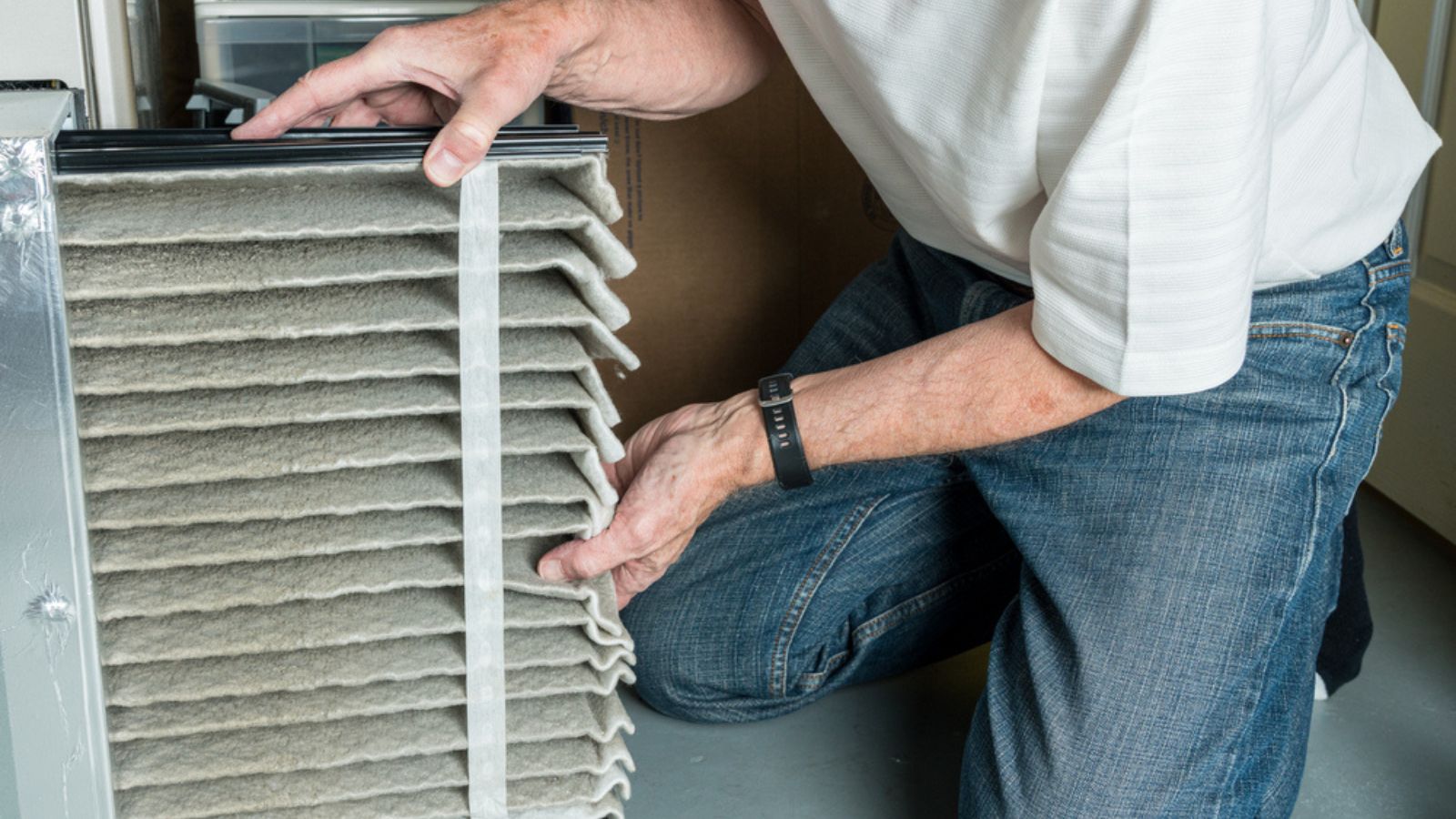
It’s a common myth that everything needs to be brand new to sell your home. But replacing a working HVAC system, water heater, or windows just for the sake of it is usually a waste of money. Buyers expect these systems to work, but they rarely pay a premium for a furnace installed last week versus five years ago.
Unless a system is broken or ancient, leave it alone. A pre-listing inspection can confirm everything is in good working order. If it is, a simple cleaning and servicing will do. Save your money for more visible issues that might raise red flags during a showing.
Making the Right Moves

Selling a home requires a strategic approach to spending. The goal is to maximize the sale price while minimizing the investment required to get there. By skipping these six low-ROI projects, sellers can focus on cleaning, decluttering, and performing necessary repairs, tasks that truly facilitate a faster, more profitable sale.
Consult with a local real estate agent to determine specifically what buyers in your area prioritize. A tailored strategy will help you make informed decisions, keeping more profit in your pocket when the deal closes.