
7 Healthy Foods That Are Shockingly Cheap
Grocery shopping shouldn’t feel like a battle between your health and your bank account. You’ve probably walked down the “health food” aisles filled with protein powders and bars, assuming that eating well is a luxury reserved for people with massive budgets. Thus, eventually resigning yourself to the idea that “nutritious” always means “expensive.” Honestly? That’s just not true.
If you look closely at the bulk sections and at certain whole foods (aka the food around the perimeter of the store), you’ll find nutritional powerhouses that cost pennies per serving. These staples give your body exactly what it needs without draining your wallet. These undervalued gems can build a diet that fuels you and keeps your savings intact at the same time.
1. Lentils
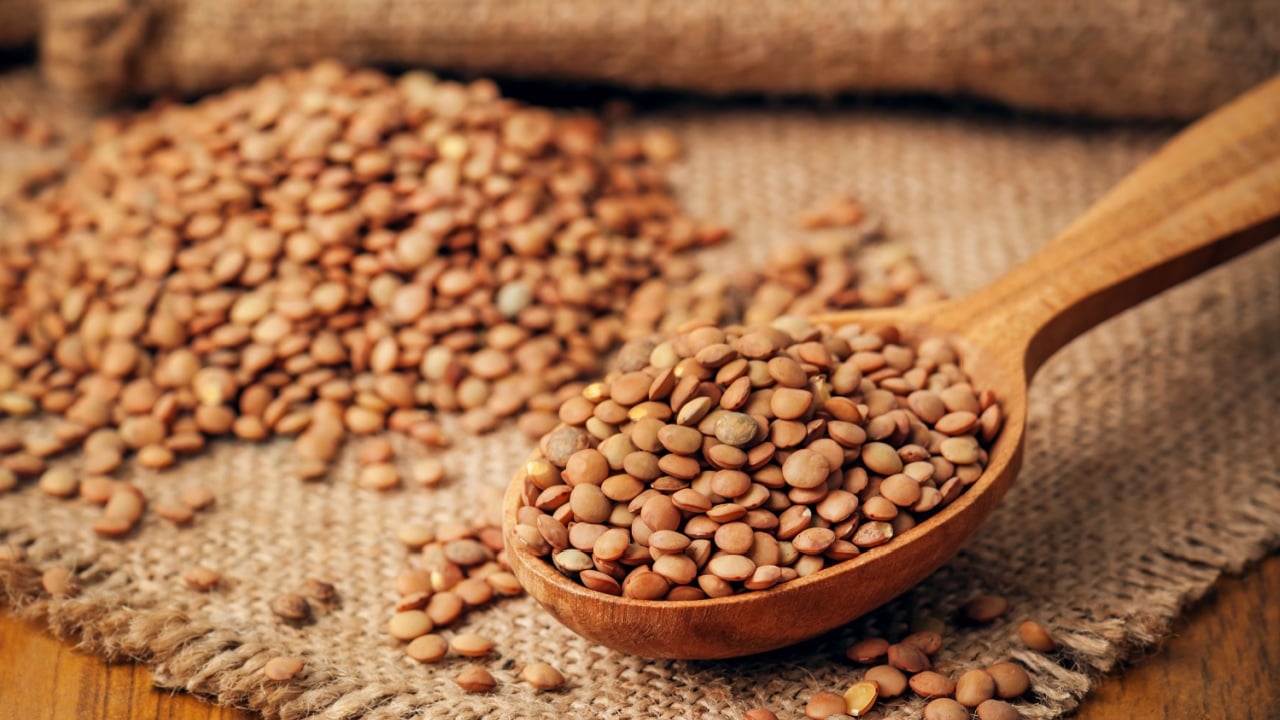
Beans get a lot of attention for being budget-friendly, but lentils might be even better. These tiny legumes are packed with nutrition; 1 cup of cooked lentils contains 18g of protein. For vegetarians or anyone cutting back on meat, lentils offer a big dose of iron and Vitamin B for a much lower price than meat.
Unlike dried beans that need to be soaked overnight, lentils cook in just 20-30 minutes, making them perfect for weeknight meals. They soak up the flavors of spices and broths, so they work well in soups, stews, and salads. To save even more money, you can replace half the ground meat in recipes like bolognese or tacos with cooked brown lentils. You probably won’t taste the difference, but you’ll see it in your grocery bill.
2. Cabbage
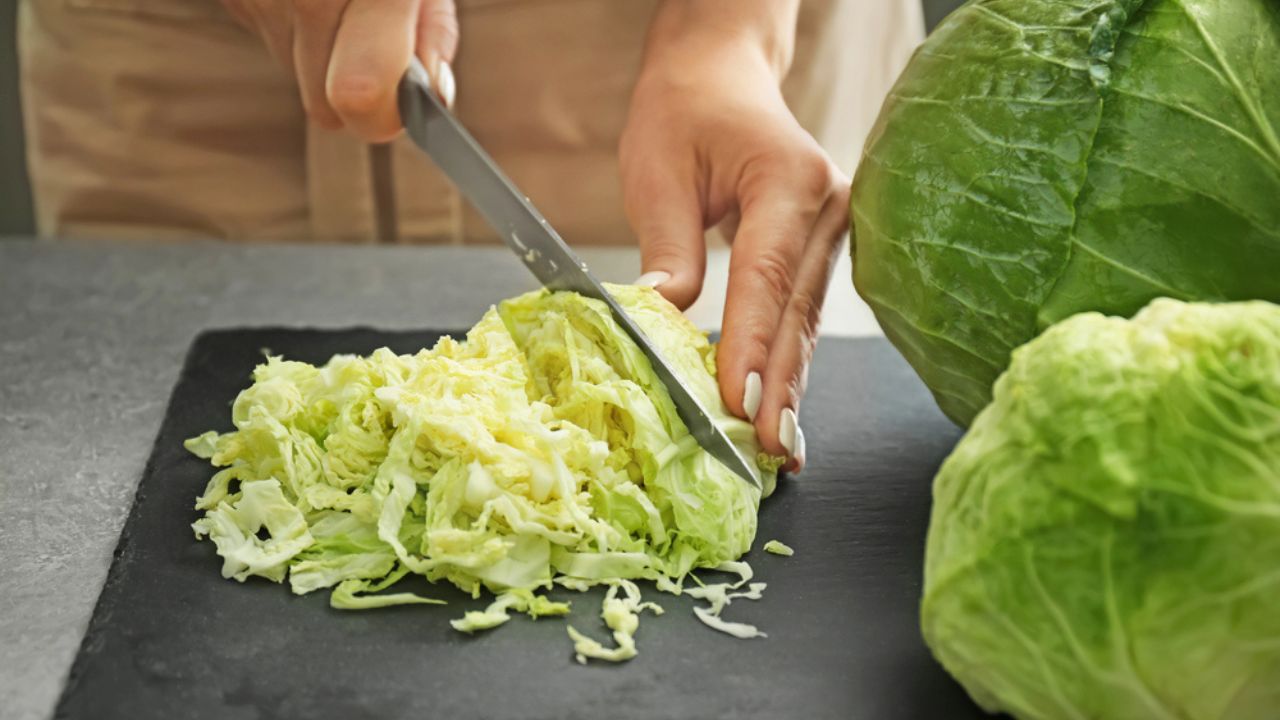
While spinach and arugula often turn to slime in days, cabbage is a powerhouse of longevity. A single head can last for weeks in the fridge, helping you cut down on food waste and save money.
Nutritionally, it’s packed with Vitamin K and Vitamin C. Beyond raw coleslaw, try roasting cabbage wedges to bring out a natural sweetness or slicing it thin for a crunchy, filling stir-fry base. It’s a versatile, low-calorie way to bulk up any meal.
3. Oats

Oats are much more than a simple breakfast porridge. As a whole grain, they are packed with fiber to help manage cholesterol and contain more protein than most other common grains.
To get the best value, use them beyond the breakfast bowl. Pulse them in a blender to make a cheap, gluten-free flour for baking, or use them as a binder in meatballs to replace pricey breadcrumbs. For a budget-friendly dinner, try savory oats cooked in broth with a fried egg; it costs less than a dollar per serving.
4. Potatoes
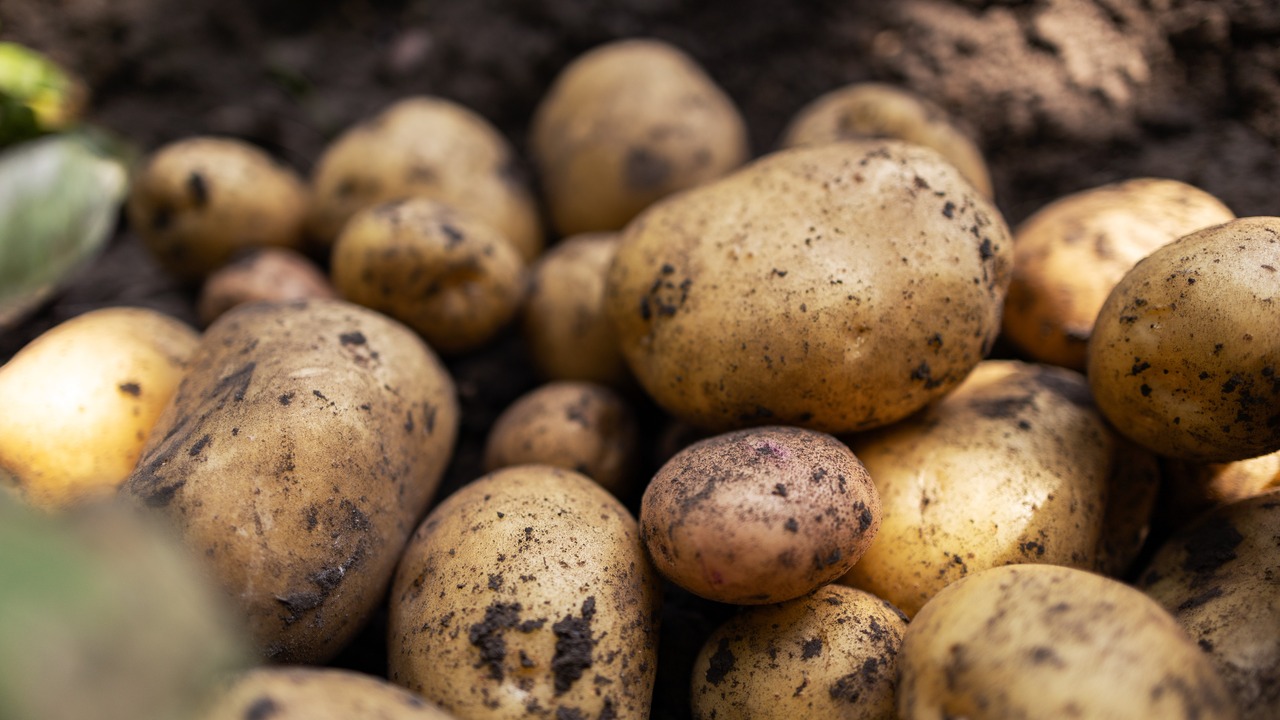
Potatoes often get a bad rap because of low-carb diets and deep-fried versions, but they’re actually one of the most filling foods. High on the Satiety Index, they keep you full longer than pasta or rice.
With the skin on, they’re packed with potassium (even more than a banana), fiber, and Vitamin C, all for just a few dollars per bag. For a healthier option, skip the butter and sour cream. Try roasting with olive oil and rosemary or baking and topping with salsa and black beans for a cheap, nutritious meal.
5. Canned Fish
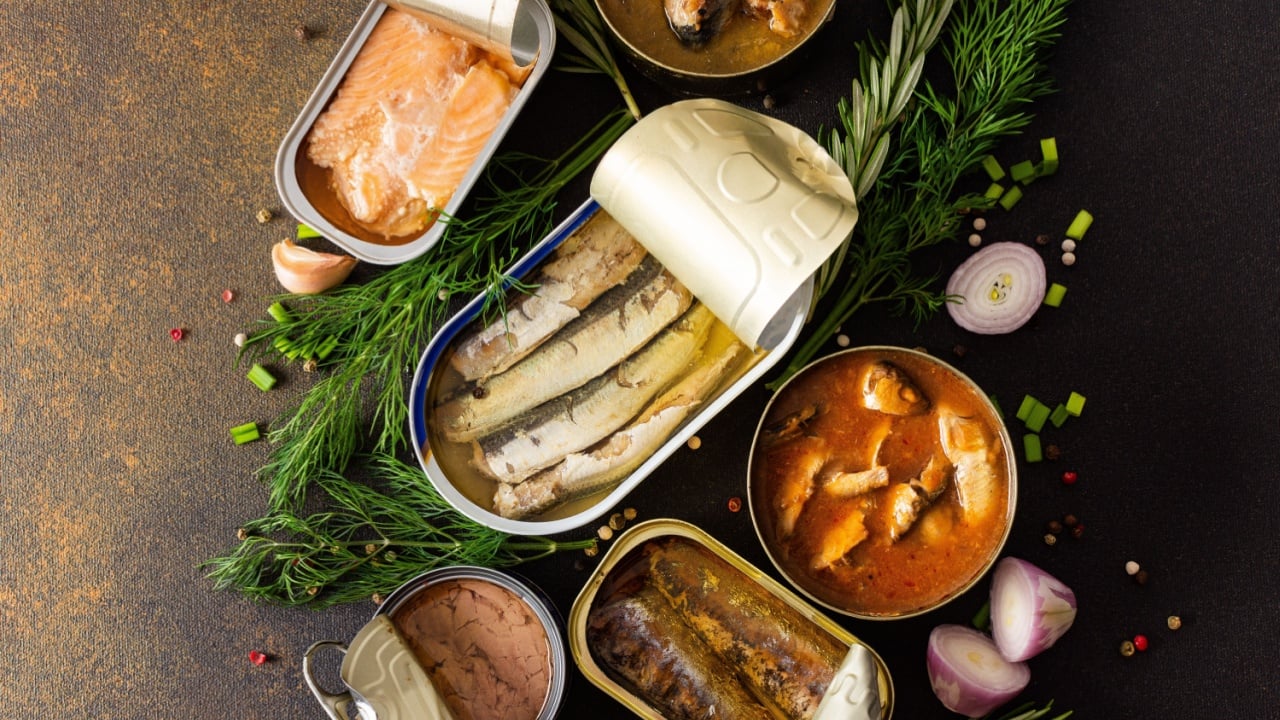
Fresh seafood can be expensive, but the canned aisle offers a great alternative. Canned tuna, salmon, and sardines provide the same essential Omega-3s and protein as fresh fish but are much cheaper and last longer.
You also get a big dose of calcium from the small, softened bones in canned salmon and sardines. Plus, they’re incredibly convenient, no cooking required. Mash some canned salmon with avocado for a quick salad, or add sardines to pasta sauce for extra flavor. It’s a smart, affordable way to get your two servings of fish per week.
6. Frozen Spinach

Fresh spinach spoils quickly and wilts down to almost nothing when cooked. Frozen spinach is the perfect solution. Harvested at peak ripeness and flash-frozen, it locks in essential nutrients like iron, calcium, and magnesium. Since it’s already blanched and chopped, it is incredibly dense. One small package often provides as much nourishment as several large bags of fresh leaves.
This freezer staple is an effortless way to boost the vitamin content of your meals without significantly altering the flavor. It’s easily one of the most cost-effective ways to hit your daily vegetable goals for just pennies a day.
7. Bananas

While exotic superfood fruits like acai or dragon fruit get all the marketing hype, the humble banana remains the king of affordable produce. Usually sold for well under a dollar per pound, they come in their own natural, portable packaging. Plus, they’re loaded with energy-boosting carbs, potassium for your muscles, and fiber for digestion.
Bananas are also great for cutting down on food waste. If they get too brown, don’t toss them; peel and freeze them. You can blend them into a creamy, dairy-free “nice cream” or use them to naturally sweeten your baking so you can skip the added sugar.
Next Steps for Your Grocery Haul

Knowing these options exist is only half the battle. The real challenge lies in incorporating them into your weekly rotation. Identify one expensive item on your current grocery list and swap it for one of these affordable powerhouses. If you usually buy fresh salmon, try canned this week. If you rely on boxed sugary cereals, grab a container of oats.
Small, strategic swaps accumulate into significant savings over a month. Take a look at your pantry today, make room for these staples, and watch your food bill drop while your nutrition improves.