15 Items Designers Refuse to Put in Their Own Homes
Do you have a friend whose home looks like it was plucked from a magazine? Every pillow is perfectly fluffed, the lighting is always just right, and somehow, there’s not a single stray cord in sight. It’s easy to believe they were born with an innate sense of style, a secret handbook to creating beautiful spaces. But here’s a little secret: much of that “perfect” look comes from knowing what not to do.
Interior designers see it all. They’ve witnessed trends come and go, and they’ve fixed more design missteps than we’ve had questionable fashion choices. They learn from experience, developing a keen eye for items that promise style but deliver headaches. We’ve peeked into their notebooks to uncover the common household items they consistently skip.
Here are 15 things designers don’t put in their homes. Does it mean you have to follow? Of course not. But a little outside perspective never hurt anyone.
1. Barn Doors on Every Opening
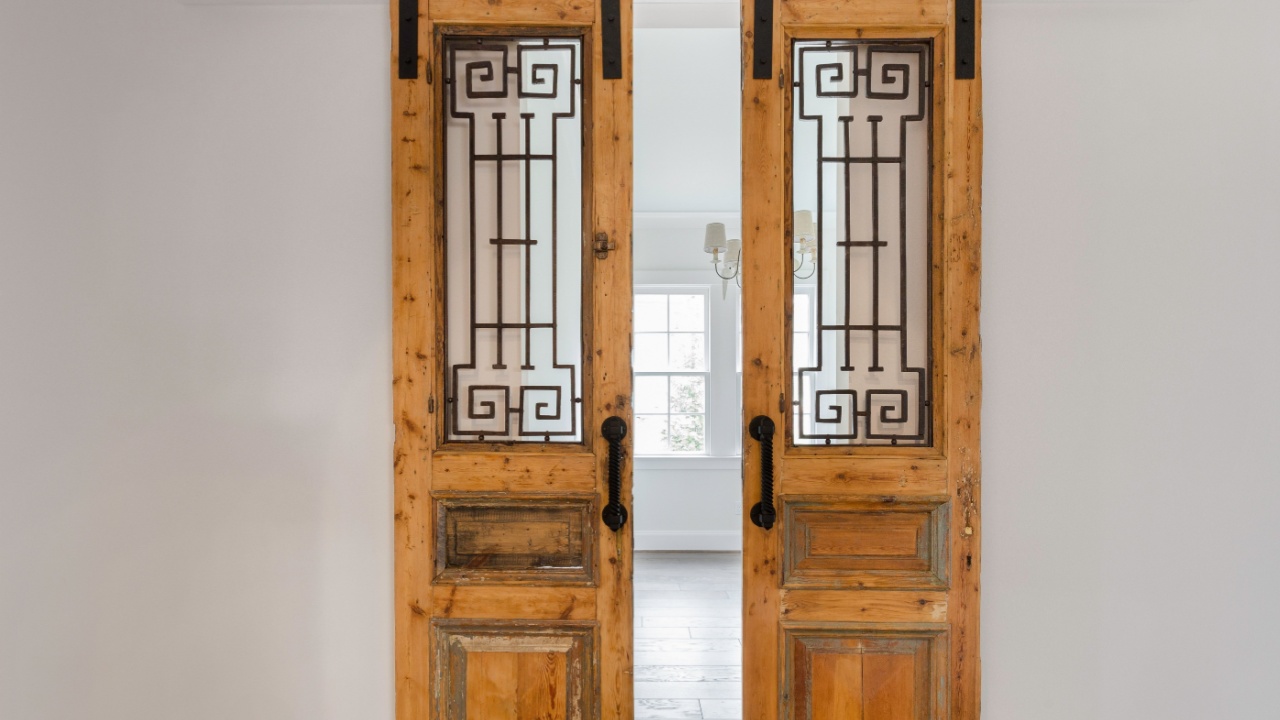
Barn doors had their moment, sliding into our hearts and our living rooms with rustic charm. They seemed like a clever solution for tight spaces or a bold statement piece. The problem is, they are often used in places where a regular door would be far more practical, like bathrooms or bedrooms. They don’t seal well, which means light, sounds, and smells will travel. Privacy is not their strong suit.
Designers have learned that while a barn door can be a great feature in the right context, like a pantry or a den, it’s not a universal fix. A classic, well-made pocket door or a traditional hinged door often provides better function and a more timeless look.
Quick Tips
- Evaluate Privacy: Before installing, consider if the room needs sound and light insulation.
- Better Alternatives: Explore pocket doors for a space-saving option that disappears completely.
- Check Your Wall: Ensure you have enough adjacent wall space for the door to slide open fully.
2. Mass-Produced Wall Art

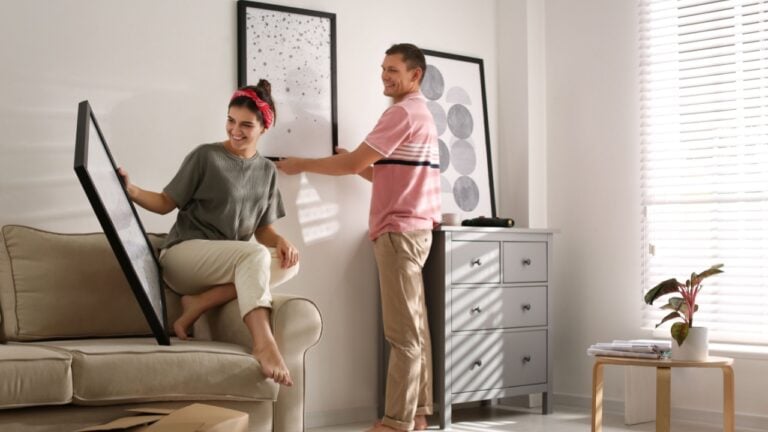
We’ve all been tempted by that big, generic canvas print at the big-box store. It’s the right size, the colors sort of match the sofa, and the price is hard to beat. But designers know that a home’s soul comes from personality, not mass production. Generic art can make a space feel impersonal and temporary, like a hotel lobby.
You don’t need a massive budget to find meaningful art. Hunt for unique pieces at flea markets, art fairs, and online marketplaces that feature independent artists. A smaller, original piece with a story behind it will always have more impact than a giant, forgettable print. Even framing a beautiful textile, a child’s drawing, or a collection of personal photographs can create a more compelling focal point.
Quick Tips
- Shop Small: Look for local artists, student art shows, or online print shops.
- Go Vintage: Flea markets and antique stores are treasure troves for unique prints and paintings.
- Frame It: Elevate personal photos, postcards, or even beautiful fabric swatches with quality frames.
3. Builder-Grade Vanities
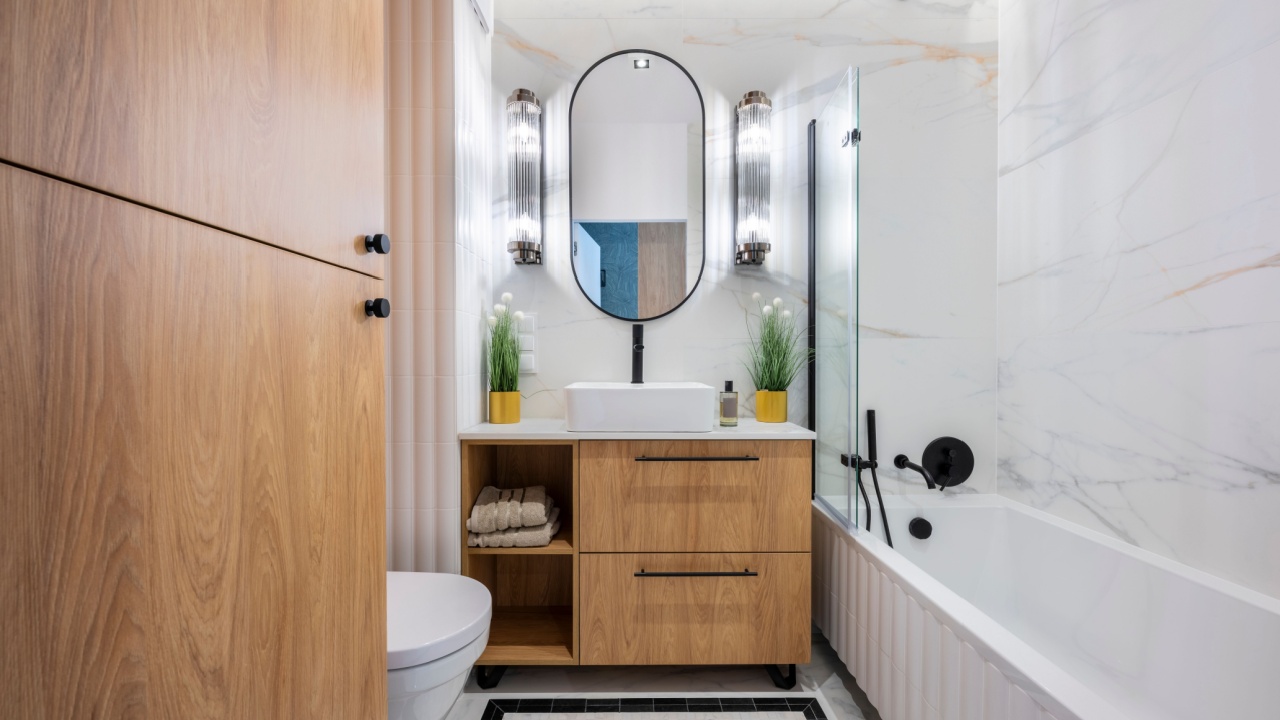
When you buy a new or recently renovated home, you often inherit a “builder-grade” vanity. It’s functional, sure, but it’s typically made from lower-quality materials like particleboard with a laminate top. It does the job, but it doesn’t add any character. For designers, the bathroom is an opportunity to create a small sanctuary, and a generic vanity just doesn’t fit that vision.
Upgrading a vanity can dramatically change the feel of a bathroom. This could mean finding a vintage dresser and converting it, choosing a floating vanity to create a sense of space, or opting for a piece with beautiful wood and a stone countertop. It’s a focal point that can elevate the entire room from basic to beautiful.
Quick Tips
- Think Vintage: Repurpose an old dresser or small console table for a unique vanity.
- Go Custom: A local cabinet maker can build something that fits your space and style perfectly.
- Hardware Upgrade: If a new vanity isn’t possible, changing the faucet and cabinet pulls can make a big difference.
4. Synthetic Carpeting
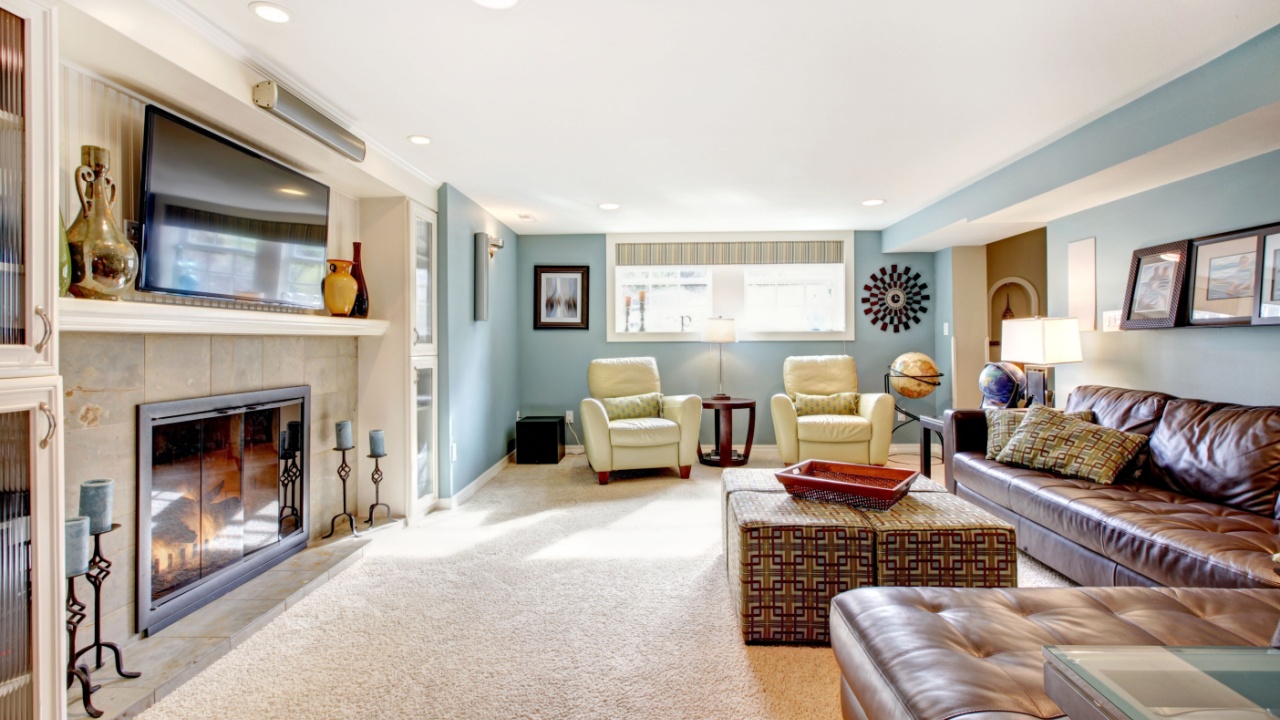
Wall-to-wall synthetic carpeting, especially the kind made from materials like polyester or olefin, is a designer’s nightmare. These materials can trap dirt and allergens, show wear patterns in high-traffic areas quickly, and often off-gas chemicals. While the initial cost is low, its lifespan is short, and it rarely looks as luxurious as natural alternatives.
Professionals prefer natural fiber rugs made of wool, sisal, or jute. Wool is incredibly durable, naturally stain-resistant, and feels wonderful underfoot. While the upfront cost is higher, a quality wool rug can last for decades. For a layered and flexible approach, designers often use hardwood or tile floors as a base and add area rugs to define spaces.
Quick Tips
- Natural is Better: Choose wool for softness and durability or jute and sisal for a textured, casual look.
- Layer Up: Use a large, neutral area rug to anchor a room and layer a smaller, more colorful rug on top.
- Rug Pads are a Must: A good rug pad prevents slipping, adds cushion, and extends the life of your rug.
5. Floating Shelves in the Kitchen
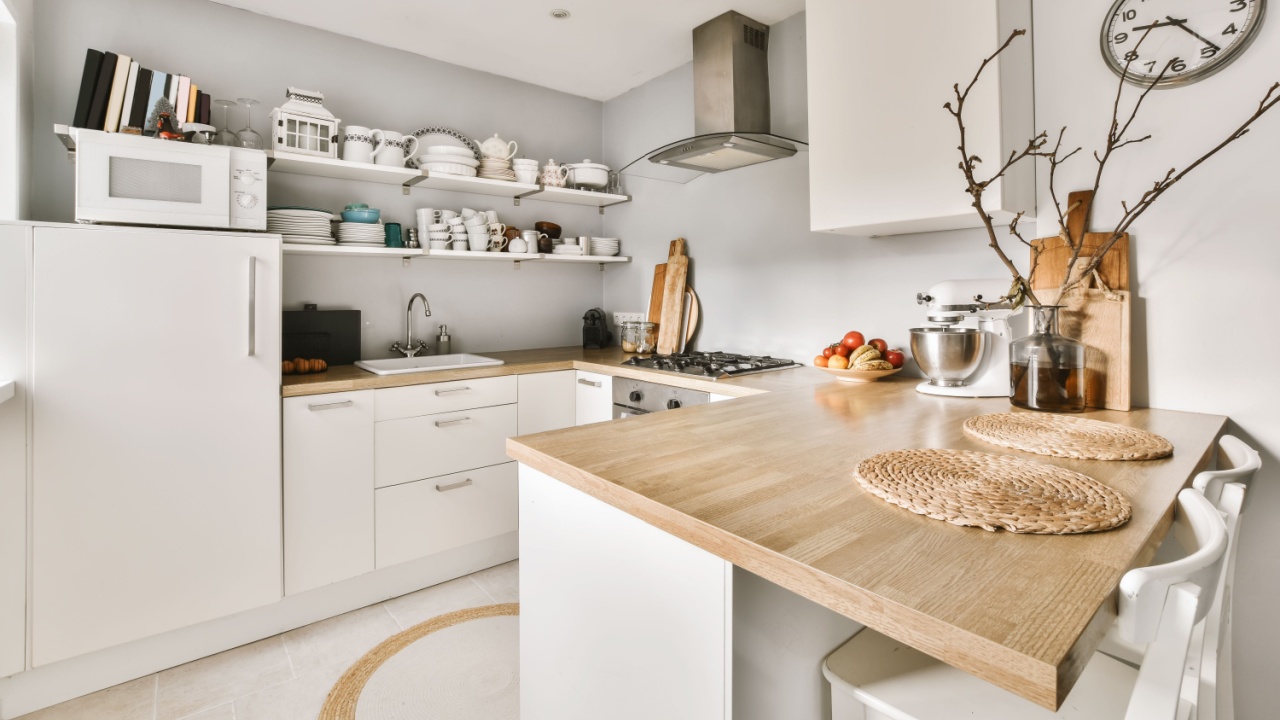
Floating shelves look effortlessly chic in photos, displaying a curated collection of matching ceramics and glassware. In reality, they are dust magnets and require constant, meticulous arranging to avoid looking cluttered. Open shelves can expose dishes to grease and airborne food particles. Stacks of mismatched mugs and plates don’t look nearly as good in real life as they do on social media.
While a single, well-placed floating shelf can be a lovely accent, designers generally prefer closed cabinetry for the bulk of kitchen storage. It keeps dishes clean, hides clutter, and offers a much more practical solution for a working kitchen. If you love the open look, consider cabinets with glass fronts as a more manageable compromise.
Quick Tips
- Use Sparingly: Reserve floating shelves for displaying a few beautiful, but not daily-use, items.
- Location Matters: Install them away from the stove to avoid grease buildup.
- Glass Fronts: Get the airy feel of open shelves without the dust by choosing cabinets with glass doors.
6. The Lone Accent Wall

The accent wall was once the go-to method for adding a pop of color without committing to painting an entire room. But often, it can make a room feel disjointed and unbalanced, drawing all the attention to one surface and making the space feel smaller. A single dark wall can look like a void, while a bright one can feel jarring against three neutral walls.
Instead of a single accent wall, designers are now embracing more immersive color strategies. This could mean painting the entire room, including the trim and ceiling, in a single beautiful color. Or, they might use wallpaper, millwork, or paneling to add texture and interest to all the walls. The goal is to create a cohesive, enveloping space rather than a fragmented one.
Quick Tips
- Go All In: Paint the entire room, including the trim, for a dramatic and sophisticated look.
- Add Texture: Use wallpaper, board and batten, or shiplap to create an accent that’s about more than just color.
- Focus on a Feature: Paint the wall behind a significant feature, like a fireplace or headboard, to give it purpose.
7. Short Shower Tiles
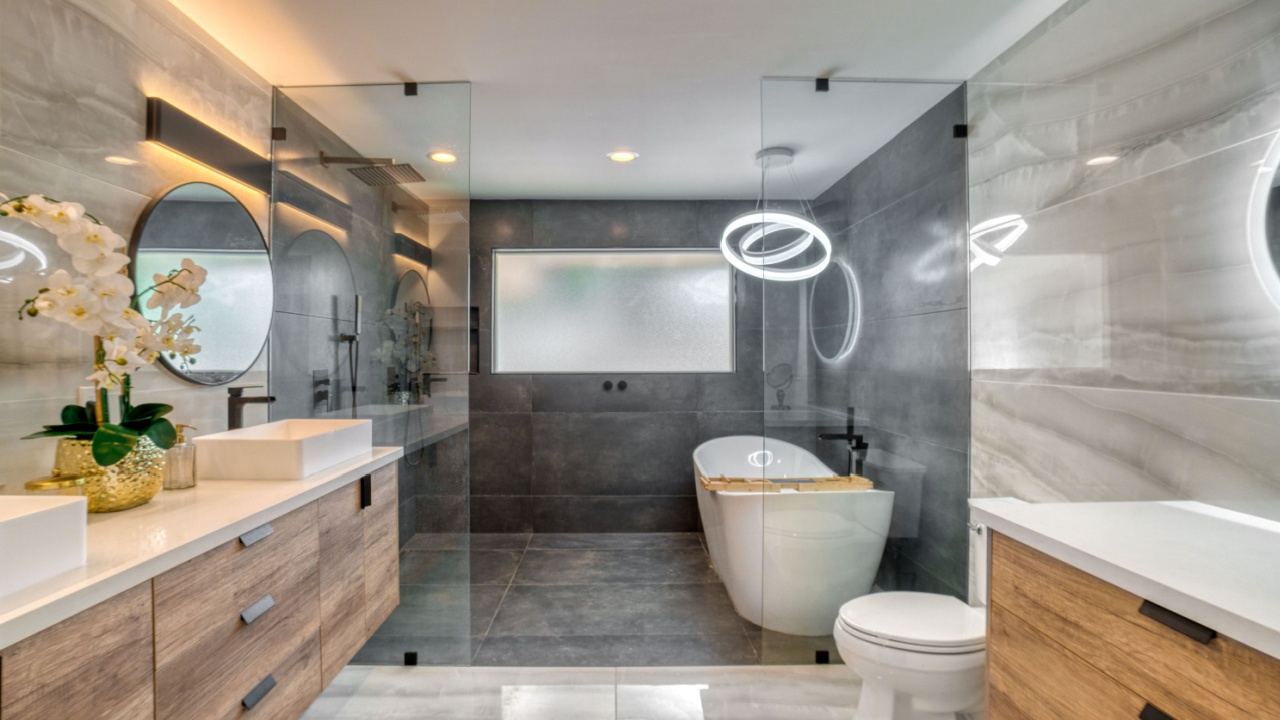
Stopping the tile halfway up the wall in a shower is a common cost-saving measure in construction. Unfortunately, it creates a visual break that makes the ceiling feel lower and the space feel smaller. It also leaves the drywall above the tile vulnerable to moisture and mildew, creating a long-term maintenance issue.
Designers almost always recommend running the shower tile all the way up to the ceiling. This simple change draws the eye upward, creating a sense of height and openness. It makes the entire bathroom feel more polished and luxurious. Plus, a fully tiled shower is much easier to clean and more durable.
Quick Tips
- Go Vertical: Tiling to the ceiling makes any bathroom feel taller and more finished.
- Same Tile, Different Pattern: Use the same tile on the floor and walls, but lay it in a different pattern for subtle interest.
- Seal the Grout: Properly sealing your grout will prevent mildew and make cleaning much easier.
8. Exposed Wires and Cords

Nothing ruins a beautifully designed room faster than a tangled mess of black cords snaking from the TV, lamps, and electronics. It looks messy and signals that the room’s layout wasn’t fully considered. Designers obsess over cord management because a clean, uncluttered space feels more calming and intentional.
Hiding cords doesn’t have to be complicated. There are simple solutions like cord covers that can be painted to match the wall, furniture with built-in cable management, or strategically placed baskets and plants. For a more permanent fix, an electrician can install additional outlets or run wires behind the drywall. It’s a small detail that makes a huge impact.
Quick Tips
- Cord Covers: Use paintable cord channels to blend cables into the wall.
- Creative Hiding: Tuck cords into decorative boxes or behind large furniture.
- Plan Ahead: When buying furniture like media consoles, look for pieces with built-in cord management.
9. Bath Towel Bars in Small Bathrooms
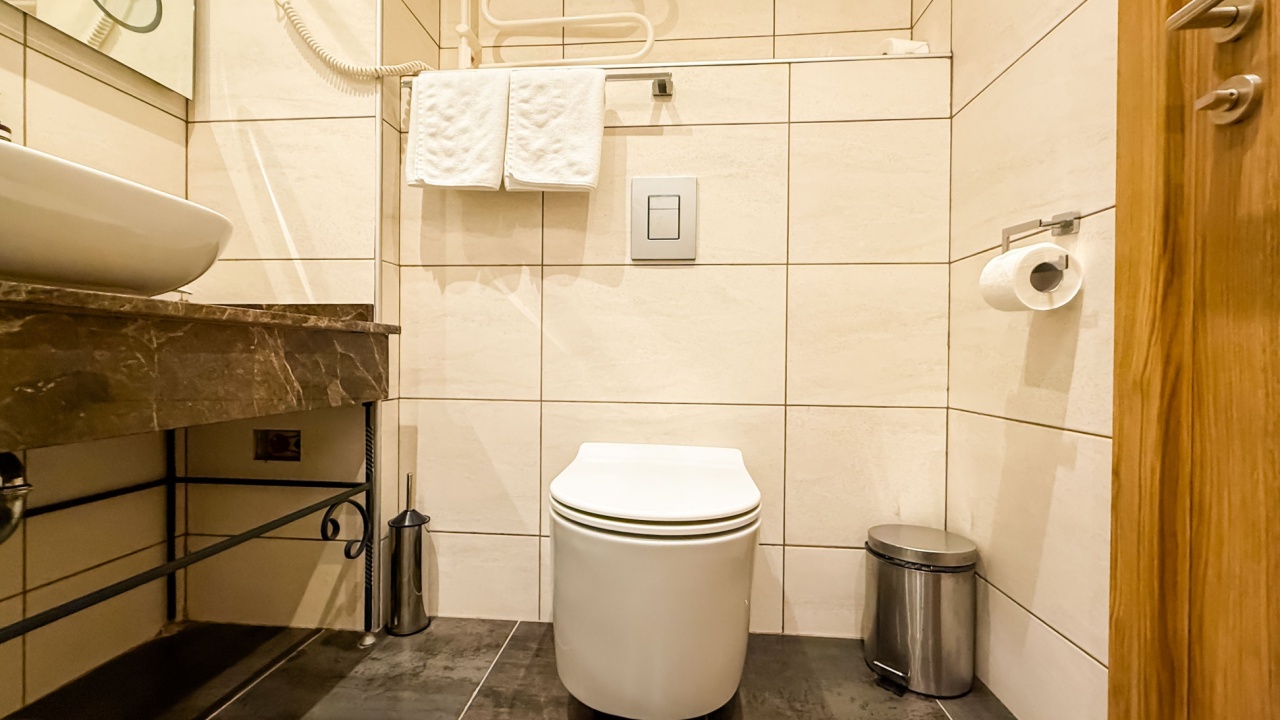
The standard bath towel bar is a classic for a reason; it allows towels to hang flat, which helps them dry faster and more thoroughly. But it’s not without its challenges. Towel bars take up a fair amount of wall space, and getting everyone in the family to neatly fold their towel over the bar is often a losing battle.
That’s why many designers opt for towel hooks in busy bathrooms. Hooks are more forgiving and space-efficient, allowing towels to be hung quickly without fuss. You can fit several hooks in the same space as one bar, and they lend a more casual, relaxed look to the room. Just keep in mind: towels may take longer to dry when bunched on a hook.
Quick Tips
- Hook It Up: Install a row of hooks for a practical and stylish towel storage solution.
- Warm It Up: A heated towel rack is a luxurious upgrade that keeps towels warm and helps them dry quickly.
- Mix and Match: Use a combination of hooks for bath towels and a small ring for hand towels by the sink.
10. A Plain, White Ceiling
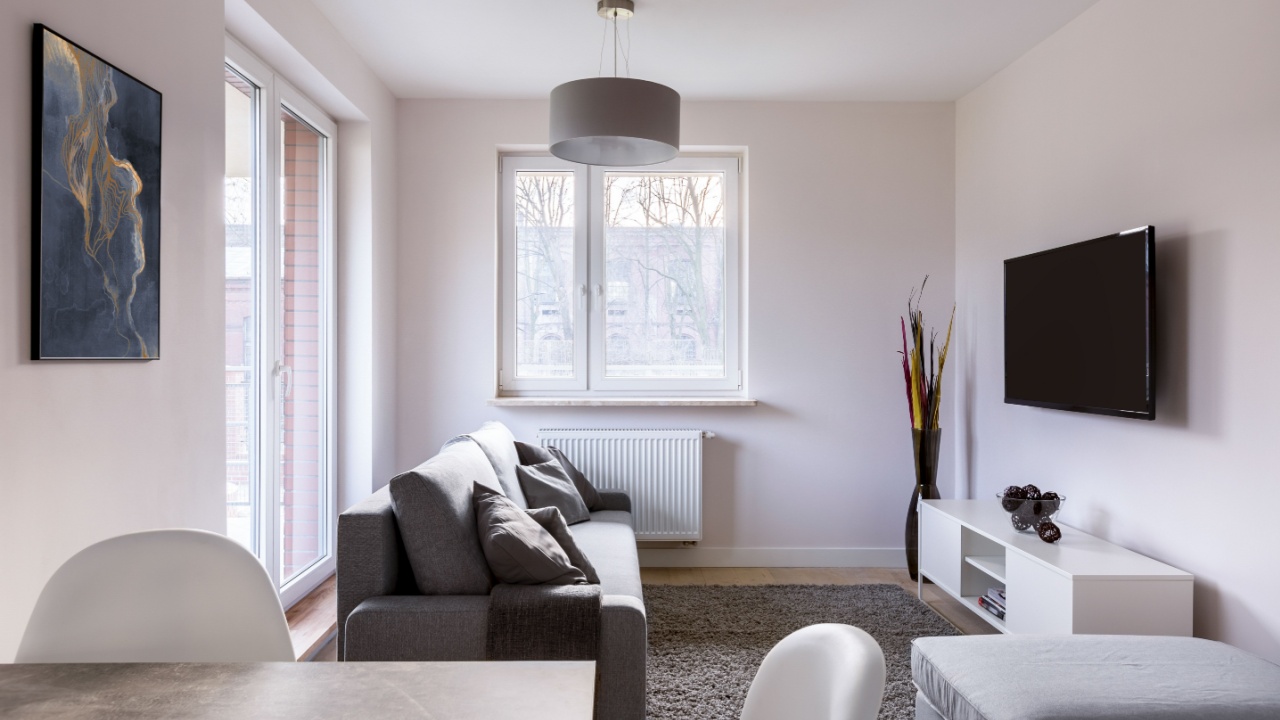
The ceiling is often called the “fifth wall,” but it’s almost always ignored and painted plain white. Designers see this as a missed opportunity. A plain white ceiling can make a room feel generic and unfinished. Treating the ceiling with color or texture can add incredible depth and character to a space.
Painting the ceiling a soft color can make a room feel cozier, while a high-gloss finish can reflect light and add a touch of glamour. Wallpapering the ceiling is another bold move that can turn it into a stunning focal point. Even adding simple architectural details like a ceiling medallion can elevate the entire room.
Quick Tips
- Paint It: Try painting the ceiling a few shades lighter than the walls for a subtle, cohesive look.
- Add Shine: A semi-gloss or high-gloss paint finish will bounce light around the room.
- Look Up: Consider wallpaper or a simple ceiling medallion to transform the fifth wall.
11. Plastic Shower Curtains
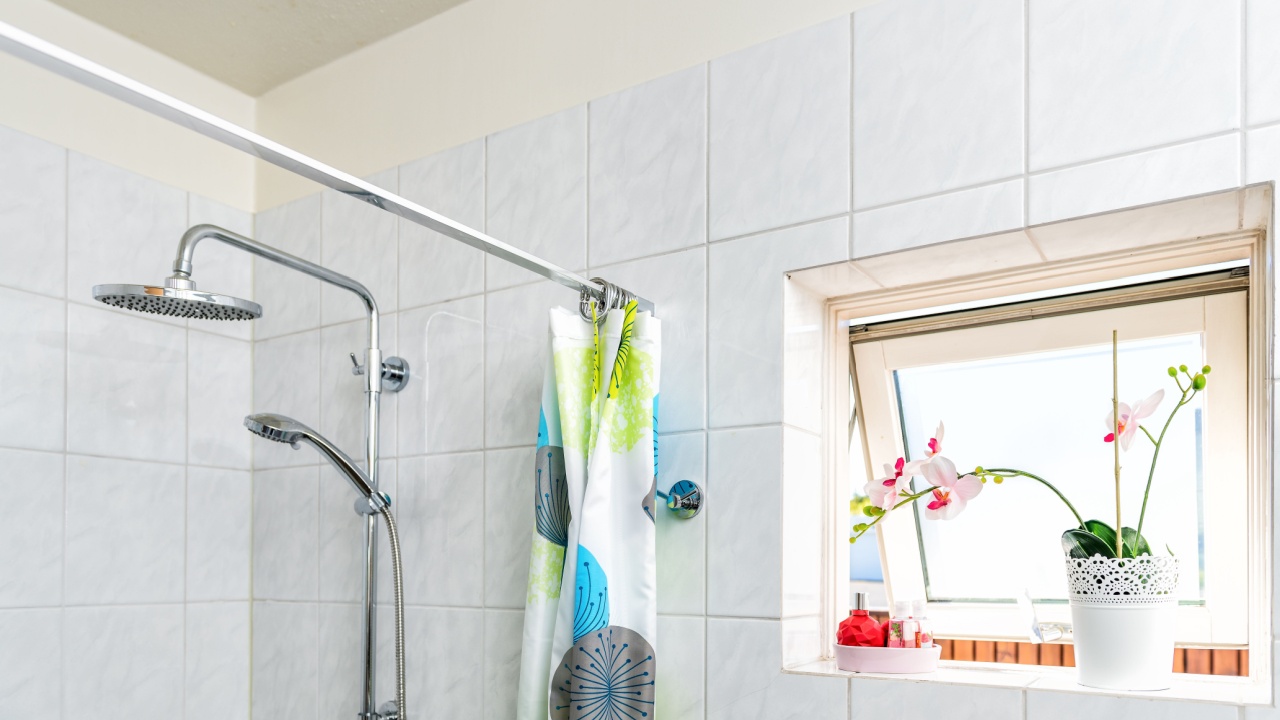
Inexpensive plastic items like vinyl shower curtains can make a space feel cheap and temporary. A crinkly plastic shower curtain brings back memories of a college dorm room. These items may be budget-friendly, but they detract from a polished, grown-up aesthetic.
For a few dollars more, you can find much better alternatives. Choose a fabric shower curtain. It hangs better, feels more luxurious, and can be thrown in the washing machine. Just add a simple fabric liner behind it.
Quick Tips
- Upgrade Your Hooks: Choose sturdy metal hooks for coats, towels, and keys.
- Fabric First: A fabric shower curtain instantly elevates a bathroom. Look for options in linen, cotton, or waffle weave.
- Don’t forget the Liner: Use a machine-washable fabric liner with your curtain to prevent mildew.
12. A Kitchen Without a Backsplash
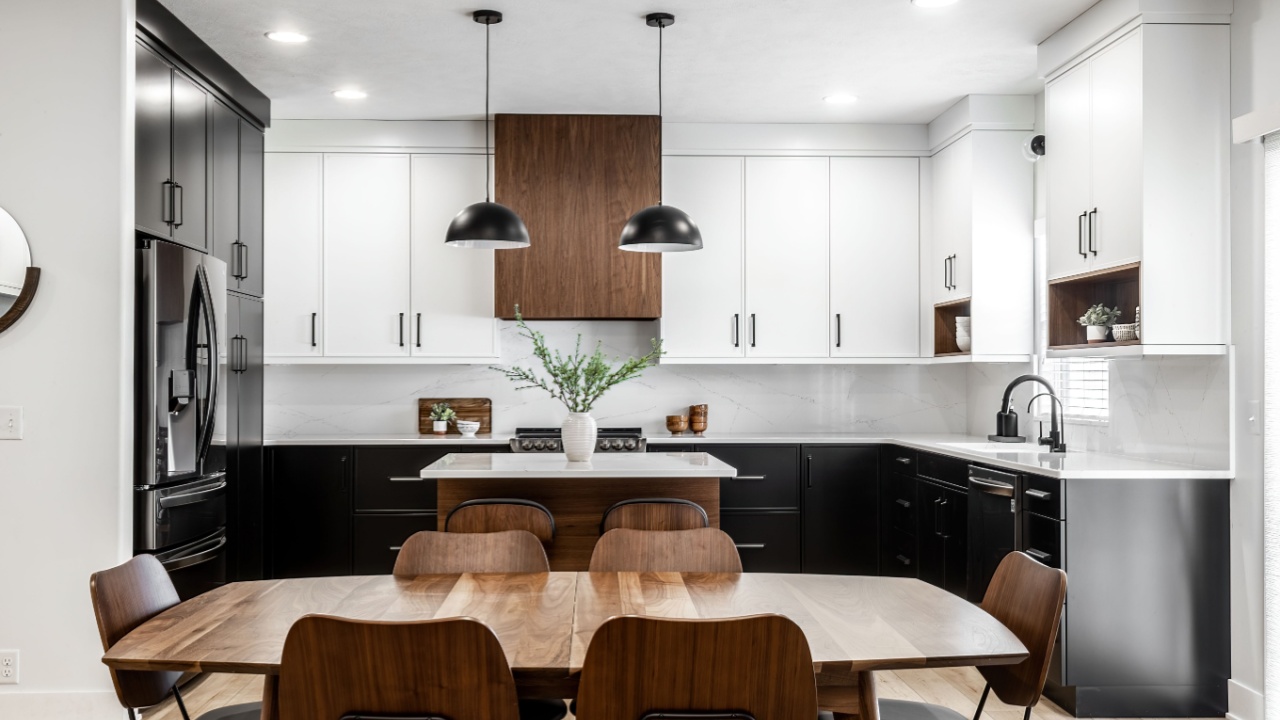
A kitchen without a backsplash is like a book without a cover. It feels incomplete and leaves the wall behind the counter vulnerable to splashes and splatters. Paint alone is not durable enough to withstand the daily wear and tear of a busy cooking space. A backsplash is both a practical necessity and a major design opportunity.
Designers use backsplashes to inject personality into a kitchen. It’s the perfect place to play with color, pattern, and texture. From classic subway tile to bold patterned cement tiles or a seamless slab of marble, the options are endless. A good backsplash ties the countertops and cabinets together and completes the look of the room.
Quick Tips
- Function First: Choose a material that is easy to clean, like ceramic, porcelain, or glass tile.
- Go Beyond Tile: Consider a solid slab of stone, quartz, or even stainless steel for a modern look.
- Extend It: Run the backsplash tile all the way up to the bottom of the upper cabinets for a finished look.
13. Builder-Grade Hardware
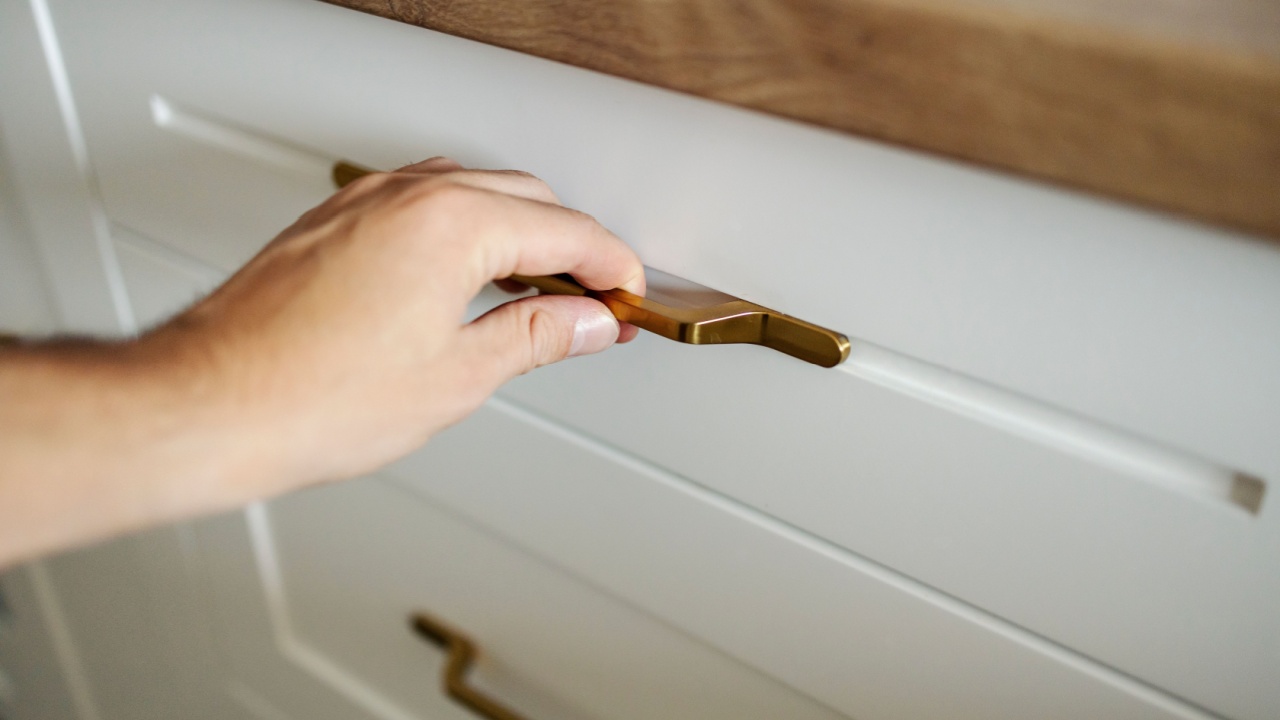
Like the vanity, builder-grade hardware is selected for its low cost, not its style. The standard shiny chrome or brushed nickel knobs and pulls found in many homes are functional but forgettable. For a designer, hardware is the jewelry of a room, and changing it is one of the easiest and most impactful upgrades you can make.
Swapping out basic hardware for something more substantial and stylish can instantly make cabinets and doors look more expensive. Look for pieces with a nice weight and a beautiful finish, like unlacquered brass, matte black, or polished nickel. This small change adds a layer of customization and thoughtfulness to your home.
Quick Tips
- Feel the Weight: Good quality hardware feels solid and heavy in your hand.
- Match Your Metals: For a cohesive look, try to match the hardware finish to your light fixtures and faucets.
- Check the Spacing: Before you buy, measure the distance between the screw holes on your existing pulls to get the right size.
14. Poorly Scaled Furniture
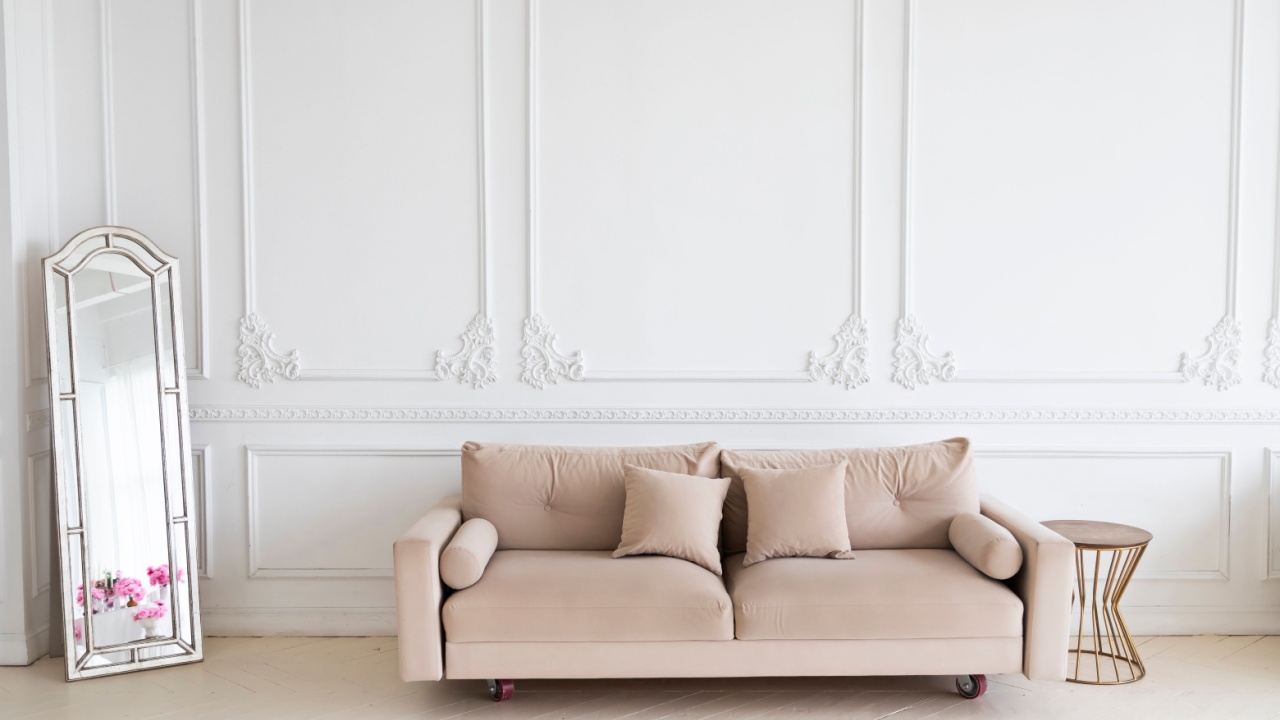
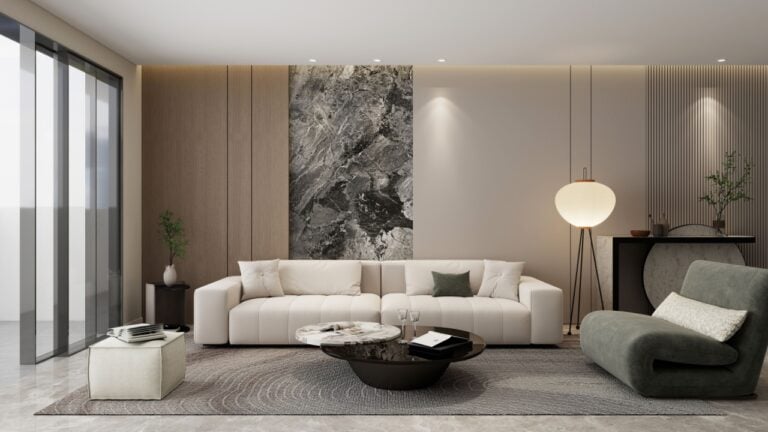
Have you ever walked into a room where a massive, overstuffed sofa swallows the entire space? Or one where a tiny rug floats like a postage stamp in the middle of the floor? This is a problem of scale. The right proportions are fundamental to a comfortable and visually pleasing room. Furniture that is too large can make a room feel cramped, while furniture that is too small can feel lost.
Before buying anything, measure your room and map out the furniture placement. Use painter’s tape on the floor to outline the footprint of a sofa or rug to get a real-world sense of its size. The goal is to find pieces that fit the room and relate to each other in scale, creating a balanced and harmonious environment.
Quick Tips
- Measure Twice: Always measure your room and the furniture you plan to buy.
- Tape It Out: Use painter’s tape to visualize how a piece will fit in your space.
- Anchor with a Rug: Your area rug should be large enough that at least the front legs of all major furniture pieces are on it.
15. Following Trends Too Closely

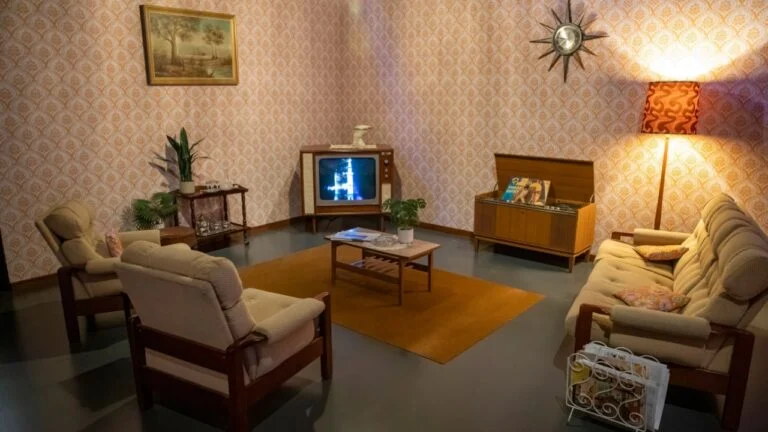
It can be tempting to jump on the latest design trend, whether it’s boucle everything or arched mirrors everywhere. But even buyers know trends are fleeting. A room decorated entirely in the “it” style of the moment will look dated in just a few years. What’s worse, it won’t feel like you.
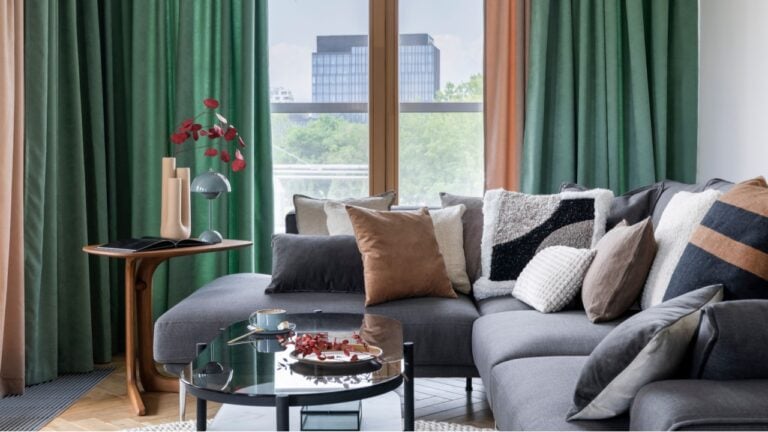
The most beautiful and timeless homes are the ones that reflect the personality and story of the people who live there. Designers encourage clients to choose a foundation of classic, well-made pieces and then layer in a few trendy items as accents. A trendy pillow or vase is easy to swap out. A trendy sofa is a much bigger commitment.
Quick Tips
- Invest in Classics: Spend your money on timeless pieces like a well-made sofa, a solid wood dining table, and a quality mattress.
- Trend with Accents: Incorporate current trends through inexpensive and easy-to-change items like pillows, throws, and decorative objects.
- Trust Your Gut: Choose items you truly love, not just what’s popular. Your home should be a collection of what brings you joy.
What to Do Next
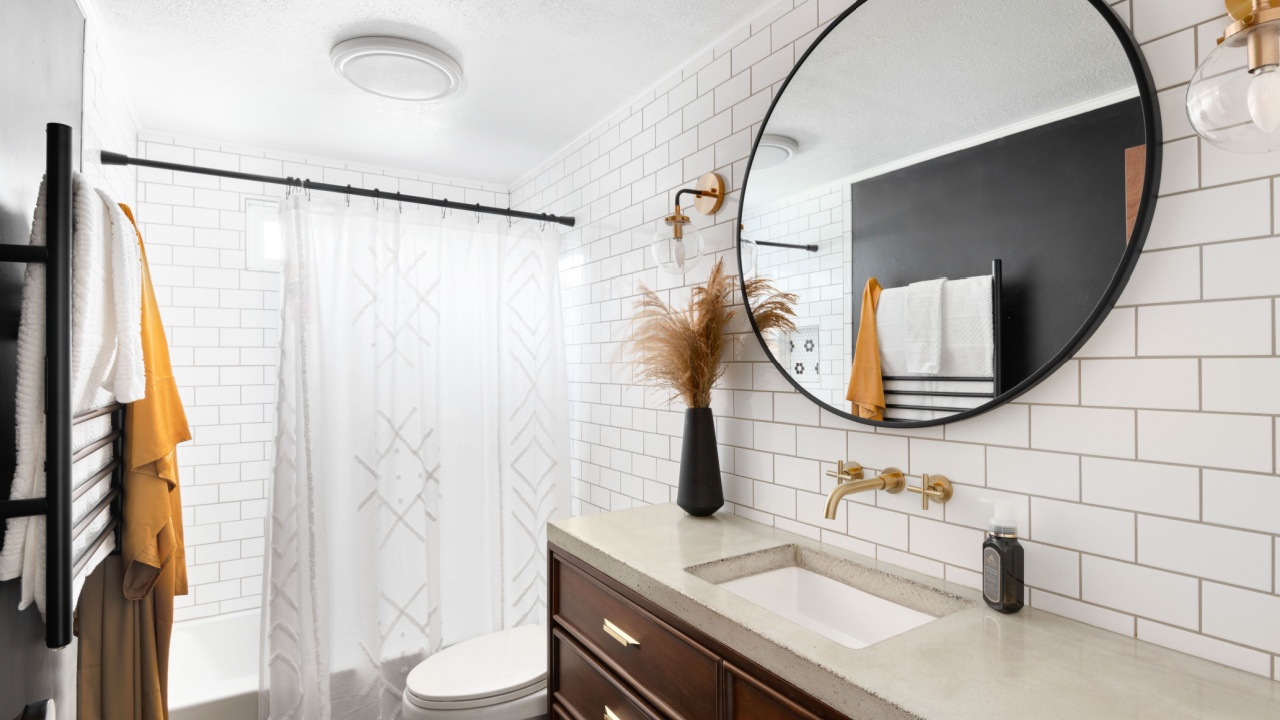
Looking at this list might feel a little overwhelming, especially if you spot a few of these items in your own home. Don’t panic. The goal isn’t to achieve perfection overnight but to make gradual, thoughtful changes.
You can give your house a designer look and feel by tweaking a few things. Is it the tangled mess of cords by the TV? Or maybe the boring hardware on your kitchen cabinets? Swapping out cabinet pulls or investing in a simple cord management kit are small weekend projects that deliver a huge sense of accomplishment.
Read more:
12 Outdated Home Designs That Could Use a Refresher
6 Viral Home Design Trends That Are Actually Giant Money Pits