
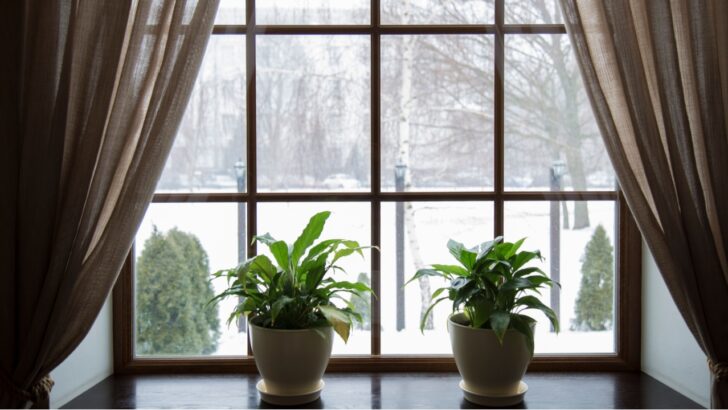
Why do perfectly clean windows turn into foggy, dripping surfaces the moment winter settles in? The answer lies in a quiet battle between warm indoor air and icy outdoor temperatures. When moisture-filled air inside a home touches cold window glass, water droplets form almost instantly, leaving behind condensation that can blur views and soak window frames.
Winter condensation is a warning sign of excess indoor humidity and poor airflow. Left unchecked, it can damage paint, soften wood, and encourage mold in hidden corners. Here are three ways to manage it and keep window surfaces dry through winter.
1. Wipe Down the Window Surface

Image Credit: Shutterstock.
Removing moisture by hand is the fastest way to limit damage from condensation. When droplets sit on glass or pool along the sill, they soak into wood, soften paint, and stress sealants.
A clean, dry microfiber cloth works best and prevents streaking. The sill should be dried fully after wiping, since this area holds moisture longer than the glass. This method works best when paired with humidity control so condensation does not return within hours.
2. Ventilate Indoor Spaces

Image Credit: Shutterstock.
Short periods of ventilation help release moisture trapped inside the home. Cold outdoor air carries less water vapor, allowing indoor humidity levels to drop quickly without lasting heat loss.
Opening windows for five to ten minutes once or twice a day is sufficient. Focus on rooms where condensation appears most often, such as bedrooms or kitchens, and avoid ventilating during rain or when outdoor humidity is high.
3. Place Moisture Absorbers Near Windows
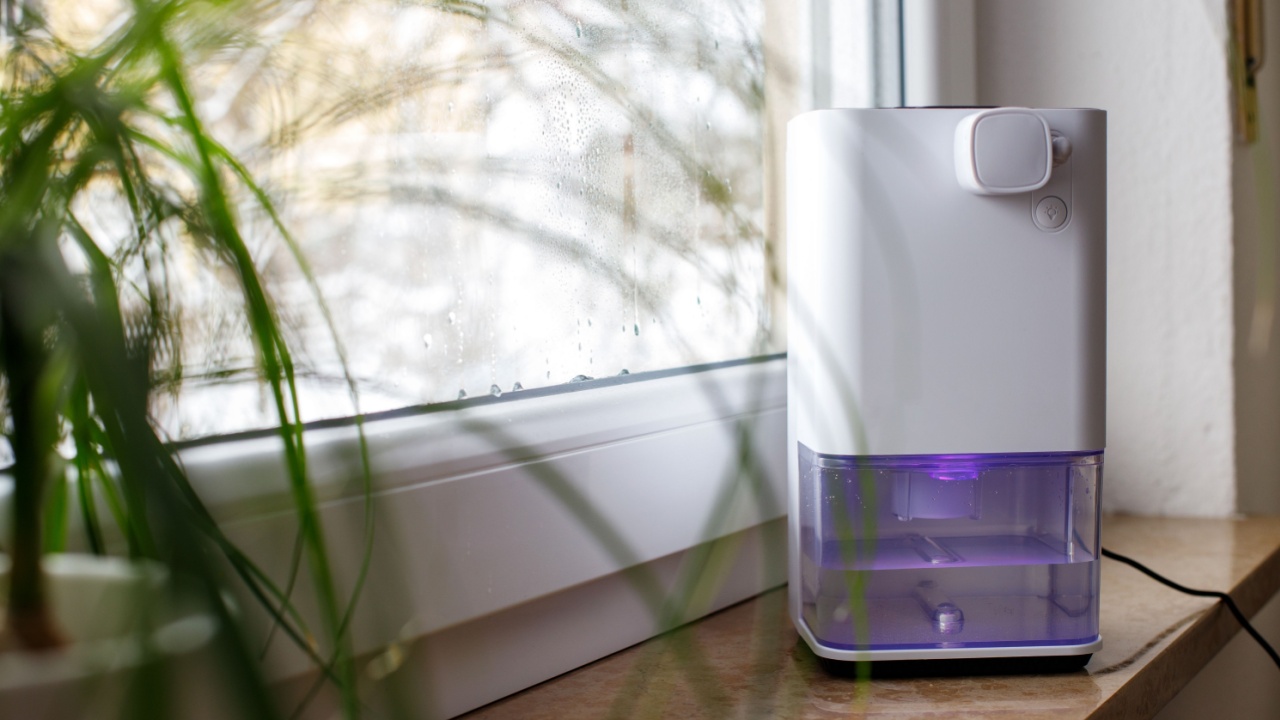
Image Credit: Shutterstock.
Moisture absorbers pull excess humidity from the surrounding air and help control damp spots near window glass. They are useful on windowsills or in rooms with limited airflow, where condensation tends to linger.
These products work gradually, so they are best used as steady support rather than a quick fix. Units should be replaced as directed so they remain effective, and results improve when used alongside regular ventilation.
Clear Views, Drier Homes, Better Winters

Image Credit: Shutterstock.
Window condensation is a sign that moisture and temperature are out of balance indoors. Addressing it early helps protect window frames, indoor air quality, and overall comfort throughout the winter months.
Small daily habits like brief ventilation, moisture removal, and humidity control can lead to lasting improvements. Clear windows often signal a healthier indoor environment, making winter living more comfortable and worry-free. These small steps protect your home and health.