5 Hacks for Upcycling Jeans in the Home and Garden
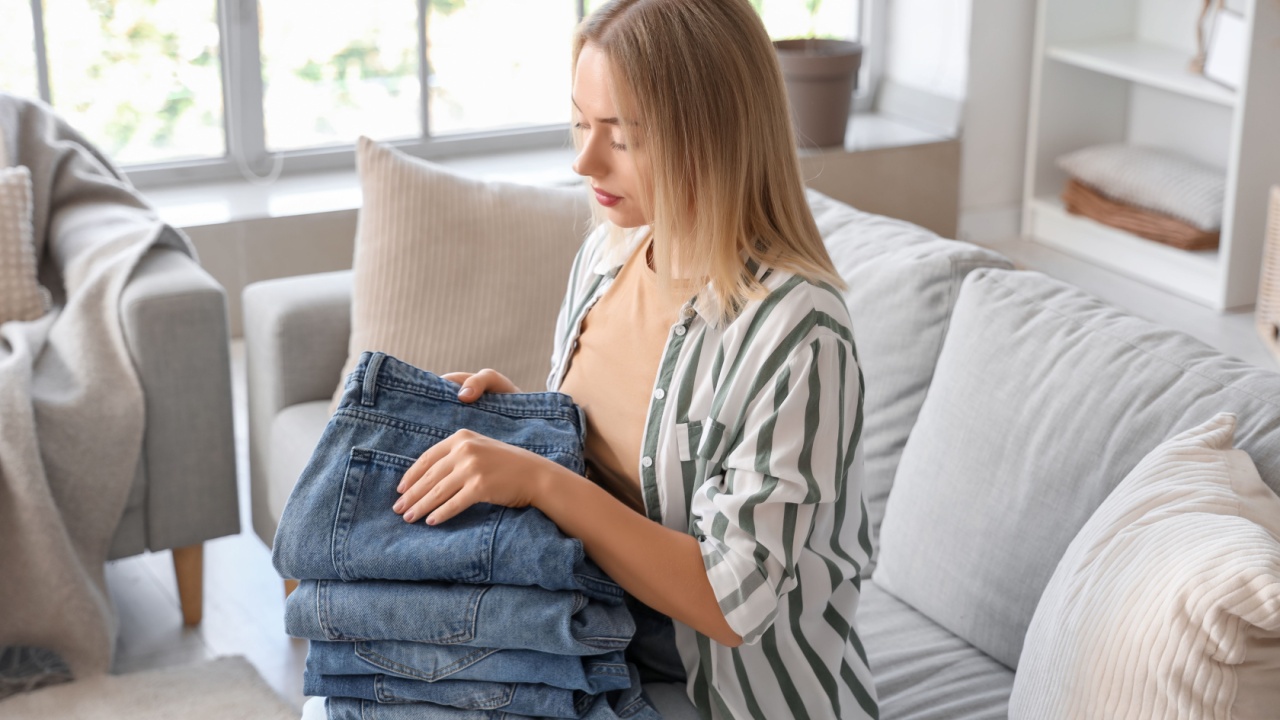
Almost everyone has that stack of denim sitting on a shelf. The knees are blown out, the hem is frayed, or the zipper refuses to stay up. Instead of throwing them away or letting them gather dust, give that sturdy fabric a second life. Denim is built to last, making it the perfect material for handling the messes of home maintenance and gardening.
Turning old pants into functional household items saves money and reduces waste. You do not need to be an expert seamstress to pull these off. Most of these projects require only basic cutting or simple sewing skills. From keeping your floors clean to protecting your clothes in the garden, blue jeans offer a durable solution for everyday challenges.
Read on to discover five specific ways to repurpose denim into tools that serve your home and garden.
1. Fashion a Heavy-Duty Garden Apron
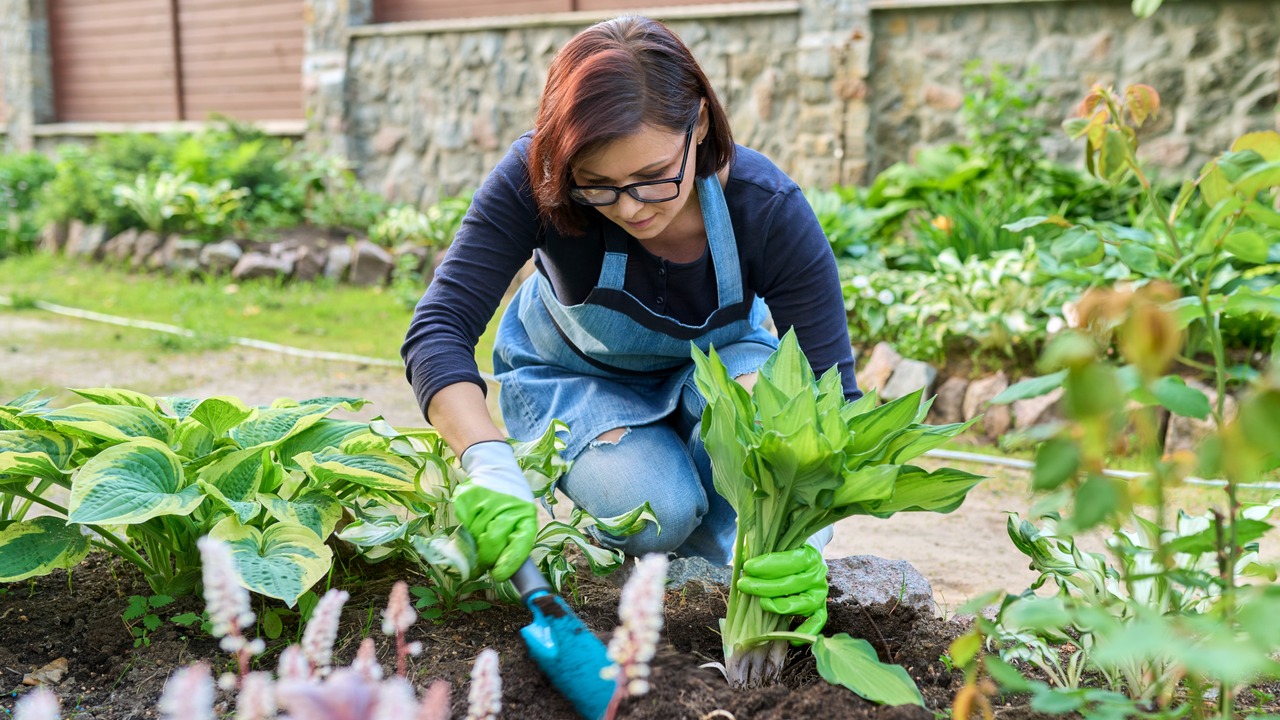
Gardening is hard on clothes. Dirt, thorns, and moisture ruin light fabrics quickly. Denim offers a thick barrier against these elements. An apron made from the seat of a pair of jeans utilizes the existing pockets, providing immediate storage for seed packets, trowels, or gloves. You can create this apron by cutting the legs off the jeans right below the crotch area. Leave the waistband intact.
Cut out the front zipper and fly area, leaving just the back of the pants with the two back pockets. The waistband serves as the tie. You can add a longer ribbon through the belt loops if the existing waist is too small to tie comfortably around you. This design places the pockets right at the front of your hips. It protects your clothing from soil stains while you kneel in the flower beds. The thick cotton weave prevents sharp twigs from scratching through to your skin.
2. Construct Reusable Covers for Flat Mops
Disposable pads for flat mops generate unnecessary waste and become expensive if you clean your floors daily (we’re looking at you, Swiffer). Home improvement experts say denim provides a textured, absorbent alternative that scrubs floors more effectively than thin paper sheets. The ridges in the fabric trap dust and hair, while the cotton fibers absorb water and cleaning solutions.
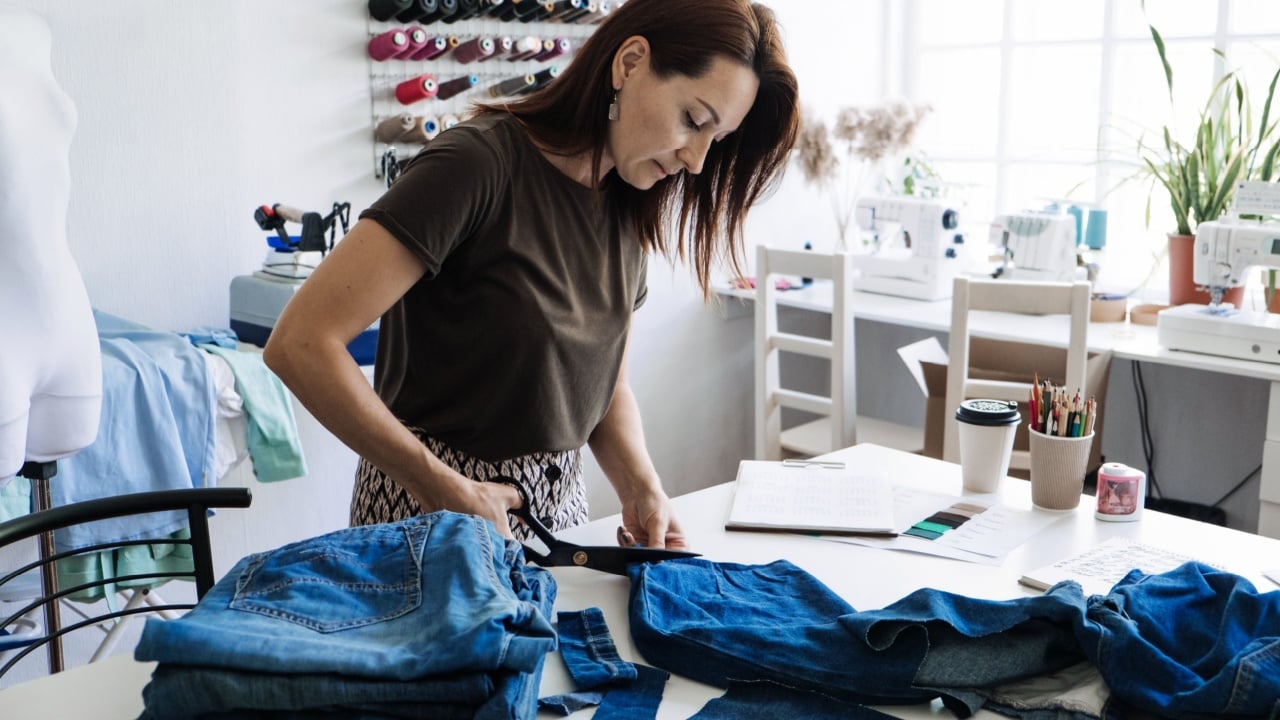
To make a reusable cover, measure the head of your flat mop. Cut a rectangular piece of denim from the leg of the jeans. Allow an extra two inches on all sides to fold over the mop head. You can sew simple pockets on the short ends to slip the mop head into, or attach velcro strips to secure the fabric in place. These denim pads tackle sticky spots on the kitchen floor that softer microfiber pads might miss.
3. Stitch Durable Wipes for Muddy Paws
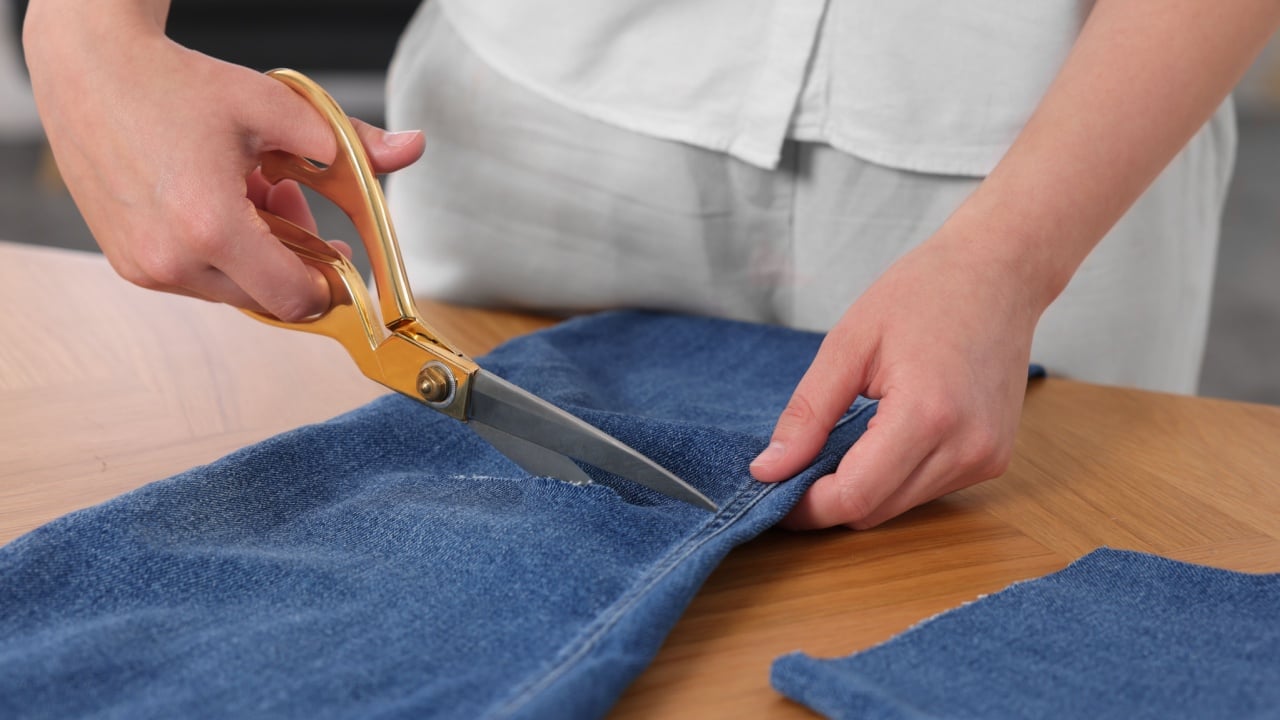
A garden-loving dog often means muddy prints throughout the house. Towels can be bulky to keep by the back door, and paper towels tear apart on rough paw pads. Denim strikes the right balance between durability and softness. It removes caked-on mud effectively without irritating a pet’s skin. Cut large squares or rectangles from the widest part of the jean legs. You can hem the edges to prevent fraying, or use pinking shears for a quicker finish.
Stack a pile of these denim wipes in a basket near the door leading to the garden. When your pet comes in from the yard, the denim texture grips dirt better than a smooth towel. The fabric holds up against claws and frequent washing. You can dampen them slightly for better cleaning power or use them dry to brush off loose soil.
4. Assemble Tough Scrubbing Pads for Outdoor Cleanup
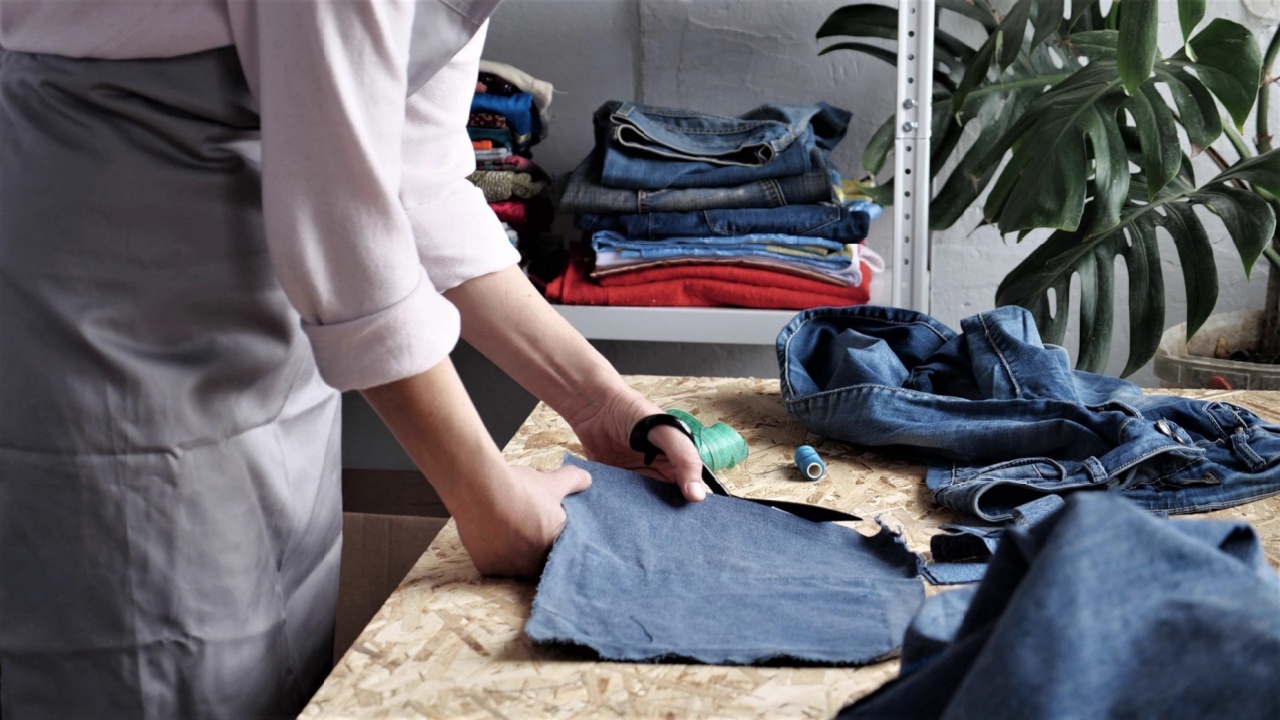
Cleaning garden tools, outdoor pots, and patio furniture requires something abrasive. Steel wool rusts and sponges crumble on rough surfaces. Denim creates a tough scrubbing pad that removes grime without scratching most hard surfaces. Layer three or four squares of denim together. Stitch an ‘X’ across the middle to hold the layers in place.
For extra scrubbing power, you can sandwich a piece of mesh produce bag in the middle or on one side. This creates a thick, dense pad that fits comfortably in your hand. That myth that cleaning cast iron is hard isn’t true; these pads work wonders on cast iron skillets after a camping trip or a backyard barbecue. Also use them to scrub sap off shears or algae off terracotta pots. The dense cotton layers hold soap well, allowing you to work up a lather.
5. Utilize Fabric Legs as Drop Cloths for Small Paint Jobs
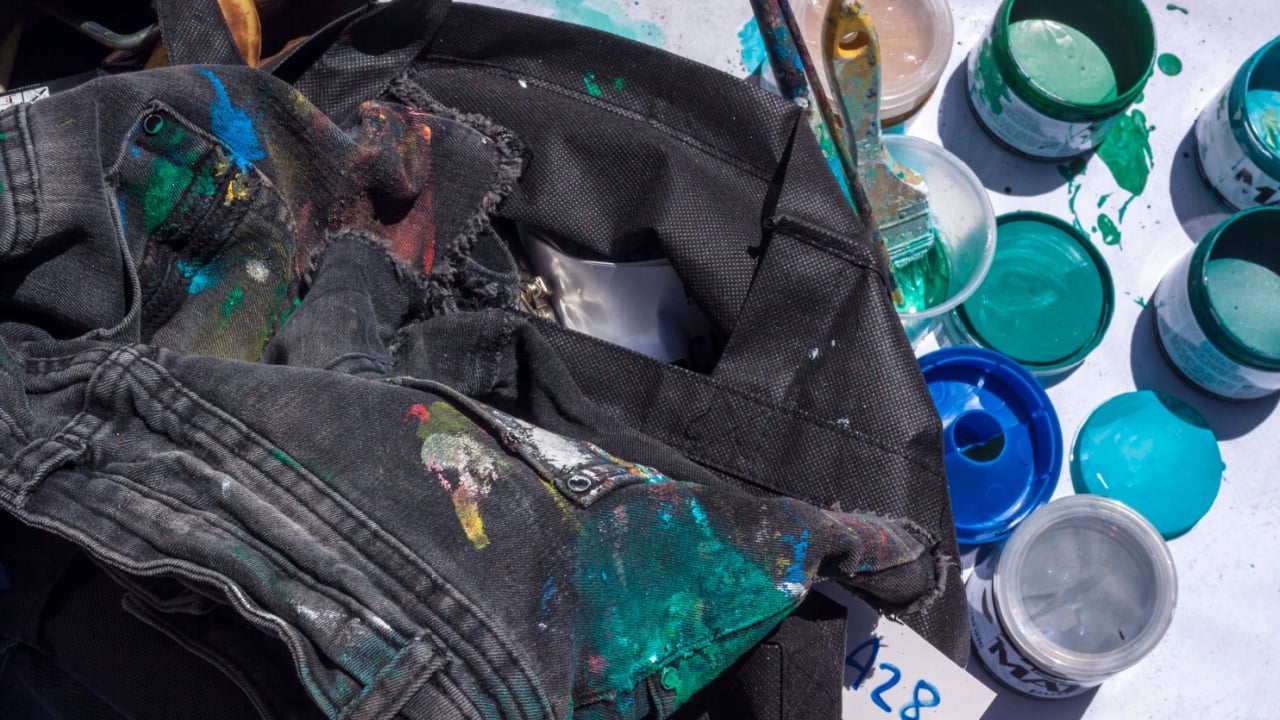
Large canvas drop cloths are heavy and cumbersome for small touch-up jobs. Plastic sheeting slips around and tears easily. Denim legs offer a perfect middle ground for smaller painting projects or messy crafts. The material is thick enough that paint will not soak through to the floor or table underneath immediately.
Slit the legs of the jeans open along the inseam to create long, wide rectangles of fabric. Lay these down when you are repainting a picture frame, staining a small birdhouse, or letting the kids do watercolors at the dining table. The weight of the denim keeps it flat, unlike plastic, which bunches up. These mini drop cloths absorb spills rather than letting paint pool and run off the edges.
Your Upcycling Fun Begins Now
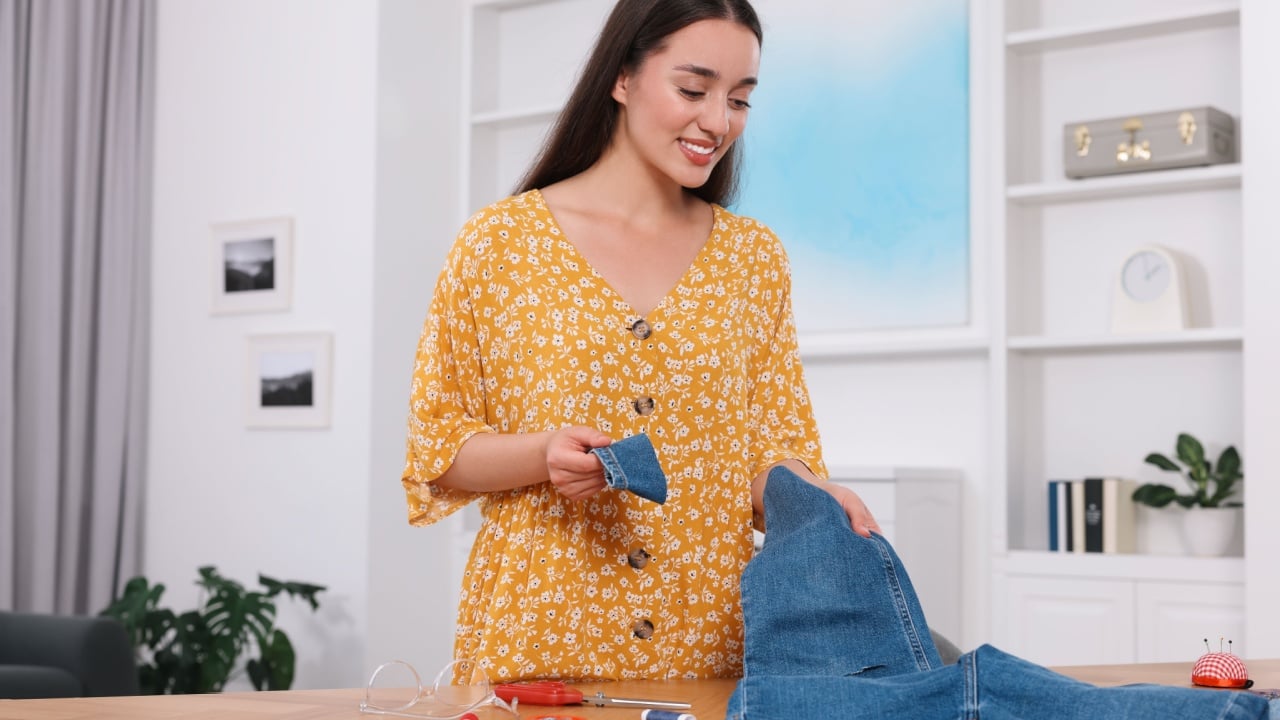
These five projects transform a closet staple into valuable household assets. Stop looking at torn jeans as garbage. See them as free raw materials for your next home improvement hack. Go locate that pair of jeans you planned to donate or discard. Grab a pair of scissors and get to work. You will save money, reduce waste, and gain a useful tool that handles the messy reality of daily life with ease.