12 Kitchen Designs That Always Feel Elegant
Selecting a kitchen design can lead to plenty of second-guessing, especially since trends are constantly changing. Yet some kitchen elements have managed to outlast every fad, regardless of what’s trending on social media or in home improvement shows.
These designs don’t just hang around for nostalgia’s sake; they create kitchens that feel welcoming, look beautiful, and work well for every household member.
Timeless kitchens work because they prioritize function and comfort over fleeting trends, creating spaces that feel grounded no matter the decade. When you focus on elements that age gracefully, you end up with a kitchen that looks intentional, stays stylish longer, and supports the way real people cook and gather every day.
Curious which features have earned a permanent spot on the kitchen hall of fame. Here are twelve elements sure to bring lasting elegance to your culinary space.
1. Shaker-Style Cabinets
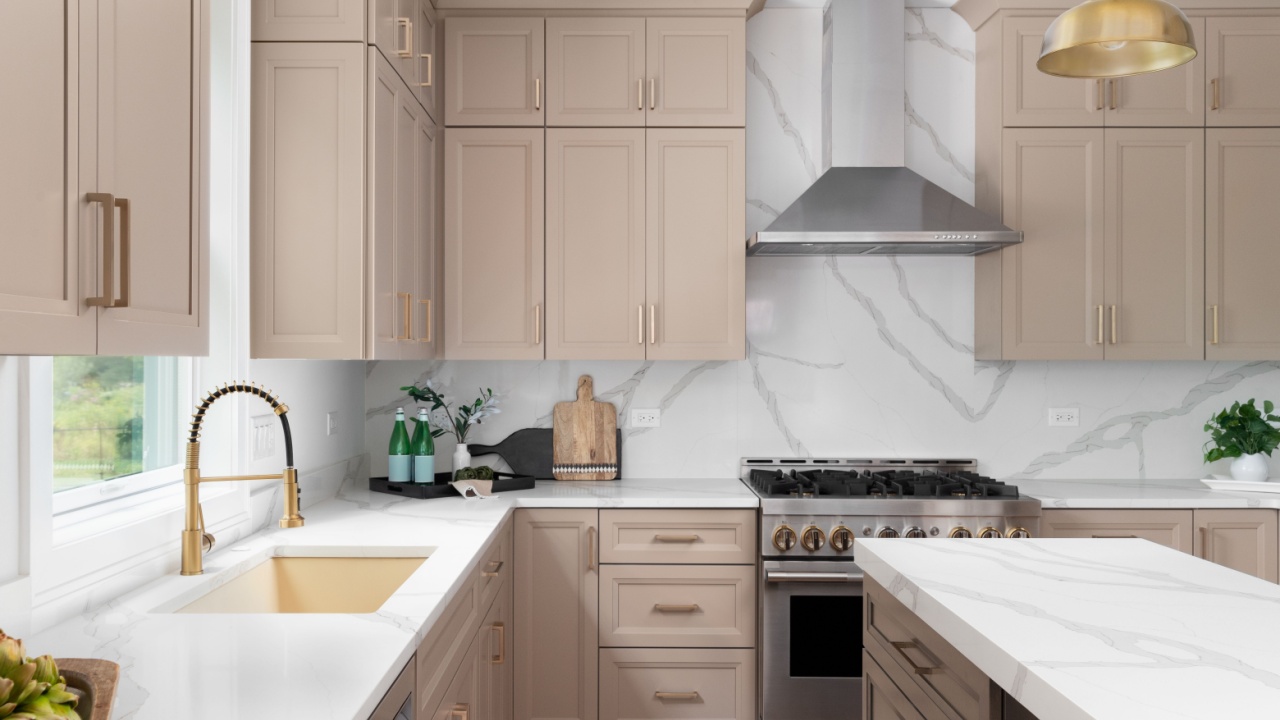
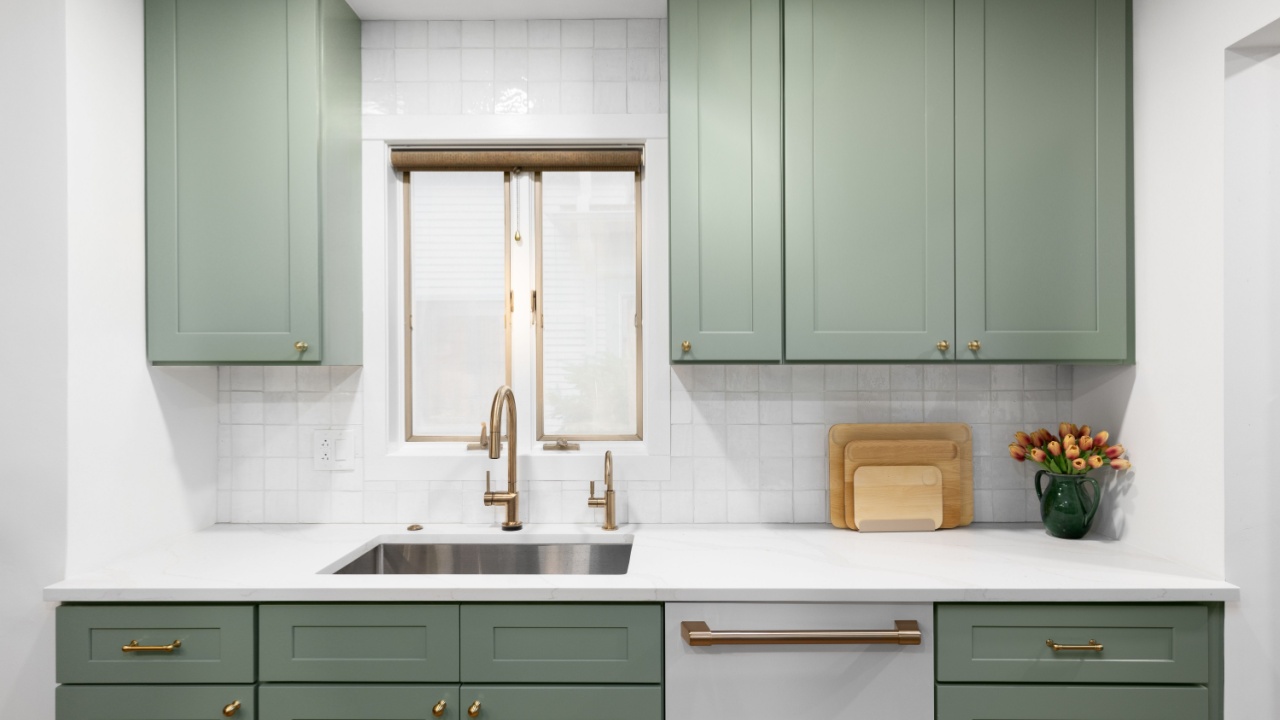
Shaker-style cabinets are defined by their simple, clean lines. They feature a flat, recessed center panel with a raised, square frame and no additional ornamentation. This minimalist construction is what gives them their enduring appeal. They avoid the ornate details of traditional cabinets and the severe plainness of some modern styles, landing in a perfect middle ground.
Shaker cabinets can adapt to nearly any kitchen aesthetic, from rustic farmhouse to sleek contemporary. Painted in a crisp white or soft gray, they feel bright and modern. Stained to reveal their natural wood grain, they bring warmth and a traditional feel. This adaptability means they won’t look dated when you decide to change your wall color or hardware.
2. White Marble Countertops
White marble countertops bring a sense of luxury and brightness to a kitchen. The natural veining in the stone means that no two slabs are exactly alike, giving each kitchen a unique, organic feature. Marble has been used in architecture and design for centuries, a testament to its lasting beauty.
While it requires more maintenance than materials like quartz, its aesthetic payoff is substantial. It reflects light, making the entire kitchen feel more open and airy. For those concerned about upkeep, consider using marble on a less-trafficked area, like a baking station or a backsplash, to get the look with less wear.
3. Neutral Paint Colors
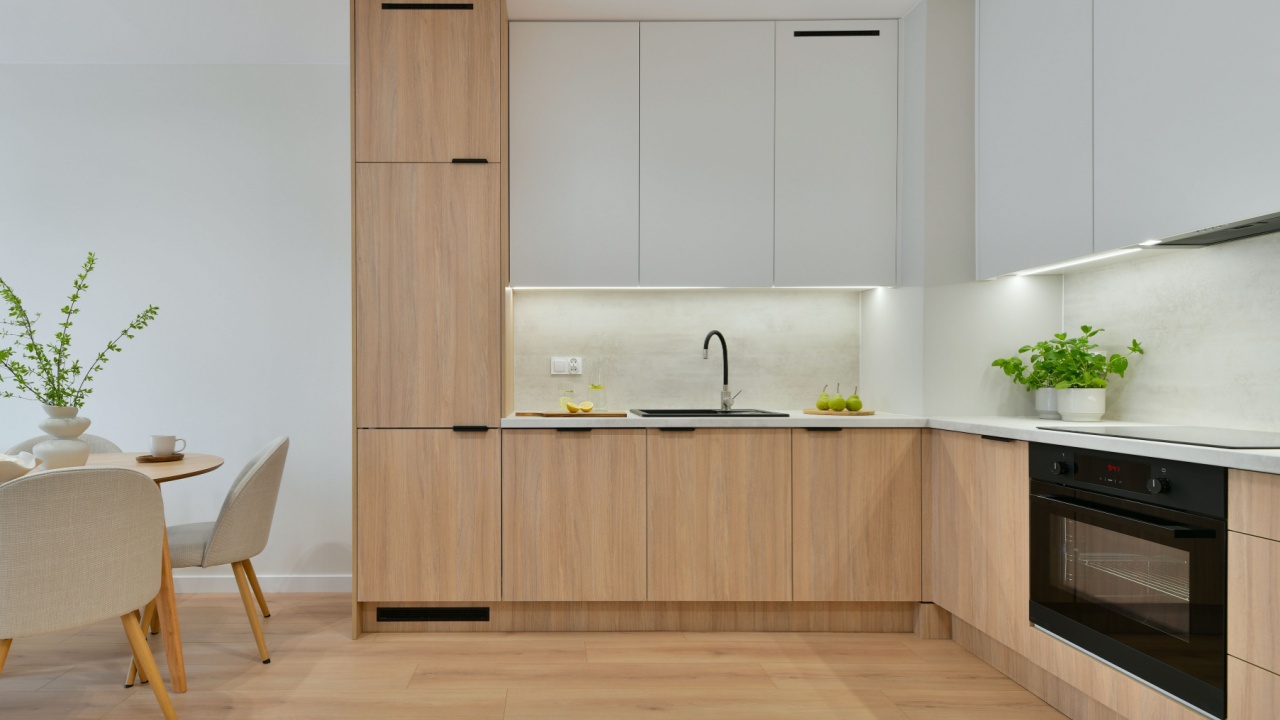
Neutral color palettes provide a calm and sophisticated backdrop for your kitchen. Shades of white, cream, gray, and beige create a serene atmosphere that allows other design elements to shine. These colors are not tied to a specific era, so they won’t age your space.
Designers say a neutral foundation also offers flexibility. It is much simpler to update accent colors through accessories, textiles, or even a painted island than it is to repaint an entire room. Neutrals make a space feel larger and cleaner, and they pair well with any material, from warm woods to cool metals.
4. Layered Lighting

A well-lit kitchen is a functional one; you don’t want designs that make cooking harder. Layered lighting involves using multiple light sources to illuminate the space properly. This includes three main types: ambient, task, and accent lighting. Ambient light provides overall illumination, often from a central ceiling fixture. Task lighting focuses on work areas, like under-cabinet lights for countertops or pendants over an island.
Accent lighting highlights specific features, such as artwork or architectural details. This approach creates a space that is both practical and atmospheric. You can adjust the lighting based on the activity. Layered lighting removes harsh shadows and makes the kitchen a more pleasant and efficient place to be.
5. The Kitchen Triangle Layout
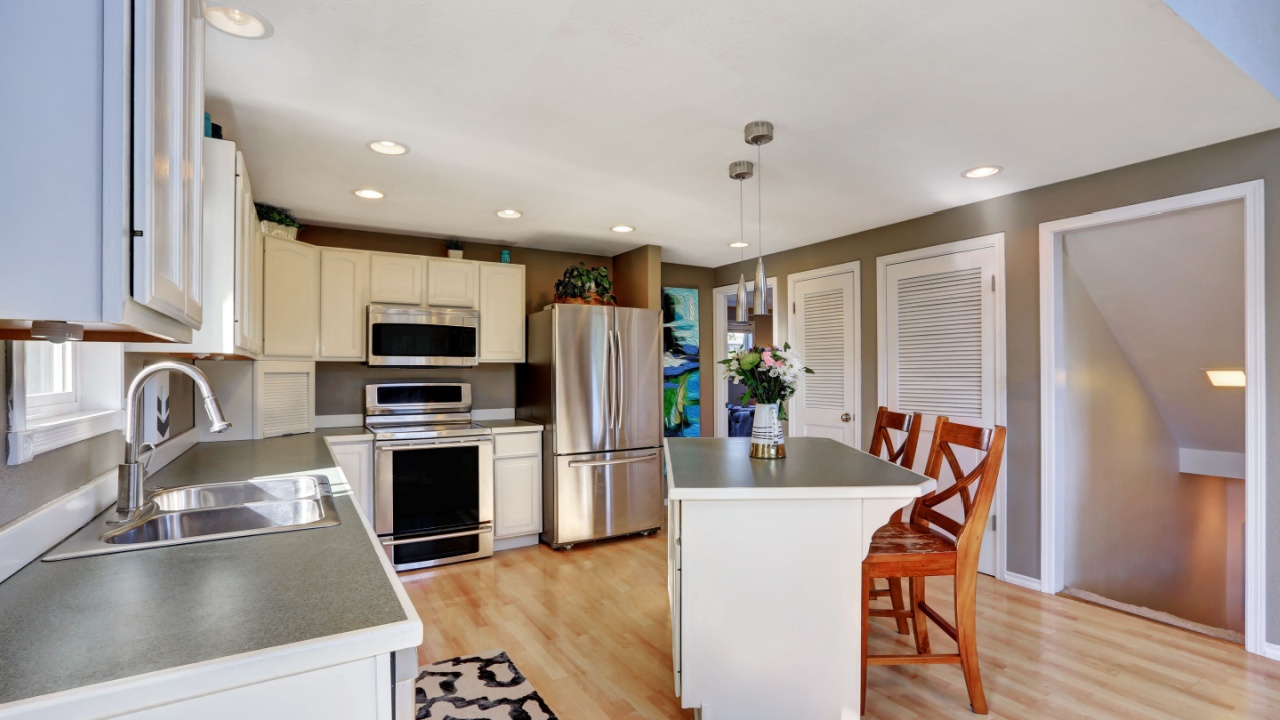
The kitchen triangle is a classic design principle that optimizes workflow. It connects the three main work areas: the sink, the refrigerator, and the stove. The idea is to place these three points in a triangular arrangement, with clear, unobstructed paths between them.
This layout minimizes the steps a cook needs to take, making meal preparation more efficient and less tiring. Even in modern kitchens with more open-plan designs or additional appliances, the core concept of an efficient work triangle remains relevant. It prioritizes function and flow, which are always in style.
6. Subway Tile
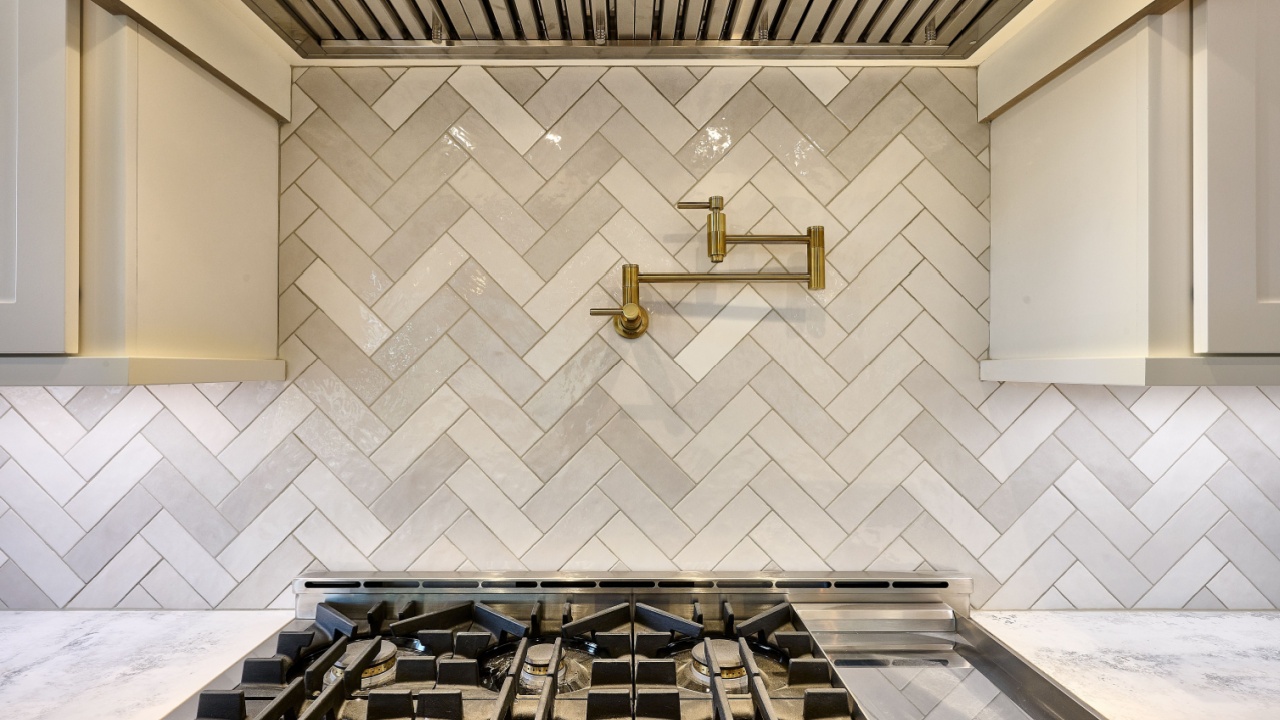
Originally seen in New York City subway stations in the early 1900s, subway tile has become a staple in kitchen design. Its classic form is a simple, glossy, 3-by-6-inch white rectangle. It provides a clean, durable, and easy-to-clean surface that complements any style.
Today, subway tile is available in a huge range of colors, materials, and sizes. You can lay it in various patterns, such as a traditional offset, a modern stacked grid, or an elegant herringbone. This adaptability allows it to be reinterpreted for contemporary tastes while retaining its classic charm.
7. Kitchen Islands
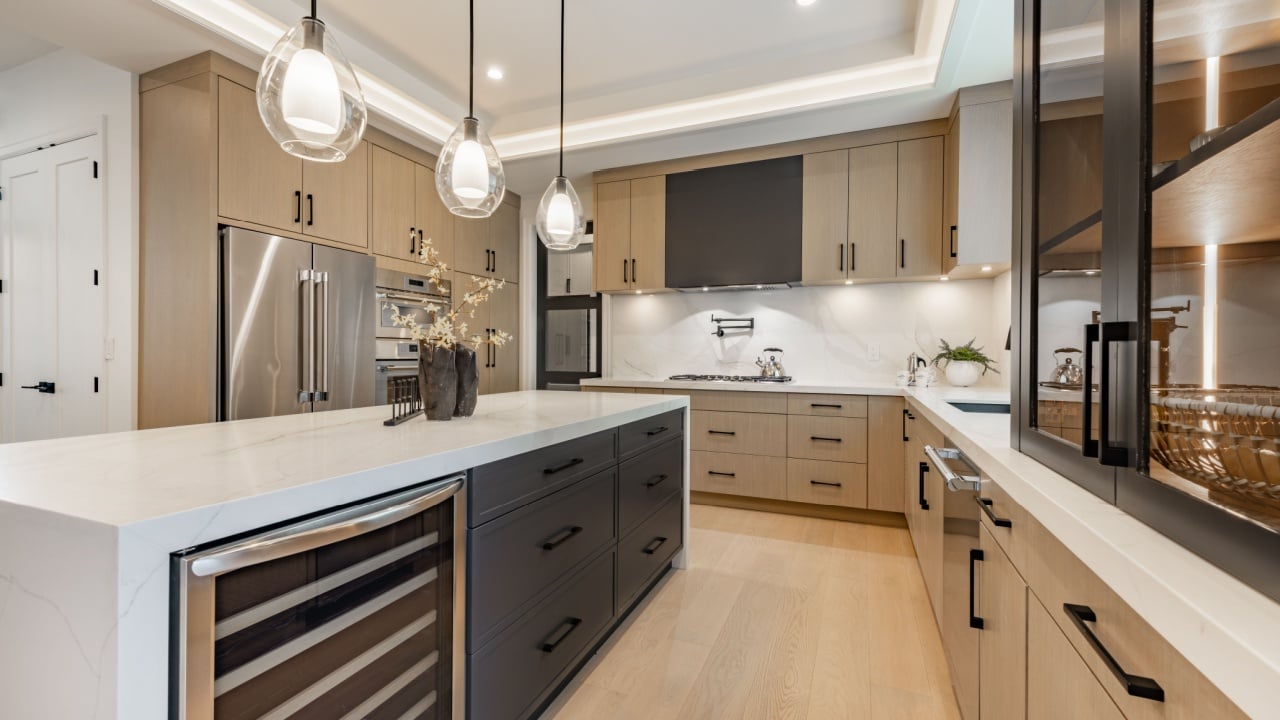
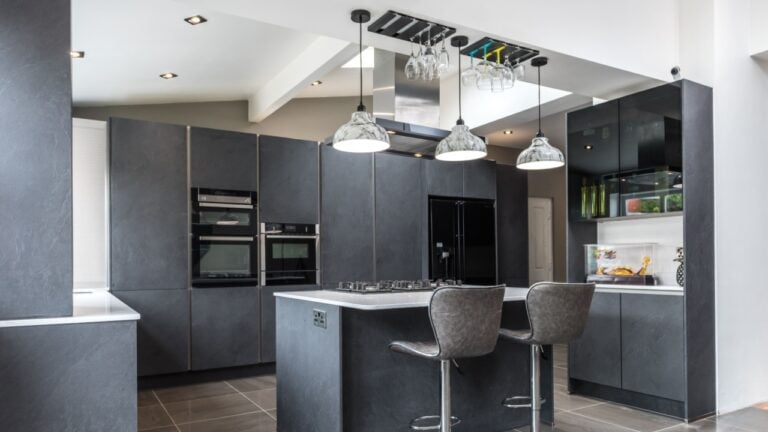
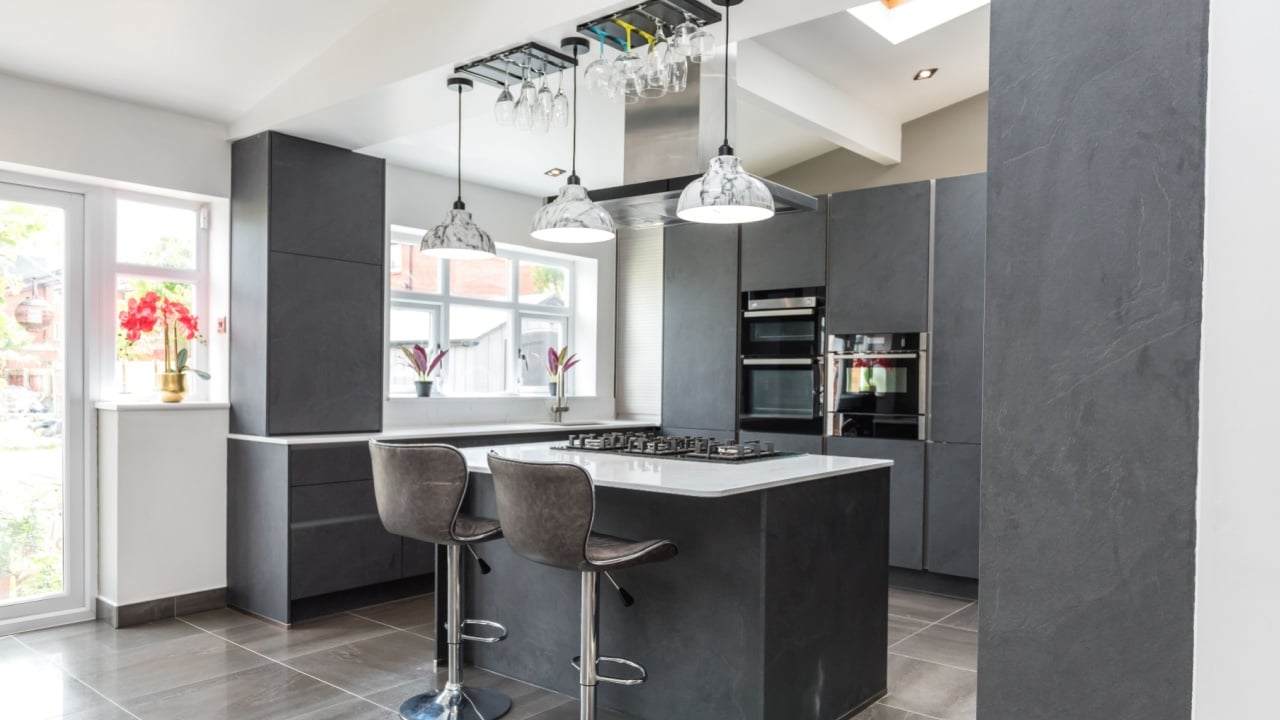
A kitchen island adds valuable counter space, storage, and often seating to a kitchen. It acts as a central hub for cooking, socializing, and dining. An island can help define the kitchen area in an open-concept home without closing it off completely.
The function of an island can be customized to your needs, or you can have options for extra counterspace if you don’t want the traditional island. It can house a second sink, a cooktop, or simply provide an expansive surface for food prep. With the addition of stools, it becomes a casual spot for breakfast or for guests to gather while the host cooks.
8. Natural Materials

Incorporating natural materials like wood, stone, and plant fibers brings warmth and texture into the kitchen. These materials connect the indoor space to the outdoors and add a sense of authenticity. A wooden cutting board, a stone fruit bowl, or a woven plant basket can soften the hard surfaces of a kitchen.
Kitchen experts note that butcher block countertops, for example, add a warm, functional surface that develops a unique patina with use. Stone backsplashes or floors ground the space with an earthy, solid feel. These elements are timeless because the natural world never goes out of fashion.
9. Butcher Block Countertops
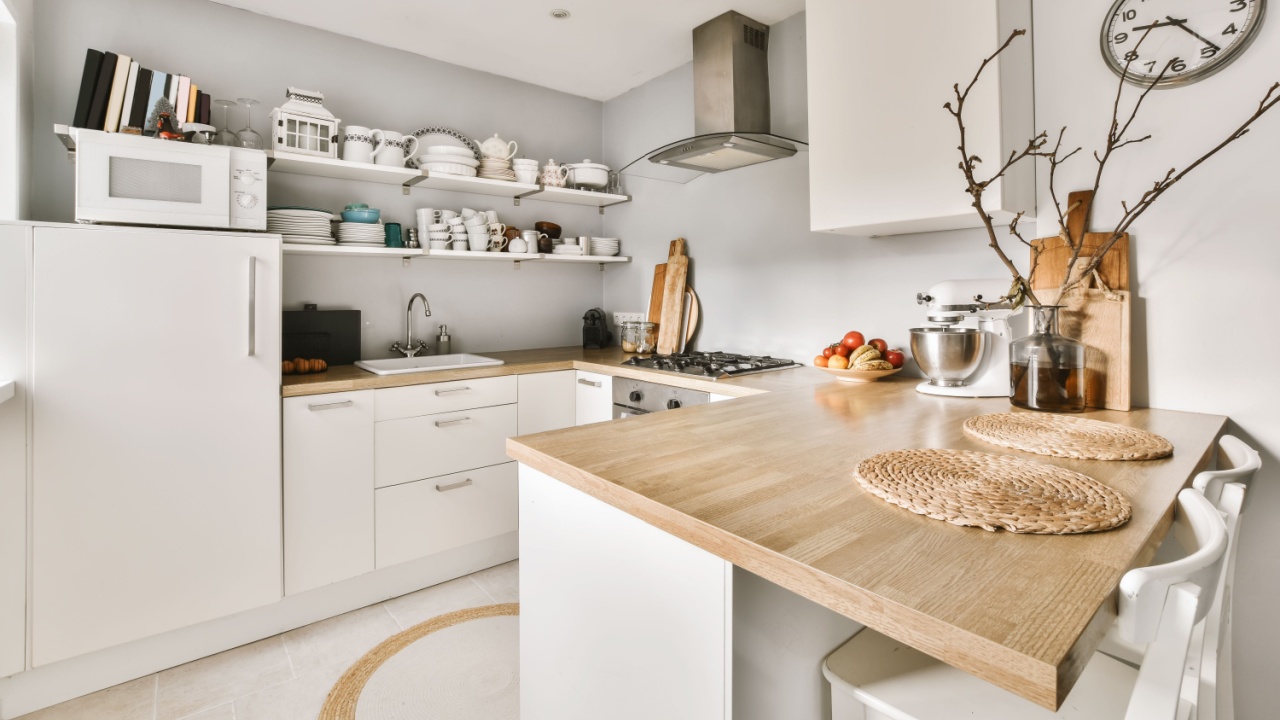
Butcher block countertops are made from straight cuts of wood glued together into a thick slab. As we just mentioned in the last paragraph, they introduce a warm, organic element that contrasts beautifully with painted cabinets and metal fixtures. The wood surface is forgiving for knives and adds a rustic yet refined look.
With proper sealing and maintenance, a butcher block counter is a durable and long-lasting work surface. It can be sanded and re-oiled to remove any stains or knife marks, essentially renewing its appearance. This ability to be refreshed gives it a longevity that many other countertop materials lack.
10. Nickel Finishes
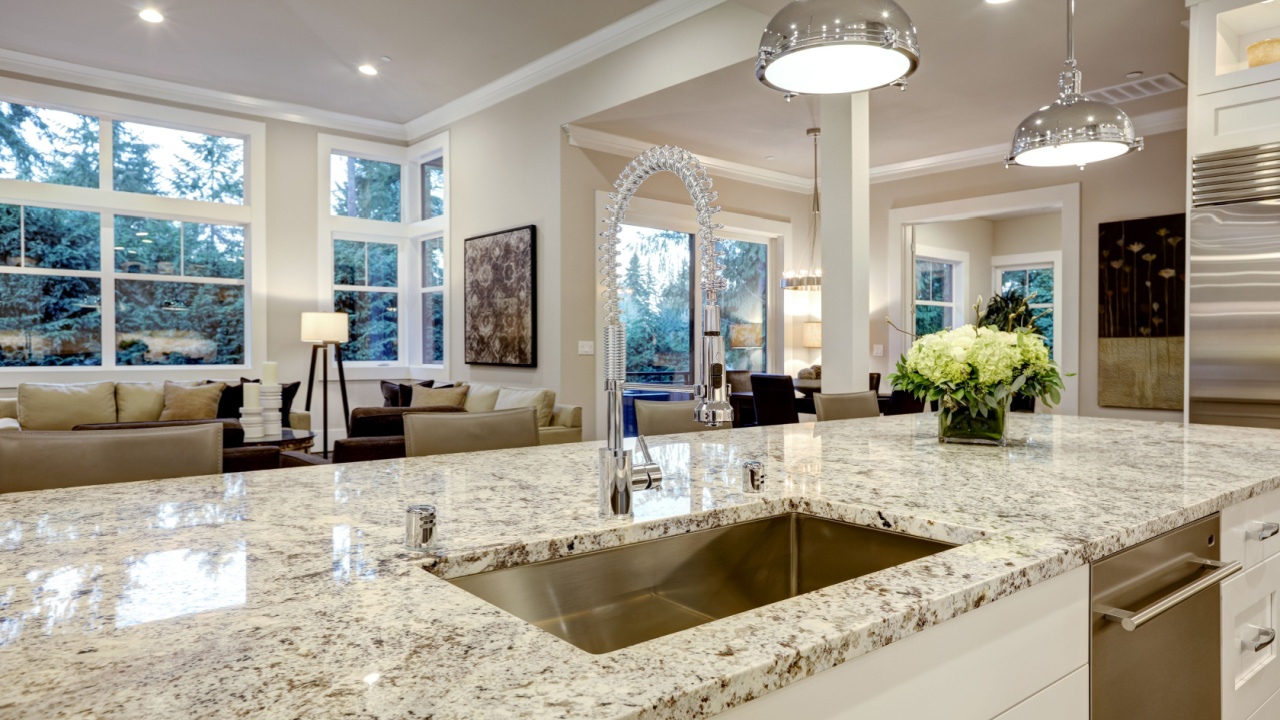
While brass and chrome have their moments, designers say nickel has a quiet elegance that endures. Finishes like polished or satin nickel have a warmer undertone than chrome, which prevents them from feeling too sterile. This subtle warmth allows nickel to pair well with both cool and warm color schemes.
Using nickel for faucets, cabinet hardware, and light fixtures creates a cohesive and sophisticated look. It is a finish that feels classic without being old-fashioned and modern without being trendy. It strikes a balance that keeps it relevant through changing design cycles.
11. Linen and Cotton Textiles
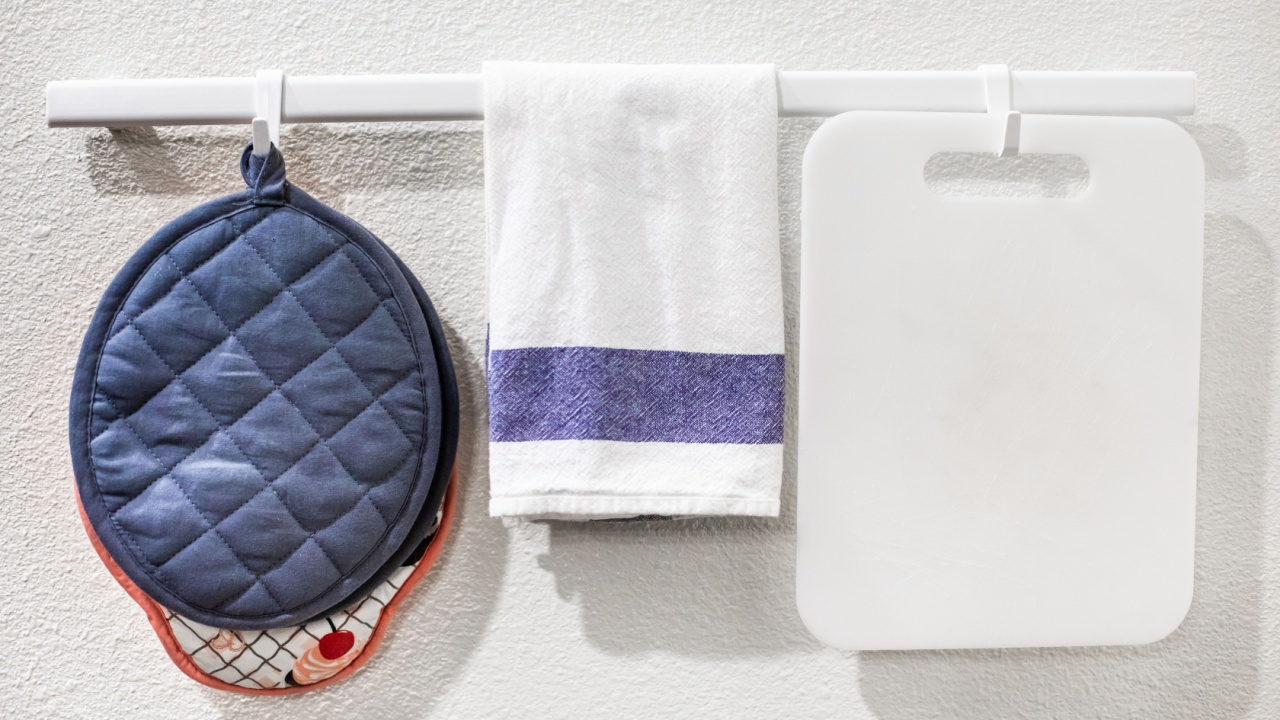
The choice of textiles can have a great impact on the feel of a kitchen. Natural fabrics like linen and cotton for dish towels, curtains, and upholstery add softness and texture. These materials are breathable, absorbent, and have an understated, natural beauty.
A simple linen roman shade or a set of cotton dish towels in a classic stripe or check pattern can add a touch of comfortable elegance. Unlike synthetic fabrics, they age gracefully and contribute to a relaxed, welcoming atmosphere.
12. Drawer and Cabinet Organizers
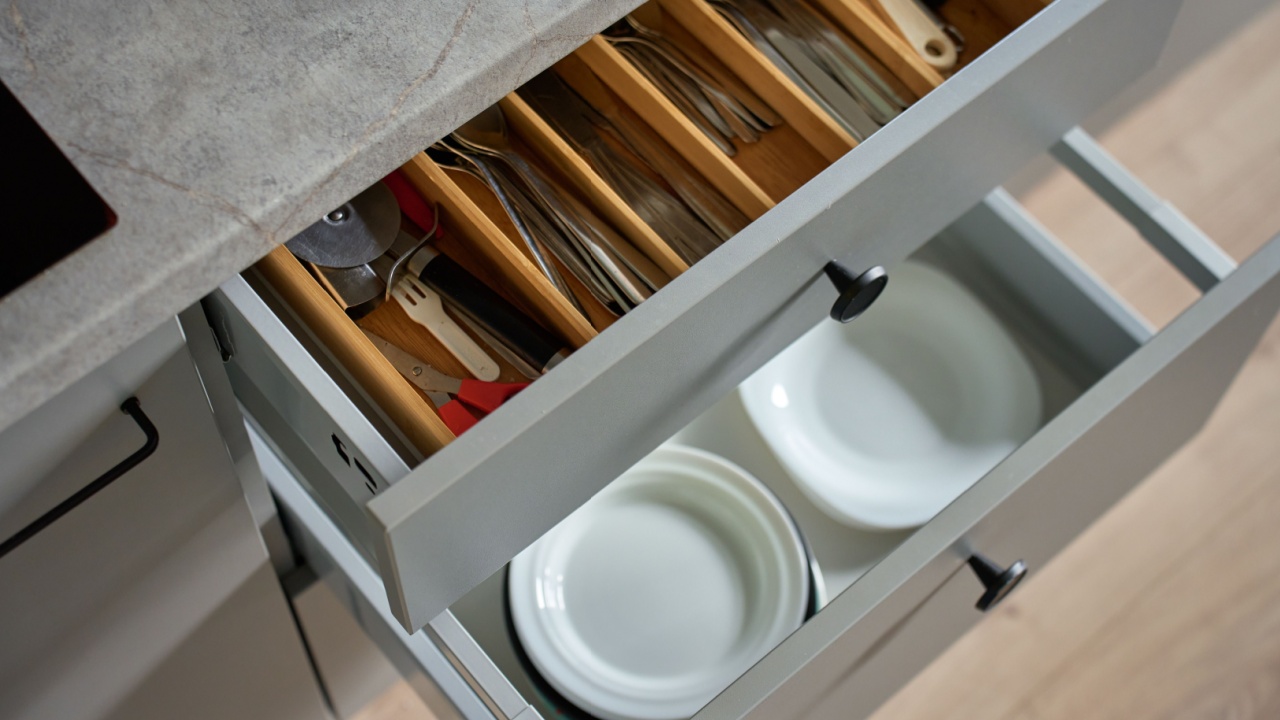
A timeless kitchen is an orderly kitchen. An organized space is more functional and calming to be in. Drawer and cabinet organizers are essential for maintaining this order. Systems like pull-out spice racks, utensil dividers, and deep drawers for pots and pans keep everything in its place and easily accessible.
While these elements are mostly hidden, their effect on the kitchen’s usability is profound. A clutter-free countertop and an efficiently organized storage system are hallmarks of a well-designed kitchen, regardless of the era. Investing in a good organization guarantees your kitchen works as beautifully as it looks.
Bringing Timeless Design Home

Even a few thoughtful changes can add elegance and longevity to your kitchen. Start by decluttering drawers and upgrading your organization; those little dividers and a pull-out pantry can make a world of difference. Next, have fun with the details: try new hardware in a stylish finish or introduce soft linen textiles for a gentle touch. A neutral paint refresh can shift the whole atmosphere, while projects like a subway tile backsplash or a section of butcher block invigorate both function and charm. With some creativity and intention, your kitchen will feel welcoming and timeless for years ahead.