
7 Fun Indoor Family Activities for Slow Days and Bad Weather
Being a parent often means functioning as an amateur event planner, specialized chef, and UN-level conflict negotiator simultaneously. When the weather turns sour or everyone is stuck inside, the pressure to entertain the troops intensifies. You might look around the living room and see potential chaos brewing. You want to connect with your children, but you also want to survive the afternoon without losing your mind.
What you need are activities designed to bring everyone closer together. Here are some options that require minimal preparation and offer maximum interaction. You will find practical instructions for executing each idea and an explanation of why it strengthens family ties.
1. The 10-Minute Dance Party

The atmosphere in a home can become stagnant, especially during long stretches indoors. Tension builds up in our bodies and manifests as grumpiness or bickering. A sudden burst of physical activity functions as a reset button for the entire household. Get a playlist of high-energy songs, clear a small space in the kitchen or living room, and announce the start of the party loudly. Turn the volume up to a respectable level. For ten minutes, everyone must move.
According to health experts, music and movement release endorphins, the brain’s feel-good chemicals. When you dance wildly alongside your children, you dismantle the typical parent-child hierarchy. You are no longer the person enforcing rules or checking homework. You become a fellow participant in silliness. This shared vulnerability creates a safe space where laughter replaces stress.
2. Family Coloring Time

Many adults associate coloring with early childhood, believing they graduated from it decades ago. However, sitting down with a set of markers or colored pencils offers a unique form of relaxation for all ages. This activity does not demand artistic talent. It only asks for your presence. Gather all available art supplies. You can print complex mandala pages for older kids and adults while providing simpler character sheets for younger ones. Spread everything out on the dining table or floor.
Eye contact can sometimes feel intense or intimidating for children when discussing sensitive topics. Engaging in a shared, low-stakes task allows for “parallel play.” Conversations flow more easily when hands remain busy. You might find your children opening up regarding their friends or fears simply because the focus rests on the paper, not on their faces.
3. The Indoor “Campout”
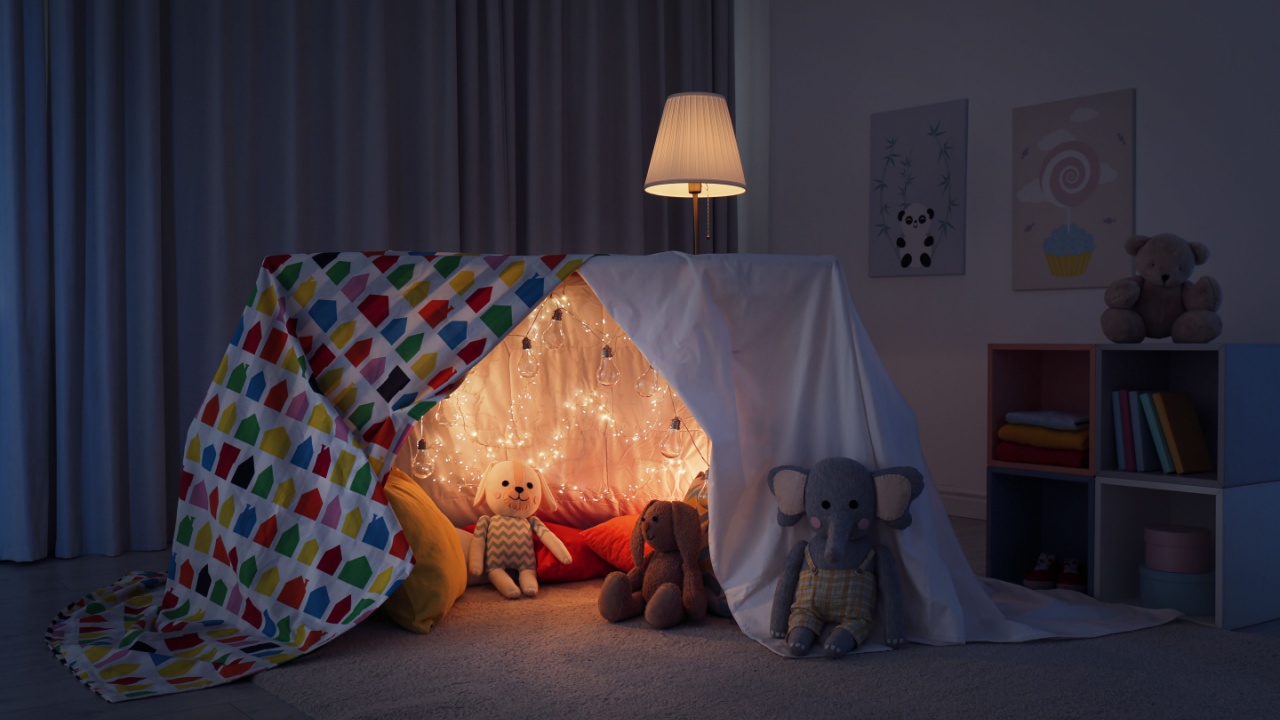
The joy of camping comes from sleeping somewhere new, and you can recreate this indoors without worrying about bugs or rain. Transform your living room into a campsite by moving furniture to the edges. Set up a small pop-up tent or build a fort with chairs, blankets, and sheets. Add pillows and sleeping bags, turn off the main lights, and use flashlights or battery-powered lanterns for that camping feel.
Changing your physical environment breaks the usual routine, which stimulates the brain and makes the evening feel novel and memorable. Sleeping together on the floor encourages closeness that rarely occurs on a typical night. Building your shelter as a family fosters teamwork and a sense of adventure. This shared effort creates a “us against the world” mindset that strengthens family bonds.
4. Home Restaurant Night

There are many reasons why sharing meals as a family is beneficial. However, meals often become rushed affairs where parents cook and serve while children consume and leave. Flipping the script transforms dinner from a chore into an event. In this activity, the kitchen becomes a restaurant, and family members take on specific roles. Designate roles based on age and ability. You can rotate these roles so everyone gets a turn to serve and be served.
Collaborating to produce a meal requires communication and cooperation. Children gain a glimpse into the effort required to put food on the table, which often builds appreciation. More importantly, this role-playing game allows children to exercise autonomy. When a child takes your order, they step into a position of authority and responsibility.
5. The Family Time Capsule Project

We often rush through life without pausing to document who we are in the present moment. Creating a time capsule serves as a gift to your future selves. It acts as a physical snapshot of your family’s current reality. Find a sturdy shoebox or container. Ask every family member to contribute one item that represents them right now.
This project encourages self-reflection. Family members must consider what matters to them individually and collectively. Discussing why someone chose a specific item leads to deeper conversations regarding values and interests. It also establishes a shared history.
6. Skill Swap Sessions

Every family member has unique knowledge to share; one might bake bread, another edits videos, and the youngest knows all about dinosaurs. A Skill Swap Session provides a structured way to exchange these skills. Set aside an hour where one person teaches a skill to the others. The “teacher” leads the activity, while the “students” listen and learn.
This activity validates your child’s expertise. When a parent sits down to learn from a child, it demonstrates respect for their interests and abilities. It shifts the dynamic from “parent-teacher” to “peer-learner.” This boosts the child’s self-esteem and shows them that you value their world. For the parent, it offers a window into what currently excites their child, providing new common ground for future conversations.
7. Memory Lane Photo Sessions
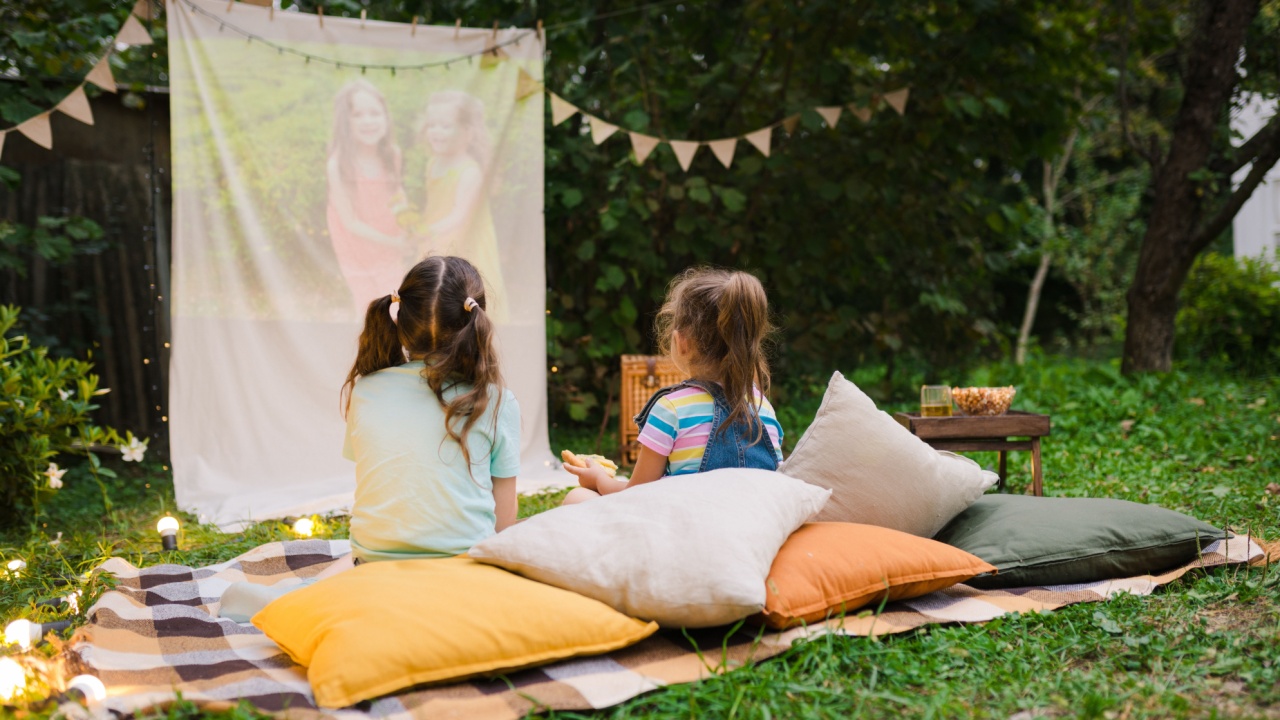
We snap countless photos throughout the years, but so many end up forgotten in phone galleries or tucked away on hard drives. Setting aside time to revisit and enjoy these snapshots can spark laughter, stories, and that wonderful feeling of togetherness. According to psychologists, seeing ourselves together in a photo connects us more.
Connect your phone or computer to the TV screen and browse through photos from earlier days. Enjoy baby pictures, vacation highlights, school projects, or even those accidental close-ups no one remembers taking. Telling stories as you look through photos helps cement your family’s shared identity. Kids hear tales from when they were younger and get to feel truly seen and cherished.
Moving Forward With Intention

You don’t need tickets to Disneyland or a stack of parenting books to connect with your kids in meaningful ways. It happens in the small, deliberate choices you make inside your own home. Just do it, but first, lower your expectations. The fort might collapse. The dance party might end in someone crying because they bumped their knee. The dinner might be slightly burnt.
These imperfections are part of the process. Your children will not remember if the living room was tidy. They will remember that you stopped working, put down your phone, looked them in the eye, and danced as much as your two left feet could allow.
Read more
7 Tech Trends of 2026 That Are Defining Family Time (and Life)