12 Items Gardeners Wish They’d Never Wasted Money On
Creating a beautiful garden is filled with discovery, joy, and, inevitably, a few lessons learned the hard way.
As we cultivate our little plots of earth, we’re often tempted by an endless array of tools, plants, and decor promising to make our gardens thrive. While many purchases become cherished parts of our gardening routine, others end up as clutter in the shed or, worse, detrimental to the health of our plants.
Learning what to avoid is just as crucial as knowing what to buy. This guide walks you through 12 common garden purchases that often lead to regret, helping you invest your time, money, and effort wisely for a more successful and enjoyable gardening experience.
Note: Just keep in mind, these are all matters of opinion from our own experiences as gardeners; what works best for each person will vary.
1. Cheap, Low-Quality Garden Hoses
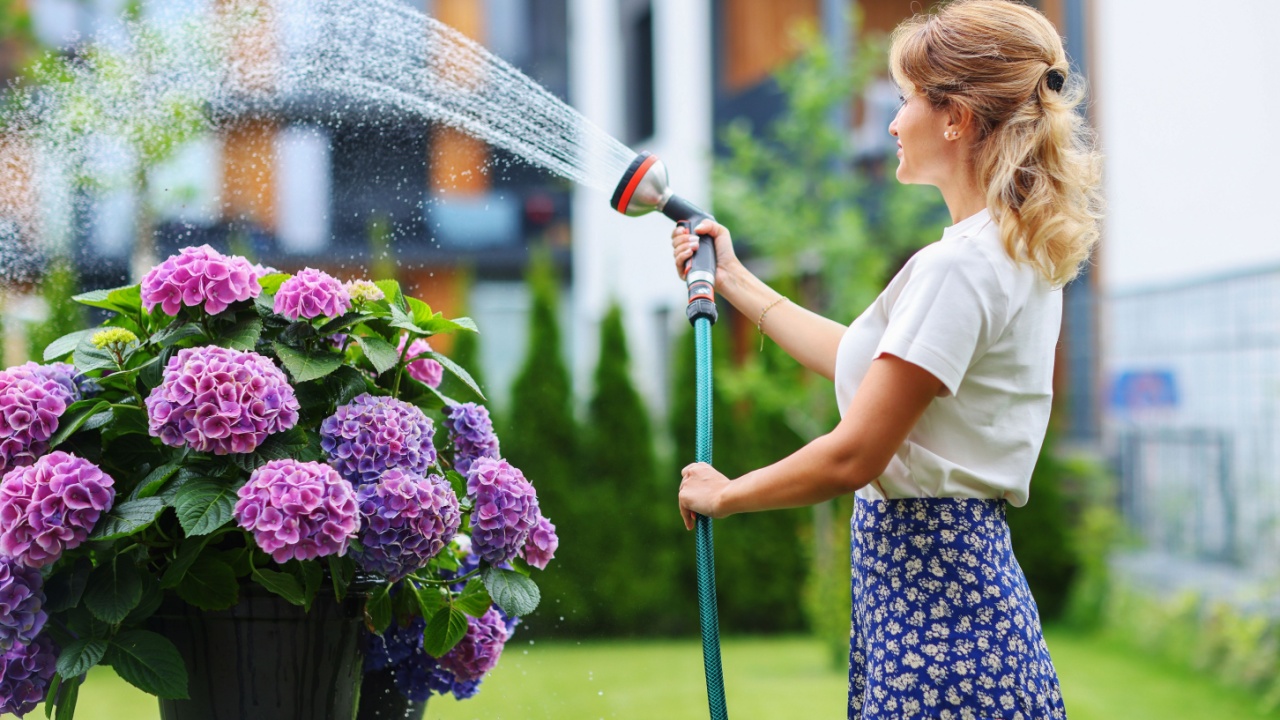
A reliable water source is the lifeblood of any garden, and the hose is your primary delivery system. It can be tempting to grab the cheapest option at the store, but this is a classic case of getting what you pay for. Inexpensive vinyl hoses are notorious for kinking the moment you look away, creating frustrating water flow interruptions. They also tend to crack, split, and degrade quickly under sun exposure, leading to leaks that waste water and money. The flimsy brass-coated aluminum connectors often corrode, bend, or fuse to the spigot, making them nearly impossible to remove.
Instead of replacing a cheap hose every season, invest in a high-quality one from the start. Look for hoses made from durable rubber or hybrid polymers that resist kinking and UV damage. Solid brass fittings are essential for longevity and a secure, leak-free connection. While the initial cost is higher, a quality hose will save you headaches, water, and the expense of frequent replacements for years to come.
Key Takeaway:
- Avoid: Thin vinyl hoses with aluminum or plastic fittings.
- Choose: Durable rubber or hybrid polymer hoses with solid brass connectors.
- Next Steps: Before your next growing season, assess your current hose. If it’s constantly kinked or leaking, plan to upgrade. When you’re not using it, coil your hose and store it out of direct sunlight to extend its life.
2. Unnecessary Single-Use Gadgets
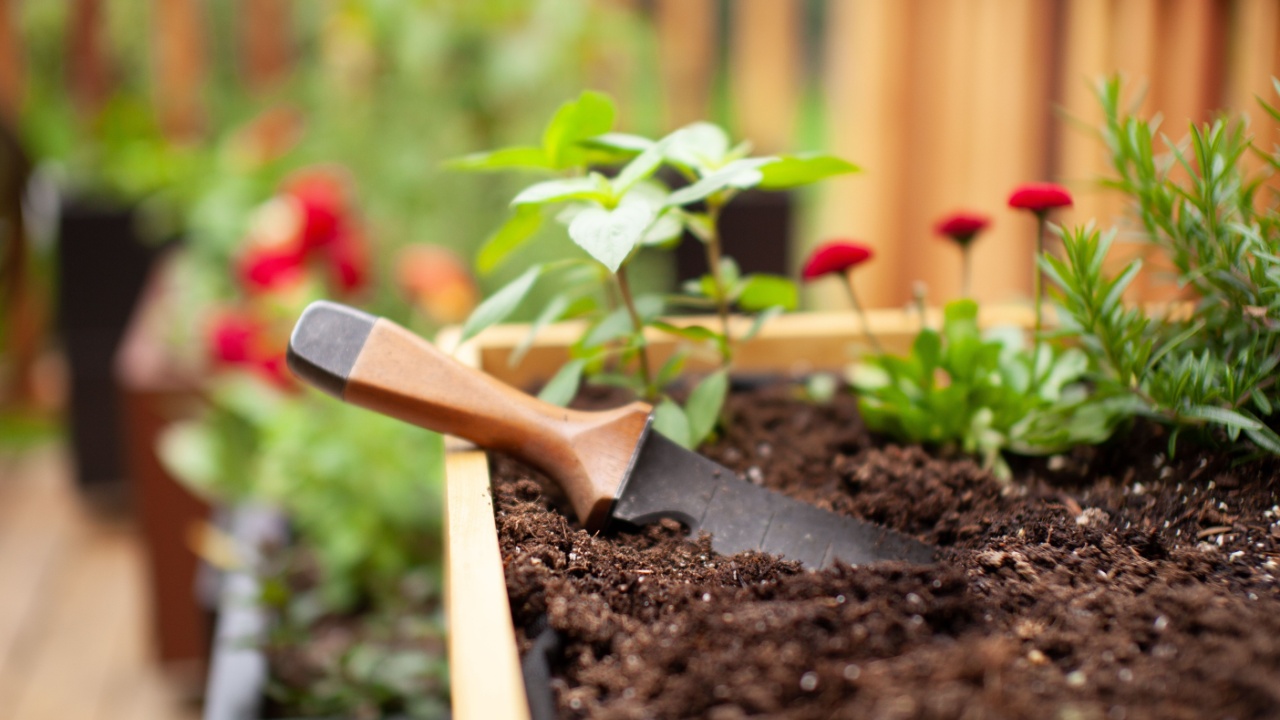
The garden aisle is filled with shiny gadgets promising to solve all your horticultural problems. From specialized bulb planters to soil pH testers and self-watering spikes, it’s easy to get drawn in. However, many of these tools perform a single, niche function that can often be accomplished with a basic tool you already own. A handheld trowel works just as well for planting bulbs, and a comprehensive soil test from a local university extension office will give you far more accurate and detailed information than a cheap electronic probe. These gadgets often end up as forgotten clutter in your shed.
Focus on mastering the use of a few high-quality, multi-functional tools. A sturdy trowel, a sharp hori-hori knife, and a durable hand rake can handle the vast majority of garden tasks. This minimalist approach not only saves you money and storage space but also helps you become a more resourceful and knowledgeable gardener.
Key Takeaway:
- Avoid: Gadgets that serve only one very specific purpose.
- Choose: High-quality, versatile tools like a hori-hori knife, a sturdy trowel, and bypass pruners.
- Next Steps: Before buying a new gadget, ask yourself: “Do I have another tool that can do this job?” and “How often will I realistically use this?”
3. Flimsy, Poorly Designed Planters
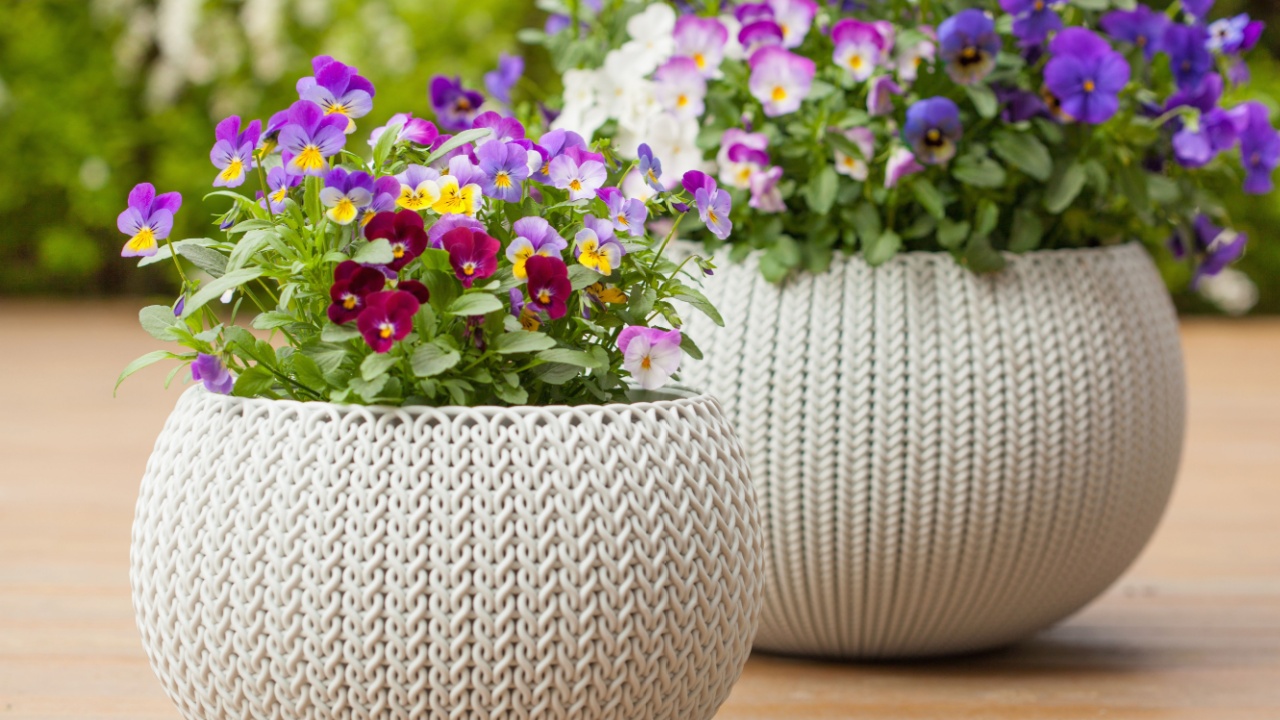
Planters are a fantastic way to add color to a patio or grow plants in a small space, but not all pots are created equal. The most common mistake is choosing cheap plastic pots without adequate drainage. A single, tiny hole at the bottom is often not enough to prevent water from pooling, which leads to root rot, one of the quickest ways to kill a container plant. Thin plastic can also become brittle and crack after just one season in the sun, while dark-colored, cheap pots can overheat, baking your plant’s roots on hot days.
Look for planters made from durable materials like terracotta, high-quality thick plastic, or composite materials. Most importantly, ensure they have multiple, sizable drainage holes. If you fall in love with a decorative pot that lacks proper drainage, you can still use it as a “cachepot.” Simply keep your plant in its functional nursery pot and place it inside the decorative one, removing it for watering.
Key Takeaway:
- Avoid: Thin plastic pots with minimal or no drainage holes.
- Choose: Sturdy planters with ample drainage, or use a pot without holes as a decorative cachepot.
- Next Steps: Drill extra holes in the bottom of any existing plastic pots that have poor drainage. When watering container plants, always water until it runs freely from the bottom to ensure the soil is fully saturated and flushing out excess salts.
4. Non-Native and Climate-Inappropriate Plants
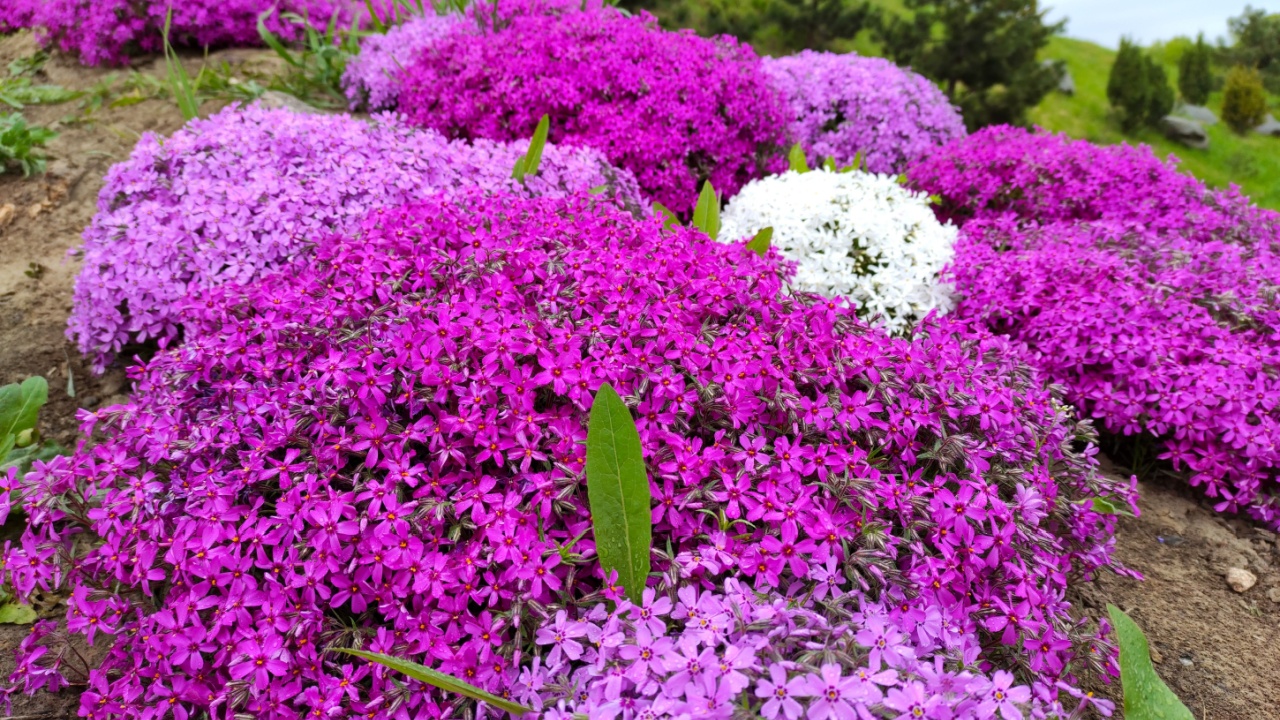
It’s easy to be captivated by an exotic plant at the garden center, dreaming of bringing a piece of the tropics or a faraway meadow to your backyard. However, plants that are not native to your region or suited for your climate often require a heroic amount of effort to keep alive. A tropical hibiscus may look stunning, but it won’t survive a northern winter without being moved indoors. A desert succulent will quickly rot in a rainy, humid climate. Fighting your local environment is an exhausting, expensive, and often losing battle.
Instead, embrace the beauty of plants that are adapted to your area. Native plants have evolved to thrive in your specific soil type, rainfall patterns, and temperature extremes. They typically require less water, fertilizer, and pest control. They also play a vital role in supporting local wildlife, including pollinators like bees and butterflies.
Key Takeaway:
- Avoid: Plants that are not rated for your USDA Hardiness Zone or that have drastically different light and water needs than your garden provides.
- Choose: Native plants and other species known to perform well in your local climate.
- Next Steps: Visit your local university extension website or a native plant nursery to get a list of trees, shrubs, and perennials that will flourish in your yard with minimal fuss.
5. Aggressive and Invasive Plants

Some plants are a little too good at growing. While a fast-spreading ground cover might seem like a great solution for filling a bare spot, it can quickly become a nightmare. Invasive species like English ivy, Japanese barberry, and certain types of bamboo can aggressively overtake your garden beds, choke out other plants, and even escape into natural habitats where they disrupt the ecosystem. What starts as a convenient solution often turns into a multi-year eradication project.
Always research a plant’s growth habits before you buy it. Pay close attention to terms like “vigorous spreader,” “self-seeds readily,” or “naturalizes.” Check your state’s invasive species list. If you want a fast-growing plant, choose a well-behaved native alternative that will fill in space without taking over your entire yard.
Key Takeaway:
- Avoid: Plants known for their invasive or aggressive spreading habits, such as running bamboo, mint (in-ground), and English ivy.
- Choose: Clumping varieties of ornamental grasses or native ground covers that are easier to manage.
- Next Steps: If you suspect you have an invasive plant, identify it and consult your local extension service for the best removal methods.
6. Cheap, Synthetic Fertilizers
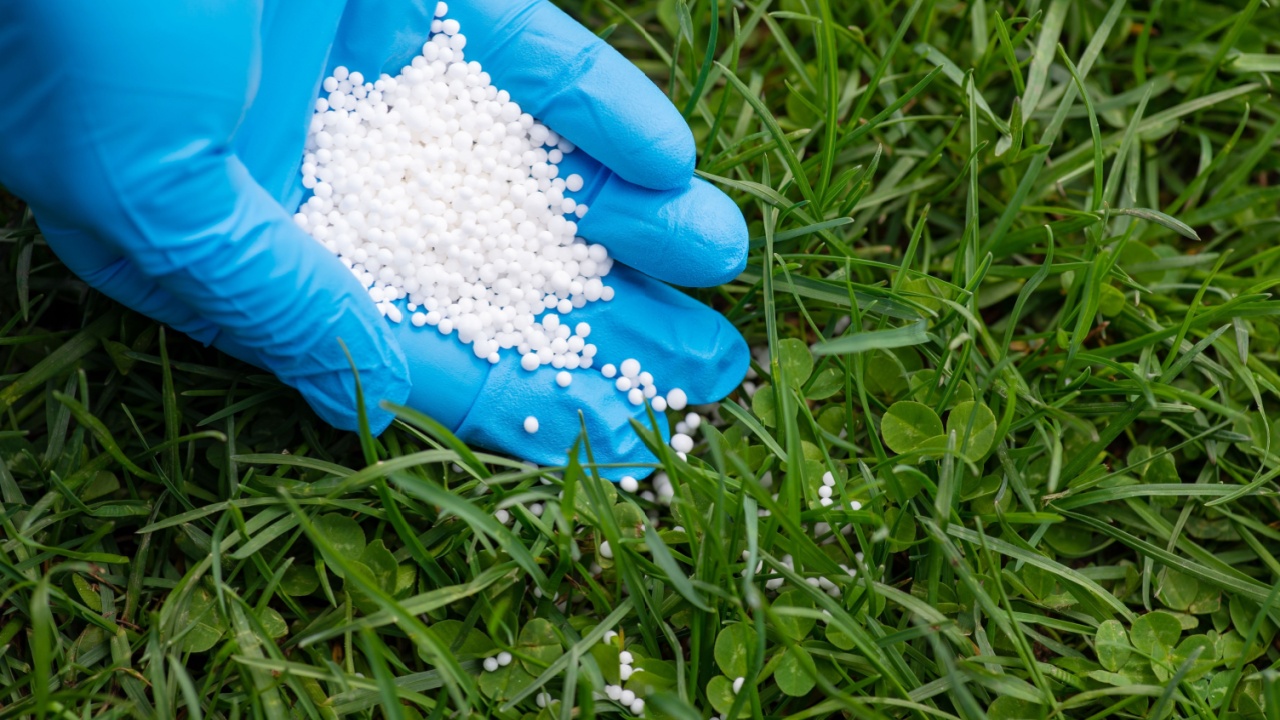
When your plants look a little sad, it’s tempting to douse them with a fast-acting, water-soluble chemical fertilizer. While these products can produce a quick burst of green growth, they do little to improve the long-term health of your soil. They are essentially junk food for your plants. The high concentration of synthetic salts can burn plant roots, harm beneficial soil microbes, and contribute to water pollution as the excess nutrients run off into storm drains.
Focus on building healthy soil instead. Healthy soil is alive with microorganisms that naturally provide nutrients to your plants. Amend your garden beds with organic matter like compost, leaf mold, and well-rotted manure. For an extra boost, use slow-release granular organic fertilizers. These feed the soil microbes, which in turn feed your plants in a slow, steady, and sustainable way.
Key Takeaway:
- Avoid: Quick-release, high-nitrogen synthetic chemical fertilizers.
- Choose: Compost, organic soil amendments, and slow-release granular organic fertilizers.
- Next Steps: Start a compost pile! It’s the single best thing you can do for your garden. It’s free, reduces household waste, and creates the perfect soil amendment.
7. Uncomfortable or Flimsy Garden Furniture
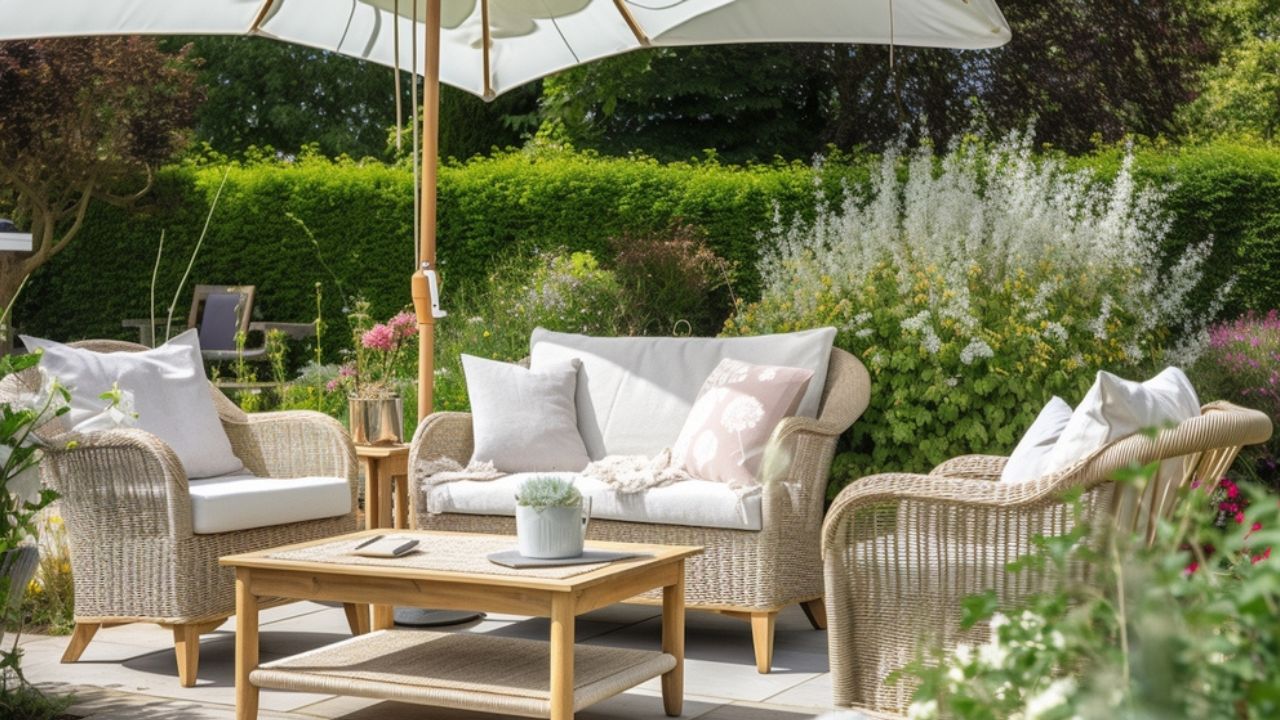
The goal of a garden is not just to be looked at but to be lived in. Uncomfortable furniture can turn your beautiful outdoor oasis into a space you rarely use. A cheap metal bench might look quaint, but if it’s wobbly or gets scorching hot in the sun, no one will want to sit on it. Flimsy plastic chairs can crack and fade, and untreated wood furniture can rot and fall apart in just a season or two.
Invest in outdoor furniture that is both comfortable and durable. Consider the ergonomics: Does the chair support your back? Is the table at a useful height? Look for materials designed to withstand the elements, such as teak, powder-coated aluminum, or high-quality recycled plastic. While good furniture is an investment, it will transform your garden into a true outdoor living room.
Key Takeaway:
- Avoid: Poorly constructed, uncomfortable furniture made from materials not meant for outdoor exposure.
- Choose: Well-made, ergonomic furniture crafted from weather-resistant materials.
- Next Steps: Before buying, always try to sit in the furniture. Imagine spending an hour on it. Check reviews for comments on long-term durability.
8. Broad-Spectrum Chemical Pesticides
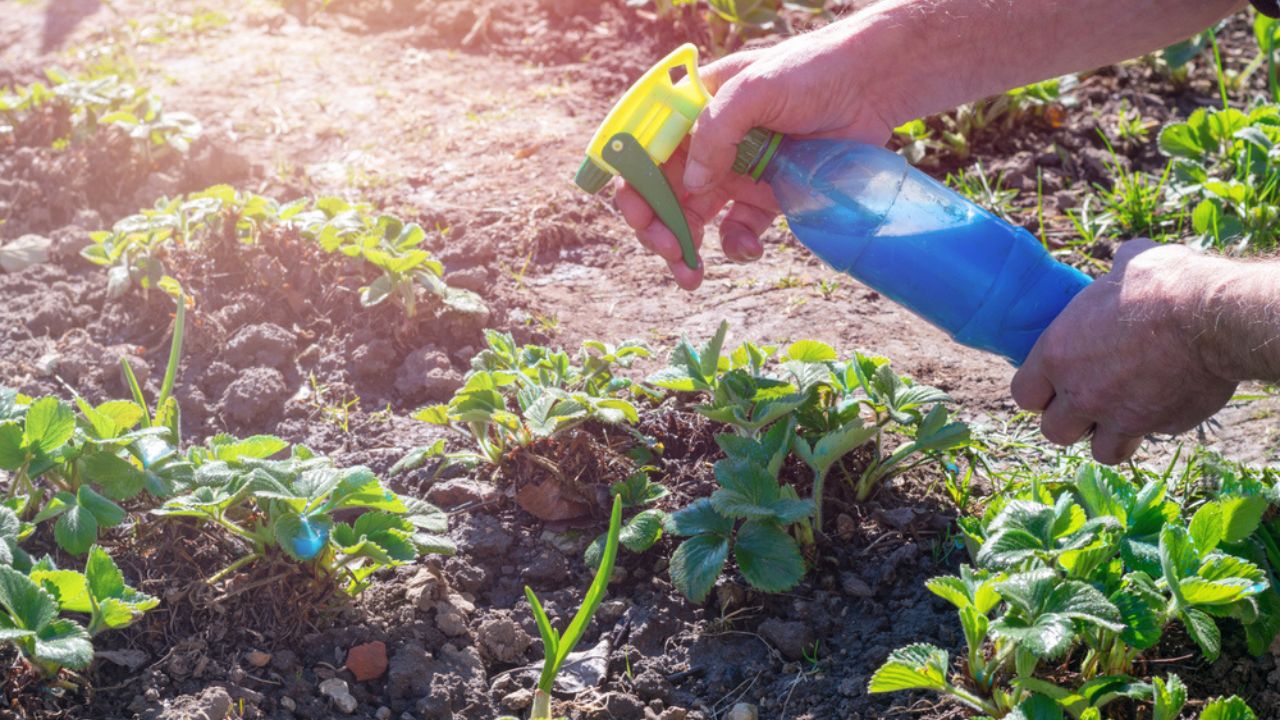
Finding your prize-winning roses covered in aphids is frustrating, and the knee-jerk reaction is to reach for a powerful spray. However, broad-spectrum pesticides are indiscriminate killers. They wipe out not only the pests but also the beneficial insects that help control them, like ladybugs, lacewings, and predatory wasps. This can lead to a rebound effect, where the pest population explodes in the absence of its natural enemies, forcing you into a cycle of repeated chemical applications.
Adopt an Integrated Pest Management (IPM) approach. This starts with creating a healthy, resilient garden that can better withstand pest pressure. Encourage beneficial insects by planting a diversity of flowers. For minor infestations, a strong blast of water from the hose or hand-picking pests is often enough. If you must spray, use targeted, less-toxic options like insecticidal soap or neem oil, and apply them carefully in the evening when pollinators are less active.
Key Takeaway:
- Avoid: Broad-spectrum chemical insecticides.
- Choose: Physical removal, biological controls (beneficial insects), and targeted organic sprays like insecticidal soap.
- Next Steps: Learn to identify the most common pests and beneficial insects in your garden. Knowing the good guys from the bad guys is the first step toward effective, eco-friendly pest control.
9. Low-Quality Garden Tools
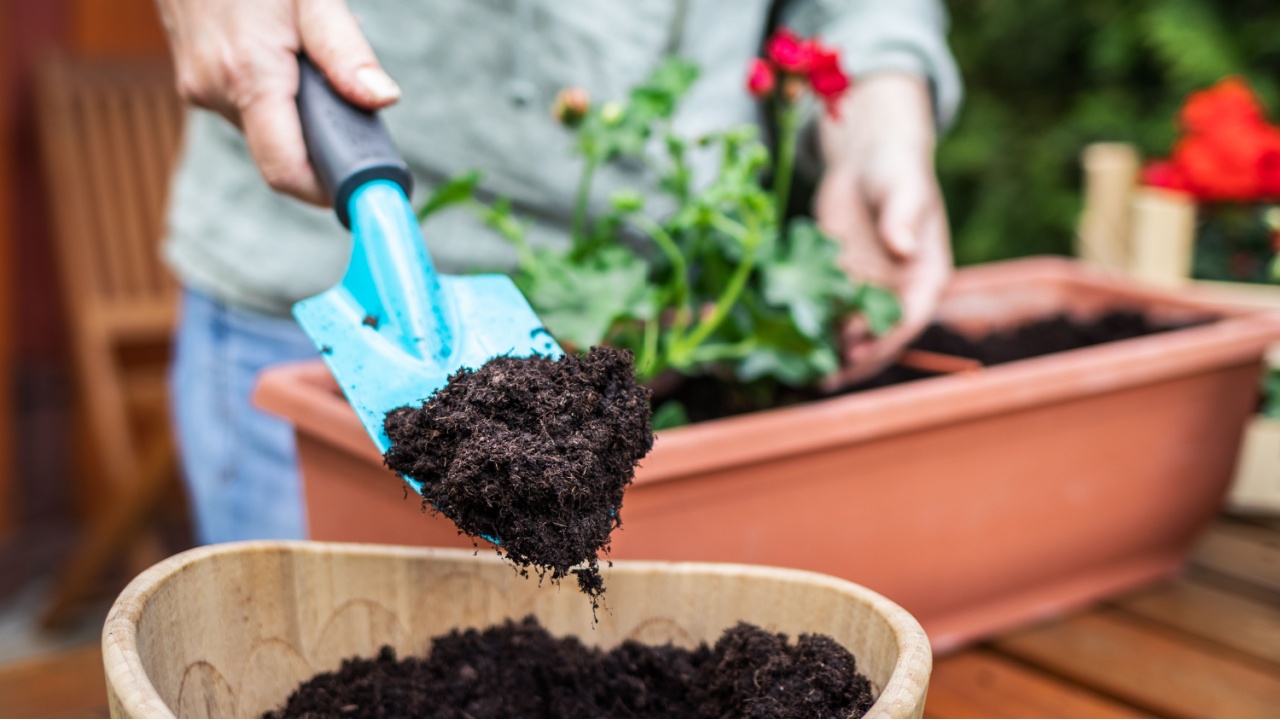
Much like hoses, cheap garden tools are a false economy. A trowel made from thin, stamped metal will bend the first time you hit compacted soil or a rock. The wooden handle of a budget shovel can splinter or snap under pressure. Poorly made pruners will crush stems instead of making clean cuts, damaging your plants and making your hands ache. These tools don’t just break; they make gardening harder and less enjoyable.
Invest in a few essential, high-quality tools. Look for hand tools forged from a single piece of steel, as they are less likely to bend or break. Choose pruners with replaceable blades made from high-carbon steel. A well-made tool feels balanced in your hand and becomes an extension of your arm. With proper care, cleaning, and sharpening, these tools can last a lifetime.
Key Takeaway:
- Avoid: Tools made from thin, stamped metal or with poorly attached handles.
- Choose: Forged steel hand tools and bypass pruners with high-carbon steel blades.
- Next Steps: Identify your most-used tool (for most, it’s a trowel or pruners) and plan to upgrade to a high-quality version. Clean your tools after each use and sharpen pruners annually.
10. Plants Without Doing Any Research

The “impulse buy” is a classic gardener’s mistake. You see a gorgeous plant at the nursery, pop it in your cart, and bring it home with no idea what it is or what it needs. You might plant a sun-loving lavender in a boggy, shaded corner or place a massive-growing shrub right in front of a window. When the plant inevitably struggles or fails, it’s easy to feel like you have a “black thumb,” but the real issue was a lack of planning.
Before you buy any plant, read the tag. It contains vital information: its mature size, and its needs for sun, water, and soil. Take a moment to pull out your phone and do a quick search for additional details. Does it spread? Is it prone to any diseases? Taking just five minutes to do this research in the garden center can save you from a world of disappointment.
Key Takeaway:
- Avoid: Buying a plant just because it looks pretty in the pot.
- Choose: Plants that fit the available space and match the light and soil conditions of the intended spot.
- Next Steps: Before your next trip to the nursery, make a list and take pictures of the areas you want to plant. Measure the space and note the amount of sunlight it gets throughout the day. Shop with a plan.
11. Too Much Mulch (or the Wrong Kind)
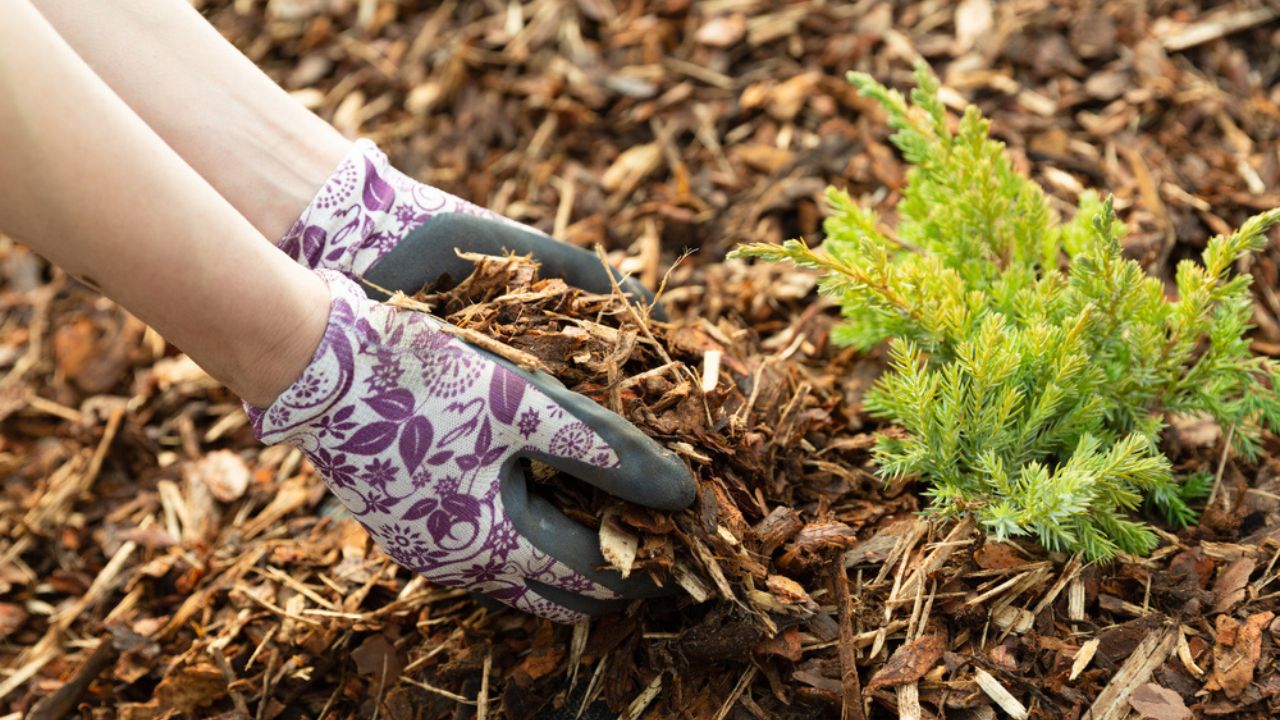
Mulch is a gardener’s best friend; it suppresses weeds, retains soil moisture, and regulates soil temperature. But you can have too much of a good thing. Piling mulch up against the stems of plants or the trunks of trees, a practice often called “volcano mulching,” is extremely harmful. It traps moisture against the bark, inviting rot, disease, and pests. It can also cause the roots to grow up into the unstable mulch layer instead of down into the soil. Using the wrong kind, like freshly chipped wood, can temporarily rob the soil of nitrogen as it decomposes.
Apply mulch correctly: a 2- to 3-inch layer is plenty. Always pull it back several inches from the base of your plants, creating a small donut-like ring. The best mulches for most garden beds are those that break down and enrich the soil, such as shredded leaves, compost, or aged wood chips.
Key Takeaway:
- Avoid: Piling mulch against plant stems (“volcano mulching”) and using fresh wood chips.
- Choose: A 2-3 inch layer of aged, organic mulch, keeping it away from the base of plants.
- Next Steps: Check the existing mulch in your garden. If you have any mulch volcanoes, pull the material back from the trunks and stems to allow them to breathe.
12. “Weed Barrier” Landscape Fabric

Landscape fabric is marketed as a permanent solution to weeds. The idea is that you lay it down, cut holes for your plants, and cover it with mulch for a weed-free garden forever. The reality is quite different. Within a year, weed seeds will blow in and germinate in the mulch on top of the fabric, sending their roots down through it. Meanwhile, the fabric prevents organic matter (like the decomposing mulch) from enriching the soil below, compacts the soil, and can girdle your growing plants. Removing it after a few years is a truly miserable chore.
A better and more soil-friendly approach to weed control is to use a thick layer of organic mulch (3-4 inches) directly on the soil. This will effectively smother most annual weeds. For stubborn areas, lay down a layer of cardboard before you mulch. The cardboard will block weeds for a season and then decompose, adding valuable organic matter to your soil.
Key Takeaway:
- Avoid: Permeable landscape fabric as a “permanent” weed solution.
- Choose: A thick layer of organic mulch, or cardboard layered under mulch for tough areas.
- Next Steps: If you have an area you want to convert to a garden bed, try “sheet mulching.” Layer cardboard directly over the grass or weeds, wet it down, and cover it with compost and mulch. In a few months, you’ll have a ready-to-plant bed with greatly improved soil.
Using Tools for a Smarter Garden

Gardening is a continuous learning process, and every mistake is an opportunity to grow. By avoiding these common purchasing pitfalls, you can create a garden that is not only more beautiful but also more sustainable, affordable, and enjoyable.
Before your next trip to the garden center, take stock of what you already have. Focus on building healthy soil, choosing the right plants for the right places, and investing in quality tools that will last. A thoughtful approach will always yield better results than an impulse buy.
Read more
9 Annuals That Won’t Die on Your Porch This Summer (Most Gardeners Are Planting the Wrong Ones)