13 Easy Fertilizers You Can Make at Home
Many home gardeners are enthusiastic about their plants, and this can be one of the most rewarding hobbies around. Nothing could be more natural than growing your own, and if you’re planting fruits and vegetables, they taste delicious!
The goal of keeping things as natural as possible also means that home gardeners are concerned about the fertilizer they use. Store-bought products can be packed with chemicals, and they don’t fit an organic approach.
Fortunately, there are many homemade alternatives you can use. Each suggestion involves regular items that most people use, so they are both cheaper and more eco-friendly. From banana peels to coffee grounds, these 13 easy homemade fertilizers will help your plants thrive without breaking the bank or compromising your organic gardening goals.
1. Banana Peel

Bananas contain around451 milligrams of potassium, one of the main components of plant fertilizer. Like many entries on this list, we’ll use the part we normally throw away.
Once you’ve eaten your banana, roughly chop the peel and place it in a jug of water for a few hours. All that beneficial potassium will infuse into the liquid and you now have a natural and effective home fertilizer.
2. Eggshells
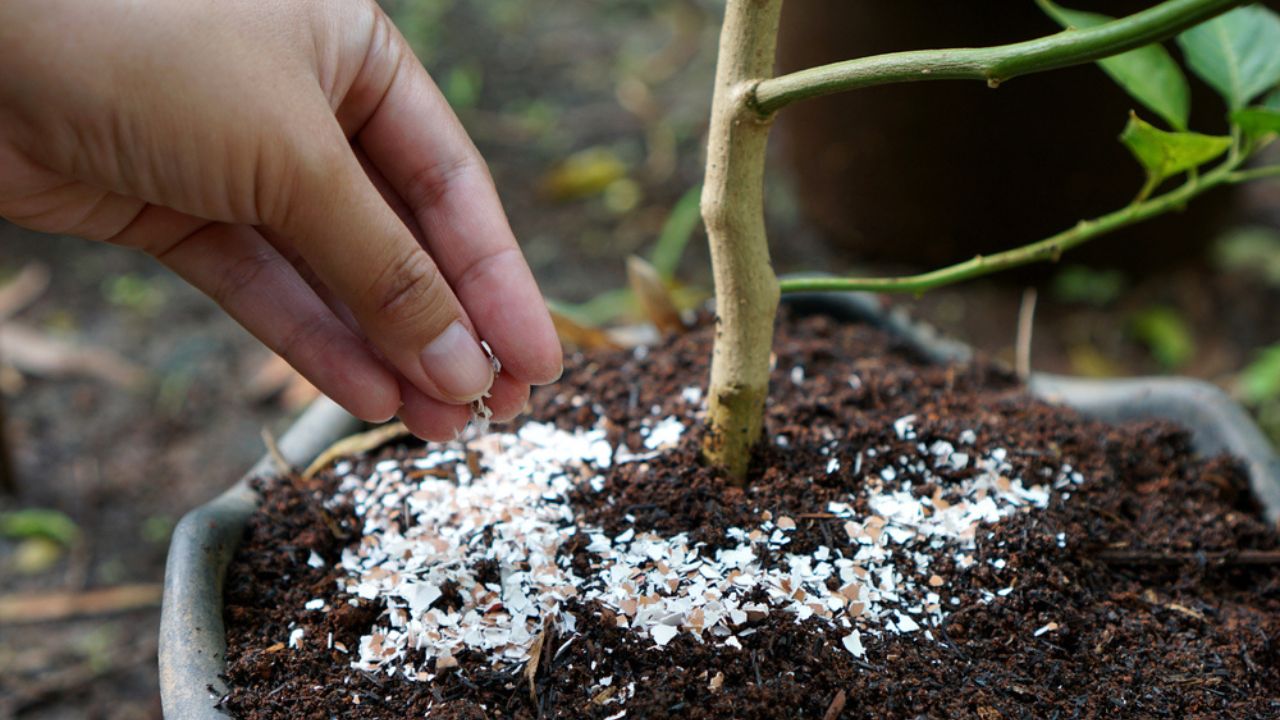
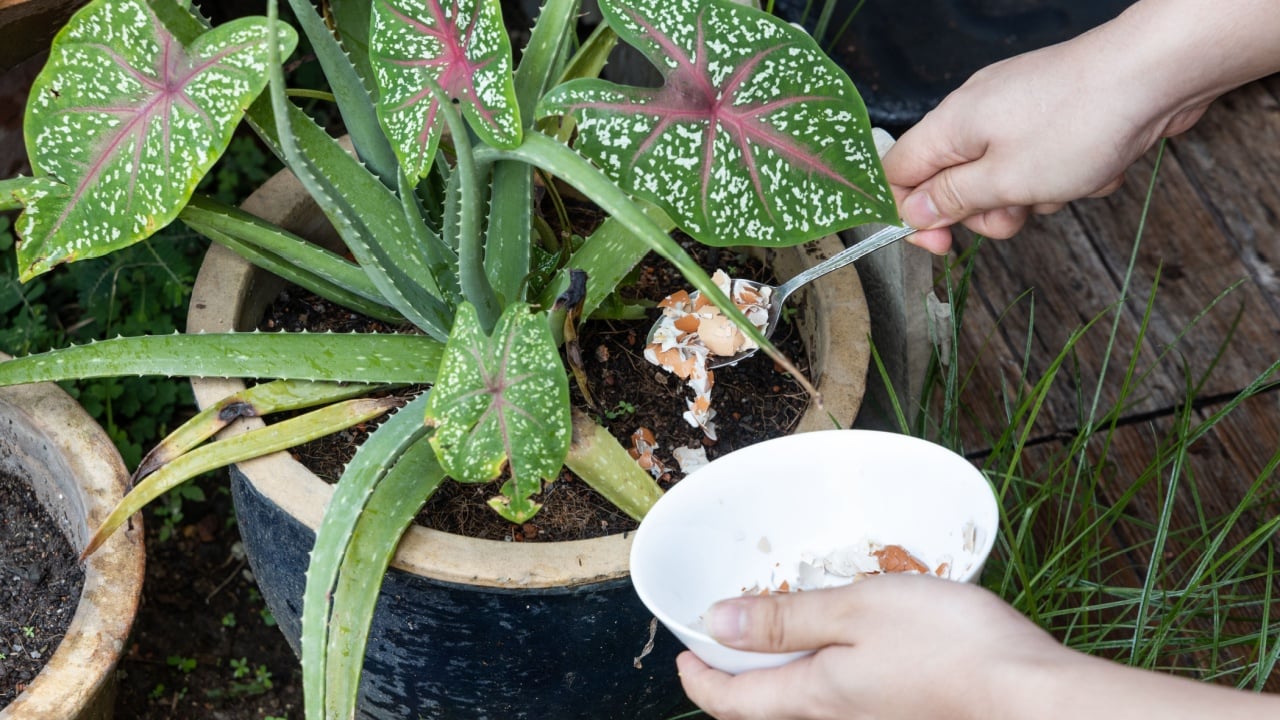
Once again, we’re using the part of the food product that we would normally discard. If you compost at home, you may already use eggshells in your system. They are rich in calcium, which is essential for plants to boost cell growth.
The eggshells should be washed, dried, and then crushed into a fine powder. Once in that state, they can be added to your potting mix, or you can also place them directly into the potting hole you’ve created for your plant.
3. Aquarium Water

If you’re a keen gardener, you may already be aware of the qualities of eggshells and banana peel. The benefits of using aquarium water may, on the other hand, come as a bit of a surprise.
It may look like a cloudy mess, but the waste that your beloved fish produces is rich in nutrients such as nitrogen. It’s especially good for leafy houseplants, so next time you clean out your fish tank, save the wastewater and use it to keep those indoor plants hydrated.
4. Coffee Grounds
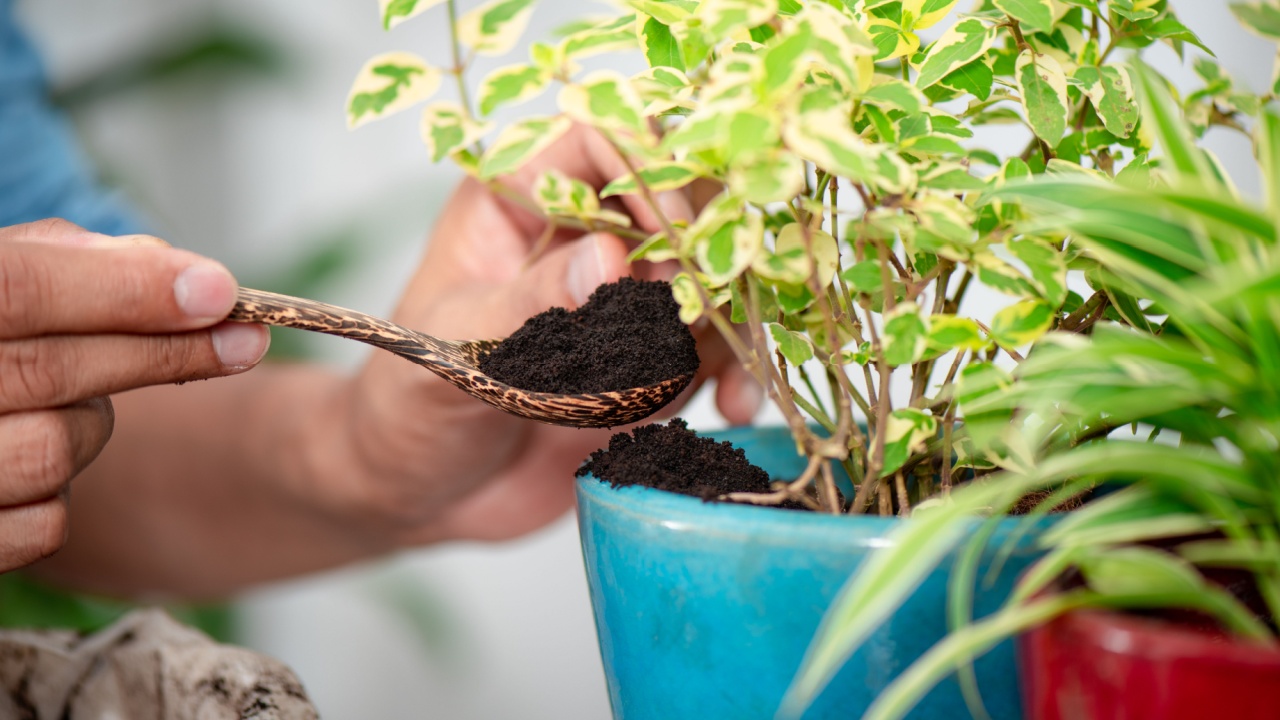
Coffee grounds are another regular household product rich in nitrogen. They can be used for most plants, indoors and out, but they are especially beneficial for those that prefer a more acidic soil.
The trick is not overdo coffee as a fertilizer. A small sprinkle every few weeks will be enough to get those nutrients working. Another benefit is that coffee grounds deter a number of nasty garden pests, including slugs and snails.
5. Grass Clippings

Before you throw away your grass clippings, consider using them as a home fertilizer. At the very least, you should consider using composting and making grass one of the main ingredients.
This is organic material, and grass already contains many of the nutrients that other plants need to survive. Grass clippings are especially rich in nitrogen and potassium, and they will also help to suppress those pesky weeds.
6. Powdered Milk
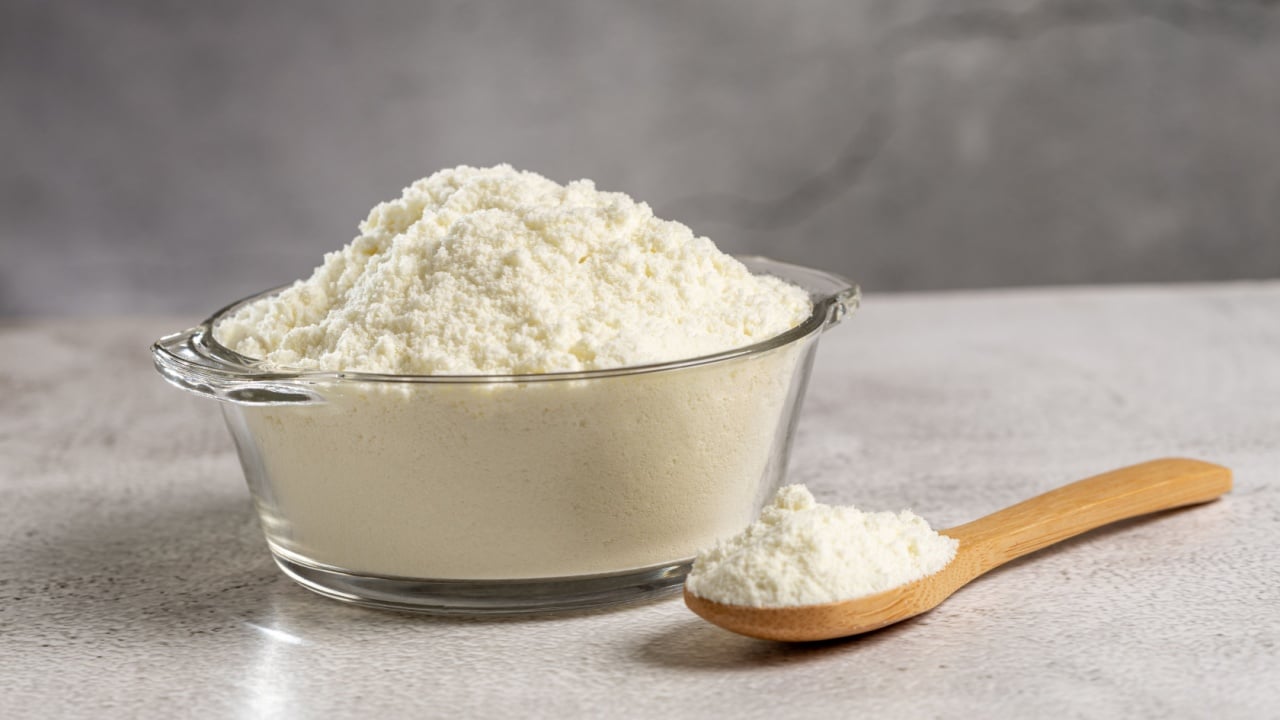
Just as the human body needs calcium for strength, plants also thrive on this essential nutrient. We’re told from a young age that milk is an important source of calcium, and in its powdered form, it can be hugely beneficial to our garden.
When used around the plant, it can also protect leaves against powdery mildew and certain viruses. For best results, combine water and milk in a 1:1 ratio and use it to hydrate the plant. Be careful not to use too much; if you saturate your plants too much, it can cause more harm than good.
7. Wood Ash

If you have a log burner or fireplace at home, don’t throw away the ash when you clean them out. The residue contains high levels of potassium and calcium, and your plants will thank you for your efforts.
If you live in an area where the soil is acidic, wood ash is particularly helpful for neutralizing that acidity. Sprinkle a handful around the base of your plants, but remember to use ash sparingly, as it can raise the soil’s pH levels a little too much.
8. Vegetable Water

As you cook, the water used in the process absorbs some of the nutrients from the food. Instead of pouring all that goodness down the drain, aim to reuse your cooking water as a homemade fertilizer.
Vegetable water is ideal as there are so many good things packed into the products, but other options will provide benefits. Water from pasta, rice, and even boiled eggs will put key nutrients back into the soil. Just be sure to let it cool down before pouring it on your plants!
9. Human Hair

If you’re comfortable with using your own hair clippings in the garden, they can provide an effective compost for leafy plants such as lettuce. As the hair decomposes, it releases nitrogen into the soil.
One issue with hair as fertilizer is that the decomposition process is a lengthy one. You may also find that birds will take it for nesting material before it’s had a chance to benefit your plants.
10. Weeds
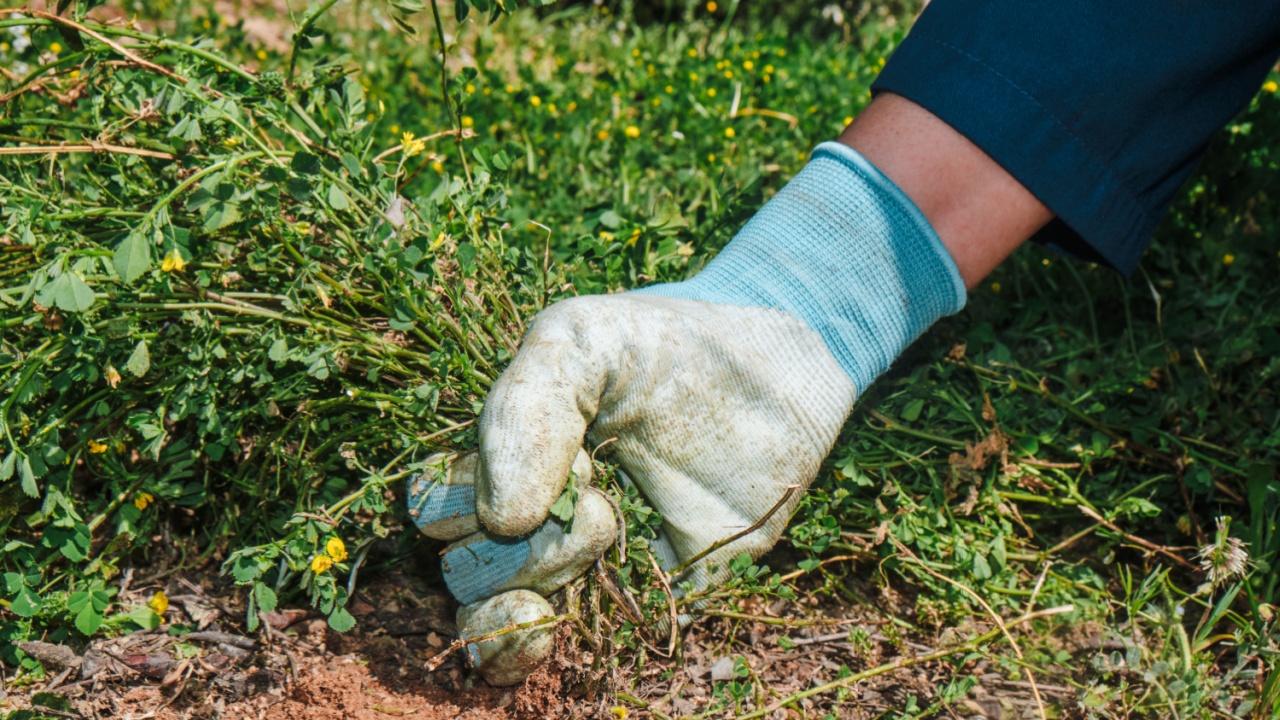
We want to keep weeds out of our garden, as their roots and leaves can hamper the plants we actually want to grow. Once you’ve removed them from the soil, look to keep a few to make a weed tea as a homemade fertilizer.
While they come with a bad reputation, weeds contain many useful elements such as nitrogen, potassium, and phosphorus. By adding water and making a tea, you have a hydration agent packed with those beneficial nutrients.
11. Epsom Salt
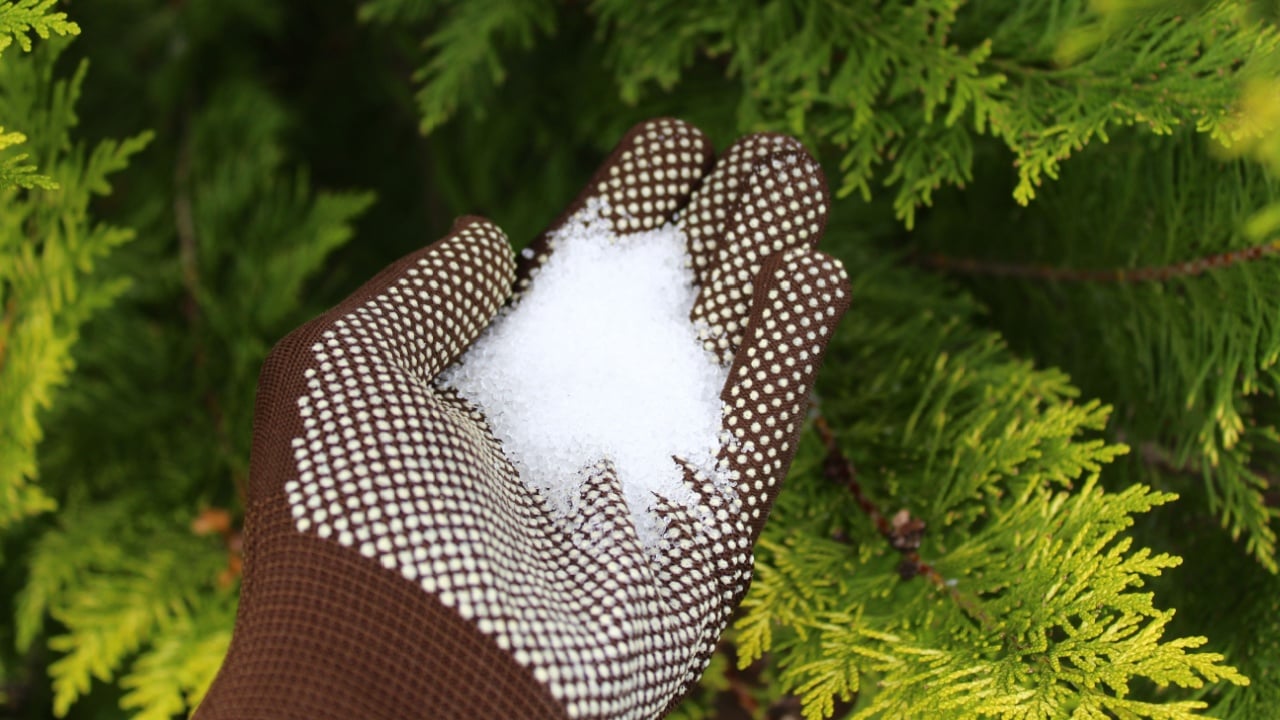
The combination of salt and gardening may sound wrong but bear with us. Epsom salt is a completely different compound from our regular table salt, and it’s thought to have many health benefits for humans.
Epsom salt can be good for plants, too, as it is high in magnesium,which aids the essential process of photosynthesis. Just add two tablespoons to a gallon of water and use the mixture once a month.
12. Fallen Leaves
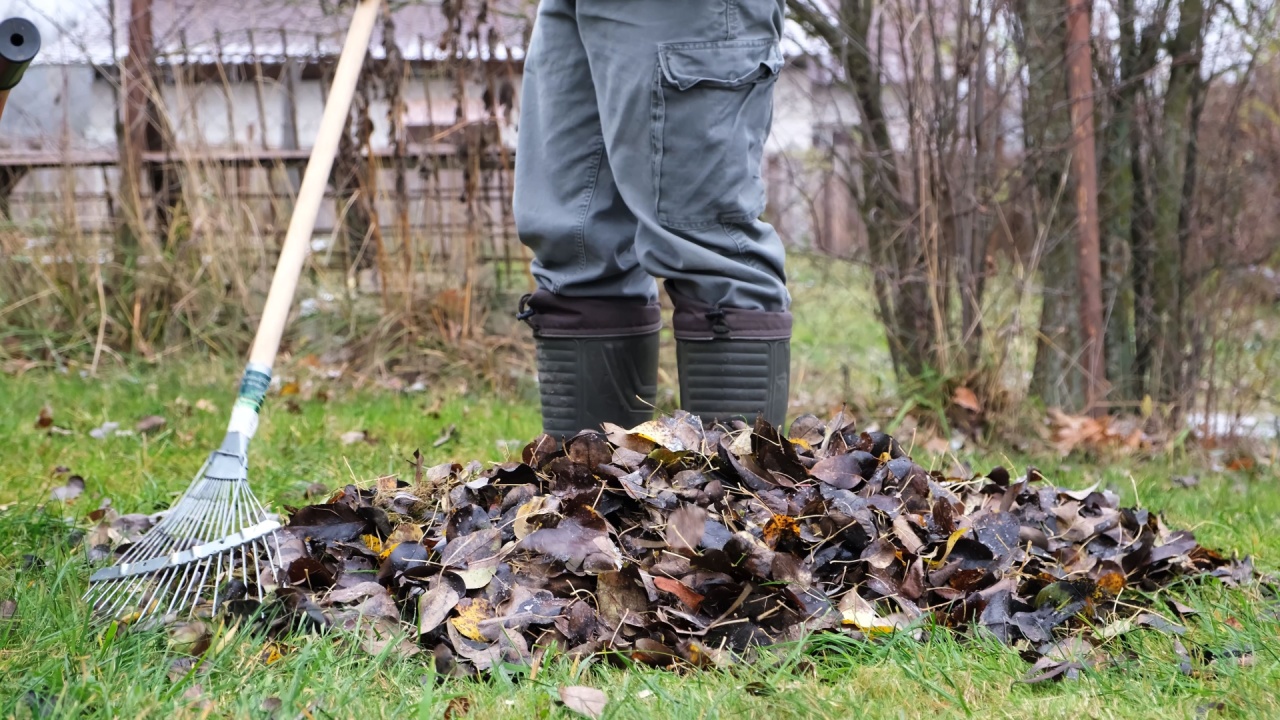
Fall is a busy time for fruit and vegetable growers as this is when most plants are harvested. While attending to your crop, don’t forget to collect any fallen leaves from the trees around your yard.
Leaves are arguably the most beneficial of all home composts as they are packed with nutrients, including potassium, sulfur, and nitrogen. Placed around your plants, leaves also provide a mulch, raising the temperature of the soil and protecting it from frost.
13. Compost Tea
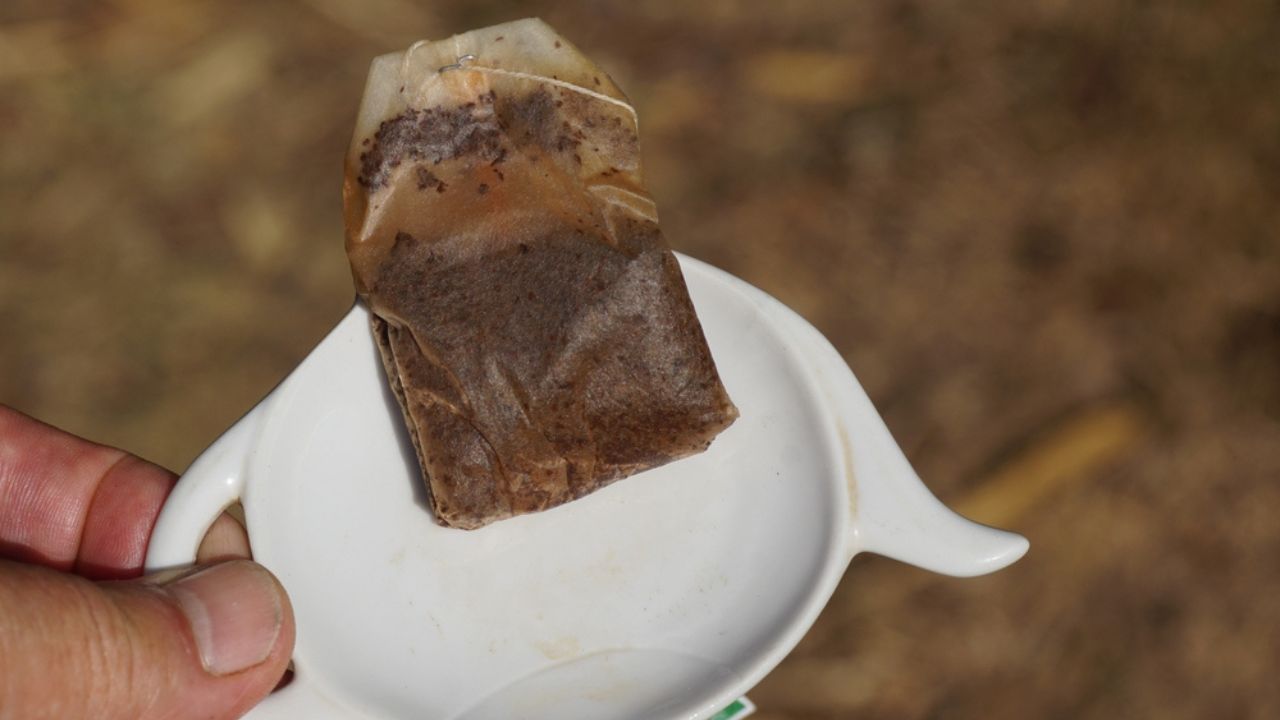
Each of the entries on this list will provide ideal homemade compost for your garden. However, with a little extra effort, you could combine the strengths of several of these ingredients.
Compost tea can be made from many different elements. For example, you could add chopped banana peel to vegetable peelings and a few grass clippings. Add around ten parts water to one part compost material and leave to brew. You can keep your tea stored for weeks. Spray it finely onto plants as and when required.