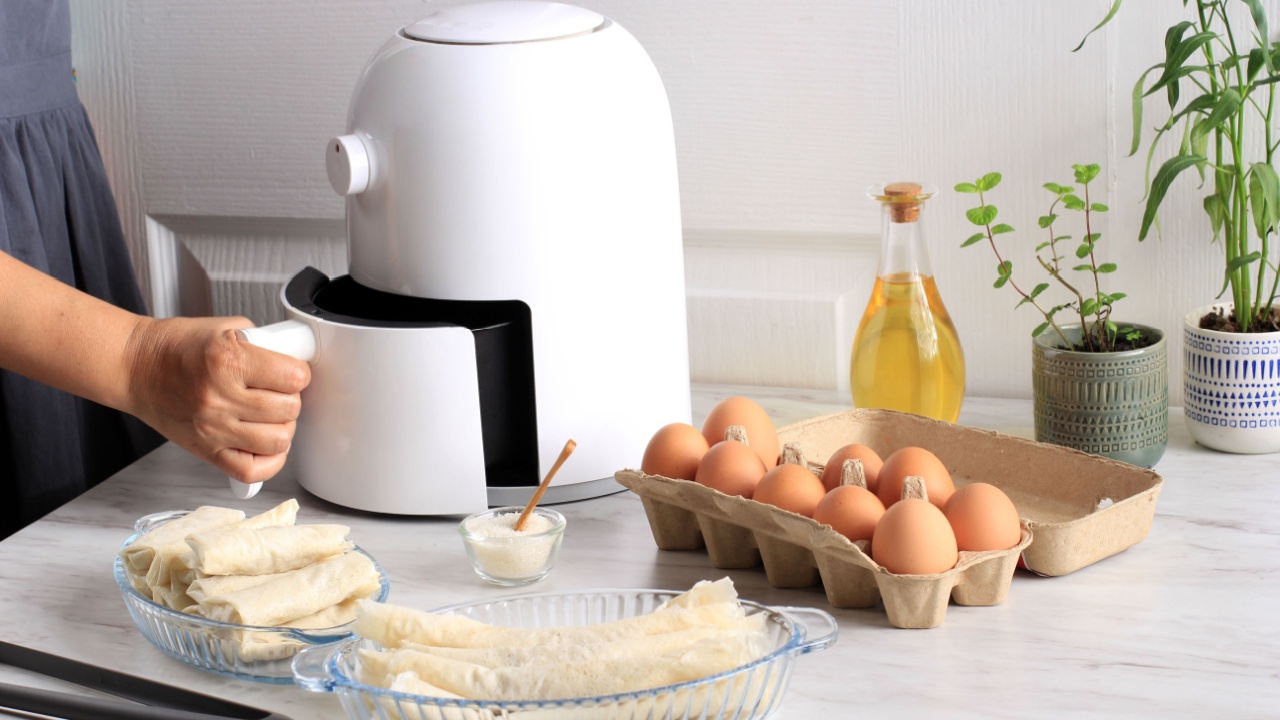
The Best and Worst Oils to Use in the Air Fryer to Prevent Smoking
Many people open their kitchen windows in a panic because white smoke is billowing from their favorite countertop appliance (aka, the air fryer). You throw a batch of potatoes into the basket, set the temperature high, and suddenly the entire room smells like burnt grease.
The problem usually points directly to the fat you selected before hitting the power button. Using the wrong fat at high temperatures creates immediate smoke and ruins the flavor of your meal. Every cooking oil has a specific temperature limit known as the smoke point, which dictates how hot it can get before breaking down and burning.
Air fryers circulate intensely hot air in a very compact space, meaning any liquid fat inside heats up incredibly fast. When you use an option with a low smoke point, the rapid heat causes the molecules to degrade and release visible smoke. Understanding these temperature limits helps you achieve perfectly browned food without triggering the fire alarm.
This guide breaks down exactly which cooking fats/oils perform best at high temperatures and which ones you should keep far away from your appliance. You will learn the science behind temperature limits and see clear examples of what works best for different recipes.
The Best Oils- 1. Avocado Oil
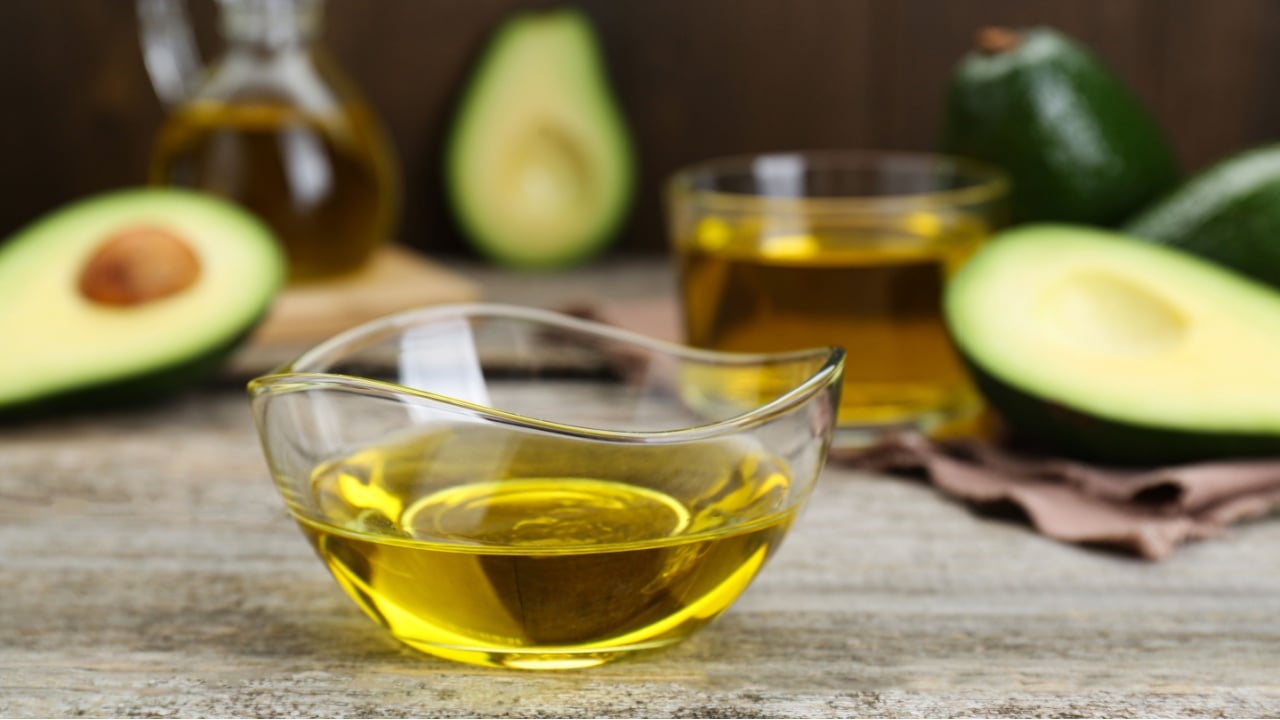
Avocado oil boasts an incredibly high smoke point of 520 degrees Fahrenheit, making it a top contender for high-heat cooking. The extraction process retains healthy fats while removing impurities that typically burn quickly at high heat. Because most countertop fryers max out at 400 degrees Fahrenheit, this option remains completely stable throughout the entire cooking cycle.
You never have to worry about smoke filling your kitchen when you use this stable liquid fat. Beyond its impressive heat tolerance, this option provides a completely neutral flavor profile that lets the natural taste of your food shine through. You can spray it on chicken wings, toss it with root vegetables, or brush it over fish filets without altering the intended seasoning.
2. Pomace Olive Oil
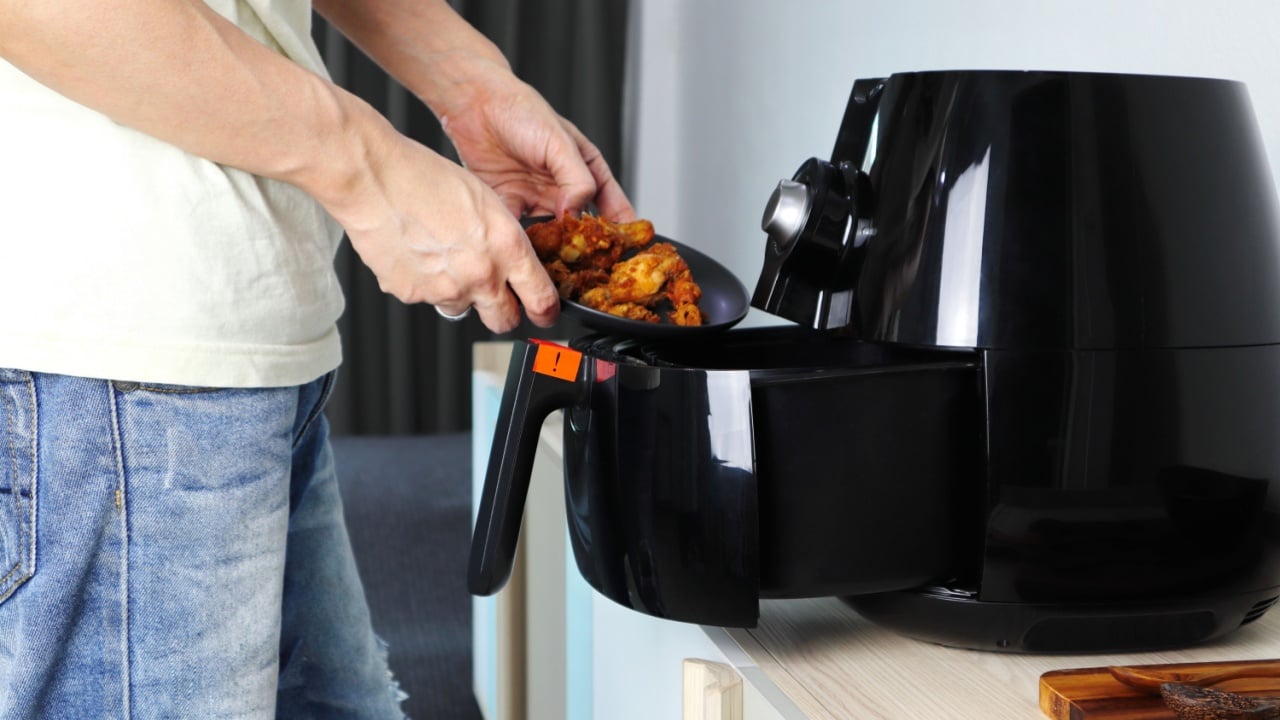
While many people reach for extra virgin olive oil by default, pomace olive oil is often chosen for high-heat cooking because it is a more refined oil with a higher smoke point. It typically withstands temperatures of about 240–260°C, making it suitable for baking, roasting, and frying at common cooking temperatures without breaking down quickly.
Pomace olive oil has a very mild, neutral flavor compared to the stronger taste of extra-virgin varieties, making it versatile for everyday cooking. It works well for dishes like roasted vegetables, chicken, or homemade snacks where you don’t want the oil to dominate the flavor.
3. Peanut Oil
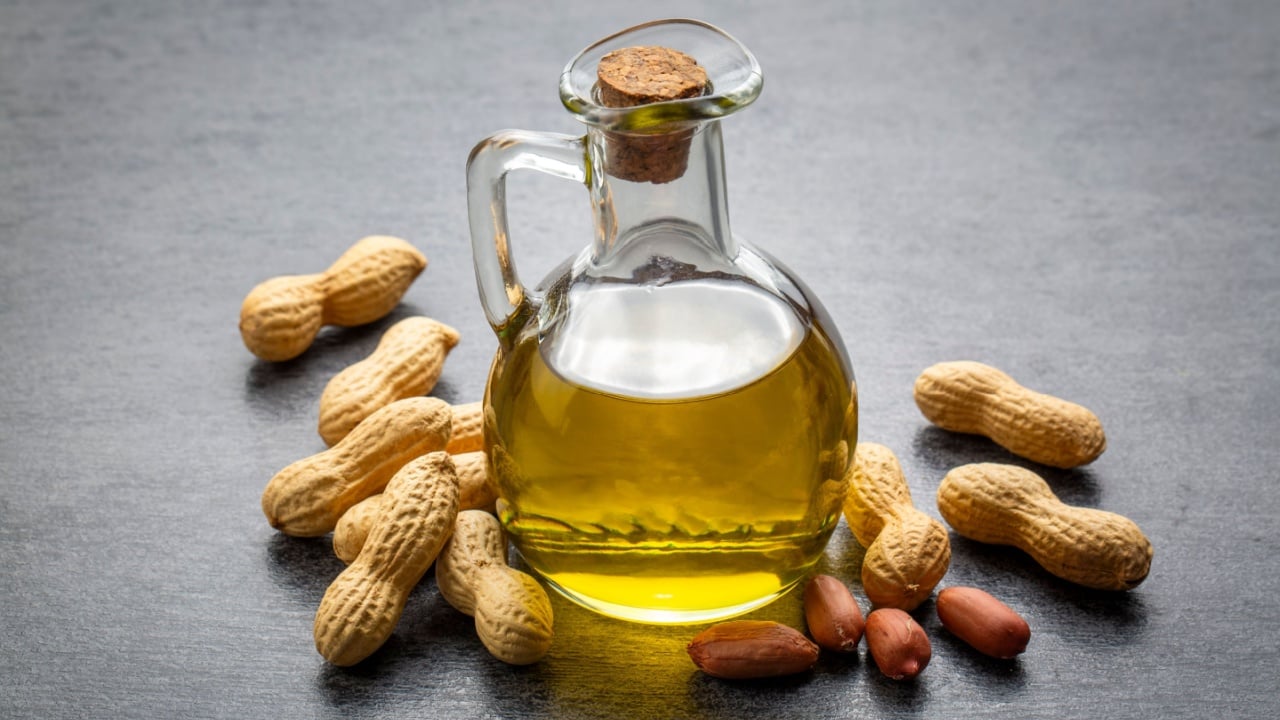
Extracting liquid from groundnuts yields a fantastic cooking medium that easily handles temperatures up to 450 degrees Fahrenheit. The high heat tolerance makes it perfectly suited for the intense environment inside your cooking basket. The structure of this fat remains completely solid and stable, preventing the formation of smoke or burnt chemical odors during the cooking cycle.
A mild, slightly nutty flavor accompanies this fat, lending a delicious undertone to homemade fries and breaded chicken. It works wonders for recreating your favorite fried restaurant meals with less grease and zero smoke in your kitchen. Brush a light layer onto your potatoes to achieve a wonderful golden crunch on the outside.
4. Grapeseed Oil
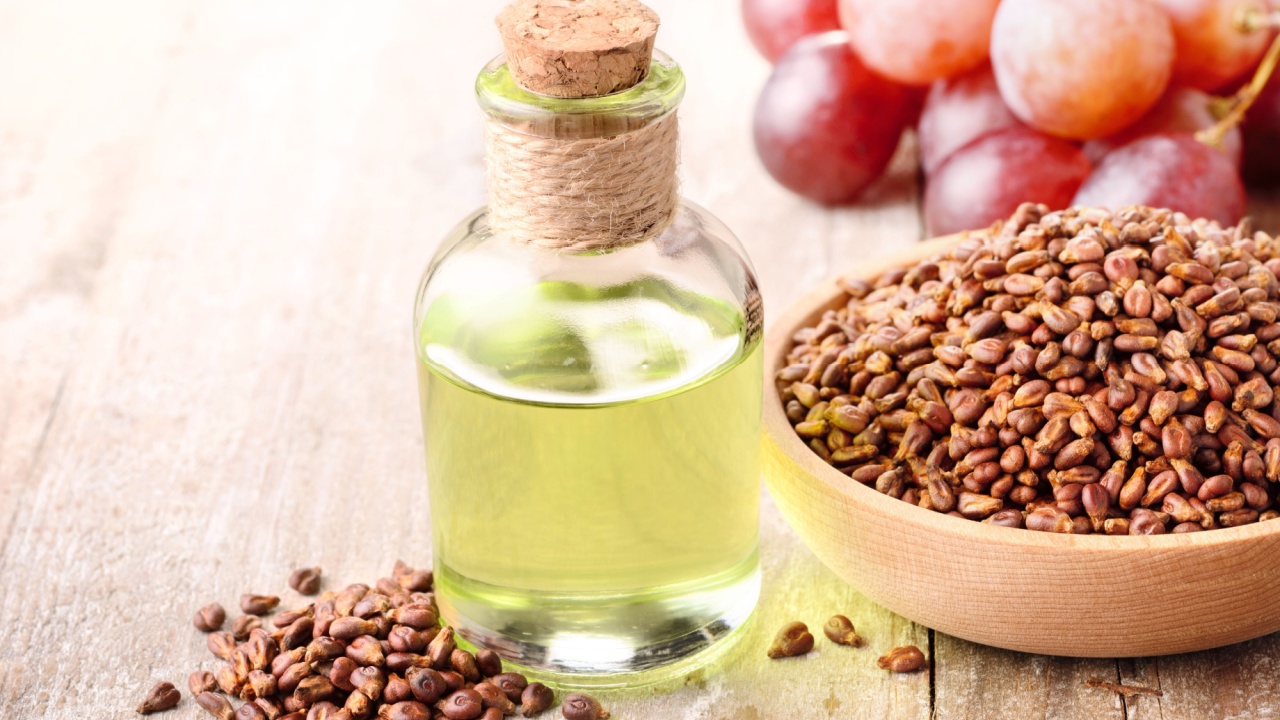
Winemakers press the tiny seeds leftover from grape harvesting to produce grapeseed oil. With a smoke point reaching 420 degrees Fahrenheit, this fat comfortably exceeds the maximum heat settings on most countertop fryers. The liquid remains stable as hot air rushes over your food, ensuring a smoke-free kitchen environment.
The clean, neutral taste profile serves as a blank canvas for your favorite spice blends and marinades. You can season your meats and vegetables heavily, knowing this liquid will not overpower or alter your carefully chosen flavors. The thin consistency coats ingredients evenly, promoting uniform browning and preventing dry spots on your finished meals.
5. Sunflower Oil
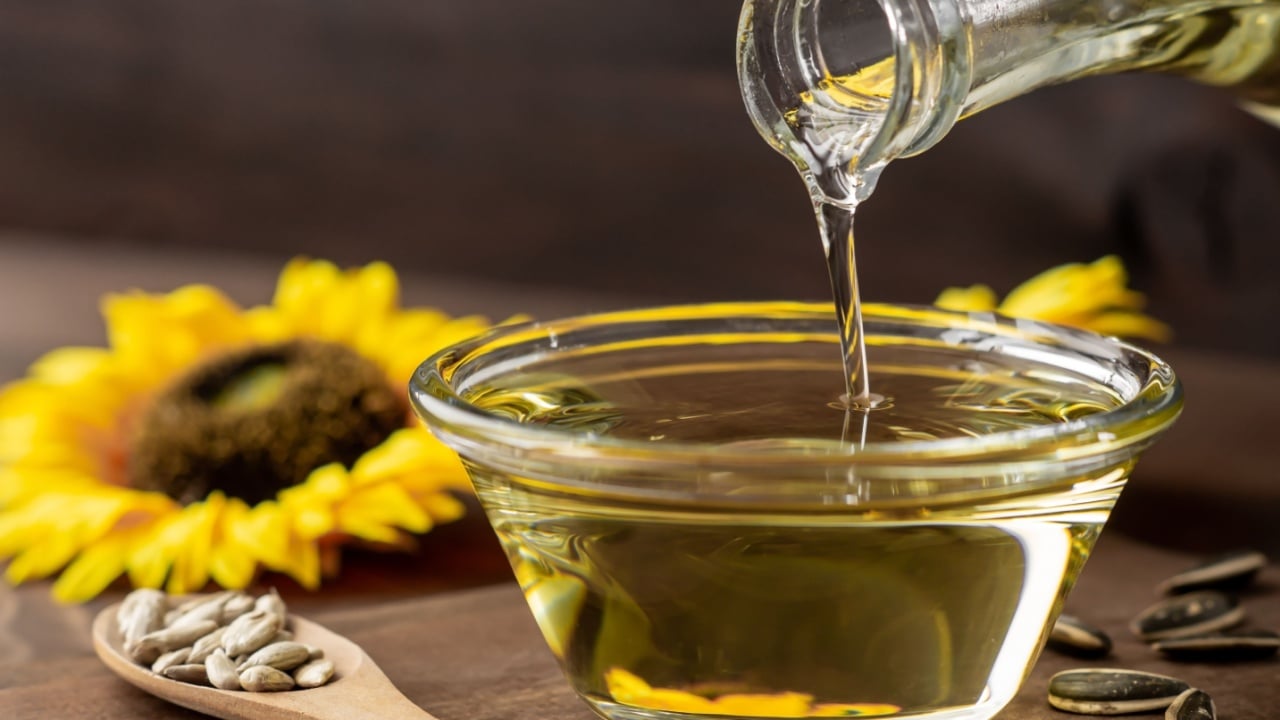
Sunflower oil is commonly made by extracting oil from sunflower seeds and then refining it to create a neutral, high-heat cooking oil. The refined version has a high smoke point, typically around 440–450°F (about 230°C), which makes it suitable for air frying, roasting, and other high-temperature cooking methods. Because it is refined, it contains fewer impurities than unrefined oils, which helps it remain stable at high temperatures and reduces the likelihood of burning or smoking when used correctly.
In an air fryer, where hot air circulates rapidly around food, sunflower oil helps create a crisp exterior while keeping ingredients from drying out when used in small amounts. It has a mild, neutral flavor, so it does not overpower dishes and works well for both savory meals and baked goods. It is also widely available in most grocery stores and is generally one of the more affordable cooking oils, making it a practical everyday option for many home cooks.
Oils to Avoid- 6. Extra Virgin Olive Oil
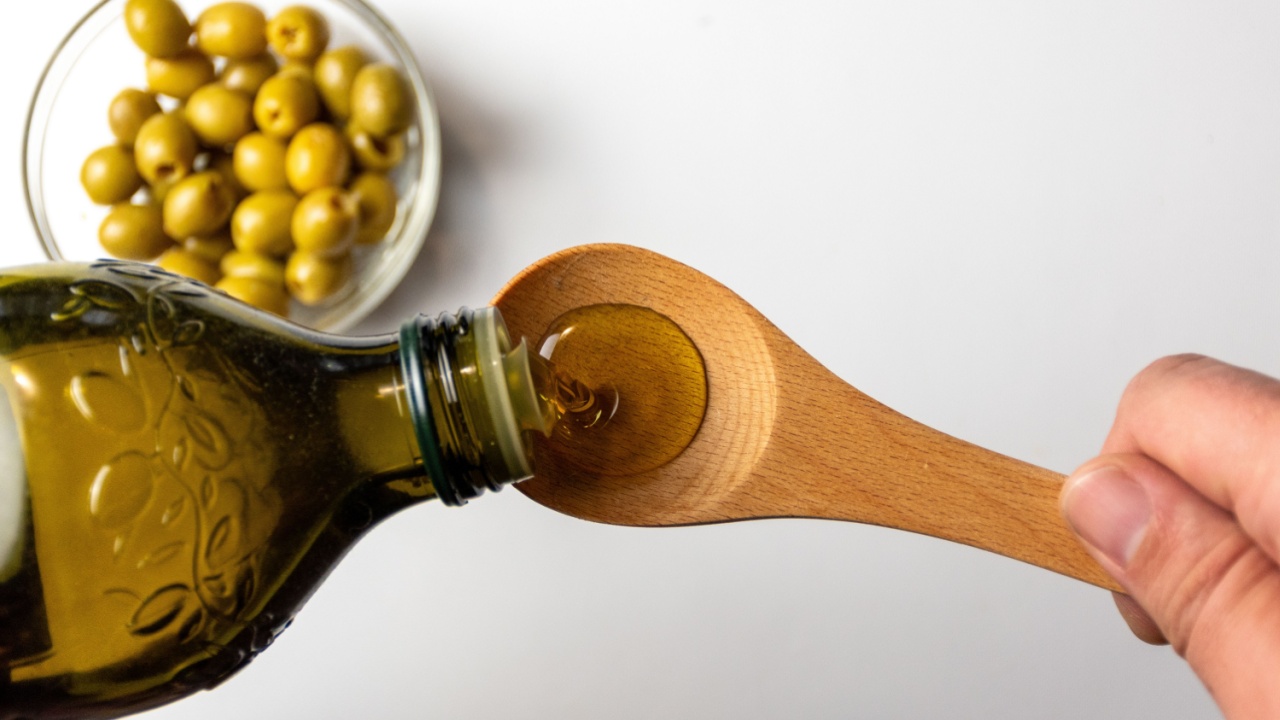
Pouring Extra-virgin olive oil (EVOO) over your food before frying poses a major problem because it breaks down at a relatively low temperature of 350 degrees Fahrenheit. The same tiny olive particles that give this fat its rich, peppery flavor will instantly scorch when exposed to the intense circulating heat of your appliance. Once those particles burn, they release a thick white cloud into your kitchen and leave a rancid taste on your food.
Heating this delicate liquid destroys all the beneficial compounds and antioxidants that make it healthy in the first place. Save it strictly for finishing cooked dishes and making salad dressings. Cook your meals using a more stable fat, then drizzle this premium liquid over the hot food right before serving to add a punch of flavor. This method gives you the delicious taste you want without creating a smoky mess in your kitchen.
7. Commercial Cooking Sprays
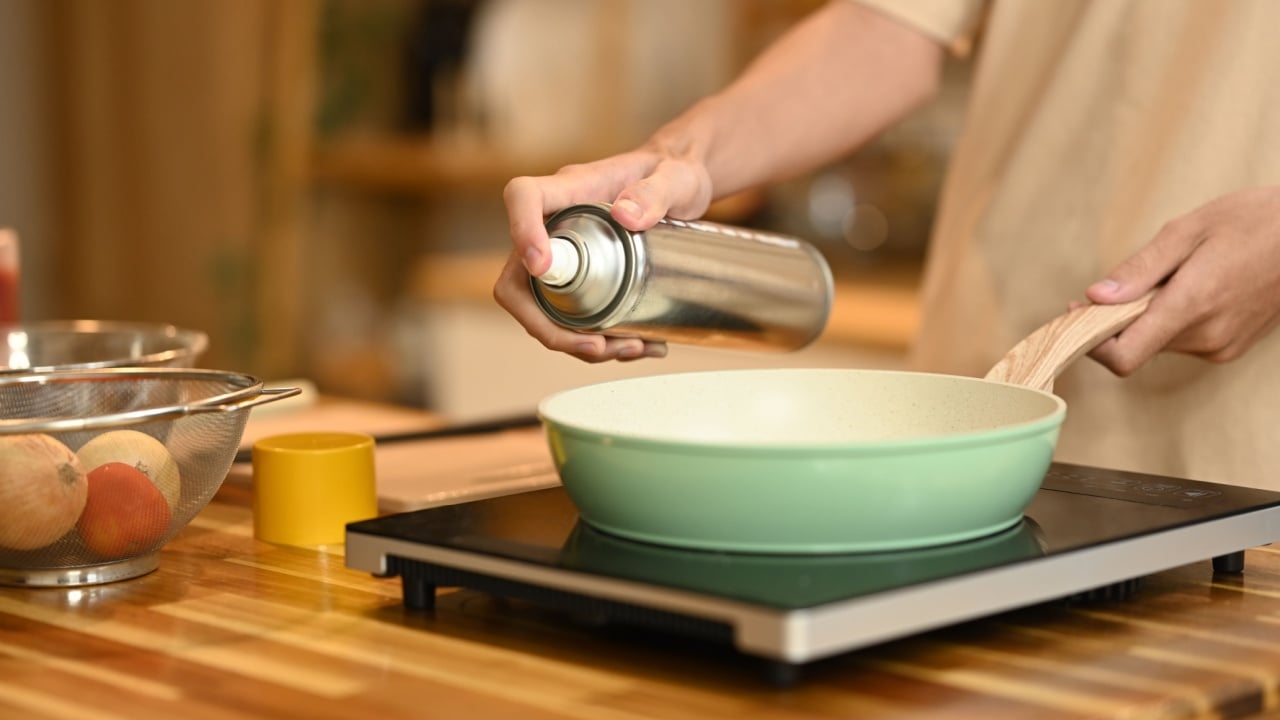
You should never use a cooking spray in your air fryer. These metal canisters contain chemical propellants and additives that spell disaster for your appliance. The harsh chemicals in the liquid fat degrade the non-stick coating inside your cooking basket with every use. When you spray these aerosols directly onto the grates, a sticky residue forms that becomes impossible to wash away.
This thick layer of baked-on grime eventually causes food to stick and produces a terrible burning smell during operation. Protect your expensive appliance by ditching the aerosol cans and investing in a manual glass oil mister. You can fill the reusable bottle with a safe, high-heat fat and pump it by hand to create a fine mist over your food.
Make Every Air Fryer Meal a Success
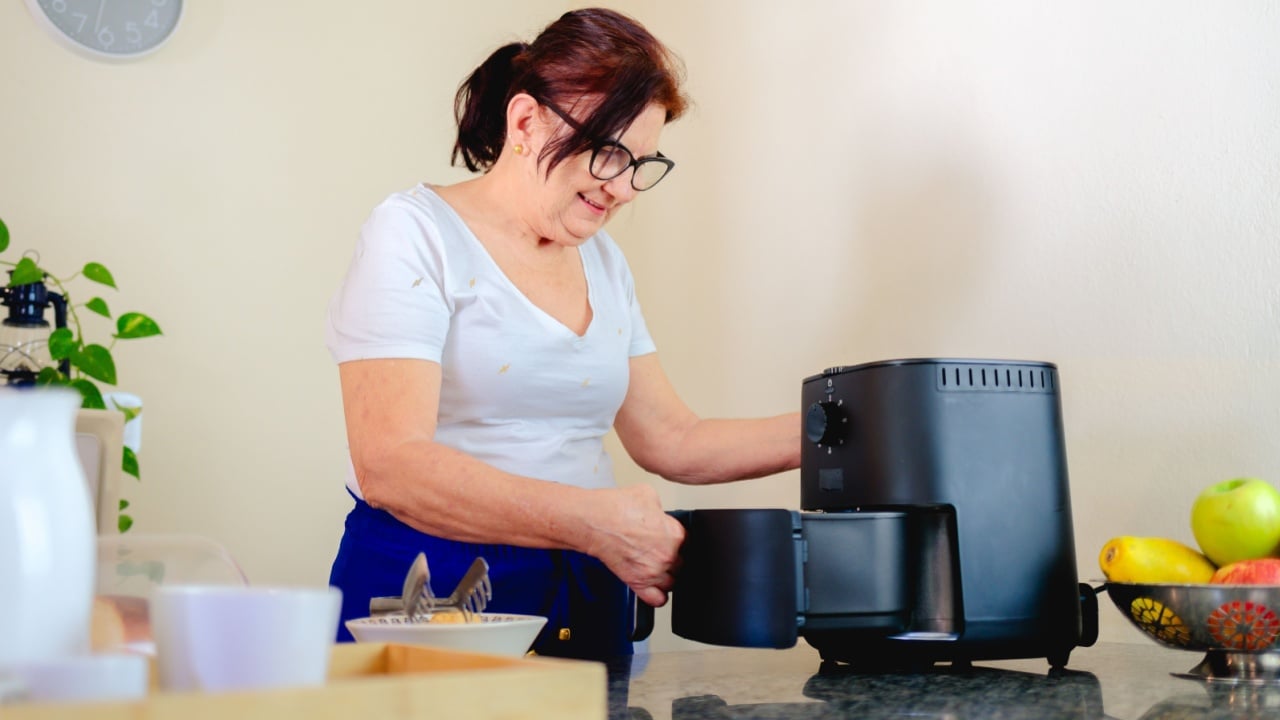
Choosing the right fat means you avoid stressful, smoky surprises and end up with delicious, perfectly cooked food each time you use your air fryer. Matching the smoke point of your oil to the high temperatures inside the basket is the single most important step for happy results and a cleaner kitchen. Refined oils like avocado, pomace olive, peanut, grapeseed, sunflower, and light sesame rule the air fryer scene. Saving extra virgin olive oil and commercial sprays for other uses keeps your appliance operating smoothly, your meals tasty, and your home free from burnt smells.
Read More:
Kitchen Villain or Misunderstood Staple? What the Science Actually Says About Seed Oils