6 Things to Never Clean With Bleach
Many people reach for a bottle of bleach when they encounter a tough mess at home. This heavy liquid knocks out germs and lifts heavy stains from hard surfaces with incredible speed.
While bleach wipes out bacteria quickly, using it for every spill can cause costly damage throughout your house. The strong chemical makeup inside the bottle reacts aggressively with many common household materials.
Bleach strips away protective coatings and weakens natural fibers on contact. Applying it to the wrong item causes permanent discoloration and physical deterioration (as you may have already learned the hard way with clothing).
We will review six specific household items that you should never wash with this powerful chemical. You will learn exactly why the liquid ruins these materials and discover safer alternatives for your regular cleaning routine. Keeping this heavy-duty cleaner away from these surfaces helps protect your property from accidental damage.
1. Stainless Steel Appliances
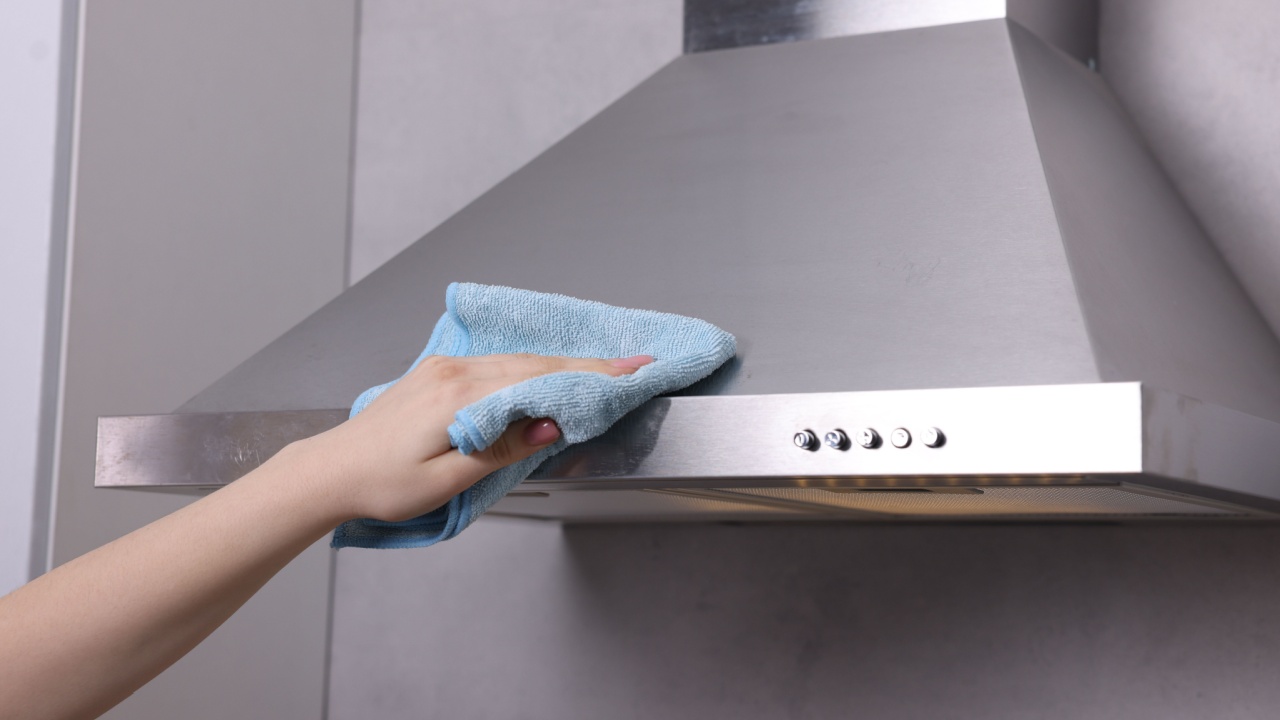
You might expect a heavy-duty cleaner to keep your stainless steel kitchen appliances shining bright and free of germs. Unfortunately, bleach causes immediate chemical reactions when it comes into contact with the metal surface of your refrigerator or stove. The chlorine eats right through the protective layer on top of the stainless steel. This reaction leads to permanent pitting and unsightly rust marks that completely ruin the appearance of your expensive appliances.
Instead of reaching for harsh chemicals to remove fingerprints and grease spots, try using mild dish soap mixed with warm water. A soft microfiber cloth dipped in soapy water easily lifts daily grime without scratching or degrading the finish. You can then buff the surface dry with a clean cloth to restore the brilliant shine. White vinegar also works well to cut through heavy grease on your metal surfaces.
2. Hardwood Floors and Furniture
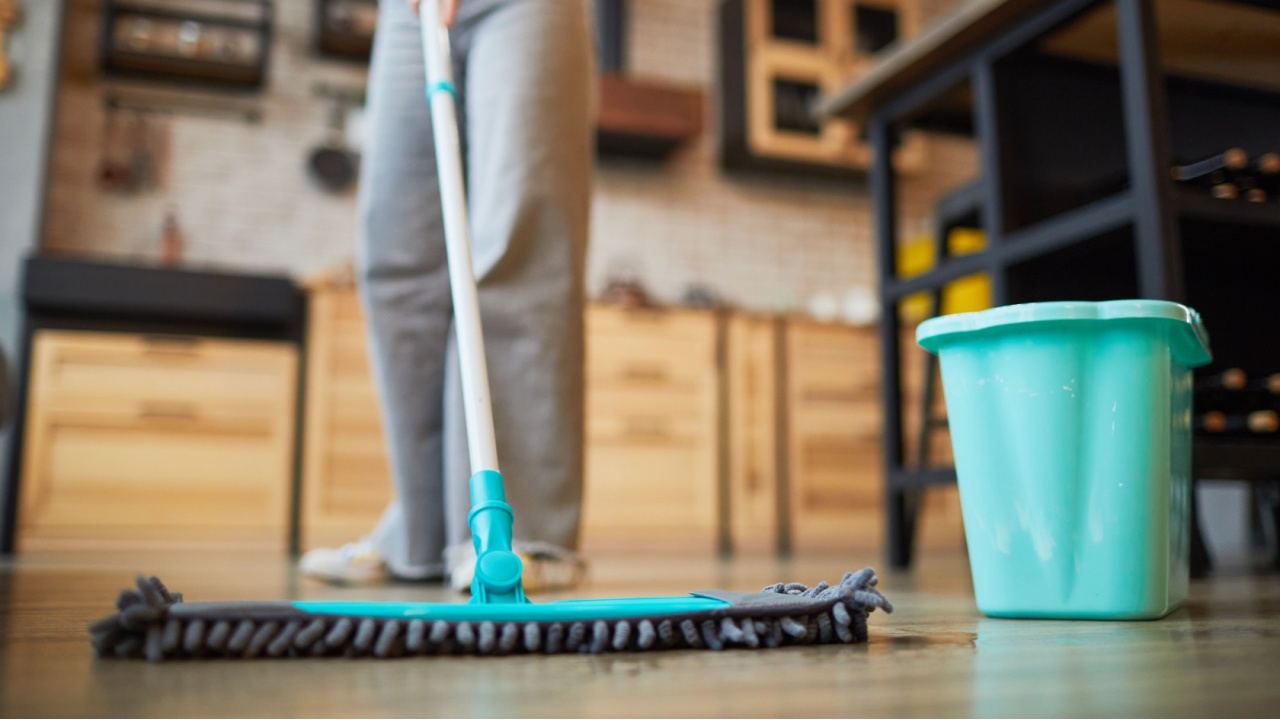
Applying bleach to your wood floors or dining room table destroys the material’s natural beauty. The liquid instantly strips away the protective sealants and varnishes that keep your wood safe from scratches. Once the protective barrier dissolves, the liquid seeps into the wood grain, causing severe discoloration. The harsh chemical dries out the natural fibers and causes the wood to warp and crack completely.
Keeping your wood surfaces clean requires gentle products designed specifically for porous natural materials. A specialized wood cleaner lifts dirt gently while nourishing the grain beneath the surface. You can also mix a small amount of mild soap with water for basic daily maintenance. Wiping up spills quickly with a damp cloth prevents damage without requiring harsh chemical intervention.
3. Granite and Marble Countertops
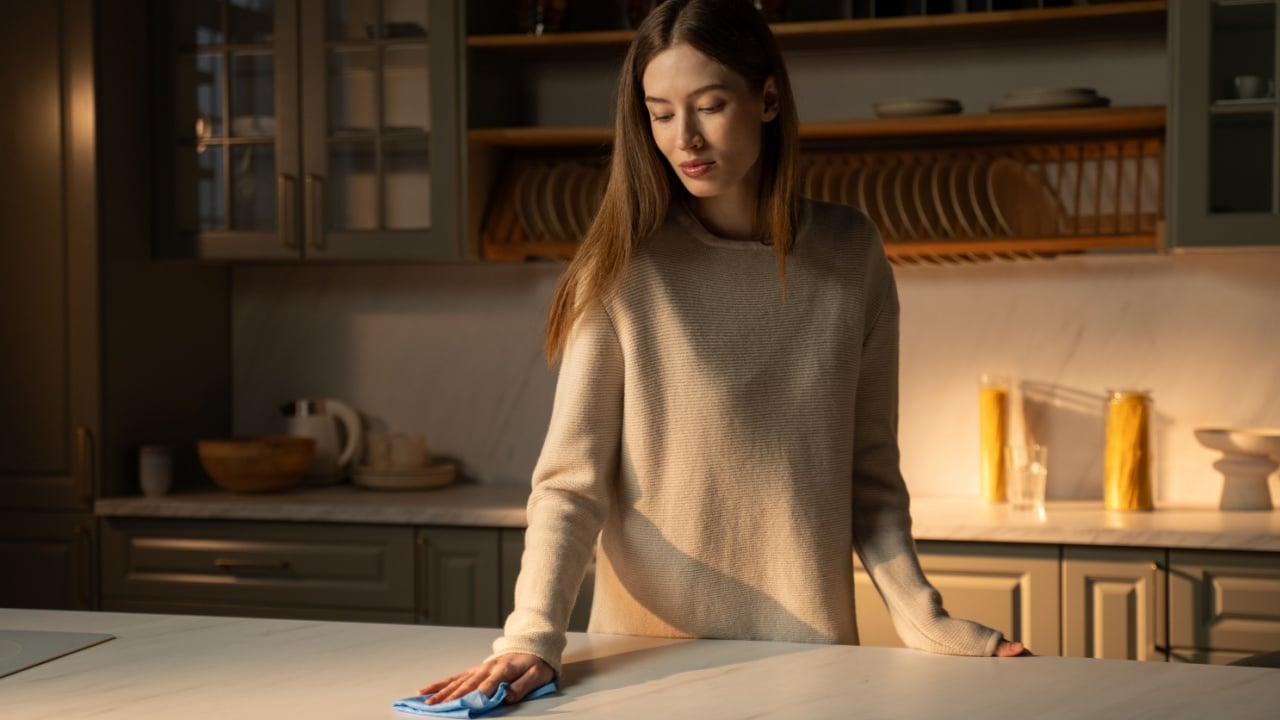
Natural stone countertops bring elegance to a kitchen, but they require careful maintenance to stay beautiful. Washing these porous stone surfaces with a strong chlorine solution breaks down the protective sealant on top. Without that essential barrier, the stone absorbs liquids easily and develops permanent stains from food and drinks. Repeated exposure to the harsh liquid dulls the shiny finish and leaves the countertops looking cloudy and neglected.
Maintaining the beautiful finish on your natural stone requires gentle pH-neutral cleaning products. Hot water mixed with a few drops of dish soap provides a safe and effective way to wipe away food residue. Simply wipe the counters down with a soft sponge and dry the area completely with a towel. Dedicated stone cleaners provide an extra layer of protection to keep your counters looking brand new for years.
4. Spandex and Elastic Clothing
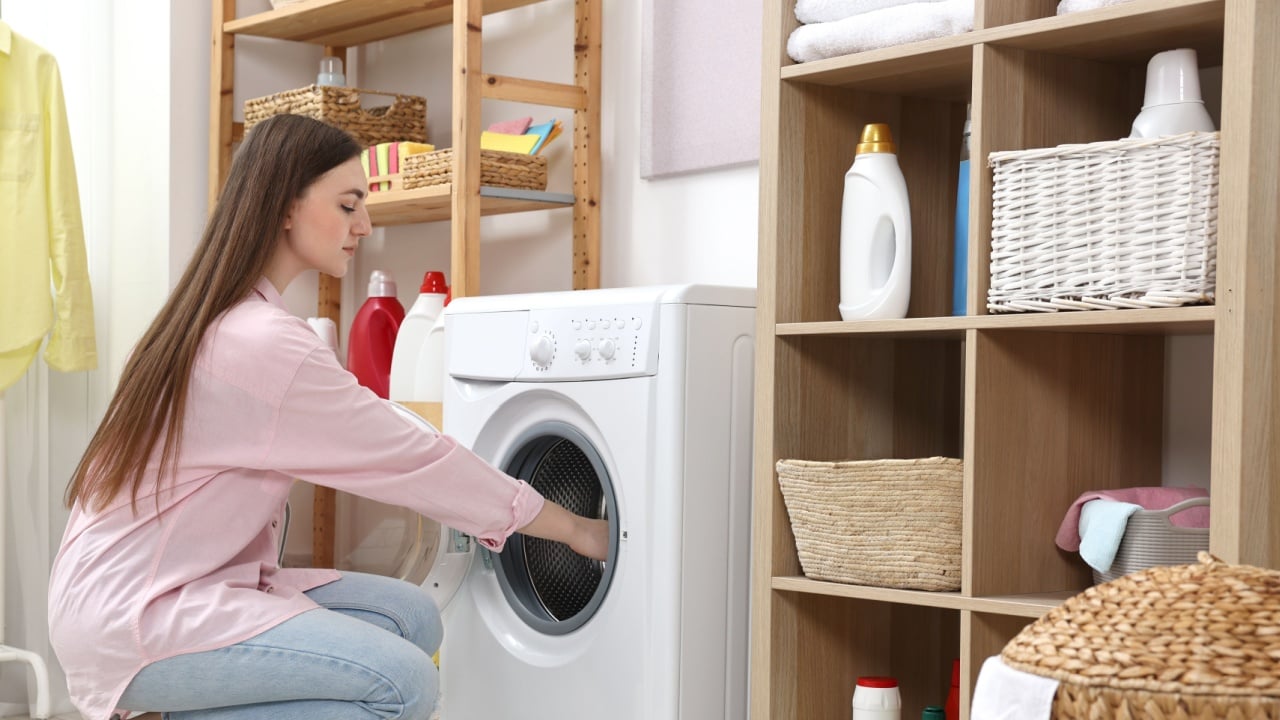
Tossing a cup of chlorine liquid into your washing machine seems like an easy way to brighten dingy workout clothes. However, bleach destroys synthetic fabrics like spandex and breaks down the elastic fibers almost instantly. The liquid literally eats away at the stretchy material, leaving your favorite yoga pants sagging and misshapen. Repeated washing with this product turns white synthetic fabrics yellow instead of brightening them.
To keep your athletic wear fresh and stretchy, wash these items in cold water with a gentle laundry detergent. Adding half a cup of baking soda to the wash cycle helps eliminate trapped odors without damaging the delicate fibers. Hanging your workout clothes to air dry prevents heat damage from the dryer and extends the life of the garments. Oxygen-based stain removers safely lift dingy spots without destroying the stretch in your clothes.
5. Tile Grout
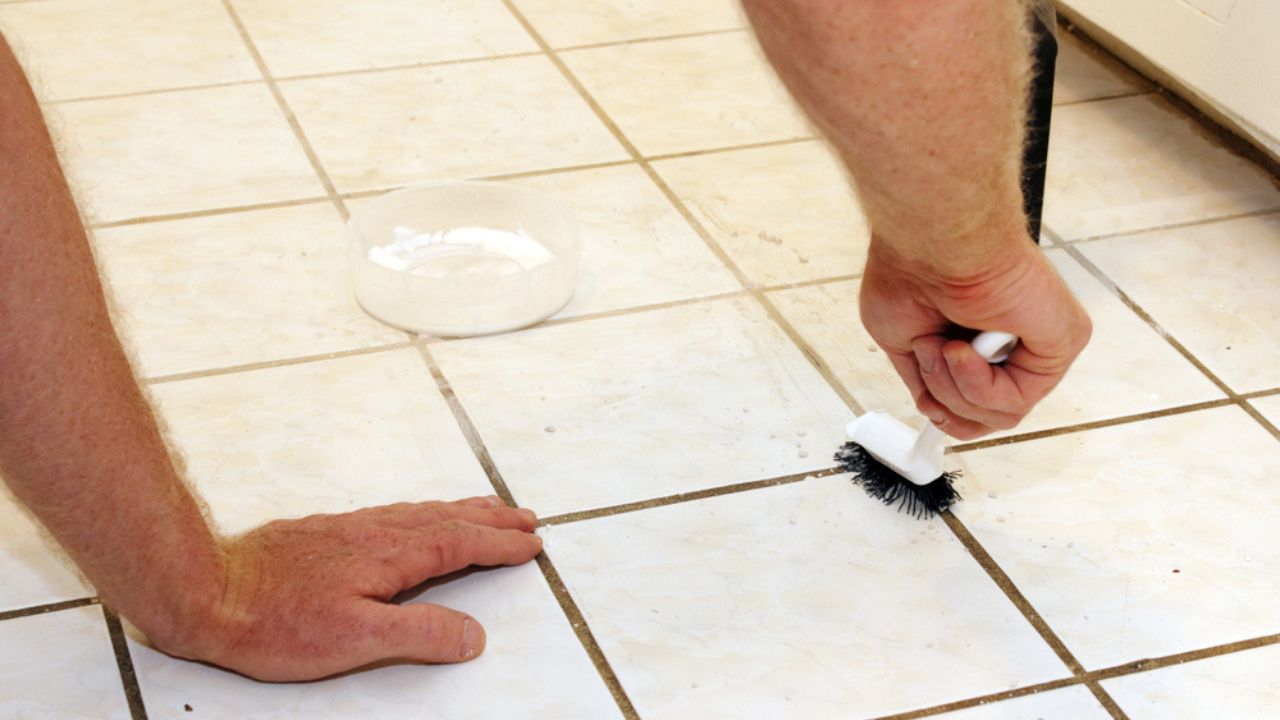
Scrubbing dirty grout lines with a strong chlorine solution temporarily turns them white, but it can cause significant structural damage beneath the surface. The harsh chemical degrades the grout, causing it to crumble and wash away. As the grout breaks down, water seeps behind your tiles and encourages hidden mold growth inside your walls. The liquid also strips away the protective sealant on the grout, making it absorb stains much faster in the future.
Restoring dirty grout requires a safer approach that preserves the integrity of your tile work. Creating a paste with baking soda and water provides a gentle abrasive solution for scrubbing away embedded dirt. An old toothbrush helps work the paste into the narrow lines without scratching the surrounding tiles. Spraying hydrogen peroxide over the baking soda paste lifts heavy discoloration and safely kills bacteria.
6. Mold on Porous Walls
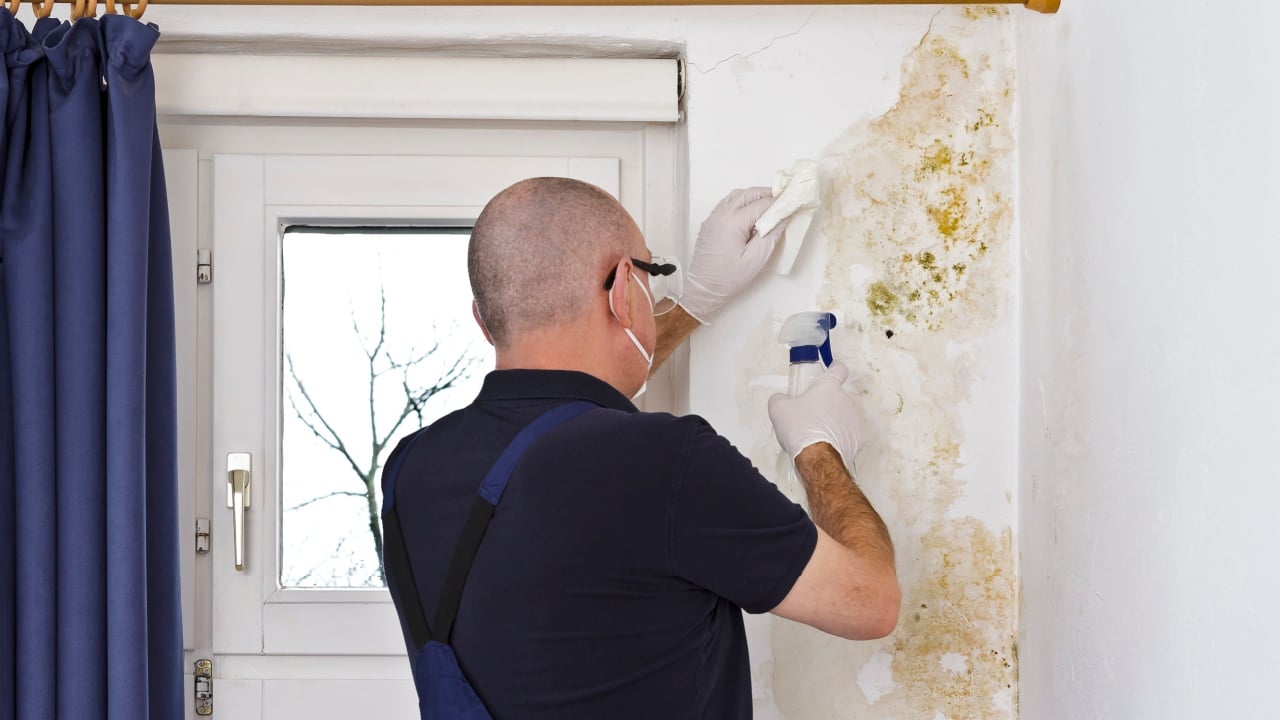
Many homeowners mistakenly spray chlorine liquid directly onto mold patches growing on drywall or wooden panels. The liquid only bleaches the color from the mold spores on the surface, leaving the underlying roots completely intact. Because the chemical contains a high percentage of water, it actually feeds the remaining mold roots hidden inside the porous material. The mold quickly returns in the exact same spot and spreads even further across your wall.
Eradicating mold from porous household surfaces requires products that penetrate deeply to attack the root system. Undiluted white vinegar naturally kills most mold species at the root without introducing unnecessary moisture into the material. Simply spray the vinegar directly onto the affected area and leave it for an hour before wiping it away. Borax dissolved in water also provides a highly effective and safe way to treat serious mold problems.
Keep Your Home Clean and Safe
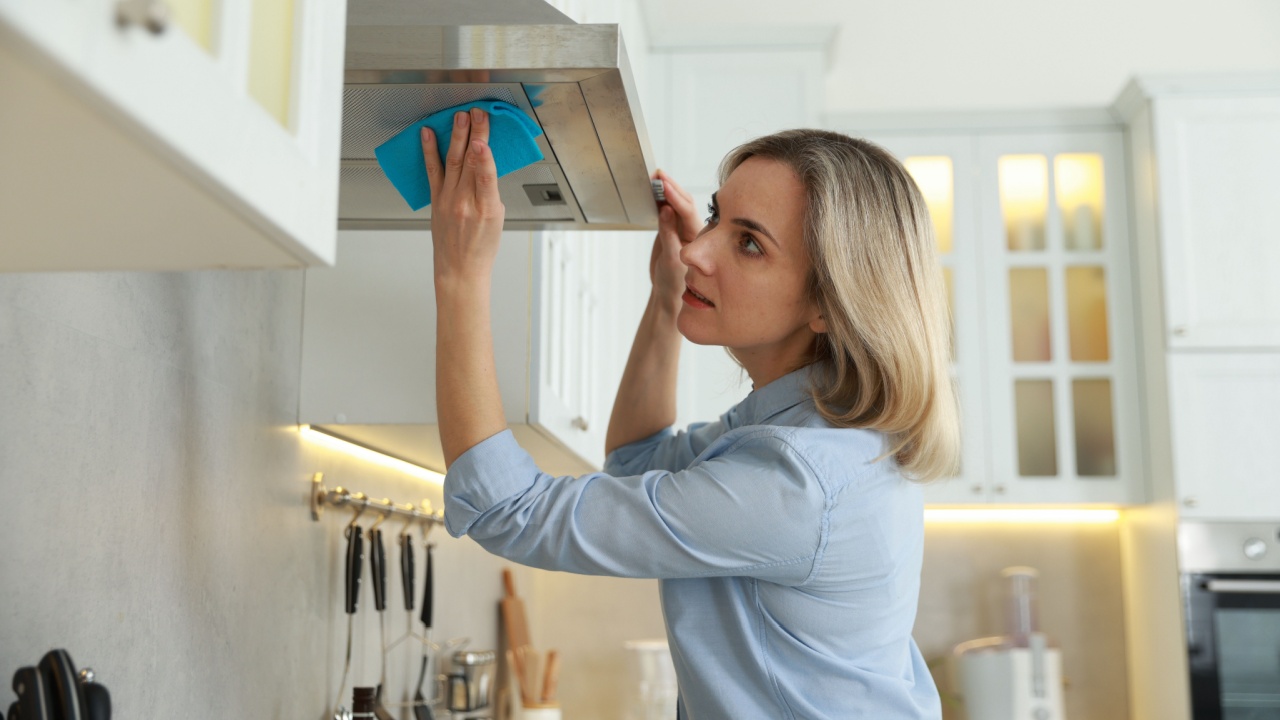
Keeping your home sparkling clean requires choosing the right tools and cleaning products for each job. Grabbing a single heavy-duty chemical for every mess often leads to permanent damage and expensive repairs. You protect your valuable appliances and delicate materials by matching gentle cleaning methods to their specific surfaces. Switching to milder options like soap, water, and vinegar keeps your living space fresh and preserves the items you love.