Stop Making These Late Spring Freeze Mistakes That Cost Gardeners $200 in a Single Night
Every spring, the same scene plays out in backyards across the country. The forecast has been warm for two weeks. The garden center is packed. Tomato seedlings are flying off the tables at $6 a piece, and pepper starts are not far behind. Gardeners load their carts, drive home, and tuck in dozens of transplants, spending $150 to $250 in an afternoon.
Then comes a single overnight freeze in late April or May that kills everything before breakfast.
The frustrating truth is that this loss is that it is almost always preventable. But preventing it requires abandoning one of the most persistent myths in home gardening: the idea that your last frost date is a safe planting deadline. It is not.
According to The Old Farmer’s Almanac, those dates are calculated at a 30% probability threshold, meaning there is still a meaningful chance of frost after the listed date. Your last frost date is a historical average, not a guarantee, and half the time the freeze arrives later than expected.
What Most Gardeners Get Wrong About Frost vs. Freeze
Frost and freeze are not the same threat, and treating them as interchangeable is one of the most common reasons gardeners lose plants they thought they had protected.
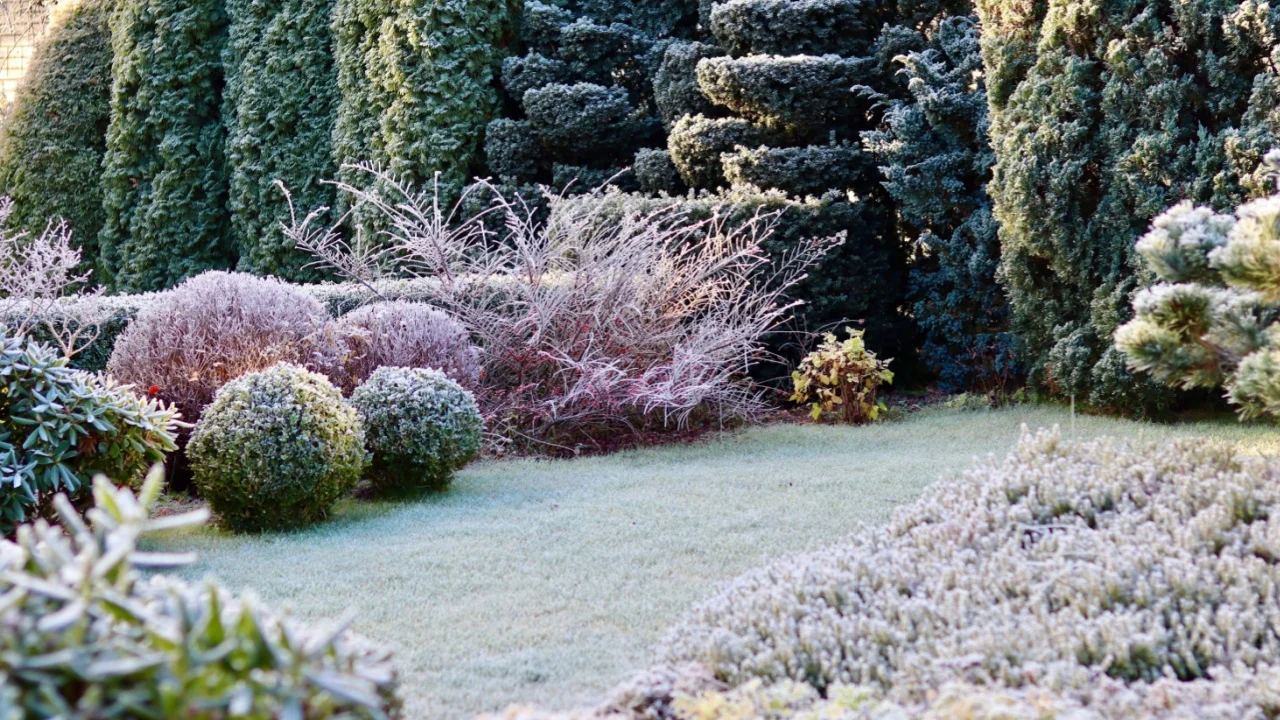
Frost forms when air temperatures dip below 40°F on still, clear nights, causing moisture in the air to crystallize on plant surfaces. A freeze is a more serious event: air temperatures at or below 32°F sustained for several hours. And a hard freeze, when temperatures are at or below 25°F, can freeze soil solid and kill the roots of plants that survived the night air just fine.
What surprises most gardeners is where the real damage threshold sits. According to NC State Extension, frost conditions can result in damage to warm-season plants at temperatures from 31°F to 33°F. The Alabama Cooperative Extension System notes that many warm-season vegetables, including peppers and tomatoes, can begin to see foliar damage at 33°F — one degree above the standard freeze mark. Waiting until the forecast shows 32°F before acting means you are already too late.
Frost also occurs at the plant level even when air temperatures read higher. Iowa State University Extension explains that cold air is denser than warm air and sinks, meaning temperatures at ground level and on low-growing plants can be several degrees colder than what the thermometer reads at chest height. On a still, clear night, ground-level plants can experience frost even when air temperatures are as high as 38°F.
The good news is that a late spring freeze does not have to cost you a single plant, let alone a season’s worth of investment. Whether the forecast is showing a borderline frost or a hard freeze, the steps below form a complete protection plan. Here is what experienced gardeners know, and what to do the moment the forecast turns cold.
1. Check the forecast daily, not weekly
Weather conditions can shift rapidly in spring. A warm afternoon does not mean a safe night. Set a weather app alert for overnight lows in your area and check it every morning during late April and May.
2. Know your real frost date, not just the average
Look up your last frost date using The Old Farmer’s Almanac Frost Dates Calculator, which uses a 30% probability threshold. That means there is still a real chance of frost after the listed date. Treat it as a guideline, not a finish line.
3. Water the soil the day before a freeze
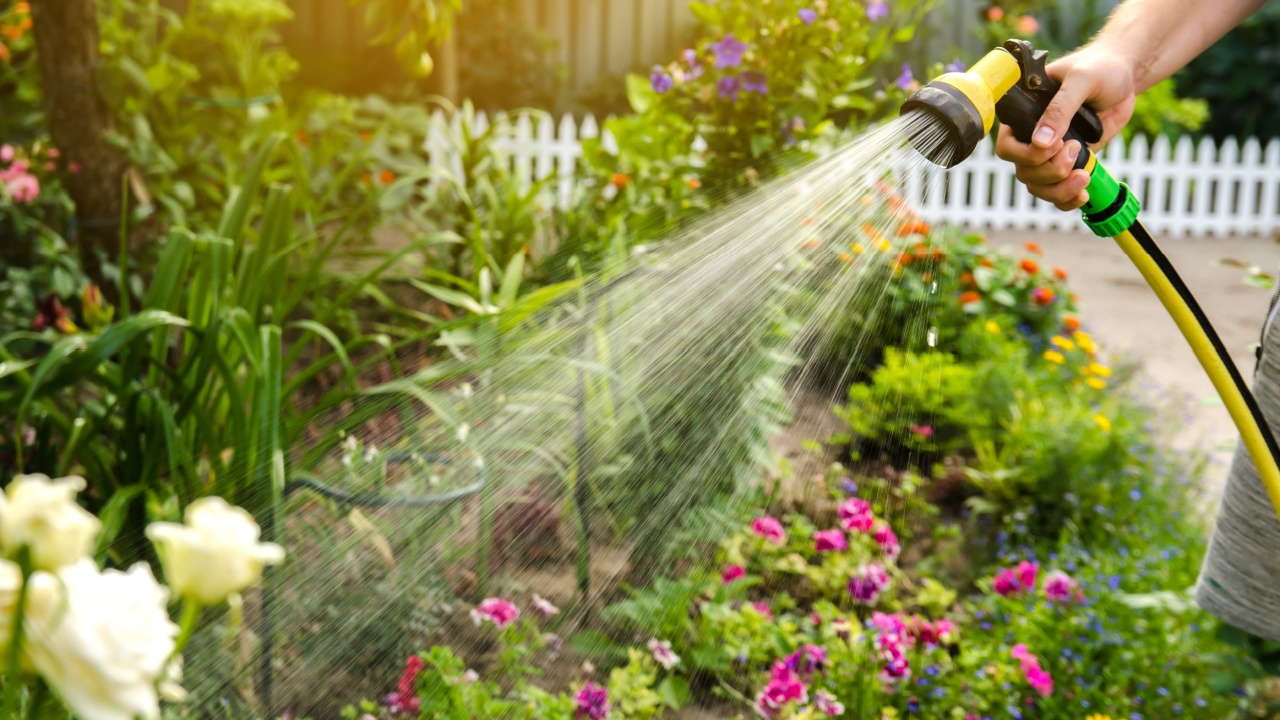
Moist soil holds and releases heat more effectively than dry soil, providing natural insulation to plant roots overnight. Give the garden a thorough soaking the afternoon before the cold arrives. Avoid overwatering: saturated soil excludes oxygen from roots and invites rot.
4. Cover plants before dusk, not at midnight
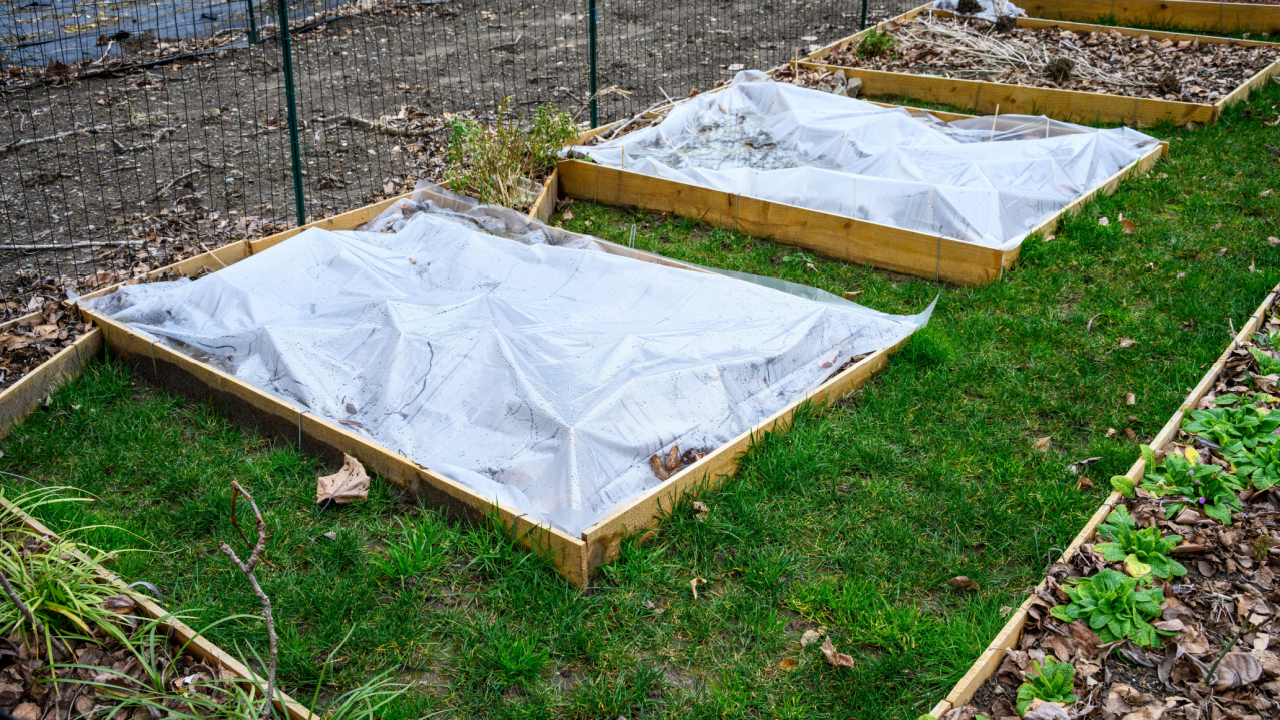
Soil begins releasing heat the moment sunlight fades. Getting covers in place before sunset means trapping that warmth around your plants from the start. Scrambling to cover plants at 11 PM means hours of heat are already lost.
5. Use fabric, never plastic, directly on plants

Bed sheets, tablecloths, old towels, frost cloth, and floating row covers all add 3 to 5 degrees of protection by trapping rising soil heat. Plastic touching foliage will burn leaves, not protect them.
6. Drape covers all the way to the ground
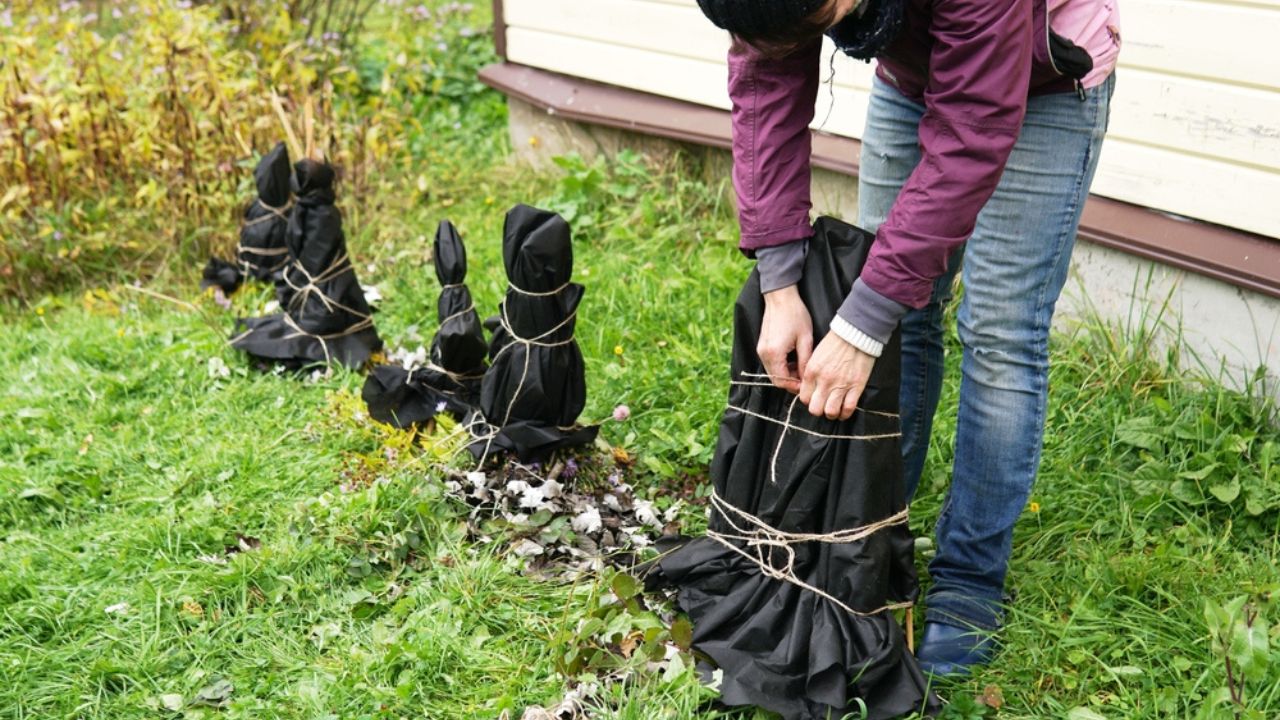
The goal is to trap heat rising from the soil, not to wrap the plant itself. Covers that stop at the stem or are tied around the trunk provide almost no benefit. Secure fabric edges with rocks, bricks, or stakes.
7. Prop covers off foliage with stakes or cages
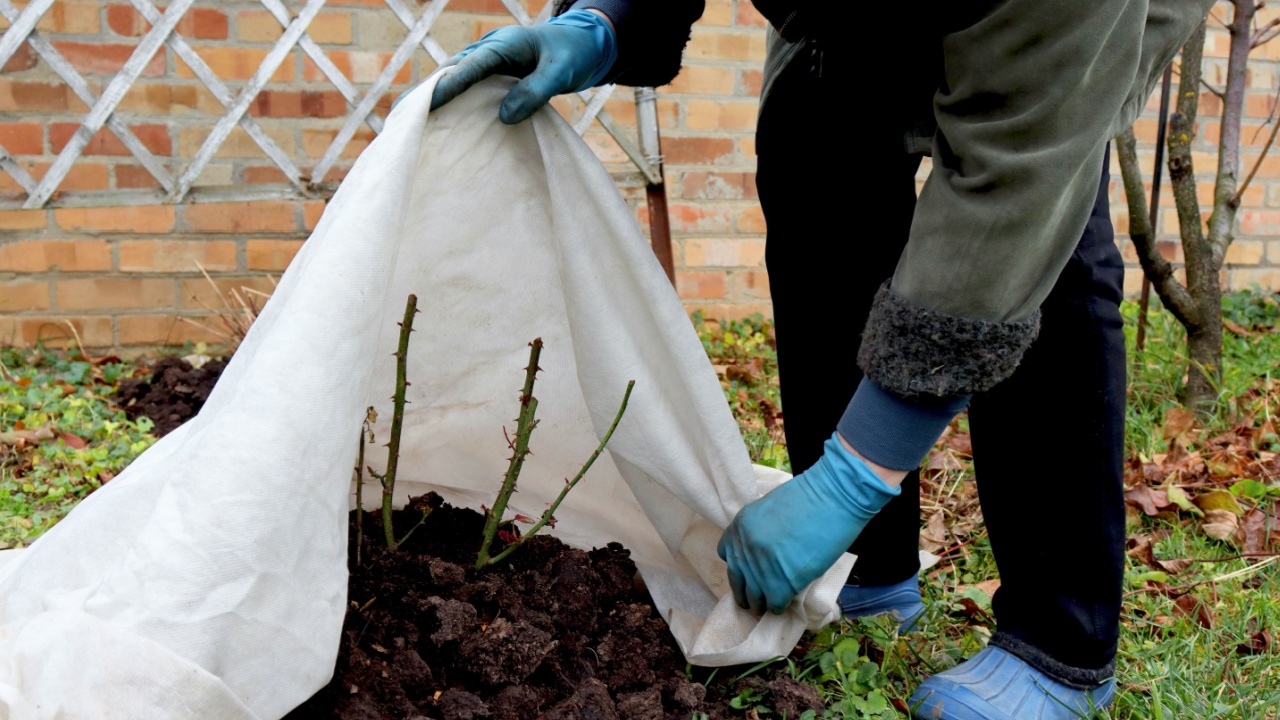
Direct contact between a fabric cover and plant leaves can cause damage on a hard freeze night. Use tomato cages, garden stakes, or inverted pots to create an insulating air pocket between the cover and the plant.
8. Bring containers inside without hesitation
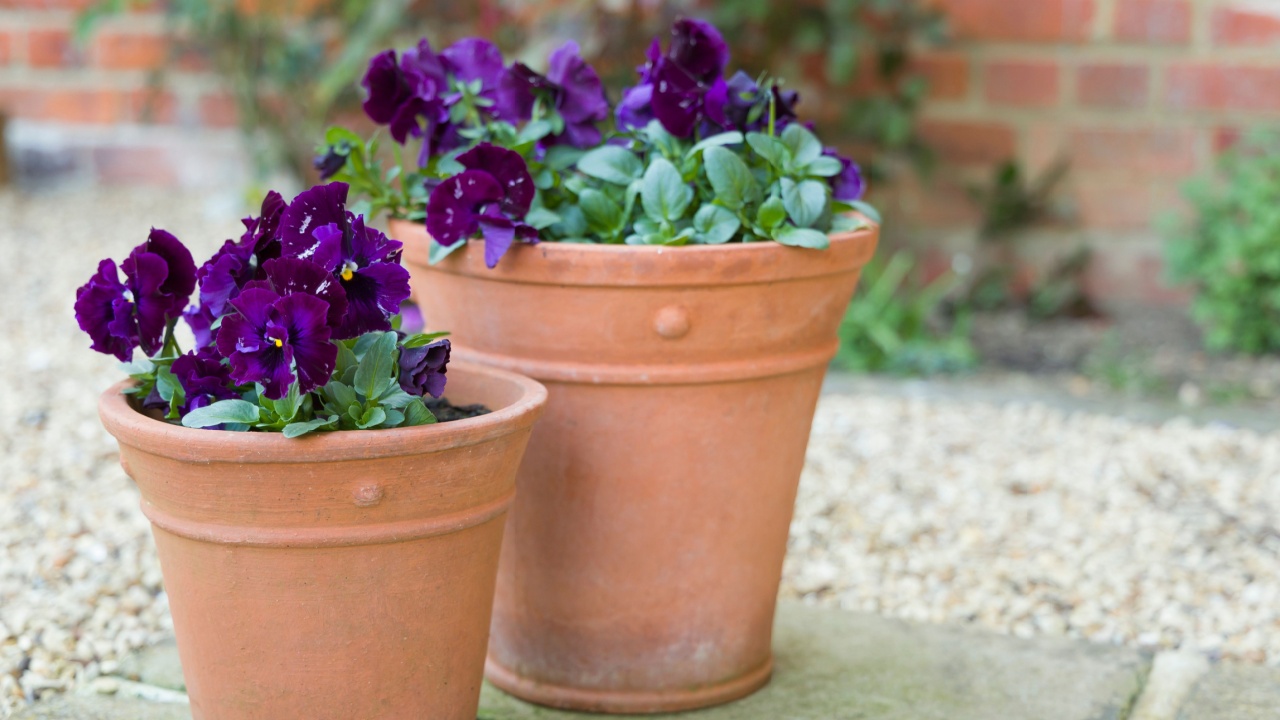
Potted plants are far more vulnerable than in-ground plants. The soil in a container gets nearly as cold as the surrounding air, threatening roots that would survive just fine if they were in the ground. Move pots into a garage, shed, or home before temperatures drop.
9. Lower hanging baskets to ground level
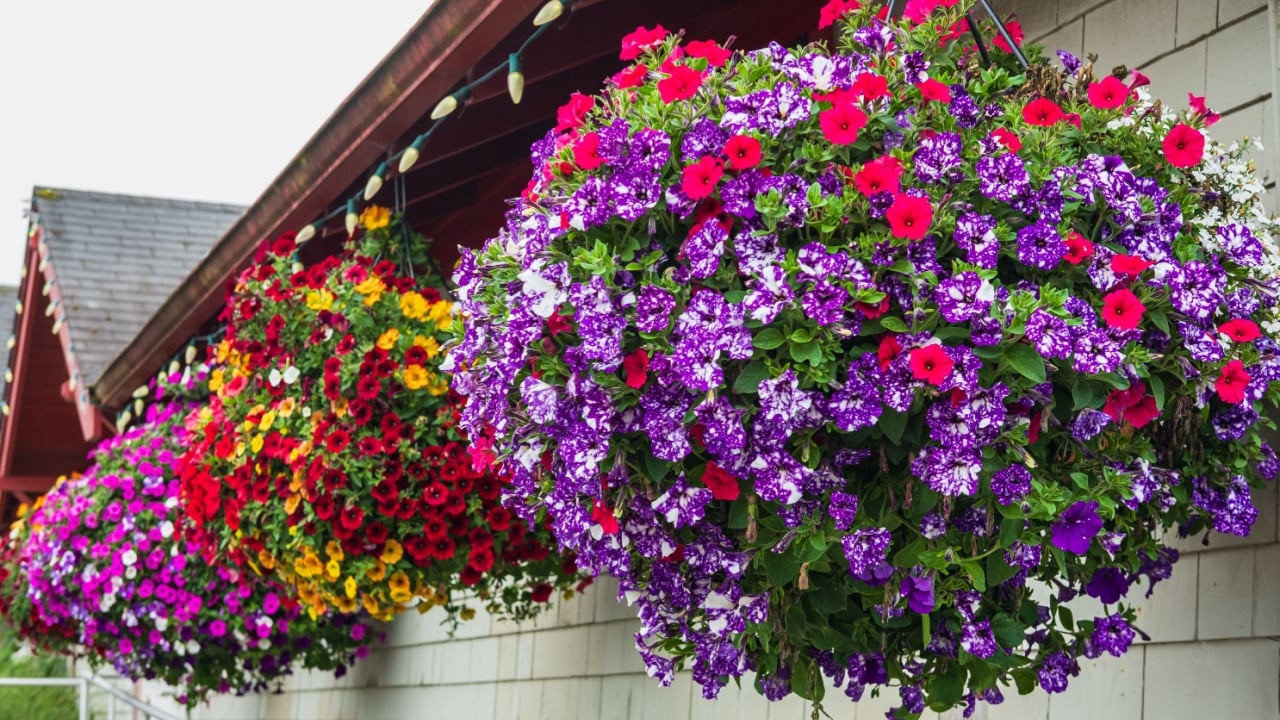
Air temperature near the ground stays warmer longer than air at basket height. If you cannot bring baskets fully inside, lower them from their hooks and set them on the ground in a sheltered spot near the house.
10. Mulch perennial beds to insulate the soil
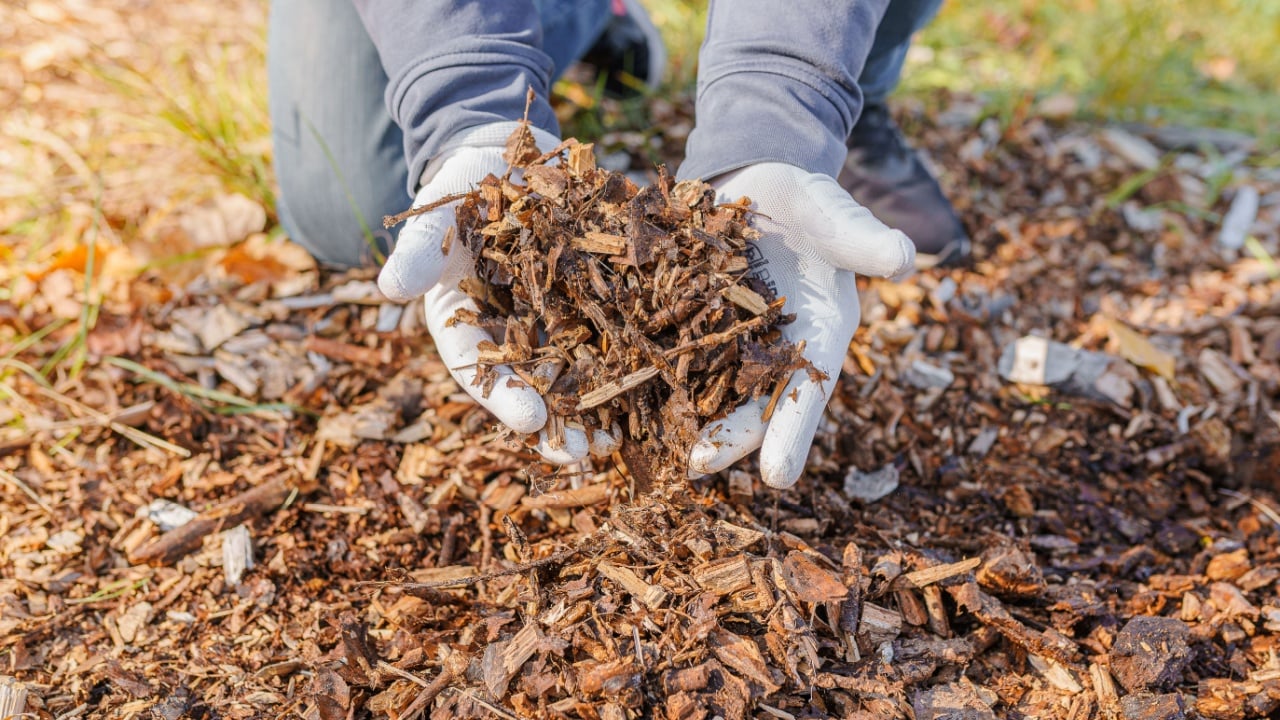
A 2 to 3-inch layer of straw, shredded leaves, or wood chips over perennial plantings slows the rate at which soil loses heat. This is especially valuable for marginally hardy plants like ginger and fig roots.
11. Place water-filled milk jugs under covers for extra heat
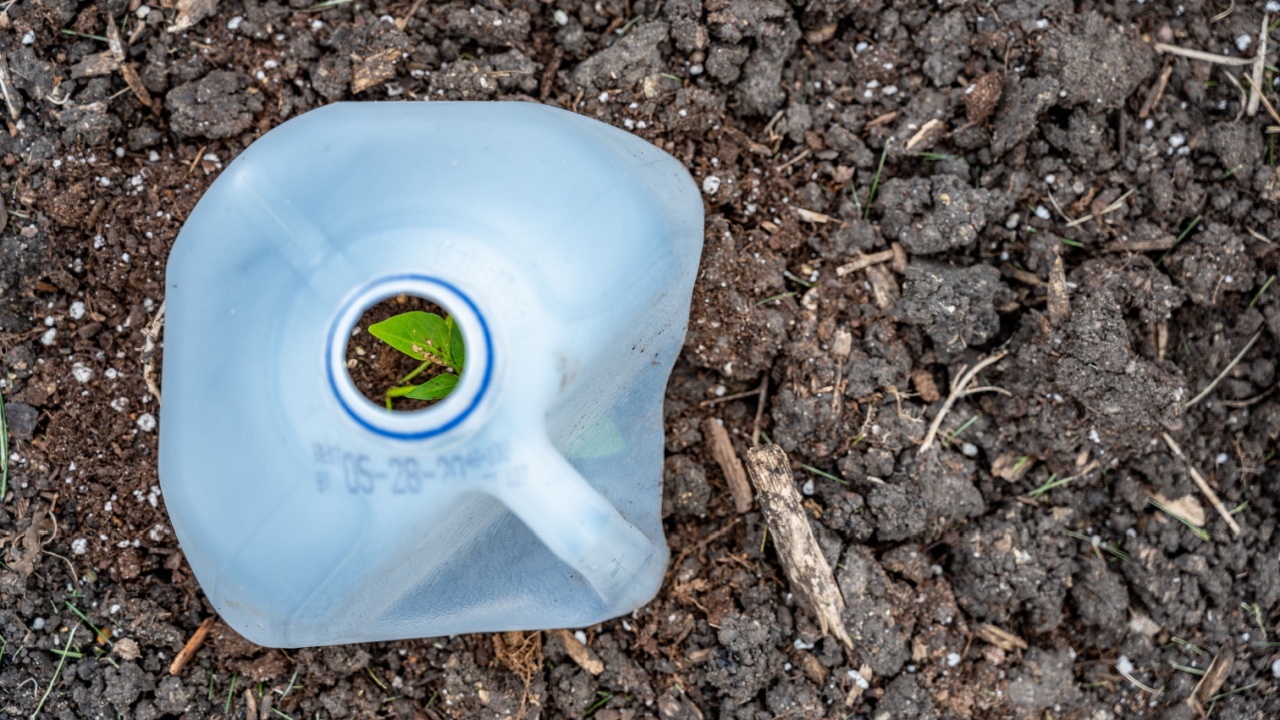
Your grandmother probably knew this one. Water absorbs heat during the day and releases it slowly at night. Place water-filled jugs or containers close to vulnerable plants under your fabric covers. Keep them from touching foliage to avoid condensation freeze.
12. Use Wall O’ Water tepees for tomatoes and peppers
These plastic sleeve devices, filled with water, form a mini-greenhouse around individual plants. Water absorbs solar heat by day and slowly releases it at night when temperatures fall. Experienced gardeners use them to plant tomatoes up to six weeks earlier than their frost date would otherwise allow.
13. Skip covering most perennials and spring bulbs
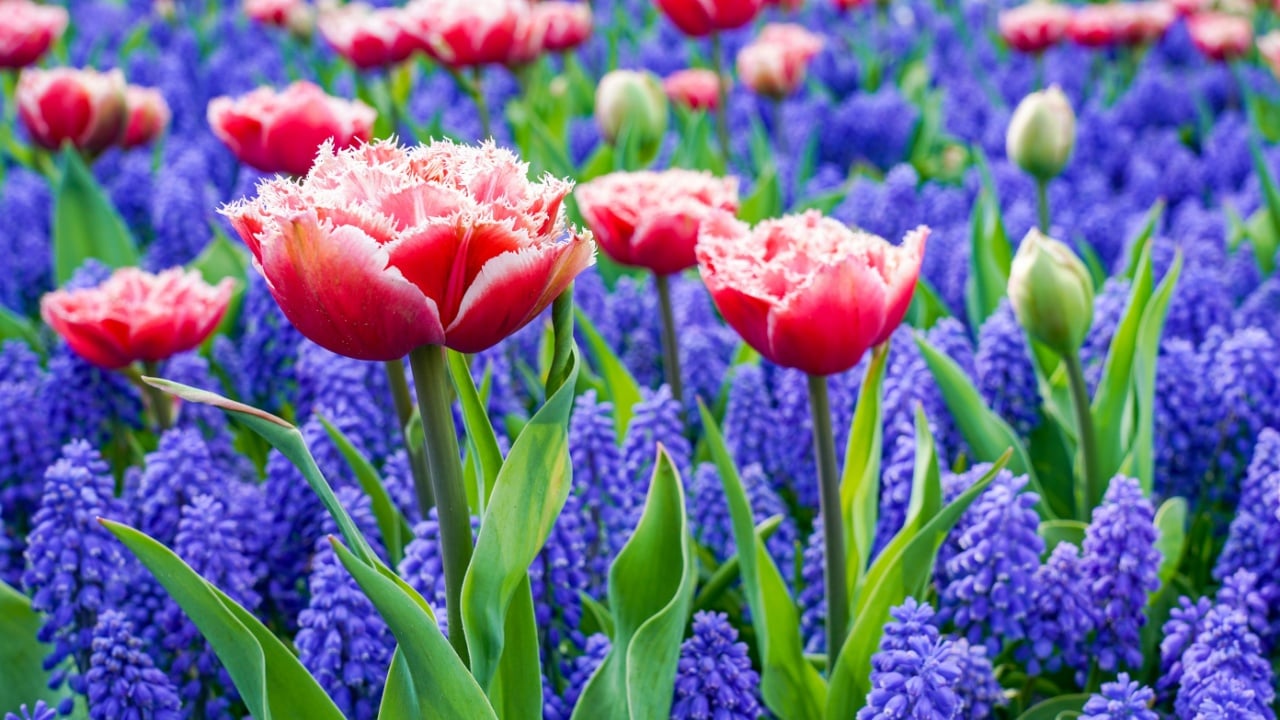
Iowa State University Extension confirms that the emerging foliage of tulips, daffodils, bleeding heart, daylily, catmint, and columbine can tolerate temperatures down to the upper 20s°F with little damage. Wasting covers on these plants means your tomatoes go unprotected.
14. Protect strawberry beds when flowers are open
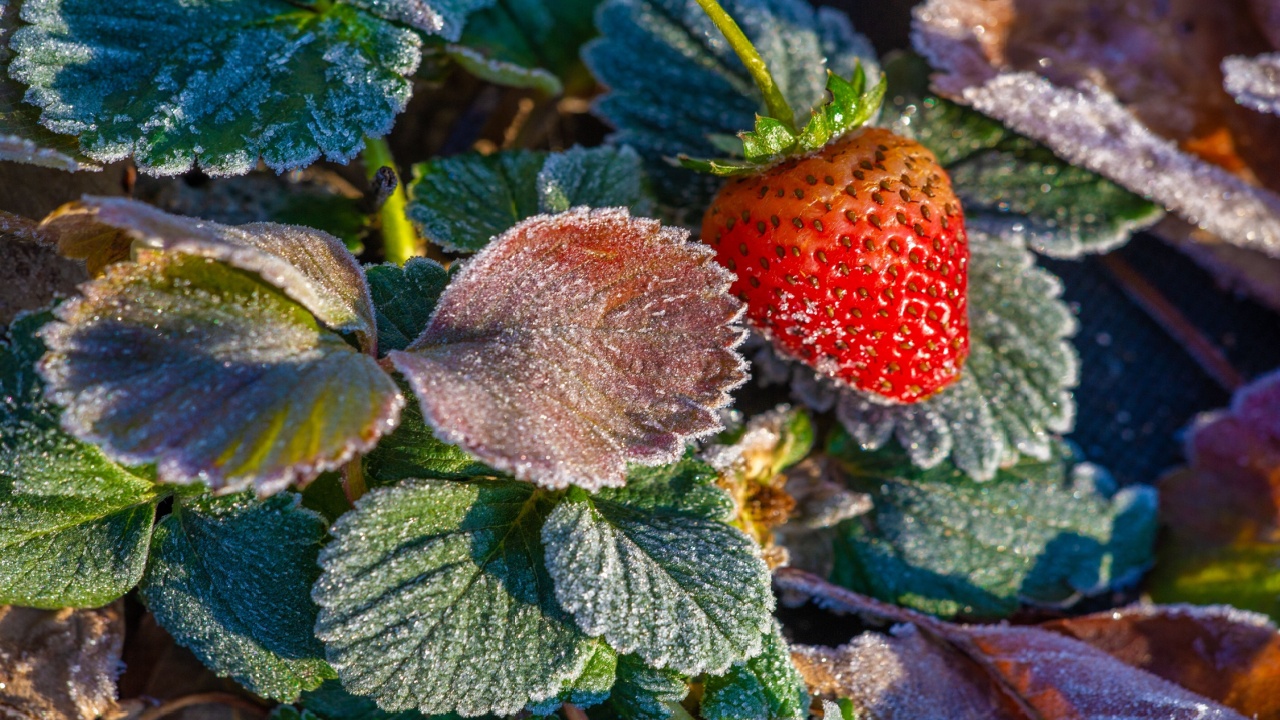
Tight strawberry buds tolerate temperatures as low as 20°F, but open blossoms are damaged at 30°F. Cover flowering strawberry beds with frost cloth the moment cold is in the forecast, and uncover them during the day to allow pollination.
15. Water the soil around fruit trees rather than trying to cover them
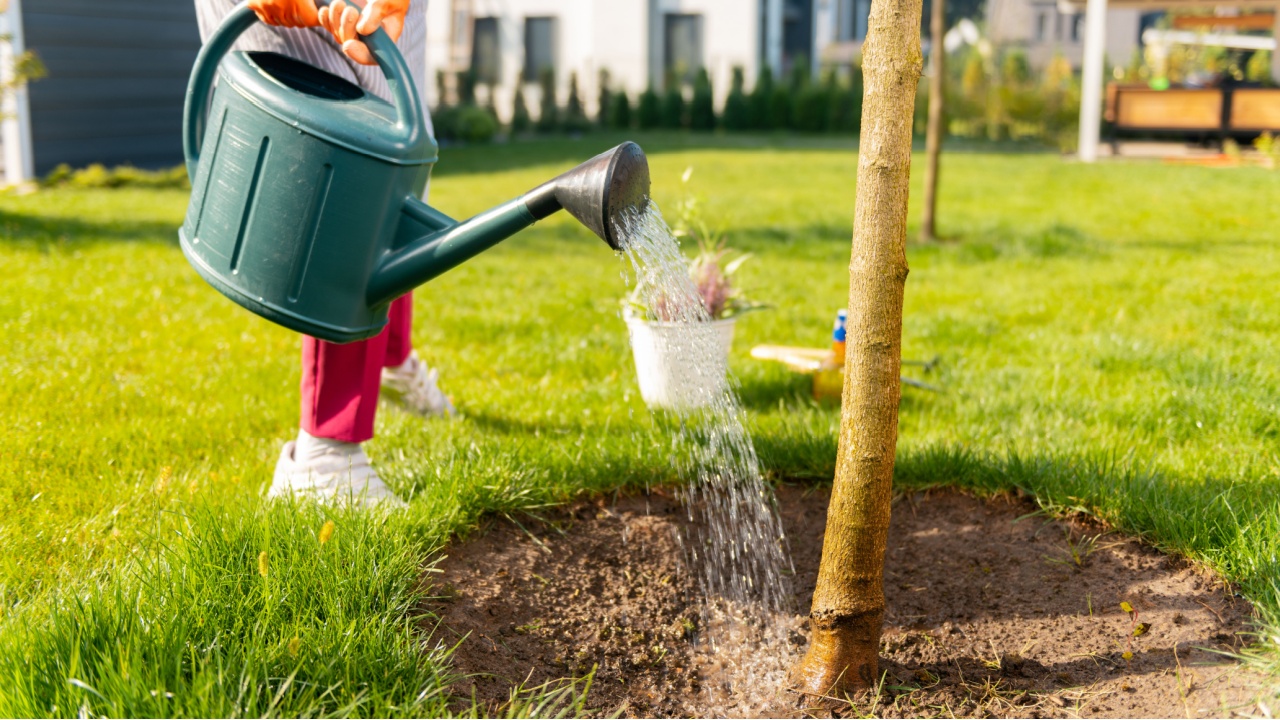
Mature fruit trees cannot be practically covered. Instead, give the soil around the base a deep soaking before a freeze. Wet soil stays warmer, and the act of water cooling releases heat that rises toward the vulnerable blossoms above.
16. Disconnect garden hoses before the temperature drops
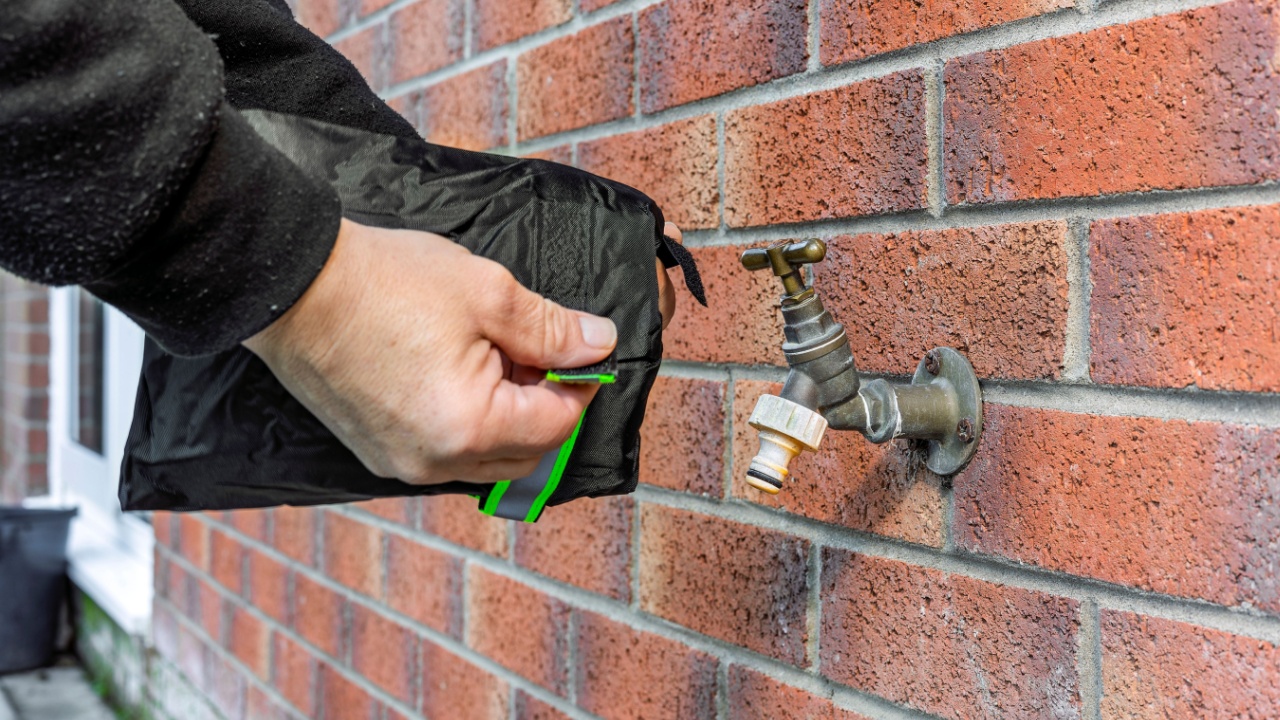
Water trapped in a connected hose can freeze and expand, cracking the hose connection and pipes beneath the house. A split pipe discovered the morning after a freeze is an expensive and avoidable repair.
17. Insulate your irrigation backflow preventer
Wrap exposed backflow preventer pipes with foam pipe insulation and secure with duct tape. On a hard freeze night, shut off the supply valve and use a flathead screwdriver to release the bleeder valves and clear remaining water from the device.
18. Plan for your garden’s microclimates
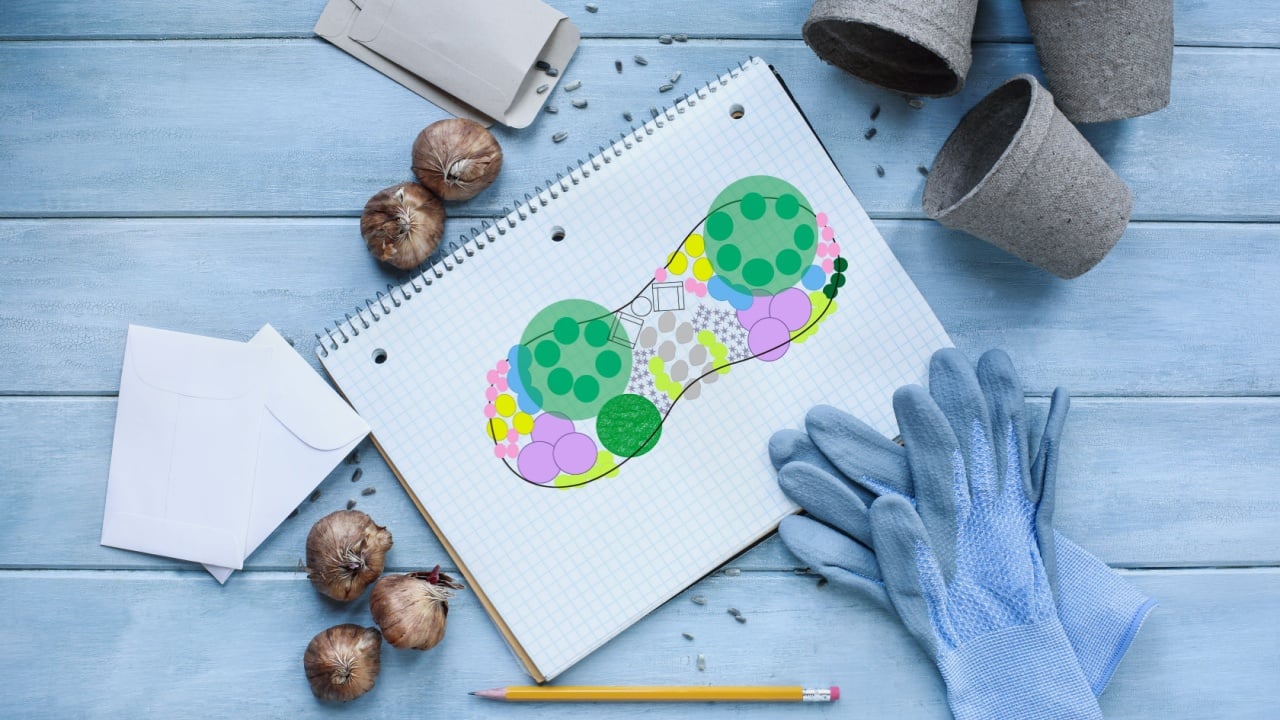
The Morton Arboretum notes that cold, dense air flows downhill like water, settling in low-lying areas. A spot at the bottom of a slope may be 5 to 10 degrees colder than a raised bed or south-facing planting area just a few yards away. Position frost-sensitive plants in higher, more sheltered spots year after year.
Stop Covering Your Garden with Plastic — Here’s What to Use Instead

Of all the frost-protection mistakes gardeners make, covering plants with plastic sheeting is one of the most damaging. It feels logical: plastic is waterproof, it feels protective, and it is usually on hand. But plastic traps moisture against plant tissue and, wherever it touches a leaf or stem directly, it will cause freeze burn that looks exactly like frost damage — because it is.
The Alabama Cooperative Extension System is direct on this point: cloth material is more effective than plastic because plastic transfers heat rather than retaining it. More importantly, foliage in contact with a plastic surface will freeze even on a night that would not otherwise harm an uncovered plant.
Fabric is the right tool. Bed sheets, tablecloths, old towels, frost cloth, and floating row covers all work by trapping the warmth that radiates upward from the soil overnight. According to the Alabama Cooperative Extension System, loosely covering plants with a lightweight fabric such as a bed sheet can add 3 to 5 degrees to the ambient air temperature around the plant, which is often exactly the margin needed to prevent damage on a borderline night.
A few rules make the difference between a cover that works and one that doesn’t. Covers must drape all the way to the ground to trap soil heat effectively; a cover tied around a plant’s trunk or stem provides almost no benefit. Covers should be in place before dusk, because the soil begins releasing heat the moment the sun sets. And covers must come off the next morning once temperatures rise above freezing, or the plants will overheat and suffer a different kind of stress.
After the Freeze, Avoid This Mistake Too
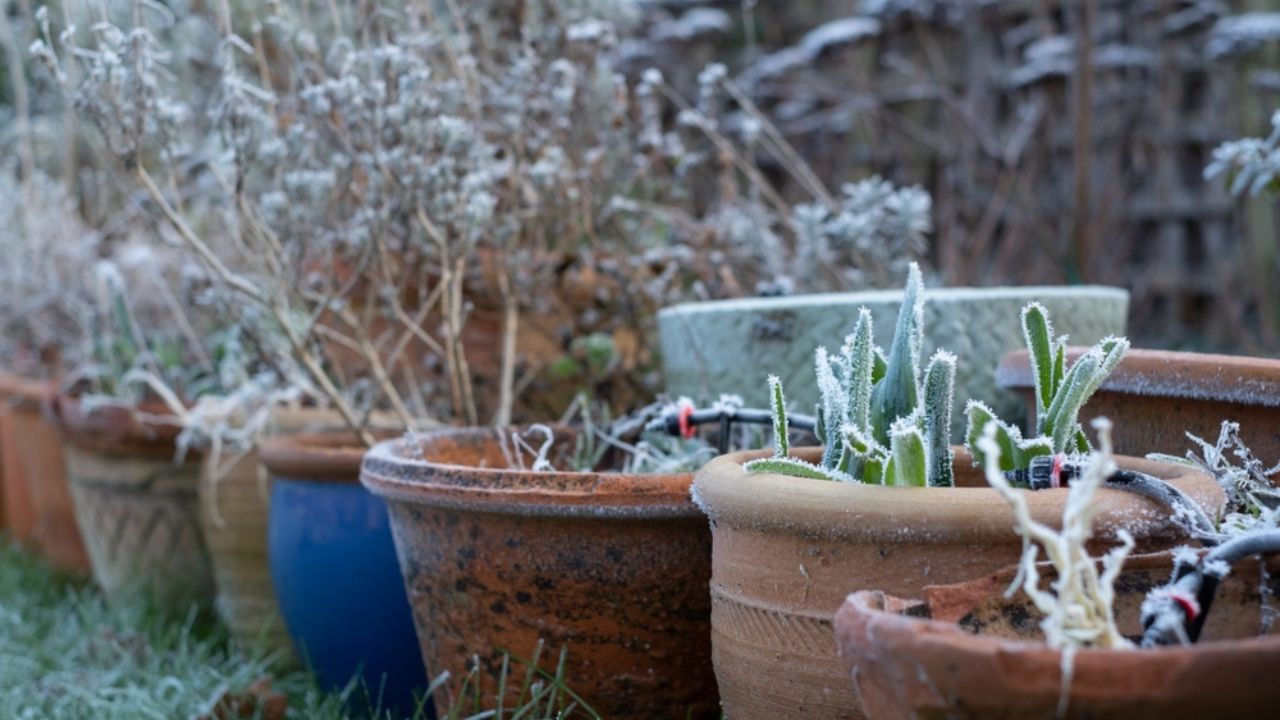
A freeze hits overnight, and the next morning, your tomato leaves look wilted, darkened, and defeated. The instinct is to pull everything out and start over. Stop.
Frost damage symptoms often look far worse than they are, and they frequently do not show their full extent until two to three weeks after the event, according to Iowa State University Extension. Damaged shoot tips may die back, but the root system and lower stem can remain viable. Given time and consistent care, many frost-damaged plants push new growth within 10 to 14 days.
Wait at least two weeks before making any decisions about replanting. Remove dead foliage carefully to reduce disease pressure, keep the soil consistently moist but not saturated, and watch for new growth emerging from the base or along the main stem. If no new growth appears after two to three weeks, then it is time to replant.
Read more:
Why wildlife experts are telling people to take down their bird feeders
Plant these 10 companion plants with your tomatoes — and stop planting these 4