The 7 Best Garden Items to Thrift This Fall
The most expensive thing you bring home from a yard sale this fall might cost you fifty cents. It won’t be the chipped urn or the rusty rake. It will be the “bargain” that quietly leaches something into your vegetable bed or carries an invasive pest into soil you spent years building.
Fall is prime time for secondhand garden gear. Estate sales empty out sheds, garage sales clear the decks before snow, and most shoppers have moved on to pumpkins and sweaters. Shelves fill up with heavy pots, hardwood tools, and half-used bags of fertilizer that people walk right past. Mixed in among those treasures, though, are a few items experienced gardeners won’t touch at any price.
Get it right, and the savings are real: a terracotta pot for a quarter, fertilizer for up to 90% off, or a mower for a fraction of the showroom price. Get it wrong, and you may haul lead-painted containers, tire planters, or infested soil into the beds you’ll be eating from next summer. Anyone who has gardened for a few decades knows that repairing soil is far harder than protecting it.
Here are the best garden items to thrift this fall: the seven worth hunting for right now in October, followed by the three “deals” to leave on the table. Let’s get started.
1. Old Terracotta and Ceramic Pots

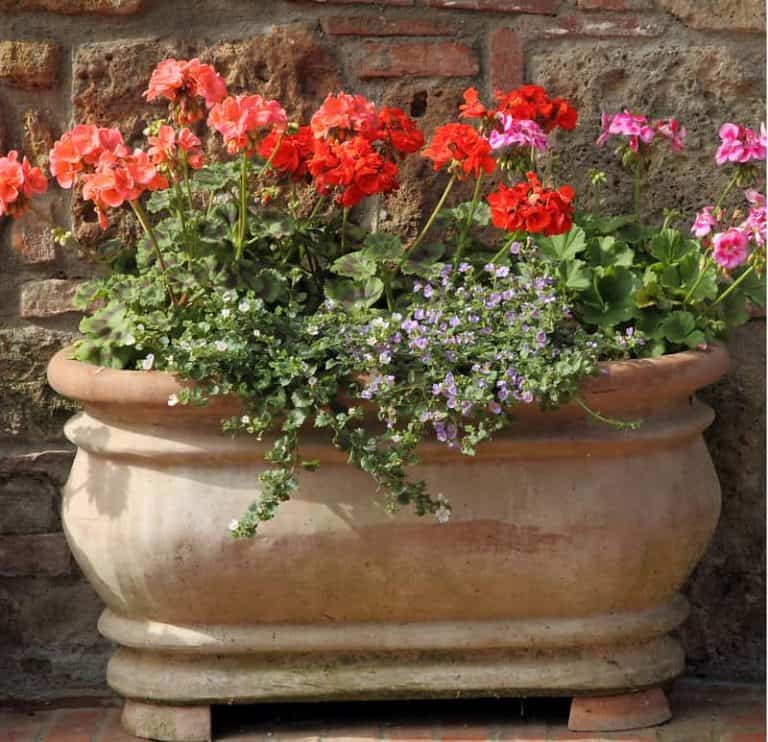
Pots are the easiest win in the store. Southern Living reported that Will Hunt Lewis, owner of Hunt & Bloom in Houston, found clay pots on a recent thrifting trip for just 25 cents each, and he has had luck finding “stacks of traditional terracotta pots with gorgeous age and patina.” Before you buy, run a fingertip around the rim. Master Gardener Stacy Ling of Bricks ‘n Blooms passes on terracotta with hairline cracks, because freeze and thaw cycles will split them wide open.
2. Hardwood-Handled Hand Tools
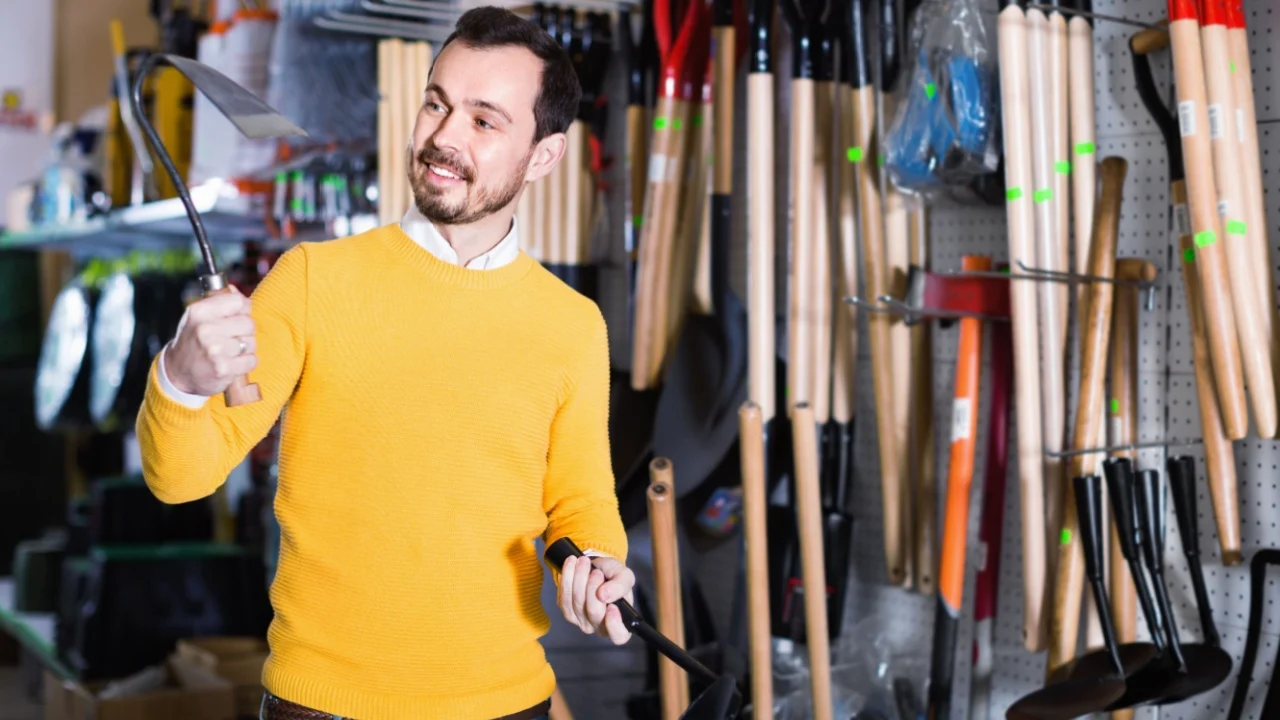
Your grandparents bought a trowel once and kept it for life, and their tools are still out there. Older rakes, forks, and trowels were often made with sturdy metal heads and hardwood handles, notes The Thrifty Apartment. Landscaper Gurkaren Ark told The Spruce that used hand tools are often practically as good as new after a thorough cleaning and sharpening. House Digest suggests favoring tools with few moving parts that could hide flaws, adding that “used garden tools can be just as safe and durable as buying new.”
3. Gas Mowers, Trimmers, and Leaf Blowers
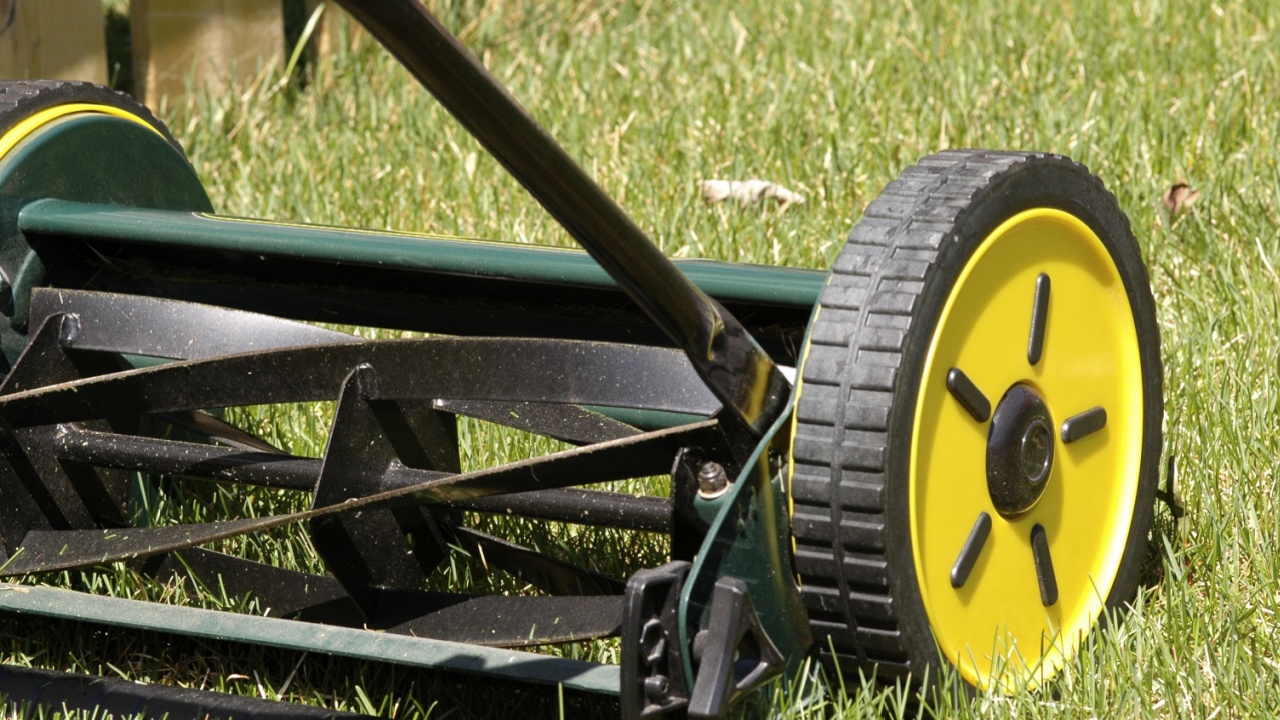
October is the moment for this one. Bob Vila advises shopping for your next mower after mowing season ends, typically around the first week of October, as reported by Nasdaq. Ark told The Spruce that many secondhand machines need little more than a cleaning, fresh gas, an oil change, and sharp blades, calling it “a great way to get machinery for less.” Skip anything the seller can’t start in front of you.
4. Leftover Bags of Fertilizer
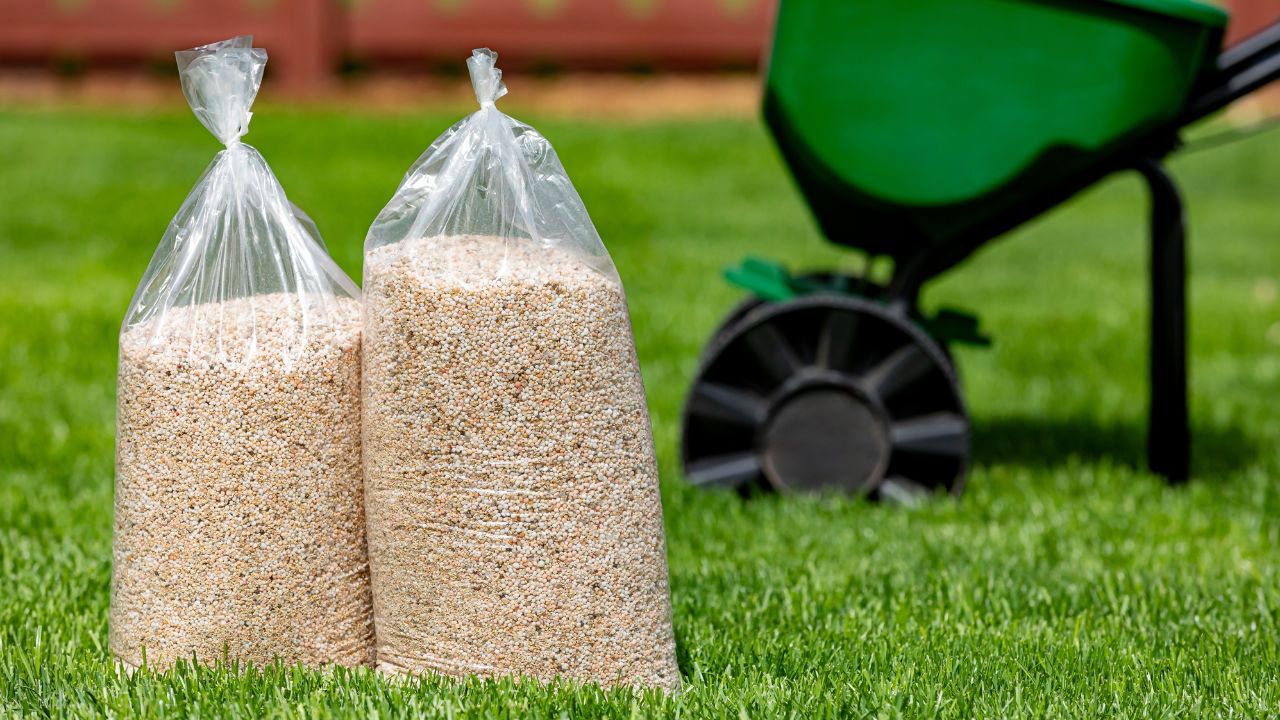
This is the find almost nobody thinks to look for. Gardening expert Christine Schaub told The Spruce that fertilizer bags retailing for up to $20 regularly turn up at garage sales and on Facebook Marketplace for $2 to $5. Do check the bag, though. One seasoned estate sale shopper told Cheapism that sometimes “the stuff you find is 20+ years expired.” Choose bags that are dry, sealed, or neatly folded, and free of hard clumps.
5. Galvanized Tubs, Buckets, and Baskets
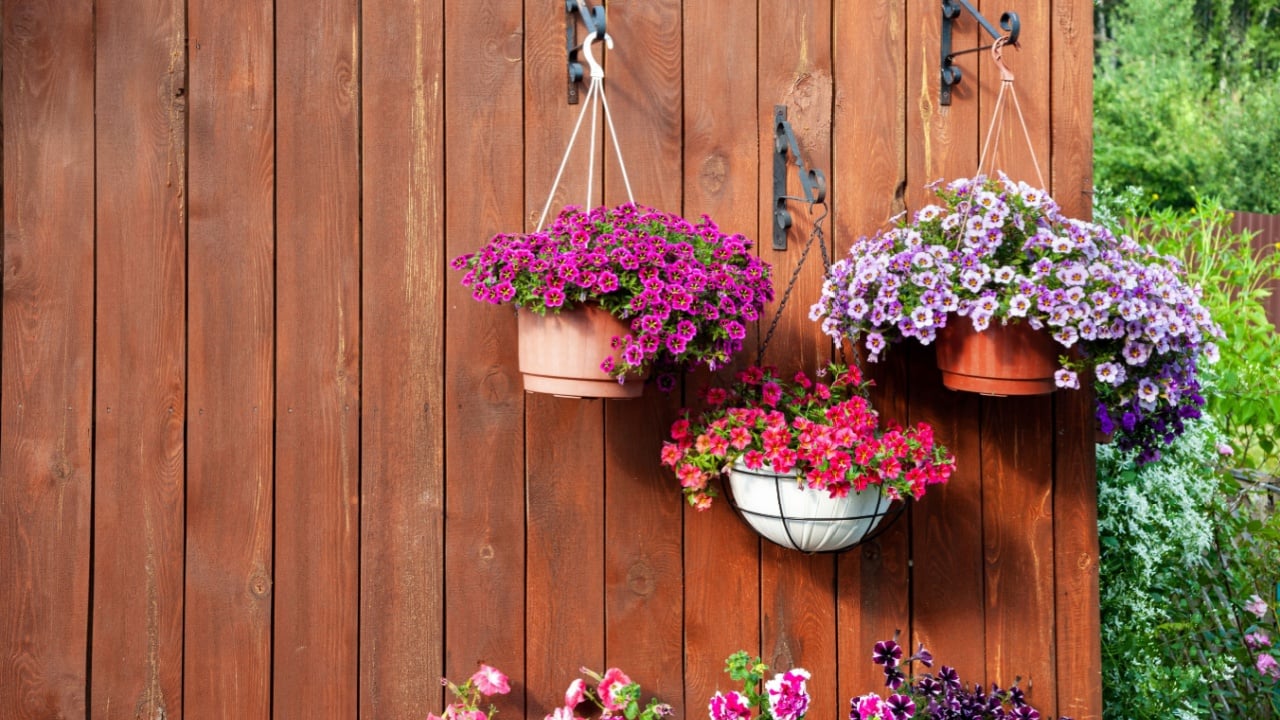
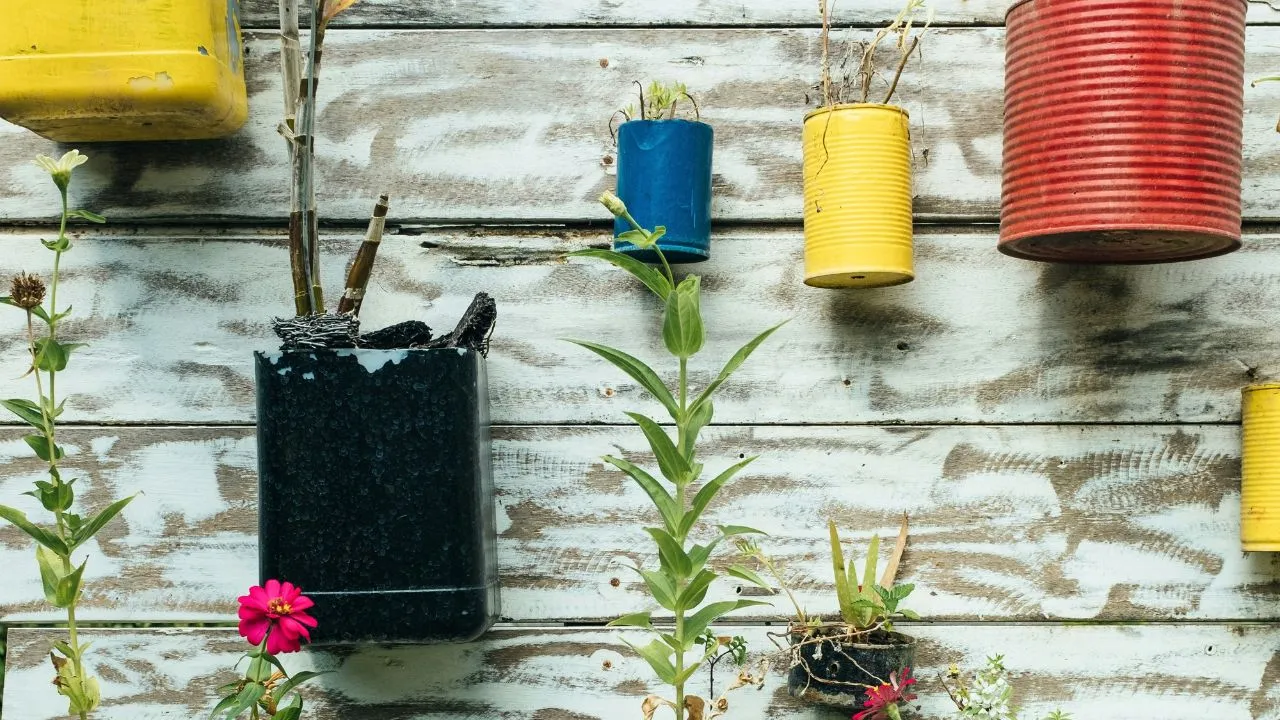
Metal tubs make handsome planters for almost nothing. Jennifer Howard of Cottage on Bunker Hill turned a $5 thrifted drink tub into an overflowing flower planter, but only after drilling drainage holes, since “soggy roots are a one-way ticket to unhappy plants.” No drill? She taps holes through from the underside with a hammer and nail. Baskets work too; Ling slips a plant dish and nursery pot inside rather than planting directly.
6. Potting Tables and Sturdy Workbenches

If you’re over 50 and your knees file a complaint every time you kneel to repot, a thrifted potting table may be the smartest money you spend all year. Working at waist height means less bending, and a weathered wooden bench looks better in the garden than anything new. Howard’s favorite, painted robin’s egg blue with copper accents, has a humble origin: “This started out as a dumpster find!” Push down on every corner before you pay; wobble and soft wood are dealbreakers.
7. Stone Birdbaths, Urns, and Statuary
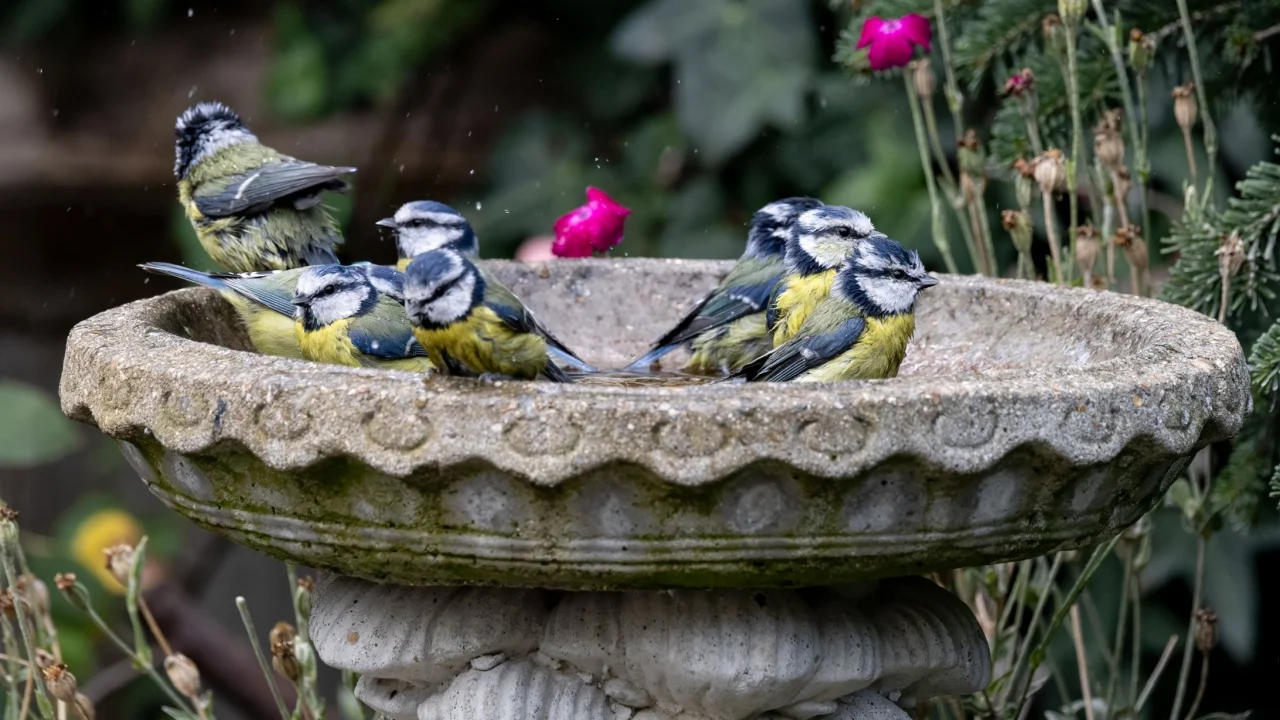
Estate sales are where the heavy hitters hide. Schaub told The Spruce that stone or cement pieces already tinted with live moss are a true treasure, and buying locally means no shipping fees. Older cast iron urns have a weight and detail that newer lightweight planters lack, according to The Thrifty Apartment. Don’t fuss over wear, either. As Ling puts it, “The chippier the statue, the more character it adds to the garden.”
8. Never Bring Home: Free Tires, Items with Chipped Paint, or Perennials with Jumping Worms
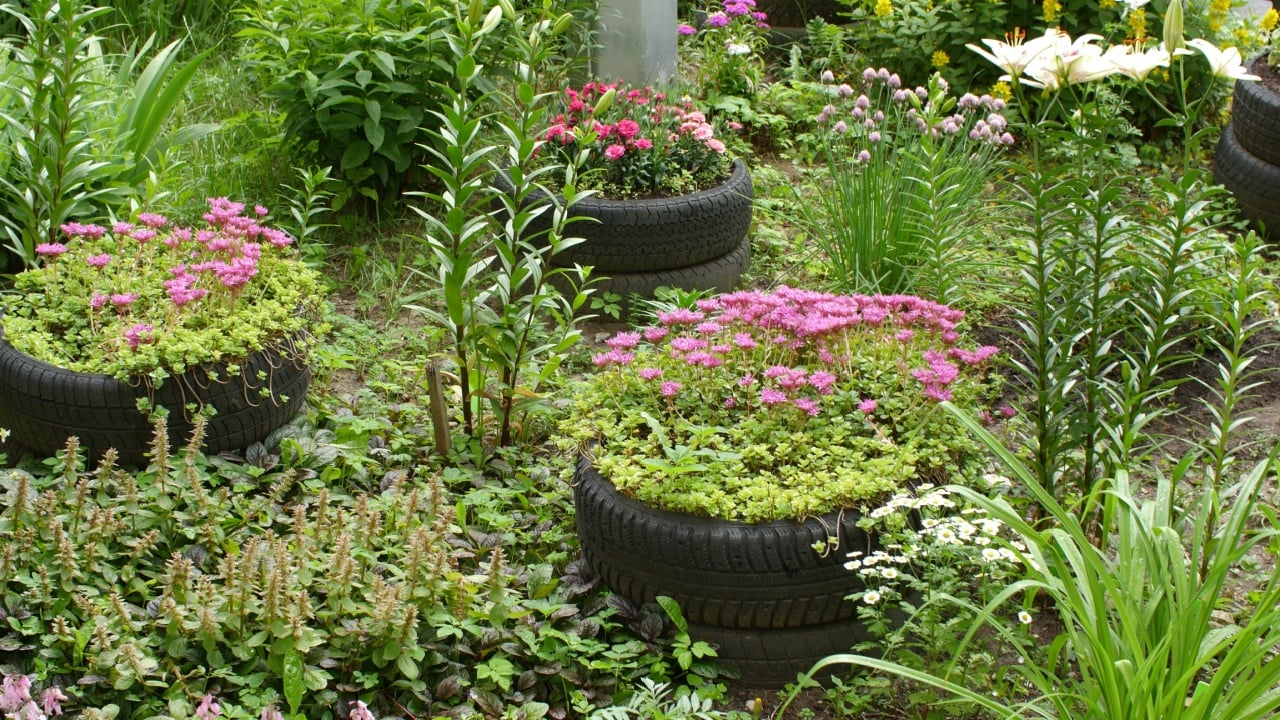
Free tires are the classic trap. NC State Extension warns that tires contain cadmium, chromium, and high levels of zinc, and that these substances leach into soil and plants as the rubber breaks down. Its advice is blunt: “There is no need to use tires in the garden.” Leave them at the curb.
That chippy painted crate is charming until you learn what might be in the paint. According to The Micro Gardener, some paints made before 1950 contained as much as 50% lead. Oregon State University Extension explains that when old paint chips fall onto soil, they deposit lead right where you grow food: “This is how lead gets into a garden.” Keep vintage painted pieces decorative, line them, and never let flaking paint near edibles or the patch where grandchildren dig.
Fall is when gardeners divide perennials and sell the extras, and those pots may carry invasive jumping worms. They strip soil of organic matter, and UNH Extension notes that much of their spread comes from people accidentally moving infested plants and soil. “Be especially careful when sharing plant material at community plant sales and swaps,” it advises. Look for castings that resemble coffee grounds on the soil surface. There’s a legal wrinkle, too: in Wisconsin, jumping worms are a restricted invasive species, and state rules make it illegal to transport or introduce them without a permit. Most gardeners have no idea that knowingly moving infested plants or soil there can break state rules. If you can’t resist, wash the roots bare before planting.
How to Find the Best Garden Items to Thrift This Fall
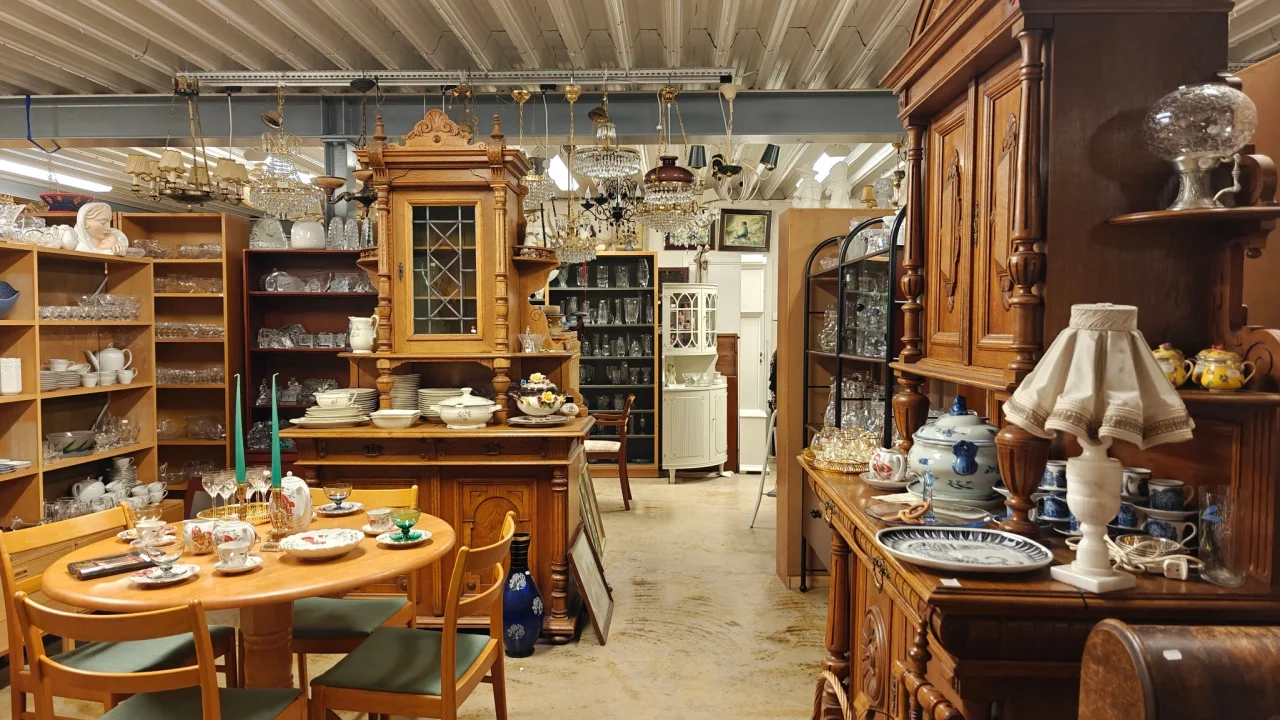
Timing is on your side. A former garden center manager told Gardening Know How that “Usually the lowest price on plants comes after the peak selling season,” and fall demand for garden gear drops right along with it. Carry a tape measure, inspect every crack and hinge, and reserve anything that will hold food crops for pieces you know are clean.
The best garden bargain of the year isn’t the cheapest thing on the shelf; it’s the one you’ll never have to dig back out of your soil.
A few dollars spent wisely this month can outfit a garden that looks collected over decades. Howard’s entire garden makeover started with $24.95 of thrift finds. Skip the tires, the flaking paint, and the mystery soil, and everything else you carry home will only get better with age.
Read More
Is Your Garden Hurting You? 9 Tools Doctors Say Could Save Your Joints
Ten Companion Plants Your Peppers Need For A Successful Growing Season